
Reviewed · JEONJU DAY TRIPS
Jeonju – Southern Korea (Private tour)
Jeonju is at its best when food and old Korea share the same street. This full-day walk through Jeonju Hanok Village links royal history, paper craft, rice wine, tea, and several proper meals, not just a quick tasting. You also make kimchi with a local master, which gives the day a useful hands-on turn.
I like the generous food program: lunch comes with many colorful side dishes, and dinner ends with Jeonju bibimbap or bean sprout soup. I also like the mix of places, from Gyeonggijeon Shrine and Jeonjuhyanggyo Confucian School to a traditional wine museum and a family tea setting.
The main caution is pace. Thirteen stops in about eight hours means plenty of walking and fairly short visits. Transportation to and from attractions is not included, so you should be ready to move around Jeonju on foot and wear comfortable shoes.
Key points to know before you book
- Kimchi making is the day’s hands-on centerpiece: You prepare kimchi with a local kimchi master rather than only eating it at a restaurant.
- Three substantial food moments are included: Hanjeongsik lunch, a tea experience, and a Jeonju dinner of bibimbap or bean sprout soup.
- The route covers more than food: Expect museums, a Catholic church, a royal shrine, a Confucian academy, and two hilltop pavilions.
- The tour begins and ends in Hanok Village: Meet at 99 Girin-daero at 10:00 am, then return to the same meeting point.
- The $75 price includes key extras: Lunch, dinner, admissions, a professional guide, and the kimchi class are covered.
- It is private, but check the group rules: Only your group participates, yet the booking information allows up to 15 people and notes that at least two guests may be required.
Why this Jeonju day feels different from a standard food tour
Many food tours focus on a few restaurants and a guide’s running commentary. This one treats food as part of Jeonju’s wider culture. You see how writing, paper, alcohol, royal tradition, Confucian learning, and family customs all connect to what appears on the table.
That makes the day useful if you are new to Korea and want help understanding more than menu names. Your guide remains with you through the route, which can help with language questions and local recommendations for the rest of your trip. A multilingual guide may operate the tour, so the exact language support should be confirmed when booking if that matters to you.
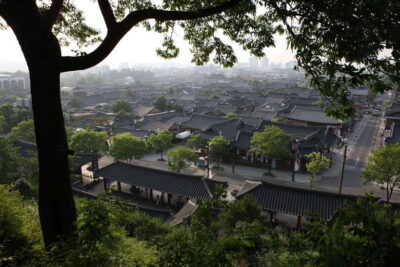
The setting helps. Jeonju Hanok Village is made up of traditional Korean houses, narrow streets, craft shops, cultural sites, and food stops. The schedule keeps returning to the village, so the route is not a one-way march across town. It is also not a quiet museum day. You will walk between stops, pause for meals, and spend much of the day outdoors.
The supplied background for this activity contains references to Seoul food tours and Seoul neighborhoods, but the meeting point, stops, and food program here are clearly for Jeonju. I would rely on the Jeonju details when planning and confirm the meeting instructions after booking.
Other day trips south from South Korea:
- Jeonju Hanok Village Full-Day Tour:Jangtaesan Autumn Foliage
★ 4.7 · 45 reviews - Jeonju Hanok Village Full-Day Tour: Jangtaesan Autumn Foliage
★ 5.0 · 16 reviews - Jeonju Hanok Village and Maisan Tapsa Temple Day Tour From Seoul
★ 5.0 · 12 reviews
Starting with poetry, fans, and Jeonju’s old streets
The first listed stop is the Chae Myeong-sun Poetry Museum, with about 20 minutes to look at Korean poetry written in Korean rather than Chinese characters. That is a small but worthwhile opening. It introduces a side of Korean culture that a food-only outing would miss, especially the importance of written language and literary expression.
Next comes the Jeonju Fan Culture Center. The visit lasts about 20 minutes and focuses on handmade fans, including their artistic design and traditional use. This is a short stop, but it gives you a clear example of a practical object becoming a crafted work of art.
These early visits are best viewed as orientation. You will not have time for a long museum study at either site, but the short format keeps the day moving. If you enjoy crafts, calligraphy, and local design, you will probably want to pay close attention. If you came mainly for food, these stops may feel slower than the meal sections.
Jeondong Catholic Church and the first major meal
The 30-minute visit to Jeondong Catholic Church adds a striking change of style. The church is described as one of Korea’s first Western-style churches and was built on sacred ground. Its presence beside older Korean sites makes the stop especially useful for understanding how different religious and architectural traditions meet in Jeonju.
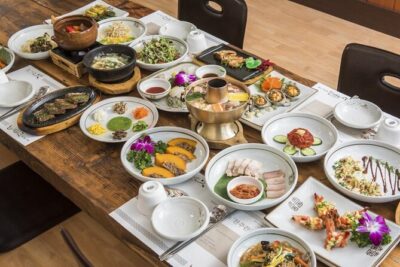
The schedule then allows 50 minutes for a Hanjeongsik lunch in Hanok Village. Hanjeongsik is a full Korean meal served with many side dishes, so this is not a quick bowl of noodles or a single plate. You can expect a table filled with different colors, textures, and small portions, giving you a broad introduction to Korean home-style and ceremonial meal customs.
This is one of the strongest parts of the value calculation. At $75, the price includes lunch as well as dinner, so the food allowance is doing real work. The exact restaurant and dishes are not specified, and that means you should not book expecting a particular menu. The appeal is the full spread and the chance to ask your guide what each dish is.
Rice wine and the royal story of Jeonju
After lunch, the Jeonju Korean Traditional Wine Museum gives you about 30 minutes to learn about old Korean brewing traditions and taste regional rice wines. Alcoholic drinks are not included in the tour price, so any tasting or purchase that carries an extra charge is your responsibility.
This stop makes sense after Hanjeongsik. Korean food and rice-based alcohol have long been served together, and the museum provides context for a custom you might otherwise treat as just another drink. If you do not drink alcohol, check with the guide about the tasting arrangements. The supplied details only say that alcoholic drinks are available to purchase.
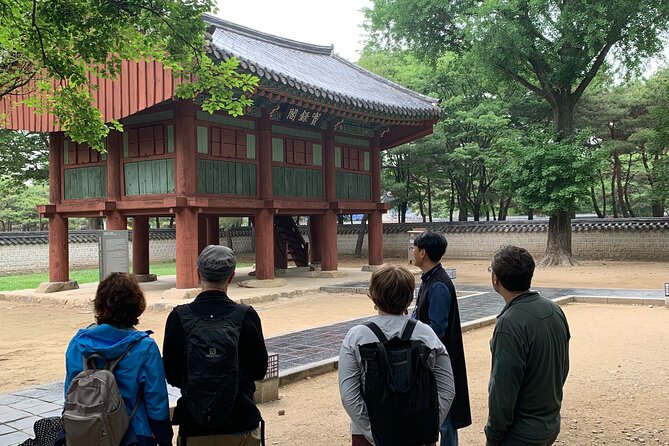
Gyeonggijeon Shrine follows, with roughly 40 minutes. The shrine houses a portrait of King Taejo, the founder of the Joseon Dynasty. This is one of the day’s more important historical visits because it connects Jeonju to the royal story of Joseon Korea.
You should not expect a long guided history lecture based on the information provided, but the site gives you a strong reason to pause and look closely. The 40-minute slot is more generous than the poetry and fan visits, which suggests that the shrine is a central part of the route.
A few more things to do in South Korea worth a look
- Busan Private Tour with licensed tour guide + private vehicle
★ 5.0 · 1,143 reviews - Private DMZ Tour (No Shopping): 3rd Tunnel & Suspension Bridge
★ 5.0 · 607 reviews - Jeju Island English Private & Flexible Tour any number anywhere
★ 5.0 · 561 reviews - Private Busan Tour -Explore Cultural Landmarks with a Local Guide
★ 5.0 · 552 reviews
Hanji paper and the lifestyle of the yangban
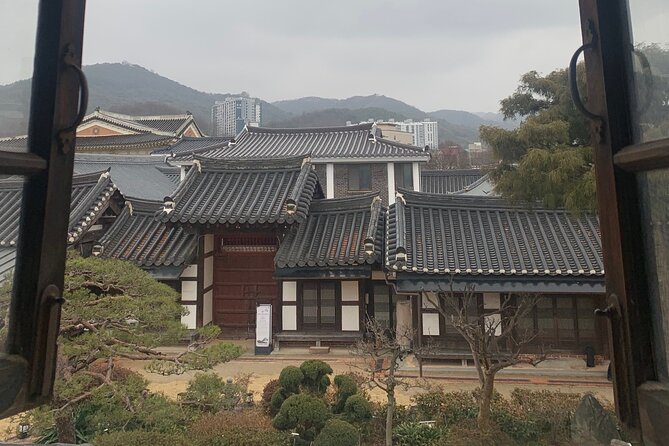
The Hanji Museum offers about 30 minutes with traditional Korean paper. Hanji is known for its careful production and lasting quality, and the stop lets you see how paper became part of Korean craft and daily life.
This is another place where the tour goes beyond the usual food itinerary. You may find the visit especially useful if you want souvenirs with a local connection, although the supplied information does not confirm that purchases are available. The experience is about the craft itself, not a guaranteed shopping stop.
The Yangban Culture Museum then looks at the refined lifestyle of the noble class during the Joseon period. The term yangban refers to the educated upper class associated with government, scholarship, and Confucian values. The 30-minute visit helps explain the social world behind the homes, clothing, manners, and learning traditions connected with old Korea.
I like the way these two stops balance each other. Hanji shows a material craft. The Yangban museum shows how status and education shaped everyday life. Neither replaces a long museum visit, but together they give the food and architecture a clearer setting.
The hilltop view at Omokdae and Imokdae
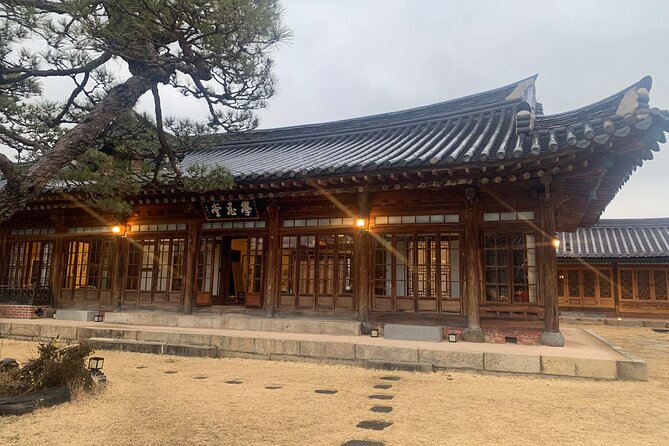
The tour then climbs to Omokdae and Imokdae for about 40 minutes. These historic pavilions offer views over Hanok Village from higher ground. This is the point where comfortable shoes matter most, since the day already involves steady walking and a hilltop visit.
The view provides a welcome change from close streets and indoor displays. You can see the traditional roofs arranged across the village and get a better sense of how the district fits together. The exact walking route is not supplied, so guests with mobility concerns should ask the operator about the terrain before booking.
Omokdae and Imokdae also give the day some breathing room. Much of the schedule uses 20- or 30-minute stops. A 40-minute hill visit allows time for photographs and a slower look, though weather will affect how much you enjoy it. The tour operates in all weather, so bring suitable clothing rather than assuming the day will be dry or cool.
Jeonjuhyanggyo and the quiet turn toward tea
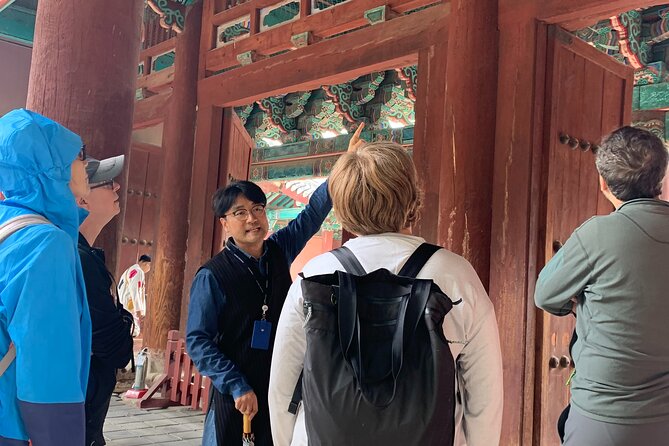
Jeonjuhyanggyo Confucian School is scheduled for 30 minutes. This old academy is where Confucian scholars once studied, and it adds another layer to Jeonju’s intellectual past. After the royal shrine, noble-class museum, and hilltop pavilions, the school helps explain why scholarship and formal learning mattered so strongly in Joseon society.
The day then becomes more personal at the Noble Family Tea Experience. You spend about 50 minutes in an old noble residence, where descendants of the family host a traditional tea ceremony. That family connection is the feature to watch for here. It is not simply a demonstration in a generic cultural center, but a tea setting linked to a local household’s history.
Tea ceremonies reward patience. You will have more time to observe gestures, vessels, preparation, and the calm rhythm of serving. The schedule does not specify the exact tea or whether sweets are included, so do not assume this replaces a meal. It is a cultural pause before the final food activities.
Making kimchi with a local master
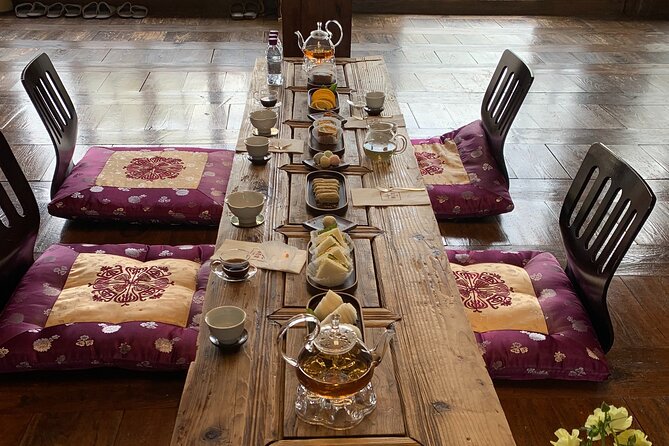
The 50-minute kimchi class is the most active part of the day. You work with a kimchi master and learn by preparing the dish, rather than hearing only a description of fermentation and seasoning.
The practical benefit is simple: after the class, kimchi is easier to understand as a process. You can pay attention to ingredients, texture, seasoning, and the balance between fresh preparation and the finished food served at meals. The details do not say whether you take your kimchi home, so ask before booking if that is important to you.
This class also makes the private format more useful. Your guide can help with instructions and language, while the small-group setting should make it easier to ask questions. The activity is private to your group, although the booking information also says a maximum of 15 people applies and that the tour may require at least two guests. If you are booking alone, confirm whether the minimum affects your date.
Ending with bibimbap or bean sprout soup
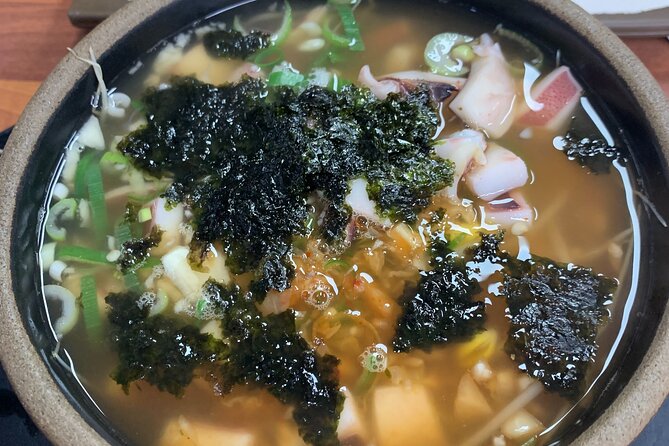
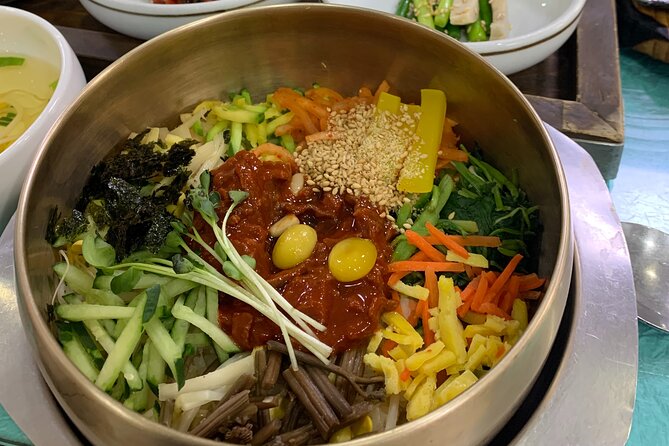
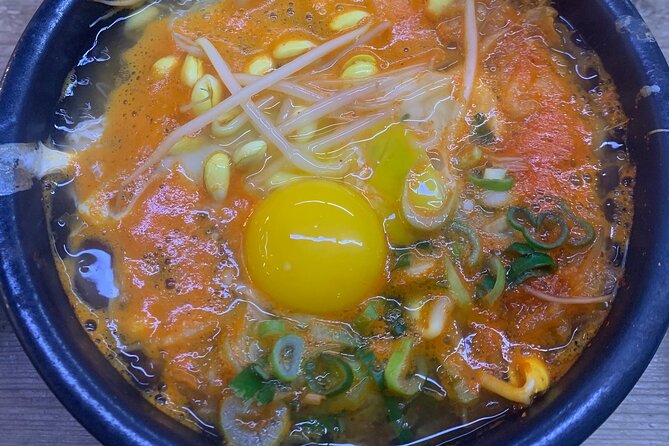
The final 50-minute stop is dinner with two Jeonju comfort-food choices: bean sprout soup with rice and bibimbap. Both are strongly associated with the city’s food identity, and ending here gives the tour a clear local finish.
Jeonju bibimbap is the more famous choice, with rice arranged with vegetables and other toppings. Bean sprout soup offers a simpler, warmer alternative. The meal is prepared by the kimchi master, linking the final plate back to the cooking class rather than treating dinner as a separate restaurant stop.
Dinner is included, which makes the $75 cost look unusually favorable if you value food and admissions. Still, value depends on your expectations. Transportation is not included, alcoholic drinks cost extra, and the itinerary is tightly packed. You are paying for a full cultural day with meals and instruction, not a private car, a slow-paced luxury outing, or a short tasting walk.
Timing, walking, and who will enjoy it most
The tour starts at 10:00 am at 99 Girin-daero in Jeonju Hanok Village and ends back at the same meeting point. You need to arrange your own transportation to and from the attractions, so plan around the fact that the activity itself does not provide transfers.
The entire day lasts about eight hours. You should expect frequent walking, outdoor sections, stairs or slopes around the hilltop pavilions, and a moderate level of physical activity. Comfortable walking shoes are specifically recommended, and the tour runs in all weather.
I would choose this for:
- A first visit to Jeonju
- Anyone who wants food tied to history and family tradition
- People who value a guide’s help with menus and local recommendations
- Couples, families, or friends who want a private outing
- Visitors who prefer several short cultural stops over one long museum visit
I would be more cautious if you want a slow, food-centered day with long restaurant stops. The schedule has thirteen listed sections, so the day may feel busy. It is also not the best fit if you dislike walking, hills, museums, or organized meal times.
Vegetarian food is available if you request it when booking. Service animals are allowed, and the meeting area is near public transportation. Confirmation is provided at booking, and the tour can be operated by a multilingual guide.
Is the $75 price fair?
For the stated inclusions, I think the price is strong. You receive a professional guide, lunch, dinner, the kimchi class, and admission to the listed cultural stops. Paying separately for two meals, a cooking lesson, several admissions, and a full day of guiding could easily cost more, though exact local prices are not provided.
The best value comes if you would otherwise need help ordering food and arranging a route across Jeonju. The guide also offers tailored recommendations for the rest of your trip, which can be useful early in a Korean holiday.
The weaker side is transport. Since it is not included, you must reach the meeting point and manage any transportation connected with the route. The price also excludes alcoholic drinks, and the minimum of two guests means a solo booking may need special confirmation.
Cancellation is free up to 24 hours before the 10:00 am start time. Within 24 hours, the payment is not refunded, and changes are not accepted. If the operator cancels because the minimum number is not met, you are offered another date or experience, or a full refund.
Should you book this Jeonju tour?
Book it if you want Jeonju presented as a complete place, not just a bibimbap stop. The combination of Hanjeongsik, kimchi making, tea, rice wine, royal history, hanji paper, and traditional architecture gives you a fuller sense of the city than a short restaurant crawl.
I would especially choose it for a first visit, an early day in your Korea itinerary, or a private group that wants help crossing the language gap. Skip it if your priority is free time, a very slow pace, or a tour built almost entirely around eating.
Before paying, confirm the guide language, the exact meeting instructions, whether the minimum of two guests applies to your date, and any details about the kimchi you prepare. If those points work for you, $75 buys a long and unusually varied day in Jeonju.
FAQ
Where does the tour start?
It starts at Jeonju Hanok Village, at 99 Girin-daero, Wansan-gu, Jeonju, Jeonbuk State, South Korea.
What time does the tour begin?
The tour begins at 10:00 am.
Where does the tour end?
The activity ends back at the starting meeting point in Jeonju Hanok Village.
How long does the tour last?
The tour lasts approximately eight hours.
Is transportation included?
No. Transportation to and from the attractions is not included.
Are meals included?
Yes. Lunch and dinner are included. Lunch is a Hanjeongsik meal, and dinner includes bean sprout soup with rice or Jeonju bibimbap.
Is the kimchi-making class included?
Yes. The tour includes a kimchi-making class led by a kimchi master.
Are alcoholic drinks included?
No. Alcoholic drinks are available to purchase separately.
Is a vegetarian option available?
Yes. You should advise the operator when booking if you require a vegetarian option.
Can I cancel for a full refund?
Yes, if you cancel at least 24 hours before the experience start time. Cancellations made within 24 hours are not refunded.
Just added in South Korea
- Your Personal Seoul Photographer!★ 4.1 · 15 reviews
- You’re Invited to Our Home in Seoul: The Only Cooking Class!★ 5.0 · 8 reviews
- From Seoul: Yongpyong Ski Day Tour with Transportation★ 4.9 · 40 reviews
- Seoul: Korean & English Language Exchange Global Party★ 5.0 · 28 reviews
- Jeju UNESCO Natural Heritage Private Tour by Certified Guide★ 5.0 · 5 reviews
- Yeosu: Private Taxi Car Private Charter Tour★ 4.7 · 3 reviews
- From Seoul: Hwacheon Ice Fishing and Lighting Festival Tour★ 4.5 · 4 reviews
- EVERLAND “From Hotel to Hotel” [Premium Private Tour: Only One Group for You]★ 4.0 · 7 reviews
Jeonju Day Trips, compared.
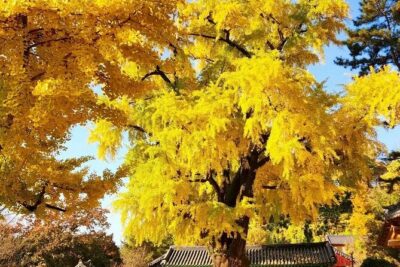
Jeonju Hanok Village Full-Day Tour:Jangtaesan Autumn Foliage
Read our review →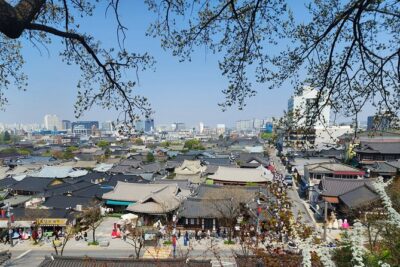
Jeonju Hanok Village and Maisan Tapsa Temple Day Tour From Seoul
Read our review →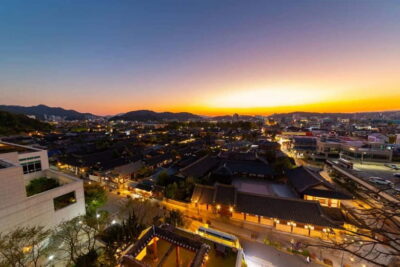
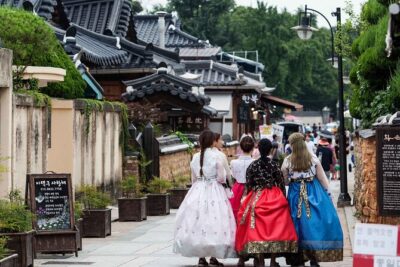
Essence of Jeonju, Hanok Village & Maisan Mountain
Read our review →
Autumn Foliage – Mt. Naejang + Jeonju Hanok Village
Read our review →Browse the lists this tour appears in