
Reviewed · TOURS IN JEJU
Explore Spirited Garden a Cultural Gem in Jeju
Spirited Garden is less a flower park than a quiet outdoor philosophy lesson, built from bonsai, volcanic stone, ponds, streams, and years of patient work by founder Sung Beom-Young. It has been praised by international publications and visited by leaders from more than 10 countries, but its real appeal is simpler: you can walk slowly, sit often, and let the setting do the talking.
I like the excellent bonsai collection and the way each garden uses Jeju’s dark basalt in walls, gates, bridges, and small hills. I also like the calm pace. This is a place for photographs, quiet thought, and a cup of coffee after your walk, not a rushed checklist stop. The main drawback is size and price: some people may see the garden in 30 minutes, and the reported local entry price of 15,000 won can feel high for a short visit.
Key points to know before you go
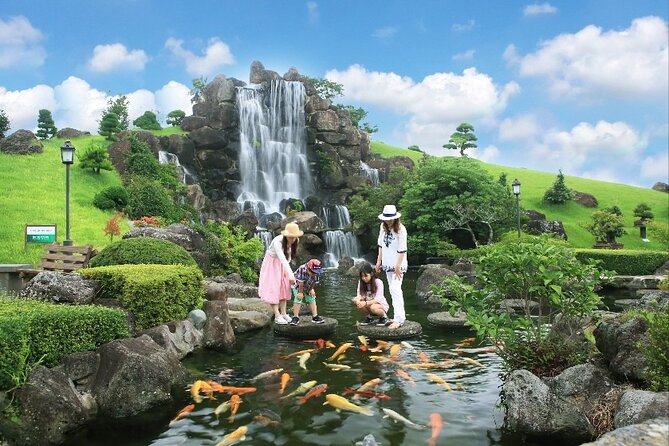
- Seven themed gardens: Expect ponds, lawns, oreum-like hills, bonsai, native trees, ornamental stones, and basalt features arranged in separate sections.
- Built by Sung Beom-Young: The garden grew from one farmer’s long-term work and personal vision.
- A quiet Jeju stop: It suits meditation, photography, and slow wandering more than flower collecting or active sightseeing.
- About one hour: The suggested visit is roughly 60 minutes, though a quicker walk may take closer to 30 minutes.
- Daily opening hours: The listed hours are 9 a.m. to 5 p.m., every day, during the stated operating period.
- Good for small private groups: Only your own group participates, and mobile tickets are accepted.
Why Spirited Garden feels different from a flower park
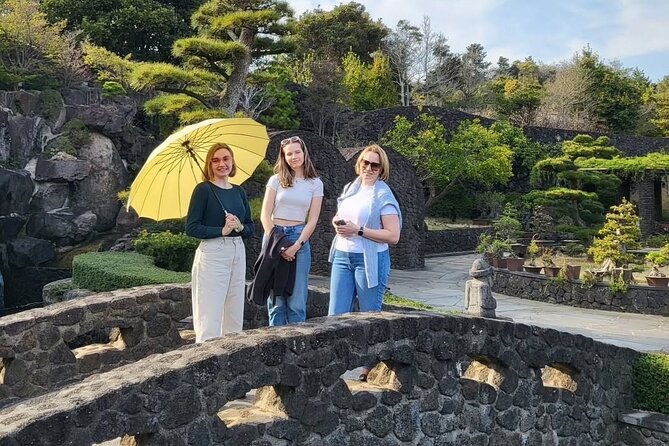
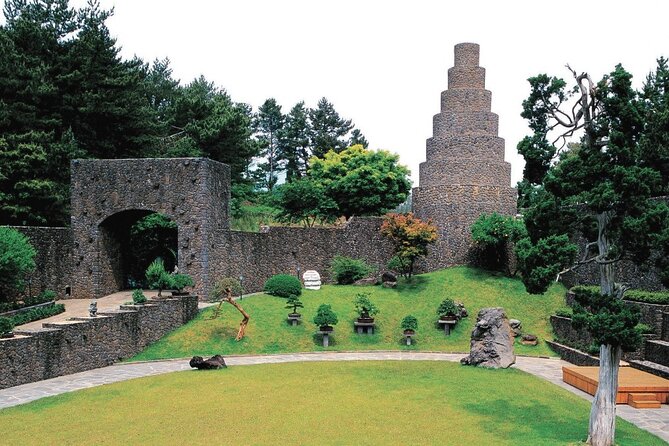
Many gardens are built around seasonal color. Spirited Garden takes another path. Its focus is on trees, stones, water, and the spaces between them. You will see ornamental plants and tropical greenery, but the main attraction is the shape and age of the bonsai, along with the careful placement of rocks, walls, pools, and bridges.
That difference matters when you plan your visit. If you want beds overflowing with flowers, this may not be your best Jeju stop. If you enjoy trees with unusual forms, small pools filled with koi, old-looking wood structures, and quiet paths, the garden offers much more.
The setting covers roughly 40,000 to 43,000 square meters, also described as 12,000 pyeong. That is sizeable enough to create several moods, but not so large that you need half a day to cross it. I would allow one hour for a comfortable visit, with extra time if you want to photograph the bonsai carefully or stop for coffee and tea.
Other trips people book in Jeju:
- Jeju: Eastern Jeju UNESCO Spots Day Tour
★ 4.9 · 1,148 reviews - Jeju: Western and Southern Sightseeing Day Tour
★ 4.8 · 972 reviews - East Jeju Essentials – Seongsan Ilchulbong (UNESCO) & Haenyeo
★ 5.0 · 939 reviews
Entering through Jeju basalt and stone
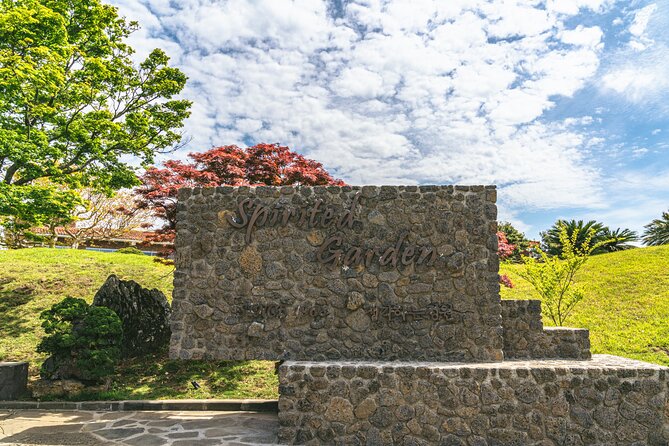
Your visit begins at the ticket office. Once inside, you move through a series of garden spaces linked by paths, gates, bridges, and walls made from Jeju’s familiar volcanic basalt. The black stone gives the garden a strong local character and helps the ponds, lawns, and trees feel connected to the island.
The stonework is not just decoration. It frames views and creates boundaries without making the garden feel boxed in. A gate may lead you into a quieter section, while a low wall directs your attention toward a pond or an unusual tree. The design encourages you to notice one scene at a time.
You may also find inscriptions and signboards placed around the grounds. Their purpose is not simply to give botanical facts. They carry short reflections, with some messages placed at the bottom of signs. You do not need to read every one to enjoy the garden, but pausing at a few adds another layer to the visit.
Seven garden sections with different moods
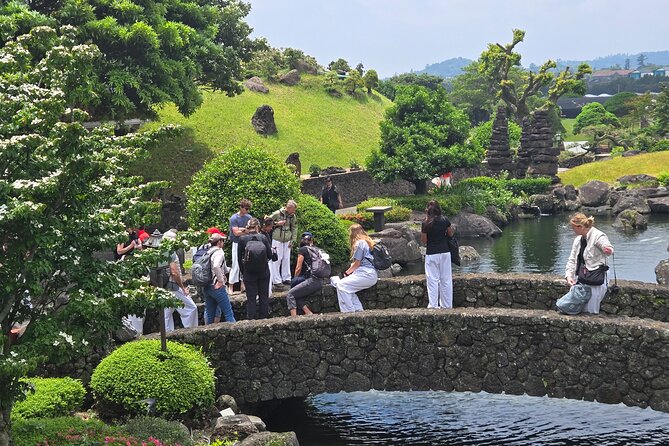
The seven themed gardens give the grounds a sense of order. Each includes some combination of clear water, open lawn, small hills, trees, rocks, and stone features. The changes are quiet rather than dramatic, so you should not expect seven completely different worlds. Instead, you get a gradual shift in balance and atmosphere.
One section may draw your eye to a pond. Another may place a sculptural tree against a lawn or stone wall. Bridges and gates help mark the transitions. The effect is restrained, and that restraint is part of the charm.
The small hills, called oreum in the description, echo Jeju’s volcanic geography. Here they are garden-scale features rather than major climbs. That makes the site easier to explore at a relaxed pace, while still giving some paths height and changing views.
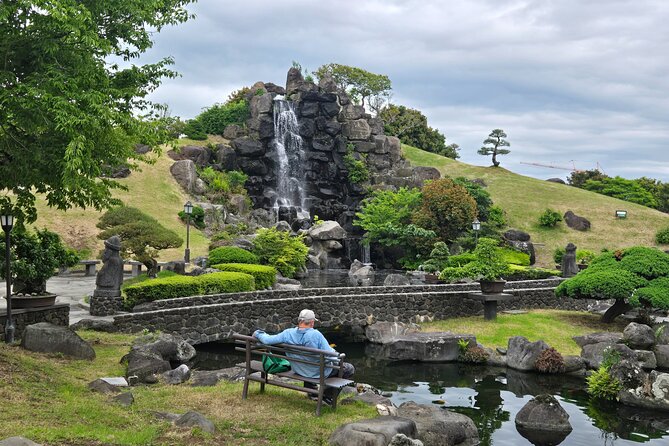
Clear pools and koi add movement to an otherwise still setting. Waterfalls and streams are also part of the grounds. I would give yourself time near the water instead of treating each pond as something to pass on the way to the next display. The garden works best when you slow down.
The bonsai collection is the main event
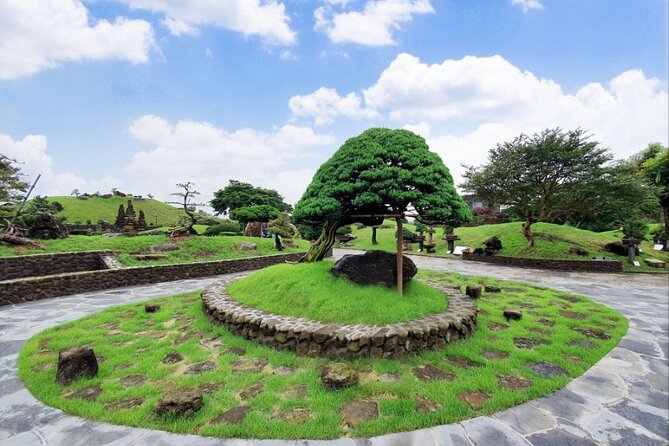
The bonsai trees deserve your closest attention. The collection includes native Korean garden trees and unusual specimens, with fruiting trees noted as especially impressive. Their twisted trunks, compact forms, and mature shapes provide the strongest reason to visit if you care about plant art.
You may find that the trees look more like sculptures than ordinary potted plants. Look at the trunk first, then the branching pattern, then the way each tree is positioned against stone or water. The setting gives the bonsai room to breathe, rather than packing them into a crowded display.
This is also where the garden rewards repeat visits at different times of year. A winter visit can feel spare and still, while snow may add another layer to the stones and branches. A warm-season visit may bring more leaves and greenery. The information provided does not promise a particular seasonal display, so plan around the garden’s trees and design rather than expecting a flower festival.
Same base, a different kind of day out:
- Jeju: Southern Top UNESCO Spots Bus Tour
★ 4.9 · 648 reviews - South-West Jeju Essentials: Hallasan & Signature Highlights
★ 5.0 · 620 reviews - Jeju Island English Private & Flexible Tour any number anywhere
★ 5.0 · 561 reviews - East Jeju: Day Tour with Seongsan Peak & Haenyeo Performance
★ 4.9 · 478 reviews
A place for photographs and quiet thought
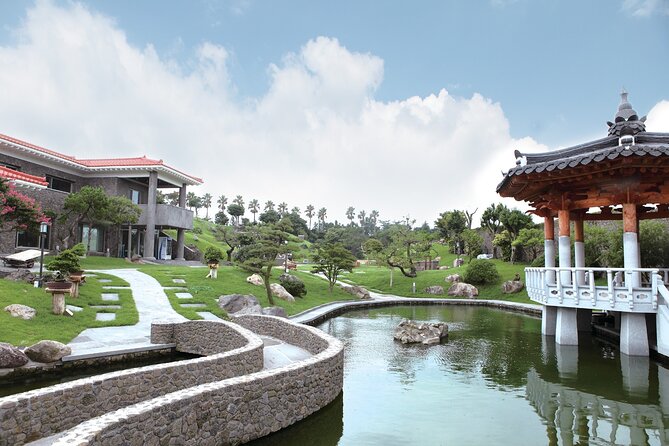
Bring your camera, but do not spend the whole visit looking through it. The garden offers strong subjects everywhere: basalt walls, aged trees, koi ponds, wooden seating areas, bridges, sculptures, and reflections in still water.
The best photographs will likely come from taking a few steps back. A bonsai framed tightly can be beautiful, but the wider scene often shows why it was placed there. Try photographing a tree with the pond, stonework, and lawn around it. The garden’s appeal comes from the relationship between parts.
The many places to sit are useful, not just decorative. Some seating areas use antique-looking wooden structures, giving you a chance to rest in shade or pause beside a garden view. This makes Spirited Garden a good choice when you want a break from Jeju’s busier attractions.
The garden’s reflective quality is also why it can feel more meaningful than its one-hour duration suggests. The site does not force a lesson on you. You can simply walk, notice, and decide what the signs, trees, and stones mean to you.
Meeting the founder adds a personal connection
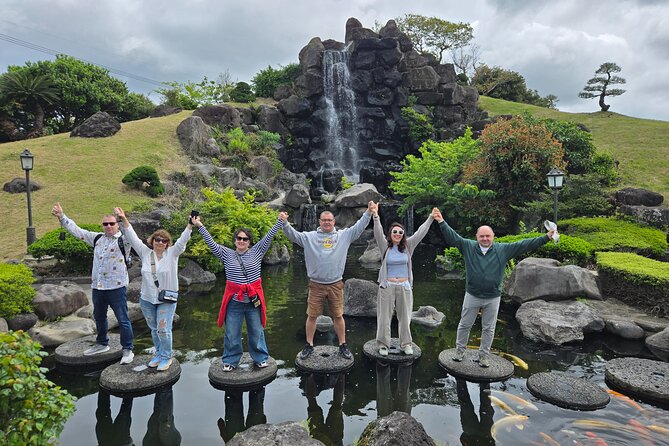
Sung Beom-Young, the farmer who created the garden, has been present at the information center during some visits and has spoken with people about his experiences and the garden’s history. You should not assume he will be there on your particular day, but his possible presence gives the place a personal dimension.
This is not an anonymous public park assembled by a large institution. The garden grew from one person’s patience and continuing attention. That helps explain why the grounds feel personal rather than standardized.
If you happen to meet him, keep the exchange simple and respectful. The information provided describes him as attentive and still involved with visitors. His connection to the site is one of the more unusual parts of the experience, but it should be treated as a fortunate possibility, not a guaranteed feature.
Is the $8 admission good value?
The listed price is about $8 per person, with admission included in the activity. Another price mentioned for entry is 15,000 won, so check the current amount when booking or before arrival. Either way, the value depends on how you use the garden.
At around 30 minutes, the cost may feel steep, especially if you walk quickly and are not interested in bonsai. At a relaxed hour, with time for photographs, ponds, seating areas, and the seven garden sections, the price becomes easier to justify.
I would compare it with the kind of stop you want. This is not an attraction packed with rides, performances, or a long guided program. You are paying for access to a carefully maintained setting and the chance to enjoy it at your own pace.
The value is strongest for people who appreciate garden design, bonsai, photography, or quiet places. It is weaker for visitors who need a large attraction with many activities. Lunch, coffee, and tea are not included, so budget separately if you want refreshments during or after the visit.
Timing, access, and how long to allow
The listed opening hours are 9 a.m. to 5 p.m., Monday through Sunday, during the stated period from June 17, 2025, through February 7, 2027. Since gardens can feel quite different in morning, afternoon, and winter conditions, your best time depends on your priorities.
For quieter reflection and softer light, an early or later visit may suit you. The supplied information does not promise specific crowd levels at different times, so I would simply avoid rushing in near closing time. Give yourself at least an hour if you want to see all seven sections without hurrying.
The meeting point is 1534 Jeoji-ri, Hangyeong-myeon, Jeju, Jeju-do, South Korea. The visit begins and ends at the same location. It is near public transportation, though no specific route or travel time is provided, so check your route before setting out.
Mobile tickets make entry straightforward. Confirmation is provided at booking. Service animals are allowed, and most people can participate.
Who will enjoy this garden most
I would recommend Spirited Garden to you if you enjoy:
- Bonsai and unusual mature trees
- Photography with stone, water, and plants
- Quiet spaces away from city noise
- Gardens designed for contemplation
- Short cultural stops during a Jeju day
- Meeting, if fortunate, the person who created the site
Families can visit, but the garden’s appeal is not built around children’s activities. It may work best when everyone in your group is willing to walk slowly and respect the calm mood.
It is also a good match for couples, solo visitors, and anyone who wants a gentle break between larger Jeju sights. The private format means only your own group participates, which helps preserve the peaceful feeling.
You may want to skip it if your main goal is colorful flower beds, a large botanical collection, or a packed half-day attraction. The garden is relatively compact, and its strength lies in quality of arrangement rather than sheer scale.
Booking and cancellation details
The activity offers free cancellation if you cancel at least 24 hours before the start time. Cancellations made less than 24 hours ahead are not refunded, and changes within that same period are not accepted.
The cutoff uses local Jeju time. Since the activity is short, it is wise to confirm your transport and schedule before the 24-hour window closes.
Should you book Spirited Garden?
Book it if you want a calm, thoughtful Jeju stop built around bonsai, basalt, ponds, and trees rather than entertainment. I especially recommend it when you have an hour to spare in the western part of the island and enjoy taking photographs or sitting quietly in a well-planned garden.
Think twice if 15,000 won feels high for a small attraction or if you expect acres of flowers and a long list of activities. For the right visitor, the garden is memorable because it asks very little of you. Walk slowly, look closely, and let the trees and stones carry the visit.
FAQ
Where is Spirited Garden located?
Spirited Garden is at 1534 Jeoji-ri, Hangyeong-myeon, Jeju, Jeju-do, South Korea.
How long does the visit take?
The experience lasts approximately one hour. Some people may complete a quicker visit in about 30 minutes, while slower walkers and photographers may want more time.
What are the opening hours?
The listed hours are 9 a.m. to 5 p.m., Monday through Sunday, during the operating period from June 17, 2025, through February 7, 2027.
What is included in the admission?
Admission to Spirited Garden is included. Lunch, coffee, and tea are not included.
Can I use a mobile ticket?
Yes. The experience accepts mobile tickets.
Is Spirited Garden near public transportation?
Yes. The garden is listed as being near public transportation, though specific routes are not provided.
Are service animals allowed?
Yes. Service animals are allowed.
What is the cancellation policy?
You can cancel for a full refund up to 24 hours before the experience start time. Cancellations or changes made less than 24 hours ahead are not accepted and are not refunded.
Just added in Jeju
- Jeju UNESCO Natural Heritage Private Tour by Certified Guide★ 5.0 · 5 reviews
- Jeju island: Van tour with a guide who the most loves JEJU★ 5.0 · 7 reviews
- Jeju Unesco Eest course Package Private Van Guided Tour★ 5.0 · 17 reviews
- Full Day Essential Jeju Island Private tour for West Course★ 5.0 · 15 reviews
- Full Day Jeju Private Customizable highlight Tour★ 5.0 · 5 reviews
- Customized private tour in Jeju island★ 5.0 · 19 reviews
- Full-day Customizable Private Jeju Island Tour★ 5.0 · 8 reviews
- jeju island Jumbo taxi Private tour with Mr.Hong East of jeju★ 5.0 · 19 reviews
Tours in Jeju, compared.
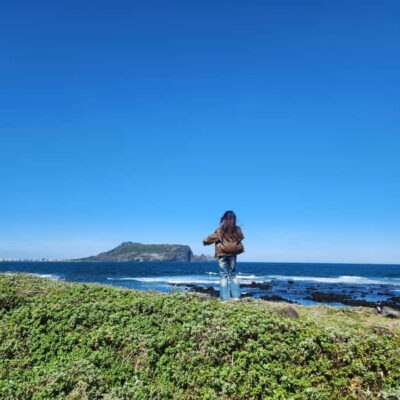
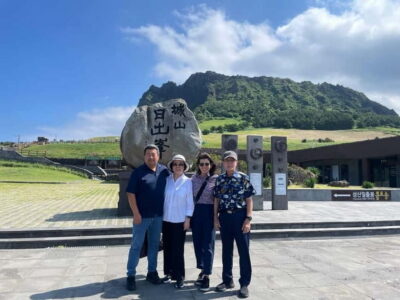
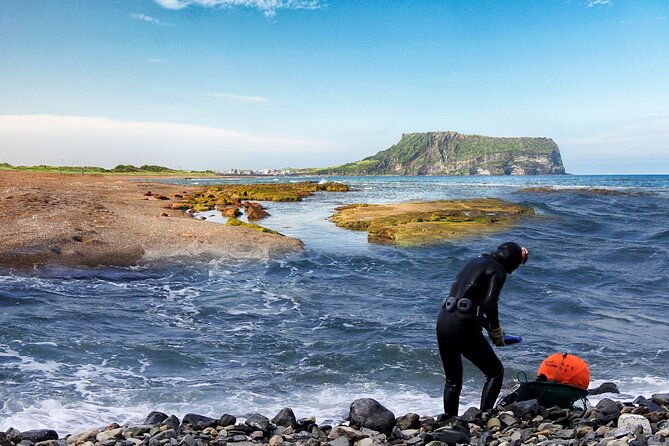
East Jeju Essentials – Seongsan Ilchulbong (UNESCO) & Haenyeo
Read our review →
South-West Jeju Essentials: Hallasan & Signature Highlights
Read our review →
Jeju Island English Private & Flexible Tour any number anywhere
Read our review →
East Jeju: Day Tour with Seongsan Peak & Haenyeo Performance
Read our review →
Jeju Southern UNESCO Full Day Tour with Mt.Halla
Read our review →Browse the lists this tour appears in