
Reviewed · SEOUL NIGHT TOURS & N SEOUL TOWER
From Seoul: Suwon Hwaseong Fortress Night Tour
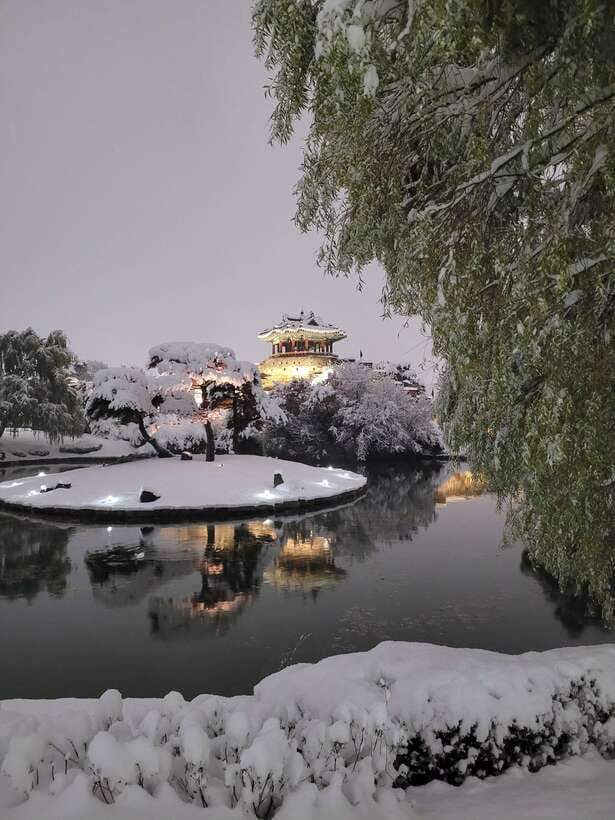
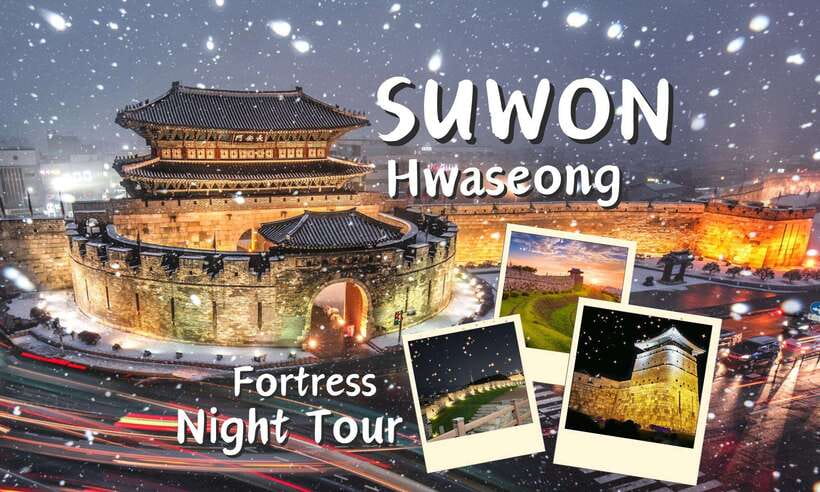
Suwon Hwaseong Fortress is at its most atmospheric after dark. The stone walls, gates, watchtowers, and city lights turn a major Joseon-era monument into a peaceful evening walk, with broad views across Suwon from the elevated fortress grounds. The nighttime setting is the main reason to choose this tour over a daytime visit.
I like the mix of history and easy sightseeing. You get a guide to explain the fortress’s clever construction, then time to walk, take pictures, and enjoy the view. I also like the stop in Haengnidan-gil, where old hanok houses sit beside small cafes and restaurants. The main caution is the walking: some sections are steep, the tour runs rain or shine, and it is not suitable for wheelchair users.
Key points at a glance
- Illuminated UNESCO site: See Suwon Hwaseong’s walls and defensive buildings after sunset, when the lighting gives the fortress a calm, dramatic feel.
- A story beyond old stones: Learn how Jeong Yak-yong designed a fortress that joined military planning with practical engineering and new technology.
- Suwon city views: Walk high above parts of the city and stop at scenic points for photographs.
- A local neighborhood finish: Explore Haengnidan-gil’s hanoks, cafes, restaurants, and filming locations in the Haenggung-dong area.
- Seasonal change: From June through September on Fridays, Saturdays, and Sundays, the tour visits Haenggung Palace instead of Haengnidan-gil.
- Small-group feel: Private tours are available, and several participants describe the regular outing as small enough to feel personal.
Why Suwon Hwaseong Works So Well at Night
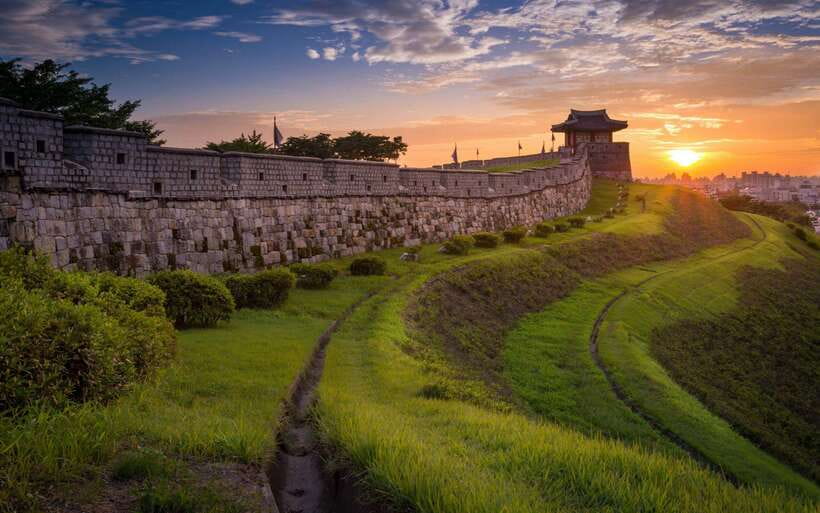
Many Seoul day trips are built around palaces, markets, or crowded shopping streets. This one gives you something different: a long stretch of open stone walls, dark sky, soft lighting, and a story tied closely to the Joseon royal family.
Suwon was planned as more than a military outpost. The city was completely enclosed by walls, an unusual achievement in South Korea, and the fortress helped support King Jeongjo’s plans for Suwon. He wanted to be closer to his father, Crown Prince Sado, and the city may even have become a new capital of Korea.
That royal story gives the walk emotional weight. The fortress was not built only to defend a city. It was also connected to family loyalty, political ambition, and the king’s vision for the future.
At night, you can appreciate the scale without the heat and glare of midday. The lighting makes the main structures easy to see, but the mood remains quiet rather than theatrical. The tour is best for you if you like history presented while you walk, rather than reading plaques alone.
More fortress walls within reach of Seoul:
- Seoul: Suwon Hwaseong Fortress & Korean Folk Village Tour
★ 4.7 · 214 reviews - Beyond Seoul: Starfield Library, Hwaseong Fortress & Cave Quest
★ 5.0 · 177 reviews - From Seoul: Suwon Hwaseong Fortress Tour
★ 5.0 · 108 reviews
From Seoul to a Completely Walled City
The meeting point is in front of the front desk at Sejong Hotel. Optional pickup is available from centrally located hotels in areas such as Myeongdong, Gangnam, Gwanghwamun, Itaewon, and Dongdaemun. If your accommodation is hard for a vehicle to reach or sits outside the central area, you may be asked to meet at a nearby hotel or subway station.
That arrangement matters. Seoul is spread out, and a pickup from the wrong part of town can add time and confusion. Check the meeting instructions closely and allow enough time to reach the Sejong Hotel if you are not using hotel pickup.
The drive to Suwon is handled by tour transport, and the four-hour outing includes the journey, fortress visit, and final drop-off in Myeongdong. A driver accompanies the guide, which keeps the trip simple after a full day in Seoul.
The transport has earned particularly strong marks for comfort and safety. Guides such as Shin, Leo, Dragon, Henry, and Sophie have also been singled out for clear explanations, friendly conversation, and careful handling of questions. The exact guide depends on the date and language selected, but English and Japanese tours are offered.
Entering Suwon Hwaseong Fortress
Hwaseong was designated a UNESCO World Heritage Site in 1997. Its appeal comes from the way the fortifications remain part of the living city, rather than sitting as an isolated ruin outside town.
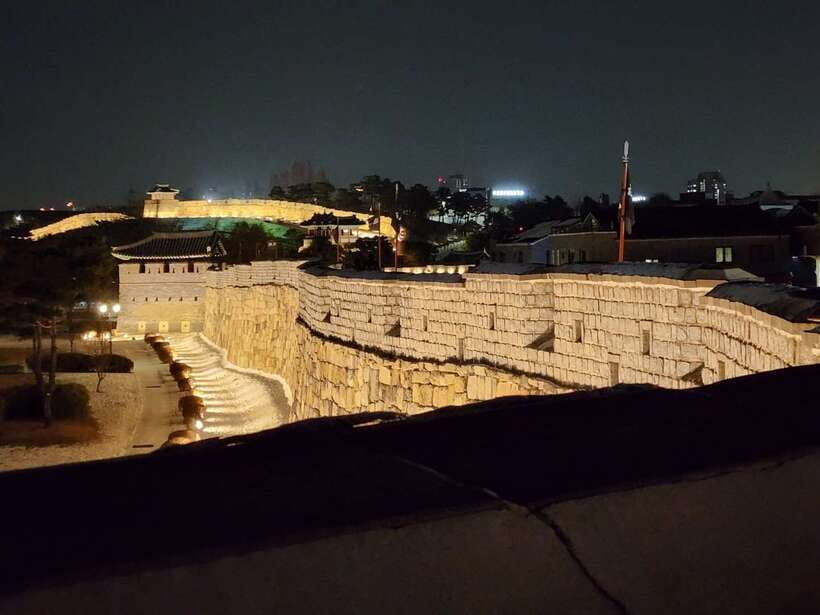
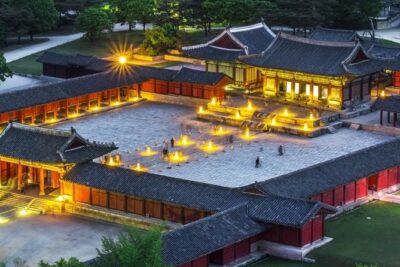
You will see sections of stone walls, gates, watchtowers, and defensive structures. The route includes walking on or beside the historic walls, with viewpoints over Suwon. At night, the lights pick out the shape of the fortress and make the photographs more striking than you might expect from a stone fortification.
The guide’s role is important here. Without explanation, a gate can look like a gate and a watchtower like a watchtower. A good guide shows you how each part fitted into the defensive plan and why the construction was unusual for its time.
Jeong Yak-yong, the architect connected with the fortress, brought together Chinese ideas, scientific planning, and practical industry. This was not a random wall built piece by piece. The design reflects careful thought about movement, defense, materials, and the way a city could function behind its fortifications.
You may hear about the construction methods used during the Joseon dynasty, along with the royal story behind the project. Several guides have also used visual explanations during the drive, giving you the basic timeline before you arrive. That is useful because the information becomes easier to follow once you begin seeing the structures in front of you.
The Walk, the Lights, and the City Views
Plan on a moderate amount of walking. Comfortable shoes are essential, especially if you want to enjoy the walls rather than hurry from one stop to the next.
The walk is not a strenuous mountain hike, but it is not a flat pavement stroll either. Parts of the route include slopes and steps. One participant who had walking difficulties appreciated the guide’s care, while also pointing out that handrails on steeper sections would help older visitors.
That is a fair way to think about the tour. You do not need to be athletic, but you should be steady on your feet and comfortable walking outdoors at night. Rain does not automatically cancel the outing, so check the forecast and bring suitable clothing.
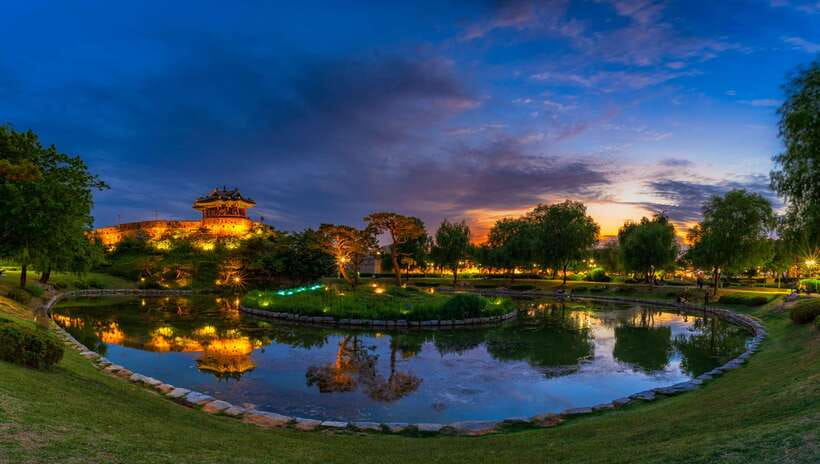
The reward is the view. From the fortress, Suwon spreads below you in layers of older buildings, modern streets, and nighttime lights. The contrast between the historic wall and the city beyond it gives the tour much of its visual appeal.
Leave room in your schedule for photographs. The pace is generally designed to let you stop at scenic points, and guides have helped participants find good angles and take group or family pictures. If you are visiting with a partner or child, tell your guide what kind of photographs you want. The guides are used to adjusting the pace and helping with pictures.
The lighting is attractive but not a full light show. If you are expecting projections, performances, or elaborate effects, you may find the presentation simple. The pleasure comes from seeing the real fortress under evening illumination, not from a staged spectacle.
More after-dark views around Seoul:
- Best Seoul City Tour (Gyeongbokgung Palace,Insadong,Namsan Tower)
★ 5.0 · 1,647 reviews - Seoul City Sightseeing Tour Including Gyeongbokgung Palace, N Seoul Tower, and Namsangol Hanok Village
★ 5.0 · 1,423 reviews - Seoul Highlights: Gyeongbok Palace, Insadong & N Seoul Tower
★ 4.7 · 726 reviews - Special City Night Tour
★ 5.0 · 162 reviews
The Joseon Story Behind the Walls
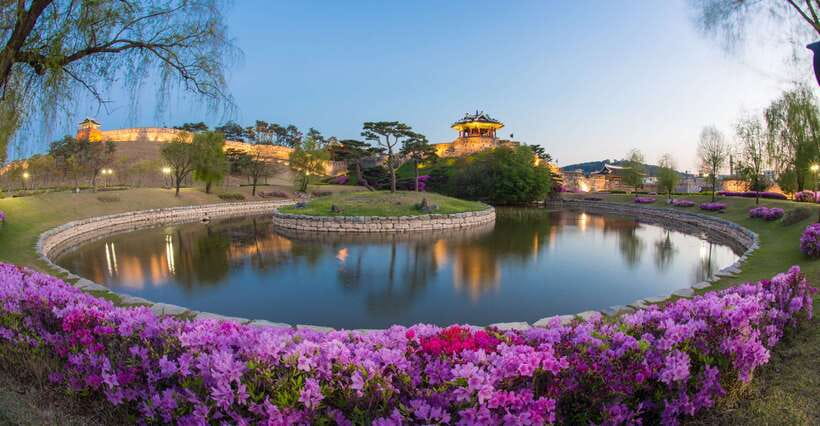
The history here is more personal than a basic military tour. King Jeongjo built the fortress partly to honor and remain close to his father, Crown Prince Sado, whose tragic death shaped the royal family.
Jeongjo had witnessed the consequences of that family conflict as a child before becoming king. The fortress and the planned city of Suwon were linked to his effort to strengthen his rule and create a better base for the future. Some historical accounts suggest Suwon could have become a new capital.
A guide can connect those political plans to the physical structures around you. The walls were defensive, but the city also had a royal presence and a carefully considered design. That makes the visit worthwhile for anyone interested in Korean history beyond the standard palace circuit.
Guides have received particular praise for explaining the story in plain English and for adding broader details about Korean culture and daily life. Sophie, Thomas, Leo, Shin, and Dragon are among the guides who have been appreciated for making the history easy to follow rather than reciting dates.
The quality of the explanation can shape the entire experience. This is not a tour where you simply receive transport to a viewpoint and wander alone. You have someone pointing out why the fortress was built, how the structures worked together, and what the royal story means.
Haengnidan-gil and Suwon’s Younger Side
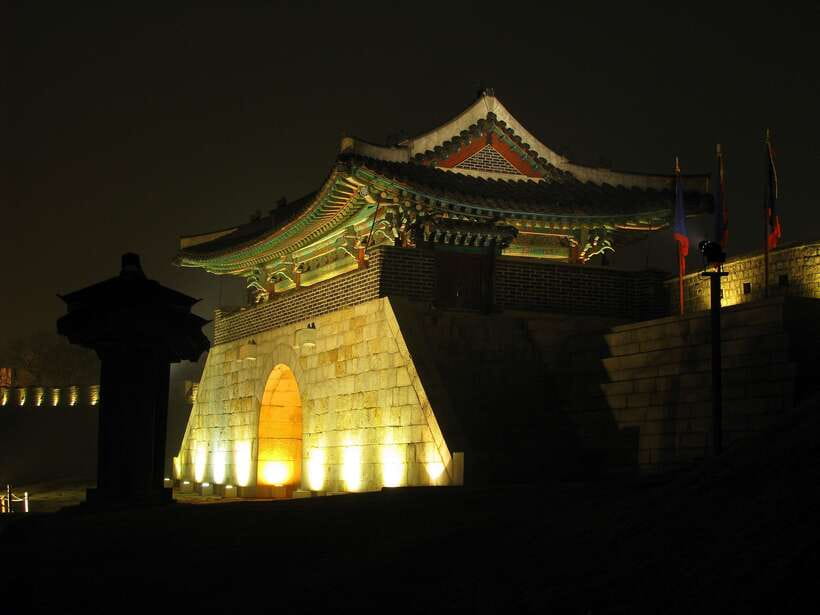
On most dates, the fortress visit is followed by time in Haenggung-dong, also known as Haengnidan-gil. This neighborhood gives the evening a useful change of pace.
The streets are lined with traditional Korean houses, or hanoks, alongside modern cafes and restaurants. The area has a peaceful, old-town feel, but it also appeals to younger locals looking for distinctive food and coffee spots.
This is where Suwon feels less like a monument and more like a lived-in city. You can see how traditional buildings have been adapted for modern use, and the narrow streets make a pleasant contrast with the open fortress walls.
The area has also appeared in Korean television. You can look for the kimbap restaurant connected with Woo Young-woo’s father in Extraordinary Attorney Woo, as well as locations associated with Our Beloved Summer and The Uncanny Counter.
The tour does not include dinner or drinks, so plan your expectations accordingly. Depending on the schedule, you may have time to look around the neighborhood, but you should not treat this as a food tour. Bring some cash or a card if you want to buy something, and remember that the final drop-off is in Myeongdong rather than back at your hotel unless you have arranged private service.
Summer Weekend Visits to Haenggung Palace
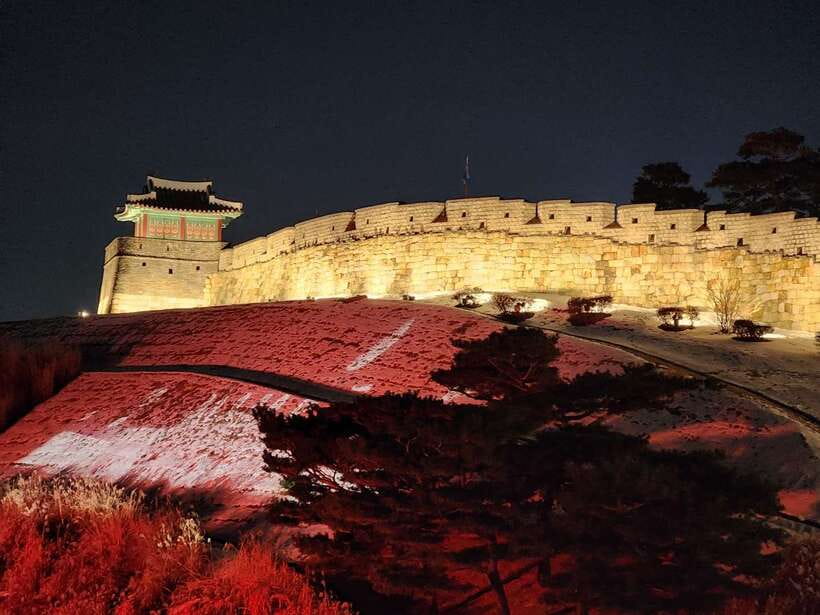
There is one important seasonal change. From June through September, on Fridays, Saturdays, and Sundays, the tour visits Suwon Haenggung Palace instead of Haengnidan-gil.
The word haenggung refers to a temporary residence for members of the royal family. Suwon Haenggung Palace is the largest of these temporary royal palaces, and its nighttime views provide a different kind of experience from the neighborhood walk.
You will still get the illuminated evening setting and the chance to take photographs, but the schedule does not include a dinner or snack break during these summer weekend departures. If food is important to your evening plans, eat before the tour or arrange something afterward.
Summer can be a good time for this outing because temperatures may be more comfortable after sunset. One summer participant also enjoyed watching the sunset from the fortress before darkness settled in. Exact light levels and sunset timing vary by date, so do not assume every summer departure includes the same twilight view.
Is the $69 Price Fair?
At $69 per person, the tour costs more than reaching Suwon independently by public transport. The price pays for more than admission: you also receive round-trip tour transport from Seoul, a live English or Japanese-speaking guide, site entry, and a planned route through one of Korea’s major heritage sites.
I think the value is strongest if you want context and convenience. Suwon is outside central Seoul, and a first visit can involve figuring out routes, finding the best entrance, and understanding the layout once you arrive. The guide removes that work and helps you see details that are easy to miss.
The value is also better when the group is small. Several outings have felt almost private, including one where only a couple and their guide made the trip. Private group booking is available if you want a more personal schedule, though the price may vary by booking option.
The price is less appealing if you are happy to arrange your own transport, walk without guidance, and spend only a short time at the fortress. Independent visitors can save money, but they will need to create their own historical explanation and evening plan.
No dinner, drinks, or travel insurance are included. Keep that in mind when comparing the total cost with a self-guided visit.
Who Should Book This Evening Tour?
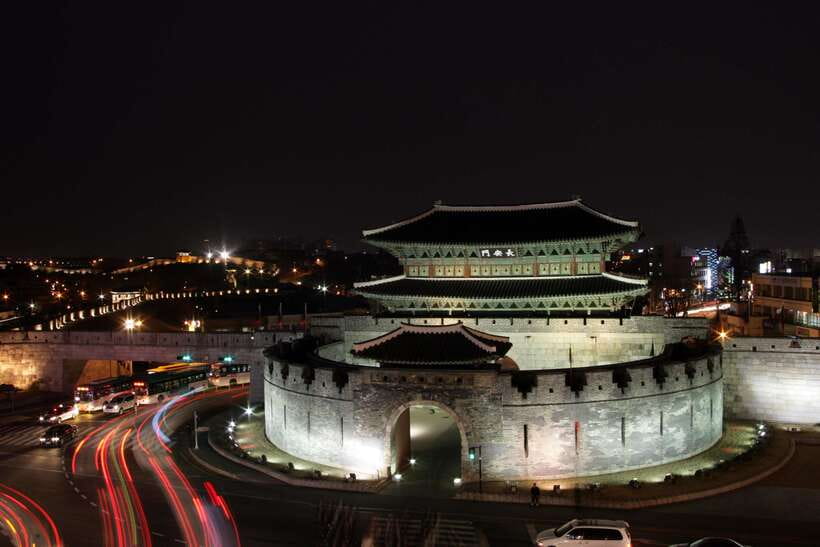
I would recommend it to first-time visitors who want a meaningful half-day trip from Seoul without spending a full day away. It suits people who enjoy architecture, Korean royal history, photography, and calm walks after dark.
It is also a good choice for couples, families with older children, and solo visitors who prefer company and transport. The guides have adapted routes and explanations for different interests, and some have helped participants with mobility concerns, though the tour remains unsuitable for wheelchair users.
You should think twice if you dislike walking on slopes, need a fully accessible route, or want a food-focused evening. You should also bring comfortable shoes and prepare for rain, since the tour operates in all weather.
The guide can make a noticeable difference. Names associated with particularly warm and useful tours include Shin, Leo, Sophie, Henry, Dragon, Chloe, Thomas, and Jung. You cannot usually select a specific guide, but you can expect an English or Japanese-speaking guide who handles the history, timing, and route.
Final Verdict: A Strong Night Trip from Seoul
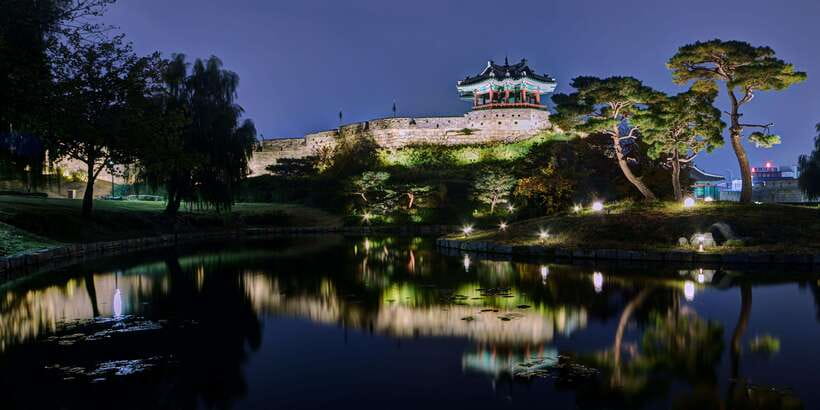
Book this tour if you want to see a major Korean heritage site in a quieter, more atmospheric setting than a daytime sightseeing stop. The illuminated walls, city views, and royal story make Suwon Hwaseong feel distinct from Seoul’s palace district.
The $69 price is reasonable when you value transport, entry, and a guide who can explain the fortress as you walk. Skip it if you want a short, flat outing or a built-in dinner.
For most visitors, the best reason to go is simple: you get an evening in Suwon that combines real history, open-air scenery, and a neighborhood visit without having to organize the whole trip yourself. Just wear good shoes, check the seasonal route, and leave room for the possibility of rain.
FAQ
How long does the Suwon Hwaseong Fortress night tour last?
The tour lasts four hours, including transportation between Seoul and Suwon, the fortress visit, and the concluding drop-off in Myeongdong.
Where is the meeting point?
The standard meeting point is in front of the front desk at Sejong Hotel.
Is hotel pickup available?
Yes. Pickup is offered as an option from centrally located Seoul areas including Gangnam, Myeongdong, Gwanghwamun, Itaewon, and Dongdaemun. If your accommodation is difficult to reach or outside the central area, you may be asked to meet at a nearby central hotel or subway station.
Which languages are available?
Live tours are available in English and Japanese.
What happens on summer weekend departures?
From June through September, on Fridays, Saturdays, and Sundays, the itinerary visits Suwon Haenggung Palace instead of Haengnidan-gil. No dinner or snack break is included on these summer departures.
Is dinner included?
No. Dinner and drinks are not included. The summer weekend itinerary also specifically has no dinner or snack break.
Is the tour suitable for wheelchair users?
No. The tour is not suitable for wheelchair users. It also involves a moderate amount of walking, including slopes and steps, so comfortable shoes are recommended.
Just added in Seoul
- Suwon: Baseball Game with Fortress and Local Food Tour★ 5.0 · 3 reviews
- Seoul: War Memorial of Korea Private Guided Museum Tour★ 4.9 · 29 reviews
- Seoul: Wine & Korean BBQ, Perfect Pairing Dinner in Sinchon★ 5.0 · 6 reviews
- Seoul : Your Personal Photographer in Gyeongbokung★ 5.0 · 7 reviews
- Seoul : Efoil Experience in Han River★ 5.0 · 5 reviews
- Seoul: Vivaldi Park Winter Ski with Eobi Ice Valley Day Tour★ 4.6 · 16 reviews
- Seoul: Vivaldi Park Winter Ski with Nami Island Day Tour★ 5.0 · 4 reviews
- Seoul: SnowyLand in Vivaldi Park with Nami or Alpaca★ 4.8 · 11 reviews
Seoul Night Tours & N Seoul Tower, compared.
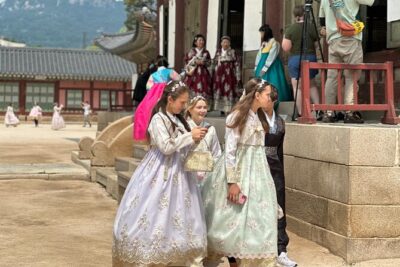
Best Seoul City Tour (Gyeongbokgung Palace,Insadong,Namsan Tower)
Read our review →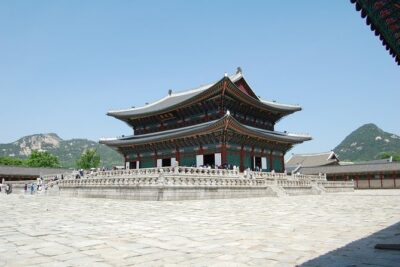
Seoul City Sightseeing Tour Including Gyeongbokgung Palace, N Seoul Tower, and Namsangol Hanok Village
Read our review →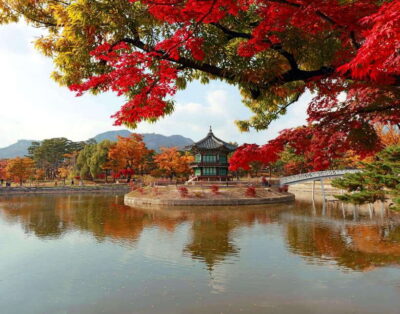
Seoul Highlights: Gyeongbok Palace, Insadong & N Seoul Tower
Read our review →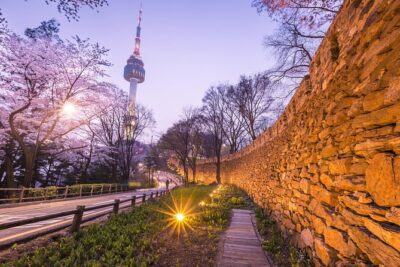
Seoul Night Tour (Gwangjang Market, Royal Palace and Naksan Park)
Read our review →
Seoul Han River Night Tour: Picnic, Games & Starlight Cruise
Read our review →Browse the lists this tour appears in