
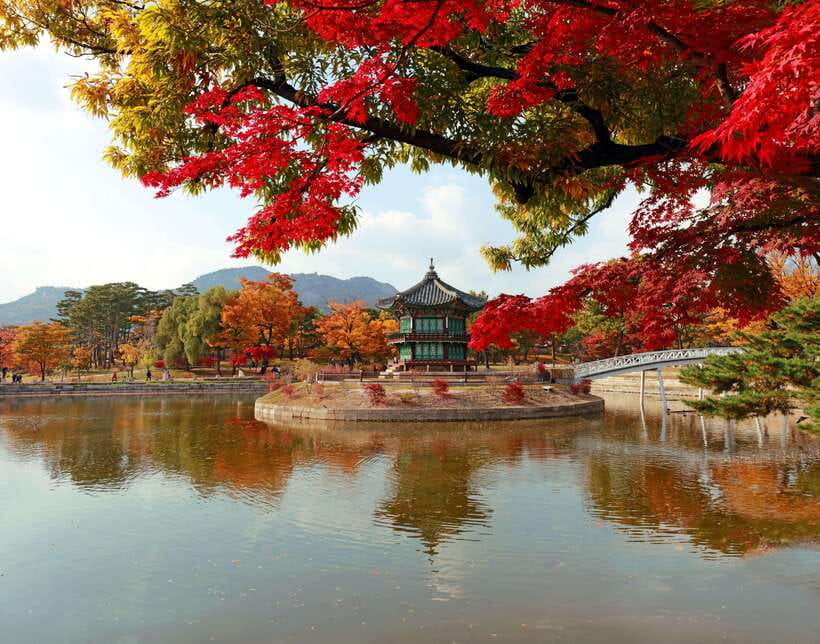
Reviewed · PALACE & GYEONGBOKGUNG TOURS
Seoul Highlights: Gyeongbok Palace, Insadong & N Seoul Tower
Seoul’s best introduction may be its sharp contrast: you can watch a royal guard ceremony in the morning, eat noodles at a market stall, and finish above the city at N Seoul Tower. This tour packs those very different experiences into one organized day, with a guide to explain what you are seeing.
I like the wide range of sights and the fact that transportation, palace entry, and the Namsan cable car are covered. I also like the human touch: guides such as Kelly, Moon, Crystal, Yuna, and Sunny are repeatedly praised for clear explanations, good timing, and helping solo visitors take photos.
The trade-off is pace. The full-day plan covers a lot, but stops are fairly brief, and the ginseng shop feels more commercial than cultural. You will also walk on palace grounds, through markets, and up to the cable car, so comfortable shoes matter.
Key points to know before booking
- The full-day route covers seven major stops: Jogyesa Temple, Gyeongbokgung Palace, the National Folk Museum, Insadong, Gwangjang Market, Namsangol Hanok Village, and N Seoul Tower.
- The half-day option is a different experience: it focuses on Jogyesa, the guard ceremony, Gyeongbokgung, and the folk museum, then ends near Myeongdong or City Hall.
- N Seoul Tower entry means the cable car, not the observatory: you can pay separately for the tower’s indoor observation area if you want to go higher.
- Tuesday requires a route change: Gyeongbokgung and the National Folk Museum are closed, so the tour visits Changdeokgung Palace and Bukchon Hanok Village instead.
- The strongest part is the guiding: guides named Kelly, Moon, Crystal, Yuna, Lynn, Sunny, and others are praised for history, organization, photographs, and care in hot or cold weather.
- The price is unusually low for a full day: at $26 per person, the included transport, palace admission, and cable car give the tour strong value, though meals, shopping, and the tower observatory cost extra.
Why this tour works for a first day in Seoul
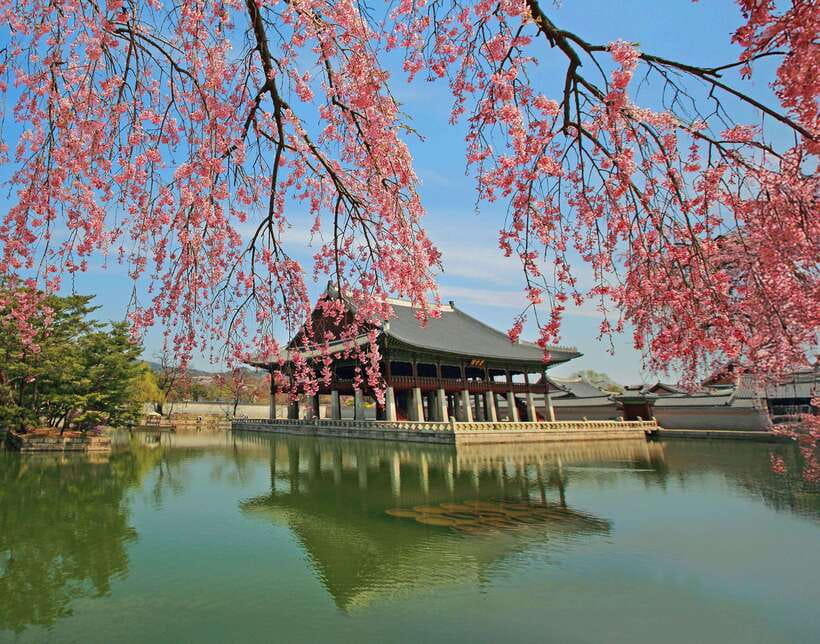
Seoul can feel enormous at first. Its royal center, old neighborhoods, food markets, and mountain viewpoints are spread across a large urban area, and fitting them together by public transport takes planning. This tour handles the movement by air-conditioned coach or minivan, letting you focus on the places rather than subway changes and directions.
The full-day outing takes about eight hours. A half-day version lasts about four hours and drops you at Myeongdong or City Hall after the palace and museum stops. The longer option is the better choice if you want food, traditional houses, and the city view at N Seoul Tower.
The experience is offered as a private or small-group tour, depending on the option you choose. Pickup is available from central Seoul hotels when selected, or you can meet at one of the designated points, including Seoul, Myeongdong Station Exit 10, and The Plaza Seoul.
At $26, the full-day version offers good practical value. You are paying for a guide, vehicle, parking, road charges, palace entry, and the return cable car ride. You still pay for lunch, snacks, souvenirs, and optional N Seoul Tower observatory admission, but the main transport and sightseeing costs are handled.
More palace and old-quarter walks in Seoul:
- Seoul: Gyeongbok Palace, Bukchon Village, and Gwangjang Tour
★ 4.9 · 2,321 reviews - Best Seoul City Tour (Gyeongbokgung Palace,Insadong,Namsan Tower)
★ 5.0 · 1,647 reviews - Small-Group Royal Palace and Seoul City Tour (hotel pick-up)
★ 5.0 · 1,474 reviews
Jogyesa Temple starts the day quietly
The first stop is Jogyesa Temple, an important center of Korean Buddhism in central Seoul. The visit lasts about 30 minutes, enough to see the temple buildings, pine trees, and large Buddha statues without turning the morning into a long religious-site tour.
This is a useful opening stop because it gives you a calmer view of Seoul before the larger palace grounds and crowded markets. Your guide can explain the role of Buddhism in Korea and point out details you might pass without noticing on your own.
Keep your expectations sensible. This is a short guided visit, not a meditation session or an extended temple program. You will mainly look around, listen, and take photographs before moving on.
Gyeongbokgung Palace and the royal guard ceremony
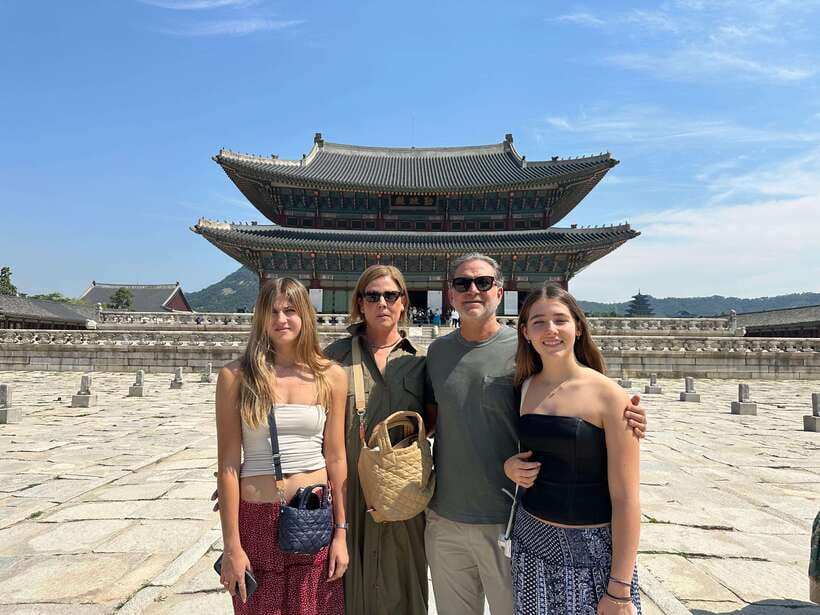
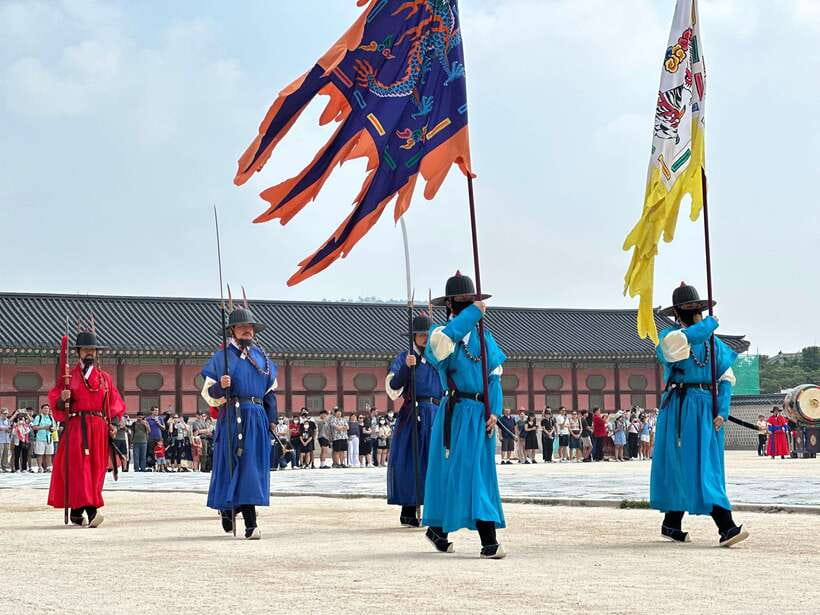
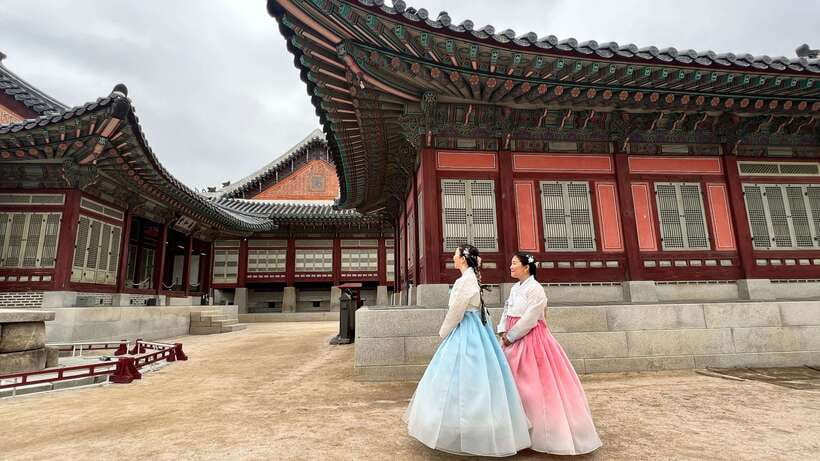
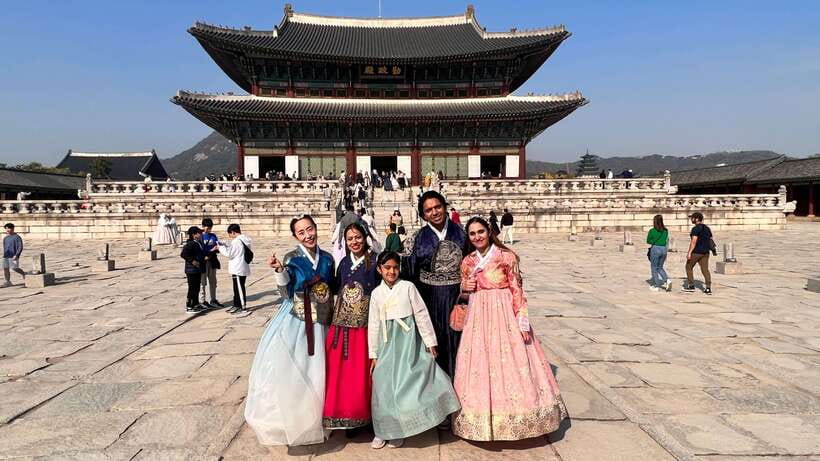
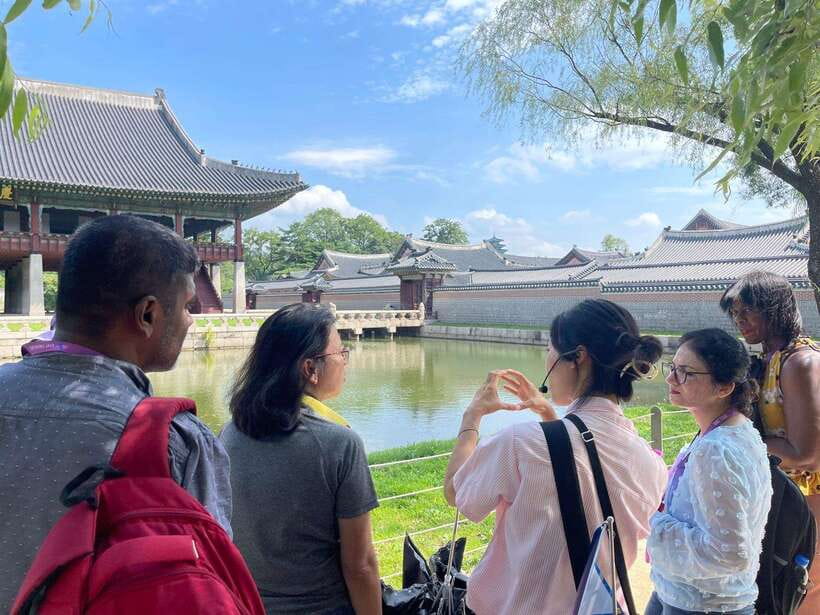
Gyeongbokgung is the centerpiece of the morning. It was the grandest palace of the Joseon Dynasty, and its courtyards, gates, painted wooden halls, and broad open grounds give you a clear sense of royal Korea.
The changing of the guard ceremony takes place near Gwanghwamun Gate. Colorful uniforms, drums, flags, and formal movements make it one of Seoul’s easiest historical spectacles to understand, even if you know little about Korean history.
The palace visit lasts about an hour. That is enough time for a guided overview and photographs, but not enough to inspect every building or wander at a slow museum pace. If you are especially interested in architecture or Joseon-era history, you may wish you had more independent time.
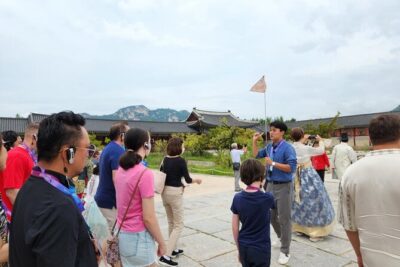
The guide makes a real difference here. Several guides, including Kelly, Crystal, K, and Moon, are praised for explaining the palace clearly and answering questions in good English. Crystal is also frequently described as helpful with photographs, which matters when the palace is one of the most important picture stops of the day.
Wear shoes with decent support. The grounds are extensive, and the tour involves standing outdoors for the ceremony and walking between buildings. In hot weather, the shade breaks provided by guides can make the pace easier. In winter, expect the open palace grounds to feel cold.
The National Folk Museum puts the palace in context
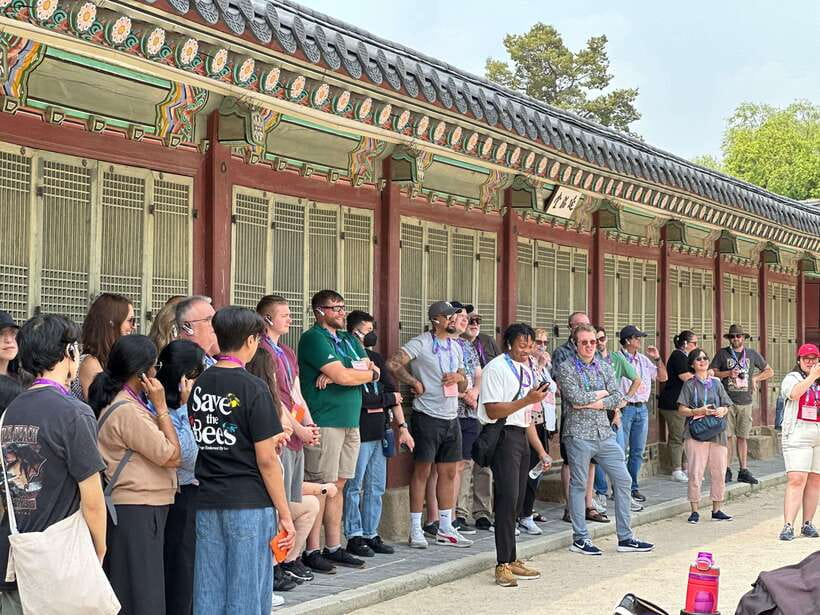
The National Folk Museum of Korea is beside the palace and adds useful context to the grand royal buildings. Instead of focusing only on kings and court ceremony, it presents everyday Korean culture through exhibits about customs, household life, work, and traditions.
The scheduled visit is about 30 minutes. That is enough for a guided introduction and a look at selected displays, but you will not have time to study every gallery in detail. One guest specifically wished for more museum time, so keep this in mind if museums are your main reason for visiting Seoul.
I see the museum as an important balance to Gyeongbokgung. The palace shows official power and ceremony; the museum helps you understand ordinary life. Together, the two stops give the morning more substance than a palace photo visit alone.
The museum is closed on Tuesdays. On that day, the route changes to Changdeokgung Palace, a UNESCO World Heritage site, and Bukchon Hanok Village. This is not a lesser substitute. It is simply a different look at Seoul’s old center, with another palace and a traditional residential district.
More after-dark views around Seoul:
- Seoul City Sightseeing Tour Including Gyeongbokgung Palace, N Seoul Tower, and Namsangol Hanok Village
★ 5.0 · 1,423 reviews - Special City Night Tour
★ 5.0 · 162 reviews - Seoul Night Tour (Gwangjang Market, Royal Palace and Naksan Park)
★ 5.0 · 92 reviews - Seoul Han River Night Tour: Picnic, Games & Starlight Cruise
★ 4.5 · 80 reviews
The ginseng stop is the tour’s commercial pause
The Korean Ginseng Museum and Shop takes about 30 minutes. It is included in the half-day and Tuesday routes, and it is the one stop that feels more like shopping than sightseeing.
You will hear about Korean ginseng and its uses, and you can browse products if you are interested. One guide was described as giving a detailed presentation, but also as making the stop feel like a sales pitch. That is a fair warning: listen if the subject interests you, but do not feel that you must buy anything.
This pause may appeal to shoppers looking for a Korean health product. If you prefer uninterrupted history and street life, it is the least essential part of the route.
Insadong gives you time to choose your own Seoul
After the morning’s guided sights, the full-day tour heads to Insadong for about an hour. This is your chance to slow down, eat lunch, browse craft shops, and look into traditional tea houses and galleries.
The free time is valuable because the morning is tightly organized. You can choose your own meal rather than being tied to a group restaurant, and your guide can suggest places based on your preferences. One guide recommended an inexpensive Michelin-starred restaurant, showing how useful local advice can be when you have limited time.
Do not expect a long shopping session. An hour passes quickly once you sit down to eat. If you want a full meal and detailed browsing, plan your priorities before you arrive. You may need to choose between tea, lunch, and shops.
Insadong is also a good place for small souvenirs. Look for crafts, paper goods, art, and traditional-style gifts rather than treating it as a standard department-store district. You get a short but practical taste of the neighborhood.
Gwangjang Market brings food into the day
The next stop is Gwangjang Market, one of Seoul’s oldest markets. The visit lasts about 40 minutes and gives you a chance to see a more crowded, food-centered side of the city after the quiet palace grounds.
This is the place to try Korean street food if you are comfortable choosing something on the spot. Meals are not included, so bring some Korean won or use a payment method accepted by the stall you choose. The tour does not prescribe a fixed lunch here, which gives you flexibility but also means you are responsible for paying for anything you eat.
Forty minutes is enough for a quick bite and a look around, not a relaxed food crawl. The market can be lively and tightly packed, so keep track of your guide and remember the agreed meeting point. If you have dietary restrictions, ask your guide for help before ordering.
I like the contrast between Insadong and Gwangjang Market. Insadong offers crafts, galleries, and tea. Gwangjang is more direct, noisy, and food-focused. Together, they give you two different ways to experience central Seoul.
Namsangol Hanok Village offers a short traditional pause
Namsangol Hanok Village is a small collection of restored traditional Korean houses at the foot of Namsan Mountain. The stop lasts about 20 minutes, so think of it as a brief walk and photo opportunity rather than a full museum visit.
The village is calmer than the market and more intimate than Gyeongbokgung. You can see traditional house forms and courtyards against the modern city, a contrast that captures Seoul particularly well.
The short timing is the main limitation. If you want to linger over the houses, you may find the visit too quick. Still, it works well in the route because it breaks up the market stop before the final climb toward N Seoul Tower.
N Seoul Tower finishes the day above the city
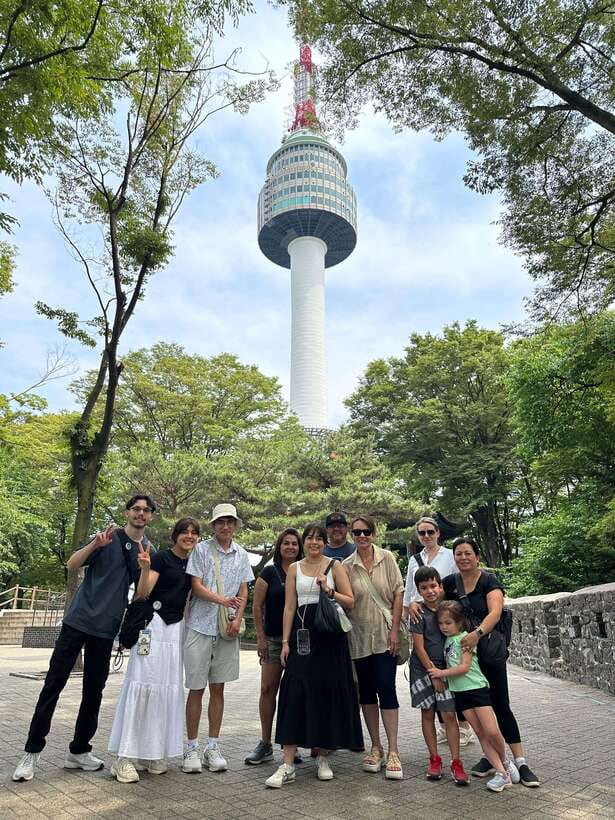
The final major stop is N Seoul Tower on Namsan Mountain. The round-trip cable car fare is included, and the ride itself is part of the appeal. You get a rising view over Seoul before reaching the tower area.
The tour includes a guided visit of about an hour, but it does not include admission to the indoor observatory. You can purchase that separately on site if you want a higher, enclosed viewpoint. The included outdoor areas already offer broad city views and strong photo opportunities, so the extra ticket is optional rather than essential.
Be prepared for stairs and waiting around the cable car. One detailed account noted steps and a long line before boarding. Guides have helped older participants wait in a more comfortable spot until the group was ready, but this remains an active part of the day.
Weather matters here. Clouds, rain, heat, or haze can reduce the view, and the itinerary may change because of weather, traffic, or operating conditions. Even so, ending at Namsan gives the day a clear finish: temples, palace buildings, food, traditional homes, then Seoul spread below you.
The guides are the tour’s strongest feature
The operator has more than a decade of experience, and the guide quality is the clearest reason to choose this outing instead of arranging every stop alone. Names that appear repeatedly in the feedback include Kelly, Moon, Crystal, Yuna, Lynn, Sunny, Emily, K, Gogo, and Jenny.
The praise is specific. Guides are described as friendly, well organized, patient, clear in English, and good at keeping the group together. Several take photographs for solo visitors and families. Yuna is singled out for careful timing, meeting-point instructions, and help with bargaining. Crystal is praised for adjusting the pace for older people and for explaining history in clear English.
Of course, you cannot request a particular guide unless the operator confirms it. The strong pattern is still useful: this tour depends heavily on the person leading it, and the guide service appears to be a central strength.
Transportation is another practical plus. The air-conditioned coach or minivan protects you from Seoul’s summer heat and winter cold, and the driver handles parking, tolls, and city traffic. The vehicle may be shared, depending on your booking, so this is not the same as having a private car at every stop.
Who should choose the half-day or full-day option
Choose the half-day morning tour if you have a short stop in Seoul or want a focused introduction to royal history. It includes Jogyesa Temple, the guard ceremony, Gyeongbokgung, the National Folk Museum, and the ginseng stop, then drops you near Myeongdong or City Hall.
Choose the full-day option if this is your main sightseeing day. You add Insadong, Gwangjang Market, Namsangol Hanok Village, and N Seoul Tower, plus the cable car. The day is busy, but it gives you a much fuller first impression of Seoul.
This tour suits solo visitors, first-time visitors, couples, and families who want help with timing and photographs. It also works well if you dislike navigating an unfamiliar city by yourself.
It is less suitable if you want long, quiet museum visits, a slow lunch, or complete control over your schedule. It is not suitable for wheelchair users, and moderate walking, stairs, standing, and uneven surfaces should be expected.
Hotel pickup applies only to central downtown Seoul hotels and only when selected. Otherwise, use one of the stated meeting points. At the end, drop-off is in the Myeongdong or City Hall area, which is useful for continuing your evening but is not necessarily back at your hotel.
Should you book this Seoul highlights tour?
I would choose the full-day version for a first visit, especially at $26. The palace admission, vehicle, guide, and cable car make the price strong, while the route gives you history, food, traditional architecture, and a city view in one day.
Choose the half-day plan if time is tight, but know that you will miss the market, hanok village, and N Seoul Tower. Skip or reconsider the tour if you want to explore each place slowly or dislike scheduled group movement.
Book with realistic expectations: this is an efficient overview, not an in-depth study of every stop. If you want Seoul’s major sights explained by a friendly English-speaking guide, with the hard transport work handled, it is a sensible and affordable introduction.
FAQ
How long does the Seoul highlights tour take?
The half-day option lasts about four hours. The full-day option lasts about eight hours, though the exact timing can change because of traffic, weather, and operating conditions.
What places are included in the full-day route?
The full-day route includes Jogyesa Temple, the changing of the guard ceremony, Gyeongbokgung Palace, the National Folk Museum of Korea, Insadong, Gwangjang Market, Namsangol Hanok Village, and N Seoul Tower.
Is the N Seoul Tower observatory ticket included?
No. The round-trip Namsan cable car is included, but admission to the N Seoul Tower observatory requires an optional purchase on site.
What happens if I book for a Tuesday?
Gyeongbokgung Palace and the National Folk Museum are closed on Tuesdays. The Tuesday route visits Changdeokgung Palace and Bukchon Hanok Village instead, along with Jogyesa Temple, the ginseng museum and shop, Insadong, Gwangjang Market, Namsangol Hanok Village, and N Seoul Tower.
Is hotel pickup available?
Pickup is available from central Seoul downtown hotels when the pickup option is selected. Pickup is not included for hotels outside the central area or for airport locations.
Are meals included?
No. Lunch, snacks, and drinks are not included. You have free time for lunch in Insadong, and you can also purchase food at Gwangjang Market.
Is the tour suitable for wheelchair users?
No. The tour is not suitable for wheelchair users and includes moderate walking at the palace, markets, village areas, and cable car route.
Just added in Seoul
- Suwon: Baseball Game with Fortress and Local Food Tour★ 5.0 · 3 reviews
- Seoul: War Memorial of Korea Private Guided Museum Tour★ 4.9 · 29 reviews
- Seoul: Wine & Korean BBQ, Perfect Pairing Dinner in Sinchon★ 5.0 · 6 reviews
- Seoul : Your Personal Photographer in Gyeongbokung★ 5.0 · 7 reviews
- Seoul : Efoil Experience in Han River★ 5.0 · 5 reviews
- Seoul: Vivaldi Park Winter Ski with Eobi Ice Valley Day Tour★ 4.6 · 16 reviews
- Seoul: Vivaldi Park Winter Ski with Nami Island Day Tour★ 5.0 · 4 reviews
- Seoul: SnowyLand in Vivaldi Park with Nami or Alpaca★ 4.8 · 11 reviews
Palace & Gyeongbokgung Tours, compared.
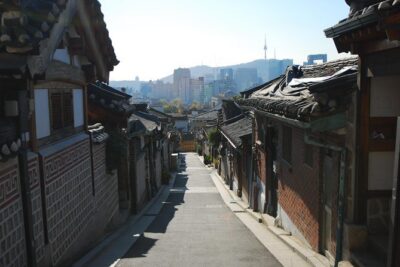
Gyeongbok Palace, Bukchon Village, and Gwangjang Tour
Read our review →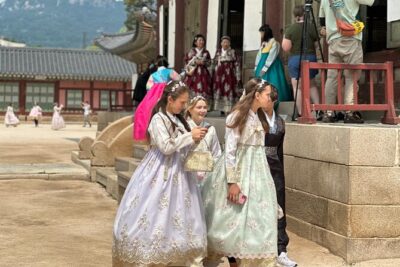
Best Seoul City Tour (Gyeongbokgung Palace,Insadong,Namsan Tower)
Read our review →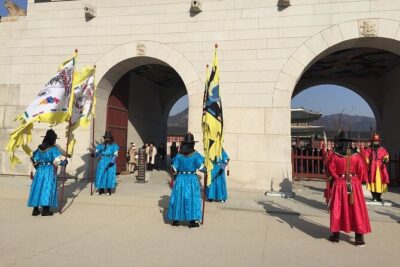
Small-Group Royal Palace and Seoul City Tour (hotel pick-up)
Read our review →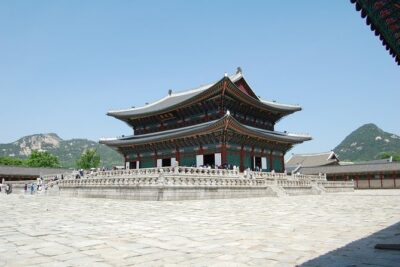
Seoul City Sightseeing Tour Including Gyeongbokgung Palace, N Seoul Tower, and Namsangol Hanok Village
Read our review →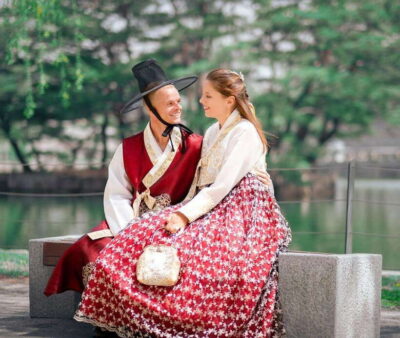
Seoul City Half Day Tour-Gyeongbok Palace Guard Changing Ceremony
Read our review →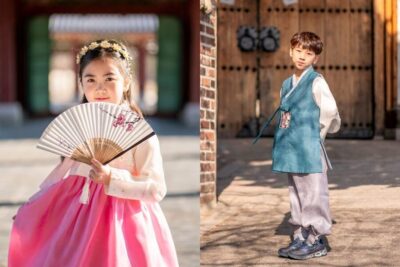
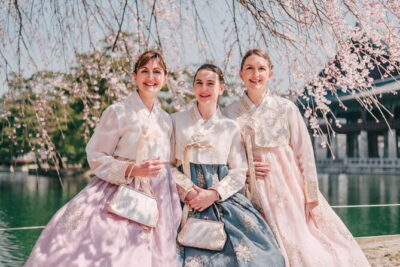
Hanbok Photoshoot and History Tour at Gyeongbokgung Palace
Read our review →Browse the lists this tour appears in