
Reviewed · CHERRY BLOSSOM & AUTUMN FOLIAGE TOURS
Hantan Canyon & Goseokjeong Flower Garden & Pink Muhly Park
Hantan Canyon is the star here: a river gorge cut through dark volcanic rock, with long sections of walkway where you can look down through metal grating at the water below. It is a fine change from Seoul’s city streets, especially for anyone who likes geology, outdoor walks, and photographs with a sense of place.
I like the mix of unusual rock formations and seasonal flowers, rather than another tour built around one garden. I also like that the $55 price covers admission, a guide, and round-trip transport from Seoul. The catch is the drive to Cheorwon, plus a canyon walk that can feel demanding if you are unfit or uneasy with heights.
Key points at a glance
- Columnar joints beside Hantan River: See one of South Korea’s more distinctive geological sights from a scenic walkway.
- Three very different stops: Pair a rocky gorge with Goseokjeong’s flower displays and Yangju Nari Park’s open fields.
- Best for outdoor-minded visitors: Expect walking, bridges, and time outside rather than museums or city sightseeing.
- Season matters: Autumn brings chrysanthemums and cosmos to Goseokjeong, while Nari Park is known for pink muhly grass.
- Small-group potential: One recent departure had only five guests, though group size can vary.
- Useful guide support: English and Chinese service is offered, with guides such as Ryan and Lio helping with stops, driving, and practical needs.
Hantan Canyon’s volcanic rock and river views
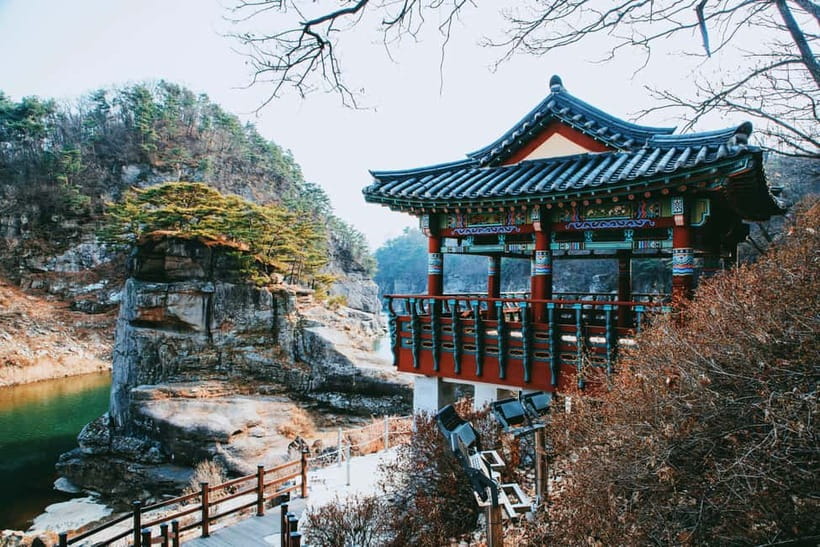
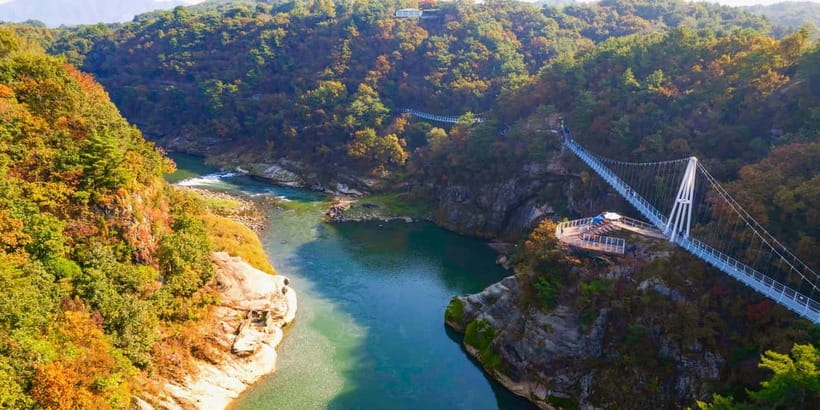
The first major attraction is Hantan Canyon in Cheorwon, where the Hantan River has cut through volcanic rock over time. The result is a striking gorge with columnar joints, the tall, jointed rock formations created as volcanic material cooled and cracked.
You do not need to be a geology expert to enjoy it. The appeal is visual: dark stone walls, clear water, and a walkway that lets you see the river from changing angles. The rock gives the outing a stronger sense of place than a standard riverside stroll.
The route also has an adventurous edge. Some sections use metal-grate bridges or paths, so you can see through the floor toward the ground or river below. That makes for good photographs and a memorable walk, but it may unsettle anyone with a fear of heights.
I would treat this as a proper outdoor outing, not a quick photo stop. One account describes the canyon walk as physically demanding, especially for anyone with mobility concerns or low fitness. You can wait for the rest of the group if needed, but the experience is best when you are comfortable walking on uneven or exposed sections.
Wear shoes with a good grip and bring water. A convenience-store stop may be possible if you tell the guide, but it is smarter to carry your own bottle from the start. Weather also matters. Rain can make any outdoor route less pleasant, though the guide’s care can help keep the day on track.
More trips built around the season in South Korea:
- Jeonju Hanok Village Full-Day Tour:Jangtaesan Autumn Foliage
★ 4.7 · 45 reviews - Jeju: 2026 Autumn Tour with Pink Muhly Festival Hotel Pickup
★ 4.9 · 21 reviews - Jeju East: Cherry Blossom Early Bird Tour with Hotel Pickup
★ 4.8 · 21 reviews
Goseokjeong Flower Garden changes with the season
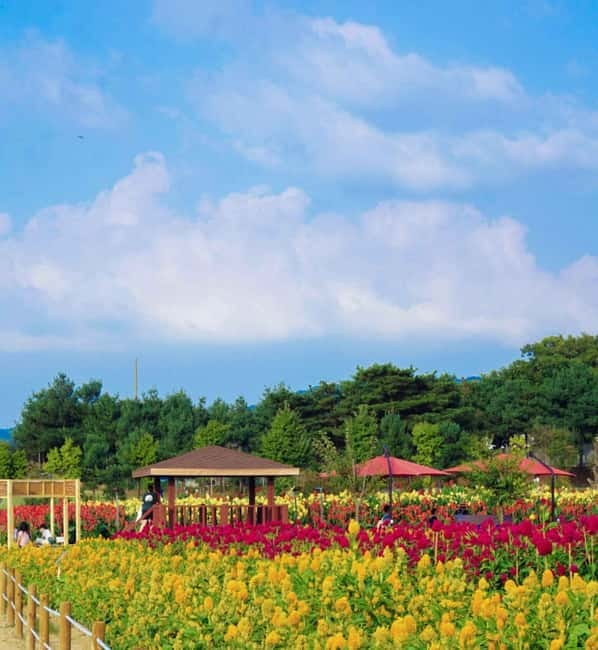
Goseokjeong Flower Garden gives the day a gentler second act. Instead of rock walls and elevated paths, you get broad beds of flowers and room to stroll at an easy pace.
The displays change through the year. Autumn is especially appealing, with chrysanthemums and cosmos adding color across the garden. Because the plantings are seasonal, the exact appearance depends on your date. You should expect a different visit in spring or summer than in September or October.
This is a good place to slow down and take photographs without the canyon’s physical demands. The setting also works well for people in the group who prefer flowers and open paths to geological sights.
Time may feel a little tight if you want to inspect every section. A small train ride is available for an additional ₩5,000 and can help you see more of the garden within the allotted visit. The train has compact seating, so taller or larger passengers may find it uncomfortable. I would regard it as a practical sightseeing option, not an essential extra.
The garden also provides a natural lunch break area in the wider day plan. Food and drinks are not included, but one recent trip included a good lunch stop with meals paid separately. Since no set meal is included in the tour price, bring money for food and beverages.
Yangju Nari Park and its pink muhly fields
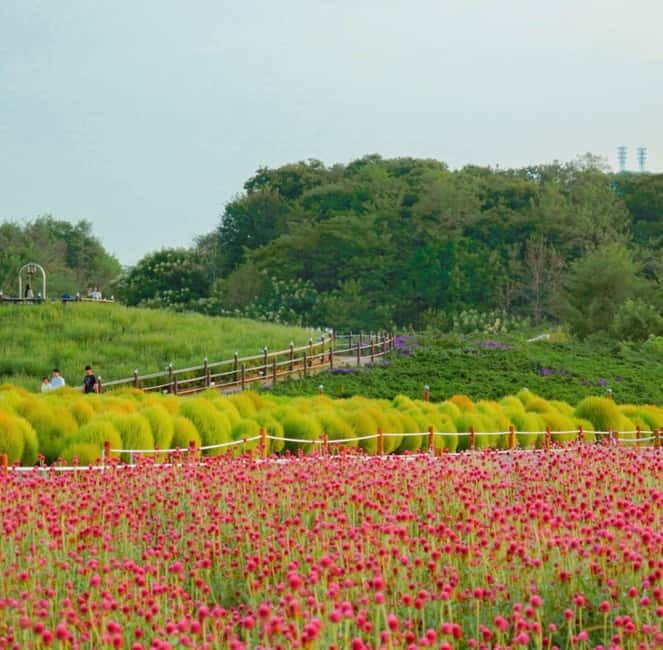
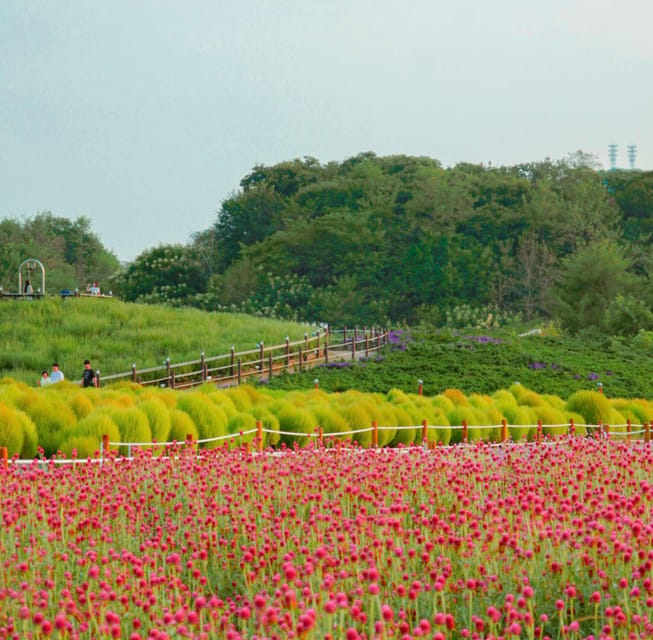
The final flower stop is Yangju Nari Park, known for wide fields of pink muhly grass. The soft pink planting gives the park a very different mood from Goseokjeong. Here, the pleasure comes from open space, gentle paths, and the chance to photograph the flowers at a slower pace.
A late-day or sunset visit can be particularly appealing. The light can soften the colors and give the park a calm finish, though the exact timing depends on the day’s schedule and conditions.
Nari Park is not just a quick backdrop for one photograph. The setting invites a leisurely walk, and there are flowers and greenery beyond the main pink muhly areas. You can take your time, look for different angles, or simply enjoy a quiet break after the canyon.
The park’s appeal is strongly seasonal. If pink muhly is your main reason for booking, check the expected condition of the fields for your date before paying. The tour information identifies Nari Park with pink muhly, but flower displays naturally change as the year moves on.
How the three stops work together
The route has a sensible rhythm. Hantan Canyon supplies the exercise and geological interest. Goseokjeong adds organized flower displays and a possible train ride. Nari Park finishes with wide fields and a more relaxed walk.
That variety is the reason I would choose this over a single garden excursion. You get rock, river, flowers, and open park scenery in one day. Each stop also photographs differently, so the outing does not feel visually repetitive.
The tradeoff is travel time. Cheorwon is not a casual hop from central Seoul, and the day includes round-trip transfers. If you dislike sitting in a vehicle for a significant part of an excursion, this may not be your best choice.
For me, the long transfer makes sense only if you want something outside the capital. The tour reaches attractions that would be harder to combine on your own, and the included transport removes the need to plan regional connections. You pay $55 per person for admission, a guide, and the ride there and back, which is a reasonable package for a full outdoor day.
Same base, a different kind of day out:
- Best DMZ Tour Korea from Seoul (Red Suspension Bridge Optional)
★ 5.0 · 41,422 reviews - DMZ Tour: 3rd Tunnel, Option(Suspension Bridge, Boat) from Seoul
★ 5.0 · 21,373 reviews - DMZ tour south Korea from Seoul (NK experience hall, defector)
★ 5.0 · 20,599 reviews - DMZ Insider Tour: 3rd Tunnel, NK Defector Meet & Red Bridge
★ 4.9 · 15,214 reviews
Guides, group size, and the feel of the day
The tour includes an English or Chinese-speaking guide. Ryan and Lio have both guided recent departures. Ryan kept the group entertained during poor weather, while Lio was praised for careful driving and for helping with practical requests such as a convenience-store stop.
Those details matter on a long day outside Seoul. A good guide does more than point out the next attraction. You may need help understanding the route, finding a place to eat, deciding how to use limited time, or managing a stop when the weather turns sour.
Group size can vary by departure, but one recent outing had five guests. A small group usually means less time waiting and an easier chance to ask the guide for help. It also gives the day a quieter feel than a large coach excursion.
Do not book this expecting a private tour unless your chosen option says so. The meeting point can vary depending on the option you book, and the activity ends back at that meeting point. Check the exact departure details before you set your Seoul plans.
What to pack and how to prepare
Your clothing can make a real difference. Choose comfortable walking shoes with grip, especially for the canyon. You should also carry water, since meals and drinks are not included.
A light rain layer is sensible because the attractions are outdoors. The day can still be enjoyable in poor weather, but wet bridges, paths, and flower fields are less comfortable. A phone or camera is worth bringing, since all three stops offer different photo subjects.
Plan to pay separately for lunch, drinks, and optional extras. The Goseokjeong train costs ₩5,000 according to the available tour details. Personal expenses are not covered by the $55 price.
If you have mobility issues, think carefully about the canyon section. The route includes demanding walking and exposed metal-grate sections. You may be able to wait while others continue, but that means missing part of the main attraction.
The same applies if you have a strong fear of heights. The bridges are not described as extreme, but seeing through the walkway can be uncomfortable. You should decide in advance if that tradeoff is acceptable.
Is $55 good value?
At $55, this tour offers solid value if you want three countryside attractions without arranging transport yourself. Admission fees and round-trip transfers are included, along with an English or Chinese-speaking guide. That removes several small costs and much of the planning work.
The price does not include meals, drinks, the optional garden train, or personal spending. Those extras are easy to budget for, but they mean the final cost will be higher than the advertised rate.
The strongest value comes from the combination. A cheaper garden-only outing would not give you Hantan Canyon’s rock formations or the same range of scenery. On the other hand, you are paying for convenience and access, not for a relaxed short trip close to Seoul.
I would call it good value for an active day trip, especially if you are staying in Seoul and want to see more of Gangwon Province. It is less convincing for someone who wants a slow, luxurious excursion with lots of free time at each stop.
Who should book this experience?
I would recommend it to you if you enjoy nature, photography, seasonal flowers, and a bit of walking. It suits couples, small groups, and solo visitors who want to reach rural sights without renting a car.
It is also a good fit for photographers because the stops offer contrasting subjects: rock columns and water at Hantan Canyon, formal flower beds at Goseokjeong, and soft pink fields at Nari Park.
Families and mixed-age groups should discuss the canyon walk before booking. People who are comfortable waiting can skip or shorten the harder section, but the tour’s main geological attraction is tied to that route.
I would be cautious if you dislike long drives, heights, or changing outdoor conditions. The flowers are seasonal, so your experience will depend partly on the timing of your visit. Still, the combination of scenery makes the day more rewarding than a simple park visit.
Should you book Hantan Canyon and the flower parks?
Book it if you want a full day beyond Seoul with real variety: volcanic rock, a river gorge, seasonal flowers, and pink muhly fields. The included transport and guide make the $55 price easy to justify, and the small-group possibility is a nice bonus.
Skip it if you need an easy-access outing, dislike long road transfers, or want a schedule built around indoor attractions. For everyone else, bring water, wear sturdy shoes, budget for lunch, and prepare for a day that mixes gentle flower walks with a more demanding canyon route.
FAQ
Where does this experience take place?
The tour visits Hantan Canyon and Goseokjeong Flower Garden in Cheorwon, Gangwon Province, followed by Yangju Nari Park.
How much does the tour cost?
The listed price is $55 per person.
Is transportation from Seoul included?
Yes. Round-trip transfers from Seoul are included, and the activity ends back at the meeting point.
Are attraction admission fees included?
Yes. Admission to the listed attractions is included in the tour price.
Which languages are available?
The tour offers English and Chinese-speaking guides.
Are meals and drinks included?
No. Meals and beverages are not included, so you should bring money for food and drinks.
What flowers can I see at Goseokjeong Flower Garden?
The flowers change by season. Autumn features chrysanthemums and cosmos.
What is Yangju Nari Park known for?
Yangju Nari Park is known for its broad fields of pink muhly grass, along with other flowers and walking areas.
Is the canyon walk physically demanding?
The canyon walk can be demanding, so it may not suit people with mobility issues or very low fitness.
Is there an extra-cost activity at Goseokjeong Flower Garden?
Yes. A train ride through the garden costs ₩5,000 and is paid separately.
Just added in South Korea
- Seoul: Winter Day Tour in Pocheon (+Strawberry Picking)★ 4.1 · 5 reviews
- Suwon: Baseball Game with Fortress and Local Food Tour★ 5.0 · 3 reviews
- Seoul: Private Tour to Nami Island, Garden, Petite France★ 5.0 · 4 reviews
- Seoul: War Memorial of Korea Private Guided Museum Tour★ 4.9 · 29 reviews
- Seoul: Wine & Korean BBQ, Perfect Pairing Dinner in Sinchon★ 5.0 · 6 reviews
- Seoul : Your Personal Photographer in Gyeongbokung★ 5.0 · 7 reviews
- Seoul : Efoil Experience in Han River★ 5.0 · 5 reviews
- Seoul: Suwon Hwaseong & Waujeongsa & Starfield Heritage Tour★ 4.8 · 27 reviews
Cherry Blossom & Autumn Foliage Tours, compared.
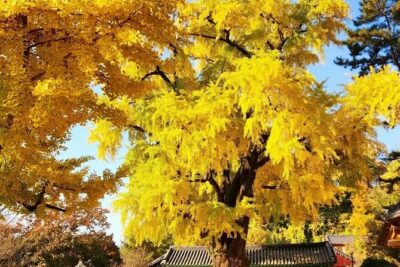
Jeonju Hanok Village Full-Day Tour:Jangtaesan Autumn Foliage
Read our review →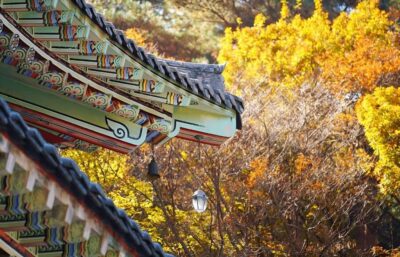
2026 Autumn Tour with Pink Muhly Festival Hotel Pickup
Read our review →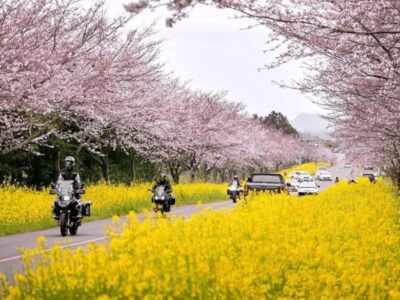
Jeju East: Cherry Blossom Early Bird Tour with Hotel Pickup
Read our review →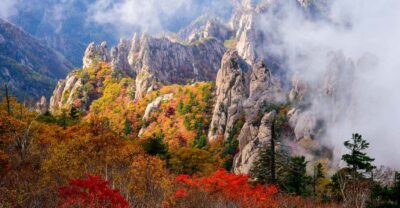
Mt. Seoraksan National Park Autumn Foliage Day Tour
Read our review →
Cherry Blossom South & West Day Tour with Hotel Pickup
Read our review →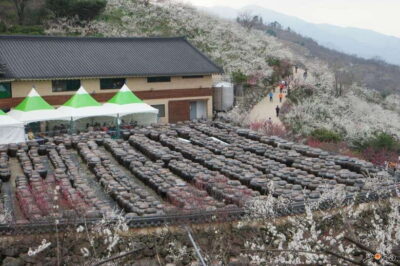
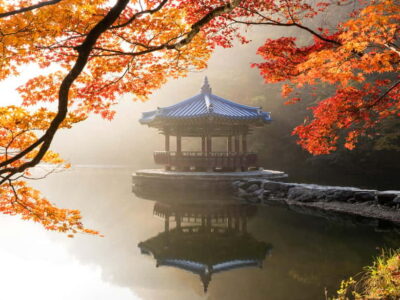
Naejangsan National Park Autumn Foliage One Day Tour
Read our review →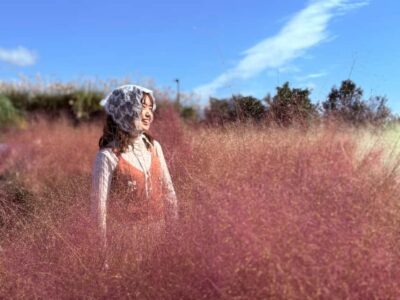
Small Group Tour w/Pink Muhly & Tangerine Picking
Read our review →Browse the lists this tour appears in