
Reviewed · DMZ & JSA TOURS
DMZ Tour: 3rd Tunnel, Option(Suspension Bridge, Boat) from Seoul
The most memorable part of this Seoul DMZ tour is the sharp change from city streets to a guarded border zone where the Korean War still shapes daily life. You’ll walk into the Third Tunnel, look toward North Korea from Dora Observatory, and then choose between a suspension bridge visit or a boat ride on the Imjin River.
I like the choice built into the day. You get the key DMZ sights, then select an add-on that fits your mood: a short but steep hike to Gamaksan, a visit to Lake Majang Bridge, or a quieter river outing. I also like the guides. Julie, Jay, Charles, Simba, Eddie, Lucy, and Paul are repeatedly praised for clear explanations, humor, and steady organization.
The main catch is physical effort and time. The tunnel includes a steep walk down and back up through a low passage, while the bridge options involve walking or hiking. The schedule can also feel brisk, and lunch is not included.
Key points to know before booking
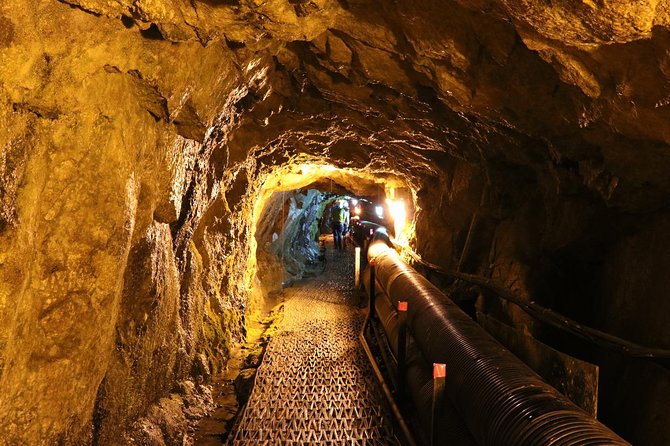
- The Third Tunnel is a real workout: The passage is low, steep, and warm inside, even on a cold day.
- Dora Observatory gives you a direct view north: Clear weather makes a major difference.
- You choose an extra stop: Options include Gamaksan Chulleong Bridge, Majang Reservoir Bridge, or an Imjin River boat ride.
- The guides are a major strength: Julie, Jay, Charles, and Simba are often singled out for lively, clear history talks.
- Round-trip transport keeps the day simple: Meet at one of three Seoul pickup points and return by air-conditioned bus.
- Bring your passport: A current valid passport is required for the DMZ entry check.
Why this DMZ tour is worth your day
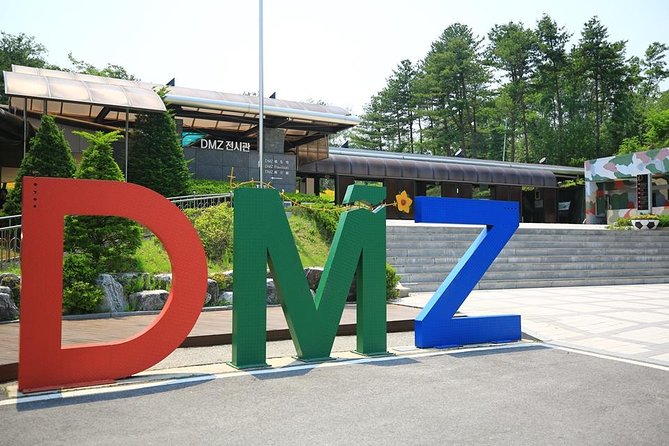
A DMZ visit is not simply a sightseeing trip. It takes you to a border created by war, separation, and an armistice that never became a peace treaty. The experience works best when you want context, not just a quick photo near a military boundary.
This tour covers the main western-front sights in one organized day. The standard route includes the Bridge of Freedom, Mangbaedan Altar, the Third Tunnel, Dora Observatory, and Unification Village. You then add a bridge, reservoir, or river activity depending on the option you select.
At about $35 per person, the value is strong. The price includes round-trip transport from Seoul, a professional guide, and DMZ admission. You avoid the trouble of arranging transport to the border and handling the required entry process yourself. For groups of 10 or more, free hotel pickup is included, although smaller groups must make their own way to one of three Seoul meeting points.
The maximum group size is 43 people, so this is not a private, custom-paced outing. Still, the air-conditioned bus and organized route make it a practical choice for a first DMZ visit.
Other trips up to the border from Seoul:
- Best DMZ Tour Korea from Seoul (Red Suspension Bridge Optional)
★ 5.0 · 41,422 reviews - DMZ tour south Korea from Seoul (NK experience hall, defector)
★ 5.0 · 20,599 reviews - Seoul: DMZ Tour with Optional Suspension Bridge
★ 4.8 · 5,277 reviews
Starting at the Bridge of Freedom and Mangbaedan Altar
The day begins with a look at two places tied closely to the Korean War. The Bridge of Freedom is linked to prisoners of war and separated families, while Mangbaedan Altar is associated with people who gather to remember relatives they cannot visit in the North.
You have about 20 minutes here before the formal ID check and entry into the DMZ area. That is not a long time, so listen closely as your guide sets up the story. Guides such as Charles and Julie are especially well suited to this part of the day because they explain the political and human background in plain English.
This opening stop helps prevent the rest of the tour from becoming a string of military sites. The DMZ can look quiet and green, but the memorials remind you that this quiet comes with a painful cost.
Bring your passport in a secure place. The tour requires a current valid passport, and the entry process is controlled by the military.
Walking into the Third Tunnel
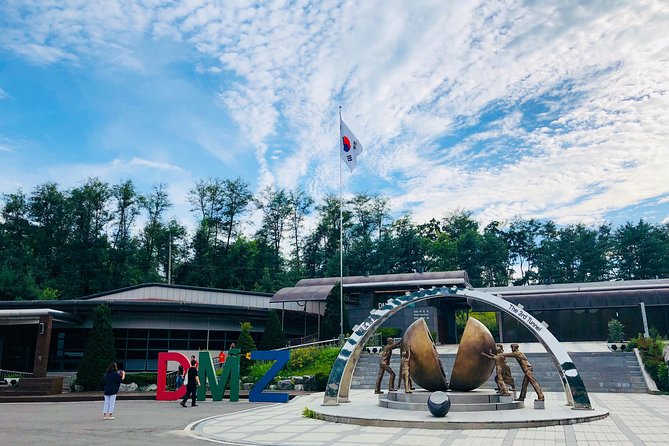
The Third Tunnel is the tour’s most physical stop. It was built as an invasion route from North Korea and is about 1,635 meters long. The section open to visitors is roughly 1.95 meters high and 2.1 meters wide, so taller people will need to watch their heads.
The route involves walking steeply down and then back up. One description places the walk at about 358 meters each way. Inside, the tunnel can feel warm, damp, and tiring, even when the weather outside is cold. You may need to bend for long stretches, and the return climb is the part that catches people off guard.
I would not treat this as a casual stroll. If you have knee, heart, breathing, or mobility problems, the tunnel may not suit you. The tour requires moderate physical fitness, and the operator specifically warns that some health conditions may restrict participation.
You do not need to force yourself all the way through. One useful approach is to walk only as far as feels comfortable, then return with the group procedure in mind. The tunnel itself is narrow and spare. Its value comes from understanding what it was built for, not from expecting a dramatic underground attraction.
This is also the point where a good guide matters. Jay, Simba, Charles, and Eddie are praised for keeping the information lively while helping the group stay together. Listen for instructions about photography and restricted areas.
On Mondays, the route visits the Second Tunnel instead of the Third Tunnel. If a particular tunnel is important to you, check the operating day before booking.
Looking north from Dora Observatory
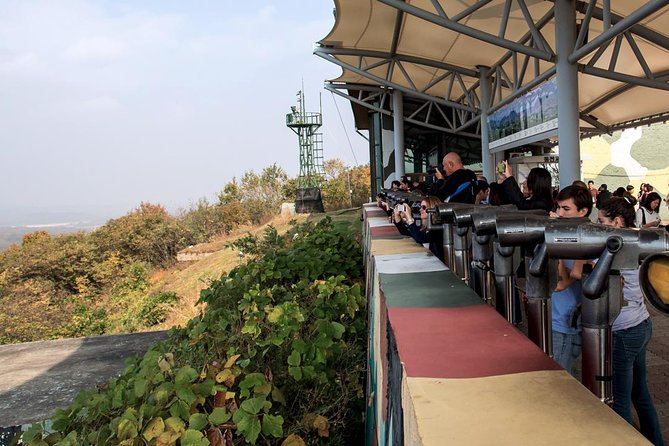
Dora Observatory is the quiet visual center of the tour. From here, you look toward North Korean territory, including the area around Gaeseong Industrial Complex and Songhaksan Mountain when visibility allows.
The view depends heavily on weather. Haze, cloud, wind, or cold can make the distant details difficult to see. On a clear day, though, the experience is striking because you are not looking at a museum display or a map. You are looking across a live border.
Your guide will help point out what you are seeing and explain why the viewpoint matters. The stop lasts about 40 minutes, which gives you time to listen, look, and take photographs where permitted.
Keep your camera ready, but follow the instructions about restricted images. The DMZ is not a normal public park, and military rules can change the way the visit runs.
Other walks with a drop below them near Seoul:
- Signature DMZ Tour: Exclusive Defector Talk & Suspension Bridge
★ 5.0 · 4,459 reviews - Ultimate Korea DMZ Tour from Seoul (Gondola & Suspension Bridge)
★ 5.0 · 2,396 reviews - DMZ; NK Defector, 3rd Tunnel, Suspension Bridge,Hotel pickup
★ 4.9 · 2,055 reviews - DMZ Tour from Seoul – Optional Suspension Bridge Experience
★ 5.0 · 1,918 reviews
A short stop at Unification Village
Tongilchon, or Unification Village, is a farming community near the DMZ where South Korean civilians live under special regulations. The stop lasts about 20 minutes and offers a different perspective from the memorials and observation deck.
Here, the focus shifts from battles and barriers to ordinary civilian life near the border. You may find the stop less dramatic than the tunnel or observatory, but it adds useful balance. The area is not simply an empty military strip. People farm and live nearby under unusual conditions.
Because the visit is brief, do not expect a long village walk or a full cultural program. Think of it as a short window into life beside the restricted zone.
Choosing Gamaksan Chulleong Bridge
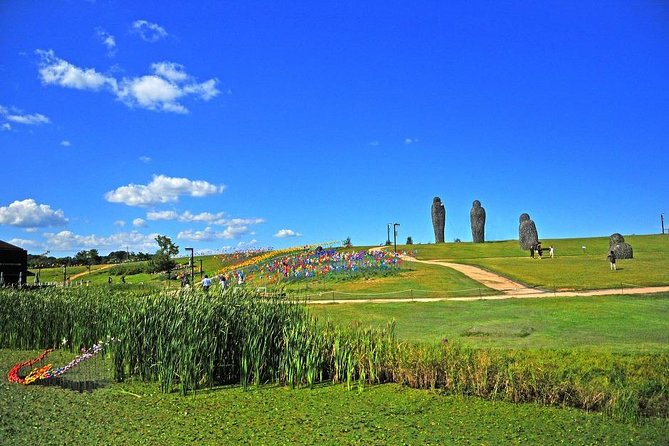
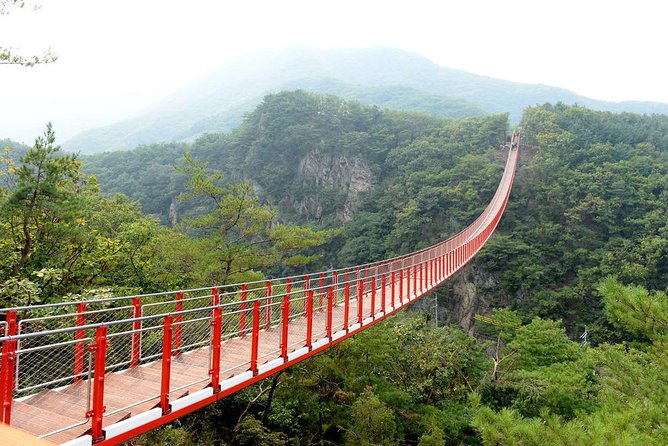
The Gamaksan option adds a short hiking section. You walk about 15 minutes uphill to reach the Gamaksan Chulleong Suspension Bridge, a 150-meter structure with connections to Korean War battle sites.
This choice suits you if you want movement, fresh air, and a more scenic break after the serious DMZ stops. The bridge gives the day a change of rhythm, but the climb is not flat or effortless. Wear shoes with a good grip and do not underestimate the uphill approach.
The bridge itself is the draw, yet its wartime setting gives it more meaning than a standard sightseeing walkway. Your guide can connect the surrounding area to the battles fought there during the Korean War.
If you are already tired from the tunnel, this option may feel like too much. The tour notes describe the stop as about an hour, including the walk and time at the bridge.
Choosing Majang Reservoir Bridge
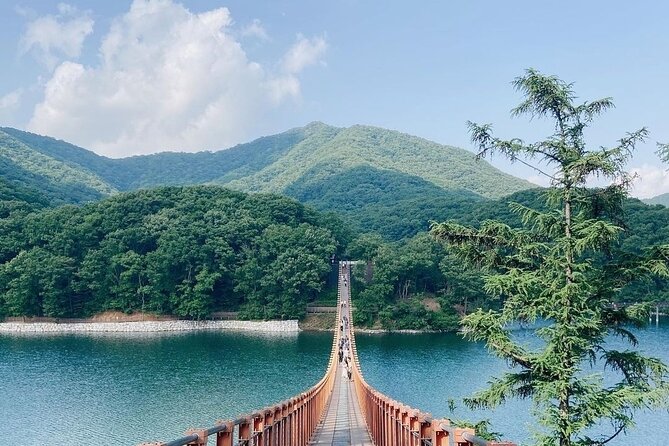
The Majang Reservoir option also includes a suspension bridge and a one-hour stop. The site is linked to fierce fighting in April 1951, when Allied forces suffered heavy losses in the area.
This is a good choice if you want a bridge visit with a strong wartime connection but prefer a reservoir setting. As with Gamaksan, the visit includes outdoor walking, so comfortable shoes and weather-appropriate clothing matter.
The two bridge choices are similar in broad shape but not identical in feel. Gamaksan is described as a short hiking course to a 150-meter bridge. Majang connects the bridge experience with a reservoir and a specific Korean War battle site. Check the exact option shown when you book so you know which setting you are choosing.
Taking the Imjin River boat option
The Imjin River option offers a slower finish. The river flows from North Korea into South Korea, and access to parts of it was restricted for decades after the Korean War. The boat ride lasts about 40 minutes.
Choose this option if you want less uphill walking after the tunnel and observatory. It also gives you a calmer way to think about the border, since the river itself crosses a region shaped by division and military control.
A boat ride is not the same as a bridge hike. You will miss the extra walking and elevated views, but you may appreciate the quieter pace. Weather can affect this option, and the tour schedule can change because of military training, traffic, weather, or other conditions.
The supplied details refer to a boat option and two bridge options. Since booking pages can group these choices in different ways, confirm the exact add-on before paying.
Guides who make the history easier to follow
The guide can shape the whole day. The strongest praise goes to Julie, Jay, Charles, Simba, Eddie, Lucy, and Paul, with repeated attention to their humor, clear English, patience, and ability to explain difficult Korean War subjects without making the day feel like a lecture.
Julie is described as energetic, warm, well organized, and especially good at answering questions. Jay is praised for an entertaining approach and clear English. Charles receives strong marks for explaining the history in a balanced way and offering practical reminders about photography and souvenirs.
Simba is often associated with a relaxed sense of humor and good stories. Eddie is noted for keeping the group informed while handling a luggage request for people continuing to the airport. You cannot normally guarantee a particular guide, but these names give you a sense of the guiding style used on the tour.
The best guides do more than recite dates. They explain why each stop matters, tell you where to look, and keep the group moving through security checks and time limits.
Timing, transport, and what to bring
The full outing takes about 6 to 9 hours. The exact length can shift because of traffic, weather, military schedules, and border access. Meet at one of three designated Seoul pickup points, then ride in an air-conditioned bus to the DMZ and back.
The bus is useful because the DMZ is not a place where independent route planning is simple. You also avoid arranging separate admission and transport. For groups of 10 or more, hotel pickup is included.
Pack a passport, water, comfortable walking shoes, and clothing suited to changing weather. The tunnel can feel hot and damp, while the observatory and bridges can be cold and windy. Bring some food or plan ahead because lunch is not included in the tour price.
The tour includes mobile ticketing and free cancellation up to 24 hours before the start time. Cancellations or changes inside that window are not refunded or accepted. Poor weather or failure to meet the minimum group size can also lead to a new date, another experience, or a full refund.
Who should book this experience
I would choose this tour if you want the main DMZ sights without spending time arranging transport yourself. It suits first-time visitors to Seoul, history-minded families with older children, and anyone who wants a guide to explain the Korean War and the continuing division of the peninsula.
You should think twice if you dislike group schedules, have trouble with steep walking, or want a slow and deeply personal visit. The group may include up to 43 people, and the day can feel rushed. The tunnel is the biggest physical test, while the bridge options add another hour of outdoor walking.
The low price makes the tour a sensible choice for most people. You receive transport, guiding, and admission for about $35, then choose the extra activity that best fits your energy. Just remember that food, insurance, and anything not listed are extra.
Should you book this Seoul DMZ tour?
Book it if you want a well-priced introduction to the DMZ with the Third Tunnel, Dora Observatory, and a choice of a bridge or river activity. The tour gives you the important sites, strong historical explanation, and a practical way to reach a tightly controlled border area.
I would select the standard route plus the Imjin River boat if you want a gentler finish. Choose Gamaksan or Majang if you enjoy hills and outdoor views. Either way, wear good shoes, carry your passport, allow most of a day, and accept that the military schedule can change your plans.
FAQ
How long does the DMZ tour take?
The tour lasts approximately 6 to 9 hours, depending on traffic, weather, military schedules, and other unexpected conditions.
What sights are included?
The route includes the Bridge of Freedom, Mangbaedan Altar, the Third Tunnel, Dora Observatory, and Unification Village. The selected option may add Gamaksan Chulleong Bridge, Majang Reservoir Bridge, or an Imjin River boat ride.
Is the DMZ admission fee included?
Yes. DMZ admission is included in all tour options.
Do I need to bring my passport?
Yes. A current valid passport is required on the day of the tour for the DMZ ID check.
Is lunch included?
No. Lunch is not included in the listed tour inclusions.
What happens on Mondays?
On Mondays, the tour visits the Second Tunnel instead of the Third Tunnel.
Can I cancel for a full refund?
Yes, if you cancel at least 24 hours before the experience start time. Cancellations or changes made less than 24 hours in advance are not accepted or refunded.
Just added in Seoul
- Suwon: Baseball Game with Fortress and Local Food Tour★ 5.0 · 3 reviews
- Seoul: War Memorial of Korea Private Guided Museum Tour★ 4.9 · 29 reviews
- Seoul: Wine & Korean BBQ, Perfect Pairing Dinner in Sinchon★ 5.0 · 6 reviews
- Seoul : Your Personal Photographer in Gyeongbokung★ 5.0 · 7 reviews
- Seoul : Efoil Experience in Han River★ 5.0 · 5 reviews
- Seoul: Vivaldi Park Winter Ski with Eobi Ice Valley Day Tour★ 4.6 · 16 reviews
- Seoul: Vivaldi Park Winter Ski with Nami Island Day Tour★ 5.0 · 4 reviews
- Seoul: SnowyLand in Vivaldi Park with Nami or Alpaca★ 4.8 · 11 reviews
DMZ & JSA Tours, compared.
Best DMZ Tour Korea from Seoul (Red Suspension Bridge Optional)
Read our review →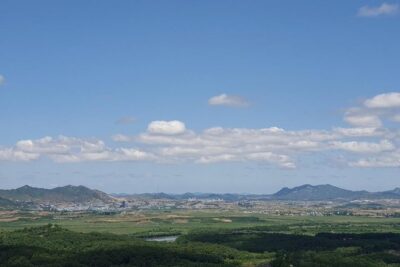
DMZ tour south Korea from Seoul (NK experience hall, defector)
Read our review →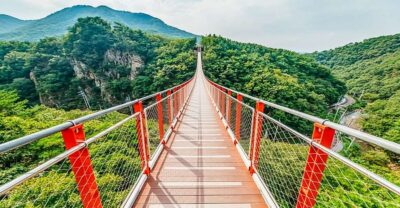
DMZ Insider Tour: 3rd Tunnel, NK Defector Meet & Red Bridge
Read our review →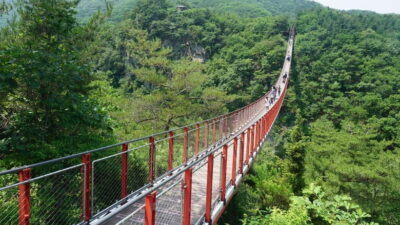
Signature DMZ Tour: Exclusive Defector Talk & Suspension Bridge
Read our review →
Thrilling Korean DMZ 3rd Tunnel Tour from Seoul + Red Bridge Rush
Read our review →
DMZ Past and Present: Korean Demilitarized Zone Tour from Seoul
Read our review →
Ultimate Korea DMZ Tour from Seoul (Gondola & Suspension Bridge)
Read our review →Browse the lists this tour appears in