
Reviewed · HIKING & TREKKING
Jeju: Hiking Mt. Hallasan, South Korea’s Highest Mountain
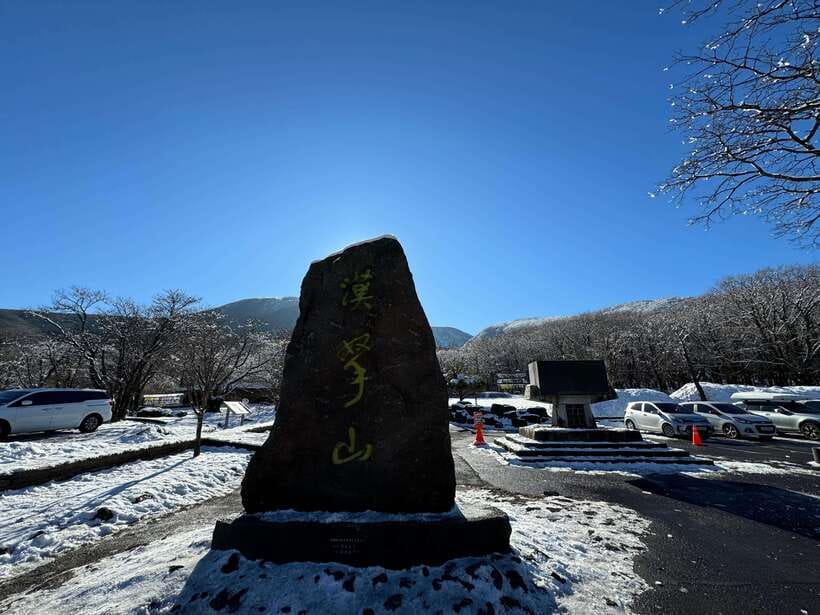
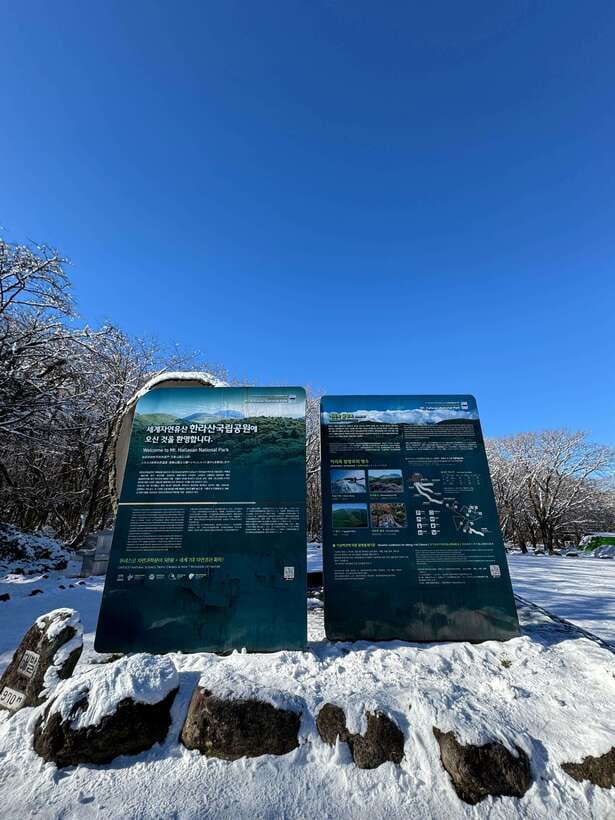
Hallasan is not just Jeju’s highest mountain. It is the island’s great natural centerpiece, a volcanic peak whose upper slopes reveal forests, unusual rock formations, and long views across the island. This hike uses a popular cross-mountain route, climbing from Eorimok to Witse Oreum before descending through Yeongsil.
I like the private-group format, which lets the guide adjust the pace instead of forcing everyone into a fixed rhythm. I also like the included lunch, fruit, snacks, and tea, useful on a five to six-hour walk. The main catch is that this route does not take you to Hallasan’s 1,950-meter summit. It reaches about 1,700 meters, and you need a moderate fitness level for the steady climb.
Key points at a glance
- A 13-kilometer crossing: Climb the Eorimok Course for about three hours, then descend by Yeongsil in roughly two to three hours.
- Guides who set the pace: Chanie and Kim Chan are named guides associated with this experience, with praise for friendly instruction, pacing, local facts, and photos.
- Food is supplied: Lunch is kimbap or cup noodles, with snacks, fruit, and tea included.
- A volcanic setting: You’ll learn about Hallasan’s nature and volcanic activity while walking through forests and past Yeongsil’s rock formations.
- A high-altitude hike: The route begins around 1,100 meters and climbs to about 1,700 meters, so it is not a casual park stroll.
- Transportation is separate: The meeting point is the Eorimok trail entrance, and you must arrange your own transport unless pickup is separately organized.
Why this Hallasan route is worth your time
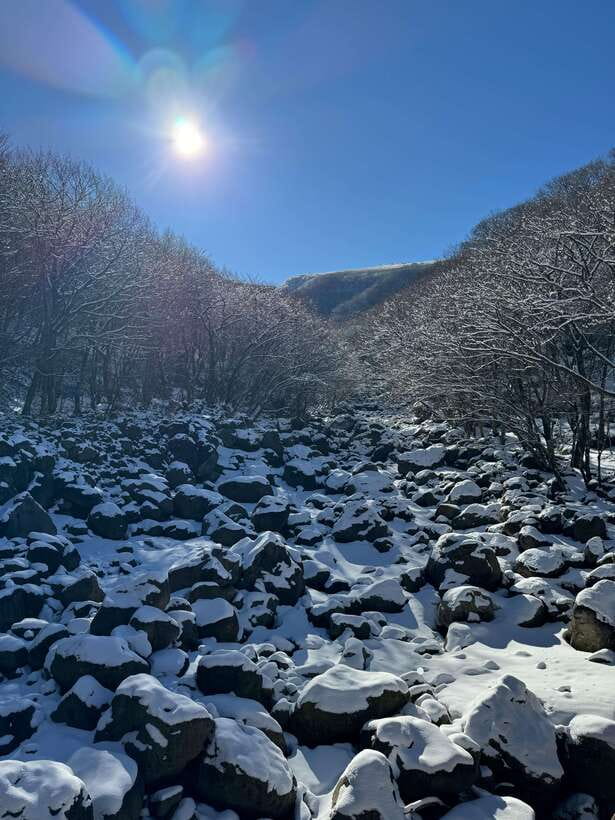
This is a good choice if you want to see a large section of Hallasan without tackling the full summit route. The trail begins at about 1,100 meters above sea level and climbs to Witse Oreum at roughly 1,700 meters. From there, you descend on the Yeongsil side, covering about 13 kilometers in five to six hours.
The route gives you two different walking experiences. Eorimok is the uphill section, with about seven kilometers of climbing and around three hours on the trail. Yeongsil is the downhill section, about six kilometers and two to three hours, with dense forest, Yeongsil Giam, and the folding-screen rock formations known as Yeongsil rocks.
I especially like the route design. You do the demanding climb while your legs are fresh, then change direction and descend through a different part of the mountain. That makes better use of your day than walking up and down the same trail.
Still, you should be clear about the route’s limits. This is a hike on Hallasan, but it is not a summit hike to 1,950 meters. If standing at the highest point in South Korea is your main goal, this experience may not match your plans. If you want a guided day in Hallasan’s upper mountain zone, with scenery and local explanation rather than a summit badge, it makes more sense.
A few more things to do in Jeju worth a look
- Seoul: Guided City Wall Sunset Hike with Korean Dinner
★ 4.9 · 227 reviews - Private Hiking tour to Bukhansan Peak(Baegundae: 836.5m) with Mountain Expert
★ 5.0 · 113 reviews - Fortress Night Hike & Snack at a Local Market
★ 5.0 · 112 reviews
Starting at Eorimok, where the climb begins
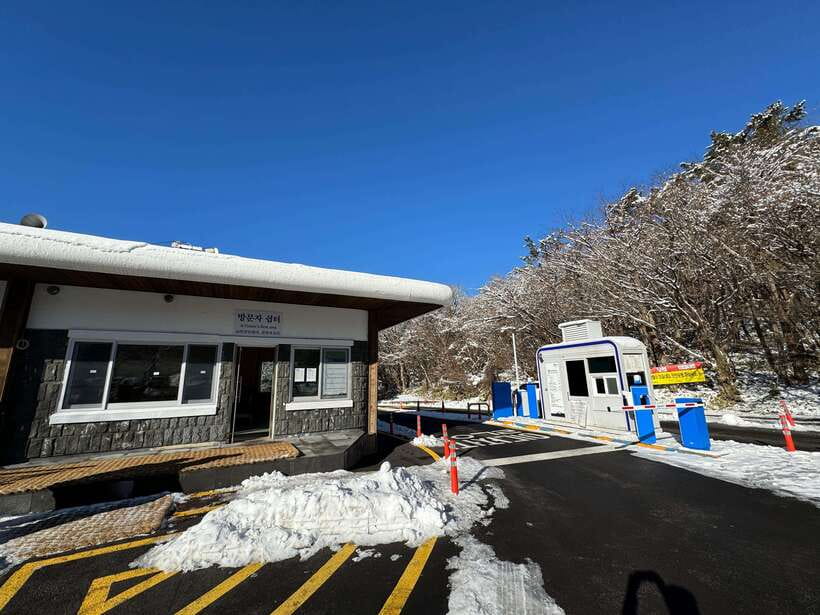
The meeting point is the Eorimok hiking trail entrance. The area has rest facilities and toilets, and the guide will hold a name board so you can identify the group.
This practical meeting point matters because transportation is not included. You will need to reach Eorimok on your own, and the hike ends at Yeongsil Entrance in Seogwipo, not where you started. That makes the logistics different from a simple out-and-back walk. Plan your ride to the start and your onward transport from the finish before hiking day.
One past booking included hotel pickup and drop-off arranged by Kim Chan, but you should not treat that as part of the standard price. The supplied details list transportation as excluded. Ask about pickup when you book if you want help with this part.
The opening section is a climb from around 1,100 meters. That starting elevation means you skip much of the lower mountain and begin in the higher forest zone. You are still gaining about 600 meters before the route’s high point, so the first half requires steady effort.
The Eorimok Course, about three hours uphill
The Eorimok Course covers about seven kilometers and takes around three hours. Your guide provides a safety briefing and leads the group through the climb, explaining Hallasan’s natural features and volcanic activity along the way.
The value of a guide is clear here. A long uphill walk can turn into a blur of roots, rocks, and tired legs when you do it alone. With an English-speaking guide, you get context about what you are seeing and a chance to hear stories about Hallasan and Jeju. The pace can also be adjusted to suit the private group.
Kim Chan received particular praise for matching the group’s speed to its fitness level. That is useful because a private hike should not feel like a race. Chanie is also associated with this experience and is noted for friendly explanations and taking photos. If pictures matter to you, having a guide who is willing to help with them is a pleasant extra.
The climb is not described as technical, but it is long enough to demand preparation. Hiking boots, a towel, and poles are among the items you may need. In winter, crampons are required equipment for the conditions listed for this activity. Skirts are not allowed, and you should wear practical hiking clothing.
You must bring your own water. This is easy to overlook because lunch and snacks are supplied, but food does not replace hydration on a five to six-hour mountain walk.
Witse Oreum, the high point of the day
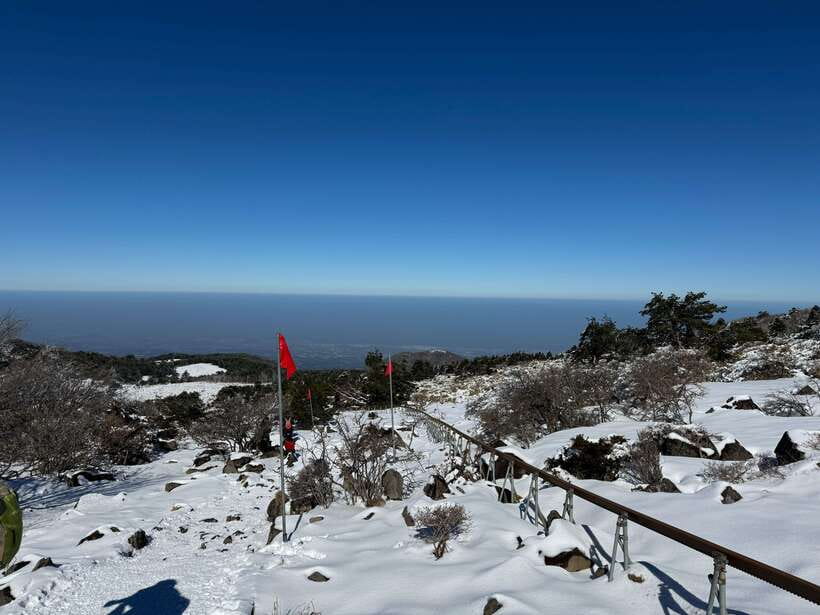
After about three hours, you reach Witse Oreum. This is the central point of the route, both geographically and practically. Here you stop for about an hour, eat lunch, and rest before beginning the descent.
Lunch is listed as kimbap or cup noodles, along with snacks, fruit, and tea. That is a useful package for a mountain day. You do not have to carry a full meal, and the food gives you a planned break before the second half.
I like the one-hour pause because it gives you time to reset rather than rushing directly from the climb into the descent. You can eat, drink from the water you brought, and check your legs before setting off again. The break is also a good point to speak with the guide about the route ahead.
Keep your expectations realistic. This is a practical trail lunch, not a restaurant meal. The included food saves effort and adds value to the $103 price, but you should still bring any special food you need. The supplied information does not list dietary alternatives.
Witse Oreum is also a useful point for understanding the shape of the day. You have completed the main climb, but you are not finished. The descent still takes about two to three hours, and downhill walking can be tiring in its own way.
Same base, a different kind of day out:
- Jeju: Eastern Jeju UNESCO Spots Day Tour
★ 4.9 · 1,148 reviews - Jeju: Western and Southern Sightseeing Day Tour
★ 4.8 · 972 reviews - Jeju: Southern Top UNESCO Spots Bus Tour
★ 4.9 · 648 reviews - South-West Jeju Essentials: Hallasan & Signature Highlights
★ 5.0 · 620 reviews
Descending Yeongsil through forest and rock
The Yeongsil Course runs for about six kilometers and takes around two to three hours. It leads toward the Halla Yeongsil Service Area and then finishes at Yeongsil Entrance in Seogwipo.
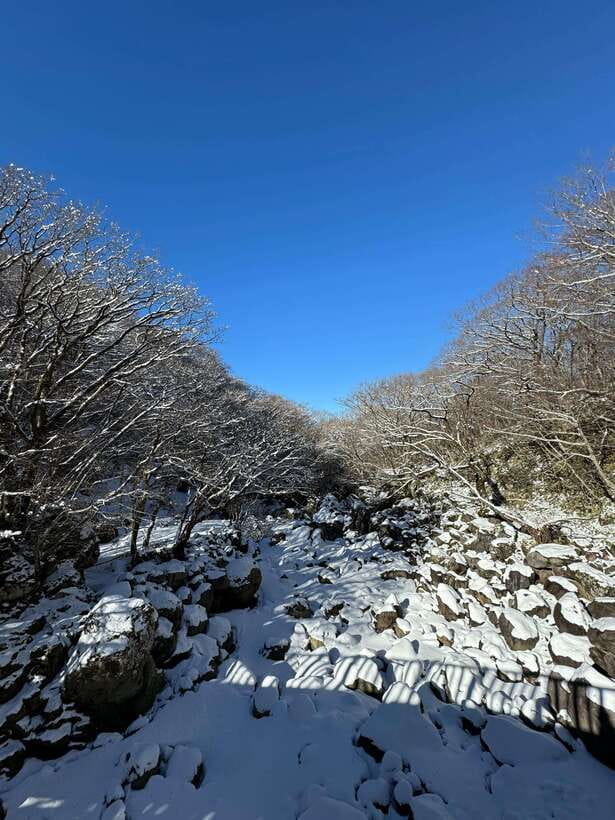
This section brings a different feel from Eorimok. You’ll pass dense forest, Yeongsil Giam, and the folding-screen rock formations that give the route much of its visual character. The route also includes scenic views along the way, giving you a reward after the long uphill section.
The change of scenery is one of the strongest reasons to choose this crossing. You are not simply retracing your steps. The route lets you compare two well-known Hallasan courses in one day, with the guide explaining what makes each section different.
A downhill route is not automatically easy. Your total hiking time remains five to six hours, and the trail can feel demanding after lunch. If you have weak knees, poor balance, or little recent hiking experience, take the fitness warning seriously. The activity is not suitable for people with mobility impairments, vertigo, respiratory issues, or a low level of fitness.
The final stop is Yeongsil Entrance. Because the hike ends away from Eorimok, have your return plan ready. This is one of the few real inconveniences of the experience, but it is manageable if you organize transport in advance.
The guide makes the difference
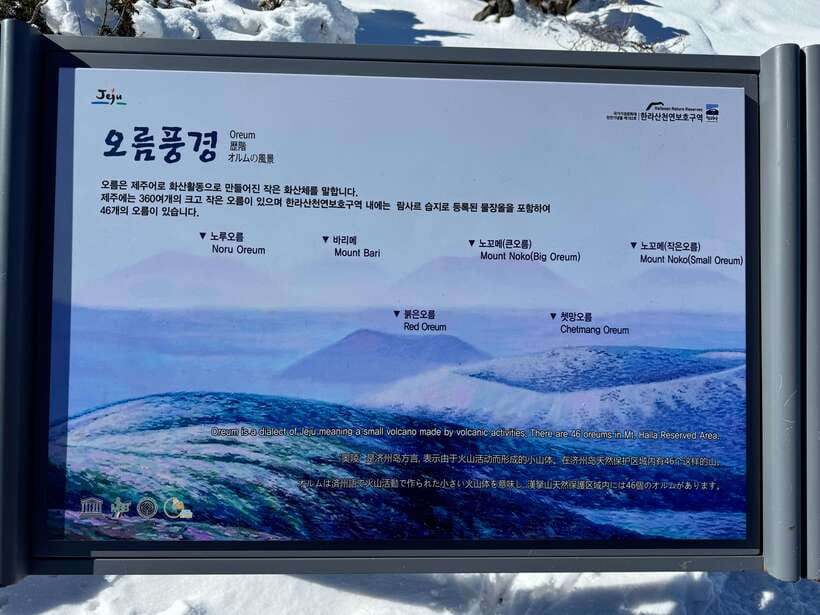
This experience is sold as a private group with a live English-speaking guide. That matters more here than it would on a short city walk. Hallasan is a large natural area, and the guide’s role is not only to lead the way. You also get safety advice, explanations of volcanic activity, stories about the mountain, pacing, and help with photos.
Kim Chan is specifically associated with adjusting the speed to the group’s ability and explaining facts about Jeju. Chanie is described as friendly, informative, and willing to take photos. Those details point to the kind of guiding that suits a long hike: clear communication, patience, and practical help.
You should also ask questions during the walk. The experience promises explanations about Hallasan’s nature and volcanic activity, so this is a good setting to ask about the rock formations, the forest, and the island’s volcanic origins. A guided hike becomes much more useful when you treat it as a conversation instead of simply following behind.
The private format should appeal to couples, families with fit older children, and small groups of friends who want to stop for pictures or adjust their pace. It is less suited to anyone hoping for a relaxed sightseeing outing with little physical effort.
Is $103 a fair price?
At $103 per person, the value depends on what you need. You are paying for a six-hour private guided hike, not just access to a trail. The price includes an English-speaking guide, safety briefing, local and volcanic explanations, lunch, snacks, fruit, and tea.
That is a fair package for someone who wants help with navigation, pacing, and trail interpretation. It also removes the need to carry a full day’s food. The photo help mentioned with the named guides adds another useful touch, especially if you are hiking without a companion who can take pictures.
The price is less attractive if you only want to walk Hallasan independently. Transportation is not included, and you must supply water and hiking gear such as boots, poles, a towel, and winter crampons. Those extra costs and planning needs should be part of your calculation.
The strongest value comes from the private format. A private group gives the guide room to tailor the pace, and Kim Chan’s approach of matching speed to fitness is exactly the kind of service that can make a long hike more comfortable. If you are comparing this with a large group outing, the extra cost may be worthwhile for the personal attention.
Who should book this hike?
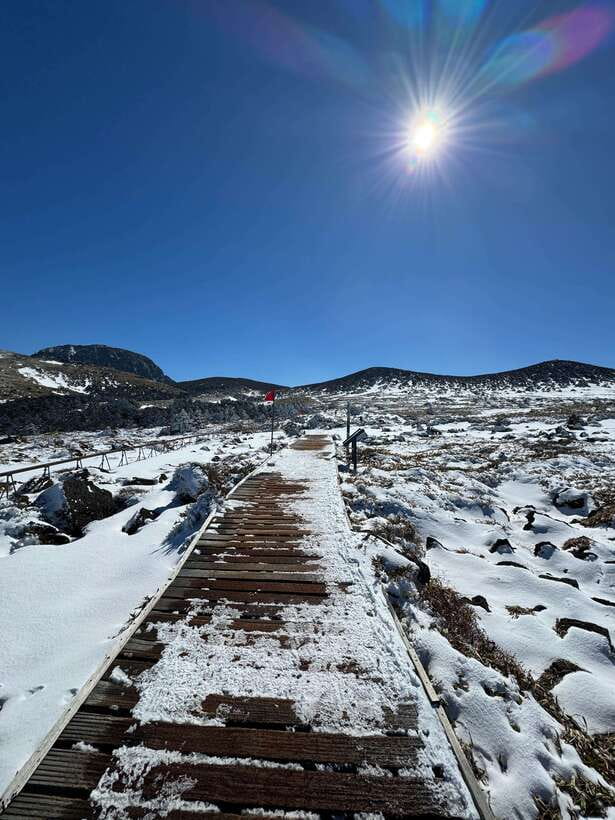
I would choose this experience if you want a structured day outdoors and can comfortably hike for five to six hours. You should be used to sustained uphill and downhill walking, and you should be comfortable starting at 1,100 meters and climbing to about 1,700 meters.
It suits you particularly well if:
- You want to see both Eorimok and Yeongsil in one route.
- You prefer a private group to a large fixed-pace group.
- You want an English-speaking guide to explain Hallasan’s geology and stories.
- You value included food and help with photos.
- You are visiting Jeju without much experience planning mountain logistics.
I would skip it if you have a low fitness level or any of the listed health concerns. The activity is not suitable for pregnant people, wheelchair users, people with recent surgeries, people with diabetes, people with respiratory issues, people with vertigo, or people with altitude sickness. It is also not intended for people over 80, and the information gives a separate upper limit of 95 years.
The route is not suitable for oversized luggage, baby strollers, drones, intoxication, alcohol, drugs, or littering. Those rules are sensible on a protected mountain trail, but they are worth knowing before you arrive.
Winter details and useful preparation
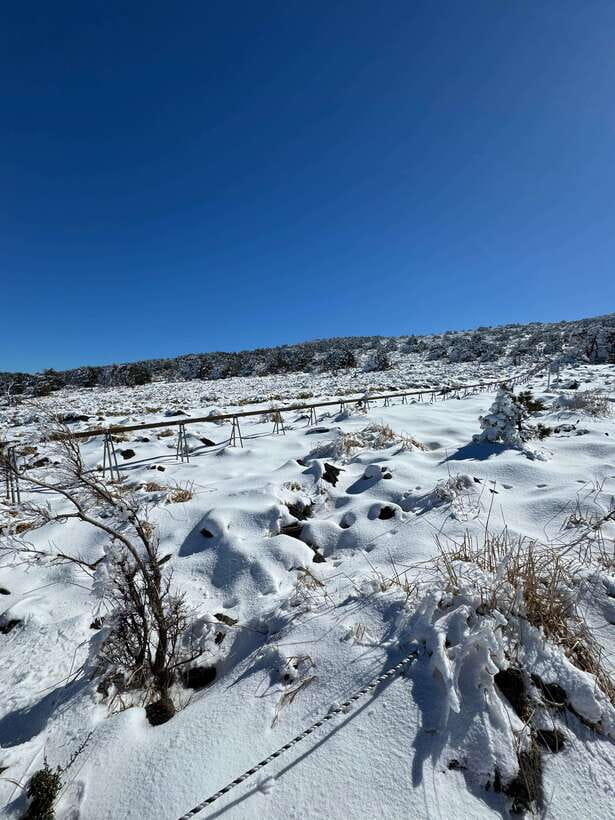
Eorimok Square holds a snowflake festival every winter. That gives the starting area a seasonal point of interest, though winter also brings extra preparation needs. Crampons are listed as necessary winter equipment, and you should confirm the conditions and gear requirements before setting out.
At any time of year, bring water, suitable hiking boots, a towel, and poles if you use them. Lunch, fruit, snacks, and tea are included, but water is not.
Allow the full five to six hours rather than planning another tight activity immediately afterward. The stated duration is six hours, and the route includes a three-hour guided climb, a one-hour lunch break, and about two and a half hours on the Yeongsil side. A mountain schedule deserves some breathing room.
Cancellation is flexible: you can cancel up to 24 hours ahead for a full refund. You can also reserve and pay later, which helps if your Jeju plans are still moving around.
Should you book the Eorimok to Yeongsil hike?
Book it if you want a guided cross-mountain day on Hallasan, not a summit climb. The route combines a serious but manageable ascent, a different descent, volcanic stories, forest scenery, rock formations, and a supplied lunch.
The best reason to choose it is the combination of private pacing and local explanation. Guides such as Kim Chan and Chanie add practical help, photos, and context that you would miss on a self-guided walk. The main reasons to hesitate are the separate transportation, required hiking gear, high starting elevation, and five to six hours of effort.
For a fit visitor who wants to see more than one Hallasan trail without handling every detail alone, $103 is a reasonable price. Just bring water, wear proper hiking clothes, arrange your return from Yeongsil, and remember that Witse Oreum, not Hallasan’s summit, is the high point of this route.
FAQ
How long is the Hallasan hike?
The hike takes about five to six hours in total. This includes roughly three hours on the Eorimok Course, a one-hour break for lunch, and about two to three hours descending through Yeongsil.
How far do you hike?
The route is about 13 kilometers in total. Eorimok accounts for about seven kilometers, while Yeongsil covers about six kilometers.
Does the hike reach Hallasan’s summit?
No. Hallasan’s summit is 1,950 meters above sea level, while this route climbs from about 1,100 meters to around 1,700 meters at Witse Oreum.
Where does the hike start?
The meeting point is the Eorimok hiking trail entrance. Rest areas and toilets are available there, and the guide will hold a name board.
Where does the hike finish?
The hike finishes at Yeongsil Entrance in Seogwipo, South Korea.
Is lunch included?
Yes. Lunch is listed as kimbap or cup noodles. Snacks, fruit, and tea are also included.
Do I need to bring water?
Yes. Water is not included, so you need to bring your own.
Is transportation included?
No. Transportation is not included in the activity price. One booking had hotel pickup and drop-off arranged with the guide, but this should be confirmed separately.
Is the activity suitable for beginners?
The Eorimok to Yeongsil route is described as one of the popular courses for beginners, but it still requires a moderate level of fitness. You should be comfortable with a five to six-hour hike and the climb from 1,100 meters to 1,700 meters.
Just added in Jeju
- Jeju: Seogwipo City Walking Tours with Sunset★ 5.0 · 11 reviews
- Jeju: K-Drama Spot When Life Gives You Tangerines Hotel Pick★ 5.0 · 4 reviews
- Jeju: Sunset Tour Olle Trail Walking Tour with Hotel Pickup★ 4.9 · 7 reviews
- Jeju: Western & Southern Jeju Hydrangea Festival Tour★ 5.0 · 3 reviews
- Jeju: West of Jeju Island Bus Tour from Seogwipo City★ 5.0 · 20 reviews
- Jeju West: Small Group Healing Tour w/Caves & Dolphins★ 5.0 · 8 reviews
- Jeju Premium Small Group UNESCO Day Tour – East★ 4.8 · 33 reviews
- Jeju South: Small Group Healing Tour w/Mt.Halla & Olle Trail★ 5.0 · 8 reviews
Hiking & Trekking, compared.
Guided City Wall Sunset Hike with Korean Dinner
Read our review →
Private Hiking tour to Bukhansan Peak(Baegundae: 836.5m) with Mountain Expert
Read our review →
4-Hours Hiking and Tasting Rice Wine in the Mountain of Busan
Read our review →
Hiking and Tasting Rice Wine in the Hidden Village
Read our review →
Browse the lists this tour appears in