
Reviewed · HIKING & TREKKING
Private Hiking to Bukhansan & Korean Style Spa(Include Lunch)
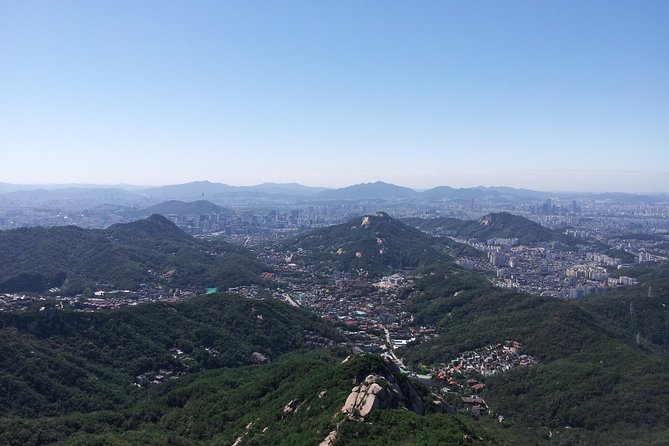
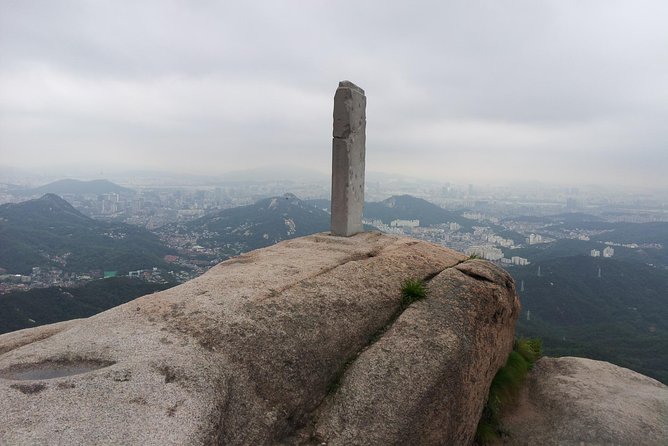
Bukhansan gives you a quick escape from Seoul without leaving the city far behind. You hike the popular Gugi-dong course, visit Seunggasa Buddhist temple, then trade your boots for a Korean sauna.
I like the private format, which lets your guide adjust the pace and route to your fitness. I also like the pairing of a local lunch with the spa, since the day feels like more than a walk in the woods. The main catch is that this is not always an easy stroll: expect rocks, stairs, and some steep stretches.
Key points to know before booking
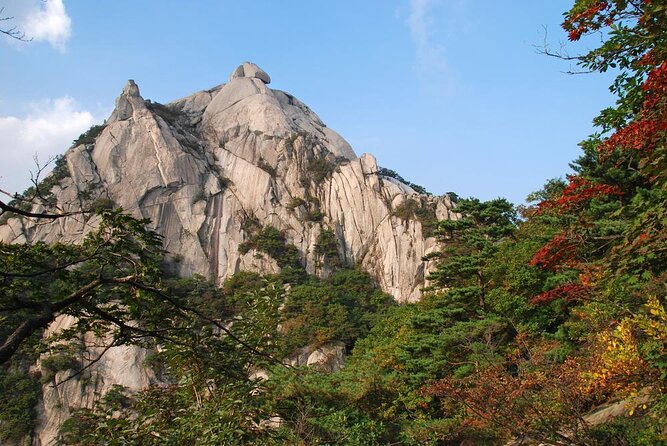
- The hike usually lasts about two hours, with some accounts describing roughly three miles and 600 feet of elevation gain.
- Seunggasa Buddhist temple has about 1,000 years of history and is associated with female monastics.
- Lunch is at a local Korean restaurant in the downtown area near Bukhansan, not a generic tourist dining room.
- The Korean spa is a real local sauna experience, and body scrubs may be offered, so learn what to expect before you go.
- Private transport and hotel pickup make this easier than arranging the mountain independently.
- Guide quality matters, with Benny, Jimmy, Sophia, Andy, and Chance singled out for friendly conversation and cultural knowledge.
Why this Bukhansan day works so well in Seoul
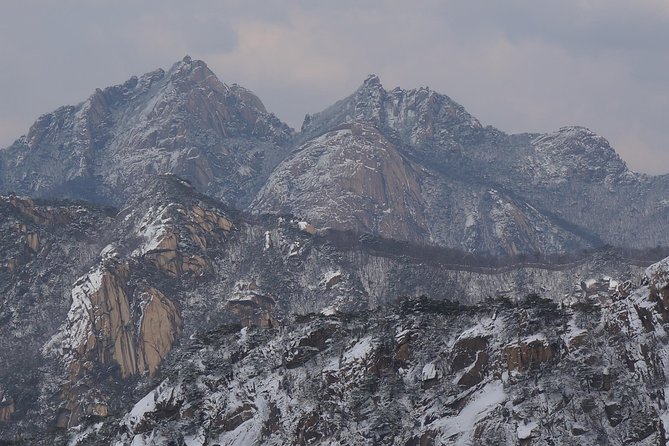
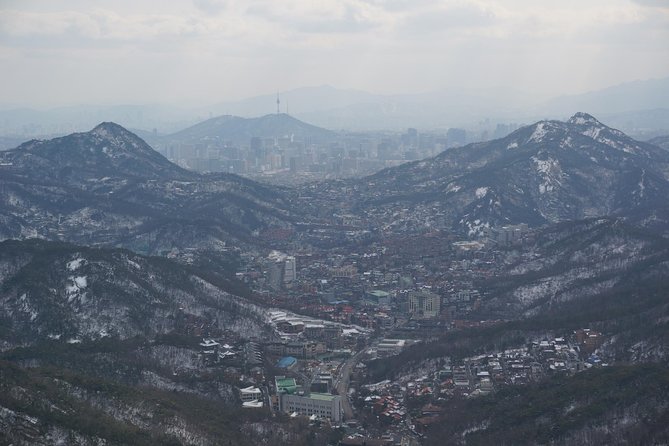
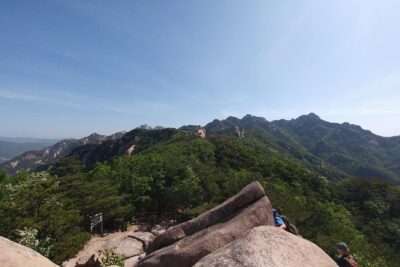
Seoul is a city of towers, traffic, cafés, and shopping streets. Bukhansan offers a very different view of Korea: wooded trails, exposed rock, temple buildings, and local hikers following a familiar mountain route.
The appeal is not only the exercise. Your guide can explain Korean Buddhism, mountain customs, Korean history, plants, current affairs, and everyday culture as you walk. Several guides are praised for making the day feel like a conversation rather than a lecture. That can be especially useful if you are visiting Korea for the first time and want context for what you see.
The private setup also changes the pace. You are not tied to a large group or forced to match the fastest walker. Guides have adjusted routes for beginners and intermediate hikers, while stronger walkers have been given a more demanding outing. Still, you should not book this expecting a flat nature walk.
At $182 per person, the price is not low. It covers private touring, transportation, guiding, lunch, the hike, and the spa portion, so the value depends on how much help you want. If you are comfortable navigating Seoul, finding the trail, ordering lunch, and visiting a sauna alone, you can spend less independently. If you want one person to connect those pieces and explain what you are seeing, the cost is easier to defend.
A few more things to do in Seoul worth a look
- Seoul: Guided City Wall Sunset Hike with Korean Dinner
★ 4.9 · 227 reviews - Private Hiking tour to Bukhansan Peak(Baegundae: 836.5m) with Mountain Expert
★ 5.0 · 113 reviews - Fortress Night Hike & Snack at a Local Market
★ 5.0 · 112 reviews
Starting at Gugi-dong, a popular Seoul hiking route
The day begins with pickup and transport in an air-conditioned vehicle. That matters in Seoul, where reaching a mountain trail can involve several changes by subway and bus. The exact pickup details need care, so check the information you provide at booking and confirm the meeting point clearly.
The hike uses the Gugi-dong course, described as one of the routes Koreans use most often. The trail is presented as relatively easy, but that label needs a practical translation. You may encounter uneven rocks, stairs, and inclines. One account describes about three miles of walking and a 600-foot elevation change, while another specifically advises hiking boots, water, and preparation for heat.
I would call it low to moderate intensity for a reasonably active person, not a beginner stroll in a city park. The private format helps, but it does not remove the physical demands of climbing. Comfortable walking shoes are the minimum sensible choice. Hiking shoes are a better pick if you are not used to rocky paths.
The route also changes with the weather and the group. In winter, icy or slippery conditions may make the same trail feel much harder. In warm weather, bring plenty of water. The tour information asks for moderate physical fitness, and that is the right expectation.
Seunggasa temple and the quieter side of Korean Buddhism
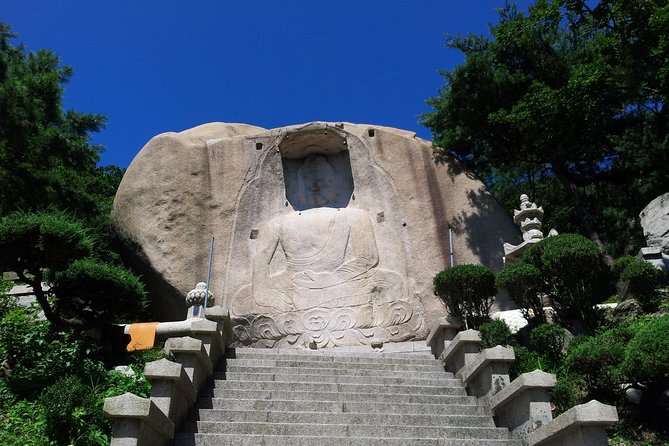
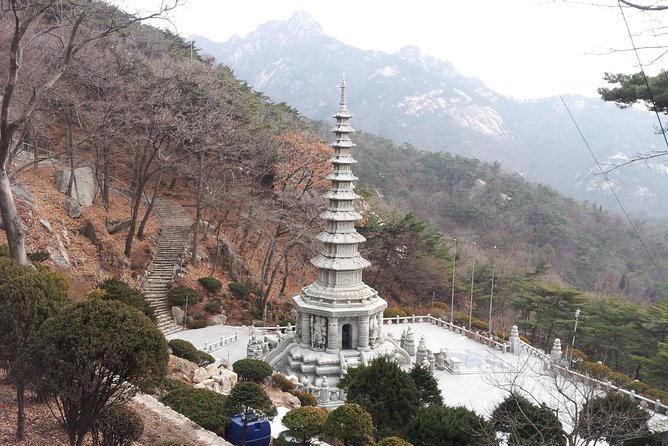
A major purpose of the walk is Seunggasa, a Buddhist temple with about 1,000 years of history. The setting gives you a useful break from the city and a place to understand Korean Buddhism through the guide’s explanation.
The temple is also described as a place where only female monastics stay. That detail gives the stop a particular character and makes it more than a quick photo stop. Your guide can explain the temple’s past, Buddhist traditions, and the role of mountain temples in Korean life.
The quiet here is part of the experience. You may hear little beyond footsteps, voices, and the natural sounds around the trail. That contrast with central Seoul is one of the strongest reasons to include Bukhansan in a city visit.
Do not judge the hike only by its distance. The pleasure comes from the combination of effort, views, temple architecture, and the sense that you have reached a part of Seoul many short city tours never touch. Some outings reach a temple area described as being near the top, but the precise endpoint can depend on the chosen route and the group’s ability.
What the guide adds to the mountain walk
This experience depends heavily on the individual guide. Benny receives repeated praise for making solo walkers comfortable and for mixing Korean history and pop culture into the walk. Jimmy is described as an engaging conversationalist who can discuss Korea well beyond the trail itself. Sophia is praised for explaining plants and landmarks and choosing a route suited to the group.
Andy has been praised for responding to food requests after the hike, while Chance is described as attentive to safety, including during a winter outing. These are useful signs of the kind of service the company aims to provide, but you should not assume that a particular guide is guaranteed unless the operator confirms it.
The strongest benefit of a private guide is not simply information. It is the ability to ask questions as they occur. You can stop to ask about a temple detail, a plant, Korean customs, or the view toward Seoul without holding up a busload of people.
There is also a caution here. Personalities and communication styles vary. One very negative account raised concerns about a guide’s comments and attitude, while the operator’s response was defensive. I would treat that as a reminder to communicate clearly and raise concerns promptly if something feels uncomfortable. The overall rating is 4.8 from 32 ratings, with 94 percent recommending the experience, but no tour is free of an occasional mismatch.
Same base, a different kind of day out:
- Best DMZ Tour Korea from Seoul (Red Suspension Bridge Optional)
★ 5.0 · 41,422 reviews - DMZ Tour: 3rd Tunnel, Option(Suspension Bridge, Boat) from Seoul
★ 5.0 · 21,373 reviews - DMZ tour south Korea from Seoul (NK experience hall, defector)
★ 5.0 · 20,599 reviews - Seoul: DMZ Tour with Optional Suspension Bridge
★ 4.8 · 5,277 reviews
A local Korean lunch after the climb
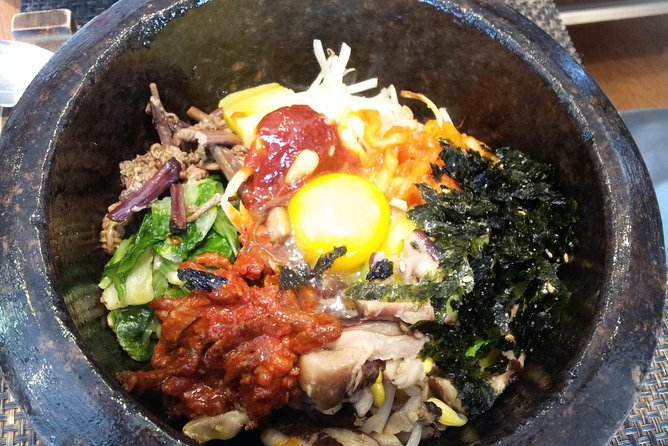
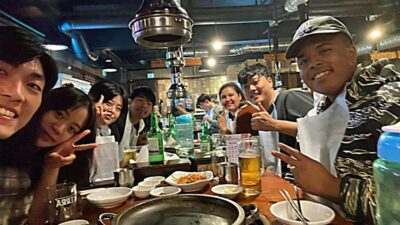
After the walk, you go to a Korean restaurant in the downtown area near Bukhansan. This is a welcome choice. A simple local meal after a mountain hike often tells you more about everyday Korea than a polished restaurant selected only for visitors.
The meal is included, and the guide may help shape the choice around your preferences. One outing involved the guide finding a restaurant suited to the group’s request. Another meal was remembered as one of the best of the person’s Korea visit. That does not mean every lunch will be identical, so ask about ingredients if you have allergies or dietary restrictions.
You may also want to try makgeolli, a traditional Korean rice alcohol, if it is available and appropriate for you. One account specifically recommends it with the meal. Drink carefully if you still have the spa ahead, and do not treat alcohol as part of the required tour experience.
The lunch stop is also when the day shifts from exercise to social time. You can ask your guide about Korean food, customs, or Seoul neighborhoods while eating. That makes the meal feel connected to the outing rather than a separate restaurant booking.
The Korean sauna is not a Western spa
The final stop is a Korean-style sauna, often called a jjimjilbang when it includes communal bathing and relaxation areas. The word spa can sound familiar to North American or European visitors, but the experience may be quite different.
Expect a practical local bathing culture rather than a quiet luxury treatment. Depending on the facility and your arrangements, changing areas and bathing areas may be communal by gender. A body scrub may be offered, and the interaction can feel direct, especially if the staff do not speak much English.
That is why you should learn the basic etiquette before arriving and be prepared for more nudity than you might encounter at home. You can ask your guide what will happen and what is included. The sauna is meant to refresh you after the hike, not provide a private massage retreat.
For many people, this is the most memorable cultural part of the day. It is a chance to see an ordinary Korean custom that most sightseeing tours skip. For others, it may feel too unfamiliar or exposed. If communal bathing is outside your comfort zone, consider that carefully before booking. The hike and lunch are worthwhile on their own, but the advertised experience ends with the sauna.
How much hiking should you expect?
The tour description calls the walk about two hours and relatively easy. The practical feedback gives a fuller picture:
- Some routes include about three miles of walking.
- An elevation change of roughly 600 feet has been reported.
- Rocks, stairs, and steep sections are possible.
- Hiking boots were useful for at least one outing.
- Heat can make the climb harder, so carry plenty of water.
- Winter conditions can require extra care.
Your fitness level matters more than the label easy. If you walk regularly and can handle hills, you will likely find the outing manageable. If you rarely exercise, have knee problems, or want a completely gentle day, ask for a route adjustment before setting out and be honest about your ability.
The private format is a real advantage for mixed-ability groups. A guide can slow down, stop for breaks, or choose a route better suited to the people present. That flexibility is much harder to get on a fixed group hike.
Who will get the most from this experience?
This tour suits you if you want nature, history, food, and a local custom in one day. It is also a strong choice for solo visitors who want company without joining a large group. The private setting can feel reassuring when you are unfamiliar with Seoul or unsure about using a Korean sauna alone.
Families with children over age eight can book, but children must be accompanied by an adult. The adults should be comfortable with the physical demands. Older walkers and less experienced hikers may do well if the route is adjusted, but the trail is not guaranteed to be smooth.
You will get less value if your priority is a serious summit climb. The route is designed as an accessible cultural hike, not an all-day mountaineering challenge. Strong hikers may wish to ask how far the guide plans to go and what alternatives are available.
You may also prefer another tour if you dislike private conversation. The guide is a central part of the day, and the outing can last around seven hours. That is a long time to spend with one person if your interests or communication styles do not match.
Practical value at $182 per person
The price makes the most sense for people who value convenience. Hotel pickup, private transportation, a guide, lunch, and the sauna remove several small decisions from your day. You also gain help with the trail, the restaurant, and local customs.
For a couple or family, compare the total cost with hiring transport, paying for a private guide, buying lunch, and arranging the spa separately. Group discounts may improve the value. The experience is not cheap, but it bundles the parts that are hardest to organize smoothly.
The 31-day average booking lead time suggests that planning ahead is wise, especially if you want a specific date or hope to request a particular guide. Confirmation is provided at booking, and free cancellation is available until 24 hours before the start time. Changes or cancellations inside that window are not accepted for a refund.
Wear comfortable clothes and walking shoes. Bring water, and consider a change of clothes or a small toiletry kit for the sauna. The operator lists the tour as near public transportation, but pickup is offered, so confirm the arrangements rather than assuming you need to make your own way to the trail.
Should you book the Bukhansan hike and spa?
Book it if you want a private day that shows you a quieter side of Seoul, gives you a real mountain walk, and finishes with food and a Korean sauna. The strongest parts are the flexible guiding, Seunggasa temple, the local lunch, and the unusual final stop.
Think twice if you want a very easy walk, a luxury spa, or a fixed guide guarantee. The trail can be steeper and rockier than the word easy suggests, and the sauna may require comfort with communal bathing.
For most reasonably active visitors, this is a good way to balance Seoul’s urban sights with nature and daily Korean culture. Bring water, wear proper shoes, confirm your pickup details, and ask about the route and spa customs before you start.
FAQ
How long does the Bukhansan hiking and spa experience last?
The experience lasts about seven hours, including transportation, roughly two hours of hiking, lunch, the temple visit, and time at the Korean sauna.
Is this a private tour?
Yes. Only your group participates, and pickup is offered. The tour uses air-conditioned transportation.
How difficult is the hike?
The hike is described as relatively easy, but you should still expect moderate physical activity. Rocks, stairs, and steep sections are possible. Some accounts describe about three miles of walking and a 600-foot elevation change.
Which Buddhist temple do you visit?
The route includes Seunggasa Buddhist temple, described as having about 1,000 years of history and being occupied by female monastics.
Is lunch included?
Yes. A traditional Korean lunch at a local restaurant near Bukhansan is included.
What is the cancellation policy?
You can cancel up to 24 hours before the experience start time for a full refund. Cancellations or changes made less than 24 hours before the start time are not accepted for a refund.
More Spa & Hot Springs in Seoul
- Seoul: Sokcho beach, market, hot spring and Seorak Cable Car
★ 4.8 · 5 reviews - Premium Head Spa Scalp and Body Treatments Haesol Beauty Busan
★ 5.0 · 13 reviews
Just added in Seoul
- Your Personal Seoul Photographer!★ 4.1 · 15 reviews
- You’re Invited to Our Home in Seoul: The Only Cooking Class!★ 5.0 · 8 reviews
- From Seoul: Yongpyong Ski Day Tour with Transportation★ 4.9 · 40 reviews
- Seoul: Korean & English Language Exchange Global Party★ 5.0 · 28 reviews
- From Seoul: Hwacheon Ice Fishing and Lighting Festival Tour★ 4.5 · 4 reviews
- Unique Native Experience : Han River Picnic, Board game, BBQ★ 5.0 · 3 reviews
- Seoul: Gangneung BTS K-Pop & K-Drama Filming Locations Tour★ 4.6 · 14 reviews
- K-Pop Making Class with a Producer!★ 5.0 · 3 reviews
Hiking & Trekking, compared.
Guided City Wall Sunset Hike with Korean Dinner
Read our review →
Private Hiking tour to Bukhansan Peak(Baegundae: 836.5m) with Mountain Expert
Read our review →
4-Hours Hiking and Tasting Rice Wine in the Mountain of Busan
Read our review →
Hiking and Tasting Rice Wine in the Hidden Village
Read our review →
Seoul Mountain Hike: Temples, Folklore & Traditional Meal
Read our review →
Browse the lists this tour appears in