
Reviewed · UNESCO WORLD HERITAGE TOURS
Jeju Island UNESCO Heritage Bus Tour
Jeju’s best sights are scattered across the island, and this three-day UNESCO tour brings them together without making you wrestle with buses, transfers, or a rental car. You move from volcanic cliffs and forest paths to folk villages, tea fields, markets, and beaches, with separate eastern, western, and southern routes.
I like the mix of Jeju culture and natural scenery, especially Seongeup Folk Village and the women divers’ performance near Seongsan Ilchulbong. I also like the practical vehicle service, which includes hotel-area transfers, fuel, parking, and airport drop-off.
The main point to check is the guide arrangement. Larger groups receive a professional English guide, while groups of up to four may travel in a taxi with a driver who speaks advanced English. Some entrance fees, meals, drinks, and the Seongsan show cost extra.
Key points to know before booking
- Three routes cover much of Jeju: Eastern, Western, and South and Western itineraries spread across roughly three days.
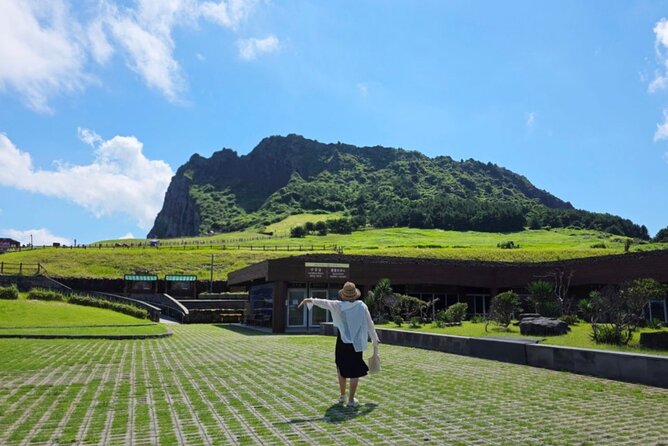
- Seongsan Ilchulbong is a photo stop here: Hiking is not included, and the women divers’ show costs ₩5,000 per person.
- The scenery changes with the season: Camellias, canola, hydrangeas, pink muhly, silver grass, and cherry blossoms affect what you see.
- The group may be small or fairly large: The maximum is 40 people, while groups of up to four may use a regular taxi with a skilled English-speaking driver.
- Weather can change the plan: Beaches, waterfalls, forest paths, and coastal stops may be replaced by museums or other sites.
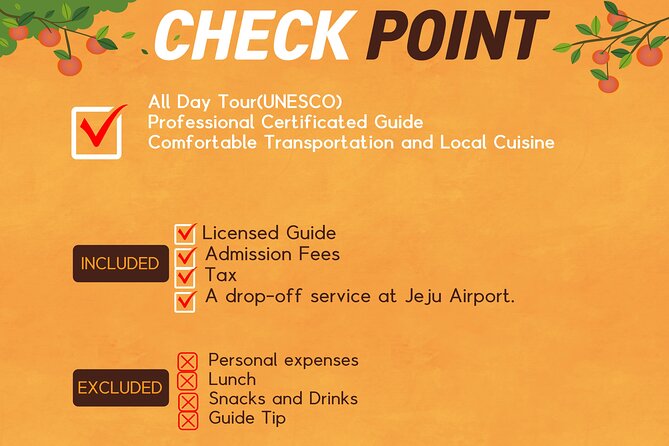
- The price covers the hard part: At $56 per person, transport, a licensed guide, parking, fuel, and airport drop-off provide useful value, but meals and several admissions are extra.
Why this tour works for a spread-out island
Jeju is easy to admire and surprisingly awkward to organize. Its major sights sit around the coast and on the slopes of Hallasan, so a self-guided visit can involve long bus rides and careful timing. This tour handles the driving and lets you see a broad slice of the island over three days.
The setup is less like one single attraction and more like a set of full-day regional tours. The eastern day focuses on old village life, shore scenery, Seongsan, and Hamdeok Beach. The western day brings mountain views, volcanic rock formations, Camellia Hill, a temple, and green tea country. The southern route adds Seogwipo’s market, Jeongbang Waterfall, and Hueree Natural Life Park.
At $56 per person, the price is appealing if you value transport and want a quick survey of Jeju. It is especially useful if you do not want to rent a car. The value drops a little if you expect every admission, lunch, and activity to be included, since those costs are separate.
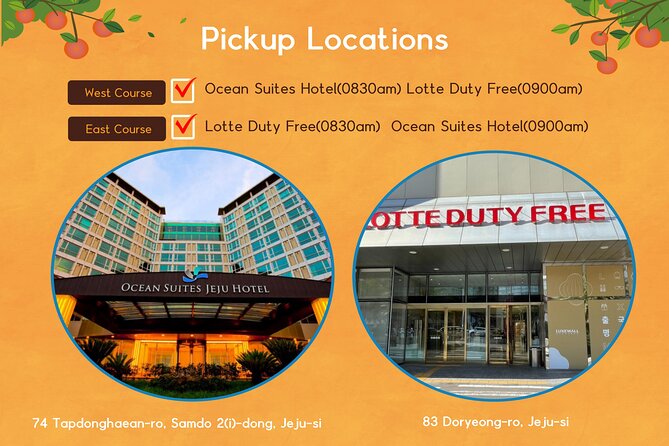
The vehicle is air-conditioned, and the price includes round-trip transport from the meeting point, fuel, parking, and a licensed guide. Airport drop-off is also included, which can be handy at the end of a Jeju stay.
Other listed sites within reach of Jeju:
- Jeju: Eastern Jeju UNESCO Spots Day Tour
★ 4.9 · 1,148 reviews - Jeju: Southern Top UNESCO Spots Bus Tour
★ 4.9 · 648 reviews - Jeju Southern UNESCO Full Day Tour with Mt.Halla
★ 5.0 · 400 reviews
Day One: forest, stone villages, and eastern Jeju
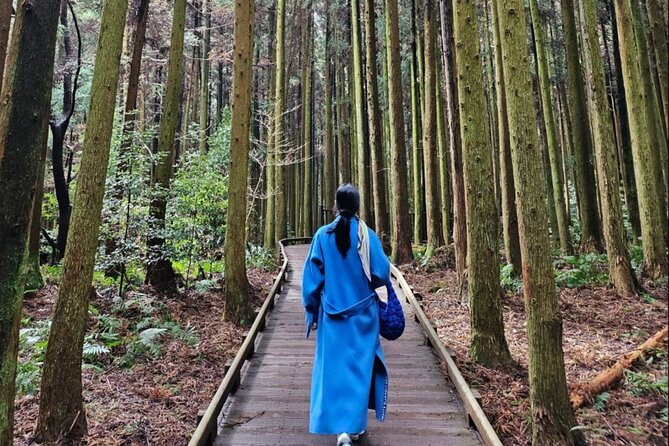
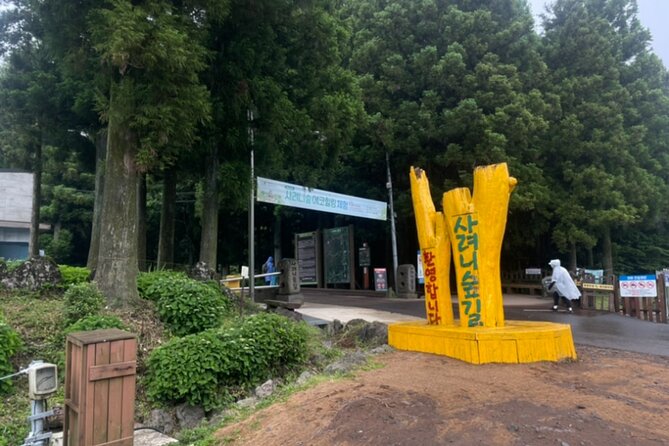
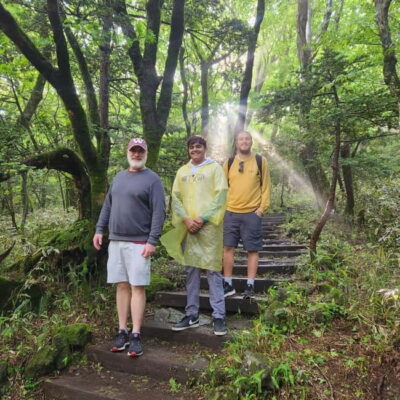
The eastern route opens at Saryeoni Forest Path, with about 50 minutes for a walk among protected woodland. This is not a strenuous mountain expedition. It is a short outdoor stop where you can stretch your legs, breathe cooler air, and see one of Jeju’s well-known forest areas.
Keep your expectations realistic. Fifty minutes gives you a taste of the path, not a full hike. Wear shoes that can handle an uneven trail, and remember that rain may alter the day.
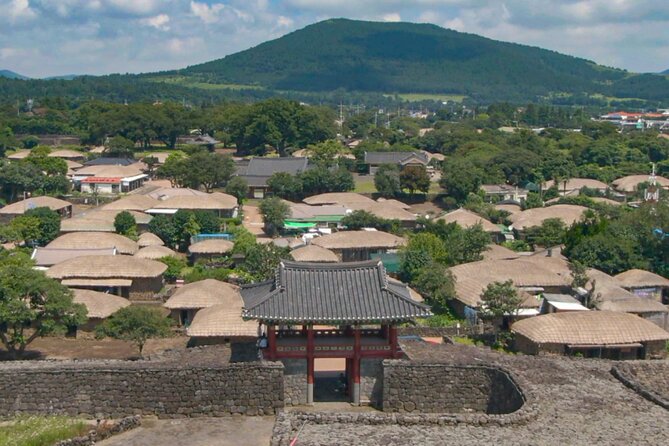
Next comes Seongeup Folk Village, a preserved settlement that shows an older side of Jeju. Low stone walls and thick piles of volcanic rock were practical defenses against the island’s strong winds. The village is valuable because it connects the island’s geology with daily life: local stone was not just scenic material, but part of the way homes were built and protected.
You have about 50 minutes here. That is enough for a look around and photographs, though not a slow visit to every corner. If you care about Jeju’s traditions, this is one of the day’s most worthwhile stops.
The route then reaches Seopjikoji, a coastal point at the eastern end of the island. Its open sea views and volcanic setting are especially attractive when yellow canola flowers bloom in April. The stop lasts about 40 minutes, so you will be taking in the headland rather than setting off on a long coastal walk.
This is a good example of how the tour works. You get the major view and a chance to walk, but the timetable keeps moving. People who want long hikes or quiet stretches alone may find the pace brisk.
Seongsan Ilchulbong and the women divers

The eastern day’s big cultural stop is Seongsan Ilchulbong, the volcanic crater often called Sunrise Peak. Here, the schedule is for photographs and the women divers’ performance, not a climb to the summit.
That distinction matters. Hiking is not included, and the listed admission for the site is separate. The performance is scheduled for 2:00 p.m. and costs ₩5,000 per person. The women divers, known as haenyeo, represent one of Jeju’s most distinctive working traditions. Their demonstrations connect the island’s coastal life with a long-standing community practice.
You receive about 1 hour and 20 minutes at the stop. Since the time is built around the show and sightseeing, this is not the right tour if reaching the crater rim is your main goal. It is a better fit if you want the landmark, photographs, and a cultural performance without committing to a climb.
The schedule can change if the sea or weather makes the performance impossible. In that case, the route may use another cultural stop, such as the Haenyeo Museum. That flexibility protects the day, but it also means you should not treat the performance as guaranteed.
The final major stop is Hamdeok Beach, with about an hour to enjoy the shore. In poor weather, the beach may be replaced by the Haenyeo Museum. Manjanggul Cave is currently closed for construction related to falling rock, so do not expect it to be part of this route.
Day Two: Hallasan views, volcanic columns, and tea fields
The western route begins near Hallasan at the Eoseungsaengak Trail. The scheduled stop lasts about 1 hour and 10 minutes. This is a short mountain outing rather than a full Hallasan climb, and it gives you a chance to experience Jeju’s highland setting without spending an entire day on a serious summit route.
Conditions matter here. The route may change to the 1100 Altitude Wetlands, and future scheduling notes say that the western course is due to use the wetlands from April 11, 2026. Check the exact plan close to your visit, since this is one of the places where weather and on-site conditions can reshape the day.
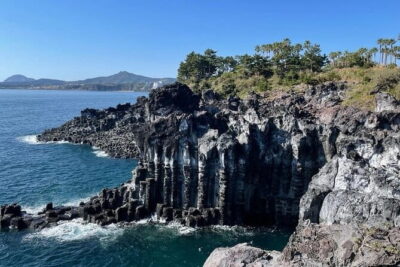
The next stop, Jusangjeolli Cliff, shows off some of Jeju’s finest volcanic stonework. Dark hexagonal pillars line the shore like a giant folding screen. The formations are a reminder that the island’s beauty is tied to its volcanic past, not just to beaches and flowers.
You have around 40 minutes here. That gives you time for the main viewpoints and photographs, but not a long exploration of the coast.
A winter-only tangerine-picking experience may be available on this route for an additional ₩5,000 per person, paid on site. It is optional, seasonal, and not part of the standard tour price. If this is important to you, confirm that the activity is operating before you book.
A few more things to do in Jeju worth a look
- From Busan: Gyeongju UNESCO World Heritage Guided Day Tour
★ 4.8 · 1,250 reviews - Gyeongju UNESCO World Heritage Guided Day Tour from Busan
★ 5.0 · 660 reviews - Seoul: Evening Dark History, Folklore & Ghost Story Walking Tour
★ 5.0 · 593 reviews - Old Korea Thousand History Tour of Gyeongju from Busan
★ 5.0 · 518 reviews
Camellia Hill and Bomunsa Temple
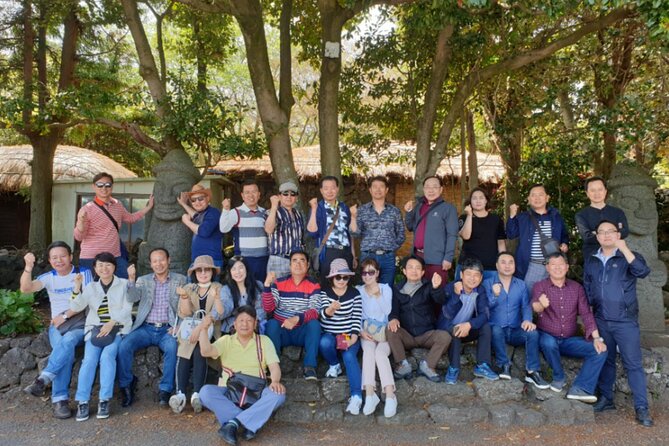
Camellia Hill Botanical Garden is one of the western route’s most attractive stops. The garden has more than 500 camellia varieties, and the display changes through the year. Winter brings camellia flowers, summer can bring hydrangeas, and autumn offers golden reeds.
The visit lasts about 1 hour and 10 minutes. This is enough time for an easy walk and photographs, though the garden’s appeal depends heavily on the season. You should not expect the same flowers in every month.
From there, the route continues to Bomunsa Temple, a quiet cliffside site with sea views and historic Buddha carvings. The stop lasts about 40 minutes. It is shorter and calmer than the botanical garden, giving the day a useful change of pace.
The future schedule includes an important adjustment. From April 11, 2026, this part of the course is due to follow the Sinchang Windmill Coastal Road instead. If you are booking after that date, check whether the temple remains on your specific departure.
The day ends at O’sulloc Tea Museum and the green tea fields. You can walk among the tea rows, see exhibits, and sample tea-based drinks or desserts. Admission to the museum stop is listed as free, but personal purchases are your responsibility.
From April 11, 2026, the western course is also scheduled to stop at Aewol Café Street, a hop-on hop-off stop, instead of O’sulloc. This is a major itinerary change for anyone booking after that date, so read the current departure details carefully.
Day Three: markets, waterfalls, and countryside flowers
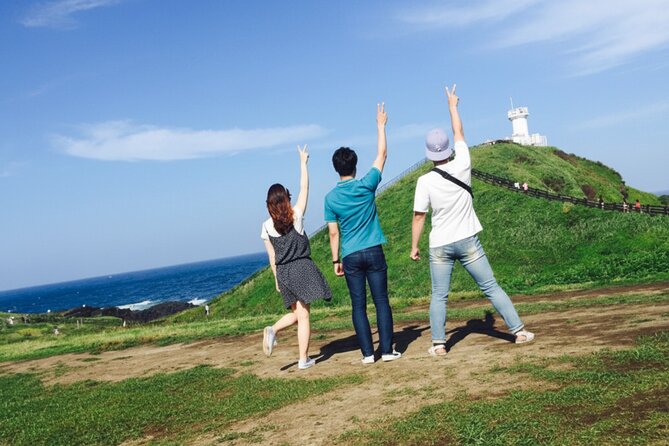
The third route again begins with a Hallasan-area stop at Eoseungsaengak Trail, generally lasting about 1 hour and 15 minutes. Depending on weather, it may be replaced by the 1100 Wetland, Eorimok, or Saebyeol Oreum.
This repeat of a mountain-area stop makes sense if you want another chance to see Jeju’s high country, but it may feel less fresh if you have already taken the western route. The alternatives keep the day moving when trails or roads are unsuitable.
The route then returns to O’sulloc Tea Museum, with about 50 minutes for the tea fields, exhibits, and tastings. On a three-day schedule, a second tea stop may sound repetitive. I would see it as a chance to slow down, buy gifts, or enjoy a drink rather than as a completely new attraction.
At Seogwipo Maeil Olle Market, you have about an hour to choose lunch and browse local goods. This is one of the better places on the tour to make your own food choices. Meals are not included, so you can spend according to your appetite and try something that catches your eye.
The market also gives you a more everyday view of Jeju. The natural sights are impressive, but a local market helps you see how the island eats, shops, and sells its produce.
Next is Jeongbang Waterfall, one of the rare waterfalls that runs directly into the sea. The visit lasts about 40 minutes, and admission is included. Access may be restricted in bad weather, in which case the stop changes to Cheonjiyeon Waterfall.
The final stop is Hueree Natural Life Park, where you can follow easy paths through seasonal flowers and quiet countryside scenery. The visit lasts about 1 hour and 10 minutes. The park’s appeal depends on the time of year, with the broader schedule also reflecting cherry blossom, canola, hydrangea, pink muhly, silver grass, and camellia seasons.
You may be able to end your tour at Hueree. That option can help if you have plans afterward, but confirm the drop-off arrangement with the operator rather than assuming the vehicle will take you anywhere on Jeju.
Guides, vehicles, and group size
The guide experience can vary according to group size. The tour allows up to 40 people, but groups of one to four may use a regular taxi with a driver who has advanced English skills. Groups of five to ten receive a professional English guide according to the operator’s stated arrangement.
That distinction is important. One review described Terry as a pleasant and accommodating driver who spoke English well, but the service felt closer to transport with explanations than to a formal guided tour. Other guide names connected with strong experiences include Lucas, Andy, Mr. Lee, and Mr. Kim. Lucas was praised for careful attention and explanations of Korean and Jeju history, while Andy was noted for a thoughtful, personal approach.
You should ask what type of guide is assigned to your group if expert commentary is a top priority. The tour can work very well with a skilled driver-guide, but the experience may not be identical to traveling with a dedicated historian or large-group tour leader.
What the $56 price really covers
The price is strong for an island as spread out as Jeju. You are paying for an air-conditioned vehicle, transfers, fuel, parking, and guide service. Those costs add up quickly if you hire a car or arrange separate taxis for three days.
Still, budget for extras:
- Meals, drinks, and personal purchases
- The Seongsan Ilchulbong admission and ₩5,000 women divers’ show
- Optional winter tangerine picking at ₩5,000 per person
- Gratuities, which are recommended but not compulsory
The tour requires at least three people to operate and accepts up to 40. Free cancellation is available up to 24 hours before the start time. Poor weather or an unmet minimum may lead to a different date, another experience, or a full refund.
Who should book this Jeju tour
I would choose this tour if you have limited time, do not want to drive, and want both famous scenery and local culture. It suits first-time visitors who would rather sample many parts of Jeju than spend a full day at one site.
It is also a good choice for people who like variety. One day brings forest and folk traditions, another brings volcanic cliffs and gardens, and the southern route adds markets, waterfalls, and flowers.
I would hesitate if your priority is independent pacing. The stops are timed, some walks are short, and Seongsan does not include the climb. You should also think twice if you need a guaranteed professional guide for a small group, since the taxi-driver arrangement may offer less formal commentary.
Should you book it?
Book this Jeju Island UNESCO Heritage Bus Tour if you want efficient coverage, dependable transport, and a broad introduction to the island for $56 per person. The strongest parts are the eastern cultural stops, the volcanic cliffs, O’sulloc, the Seogwipo market, and the chance to see seasonal gardens without planning every transfer.
Before paying, confirm the exact route for your date, especially if you are visiting from April 11, 2026 onward. Check whether you will have a dedicated guide or an English-speaking driver, and set aside money for lunch, Seongsan admission, the women divers’ show, and winter tangerine picking. With those expectations in place, this is a practical way to see much of Jeju without turning your holiday into a transport puzzle.
FAQ
How long does the Jeju Island UNESCO Heritage Bus Tour last?
The experience is listed as approximately three days, with eastern, western, and South and Western routes.
Is hiking included at Seongsan Ilchulbong?
No. Seongsan Ilchulbong is used as a photo stop on this tour, and hiking is not included.
How much does the women divers’ show cost?
The show is scheduled for 2:00 p.m. and costs ₩5,000 per person. This fee is not included in the tour price.
Is tangerine picking included?
No. Optional tangerine picking is available during the winter season for ₩5,000 per person, paid on site.
What happens if the weather is poor?
Stops may be replaced with alternatives. Hamdeok Beach may change to the Haenyeo Museum, Jeongbang Waterfall may change to Cheonjiyeon Waterfall, and Hallasan-area stops may change to sites such as the 1100 Wetland, Eorimok, or Saebyeol Oreum.
What is included in the tour price?
The price includes an air-conditioned vehicle, round-trip transfers to and from the meeting location, a licensed guide, parking fees, fuel, and airport drop-off service. Meals, drinks, gratuities, personal expenses, and certain admission fees are not included.
Just added in Jeju
- Jeju: Seogwipo City Walking Tours with Sunset★ 5.0 · 11 reviews
- Jeju: K-Drama Spot When Life Gives You Tangerines Hotel Pick★ 5.0 · 4 reviews
- Jeju: Sunset Tour Olle Trail Walking Tour with Hotel Pickup★ 4.9 · 7 reviews
- Jeju: Western & Southern Jeju Hydrangea Festival Tour★ 5.0 · 3 reviews
- Jeju: West of Jeju Island Bus Tour from Seogwipo City★ 5.0 · 20 reviews
- Jeju West: Small Group Healing Tour w/Caves & Dolphins★ 5.0 · 8 reviews
- Jeju Premium Small Group UNESCO Day Tour – East★ 4.8 · 33 reviews
- Jeju South: Small Group Healing Tour w/Mt.Halla & Olle Trail★ 5.0 · 8 reviews
UNESCO World Heritage Tours, compared.
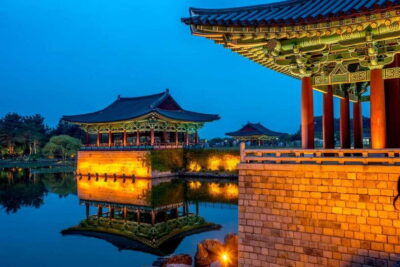
Gyeongju UNESCO World Heritage Guided Day Tour
Read our review →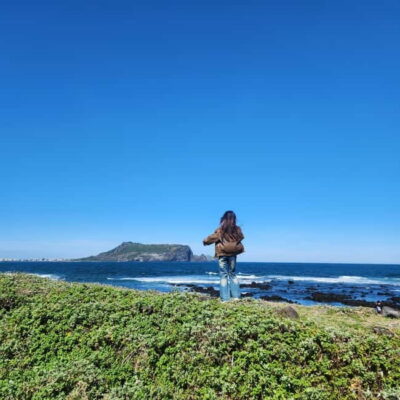
Jeju Southern UNESCO Full Day Tour with Mt.Halla
Read our review →
Private Gyeongju Tour – Explore Gyeongju UNESCO Sites
Read our review →
Jeju island Southern UNESCO Day Tour With Hallasan MT
Read our review →
Gyeongju UNESCO Legacy Tour with National Museum
Read our review →Browse the lists this tour appears in