
Reviewed · PALACE & GYEONGBOKGUNG TOURS
Small-Group Royal Palace and Seoul City Tour (hotel pick-up)
Seoul’s royal past comes into focus on this full-day small-group tour, which links two palaces with a Buddhist temple, old markets, Insadong, and the former presidential compound. The changing of the guard at Gwanghwamun Gate adds a colorful start, while Changdeokgung gives you a quieter, more refined look at Joseon-era court life.
I like the hotel pickup and the small maximum of 16 people, especially in a city where traffic and unfamiliar subway connections can eat up your morning. I also like the mix of guided sightseeing and free time, so you can hear the story behind a palace gate, then browse tea shops or market stalls at your own pace.
The main caution is the pace and the traffic. Eight hours is a long sightseeing day, and some time goes by in the vehicle. Lunch is no longer included, and the ginseng center is partly a product stop, so you should know what you are signing up for.
Key points to know before booking
- Two major royal palaces: Visit Gyeongbokgung, the main Joseon palace, and UNESCO-listed Changdeokgung.
- A useful first-day overview: The route covers Seoul’s central historic districts, markets, temples, and royal landmarks in one day.
- Small group format: The tour accepts up to 16 people, with hotel pickup in central Seoul.
- Strong guide element: Guides including Mr. Young, BK, Sookee, Lua, and Yeoni are praised for history, humor, clear explanations, and personal help.
- Market and neighborhood time: Insadong allows browsing and lunch, while Namdaemun Market ends the day with traditional shopping and street life.
- Check the weekday schedule: Palace closures change the route on Mondays and Tuesdays, and the royal guard ceremony can be canceled in bad weather.
Why this tour works for a first day in Seoul
At about $56.44 per person, this is priced as an efficient introduction rather than a deeply specialized palace tour. You get transportation, an English-speaking guide, bottled water, and admission to the main palace sites. Hotel pickup in central Seoul also removes the guesswork from reaching an early meeting point.
The value is strongest if you have only a short stay or want a historical framework before exploring Seoul on your own. In one day, you see Joseon royal architecture, Buddhist tradition, traditional shopping areas, a national museum, and a modern political landmark.
You should not expect every stop to receive equal attention. The itinerary covers a lot of ground, and traffic can be slow. The day works best if you want a broad picture of Seoul rather than a leisurely examination of one palace.
The tour starts at 9:00 a.m. and lasts around eight hours. Hotel pickup is offered in central Seoul, but the final drop-off is at City Hall or Myeongdong rather than back at your hotel. That is useful if you want to continue sightseeing or have dinner in one of those areas.
More palace and old-quarter walks in Seoul:
- Seoul: Gyeongbok Palace, Bukchon Village, and Gwangjang Tour
★ 4.9 · 2,321 reviews - Best Seoul City Tour (Gyeongbokgung Palace,Insadong,Namsan Tower)
★ 5.0 · 1,647 reviews - Seoul City Sightseeing Tour Including Gyeongbokgung Palace, N Seoul Tower, and Namsangol Hanok Village
★ 5.0 · 1,423 reviews
Jogyesa Temple: calm in the middle of Jongno
Jogyesa Temple is a smart first stop because it gives you a quiet opening before the royal palaces and markets. The temple sits beside a busy road in Jongno, yet its decorated grounds and large golden Buddha statues create a noticeable change in mood.
You get about 30 minutes here. That is enough to look at the temple buildings, decorations, and courtyard, while your guide explains the place of Zen Buddhism in Korean life. The stop is short, but it provides a useful contrast with the royal sites that follow.
I would use this time for photographs and for noticing the setting. Jogyesa is not an isolated mountain temple. Its location in the city shows how old religious traditions remain part of daily urban Seoul.
Gwanghwamun Gate and the royal guard ceremony
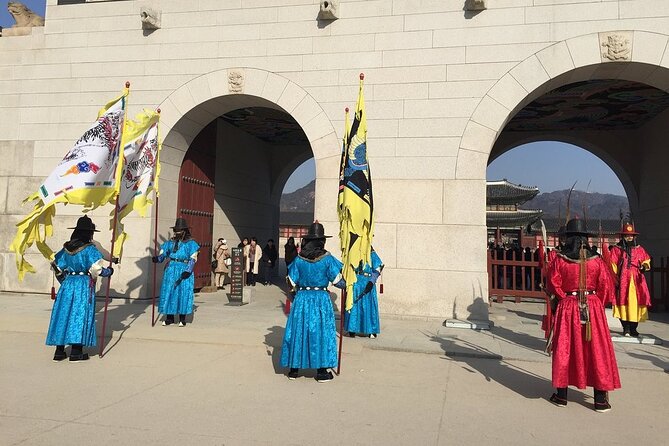
The group then heads to Gwanghwamun Gate, the grand entrance to Gyeongbokgung Palace. The changing of the royal guards is a visual highlight, with formal movements and traditional dress making it easy to follow even if you know little about Korean history.
You have roughly 20 minutes at the gate. Keep your camera ready, since the ceremony is tied to a set schedule and the viewing period is limited. Bad weather can cancel it, so treat it as a useful bonus rather than the one reason to book the tour.
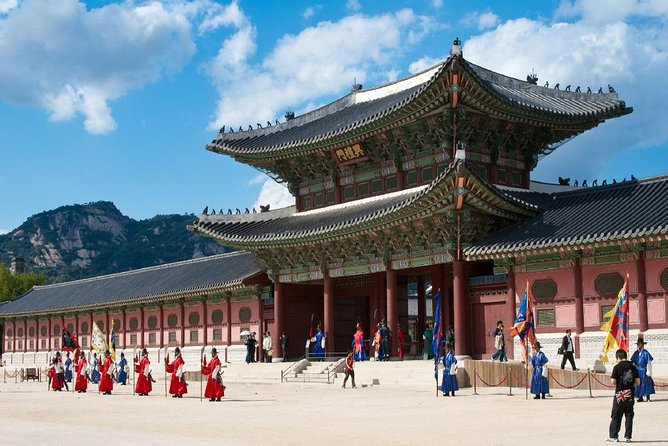
This is also where the scale of Gyeongbokgung begins to make sense. The gate opens toward the palace grounds and the northern hills, giving you one of the clearest introductions to Seoul’s royal center.
Gyeongbokgung Palace and the National Folk Museum
Gyeongbokgung was the main palace of the Joseon dynasty, which ruled Korea from 1392 to 1910. Its courtyards and formal buildings are the most direct way on this tour to understand royal power, court ceremony, and the organization of the old capital.
The palace visit lasts about an hour, including the guided portion. A good guide can turn rooflines, courtyards, and ceremonial spaces into a story about kings, officials, and palace life. Guides such as Mr. Young, BK, and Sookee have been praised for adding palace intrigue and broader Korean history instead of simply pointing out buildings.
Inside the palace compound, you also visit the National Folk Museum of Korea for about 20 minutes. Displays cover daily life from earlier periods to the present, including the lives of aristocratic families and ordinary people.
This museum stop is useful because palaces show how rulers lived, while folk exhibits explain how society worked beyond the court. The drawback is time. Twenty minutes is brief, and one detailed account found the museum portion rushed. If the museum interests you most, you may want to return independently.
The former Blue House, or Cheong Wa Dae, is viewed from outside. Until May 2022, it served as the official residence of South Korea’s president. It was built on grounds connected with a Joseon royal garden and uses traditional Korean architectural features. Your view includes the blue-roofed compound and Mount Bukak behind it, but this is an exterior look rather than a full interior visit.
A few more things to do in Seoul worth a look
- Seoul: Dark Side of the City and Ghost Stories Walking Tour
★ 4.8 · 484 reviews - Seoul City Private Full-Day Tour Including Lunch
★ 5.0 · 469 reviews - Seoul City Half Day Tour-Gyeongbok Palace Guard Changing Ceremony
★ 4.5 · 357 reviews - Seoul: Guided City Wall Sunset Hike with Korean Dinner
★ 4.9 · 227 reviews
The ginseng center: useful context, commercial stop
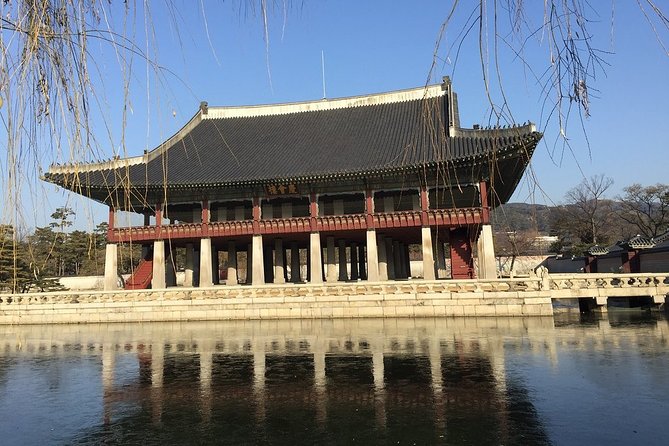
Before lunch, the tour stops at the Cheongha Korea Ginseng Museum, described as a government-approved Korean ginseng center. You can taste ginseng tea, see related products, and hear about ginseng’s place in Korean culture.
The stop lasts about 30 minutes and admission is free. It is worth treating as an educational shopping stop, not as one of the essential historic sights. Some people will enjoy learning about the products and tasting the tea. Others may find it takes time away from the palaces and neighborhoods.
You are not required to make this the centerpiece of your day, but it helps to know that the stop has a commercial side. That makes the experience easier to judge fairly.
Lunch and Insadong: your best free-time window
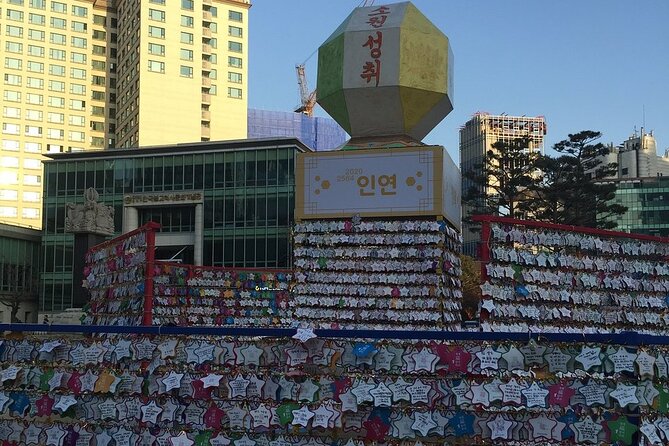
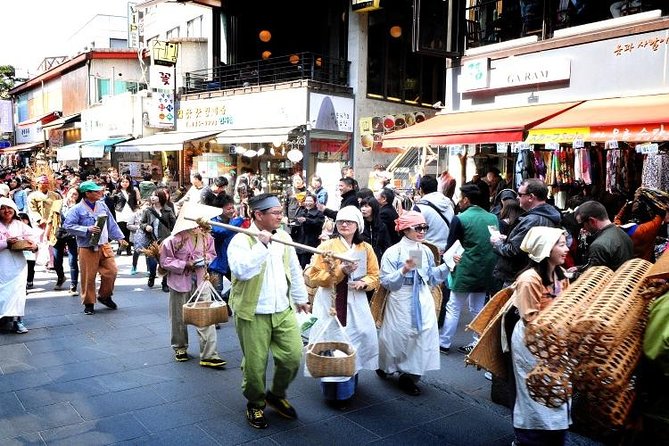
Insadong receives about 1 hour and 20 minutes, making it one of the more flexible parts of the day. The neighborhood is known for traditional goods, antique shops, Korean tea houses, galleries, and shops aimed at people looking for crafts or cultural souvenirs.
Since September 1, 2024, lunch is not included. You have free time in Insadong to choose your own meal, which is actually useful if your group has different tastes or dietary needs. One guide, Yeoni, sometimes arranged an optional lunch for people who did not want to search on their own, but you should not assume that this is guaranteed.
The time is split between eating and exploring, so plan your priorities. If lunch matters most, you will have less time for browsing. If you want to shop, keep an eye on the meeting time.
I like this part of the schedule because it gives you a break from formal sightseeing. You can enter a tea house, examine antique-style goods, or simply walk through one of Seoul’s traditional cultural districts. Several guides are praised for giving a good balance between explanations and personal time, and Insadong is where that balance works best.
Changdeokgung Palace: a different royal mood
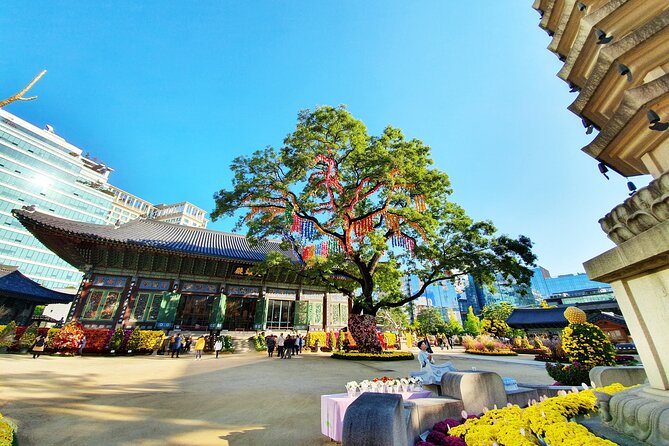
Changdeokgung was built in 1405, after Gyeongbokgung, and served as the principal palace for several Joseon kings. It is also a UNESCO World Heritage Site and is widely regarded as one of the best-preserved Joseon palaces.
The visit lasts about an hour. Compared with Gyeongbokgung’s broad formal spaces, Changdeokgung offers a more intimate sense of how the royal court used its buildings and grounds. The architecture and setting reward a slower look, even within a group schedule.
Some departures include the Secret Garden when the route changes for Tuesday closures, but the standard information supplied for this tour lists Changdeokgung as the afternoon palace visit. You should check the exact weekday plan when booking, since the palace schedule changes.
Monday is important: Changdeokgung is closed, so the tour substitutes Bukchon Hanok Village. On Tuesdays, Gyeongbokgung and the National Folk Museum are closed. The route then includes Changdeokgung, including the Secret Garden, with Bukchon Hanok Village added in the afternoon.
These changes are sensible, not a bait and switch, but they do affect the character of the day. If seeing Gyeongbokgung is your top goal, avoid Tuesday. If you like traditional residential streets, Monday’s Bukchon replacement may suit you very well.
Namdaemun Gate and the final market walk
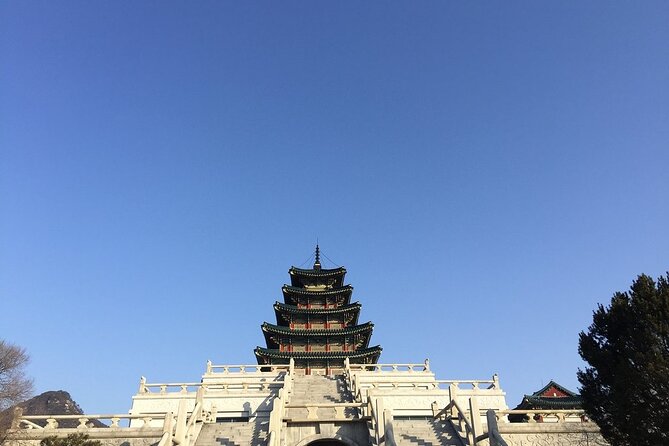
The final stop is Namdaemun Gate, also called Sungnyemun or Soongryemun. Built in 1396 and reconstructed in 1447, it was a principal gate in Seoul’s old fortress system and is listed as Korea’s most important National Treasure.
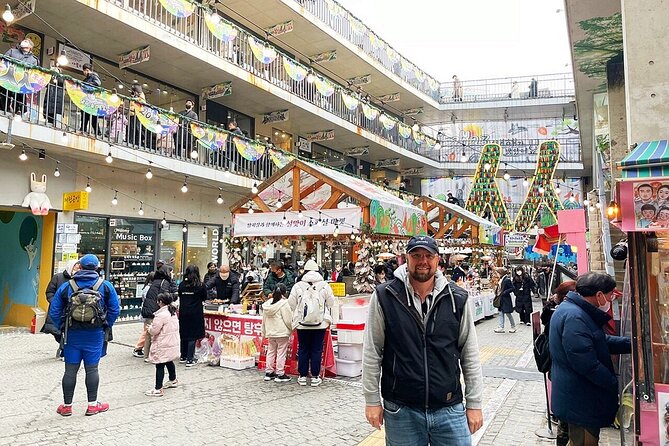
You have about 30 minutes to see the gate and explore Namdaemun Market. The market is a practical, lively finish after a day of palaces and museums. You can browse traditional goods and get a feel for Seoul as a working city rather than only a historic capital.
Thirty minutes is enough for a quick look, but not enough to explore every corner of the market. If shopping here interests you, note where the tour ends and return later. The final drop-off is at City Hall or Myeongdong, both useful bases for continuing your evening.
Guides and group size matter here
The guide can make or break a history-heavy day. The strongest guide experiences described for this tour center on people such as Mr. Young, BK, Sookee, Lua, and Yeoni. They are praised for explaining Korean history clearly, adding humor, helping with photographs, adapting material for families, and answering questions.
You cannot choose a particular guide unless the operator confirms it. Guide quality may vary, and one account found the historical explanations less developed than expected. Still, the repeated praise for clear storytelling and personal help suggests that the guide is a major part of the tour’s value.
The maximum group size is 16, though some departures can be much smaller. A small group makes it easier to hear explanations, keep the day moving, and ask for help. It also means you need to stay with the schedule, since the vehicle cannot wait indefinitely for shopping or photographs.
Expect a moderate amount of walking across palace grounds, temple paths, museum areas, and market streets. Comfortable shoes and weather-appropriate clothing are sensible. Winter can be especially cold, and advance reminders to dress properly have helped people enjoy the day.
What the $56.44 price really covers
The price is reasonable if you use the included transport and admissions. Two palace entries, a guide, hotel pickup, a driver-guide arrangement, bottled water, and a full day of organized sightseeing would cost more to assemble independently, especially if you are unfamiliar with Seoul.
The price is less attractive if you prefer public transportation, long museum visits, or spontaneous meals. You also need to pay for lunch, and the ginseng stop may feel like time spent on shopping rather than sightseeing.
For a first visit, I see the strongest value in the structure. You get an explanation of how Seoul’s royal center fits together, then finish with places you can revisit on your own. It is a practical orientation day, not a specialist archaeology or food tour.
Who should book this Seoul day tour?
Book it if you want to see the main historic sights without planning several separate routes. It suits first-time visitors, families, older travelers who prefer vehicle transport, and anyone with only a few days in Seoul.
It also suits you if history makes places more interesting. The best guides connect the Joseon dynasty, palace politics, daily life, Buddhist practice, and modern Korea. Families with teenagers can benefit from the varied stops, since the day is not eight straight hours inside museums.
You may want another option if you dislike fixed schedules, shopping-related stops, or time in traffic. Independent visitors who are comfortable with Seoul’s subway system can spend longer at each palace and choose their own restaurants.
Final recommendation
I would book this tour for a first full day in Seoul, especially at the $56.44 price. The combination of hotel pickup, two palaces, a temple, markets, and an English-speaking guide gives you a solid introduction with little planning.
Choose your day carefully. Avoid Tuesday if Gyeongbokgung is essential, expect Bukchon Hanok Village instead of Changdeokgung on Monday, and remember that lunch is now your responsibility. If you accept the busy schedule and commercial ginseng stop, this is a useful, well-priced way to get your bearings before exploring Seoul on your own.
FAQ
How long is the Seoul palace and city tour?
The tour lasts approximately eight hours and starts at 9:00 a.m.
Is hotel pickup included?
Yes. Pickup is included from hotels in central Seoul. The meeting time may vary by location.
Is lunch included?
No. Since September 1, 2024, lunch is not included. You have free time in Insadong to choose your own meal.
What happens if I book on a Monday?
Changdeokgung Palace is closed on Mondays, so the tour visits Bukchon Hanok Village instead.
What happens if I book on a Tuesday?
Gyeongbokgung Palace and the National Folk Museum of Korea are closed on Tuesdays. The tour visits Changdeokgung, including the Secret Garden, and Bukchon Hanok Village instead.
Can the royal guard ceremony be canceled?
Yes. The changing ceremony at Gwanghwamun Gate may be canceled because of bad weather.
Just added in Seoul
- Suwon: Baseball Game with Fortress and Local Food Tour★ 5.0 · 3 reviews
- Seoul: War Memorial of Korea Private Guided Museum Tour★ 4.9 · 29 reviews
- Seoul: Wine & Korean BBQ, Perfect Pairing Dinner in Sinchon★ 5.0 · 6 reviews
- Seoul : Your Personal Photographer in Gyeongbokung★ 5.0 · 7 reviews
- Seoul : Efoil Experience in Han River★ 5.0 · 5 reviews
- Seoul: Vivaldi Park Winter Ski with Eobi Ice Valley Day Tour★ 4.6 · 16 reviews
- Seoul: Vivaldi Park Winter Ski with Nami Island Day Tour★ 5.0 · 4 reviews
- Seoul: SnowyLand in Vivaldi Park with Nami or Alpaca★ 4.8 · 11 reviews
Palace & Gyeongbokgung Tours, compared.
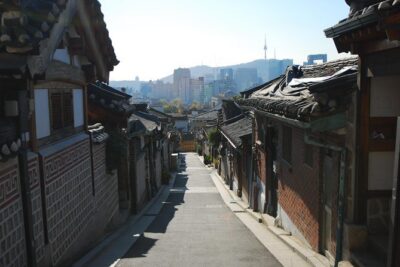
Gyeongbok Palace, Bukchon Village, and Gwangjang Tour
Read our review →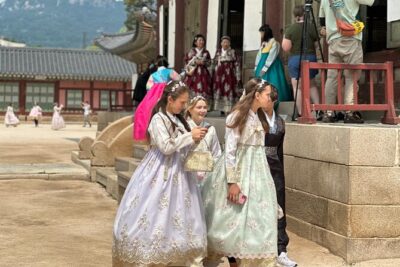
Best Seoul City Tour (Gyeongbokgung Palace,Insadong,Namsan Tower)
Read our review →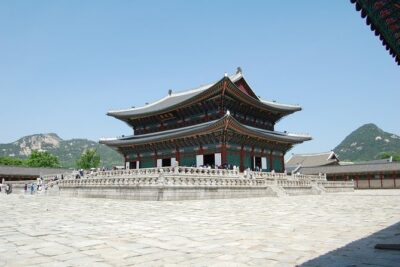
Seoul City Sightseeing Tour Including Gyeongbokgung Palace, N Seoul Tower, and Namsangol Hanok Village
Read our review →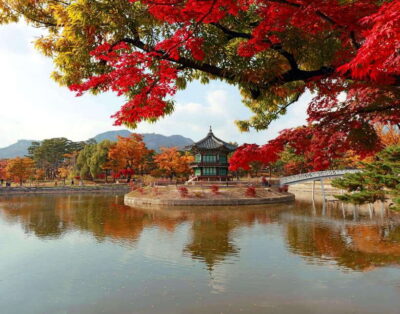
Seoul Highlights: Gyeongbok Palace, Insadong & N Seoul Tower
Read our review →
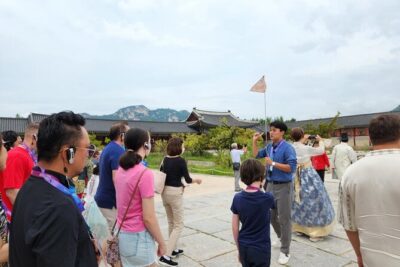
Seoul City Half Day Tour-Gyeongbok Palace Guard Changing Ceremony
Read our review →
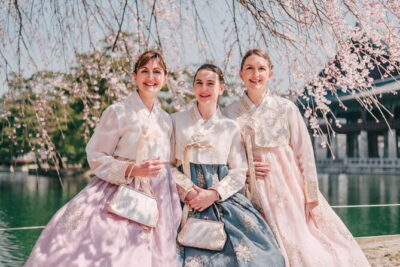
Hanbok Photoshoot and History Tour at Gyeongbokgung Palace
Read our review →Browse the lists this tour appears in