
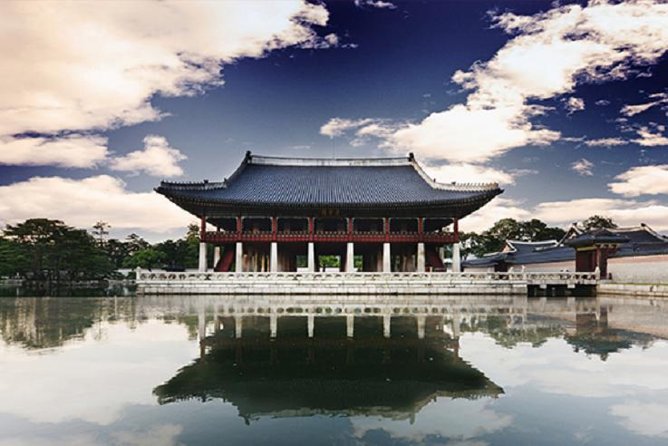
Reviewed · DMZ & JSA TOURS
3D Private Seoul Highlight tours with DMZ & Korean Folk Village
The DMZ and Third Infiltration Tunnel give this three-day Seoul tour its sharpest edge. One moment you are looking toward North Korea from Dora Observatory; the next, you are eating street food at Gwangjang Market or fastening a love-lock near N Seoul Tower. It is a useful way to connect Korea’s royal past, divided present, and fast-moving city life.
I like the private format, which lets you adjust the pace and swap stops instead of being pushed through compulsory shopping centers. I also like that the price includes two nights of Seoul accommodation, meals, entrance fees, bottled water, a vehicle, and a guide. The main caution is time: three days is packed, and the $1,250 per-person price is high unless you make good use of the included transport, lodging, meals, and private service.
Key points at a glance
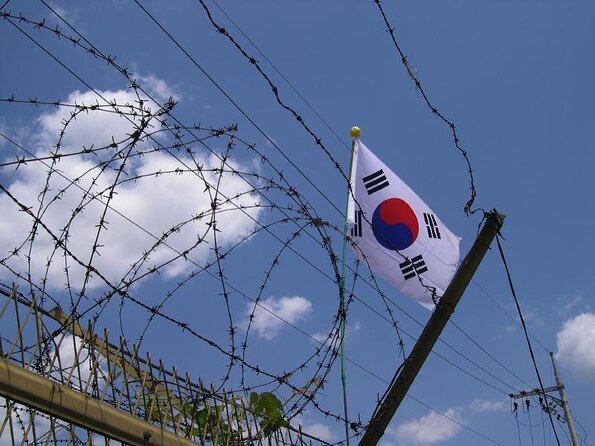
- DMZ access: Visit the DMZ, Dorasan Station, Dora Observatory, and the Third Infiltration Tunnel in one day.
- Flexible private touring: Your guide can discuss changes to the planned route and suggest local restaurants.
- Royal Seoul and local Seoul: See Gyeongbokgung Palace, Bukchon Hanok Village, Insadong, Jogyesa Temple, and Gwangjang Market.
- Korean heritage beyond Seoul: Visit the Korean Folk Village and UNESCO-listed Suwon Hwaseong Fortress.
- Active city views: Ride up to N Seoul Tower and cross the suspension bridge at Mt. Gamaksan.
- Useful inclusions: Two nights’ accommodation, two breakfasts, three lunches, admissions, bottled water, and an air-conditioned vehicle are included.
Why this three-day Seoul plan works
Seoul can feel enormous on a first visit. Royal palaces sit near office towers, traditional markets compete with sleek shopping malls, and the border is only a day trip away. This tour groups the city’s main sights with two important excursions, so you do not spend your visit figuring out subway connections or arranging separate day tours.
The private setup matters most here. You start at 9:00 a.m. with hotel pickup in Seoul, then travel in an air-conditioned vehicle with an English-speaking driving guide. You are not locked into a large group’s fixed rhythm. If you prefer more time at Gyeongbokgung, less time shopping, or a different dinner suggestion, the itinerary can be discussed.
The schedule is still full. The three days are not three slow walks through Seoul. They combine palaces, markets, museums or cultural sites, border facilities, and out-of-town drives. I would choose this experience for a first visit when you want broad coverage and personal help, not for a quiet, unhurried holiday.
Guides named in the available tour details include Hammin, Joo-Ee, and Wookie. The guide is central to the experience because the value comes from explanations, timing, route choices, and food advice as much as from admission tickets. One account specifically praised Hammin’s communication, while Joo-Ee was noted for managing time well. Wookie was described as flexible about requested stops, including Seoul’s major viewpoints and the DMZ.
Other trips up to the border from Seoul:
- Best DMZ Tour Korea from Seoul (Red Suspension Bridge Optional)
★ 5.0 · 41,422 reviews - DMZ Tour: 3rd Tunnel, Option(Suspension Bridge, Boat) from Seoul
★ 5.0 · 21,373 reviews - DMZ tour south Korea from Seoul (NK experience hall, defector)
★ 5.0 · 20,599 reviews
Day one: Gyeongbokgung, hanbok, and old Seoul
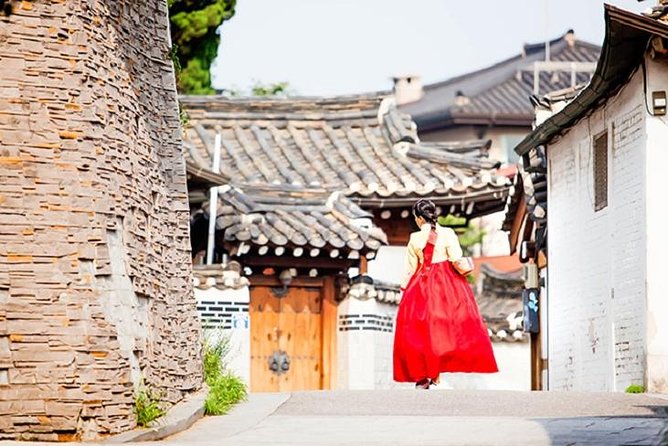
Your first morning begins with hotel pickup at 9:00 a.m. The optional hanbok rental comes first. Wearing Korea’s traditional dress inside Gyeongbokgung Palace can make the visit feel more connected to the setting, and it gives you a clear visual contrast with the modern city beyond the palace gates.
Gyeongbokgung was the main royal palace of the Joseon Dynasty. You have about two hours here, with admission included. The grounds give your guide room to explain court life and the palace’s place in Korean history without reducing the visit to a quick photo stop.
Hanbok rental is optional, so you can skip it if you would rather move faster or avoid changing clothes. If you choose it, allow for the added fitting time. The plan already includes several stops, so your guide’s timing will matter.
From the palace, the day moves through Insadong and Bukchon Hanok Village. Insadong is known for traditional crafts, antiques, ceramics, calligraphy, theater masks, and embroidery. It is a good place to browse Korean design and folk crafts, though shoppers should remember that browsing is different from finding a bargain.
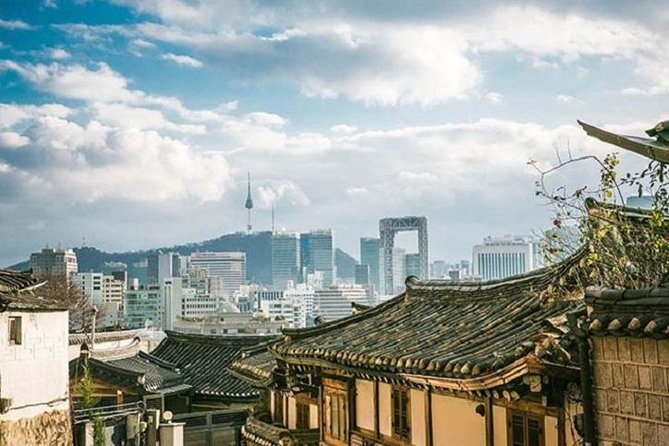
Bukchon brings you into a dense neighborhood of traditional hanok houses dating from the Joseon period. The lanes are narrow, and houses can share walls. This is a residential area rather than a simple open-air museum, so keep your voice down and follow local signs. The charm comes from seeing old-style homes woven into a living Seoul neighborhood.
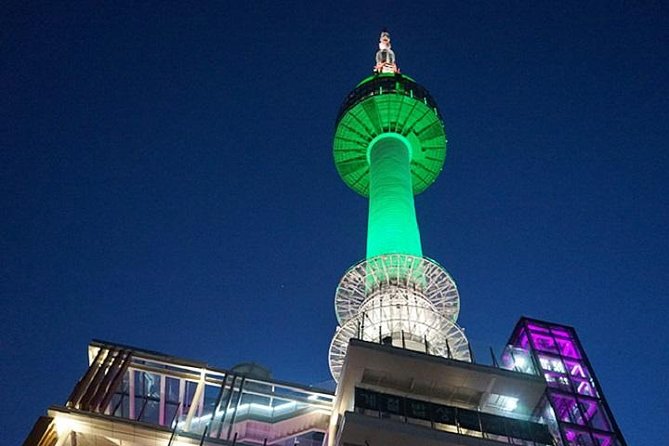
You then visit N Seoul Tower for about an hour. The top reaches almost 480 meters above sea level when Namsan Mountain and the tower are counted together. The 360-degree view lets you understand Seoul’s scale in one glance. You can also add a love-lock, one of the city’s familiar romantic rituals.
The day continues to Jogyesa Temple, a Buddhist temple in central Seoul. The planned stop is about 30 minutes, making it more of a focused pause than a long temple visit. It is a useful change of mood after the palace and tower, with festivals held at the temple during the year.
Gwangjang Market is the day’s final listed stop, with about an hour for Korean street food and traditional dishes. The market is also known from the Netflix series Street Food. This is where a private guide can help most. You can ask for local restaurant suggestions, identify foods you would otherwise miss, and manage the meal without guessing at every stall.
Day one gives you a strong mix, but it asks you to keep moving. Gyeongbokgung, Insadong, Bukchon, N Seoul Tower, Jogyesa, and Gwangjang Market are six very different experiences. If you want extra palace time or a long market meal, discuss that early.
Day two: Joseon traditions and Suwon’s fortress walls
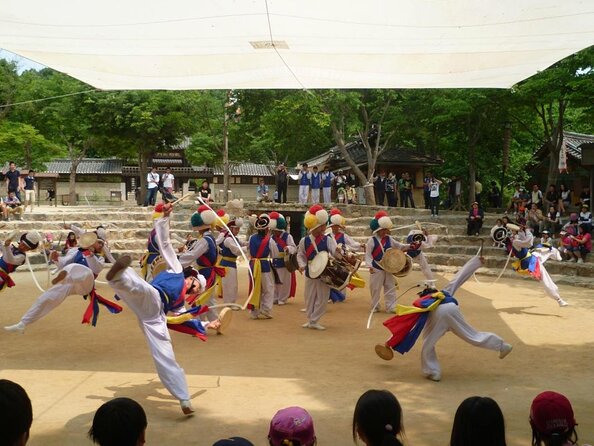
The second day heads to Yongin for the Korean Folk Village. Pickup is again at 9:00 a.m., and about two hours are set aside for the site. The village presents traditional culture from the late Joseon period through cultural classes, performances, and other activities.
This is a useful stop if you want context for the clothing, homes, crafts, and customs you saw on day one. It is also more structured than wandering through Bukchon. You can expect a presentation of traditional life rather than an untouched village, so treat it as a cultural park with demonstrations and exhibits.
Next comes Suwon Hwaseong Fortress, built from 1794 to 1796 during the late Joseon period. The fortress was commissioned under King Jeongjo and is recognized as a UNESCO World Heritage site. You have about an hour to see the walls and understand why Suwon mattered as a fortified royal city.
An hour is enough for an introduction, not a complete walk around the fortress. Wear comfortable shoes and ask your guide which section gives you the best use of your time. If you are especially interested in fortifications or Joseon architecture, this is one place where a private itinerary may be worth adjusting.
The final listed stop is Starfield Library and mall, with about an hour. This is a sharp change from the Folk Village and fortress. The library is modern, large, and designed as a public interior attraction, while the mall offers a polished look at present-day Korean retail culture.
That contrast is one of the better ideas in the schedule. You move from traditional houses and royal-era walls to a contemporary public space. The drawback is that day two involves travel outside central Seoul, and the library may feel less essential if your priority is temples, markets, and historic streets.
Day three: the DMZ and the Korean border
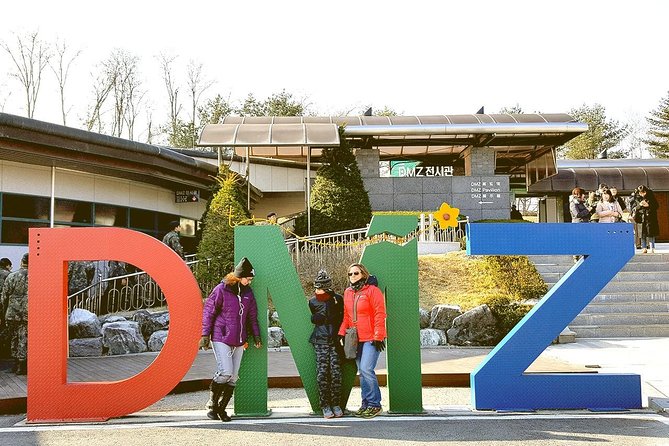
The third day begins with a 9:00 a.m. pickup and heads north to Paju. The DMZ is a weapons-free buffer zone between North and South Korea, established on July 27, 1953, after the armistice. It is not simply another sightseeing district. Access and movement can depend on military rules, so your guide’s handling of the day is important.
The main DMZ visit lasts about two hours. You should expect a serious change in tone from the food markets and palace courtyards. The value here lies in seeing a place tied directly to the Korean War and the continuing division of the peninsula.
Dorasan Station is the northernmost railway station in South Korea. It once connected North and South Korea, and trains carrying industrial supplies were temporarily allowed to use the line. The station is now closed, making it a powerful symbol of a connection that exists in theory but not in ordinary daily use.
At Dora Observatory, you can look toward North Korea through an observation scope. The view may include Gaeseong, Songaksan, the Kim Il-sung statue, and other structures, depending on visibility and operating conditions. This is not a guaranteed dramatic panorama. Weather, distance, and access rules affect what you can see, so approach it as a historical viewpoint rather than a photo guarantee.
The Third Infiltration Tunnel is one of four known tunnels beneath the border. Discovered in 1978, it runs about one mile and reaches 435 meters south of the military demarcation line. The visit gives physical scale to the effort to cross beneath the border, though the tunnel portion may be demanding for some people.
The supplied information says most people can participate, but it does not give detailed mobility guidance for the tunnel. If you have concerns about walking or physical exertion, ask the provider before booking. The tour does offer a vegetarian meal option if you request it at booking.
The listed plan also includes Hongdae and Gamaksan Chulleong Bridge. Hongdae is known for youthful energy, cafes, underground culture, and free self-expression. It is a good counterpoint to the controlled, solemn atmosphere of the DMZ.
Gamaksan Chulleong Bridge is a suspension bridge near Mt. Gamaksan, with about 50 minutes planned. The area was a fierce Korean War battlefield and now offers views across the surrounding hills. The bridge adds a physical activity to an otherwise history-heavy day. If you dislike heights, ask how much time you can spend at the area without crossing.
The order of the final stops may change. The detailed schedule places the bridge after Hongdae, while the broader tour description gives the DMZ day a slightly different order. That is not a problem on a private tour, but you should confirm the final sequence with your guide.
More living-history stops from Seoul:
- Seoul: Suwon Hwaseong Fortress & Korean Folk Village Tour
★ 4.7 · 214 reviews - Korean Folk Village and Suwon Hwaseong Fortress Day Tour(EG Tour)
★ 4.5 · 80 reviews - Seoul: Suwon Hwaseong, Folk Village, & Starfield Library
★ 4.8 · 55 reviews - Traditional Korean folk village Afternoon tour
★ 5.0 · 52 reviews
What the $1,250 price includes
At $1,250 per person, this is not a budget Seoul tour. The price makes more sense when you count what is bundled: two nights of accommodation in Seoul, two breakfasts, three lunches, an air-conditioned vehicle, an English-speaking driving guide, bottled water, and entrance fees for the planned attractions.
You are also paying for privacy and route management. A private vehicle is especially useful on the DMZ and Suwon days, when public transport would take more planning and time. Hotel pickup removes the need to find a meeting point each morning.
Still, compare the value honestly. If you already have Seoul accommodation, are comfortable using public transport, and prefer choosing every meal and attraction yourself, the package may cost more than arranging separate visits. If you want one person to coordinate the palace, border, fortress, cultural village, and meals, the price is easier to justify.
Airport transfers to and from Incheon International Airport are not included. Gratitude for the guide is optional. Group discounts are available, so the per-person value may improve for a larger private party.
The tour includes meals, but the schedule does not explain each restaurant or menu in advance. Tell the provider about vegetarian needs when booking. You should also add your country code to your phone number so the operator can contact you.
Who should book this private Seoul tour
I would choose this tour if you have only three days and want a strong first look at Seoul plus two major regional excursions. It suits couples, families, and small private groups who value a flexible schedule more than the lowest possible price.
It is also a good fit if the DMZ is a priority. Arranging that visit alongside Gyeongbokgung, Suwon, and the Korean Folk Village would take time and careful coordination. The guide can help you make practical changes and suggest local restaurants.
You may want another plan if you prefer slow mornings, long museum visits, or independent neighborhood wandering. The itinerary is ambitious, and a short stop at many places can leave you wishing for more time. The private format helps, but it cannot turn three days into a week.
Cancellation terms are strict close to departure. You receive a full refund when canceling at least six full days before the start time, a 50 percent refund when canceling two to six full days ahead, and no refund for cancellations less than two full days before the start time. All cutoffs use local time.
Should you book it?
Book this tour if you want maximum coverage in three days, especially if you want the DMZ and do not want to manage transport, tickets, meals, and hotels separately. Ask for the guide’s name, confirm the hotel details, and discuss which stops matter most before the first morning.
Skip it if your main goal is an inexpensive, slow-paced Seoul stay. For the right person, the strongest value is not the number of stops. It is having a private guide such as Hammin, Joo-Ee, or Wookie shape a demanding route around your interests, from royal history and street food to the uneasy border and modern Hongdae.
FAQ
How long is the tour?
The experience lasts approximately three days and includes two nights of accommodation in Seoul.
What time does pickup begin?
Hotel pickup begins at 9:00 a.m. on each touring day.
Is this a private tour?
Yes. Only your group participates in the private activity.
Is accommodation included?
Yes. Two nights of accommodation in Seoul are included.
Are meals included?
Yes. The package includes two breakfasts and three lunches. A vegetarian option is available if you request it when booking.
Are airport transfers included?
No. Transfers to and from Incheon International Airport are not included.
What is the cancellation policy?
A full refund is available when you cancel at least six full days before the start time. Canceling two to six full days ahead allows a 50 percent refund. Cancellations less than two full days before the start time are not refunded.
Just added in Seoul
- Your Personal Seoul Photographer!★ 4.1 · 15 reviews
- You’re Invited to Our Home in Seoul: The Only Cooking Class!★ 5.0 · 8 reviews
- From Seoul: Yongpyong Ski Day Tour with Transportation★ 4.9 · 40 reviews
- Seoul: Korean & English Language Exchange Global Party★ 5.0 · 28 reviews
- From Seoul: Hwacheon Ice Fishing and Lighting Festival Tour★ 4.5 · 4 reviews
- Unique Native Experience : Han River Picnic, Board game, BBQ★ 5.0 · 3 reviews
- Seoul: Gangneung BTS K-Pop & K-Drama Filming Locations Tour★ 4.6 · 14 reviews
- K-Pop Making Class with a Producer!★ 5.0 · 3 reviews
DMZ & JSA Tours, compared.
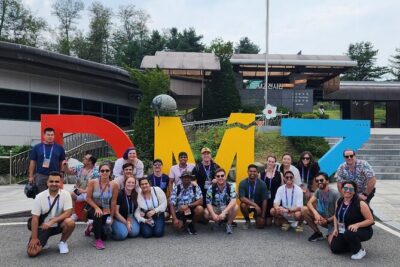
Best DMZ Tour Korea from Seoul (Red Suspension Bridge Optional)
Read our review →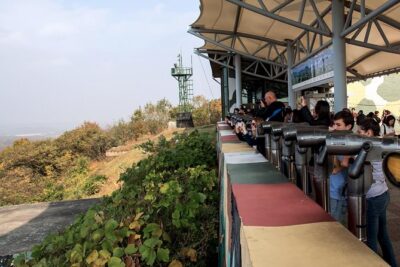
DMZ Tour: 3rd Tunnel, Option(Suspension Bridge, Boat) from Seoul
Read our review →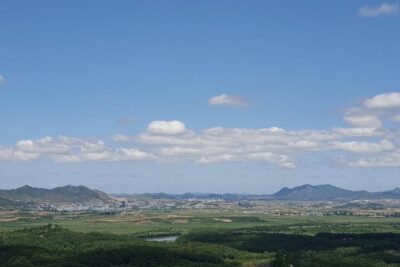
DMZ tour south Korea from Seoul (NK experience hall, defector)
Read our review →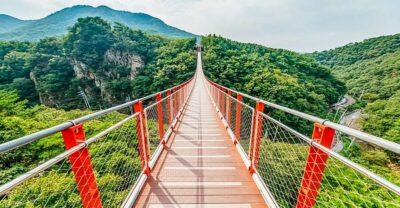
DMZ Insider Tour: 3rd Tunnel, NK Defector Meet & Red Bridge
Read our review →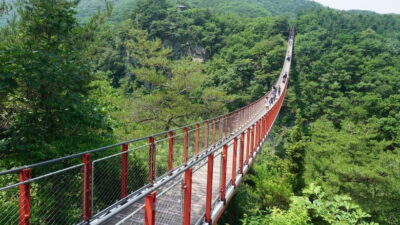
Signature DMZ Tour: Exclusive Defector Talk & Suspension Bridge
Read our review →
Thrilling Korean DMZ 3rd Tunnel Tour from Seoul + Red Bridge Rush
Read our review →
DMZ Past and Present: Korean Demilitarized Zone Tour from Seoul
Read our review →Browse the lists this tour appears in