
Reviewed · DMZ & JSA TOURS
From Seoul: Aegibong Starbucks Observatory & DMZ View
Aegibong Peace Park gives you something unusual: a clear view toward North Korea from a Starbucks café. From the Jogang Observatory, North Korean territory is only about 1.4 kilometers away, and the broad Jogang River sits between you and Gaepung-gun. It is a short trip from Seoul, but the setting carries the weight of a divided country.
I like the comfortable round-trip transport and the way the tour combines history, scenery, art, and a little everyday comfort with coffee and time to look around. I also like the calm pace. You get roughly 1.5 hours at Aegibong Peace Park and another 1.5 hours around the observatory, rather than being rushed from one photo stop to the next. The main drawback is simple: cloudy or foggy weather can soften the view, and this is an observation-focused visit rather than a full DMZ program with tunnels or a military-zone crossing.
Key points to know before booking

- North Korea is about 1.4 kilometers away: Jogang Observatory is one of the closest public viewpoints toward North Korea.
- The Starbucks sits inside Aegibong Peace Park: You can have a drink or snack while looking across the Jogang River.
- The 112-meter suspension bridge adds a physical highlight: It links the Themed Gardens with the Sky Forest Garden.
- The tour takes about five hours: It works well for a half-day plan from Seoul.
- English-speaking guides give the visit context: Guides including Hana, Eva, Crystal, Gogo, and Alice have been praised for clear explanations and help with photos.
- Bring your passport: It is required for this border-area visit.
Why Aegibong feels different from the usual DMZ trip
Many visitors picture the DMZ as a collection of military gates, observation posts, and tightly controlled stops. Aegibong offers a different angle. You are still looking across a heavily divided frontier, but the visit takes place in a public peace park with gardens, exhibitions, a bridge, and a café.
That mix is what makes the experience interesting. You can spend a few minutes studying the river through a telescope, then walk through a garden or sit with a coffee. The setting does not make the division feel less serious. Instead, the ordinary details make the contrast sharper.
Aegibong Peace Park sits on Hill 154 near Gimpo, at the boundary of Gageum-ri and Jogang-ri. The hill was once known as Ssukgatmeori Mountain because its shape was said to resemble a daisy crown. It also has a traditional story involving the governor of Pyeongan Province and a girl named Aegi during the Qing invasion of Joseon.
The hill later became a strategic military position during the Korean War. That combination of legend, wartime importance, and modern peace education gives your guide plenty to explain during the visit.
Other trips up to the border from Seoul:
- Best DMZ Tour Korea from Seoul (Red Suspension Bridge Optional)
★ 5.0 · 41,422 reviews - DMZ Tour: 3rd Tunnel, Option(Suspension Bridge, Boat) from Seoul
★ 5.0 · 21,373 reviews - DMZ tour south Korea from Seoul (NK experience hall, defector)
★ 5.0 · 20,599 reviews
The ride from Seoul and meeting point choices
You can usually choose among three Seoul departure points: Myeong-dong, Hongik University Station Exit 3, or The Plaza Seoul, Autograph Collection. The exact meeting location depends on the option you book, so check it carefully before leaving your hotel.
The tour ends at Hongik University Station Exit 4. That is useful if you plan to continue exploring Seoul after lunch or want to return to the Hongdae area. The full outing lasts about five hours, though traffic can affect the exact timing.
Transport is included, and the vehicles used on recent departures have included comfortable minibuses and Mercedes-style buses with air conditioning. The ride matters here. Aegibong is outside central Seoul, and private transport saves you from arranging several connections to a border-area attraction.
Guides have also sent clear meeting reminders before departure, which helps when you are dealing with an early start or an unfamiliar Seoul neighborhood. Still, arrive with time to spare. A missed departure would be difficult to fix once the group has left.
Aegibong Peace Park: gardens, exhibits, and the river view
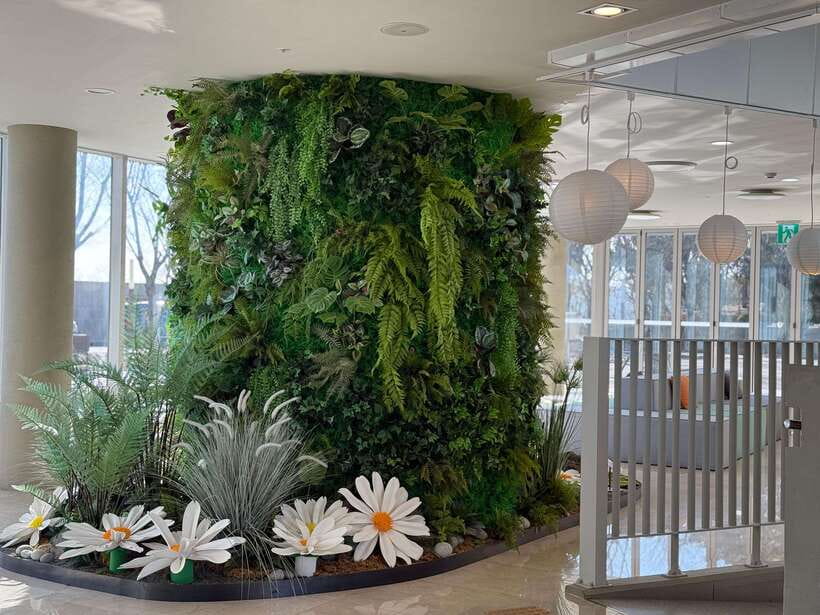
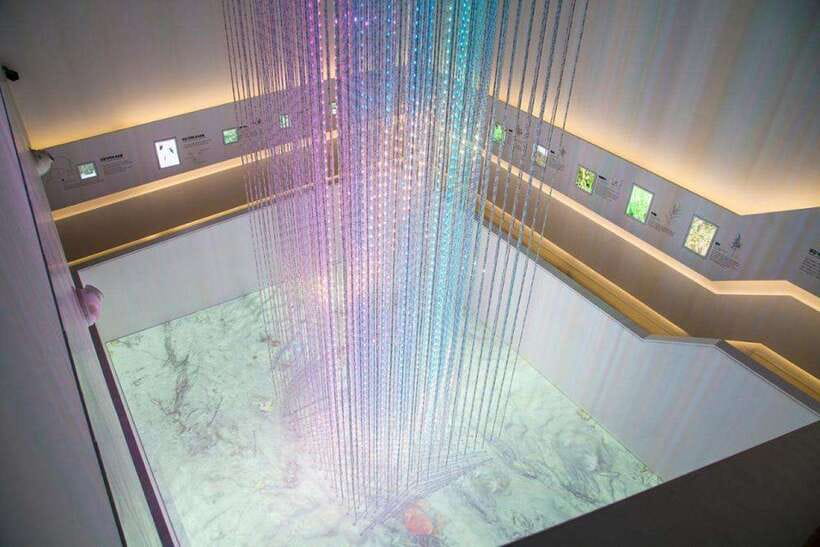
Your first major stop is Aegibong Peace Park, where you can walk through the themed grounds and visit the exhibition facilities. The park is not only a viewpoint. It presents the area through art, local stories, ecology, and memories of conflict.
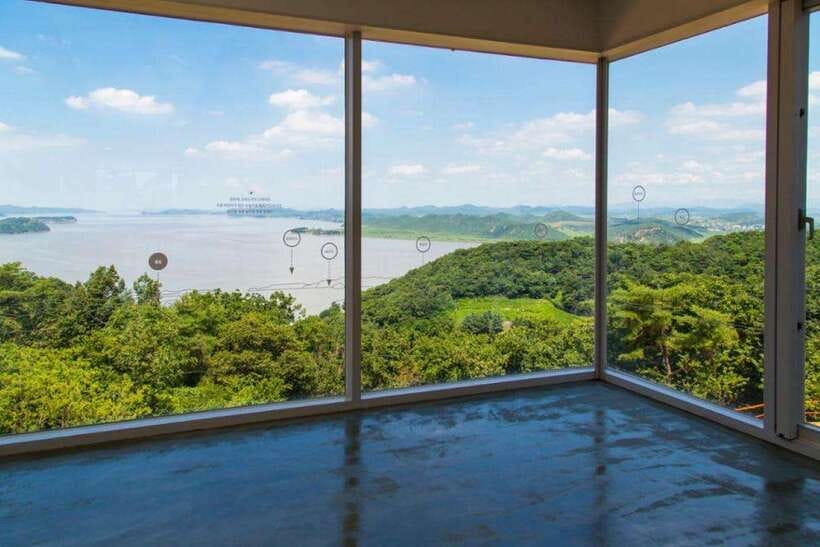
Inside the exhibition hall, a large front window looks toward the Jogang River area. Videos about the river and the surrounding region add useful background before you head outside. I find this kind of introduction worthwhile because the view alone can be hard to interpret. Across the water, villages and fields may look peaceful, but the river has a painful modern story.
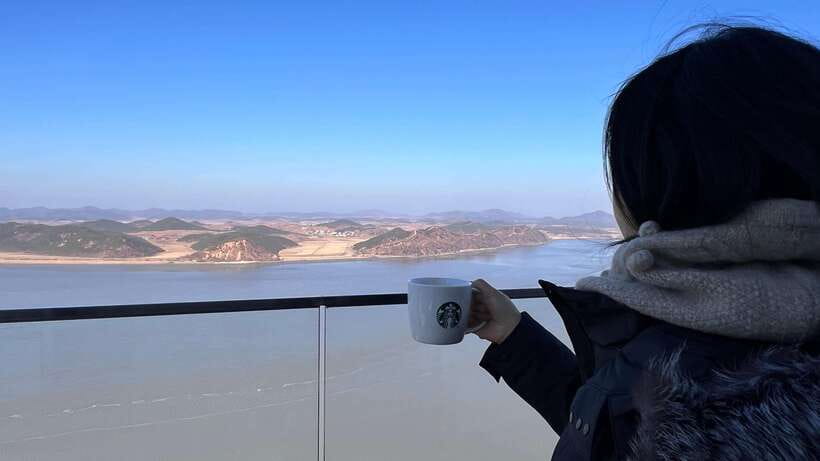
The Jogang River is downstream from the Hangang River, where the Imjingang, Hangang, and Yeseonggang Rivers meet before flowing into the West Sea. Its name can be understood as large river or grandfather river, a reference to its broad, ocean-like appearance.
Before the Korean War, the area held a village of about 100 households. After the 1953 ceasefire agreement designated the river estuary as neutral waters, residents lost their homes and scattered. With people largely absent from the basin for decades, the area became an important habitat for protected and endangered species.
That is one of the most striking themes of the park. Human separation caused great suffering, but it also allowed a varied ecosystem to develop in a place people could no longer freely use. A good guide can help you hold both ideas at once, rather than reducing the area to a simple scenic view.
Crossing the 112-meter suspension bridge
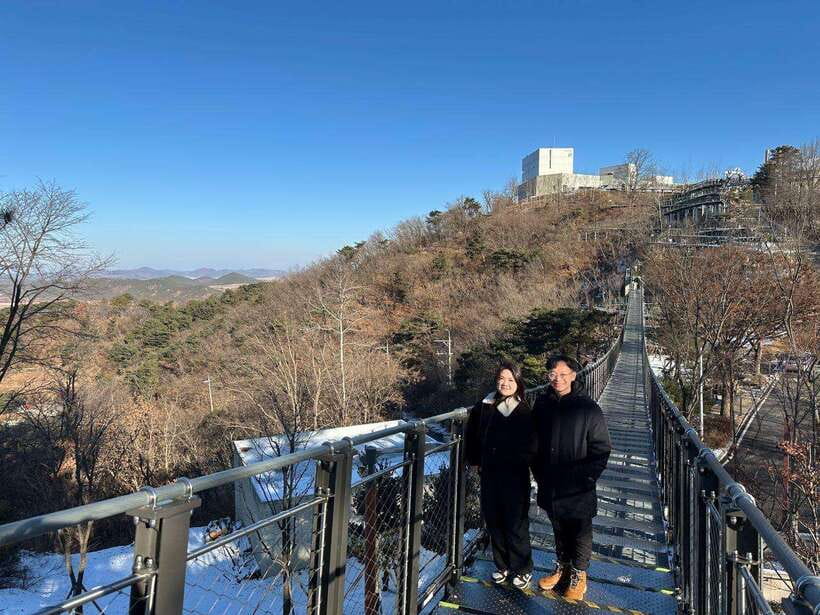
The park’s suspension bridge links the Themed Gardens with the Sky Forest Garden. At 112 meters long, it is not an enormous engineering feat, but it adds movement and a little excitement to a quiet visit.
The bridge is a good change of pace after the exhibition hall. You get a higher angle over the park and a chance to take photographs, while the gentle movement underfoot gives the stop a physical edge. It is also one of the few parts of the outing that feels playful.
Do not expect the bridge to replace the main observatory view. Its value is in connecting different parts of the park and giving you another way to experience the grounds. If you dislike heights or moving footbridges, you may prefer to take your time and focus on the gardens and exhibition hall instead.
Same base, a different kind of day out:
- Seoul: DMZ Tour with Optional Suspension Bridge
★ 4.8 · 5,277 reviews - Signature DMZ Tour: Exclusive Defector Talk & Suspension Bridge
★ 5.0 · 4,459 reviews - Thrilling Korean DMZ 3rd Tunnel Tour from Seoul + Red Bridge Rush
★ 5.0 · 3,097 reviews - DMZ Past and Present: Korean Demilitarized Zone Tour from Seoul
★ 5.0 · 2,481 reviews
Jogang Observatory and the view toward North Korea
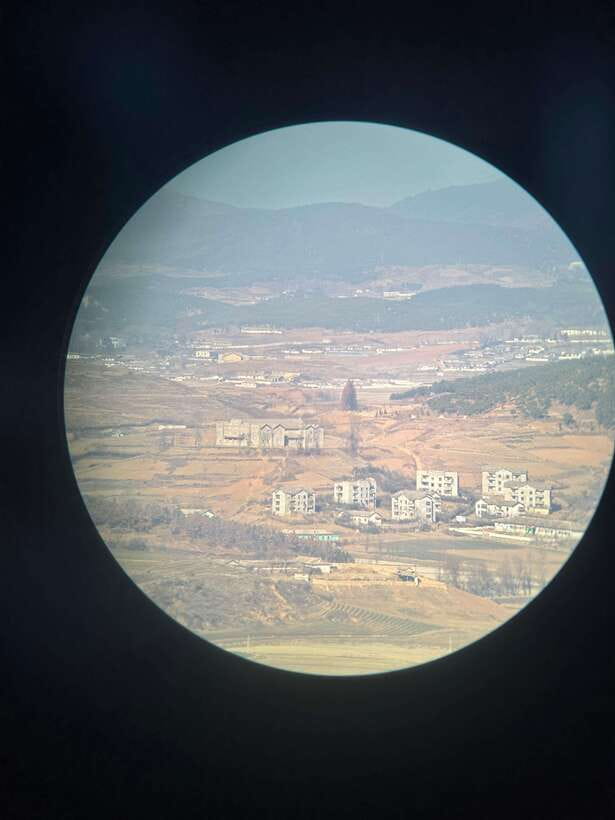
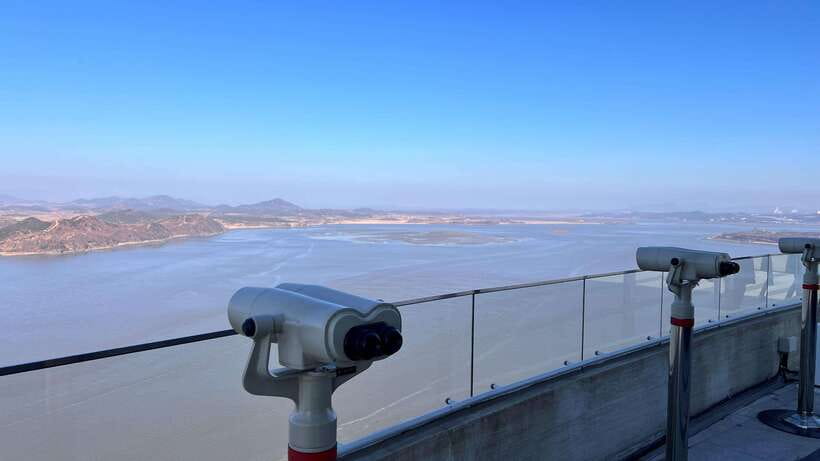
The main purpose of the excursion is Jogang Observatory. This outdoor viewing area is described as the closest observatory to North Korea in the area, with Gaepung-gun about 1.4 kilometers away.
Telescopes are available, and they make a real difference. With good visibility, you may see North Korean villages and people moving around on the far side. The details will depend on weather, light, and your eyesight, but the short distance gives the view unusual force.
The river itself is broad and quiet. It is easy to focus on the scenery, yet the guide’s explanation brings out the human story behind it. This is not simply a scenic overlook. It is a place where the map, the ceasefire agreement, the Korean War, and present-day separation all become visible in one frame.
Guides such as Eva, Hana, Crystal, Gogo, Alice, Yuna, Lina, and Diana have been singled out for their clear English, historical explanations, and friendly help. Their approach can shape the day, since the park does not come with a long formal program at every stop. You will have guided time, then free time to use the telescopes, take photographs, walk, and look at the river at your own pace.
The view is strongest on a clear day, but do not automatically cancel because of clouds. The site remains meaningful in poor weather, though fog can hide distant villages and reduce the visual impact. Bring layers and be prepared for outdoor time.
Starbucks with North Korea in the distance
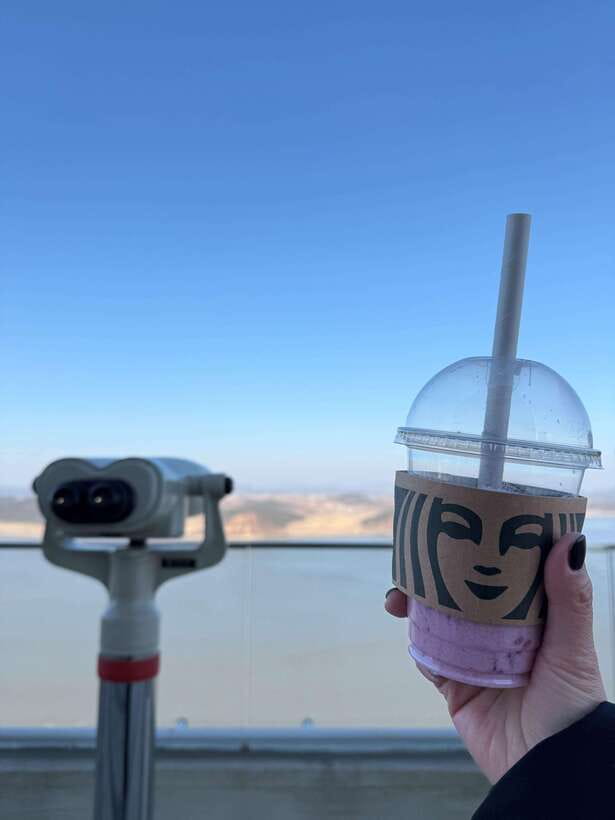
The Starbucks at the top floor of the park’s exhibition building is the tour’s most unexpected feature. It is not just a convenient place to buy a drink. Large windows frame the Jogang River and the direction of North Korea, letting you pause with a coffee while looking at one of the world’s most sensitive borders.
You should think of the café as a comfortable viewing stop, not a substitute for the outdoor observatory. The telescopes provide a more focused look, while the café gives you time to sit, talk, and take in the broad view.
Food and drinks are not included in the $45 tour price, so budget separately for coffee or a snack. That is fair, since the café is an optional purchase rather than part of the guided admission. It also lets you choose exactly what you want instead of paying for a fixed meal.
The café can be especially useful if you prefer a less exposed viewing spot or need a break after walking through the park. On a busy day, seating may be limited, so do not assume you will have a table directly at the best window.
How the five-hour schedule works
The planned structure gives you about 1.5 hours at Aegibong Peace Park and about 1.5 hours at Jogang Observatory, with the remaining time used for transport and the Seoul transfer.
That is enough time to see the exhibition hall, cross the bridge, visit the café, use the viewing facilities, and take photographs without turning the outing into an all-day commitment. Several guides have also allowed free time after a short explanation, which is helpful if you want to focus on the view rather than follow a constant commentary.
The pace suits people who want a serious border visit but have other plans in Seoul. You can return around early afternoon on some departures, leaving time for lunch, museums, shopping, or an evening reservation.
The tradeoff is that this is a focused Aegibong visit. You will not cover every DMZ attraction in the region. If your priority is a full-day military history program, this may feel limited. If you want one strong viewpoint with a guide and easy transport, the shorter format is the advantage.
The value of $45 per person
At $45 per person, the tour offers solid value if you would otherwise need to arrange transport, admission, and the route to Gimpo yourself. Round-trip transportation, an English-speaking guide, and entry fees are included. Your only planned extra cost is food or drinks.
The price is also reasonable for a half-day outing that reaches a location close to the border. You are paying for more than a coffee with a view. The transport removes the planning burden, while the guide explains why the river and hill matter.
Value depends on your interests. Someone mainly looking for a striking café photograph may find the price high for a five-hour trip. Someone who wants historical context, a close view toward North Korea, and a guided visit without spending a full day outside Seoul is likely to find it worthwhile.
The transport has received a 95 percent perfect score, and the tour has an overall rating of 5 from 102 ratings. That points to a reliable basic operation, especially in areas such as departure instructions, vehicle comfort, and timing. Your individual guide will still shape the experience, so look for the guide details sent before departure.
Who should book this experience
I would choose this tour for a first visit to a DMZ-area viewpoint when I wanted a manageable half-day outing. It also makes sense for a second Korea trip, especially if you have already visited the more familiar Paju DMZ sites and want a quieter alternative.
It suits:
- People interested in Korean War history and the current division of the peninsula
- Visitors who want to see North Korea without committing to a full-day program
- Families who prefer a shorter outing, gardens, a bridge, and a café
- Photographers who want a river view and distant villages
- Anyone who values an English-speaking guide and included transport
It is less suitable if you want extensive hiking, a full military-zone itinerary, or guaranteed sharp views in every season. The outdoor portions are central, so weather can change what you see.
Bring your passport, wear comfortable shoes, and keep your schedule flexible around traffic. You can cancel up to 24 hours before departure for a full refund, and reserve now while paying later, which helps if your Seoul plans are still shifting.
Should you book the Aegibong Starbucks and DMZ tour?
Book it if you want a thoughtful, compact introduction to the border area, with a view that is both scenic and unsettling. The Starbucks is a memorable detail, but the real value comes from standing near the Jogang River, looking across to North Korea, and learning how war and displacement shaped this quiet place.
Skip it if you want the most extensive possible DMZ itinerary or if your main goal is a long hike. For everyone else, the combination of a close viewpoint, a 112-meter bridge, a peaceful park, and a well-organized ride from Seoul makes this a practical choice.
FAQ
How long does the Aegibong Starbucks and DMZ tour last?
The tour lasts about five hours, including transportation from Seoul and the return transfer to Hongik University Station Exit 4.
Where can I meet the tour?
The available departure options include Myeong-dong, Hongik University Station Exit 3, and The Plaza Seoul, Autograph Collection. The exact meeting point depends on the option you book.
Where does the tour finish?
The tour finishes at Hongik University Station Exit 4.
Is the tour conducted in English?
Yes. The tour includes a live English-speaking guide.
Is transportation included?
Yes. Round-trip transportation is included in the tour price.
Are entrance fees included?
Yes. All entrance fees are included.
Do I need to bring my passport?
Yes. You should bring your passport for this tour.
Are food and drinks included?
No. Food and drinks are not included. You can buy coffee or a snack separately at the Starbucks café in Aegibong Peace Park.
How close is North Korea from the observatory?
The Jogang Observatory looks toward Gaepung-gun in North Korea from a distance of about 1.4 kilometers.
Can I cancel the booking?
You can cancel up to 24 hours in advance for a full refund. The reserve-now, pay-later option is also available.
Just added in Seoul
- Suwon: Baseball Game with Fortress and Local Food Tour★ 5.0 · 3 reviews
- Seoul: War Memorial of Korea Private Guided Museum Tour★ 4.9 · 29 reviews
- Seoul: Wine & Korean BBQ, Perfect Pairing Dinner in Sinchon★ 5.0 · 6 reviews
- Seoul : Your Personal Photographer in Gyeongbokung★ 5.0 · 7 reviews
- Seoul : Efoil Experience in Han River★ 5.0 · 5 reviews
- Seoul: Vivaldi Park Winter Ski with Eobi Ice Valley Day Tour★ 4.6 · 16 reviews
- Seoul: Vivaldi Park Winter Ski with Nami Island Day Tour★ 5.0 · 4 reviews
- Seoul: SnowyLand in Vivaldi Park with Nami or Alpaca★ 4.8 · 11 reviews
DMZ & JSA Tours, compared.
Best DMZ Tour Korea from Seoul (Red Suspension Bridge Optional)
Read our review →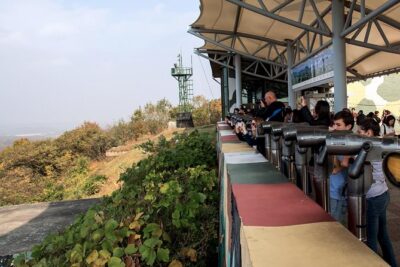
DMZ Tour: 3rd Tunnel, Option(Suspension Bridge, Boat) from Seoul
Read our review →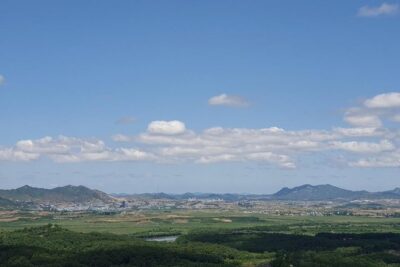
DMZ tour south Korea from Seoul (NK experience hall, defector)
Read our review →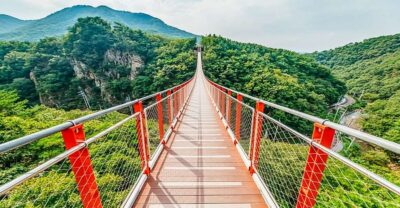
DMZ Insider Tour: 3rd Tunnel, NK Defector Meet & Red Bridge
Read our review →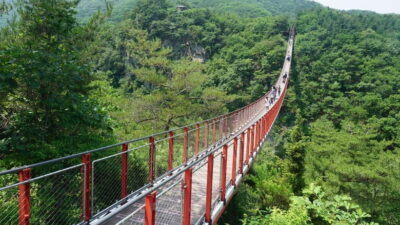
Signature DMZ Tour: Exclusive Defector Talk & Suspension Bridge
Read our review →
Thrilling Korean DMZ 3rd Tunnel Tour from Seoul + Red Bridge Rush
Read our review →
DMZ Past and Present: Korean Demilitarized Zone Tour from Seoul
Read our review →Browse the lists this tour appears in