
Reviewed · DMZ & JSA TOURS
DMZ Tour with Pistol Shooting Experience from Seoul
The most striking part of this tour is the sharp change in mood: you spend the morning near one of the world’s most heavily guarded borders, then return to Seoul for pistol target practice. The Third Infiltration Tunnel gives the DMZ visit a physical edge, while Dora Observatory lets you look across the Military Demarcation Line toward North Korea.
I like the efficient route, which packs Imjingak Park, the DMZ exhibition hall, the tunnel, Dora Observatory, and Dorasan Train Station into one day. I also like the price: at about $35, transportation, a guide, admission, and the shooting experience make this a strong-value introduction. The main concern is that military control can change the schedule or cancel the DMZ portion without notice.
Key points to know before you go
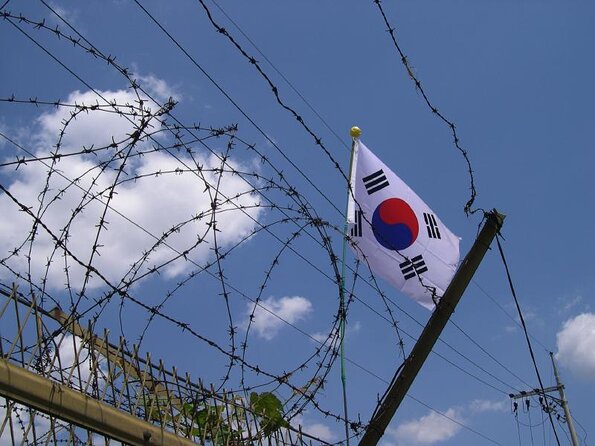
- Passport checks are essential: Bring your current valid passport, not a copy, on the day of the tour.
- The tunnel is a real physical visit: You walk into the Third Infiltration Tunnel, so moderate fitness and sensible shoes matter.
- Dora Observatory offers the key view: Binoculars provide a look toward North Korea, including the propaganda village and, when conditions allow, Kaesong.
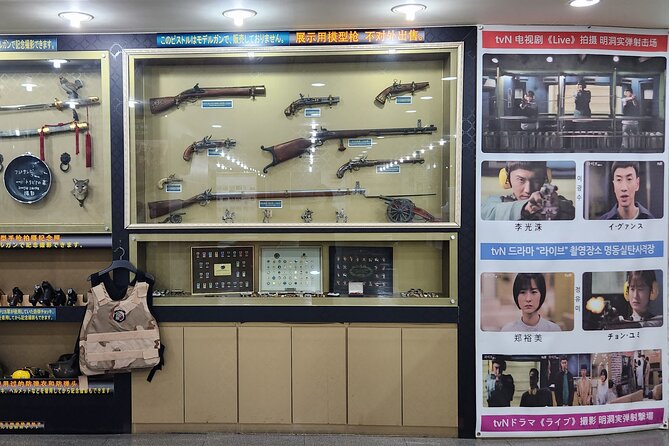
- The shooting range is in Myeongdong: The pistol session takes place after returning to Seoul and is open to participants age 14 and older.
- Lunch is not included: Plan for food and drinks during the long day.
- The itinerary can change: Military exercises, weather, fog, government orders, or road conditions may alter the route.
Why this Seoul day trip works
The DMZ is not a normal sightseeing stop. Access is controlled, the route can shift, and you may spend part of the day waiting for military clearance or moving with a group. That uncertainty is part of the setting, but it also means you should book this tour for its overall experience rather than for a guarantee of every listed stop.
At roughly seven and a half hours, the tour gives you a solid first look without requiring a separate overnight trip. You meet at Myeong-dong Station, ride in an air-conditioned vehicle, and finish in the same general area. That arrangement is useful if you are staying in central Seoul or plan to continue sightseeing in Myeongdong afterward.
The group can be as large as 30 people. That keeps the price low, but it also means the pace may feel fixed. You will need to stay close to your guide and move when the group moves, especially at military-controlled sites.
The guiding can make a big difference. Julie has been praised for her energy and for explaining the Korean War before leading the group to the range. Jinny has also been described as helpful, well informed, and comfortable answering questions in English. Still, guide quality can vary, and one poor experience involved English explanations that were difficult to follow and too little time at the information panels. If the history matters to you, stay near the guide and ask questions early.
Other trips up to the border from Seoul:
- Best DMZ Tour Korea from Seoul (Red Suspension Bridge Optional)
★ 5.0 · 41,422 reviews - DMZ Tour: 3rd Tunnel, Option(Suspension Bridge, Boat) from Seoul
★ 5.0 · 21,373 reviews - DMZ tour south Korea from Seoul (NK experience hall, defector)
★ 5.0 · 20,599 reviews
Imjingak Park and the road to the border
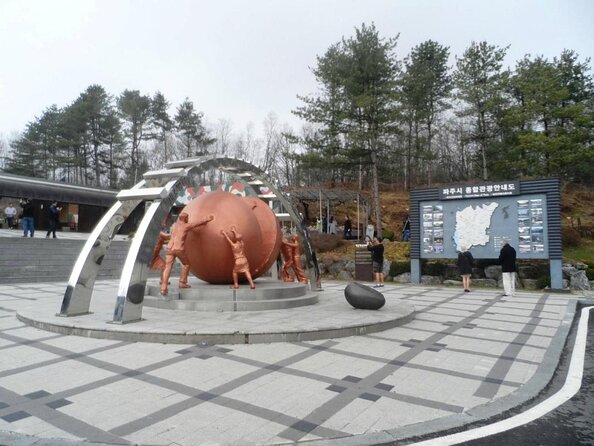
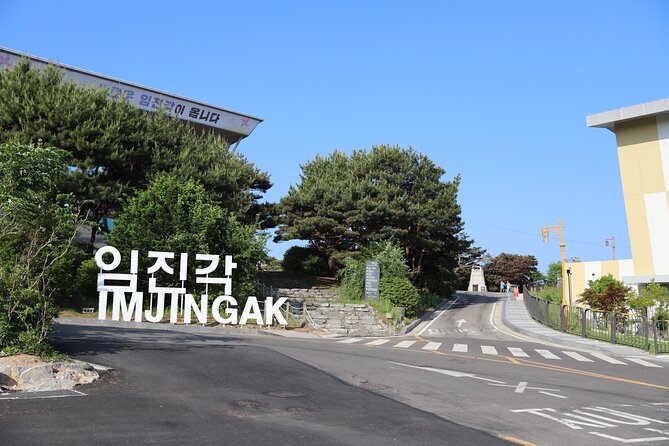
The first stop is Imjingak Pyeonghoa-Nuri Park, usually called Imjingak Park. It lies about 7 kilometers from the Military Demarcation Line and was built in 1972 with the hope that Korea might one day reunite.
This is a useful opening stop because it gives the division of Korea a human and political setting before you reach the military zone. The park is connected with the Korean War and includes places linked to families separated by the border. You may also pass Freedom Bridge and see the direction of Unification Village from the vehicle route.
The stop lasts about 20 minutes, so do not expect a long, leisurely walk through every corner. Use the time to take in the memorial atmosphere, listen to the guide, and get your first photographs. This is also a good moment to make sure you have your passport ready for the next checkpoint.
The name Pyeonghoa-Nuri refers to peace, but the setting is not simply a pleasant park. It is a reminder that the border is close, controlled, and still part of daily political life. That contrast gives the rest of the trip more meaning.
The DMZ exhibition hall and military checkpoint
Before entering the main DMZ area, you go through a passport check by soldiers. Bring the original passport you used for booking if possible, and keep it easy to reach. Without a current valid passport, you may not be allowed to continue.
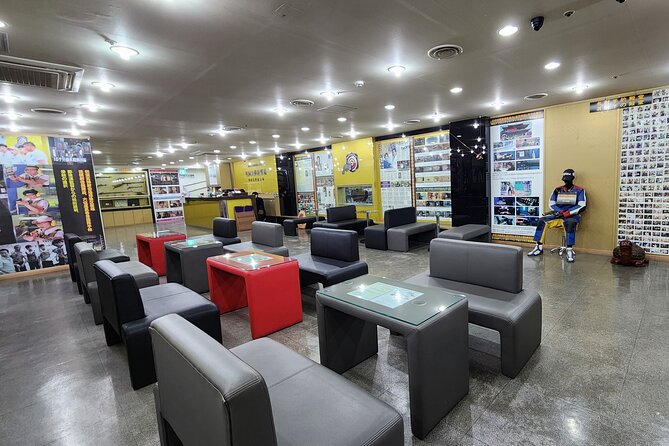
The DMZ Theater and Exhibition Hall provides a short video and displays about the division of Korea and the Korean War. It is not a large museum visit, but it gives you the basic facts needed to understand the tunnel and the border stations that follow.
This section can feel brief, especially if you enjoy reading every panel. The group schedule is tight, and you may not have time to study each exhibit at length. I would focus on the guide’s explanation first, then read what you can during the remaining minutes.
The military setting also explains why the schedule is not fully predictable. Training exercises, visits by senior officials, fog, heavy snow, storms, roadwork, or other government orders can change access. If the main DMZ route closes, the operator may substitute stops such as Imjingak Park, Art Space BEAT 131, Odusan Unification Observatory, and the War Memorial of Korea before the shooting session.
Walking into the Third Infiltration Tunnel
The Third Infiltration Tunnel is the most physical part of the tour. South Korea discovered it in 1978, and it runs for about 1,635 meters. The passage is around 2 meters wide and 2 meters high, with a route positioned beneath the demarcation line.
The tunnel was built to move soldiers south. Estimates suggest that up to 30,000 soldiers could have passed through it in an hour. That number is difficult to picture until you are inside the narrow passage, where the low ceiling and confined space make the military purpose clear.
You will not simply view the tunnel from a platform. The visit involves walking into it, so wear shoes suited to a moderate amount of physical activity. The tour requires a moderate fitness level, and anyone uncomfortable with enclosed spaces should consider that before booking.
The tunnel is also where the DMZ becomes more than a distant border viewed through glass. You are physically close to the route used in an attempted military operation, though the visit remains controlled and organized. The stop lasts about 40 minutes, including the time needed to reach the tunnel area and return.
Give yourself enough energy for the rest of the day. The tunnel is not the final stop, and the afternoon includes the return journey to Seoul and pistol practice.
Same base, a different kind of day out:
- Seoul: DMZ Tour with Optional Suspension Bridge
★ 4.8 · 5,277 reviews - Signature DMZ Tour: Exclusive Defector Talk & Suspension Bridge
★ 5.0 · 4,459 reviews - Thrilling Korean DMZ 3rd Tunnel Tour from Seoul + Red Bridge Rush
★ 5.0 · 3,097 reviews - DMZ Past and Present: Korean Demilitarized Zone Tour from Seoul
★ 5.0 · 2,481 reviews
Looking into North Korea from Dora Observatory
Dora Observatory provides the clearest visual moment of the tour. From the viewing area, you can look north through binoculars toward North Korea and the surrounding border zone.
On a clear day, the view may include a North Korean propaganda village, Kaesong, Songaksan, the Kim Il-Sung statue, and the Cooperation Farm at Geumamgol. The propaganda village is often described as a remnant of North Korea’s former prosperity, though distance and weather can make details hard to see.
Conditions matter here. Dense fog, snow, storms, and poor visibility can reduce the view considerably. The observatory is still worthwhile for the location itself, but you should not book this trip expecting a perfect panorama of North Korea.
The stop lasts about 30 minutes. That is enough to use the binoculars, hear the explanation, and take in the sight lines, but it may feel short if the viewing area is crowded. Follow the guide’s instructions and return to the vehicle promptly.
For me, this stop gives the tour its strongest sense of place. The border is not an abstract line on a map. It is visible across the valley, with roads, fields, buildings, and military restrictions separating two countries that were once one.
Dorasan Train Station and the idea of a future connection
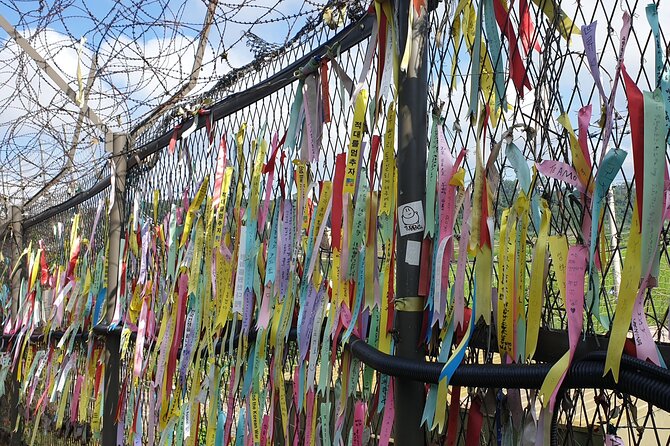
Dorasan Train Station was built with the hope of connecting the two Koreas in the future. It is a quiet, symbolic stop, especially after the tunnel and observatory.
The station represents a possibility rather than a functioning international rail link. Its importance comes from what it was designed to mean: a route that could carry people and goods across a divided peninsula if political conditions ever allowed it.
The supplied timing gives the station a shorter role than the tunnel or observatory, so treat it as a brief photographic and interpretive stop. The larger value is the contrast between infrastructure prepared for connection and the security controls that still limit movement.
The route also passes the Unification Village. Seeing these places in sequence helps you understand the DMZ as more than a military buffer. It is also a zone shaped by families, transport plans, farming, memory, and hopes for change.
Returning to Seoul for pistol practice
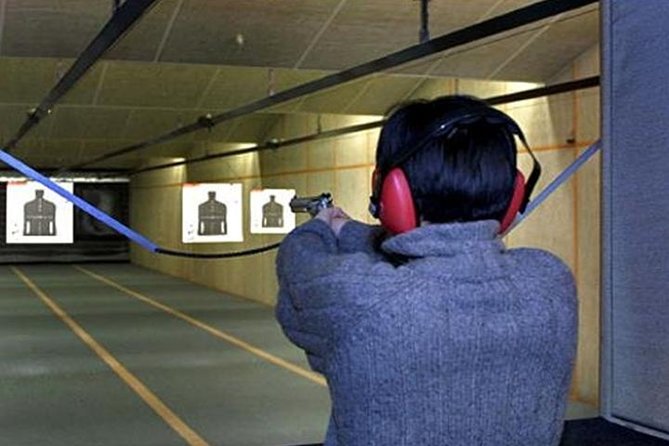
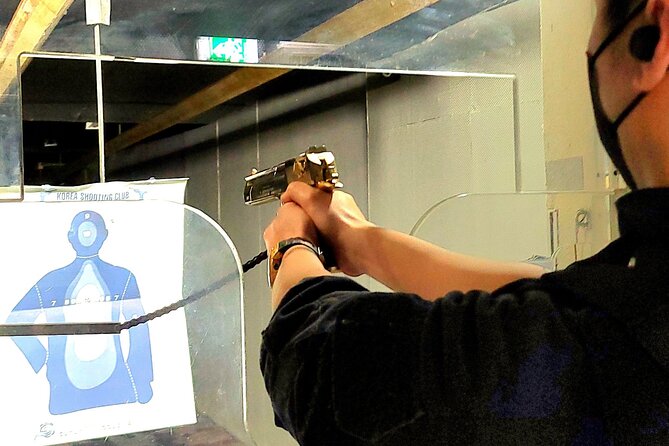
After the DMZ portion, you return to Seoul and visit a real-gun shooting range in the Myeongdong area. The pistol session lasts about 20 minutes and is included in the tour price.
This is an unusual pairing. The shooting range does not add historical context to the DMZ, but it gives the day a lively finish and may appeal if you want an activity beyond museums and viewpoints. You receive target practice rather than a long range visit, so keep your expectations focused on a short introductory session.
Participants must be at least 14 years old. The tour information does not provide more detail about the number of rounds, firearm models, or exact range procedures, so do not assume a particular package beyond the included pistol experience.
The transition from a politically serious morning to a recreational shooting activity may feel abrupt. Some people will enjoy the contrast; others may find it distracting. If your main goal is Korean War history and border politics, the shooting range is an extra rather than the reason to choose this tour.
The range is also convenient for anyone already planning to spend time in Myeongdong. You finish at Myeong-dong Station, rather than being dropped at a distant hotel.
Is $35 good value?
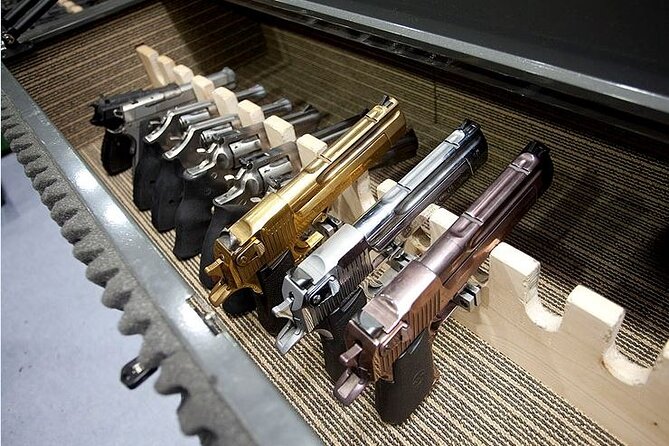
At about $35, this tour is priced well for a full day that includes air-conditioned transportation, a professional guide, DMZ admissions, the tunnel, the observatory, and pistol practice. A separate transport plan to the DMZ would be harder to arrange, and military access is not something you can handle like an ordinary local bus journey.
The price does not include lunch, food, or drinks. Set aside money for a meal and carry water. The day lasts around seven and a half hours, so skipping food planning could make the afternoon uncomfortable.
Hotel pickup and drop-off are not included. You meet at Myeong-dong Station and return to Myeongdong. At booking, you may be asked to provide your hotel name, address, and phone number, but that does not mean a private hotel transfer is included.
For a budget-conscious visitor, this is a good way to combine the DMZ with another paid activity. The tradeoff is a larger group, limited time at some stops, and a schedule controlled by the military.
Who should book this tour?
I would choose this tour if you want a straightforward first visit to the DMZ and prefer a package that handles transportation and access. It suits people who want the major stops without spending a full day organizing permits, routes, and transfers.
It is also a good match if you like variety. You get memorial sites, military history, a tunnel walk, a border viewpoint, a symbolic train station, and target practice in one day.
Families should note the age limit for the shooting range. Anyone under 14 cannot take part in that activity, and the experience requires a valid passport for every participant. People with limited mobility or discomfort in tight spaces should think carefully about the Third Infiltration Tunnel.
You may want a different tour if you need a slower pace, extended museum time, or a guaranteed itinerary. The DMZ can close with little warning, and even a confirmed booking does not guarantee that every listed stop will operate.
Cancellation is free up to 24 hours before the start time. Within 24 hours, the amount paid is not refunded, and changes are not accepted. Military cancellation rules are separate from normal customer cancellations, so read the booking conditions carefully before you commit.
The final call
Book this tour if you want strong value, a compact DMZ introduction, and the novelty of adding pistol practice in Seoul. The Third Infiltration Tunnel and Dora Observatory provide the most memorable parts, while guides such as Julie and Jinny can add useful context and keep the day moving.
Skip it if you need a relaxed schedule, guaranteed access, or a visit focused only on serious history. The group may reach 30 people, lunch is your responsibility, and military decisions can alter the route.
For most first-time visitors with a valid passport and moderate fitness, this is a practical way to see the border and understand why the Korean Peninsula remains divided, with a distinctly Seoul-style activity waiting at the end.
FAQ
How long does the DMZ and shooting tour last?
The experience lasts approximately 7 hours and 30 minutes, including travel from Seoul to the DMZ, the border stops, the return trip, and pistol practice in Myeongdong.
Where does the tour begin and end?
The tour begins at Myeong-dong Station in Seoul and ends in the Myeongdong area.
Do I need to bring my passport?
Yes. A current valid passport is required on the day of travel for the military checkpoint and DMZ access.
Is lunch included?
No. Lunch, food, and drinks are not included in the tour price.
What age is required for the shooting experience?
Participants must be at least 14 years old.
What places are visited during the DMZ portion?
The route includes Imjingak Park, the DMZ exhibition hall, the Third Infiltration Tunnel, Dora Observatory, and Dorasan Train Station. The route may change because of military or other operating conditions.
Is hotel pickup included?
No. Hotel pickup and drop-off are not included. You meet at Myeong-dong Station and return to Myeongdong.
Can the DMZ visit be canceled or changed?
Yes. Military training, government orders, weather, traffic, road conditions, and other unforeseen military circumstances can cause the tour to be canceled or alter the itinerary. An alternative route may be offered in some situations.
Just added in Seoul
- Your Personal Seoul Photographer!★ 4.1 · 15 reviews
- You’re Invited to Our Home in Seoul: The Only Cooking Class!★ 5.0 · 8 reviews
- From Seoul: Yongpyong Ski Day Tour with Transportation★ 4.9 · 40 reviews
- Seoul: Korean & English Language Exchange Global Party★ 5.0 · 28 reviews
- From Seoul: Hwacheon Ice Fishing and Lighting Festival Tour★ 4.5 · 4 reviews
- Unique Native Experience : Han River Picnic, Board game, BBQ★ 5.0 · 3 reviews
- Seoul: Gangneung BTS K-Pop & K-Drama Filming Locations Tour★ 4.6 · 14 reviews
- K-Pop Making Class with a Producer!★ 5.0 · 3 reviews
DMZ & JSA Tours, compared.
Best DMZ Tour Korea from Seoul (Red Suspension Bridge Optional)
Read our review →
DMZ Tour: 3rd Tunnel, Option(Suspension Bridge, Boat) from Seoul
Read our review →
DMZ tour south Korea from Seoul (NK experience hall, defector)
Read our review →
DMZ Insider Tour: 3rd Tunnel, NK Defector Meet & Red Bridge
Read our review →
Signature DMZ Tour: Exclusive Defector Talk & Suspension Bridge
Read our review →
Thrilling Korean DMZ 3rd Tunnel Tour from Seoul + Red Bridge Rush
Read our review →
DMZ Past and Present: Korean Demilitarized Zone Tour from Seoul
Read our review →Browse the lists this tour appears in