
Reviewed · DMZ & JSA TOURS
DMZ One Day Tour in Gyeonggi-do with English or Spanish
The most striking part of this day is the change in mood. You leave central Seoul and reach Paju, where memorials, military barriers, and a view toward North Korea replace the city’s towers. The 3rd Infiltration Tunnel gives the tour a physical edge: you walk into a passage built for a possible attack on Seoul.
I like the clear structure, with three major stops and an air-conditioned vehicle connecting them. I also like the choice of English or Spanish guides, since good explanation matters here. The main drawback is the price, $250 per person, and the long nine-hour day. Lunch is not included, and parts of the visit may feel more like a formal military site than a relaxed outing.
Key points at a glance
- Imjingak Pyeonghoa-Nuri Park introduces the human cost of a divided Korea through memorials and symbols of separation.
- The 3rd Infiltration Tunnel lets you walk into the limited visitor section of a passage reportedly built for a surprise attack on Seoul.
- Dora Observatory offers a direct view across the Demilitarized Zone toward North Korea.
- The Bunker Museum adds wartime scenes and lesser-known historical details beyond standard exhibition halls.
- Certified English or Spanish guides make the political and military background easier to follow.
- A nine-hour schedule from City Hall station keeps the day organized, but it leaves little room for an unplanned stop.
Why this DMZ day trip feels different from a normal Seoul tour
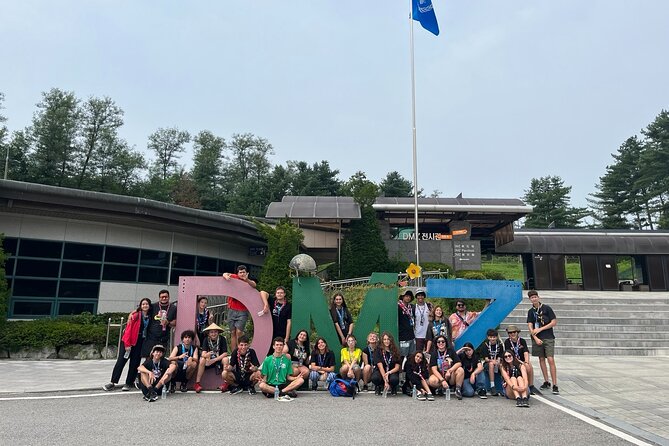
A DMZ tour is not a standard sightseeing day. You are not simply moving from one attraction to another for photographs. The route takes you to places shaped by the Korean War and the division that followed it.
This experience begins at City Hall station, a practical central meeting point. From there, the drive to Paju takes about 90 minutes by car. That transfer is a large part of the day, but it gives you time to leave Seoul’s dense center and reach the border area in Gyeonggi-do.
I like that the tour treats the DMZ as both a historic subject and a real place. You see memorial spaces at Imjingak, enter a tunnel tied to military planning, and look across the border from Dora Observatory. Each stop gives you a different angle.
The subject can be heavy. You will encounter war, separation, and the continued tension between North and South Korea. If you want only light sightseeing, this is probably not your best use of a day. If you want context for modern Korea, it earns its long schedule.
Other trips up to the border from Seoul:
- Best DMZ Tour Korea from Seoul (Red Suspension Bridge Optional)
★ 5.0 · 41,422 reviews - DMZ Tour: 3rd Tunnel, Option(Suspension Bridge, Boat) from Seoul
★ 5.0 · 21,373 reviews - DMZ tour south Korea from Seoul (NK experience hall, defector)
★ 5.0 · 20,599 reviews
Imjingak Pyeonghoa-Nuri Park sets the tone
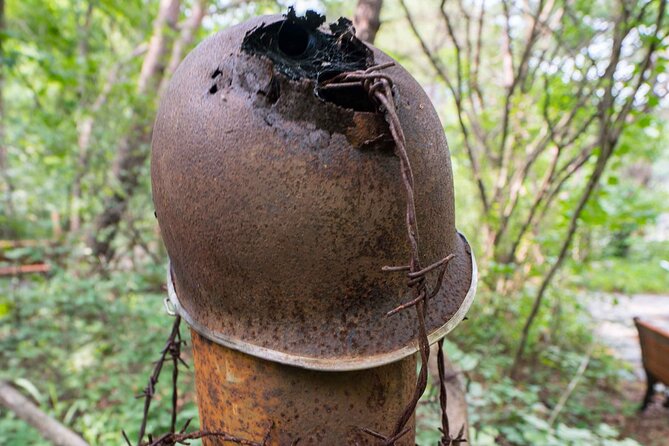
Imjingak is the opening stop and the starting point for the DMZ visit. The park was built in 1972 to comfort people separated from family members on the other side of the border. That purpose gives the site a personal meaning that military displays alone cannot provide.
The Korean name includes the idea of peace, and the park is designed as a place of remembrance as well as a visitor stop. You can expect memorials and symbols connected with families who have been unable to reunite.
The planned visit here lasts about four hours and includes admission. That is a substantial portion of the day, so this is not a quick photo stop. Your guide can help explain what you are seeing and connect the site to the larger story of the peninsula.
I value this part of the route because it starts with people rather than equipment. The DMZ is often presented through maps, uniforms, and security procedures. Imjingak reminds you that the division is also a family issue that has lasted for decades.
The drawback is that the park may feel solemn and formal. Do not expect a lively entertainment stop or a long stretch of free time. Its value comes from quiet reflection and explanation.
Walking into the 3rd Infiltration Tunnel
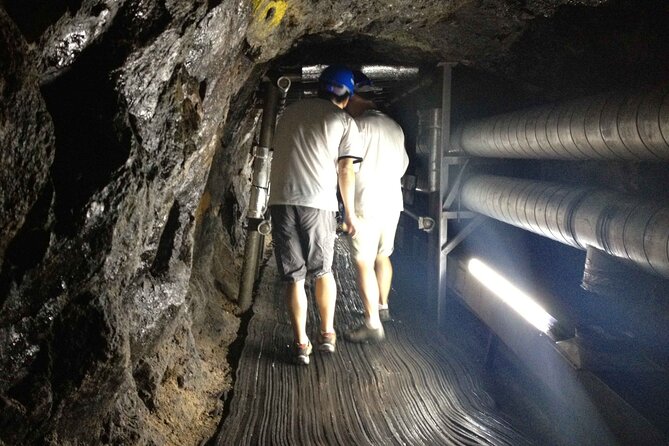
The tour then continues to the 3rd Infiltration Tunnel, a passage South Korean authorities identified as apparently designed for a surprise attack on Seoul from North Korea. You enter only the permitted section, not the entire tunnel.
This is the most physical part of the day. The tunnel changes the subject from something you hear about to something you experience with your own feet. You are underground, moving through a narrow route connected to military planning.
The scheduled visit lasts about two and a half hours, including admission. That time allows for the tunnel and the surrounding DMZ stop, though the precise order of explanations and movement can depend on the day’s operations.
I like the scale of the tunnel as a teaching tool. A map can show distance, but walking below ground makes the idea of infiltration much easier to grasp. It also gives you a better sense of why the border remains tightly controlled.
Be ready for a more demanding stop than a museum visit. The information provided does not specify the tunnel’s walking conditions, so you should expect an active site rather than a smooth indoor attraction. Follow your guide’s instructions and stay within the permitted area.
This stop also shows why a guided visit matters. The tunnel’s significance is not obvious from its walls alone. Your English or Spanish-speaking guide can explain what it was for, how it fits into the border story, and why access is limited.
Dora Observatory looks across the 38th parallel
Dora Observatory sits on Mount Dora on the South Korean side of the 38th parallel. From here, you look across the Demilitarized Zone toward North Korea.
The appeal is direct and visual. After hearing about separation, military planning, and the border, you get a broad view of the area itself. Weather and visibility will affect what you can see, so keep your expectations sensible. The observatory gives you the viewpoint, but it cannot guarantee a clear day.
The planned time here is about two and a half hours, with admission included. That should give you time to look, listen to the guide, and consider the unusual setting. This is not a city lookout with cafés and a long menu of activities. Its importance comes from where you are standing.
I like the contrast between the tunnel and the observatory. Below ground, you see secrecy and attack planning. From the mountain, you see the distance between two countries that remain close in geography but far apart politically.
The observatory may be less satisfying if you want constant action. You might spend much of the time looking at a distant view and listening to explanation. For me, that slower pace is useful after the tunnel, but it will not suit every schedule.
A few more things to do in Seoul worth a look
- Mt. Seorak+Nami Island+Garden of Morning Calm Day Trip from Seoul
★ 5.0 · 959 reviews - Seoul: Gangwon-do Day Trip with Alpaca World & Nami Island
★ 4.7 · 581 reviews - Day Trip to Nami Island with Rail bike and The Garden of Morning Calm
★ 4.5 · 459 reviews - Day Trip to Nami Island with The Garden of Morning Calm
★ 4.5 · 215 reviews
The Bunker Museum adds a more personal wartime view
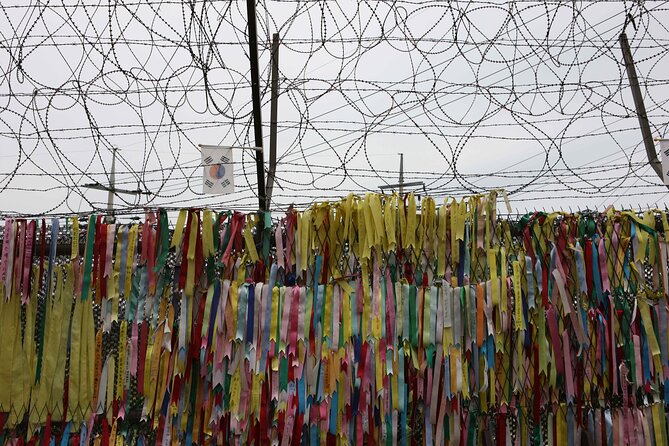
A notable part of this experience is the Bunker Museum. The tour describes it as a place where you can uncover lesser-known historical facts and see poignant scenes connected with war.
That makes it different from a basic DMZ loop focused only on observation platforms and tunnels. A museum setting can add detail that is difficult to absorb outdoors. It gives the guide room to explain events and helps connect the military sites with the human experience of conflict.
The available information does not specify the museum’s exact exhibits, so I would not book this expecting a named collection or a particular artifact. What you can count on is a war-focused stop intended to deepen the day’s historical side.
I like having this kind of indoor component in a nine-hour trip. It breaks up the driving and outdoor viewing. It also gives you a quieter place to think about the people affected by the events you are studying.
English or Spanish guidance changes the value of the day
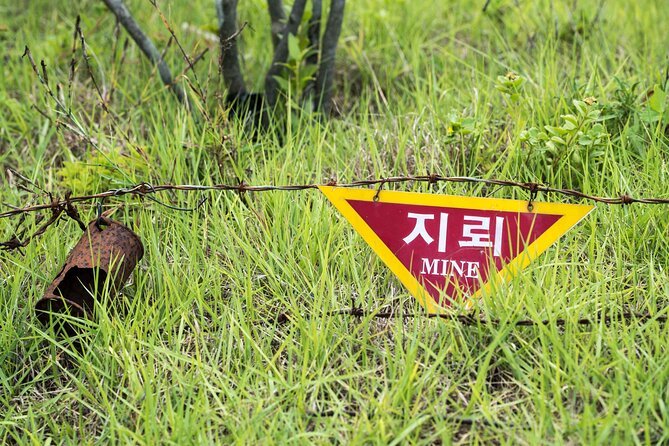
The tour is led by certified guides fluent in English or Spanish. That is a central feature, not a minor extra.
At the DMZ, the setting alone does not explain enough. You need context for Imjingak’s memorial purpose, the claimed purpose of the 3rd Tunnel, the 38th parallel, and the view from Dora Observatory. A guide who can explain those subjects in a language you understand can turn a series of stops into a connected story.
No individual guide names are provided, so I cannot recommend a particular guide. You should select the language that lets you ask questions comfortably. The tour is best when you can follow the explanation rather than simply take pictures and move on.
The group format also affects the experience. Group discounts are available, but the group size is not stated. That means you should expect a shared schedule rather than a fully private day. The benefit is likely a lower cost per person than a private vehicle, though the fixed pace may feel less flexible.
Is $250 a fair price?
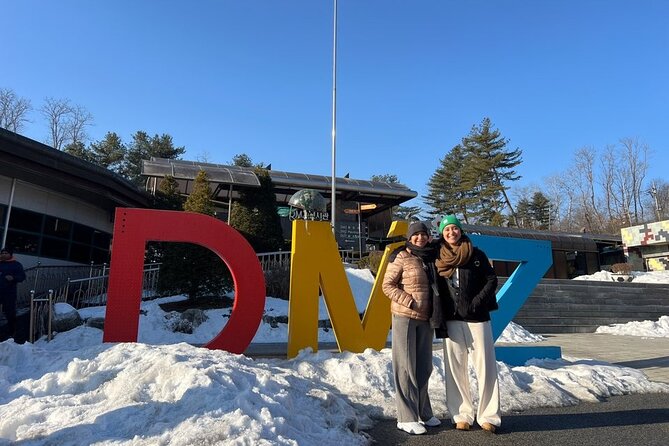
At $250 per person, this is not a budget outing. The price includes an air-conditioned vehicle and entrance fees, but not lunch or dinner.
The value depends on what you want from the day. You are paying for a long transfer from Seoul, a structured visit to several controlled sites, admission, and a certified English or Spanish-speaking guide. You are also buying simplicity. Instead of working out transport to Paju and coordinating separate entries, you meet at City Hall station and follow one organized route.
I would find the price easier to justify if the DMZ is a main reason for your time in Korea. The tour combines Imjingak, the 3rd Tunnel, Dora Observatory, and the Bunker Museum in one day. Reaching those places independently would require planning and may be difficult because of access controls.
The price is harder to defend if you are only mildly curious about the border or have a tight Seoul itinerary. Nine hours is a major commitment, and meals are extra. Bring money or food for the day, since lunch and dinner are not included.
Group discounts may help if you are booking with others. Since the discount amount is not provided, check the final price before deciding. The mobile ticket is convenient, especially for keeping your booking details together during a busy morning.
Timing, transport, and what to prepare for
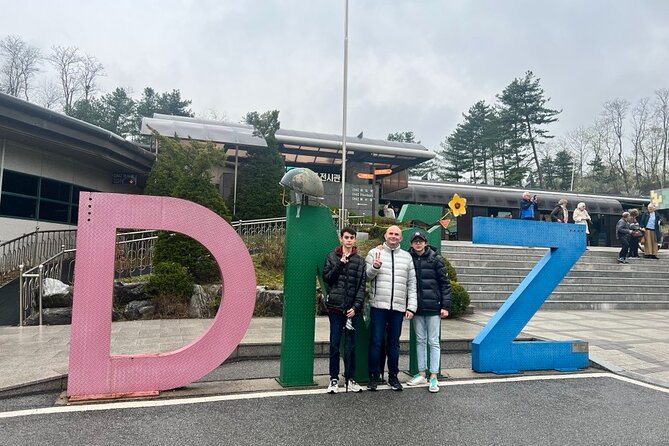
The tour lasts about nine hours. The drive from City Hall station to Paju takes about 90 minutes by car, so the day includes a meaningful amount of road time.
I see that travel time as part of the trade-off. The DMZ is not just outside a central Seoul subway station, and the vehicle saves you from arranging the route yourself. An air-conditioned vehicle is especially useful when the day includes outdoor areas, walking, and several hours away from the city.
The schedule is full. Imjingak receives about four hours, the 3rd Tunnel section about two and a half hours, and Dora Observatory about two and a half hours. Those stated times make a complete day before adding the transfer and any movement between sites, so you should not plan another major attraction for the evening.
Pack a practical lunch or budget for buying one, since food is not included. Wear comfortable clothing suitable for walking and an underground visit. The tour details do not state the exact tunnel conditions, so sensible footwear is the safest choice.
Because the DMZ is a controlled area, listen closely to the guide and follow site rules. The information provided does not promise free wandering or flexible timing. Treat the schedule as fixed enough that you should arrive at the City Hall meeting point on time.
Who should book this experience?
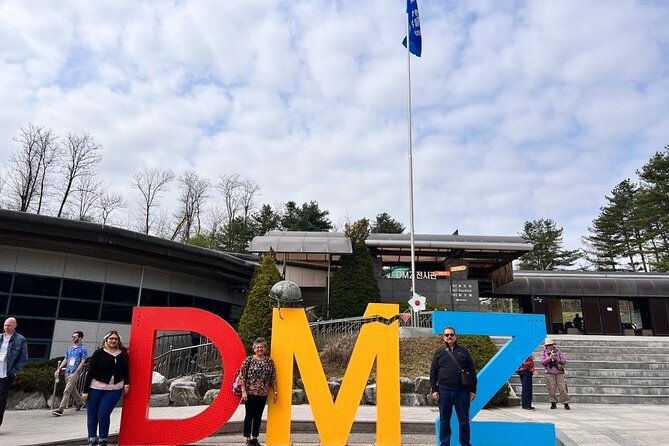
I would recommend this tour to you if you want a serious look at the Korean border and prefer a guided day from Seoul. It suits first-time visitors who want the main DMZ sights explained in English or Spanish without arranging each part alone.
It is also a good match if you learn best through a mix of places: memorials at Imjingak, an underground tunnel, a wartime museum, and a wide view from Dora Observatory. That variety keeps the subject from becoming one long lecture.
Families and groups may appreciate the vehicle and group discount option, but the nine-hour duration should be considered carefully. The day is not built around amusement or relaxed café stops.
I would hesitate to recommend it to you if your priority is low cost, free time, or a short outing. The $250 price is substantial, lunch is not included, and the schedule takes most of a day.
Should you book the DMZ One Day Tour?
Book this tour if you want the DMZ to be one of the major experiences of your Seoul visit. The route covers the most meaningful elements provided here: a memorial park, the 3rd Infiltration Tunnel, a Bunker Museum, and Dora Observatory.
I especially like the balance between personal history and military history. Imjingak shows the human cost of separation, while the tunnel and observatory show the security reality. The English or Spanish guide is important because the sites need explanation to make sense.
Skip it if you want a cheap, easy half-day or if you dislike fixed group schedules. For everyone else, the cost is best understood as payment for access, transport, interpretation, and a full day focused on one of Korea’s defining issues.
FAQ
Where does the tour begin?
You meet your tour guide at City Hall station in Seoul.
How long does the tour last?
The tour lasts approximately nine hours.
How long is the drive from Seoul to Paju?
The transfer from City Hall station to Paju takes about 90 minutes by car.
Is transportation included?
Yes. The tour includes an air-conditioned vehicle.
Is the tour offered in English?
Yes. Certified guides fluent in English lead the tour.
Is the tour offered in Spanish?
Yes. Certified guides fluent in Spanish are available.
What is the first stop?
The first stop is Imjingak Pyeonghoa-Nuri Park, which was built in 1972 to comfort people separated from family members on the other side of the border.
Can you enter the 3rd Infiltration Tunnel?
You can enter the tunnel up to the limited area permitted for the tour.
What can you see at Dora Observatory?
Dora Observatory provides views across the Demilitarized Zone toward North Korea from the South Korean side of the 38th parallel.
Are meals included?
No. Lunch and dinner are not included.
Are entrance fees included?
Yes. Entrance fees are included in the tour price.
Is a mobile ticket available?
Yes. The tour offers a mobile ticket.
Are group discounts available?
Yes. Group discounts are offered, though the discount amount is not specified.
Just added in Seoul
- Your Personal Seoul Photographer!★ 4.1 · 15 reviews
- You’re Invited to Our Home in Seoul: The Only Cooking Class!★ 5.0 · 8 reviews
- From Seoul: Yongpyong Ski Day Tour with Transportation★ 4.9 · 40 reviews
- Seoul: Korean & English Language Exchange Global Party★ 5.0 · 28 reviews
- From Seoul: Hwacheon Ice Fishing and Lighting Festival Tour★ 4.5 · 4 reviews
- Unique Native Experience : Han River Picnic, Board game, BBQ★ 5.0 · 3 reviews
- Seoul: Gangneung BTS K-Pop & K-Drama Filming Locations Tour★ 4.6 · 14 reviews
- K-Pop Making Class with a Producer!★ 5.0 · 3 reviews
DMZ & JSA Tours, compared.
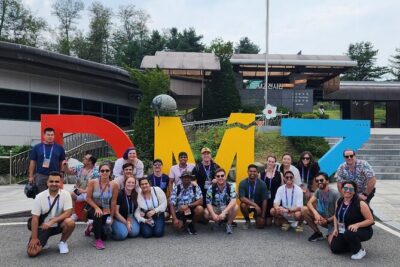
Best DMZ Tour Korea from Seoul (Red Suspension Bridge Optional)
Read our review →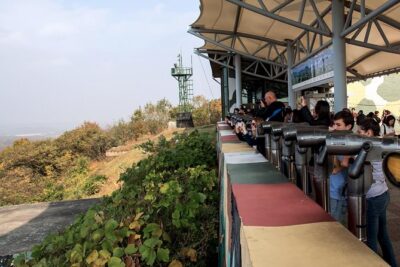
DMZ Tour: 3rd Tunnel, Option(Suspension Bridge, Boat) from Seoul
Read our review →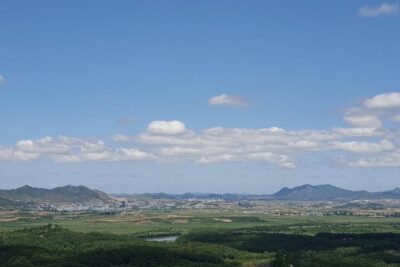
DMZ tour south Korea from Seoul (NK experience hall, defector)
Read our review →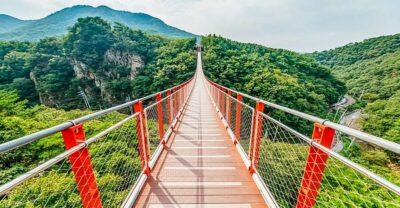
DMZ Insider Tour: 3rd Tunnel, NK Defector Meet & Red Bridge
Read our review →
Signature DMZ Tour: Exclusive Defector Talk & Suspension Bridge
Read our review →
Thrilling Korean DMZ 3rd Tunnel Tour from Seoul + Red Bridge Rush
Read our review →
DMZ Past and Present: Korean Demilitarized Zone Tour from Seoul
Read our review →Browse the lists this tour appears in