
Reviewed · DMZ & JSA TOURS
From Seoul: DMZ Tour and North Korea Experience Hall
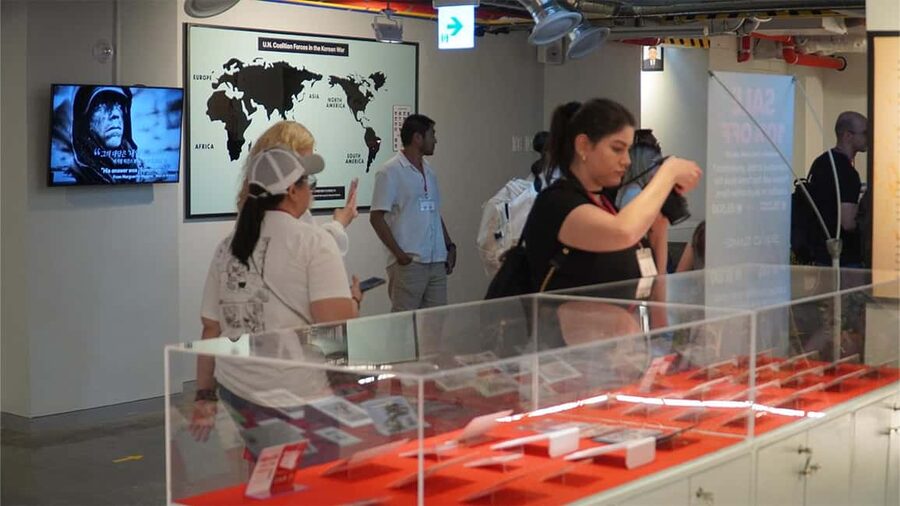
The most unusual part of this day is not the DMZ itself, but the chance to pair border sites with a North Korea Experience Hall. Replicas of a North Korean home and classroom, household objects, documentaries, and a live Q&A with a North Korean defector give you a look at daily life that a distant observatory cannot provide.
I like the strong historical guidance, especially if you are new to the Korean War and the division of the peninsula. I also like the practical setup: transport, an English-speaking guide, several central Seoul pickup points, and a compact price of $40 per person.
The main consideration is the schedule. The route can change with security and local conditions, and the supplied plan lists more stops than most people would expect in an 8 to 9-hour day. Confirm the exact route, and bring your passport, patience, and a good weather forecast.
Key points to know before booking
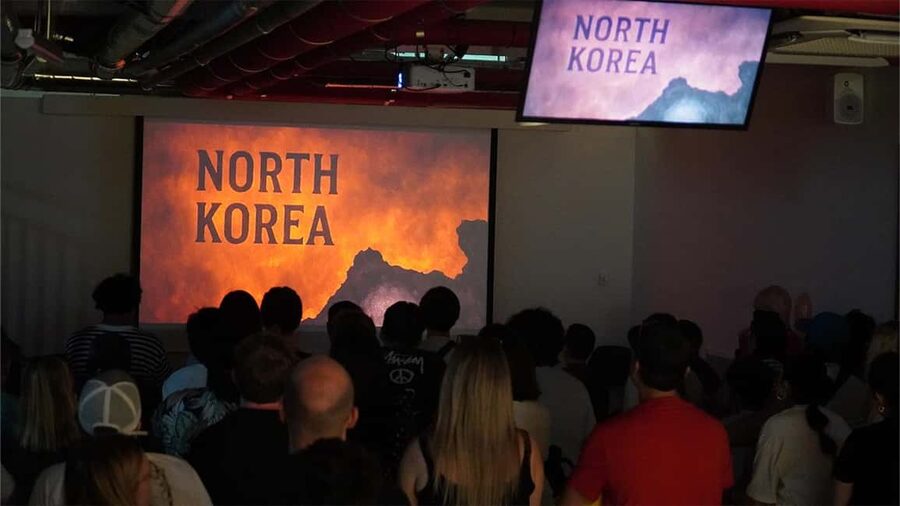
- The North Korea Experience Hall adds daily-life detail with home and classroom replicas, documentary films, household objects, and a live defector session.
- The Third Tunnel and Dora Observatory bring the border story into focus, but visibility toward North Korea depends heavily on weather.
- Guides are a major strength, with Han, Sophia, Katie, KC, Yoon, Mimi, and others praised for clear explanations and careful organization.
- Three central pickup points keep the morning simple: Myeongdong Station Exit 10, City Hall Station, and Hongik University Station Exit 3.
- The $40 price includes transport, guiding, the exhibition hall, and DMZ and historic landmarks, but not food or drinks.
- This is a walking-heavy day, and the DMZ requires a valid passport, so it is not suitable for wheelchair users or people with serious mobility, heart, back, or pregnancy concerns.
Why the Experience Hall changes the DMZ visit
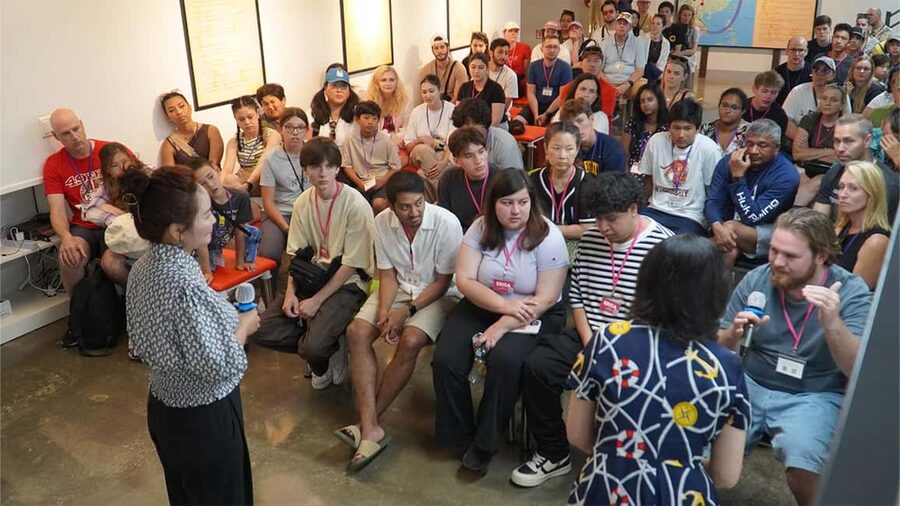
A DMZ tour can leave you with impressive views but only a partial answer to a basic question: what is life like on the other side? The North Korea Experience Hall tries to fill that gap.
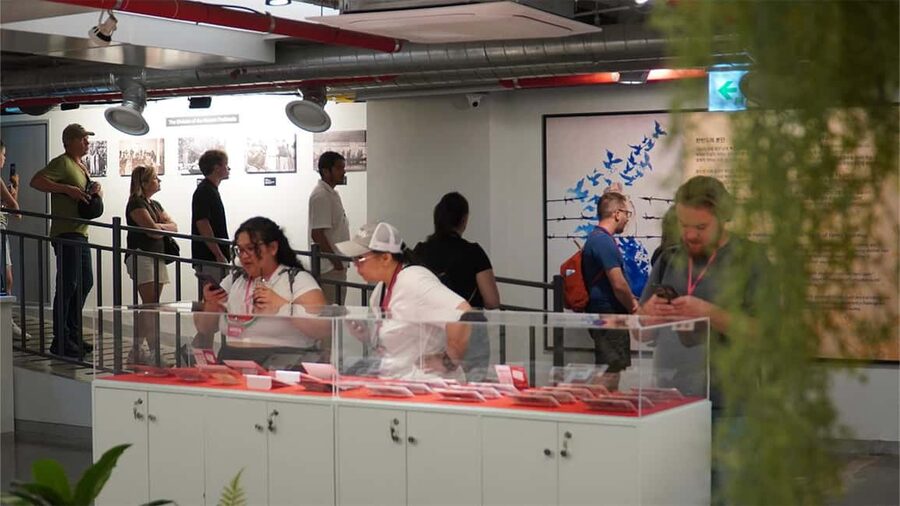
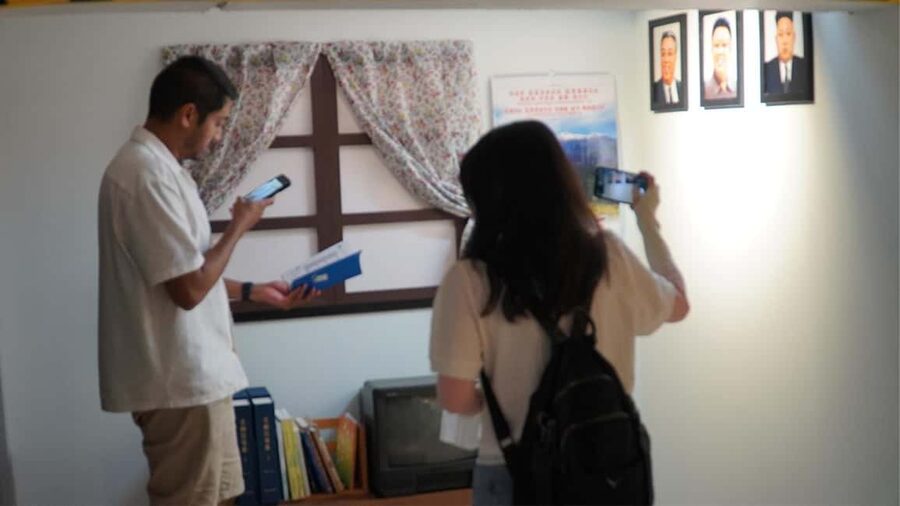
You begin with visual displays rather than military hardware alone. Photo areas recreate parts of a North Korean home and classroom, while everyday household items help turn an abstract political story into something personal. You may find this section more useful than another round of maps and dates because it asks you to think about ordinary routines, not only armies and borders.
Documentaries add another layer. The point is not simply to watch dramatic footage, but to see how the country is presented through accounts of daily life. The live Q&A with a North Korean defector is the most direct part of the program. You can ask questions and hear personal insight that a guidebook cannot supply.
A commemorative photo with the defector is also included. Some people will appreciate the keepsake, while others may find the photo opportunity less important than the conversation. Either way, treat the session with respect. This is a human story, not a stage show.
Other trips up to the border from South Korea:
- Best DMZ Tour Korea from Seoul (Red Suspension Bridge Optional)
★ 5.0 · 41,422 reviews - DMZ Tour: 3rd Tunnel, Option(Suspension Bridge, Boat) from Seoul
★ 5.0 · 21,373 reviews - DMZ tour south Korea from Seoul (NK experience hall, defector)
★ 5.0 · 20,599 reviews
Starting in Seoul and reaching the border
Pickup is available at Myeongdong Station Exit 10, City Hall Station, or Hongik University Station Exit 3. The van ride to the DMZ area takes about an hour, though traffic can stretch that timing during busy seasons.
The pickup process is not fully fixed. You are contacted with your pickup time, and hotel collection can be arranged for an additional KRW 15,000 in parts of Jongno-gu, Jung-gu, Yongsan-gu, Mapo-gu, Seodaemun-gu, and Dongdaemun-gu. If you choose a station pickup, arrive early and keep your phone available.
The group limit is 30 people per session. If the group becomes too large for one part of the route, it may be split, though the operator tries to keep everyone together. That matters because the day includes several guided stops, and it is easier to follow the history when you can hear the guide clearly.
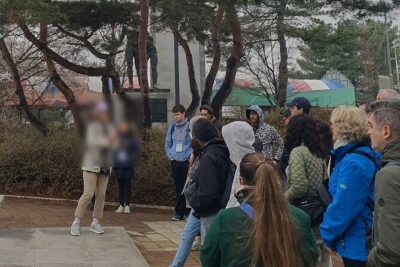
The guides are repeatedly praised for their organization and people skills. Han is noted for clear explanations of the Korean War and DMZ. Sophia is described as friendly and patient. Katie receives especially strong praise for detailed commentary, while KC is noted for being careful and attentive. Your guide may be someone else, but the pattern is useful: this tour depends heavily on the person leading it.
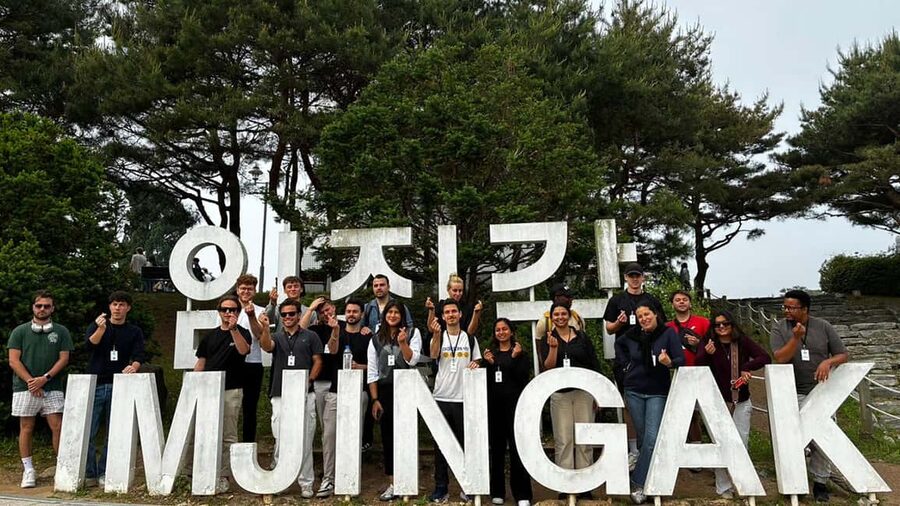
Imjingak and Mangbaedan: the emotional opening
Imjingak is usually the first major stop. It is a place of remembrance and a practical visitor center for the DMZ area, with room for photos, walking, and an introduction to the division of Korea.
Your guide sets up the political and military background here. That context is important because the DMZ is easy to experience as a collection of fences, signs, and lookout points. Imjingak gives the day an emotional frame, reminding you that the border affects families as much as governments.
Mangbaedan adds a more personal note. It is associated with people separated from relatives in North Korea, particularly those who cannot return to their hometowns or visit family graves. You do not need a long lecture to understand the sadness of the place, but the guide’s explanation helps you read what you are seeing.
Allow time for photos, but do not rush this stop. The strongest part of the DMZ visit is often the contrast between a normal day of sightseeing and the very real family separation behind the monuments.
Freedom Bridge and the Third Tunnel
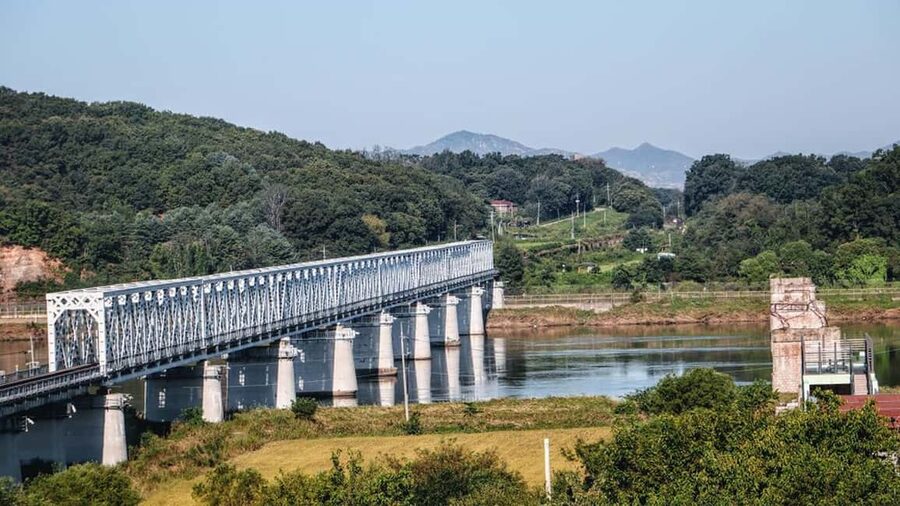
Freedom Bridge is one of the most recognizable sites on the route. It carries strong symbolism because it is linked with the return of prisoners of war and separated people after the Korean War. The bridge is not simply a scenic photo stop. It represents movement between two places that remain politically divided.
The guide commentary is especially useful here. Without it, you might take a quick picture and move on. With the background, the bridge becomes a reminder of how carefully controlled travel across the border has been.
The Third Tunnel of Aggression provides a different kind of experience. This underground route was discovered beneath the DMZ and is presented as part of North Korea’s military preparations. The stop typically involves walking, and the terrain can be demanding. The tour information specifically excludes people with mobility impairments, wheelchair users, serious back problems, and some other health concerns, so take that warning seriously.
The tunnel is one of the day’s most physical sections. Wear comfortable shoes and expect the route to require effort. If you dislike confined or strenuous spaces, the tunnel may be less enjoyable than the observatory and memorial sites.
Same base, a different kind of day out:
- DMZ Insider Tour: 3rd Tunnel, NK Defector Meet & Red Bridge
★ 4.9 · 15,214 reviews - Seoul: DMZ Tour with Optional Suspension Bridge
★ 4.8 · 5,277 reviews - Signature DMZ Tour: Exclusive Defector Talk & Suspension Bridge
★ 5.0 · 4,459 reviews - Thrilling Korean DMZ 3rd Tunnel Tour from Seoul + Red Bridge Rush
★ 5.0 · 3,097 reviews
Dora Observatory and the limits of the view
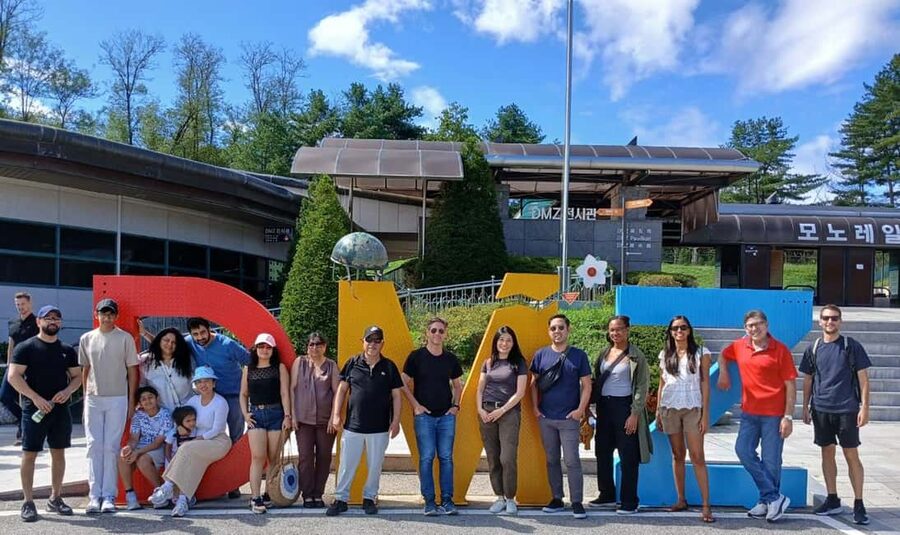
Dora Observatory is where you look toward North Korea. On a clear day, the view gives you a rare sense of physical distance between the two countries. You may be able to see across the border area, but the quality of the experience depends on weather and visibility.
Rain, haze, and cloud can reduce the view to a few vague shapes. Plan your expectations accordingly. The visit remains worthwhile for its location and political meaning, but do not book this tour solely for a guaranteed clear panorama.
This is also a good place to listen closely to your guide. The value lies in knowing what you are looking at and why the observatory exists. The explanations from guides such as Katie, Han, and KC have been praised for connecting the visible sites with the wider Korean conflict.
The tour’s timing may shift because of security rules and conditions at the DMZ. That is normal for a controlled border area, but it means you should not arrange an important evening reservation too tightly after the tour.
Additional stops listed in the wider route
The planned route also names Gamaksan Suspension Bridge, Aegibong Peace Eco Park, and Gyeongbokgung. These sites do not fit neatly into the core DMZ sequence, and the full itinerary may change according to on-site conditions.
Gamaksan Suspension Bridge is listed as a guided photo stop and visit of about an hour. If it is included on your day, it adds scenery and a change of pace after the border sites. It may not appeal as much to anyone who wants only military and political history, but it gives the long day some variety.
Aegibong Peace Eco Park is listed with about two hours of guiding. Its name points to the peace theme of the broader tour, though you should confirm whether this stop is part of your specific departure. The same applies to Gyeongbokgung, which is listed with about two hours of guiding. The palace is a major Seoul sight, but it is not part of the immediate DMZ story.
Because the advertised duration is 8 to 9 hours and the route lists several substantial stops, ask for the confirmed schedule before you go. You may receive a focused DMZ route, a longer combination route, or a modified plan based on access and time. The operator states that itinerary and pickup times can change.
Transport, food, timing, and practical comfort
The tour includes transport from Seoul and returns to Myeongdong. The ride is useful because the DMZ is outside the city and independent access involves more planning, ticketing, and restrictions.
Meals and drinks are not included. Bring water and plan for lunch during the day. The supplied information does not specify a particular meal stop, so do not assume that food will be provided or that you will have a long restaurant break.
The day lasts about 8 to 9 hours. That sounds manageable, but the combination of van rides, walking, standing, photo stops, and the Third Tunnel can make it tiring. Children under 10 are not considered suitable, and anyone under 14 must be accompanied by a guardian. The tour is also not suitable for pregnant women, people over 70, or people with heart, back, or mobility problems.
Smoking is not allowed in the vehicle or indoors, and alcohol and drugs are prohibited. Bring your valid passport. You cannot enter the DMZ without it, and a photo or copy should not be treated as a substitute.
Photography is part of the experience, including the commemorative photo with the defector. Be aware that photographs taken during the tour may be used for promotional purposes.
Is $40 good value?
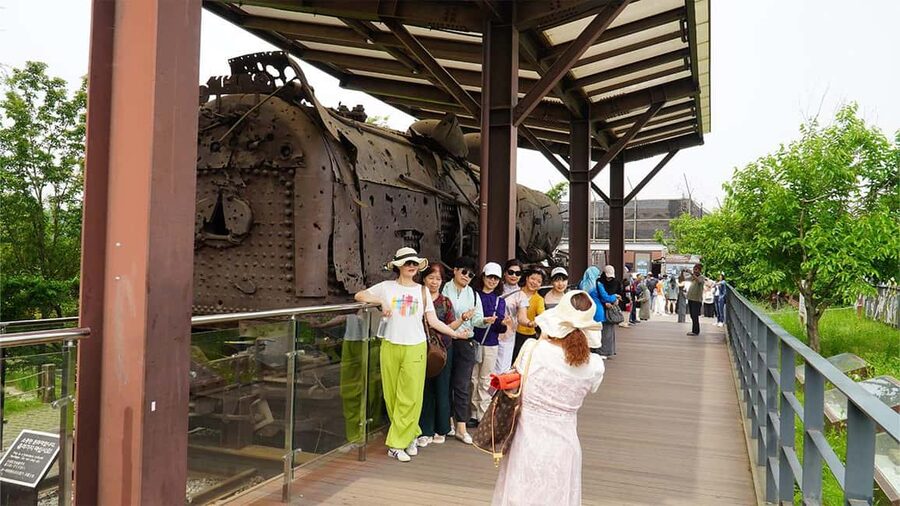
At $40 per person, the price is attractive for a full-day outing from Seoul. You are paying for transport, an English-speaking guide, entry to the North Korea Experience Hall, and access to several DMZ and historic landmarks. That removes much of the planning burden.
The strongest value comes from the combination of locations and interpretation. A basic border visit may show you the sights, while this experience also gives you documentary material, domestic-life displays, and a live personal account from a North Korean defector.
The low price also comes with limits. Lunch and drinks are extra, hotel pickup costs more in the listed Seoul districts, and the group can reach 30 people. If you want a private guide, a slow photography schedule, or complete control over the route, this is not the right product.
The tour has received a 4.7 rating from 34 bookings, with particularly strong praise for punctuality, organization, guide care, and historical explanations. Several people singled out Sophia, Katie, Han, KC, Yoon, and Mimi for making the day clearer and more enjoyable. Guide quality can vary by departure, but it is clearly central to the experience.
Who should book it?
I would choose this tour if you want the DMZ explained rather than simply photographed. It suits first-time visitors to Korea, history fans, people curious about daily life in North Korea, and anyone who prefers an organized day with transport included.
You should also book it if the North Korea Experience Hall interests you as much as the border itself. The displays and defector session make the program more than a standard lookout-point visit.
I would think twice if you need a relaxed schedule, guaranteed clear views, a fully accessible route, or a fixed list of stops. The Third Tunnel can be demanding, the weather can spoil Dora Observatory, and the route may change.
For most able-bodied visitors with a full day to spare, this is a good-value way to approach one of Korea’s most sensitive places. Bring your passport, wear practical shoes, pack lunch money and water, and confirm the final itinerary before departure.
FAQ
How long does the tour last?
The tour lasts about 8 to 9 hours, including transport between Seoul and the DMZ area.
Where can I be picked up?
Pickup locations are Myeongdong Station Exit 10, City Hall Station, and Hongik University Station Exit 3. You will receive your specific pickup time separately.
Is hotel pickup available?
Yes. Hotel pickup is available for an additional KRW 15,000 if your hotel is in Jongno-gu, Jung-gu, Yongsan-gu, Mapo-gu, Seodaemun-gu, or Dongdaemun-gu.
Is lunch included?
No. Meals and drinks, including lunch, are not included.
Do I need my passport?
Yes. A valid passport is required to enter the DMZ, so bring it with you on the tour day.
Is the tour conducted in English?
Yes. The tour includes a live English-speaking guide.
What places are included?
The core program includes the North Korea Experience Hall, Imjingak, Mangbaedan, Freedom Bridge, the Third Tunnel of Aggression, and Dora Observatory. Gamaksan Suspension Bridge, Aegibong Peace Eco Park, and Gyeongbokgung are also listed in the wider route, but the itinerary may change.
Is the tour suitable for children?
Children under 10 are not considered suitable. Participants under 14 must be accompanied by a guardian.
Can I cancel the booking?
Yes. You can cancel up to 24 hours in advance for a full refund. The reserve-now, pay-later option is also available.
Just added in South Korea
- Seoul: Winter Day Tour in Pocheon (+Strawberry Picking)★ 4.1 · 5 reviews
- Suwon: Baseball Game with Fortress and Local Food Tour★ 5.0 · 3 reviews
- Seoul: War Memorial of Korea Private Guided Museum Tour★ 4.9 · 29 reviews
- Seoul: Private Tour to Nami Island, Garden, Petite France★ 5.0 · 4 reviews
- Seoul: Wine & Korean BBQ, Perfect Pairing Dinner in Sinchon★ 5.0 · 6 reviews
- Seoul : Your Personal Photographer in Gyeongbokung★ 5.0 · 7 reviews
- Seoul : Efoil Experience in Han River★ 5.0 · 5 reviews
- Seoul: Suwon Hwaseong & Waujeongsa & Starfield Heritage Tour★ 4.8 · 27 reviews
DMZ & JSA Tours, compared.
Best DMZ Tour Korea from Seoul (Red Suspension Bridge Optional)
Read our review →
DMZ Tour: 3rd Tunnel, Option(Suspension Bridge, Boat) from Seoul
Read our review →
DMZ tour south Korea from Seoul (NK experience hall, defector)
Read our review →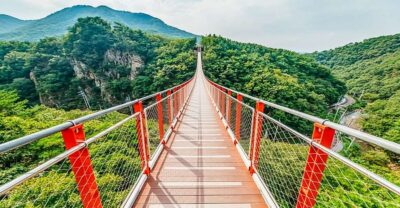
DMZ Insider Tour: 3rd Tunnel, NK Defector Meet & Red Bridge
Read our review →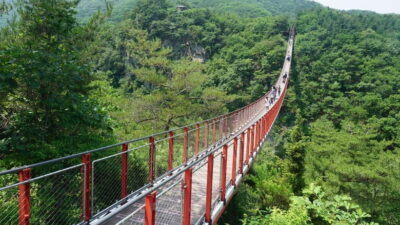
Signature DMZ Tour: Exclusive Defector Talk & Suspension Bridge
Read our review →
Thrilling Korean DMZ 3rd Tunnel Tour from Seoul + Red Bridge Rush
Read our review →
DMZ Past and Present: Korean Demilitarized Zone Tour from Seoul
Read our review →Browse the lists this tour appears in