
Reviewed · CITY TOURS
Gwangju City Tour : Where old meets new (private)
Gwangju’s story comes into focus where May 18 Democracy Square meets today’s Asia Culture Center, cafés, mountain rides, tea houses, and food shops. This private tour gives you a useful cross-section of the city: its democratic past, modern arts scene, old neighborhoods, outdoor spaces, and generous table.
I like the private transportation, which keeps a long day easy to manage, and I like the flexible ending, where you choose between a supermarket and Yangdong Market. Guide Veronica has also adjusted the day for weather and personal interests. The main drawback is that lunch is not included, and the full schedule may feel packed if you prefer slow wandering.
Key points to know before booking
- May 18 Democracy Square: Begin at the emotional and civic center of modern Gwangju, with time to connect the city’s past to its present.
- Jisan Recreation Area: Spend about two and a half hours among wooded slopes, with lift and monorail rides included.
- Lunch is your choice and your cost: The guide recommends local dishes, but you pay at the restaurant.
- Yangnim-dong History and Culture Village: See an older part of Gwangju shaped by missionaries, architecture, and art.
- Your choice of shopping stop: Buy Korean food and cosmetics at NH Hanaro Mart, or visit the traditional Yangdong Market.
- Private format: Only your group takes part, with pickup offered, private transport, and a starting time of 9:30 am.
Why Gwangju makes a strong day outside Seoul
Gwangju is South Korea’s fifth-largest city, but it does not feel like a copy of Seoul or Busan. Its identity comes from several sources: the presence of Mt. Mudeungsan, a proud food tradition, a strong arts scene, and the courage shown by local citizens during the May 18 Democratic Uprising in 1980.
That mix gives this tour its shape. You are not simply moving from one photo stop to the next. You are seeing how public memory, city planning, religion, cafés, nature, and daily shopping fit together.
The city also has a literary connection. Han Kang, who won the 2024 Nobel Prize in Literature, is from Gwangju. That detail adds another layer to the city’s cultural reputation, though this tour is not presented as a dedicated Han Kang or literary tour.
The private format matters here. Gwangju is less familiar to many international visitors than Seoul, so a guide can explain why a square matters, what to order for lunch, and which Korean snacks or teas are worth taking home. You get transport between spread-out stops rather than spending your day piecing the route together by yourself.
A few more things to do in South Korea worth a look
- Busan Private Tour with licensed tour guide + private vehicle
★ 5.0 · 1,143 reviews - Private DMZ Tour (No Shopping): 3rd Tunnel & Suspension Bridge
★ 5.0 · 607 reviews - Jeju Island English Private & Flexible Tour any number anywhere
★ 5.0 · 561 reviews
May 18 Democracy Square and the Asia Culture Center
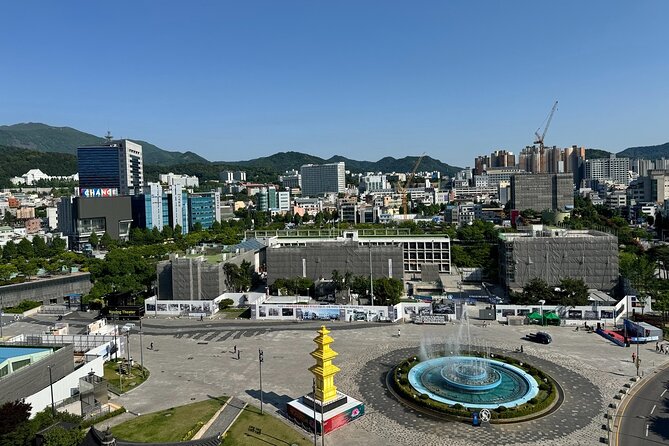
The day starts at May 18 Democracy Square, a place with both daily civic life and serious historical weight. In May 1980, citizens gathered here and made it the final stronghold of their resistance during the Democratic Uprising.
You have about 20 minutes at the square. That is enough for an introduction and a first sense of place, but not enough for a detailed study of the uprising. If May 18 is your main reason for visiting Gwangju, book the separate Gwangju May 18 Tour instead. This city tour gives context, but it is designed to balance history with art, food, nature, and shopping.
Next comes the Asia Culture Center, directly beside the square. This large cultural complex was built on the site connected to the uprising. You spend about 30 minutes here, learning how a place tied to painful history has been given a new public and cultural role.
The short visit is useful for orientation. You should not expect a long museum session or a full exhibition tour in half an hour. Instead, this stop helps you understand Gwangju as a city that keeps its past visible while also looking toward new forms of art and culture.
Dongmyeong-dong, where old houses found a new purpose
Dongmyeong-dong Cafe Street shows another side of Gwangju. The neighborhood was once considered one of the city’s most prestigious areas. As residents moved into newer apartment complexes, the old streets became quieter.
That quiet period did not last. Cafés and small businesses helped bring new life to the area, giving you a place where older buildings and current city habits meet. The stop lasts about 20 minutes, so think of it as a quick walk and introduction rather than a long café crawl.
Coffee is part of the day, and café time is included in the tour’s listed inclusions. If you enjoy seeing how a city repurposes older neighborhoods, this is a good stop. If you want extended time to sit with a drink, browse every side street, and take photos at your own pace, the schedule may feel short.
Jisan Recreation Area and the included mountain rides
Jisan Recreation Area receives the longest visit, about two and a half hours. The former Jisan Amusement Park opened in 1978 as a place for families to spend time outdoors. Its older lift carries you through the forest, and the tour includes the lift and monorail rides.
This is the day’s main nature break. The ride gives you a different view of Gwangju after the urban stops, and the slower pace provides room to see how the city relates to Mt. Mudeungsan and its surrounding hills.
You should keep the weather in mind. The tour requires good weather, and poor conditions can lead to a different date or a full refund. Since the lift and monorail are central to this portion, ask about conditions if the forecast looks uncertain.
Jisan is also where the private format can help. Your guide can adjust the pace around your group, though the overall day still has several stops ahead. People who prefer a full schedule will appreciate the range. People who want a long, unhurried walk in nature may find two and a half hours more structured than free time.
Same base, a different kind of day out:
- Best DMZ Tour Korea from Seoul (Red Suspension Bridge Optional)
★ 5.0 · 41,422 reviews - DMZ Tour: 3rd Tunnel, Option(Suspension Bridge, Boat) from Seoul
★ 5.0 · 21,373 reviews - DMZ tour south Korea from Seoul (NK experience hall, defector)
★ 5.0 · 20,599 reviews - DMZ Insider Tour: 3rd Tunnel, NK Defector Meet & Red Bridge
★ 4.9 · 15,214 reviews
Lunch in Korea’s food city
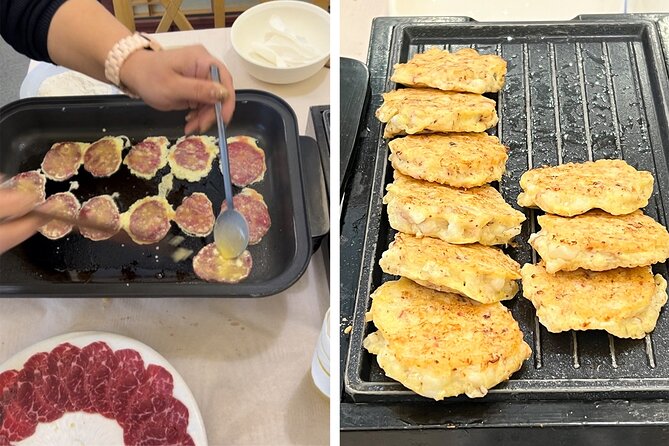
Gwangju is known for generous portions and local cooking, and lunch is treated as part of the cultural experience rather than a quick fuel stop. The guide selects popular dishes enjoyed by local residents, then helps you choose what suits you.
You pay for lunch separately at the restaurant. That makes the final price less predictable, but it also leaves room for choice. You are not locked into a prepaid set meal, and Veronica’s recommendations can help if Korean menus feel difficult to read.
Budget for lunch beyond the $135 tour price. The supplied details do not state a fixed restaurant, menu, or meal cost, so you should not book this expecting one exact dish or price. The useful point is the guidance: you get help choosing local specialties instead of guessing from a menu on your own.
The lunch stop lasts about 1 hour and 10 minutes. That gives you enough time for a proper meal, though the day’s length means the stop is part of a moving schedule, not a long food tour.
Chasaengwon tea house and Korea’s tea story
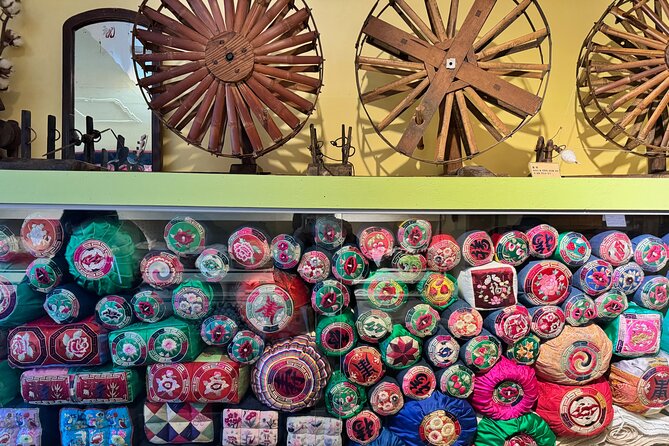
After lunch, the tour visits Chasaengwon tea house for about 1 hour and 10 minutes. The tea connection here is tied to Hankook Tea Co., founded in 1951 as Korea’s first commercial tea company. The company was also the first in Korea to produce matcha, or powdered tea, and yellow tea.
This stop gives the day a calmer turn. You can learn about Korean tea production and spend time with a drink in a setting built around tea rather than rushing through a shop. Coffee or tea is included in the tour.
The tea house is especially useful for shoppers who want more context before buying Korean tea later. You can compare the experience of tasting tea with the packaged products available at the final shopping stop. The tour does not state that a full tea ceremony or a formal tasting menu is included, so keep your expectations to a tea house visit and cultural introduction.
Yangnim-dong’s mission history and creative side
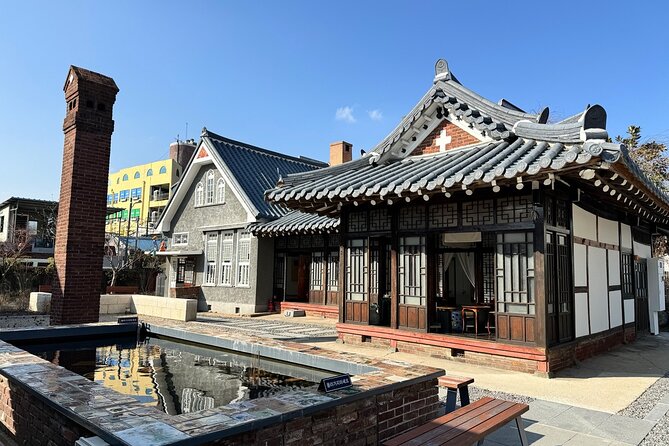
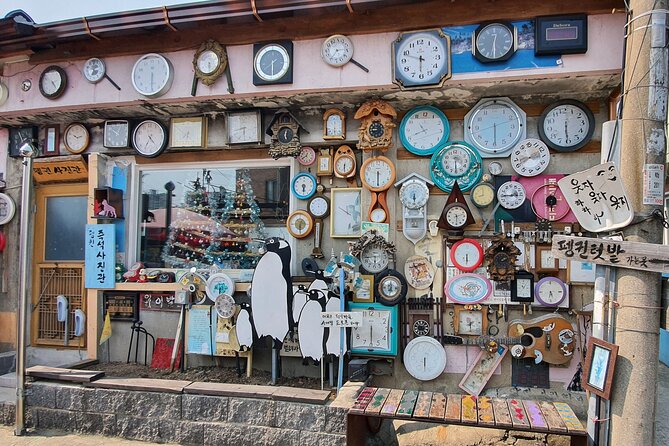
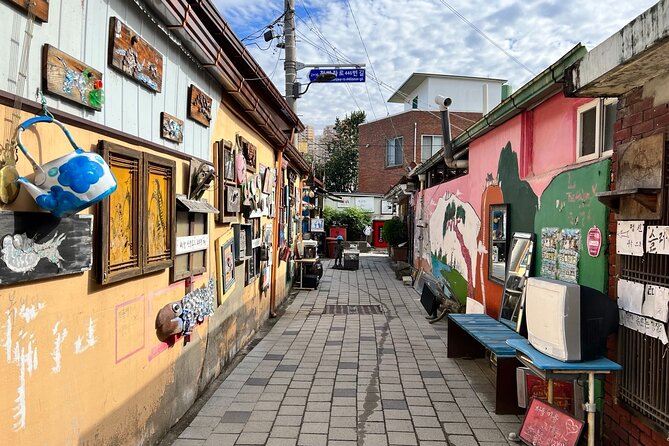
Yangnim-dong History and Culture Village brings together architecture, religion, art, and neighborhood life. In the early twentieth century, missionaries from the Southern Presbyterian Church in the United States settled here to spread Christianity.
You have about one hour in the district. That is enough time for a meaningful walk and explanation of the area’s background. The value of this stop is its contrast with the democratic square and modern Asia Culture Center. Gwangju’s story is not only about recent political events. It also includes older religious communities and buildings that helped shape the city.
The name history and culture village can suggest a large formal attraction, but this is a neighborhood visit. Expect streets, buildings, and local character rather than one single enclosed museum. Wear comfortable shoes for walking, since the experience includes moving through an actual district.
This is one of the stronger stops for visitors who want an understanding of how outside influences became part of Korean city life. It also gives the guide a chance to explain details that may be easy to miss if you explore alone.
Choosing between Hanaro Mart and Yangdong Market
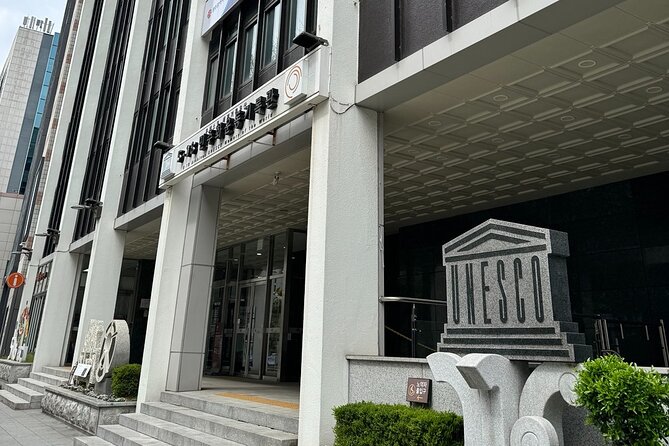
The final shopping portion is practical and enjoyable, but you choose one of two options.
At NH Nonghyup Hanaro Mart, you can shop for Korean cooking ingredients, snacks, coffee, tea, and cosmetics. This is a large local food supermarket, not just a souvenir shop. Your guide helps you identify products and choose items that make sense to take home.
That assistance is a real benefit. Korean supermarkets can be crowded with unfamiliar packaging, and it is easy to buy something attractive without knowing what it is. With a guide, you can ask about ingredients, uses, and local favorites. The stop lasts about one hour.
The other choice is Yangdong Market, the largest traditional market in Gwangju and Jeollanam-do. It is the better pick if you want the feel of a working market, with local shopping and a less packaged experience.
You cannot fully do both within the planned hour. Choose Hanaro Mart if you want efficient gift buying, food products, tea, coffee, or cosmetics. Choose Yangdong Market if you would rather see where local residents shop and enjoy a traditional market setting.
What the $135 price buys you
At $135 per person, this is not a budget walking tour. It is a full private day with transportation, a guide, all listed fees and taxes, coffee or tea, and the lift and monorail rides.
The value depends on your group size and priorities. A private vehicle, pickup, and guide remove much of the work involved in visiting Gwangju’s separate districts and outdoor areas. You also get local help at lunch and while shopping, two moments when independent visitors may spend time guessing.
The price does not include lunch or personal travel insurance. You should also remember that the day lasts about 8 to 9 hours, beginning at 9:30 am. Group discounts may be available, so the per-person value can improve if you are booking for several people.
For a solo visitor, the cost is harder to justify unless convenience and personal guidance matter most. For a couple, family, or small group, the private setup offers more control than a large coach tour. The high average booking lead time, about 71 days, suggests you should not leave it until the last minute if your Gwangju dates are fixed.
Who will get the most from this day
I would choose this tour if you want one organized day that introduces several sides of Gwangju. It suits first-time visitors, students studying in Korea, families, and anyone adding Gwangju to a wider South Korea trip without knowing where to begin.
It is also a good fit if you want history without spending the whole day on a single historical subject. You see the May 18 sites, but you also get art, cafés, nature, food, tea, architecture, and shopping.
You may want a different plan if your top goal is a detailed examination of the May 18 Democratic Uprising. The separate May 18 tour is the better match for that purpose. You may also prefer independent travel if you want to spend half a day in one neighborhood rather than follow a full schedule.
Most travelers can participate, service animals are allowed, and the tour is near public transportation. Pickup is offered, but the supplied details do not specify the exact pickup area, so confirm that point before booking.
Should you book the Gwangju City Tour?
Book it if you want a private introduction to Gwangju with a strong mix of civic history, art, mountain scenery, food, tea, and everyday shopping. Veronica’s ability to adjust the day for weather and interests is useful, especially for families and small groups.
Skip it if you want a specialist history tour, a fixed-price food tour, or hours of unplanned wandering. For most visitors with one full day in Gwangju, though, the route makes good use of your time and gives you several clear reasons to remember the city.
FAQ
Where does the tour take place?
The tour takes place in Gwangju, South Korea.
What time does the tour start?
The stated start time is 9:30 am.
How long does the tour last?
The tour lasts approximately 8 to 9 hours.
Is this a private tour?
Yes. Only your group participates in the activity.
Is pickup available?
Pickup is offered, though the exact pickup details should be confirmed when booking.
Is transportation included?
Yes. Private transportation is included.
Is lunch included?
No. Lunch is not included. You choose from recommended local dishes and pay at the restaurant.
Are the lift and monorail rides included?
Yes. Lift and monorail rides at Jisan Recreation Area are included.
Can I visit Yangdong Market instead of the supermarket?
Yes. You can choose Yangdong Market instead of NH Nonghyup Hanaro Mart.
What happens if bad weather cancels the tour?
Because the experience requires good weather, you will be offered a different date or a full refund if it is canceled for that reason.
Just added in South Korea
- Your Personal Seoul Photographer!★ 4.1 · 15 reviews
- You’re Invited to Our Home in Seoul: The Only Cooking Class!★ 5.0 · 8 reviews
- From Seoul: Yongpyong Ski Day Tour with Transportation★ 4.9 · 40 reviews
- Seoul: Korean & English Language Exchange Global Party★ 5.0 · 28 reviews
- Jeju UNESCO Natural Heritage Private Tour by Certified Guide★ 5.0 · 5 reviews
- Yeosu: Private Taxi Car Private Charter Tour★ 4.7 · 3 reviews
- From Seoul: Hwacheon Ice Fishing and Lighting Festival Tour★ 4.5 · 4 reviews
- EVERLAND “From Hotel to Hotel” [Premium Private Tour: Only One Group for You]★ 4.0 · 7 reviews
City Tours, compared.
Best Seoul City Tour (Gyeongbokgung Palace,Insadong,Namsan Tower)
Read our review →
Small-Group Royal Palace and Seoul City Tour (hotel pick-up)
Read our review →
Seoul City Sightseeing Tour Including Gyeongbokgung Palace, N Seoul Tower, and Namsangol Hanok Village
Read our review →
Dark Side of the City and Ghost Stories Walking Tour
Read our review →
Seoul City Private Full-Day Tour Including Lunch
Read our review →
Seoul City Half Day Tour-Gyeongbok Palace Guard Changing Ceremony
Read our review →
Guided City Wall Sunset Hike with Korean Dinner
Read our review →Browse the lists this tour appears in