
Reviewed · PALACE & GYEONGBOKGUNG TOURS
Half day Morning Seoul City Tour(Temple & Gyeongbok Palace)
Seoul’s past comes into sharp focus at Gyeongbokgung Palace, especially when you arrive in time for the royal guard changing ceremony. This four-hour tour also adds Jogyesa Temple, the National Folk Museum, Gwanghwamun Square, and a pass by the Blue House, giving you a useful first look at the city’s royal, religious, and political landmarks.
I like the hotel pickup and included admission, which remove much of the morning’s planning. I also like the guides’ personal touch. Cathy has helped groups beat the worst palace crowds, while Molly, Rose, KC, JJ, June, Lee, and Moon have been praised for clear explanations, good local tips, and making children feel involved.
The trade-off is time. You cover a lot, but four hours leaves little room to linger, and the ginseng museum can feel like an extra shopping stop rather than a cultural highlight. If you prefer slow museum visits, book a full-day option or return to the palace on your own.
Key points to know before booking
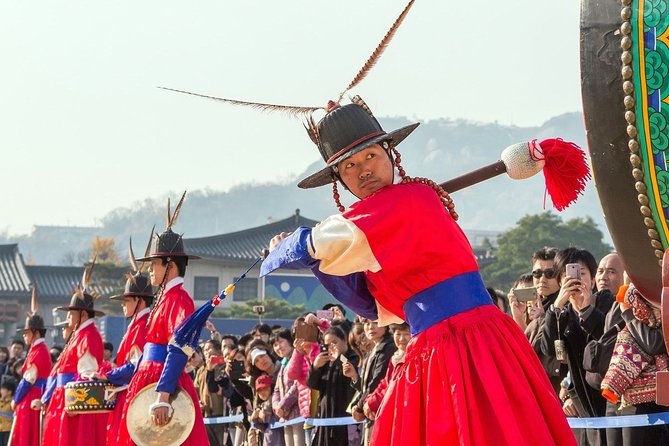
- Royal ceremony first: The itinerary is designed around Gyeongbokgung Palace and its guard changing ceremony, though rain can cancel the ceremony.
- Five useful stops: You visit Jogyesa Temple, Gyeongbokgung, the National Folk Museum, the Blue House area, and a Korean ginseng museum.
- Easy morning logistics: Hotel pickup, transport, a professional English-speaking guide, and admission fees are included.
- A brisk introduction: The tour is best for seeing major cultural sites quickly, not for detailed exploration of every room and exhibit.
- Insadong finish: You end in one of Seoul’s best areas for traditional crafts, cafes, food, and further walking.
- Tuesday and security limits: Gyeongbokgung is replaced when closed on Tuesdays, and access near the Blue House can be restricted.
Why this four-hour Seoul tour works well
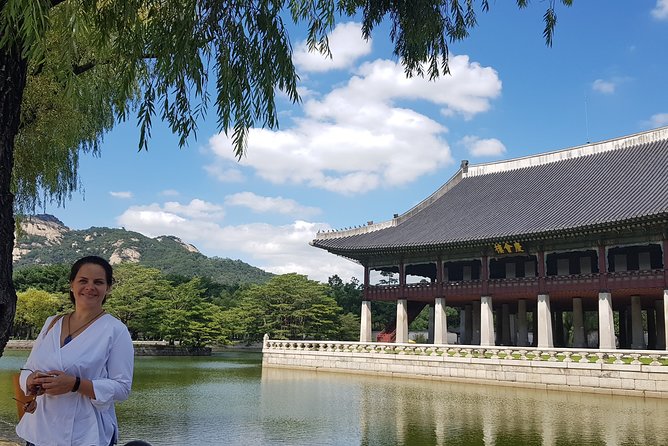
Seoul can feel enormous on a first visit. Subway lines cross the city, major sights sit several stops apart, and the modern center can distract you from the Joseon-era buildings tucked among office towers and shopping streets. This tour gives you a clear morning route through central Seoul without asking you to figure out every transfer.
The main appeal is not simply the number of stops. It is the connection between them. Jogyesa introduces living Korean Buddhism. Gyeongbokgung shows the former royal court. The National Folk Museum shifts the focus from kings to ordinary family life, customs, tools, and celebrations. The Blue House area brings the story into modern government.
At $32 per person, the tour offers good value if you want transport, a guide, and entrance fees handled together. You are paying for convenience as much as sightseeing. The price is less compelling if you already know Seoul’s history, are comfortable using public transport, and want to spend half a day at only one or two sites.
The group can reach 44 people, so do not assume this is a private or intimate tour. The actual feel may depend on the day and the guide. The strongest part of the experience is likely to be the person leading it. Guides named in the feedback include Cathy, Molly, Rose, KC, JJ, June, Lee, and Moon, with repeated praise for their history explanations, patience, enthusiasm, and practical help.
More palace and old-quarter walks in Seoul:
- Seoul: Gyeongbok Palace, Bukchon Village, and Gwangjang Tour
★ 4.9 · 2,321 reviews - Best Seoul City Tour (Gyeongbokgung Palace,Insadong,Namsan Tower)
★ 5.0 · 1,647 reviews - Small-Group Royal Palace and Seoul City Tour (hotel pick-up)
★ 5.0 · 1,474 reviews
Starting at Jogyesa Temple in central Seoul
Jogyesa Temple is a smart first stop because it gives you a calm change of pace before the palace visit. Founded in 1935, it is a center of Korea’s Buddhist tradition in the middle of downtown. The contrast is the point: city streets and modern buildings are close by, while the temple offers a quieter setting for prayer and reflection.
You have about 30 minutes here. That is enough to look around, notice the temple architecture, and listen to your guide explain its place in Korean religious life. It is not enough for a long, private visit, so keep your expectations realistic.
I would pay attention to the details your guide points out rather than simply taking a few photographs. The value of this stop comes from understanding that Buddhism is not only a subject in a museum. It remains part of daily life in Seoul.
For some people, Jogyesa will be the most memorable stop because it feels less like a formal monument and more like an active place of worship. For others, it may seem brief. The tour moves on quickly, and the palace ceremony usually shapes the morning’s timing.
Gwanghwamun Square and the royal guard ceremony
Gwanghwamun Square provides the setting for the palace approach and offers a useful look at Seoul’s public center. The square is known for its statues and its connection to Korea’s cultural and political story. It also leads you toward Gwanghwamun Gate, the grand entrance to Gyeongbokgung.
The palace visit lasts about one hour, including the royal guard changing ceremony when conditions allow. This is the tour’s big visual moment. Guards in traditional uniforms take part in a formal changeover at the gate, giving you a short, memorable introduction to royal court customs.
Try to arrive ready to watch rather than simply pass through. Several guides have been praised for getting groups to the palace early enough for better photographs and a good position near the ceremony. That timing matters, especially on a hot day or during a busy period.
Rain can cancel the ceremony, so do not book this tour solely for that event. The palace visit still has value without it, but the morning loses one of its most distinctive features. A rainy-day plan should focus on the buildings and museum rather than expecting the full outdoor display.
Gyeongbokgung Palace and the Joseon court
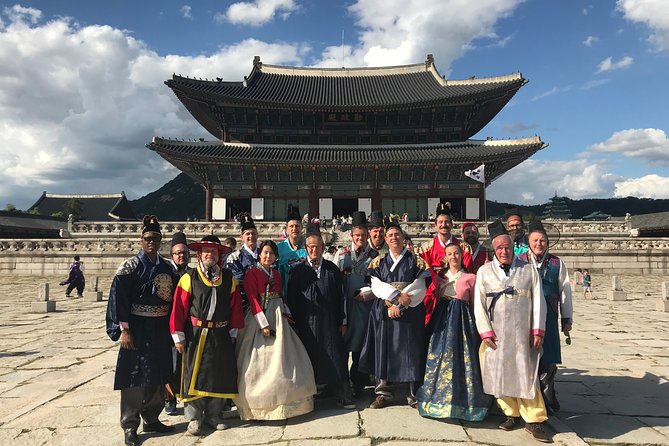
Gyeongbokgung was built in the 14th century and served as a main royal palace during the Joseon period. Its broad courtyards, gates, halls, and formal layout make it easy to see how royal power was displayed through architecture and ceremony.
One hour is enough to get a strong first impression, but not enough to explore every structure. This is where the tour’s pace becomes noticeable. You will see the principal areas your guide chooses, hear about the Joseon dynasty, and get context for the buildings, but you may want to return later for a slower walk.
The guides appear to be particularly useful here. Molly has been praised for explaining architecture and the Joseon period in a way that helped one visitor continue exploring Seoul independently. Cathy has been noted for adjusting the route to avoid heavy crowds and finding better photo positions. Those details can make a major difference at a large palace.
If you enjoy Korean dramas, the palace may have extra appeal. Seeing the courtyards and formal halls in person gives familiar screen settings more meaning, while the guide can explain the difference between dramatic imagery and the historical setting. The palace is also large enough to surprise you, even during a short visit.
Wear shoes suited to walking and prepare for outdoor exposure. The supplied information does not specify weather equipment or seating, so plan for a morning spent moving between courtyards and buildings.
A few more things to do in Seoul worth a look
- Seoul City Sightseeing Tour Including Gyeongbokgung Palace, N Seoul Tower, and Namsangol Hanok Village
★ 5.0 · 1,423 reviews - Seoul: Dark Side of the City and Ghost Stories Walking Tour
★ 4.8 · 484 reviews - Seoul City Private Full-Day Tour Including Lunch
★ 5.0 · 469 reviews - Seoul City Half Day Tour-Gyeongbok Palace Guard Changing Ceremony
★ 4.5 · 357 reviews
The National Folk Museum shifts the focus to daily life
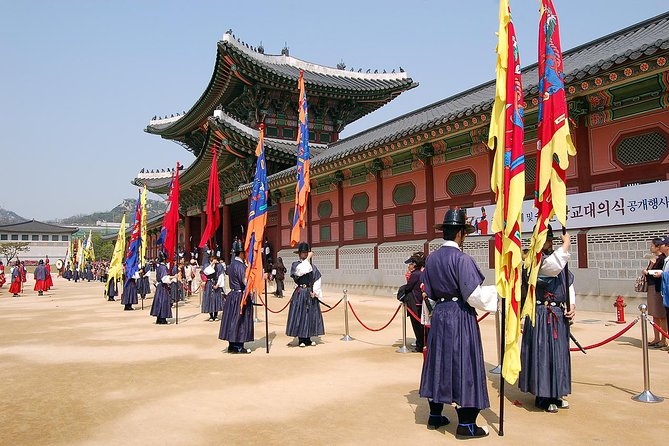
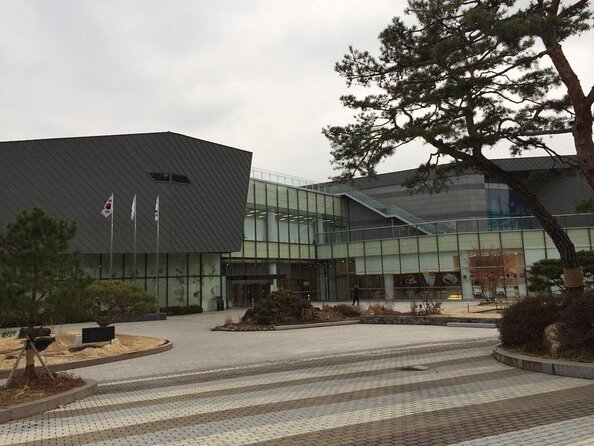
The National Folk Museum sits within the Gyeongbokgung grounds, making it a practical addition to the palace visit. Instead of focusing mainly on rulers and official ceremonies, the museum looks at how Korean people lived through different periods.
You have about 45 minutes here. That gives you time for a useful introduction to household life, customs, and traditional objects, but not a full museum visit. One guide described this as a place worth returning to for a longer look, and I agree with that approach. Use the tour to learn what interests you, then come back if your schedule allows.
This stop also helps balance the palace. Gyeongbokgung can make history feel centered on kings and government. The museum broadens the picture by showing the habits and material culture of everyday families.
Families may find this section especially helpful because objects and daily routines can be easier for children to grasp than a long explanation of dynasties. One family noted that the children remained engaged throughout the morning. The guide’s storytelling style matters here, so stay close enough to hear clearly.
One minor issue is that a group tour cannot match the museum to everyone’s interests. You may want to linger over an exhibit just as the group is ready to leave. Treat this visit as an introduction, not a complete museum experience.
A brief look toward the Blue House
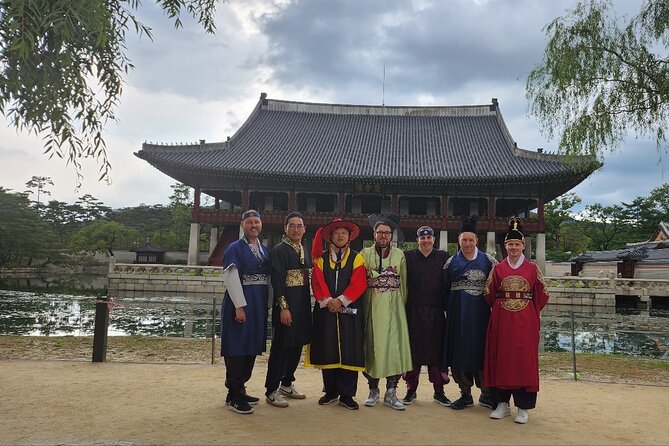
The route passes by Cheongwadae Sarangchae and the presidential Blue House area for about 15 minutes. The Blue House, or Cheong Wa Dae, served as the Korean presidential residence, and the name refers to its blue-tiled roof.
This is a pass-by stop rather than a full visit. Security rules may prevent the vehicle or group from passing close to the presidential site, so keep expectations modest. You may receive useful background from the guide, but you should not count on a detailed walk around the grounds.
The stop works best as a link between historic Seoul and modern Korea. After seeing a royal palace, you get a quick reminder that political power still shapes the city’s central districts. If security restrictions change the route, the tour operator may not be able to offer much more than an explanation from the guide.
The ginseng museum: useful context or sales stop?
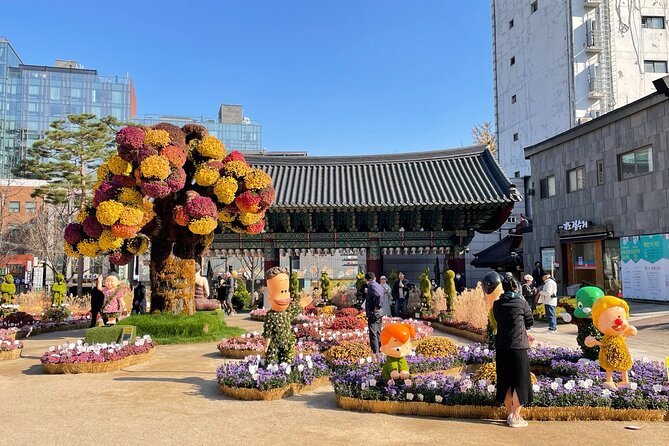
The final scheduled stop is the Cheongha Korea Ginseng Museum, with about 20 minutes devoted to ginseng and shopping. You can learn about the product and how it is processed, then browse packaged ginseng items.
This is the most divisive part of the route. Some visitors may enjoy learning about a famous Korean product and looking at gift choices. If you are interested in food, traditional remedies, or Korean shopping culture, the stop can be worthwhile.
If you want every minute devoted to temples, palaces, and museums, it may feel out of place. One particularly useful criticism of the tour is that the ginseng presentation seemed to take time away from the main cultural sites, with the shopping element feeling like a soft sales pitch. That concern is worth taking seriously.
I would not book this tour expecting five equal cultural attractions. The real core is Jogyesa, Gyeongbokgung, and the National Folk Museum. The ginseng stop is an added commercial visit, and the value depends on your interests.
Ending in Insadong gives you a good next move
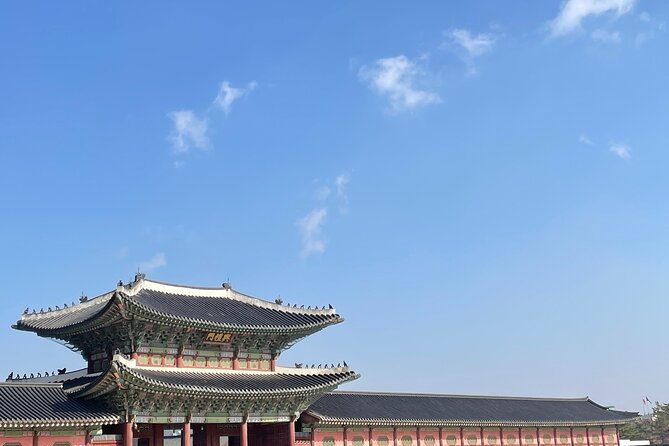
The tour ends in Insadong rather than returning you to your hotel. This is a practical finish because you can continue exploring central Seoul on foot, find lunch, browse traditional arts and crafts, or use the neighborhood as a base for the rest of your day.
Hotel pickup is included, but drop-off service is not listed. The stated end point is Insadong, so plan your afternoon from there. Several guides have offered lunch and shopping suggestions, which can help you avoid wasting time after the tour.
Insadong is also a sensible place to continue the palace theme. You can shift from formal royal buildings to shops, galleries, cafes, and streets associated with traditional Korean arts. The tour does not include lunch, so ending here gives you a natural chance to eat.
If you have a later appointment on the opposite side of Seoul, allow extra time after the scheduled four hours. Traffic and group movement can affect the exact finish, and the tour’s end in Insadong is part of its design.
Guide quality makes the biggest difference
The overall rating is 4.8 from 54 reviews, with 93 percent recommending the experience. The strongest pattern is the guide service. Cathy, Molly, Rose, KC, JJ, June, Lee, and Moon are each praised for different strengths, including historical explanations, warmth, humor, photography help, crowd management, and answering questions.
That matters because the tour covers places that are easy to see without understanding. A palace gate is impressive on its own, but the story of the Joseon court, the role of ceremony, and the meaning of the buildings give the visit shape.
There is one practical caution: one person found the guide’s microphone difficult to understand at times. In a group that may reach 44 people, staying near the guide can help. If you have hearing concerns, the audio clarity and group size are worth considering before booking.
The guides also seem to do well with families and mixed interests. One morning can include history fans, first-time visitors, Korean drama followers, and children. The pace is active, but the best guides keep people included and make room for questions.
Who should book this morning tour?
I would recommend it to you if:
- You have limited time in Seoul and want a structured first morning.
- You want a guide to explain Korean history rather than simply point out buildings.
- You value hotel pickup and included admission.
- You want to see the royal guard ceremony without arranging the timing yourself.
- You are traveling with children and prefer transport between major sights.
- You plan to continue in Insadong after the tour.
I would be more cautious if:
- You want a quiet, detailed visit to Gyeongbokgung.
- You dislike shopping or product presentations.
- You want to choose your own pace inside the museum.
- You need a guaranteed Blue House visit.
- You are visiting on a Tuesday, when Gyeongbokgung is replaced by another attraction.
- You expect a small private group. The maximum group size is 44.
Free cancellation is available up to 24 hours before the start time for a full refund. Cancellations or changes made less than 24 hours before the tour do not qualify for a refund, and the tour requires a minimum number of participants. Confirmation is normally provided at booking, though bookings made within 10 hours of departure are subject to availability.
My booking verdict
Book this tour if you want a fast, well-organized introduction to Seoul’s traditional center. The palace, guard ceremony, temple, and folk museum make a strong morning, while hotel pickup saves time and mental effort. The guide can add the historical links that you would miss by visiting alone.
Skip it if you already know Seoul well or want to spend half a day at Gyeongbokgung and the National Folk Museum alone. The pace is brisk, the Blue House stop is limited, and the ginseng museum may not suit your interests. For a first visit with only a few days in town, though, this is a sensible $32 orientation, especially if you use the Insadong drop-off to keep exploring.
FAQ
How long does the Seoul morning tour last?
The tour lasts approximately four hours and starts at 8:30 am.
What attractions are included?
The route includes Gwanghwamun Square, Jogyesa Temple, Gyeongbokgung Palace, the National Folk Museum of Korea, the Blue House area, and the Cheongha Korea Ginseng Museum.
Is hotel pickup included?
Yes. Hotel pickup is included, along with transportation and a professional English-speaking guide.
Is hotel drop-off included?
No. The tour ends with drop-off in Insadong. Hotel drop-off is not included.
Does the tour include the royal guard changing ceremony?
The itinerary is planned to include the ceremony at Gwanghwamun Gate, but it is canceled when it rains.
What happens if I book for a Tuesday?
Gyeongbokgung Palace is closed on Tuesdays, so the palace visit is replaced by another tourist attraction.
Are admission fees included?
Yes. Admission fees for the included attractions are covered. Lunch is not included.
Just added in Seoul
- Suwon: Baseball Game with Fortress and Local Food Tour★ 5.0 · 3 reviews
- Seoul: War Memorial of Korea Private Guided Museum Tour★ 4.9 · 29 reviews
- Seoul: Wine & Korean BBQ, Perfect Pairing Dinner in Sinchon★ 5.0 · 6 reviews
- Seoul : Your Personal Photographer in Gyeongbokung★ 5.0 · 7 reviews
- Seoul : Efoil Experience in Han River★ 5.0 · 5 reviews
- Seoul: Vivaldi Park Winter Ski with Eobi Ice Valley Day Tour★ 4.6 · 16 reviews
- Seoul: Vivaldi Park Winter Ski with Nami Island Day Tour★ 5.0 · 4 reviews
- Seoul: SnowyLand in Vivaldi Park with Nami or Alpaca★ 4.8 · 11 reviews
Palace & Gyeongbokgung Tours, compared.
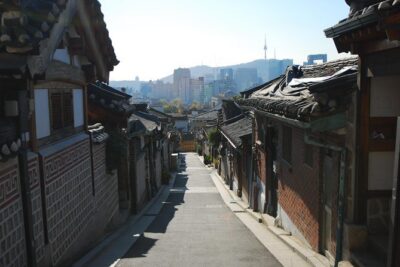
Gyeongbok Palace, Bukchon Village, and Gwangjang Tour
Read our review →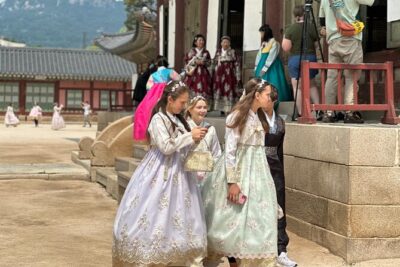
Best Seoul City Tour (Gyeongbokgung Palace,Insadong,Namsan Tower)
Read our review →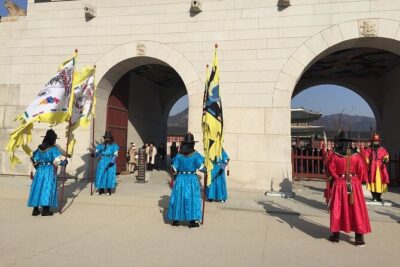
Small-Group Royal Palace and Seoul City Tour (hotel pick-up)
Read our review →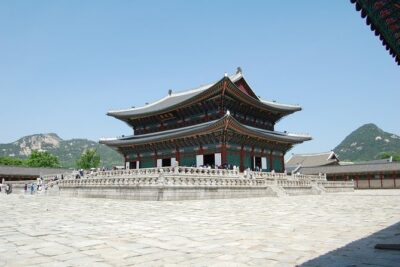
Seoul City Sightseeing Tour Including Gyeongbokgung Palace, N Seoul Tower, and Namsangol Hanok Village
Read our review →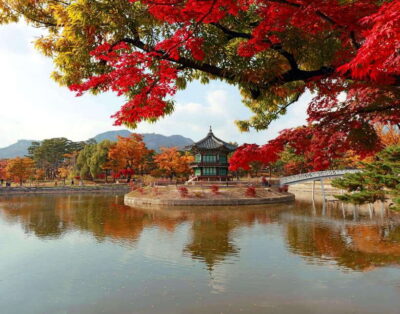
Seoul Highlights: Gyeongbok Palace, Insadong & N Seoul Tower
Read our review →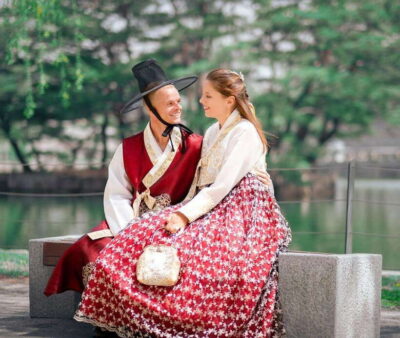
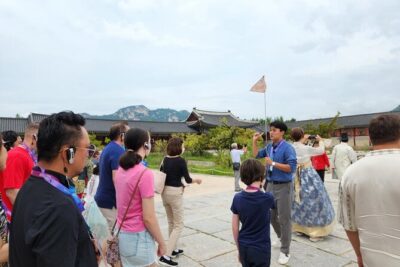
Seoul City Half Day Tour-Gyeongbok Palace Guard Changing Ceremony
Read our review →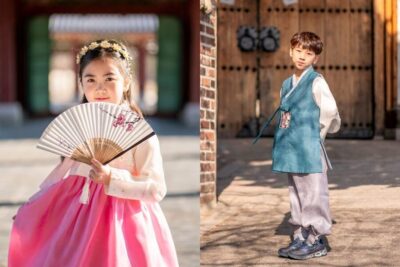
Browse the lists this tour appears in