
Reviewed · KOREAN FOLK VILLAGE TOURS
Korean Folk Village Half-day Guided Tour from Seoul
The best part of this half-day trip is the chance to step inside more than 270 traditional Korean homes without leaving Seoul’s orbit. Houses relocated from different regions show how people lived during the late Joseon era, while artisans, musicians, dancers, and acrobats bring the setting to life.
I like the one-hour guided ride, which gives you useful background before arrival, and the way guides such as Jenny and Anna help visitors catch the live shows. The main drawback is time: about two hours and 50 minutes at the village is enough for highlights, but not every path, house, and workshop.
Key points to know
- Joseon-era homes: Enter restored houses moved from different parts of Korea and see regional building styles.
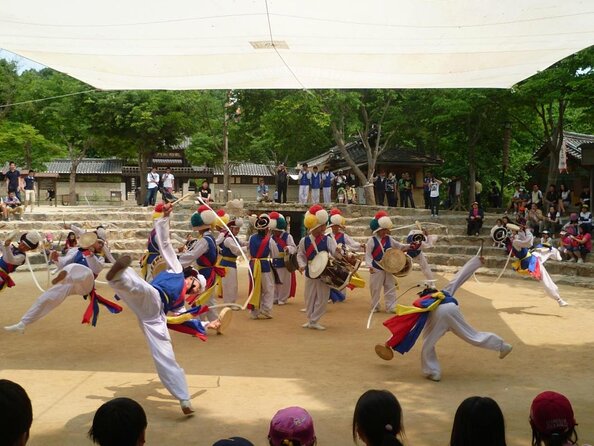
- Live traditional shows: Look for nongak music and jultagi tightrope acrobatics, with schedules subject to weather.
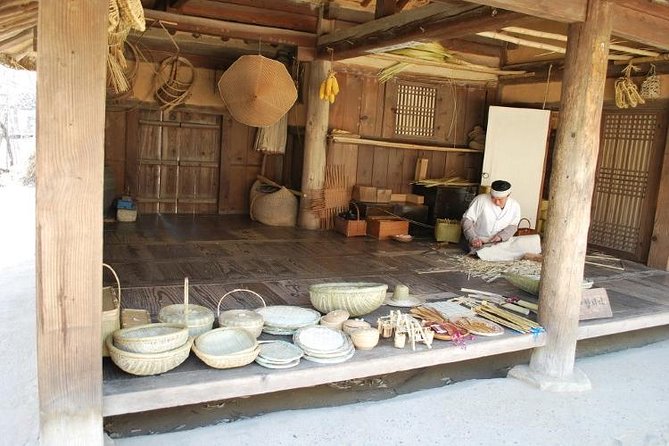
- Artisans at work: Blacksmiths and other craftspeople may be making pottery, baskets, brassware, and similar goods.
- Strong guide service: Jenny, Anna, and Veronica are specifically praised for cultural explanations, friendly help, and clear English.
- Easy half-day timing: Depart around 12:30 pm and return to Myeongdong Station after roughly five hours.
- Good value for first-time visitors: The $63 price includes transportation, admission, taxes, and a professional guide.
Why this village is worth the ride from Seoul
Seoul has plenty of palaces and museums, but the Korean Folk Village gives you a broader picture of ordinary life during the Joseon period. You are not simply looking at one royal compound. You are walking among homes from different parts of Korea, each reconstructed with regional details and household objects.
That difference matters. A palace can show you how the court lived. Here, you get a better sense of homes, work, customs, and community life. The restored buildings are the main attraction, but the working workshops and scheduled performances keep the visit from feeling like a collection of empty buildings.
The village was founded in 1974 and has become a major cultural stop outside central Seoul. Several Korean historical television dramas have also used its authentic-looking setting. That does not make the place a movie set in the usual sense. The houses, courtyards, workshops, and pathways create a setting that helps you picture the Joseon era, even if your main interest is simply Korean culture rather than television.
I would choose this tour if you want context and structure. Going alone may give you more freedom, but a guide can explain why a house is laid out in a certain way, point out details you might miss, and help you reach the performances at the right time.
More living-history stops from Seoul:
- Seoul: Suwon Hwaseong Fortress & Korean Folk Village Tour
★ 4.7 · 214 reviews - Korean Folk Village and Suwon Hwaseong Fortress Day Tour(EG Tour)
★ 4.5 · 80 reviews - Seoul: Suwon Hwaseong, Folk Village, & Starfield Library
★ 4.8 · 55 reviews
Leaving Myeongdong around 12:30 pm
The tour begins in Seoul at Myeongdong Station, with the meeting point listed at Exit 10, at 61-7 Chungmuro 2-ga in Jung-gu. The scheduled departure is 12:30 pm, and the tour information asks you to be in the area around 12:20 pm. I would arrive early. A central Seoul meeting point is convenient, but station exits can take longer to find than expected.
Transportation is by climate-controlled bus. The drive takes about an hour, so you have roughly two hours on the road during the full outing. That sounds like a lot, but the ride gives your guide time to explain Korean history and customs before you reach the village.
This is where the guide can make a real difference. Jenny is praised for using the drive to give historical background, then connecting that information to what you see on site. Anna is praised for explaining the village clearly and making sure the group could catch the live-action shows. Veronica is also singled out for her polite, helpful approach.
Guide assignments can change, so do not book solely on the hope of having one particular person. Still, the praise for several different guides suggests that the tour is built around interpretation, not just transportation and an entrance ticket.
Entering the Korean Folk Village
Once inside, you have about two hours and 50 minutes to explore the large site. The village includes more than 250, and in some descriptions more than 270, restored traditional homes. They were relocated and reconstructed from various parts of Korea, with architectural features and household items tied to different regions.
That regional variety is the key to the visit. You can move from one home to another and compare layouts, materials, and domestic details. Some houses are modest and work-focused, while others reflect wealth or a different social position. The buildings help put Korean customs into physical form.
Your guide will lead the group through selected parts of the village and explain what you are seeing. Expect some walking on a broad site, with time spent entering houses, viewing displays, watching performances, and visiting workshops. This is not a bus tour where you remain seated. The operator specifically says the activity is not recommended for people with walking problems.
The pace is useful for a first visit, but it will not suit everyone. If you want to study every building or take photographs at a slow pace, the schedule may feel tight. If you prefer a clear route and a guide who points out the main features, the limited time keeps the outing manageable.
Traditional homes that tell more than a palace can
The houses are not just backdrops. They show how architecture responded to daily needs and local conditions. Household artifacts add another layer, helping you picture cooking, storage, craftwork, and family life.
The houses were renovated to preserve traditional details, so you should pay attention to roofs, courtyards, gates, work areas, and the way rooms connect. Your guide can supply the social and cultural meaning behind those details. Without that explanation, some buildings may blur together. With it, the village becomes easier to read.
This is also a useful stop if you are visiting Korea early in your trip. The customs and objects you see here can make later visits to palaces, temples, and historic neighborhoods easier to understand. You begin to recognize the difference between royal life and everyday life.
The setting is authentic in appearance, but keep your expectations sensible. This is a reconstructed cultural village, not an untouched historic town. Its strength is that it gathers homes, crafts, and performances from across Korea in one accessible place.
A few more things to do in Seoul worth a look
- Seoul: Half-Day DMZ Tour Led by a Retired Military Officer
★ 4.9 · 1,399 reviews - Half-Day South Korea DMZ Small-Group Tour from Seoul
★ 5.0 · 43 reviews - Busan Half-Day Customizable Private Tour in English
★ 5.0 · 34 reviews - Jeju Private Half-Day Tour for Cruise Customers
★ 5.0 · 9 reviews
Live shows, from nongak to tightrope acrobatics
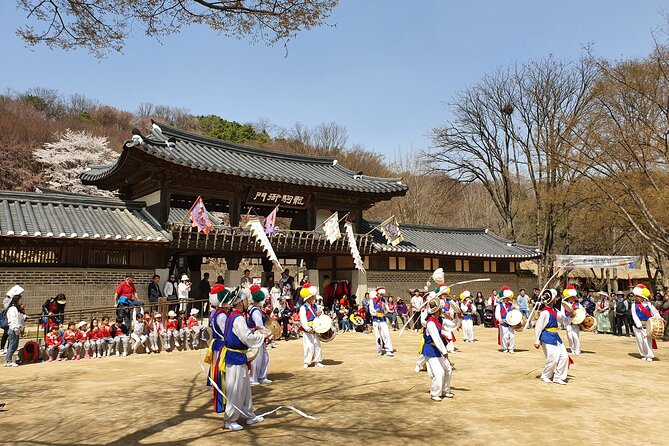
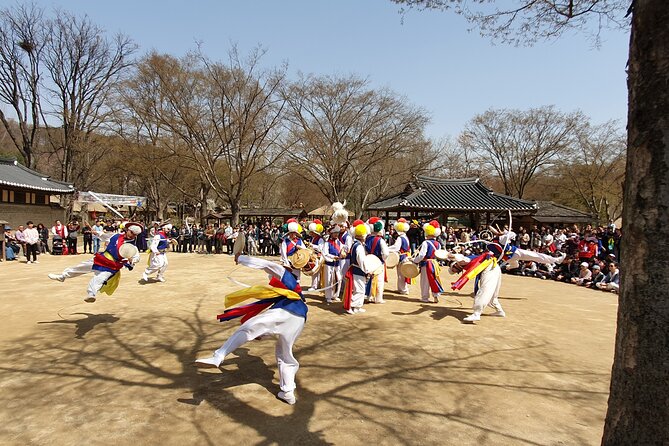
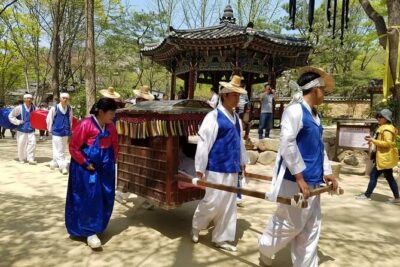
The performances add energy to the visit. Depending on the schedule and weather, you may see nongak musical performances, dance, and jultagi, a traditional Korean tightrope act. These are not silent displays behind glass. Performers demonstrate living traditions in front of an audience.
The weather note matters. Shows may change or be unavailable in poor conditions, so do not book this trip only for one particular performance. The guide’s timing can help. Anna is praised for making sure the group reached the live-action shows, which is a practical benefit when your time at the village is limited.
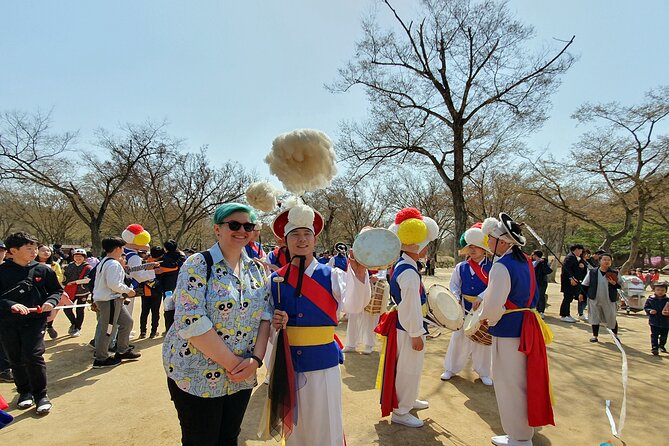
You may also have opportunities to take photographs with performers. One account specifically notes that dancers were willing to pose for pictures. Treat that as a pleasant possibility rather than a guaranteed part of the schedule.
If you enjoy performances, try to keep your walking pace flexible. A house visit or workshop may take longer than expected, and the show times may shape the route. Your guide will likely direct the group toward the key events, but you still need to stay aware of meeting instructions.
Watching blacksmiths, potters, and basket makers work
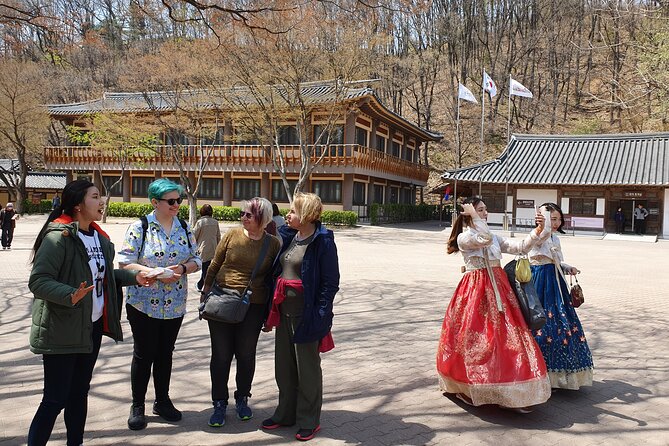
The craft workshops are one of the best reasons to visit beyond the architecture. You may see blacksmiths and other artisans making pottery, baskets, brassware, and other traditional handicrafts.
These demonstrations give you a clearer idea of how much skill and labor sat behind ordinary household objects. A finished basket or brass item can seem simple in a display case. Watching the process helps you understand it as working equipment, not decoration.
The available crafts and demonstrations can vary, so do not assume every workshop will be active during your visit. Still, the village’s working approach gives the site more life than a collection of reconstructed rooms.
This part of the visit also suits families and visitors who find long historical explanations tiring. You can see a technique in action, then connect it to the homes nearby. Children may find the hands-on work and performances easier to follow than a formal museum exhibit.
What the $63 price really covers
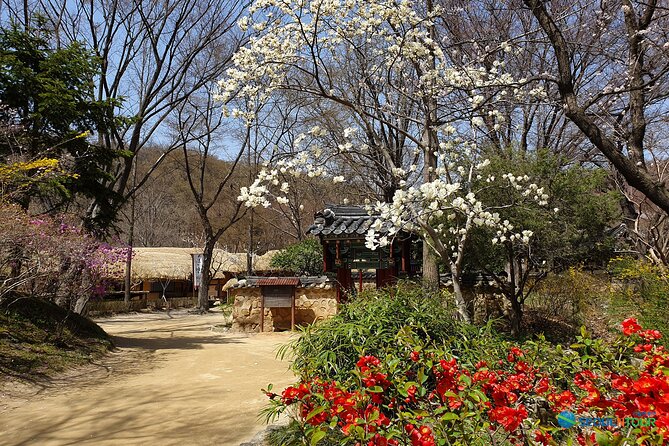
At $63 per person, this is not the cheapest way to visit the Korean Folk Village. The value comes from what is bundled into the half-day: round-trip transportation from Seoul, the entrance fee, a professional guide, and taxes.
You are also paying for time savings. Public transportation may cost less, but it would require you to plan the route, manage the journey, buy admission separately, and organize your own visit once inside. The guided option removes much of that work.
The price makes the most sense if you are staying in central Seoul, have only part of an afternoon, and want cultural context rather than a self-guided walk. It is less compelling if you already know the village well, prefer to spend a full day there, or want complete control over every stop.
Food and drinks are not included. Plan around the afternoon schedule, since the tour information does not promise a meal stop. Hotel pickup and drop-off are also not included, so you must reach the meeting point yourself and return from Myeongdong Station at the end.
The maximum group size is 40 people. That is not an intimate private tour, and the group may feel large during popular performances. On the other hand, a larger group can keep the cost lower while still giving you access to a guide and organized transportation.
The return to Myeongdong
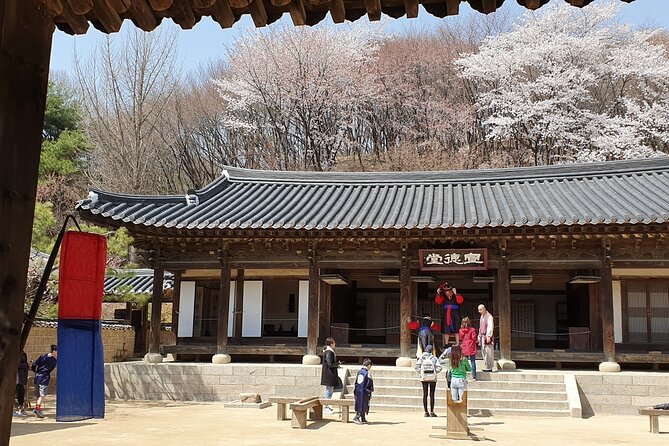
After the village visit, the bus returns to Seoul. The listed end point is Myeongdong Station Exit 10, the same general area as the departure point.
The return drive takes about an hour, making the full experience roughly five hours from meeting to drop-off. That timing leaves the evening open for dinner, shopping, or another Seoul activity. It also makes the tour easy to fit into a larger itinerary without giving up an entire day.
Allow a little flexibility around the timetable. The drive depends on traffic, and the village schedule depends partly on performances and weather. Still, the afternoon format is one of the tour’s practical strengths.
Who should book this half-day tour
I would recommend it most strongly to first-time visitors who want a guided introduction to traditional Korean homes and customs. It is also a good fit if you like live cultural demonstrations, want a simple afternoon plan, or would rather not arrange transport outside central Seoul.
Families may appreciate the mix of buildings, crafts, music, dancing, and acrobatics. The village offers more variety than a stop focused only on architecture.
The tour is less suitable for you if walking is difficult, if you need hotel pickup, or if you want a slow photographic study of every house. It also may disappoint if you expect every show and workshop to operate regardless of weather or daily scheduling.
Bring comfortable shoes and arrive early at the station. Keep your afternoon flexible, listen for your guide’s performance timing, and remember that the village is large enough to require steady walking.
Should you book it?
Book this tour if you want a practical, guided look at everyday Joseon-era culture rather than another palace visit. The strongest features are the wide range of restored homes, the chance to see crafts and performances, and guides who explain the setting in clear, useful terms.
At $63, you pay a premium over arranging the visit yourself, but admission, transportation, taxes, and guidance are included. For a short Seoul stay, that is a fair trade for a well-organized half-day.
Skip it if you dislike group tours, have limited mobility, or want to spend an entire day exploring at your own pace. For most first-time visitors with a free afternoon, though, the Korean Folk Village offers a solid look at Korea beyond modern Seoul.
FAQ
How long does the Korean Folk Village tour last?
The tour lasts approximately five hours, including transportation between Seoul and the village.
What time does the tour start?
The scheduled start time is 12:30 pm. You are advised to be in Seoul around 12:20 pm.
Where does the tour meet?
The listed meeting point is Myeongdong Station Exit 10, at 61-7 Chungmuro 2-ga, Jung-gu, Seoul.
Where does the tour end?
The tour ends with drop-off at Myeongdong Station Exit 10.
Is transportation included?
Yes. Transportation between Seoul and the Korean Folk Village is included.
Is the entrance fee included?
Yes. The Korean Folk Village admission fee is included in the tour price.
Are food and drinks included?
No. Food and drinks are not included.
Is hotel pickup and drop-off included?
No. Hotel pickup and drop-off are not included. You must reach the meeting point and return from Myeongdong Station.
Can I see traditional performances?
The village offers traditional music, dance, and activities such as jultagi tightrope acrobatics, weather permitting.
Is the tour suitable for people with walking problems?
No. The tour is not recommended for people with walking problems because the village is a large site requiring walking.
Just added in Seoul
- Your Personal Seoul Photographer!★ 4.1 · 15 reviews
- You’re Invited to Our Home in Seoul: The Only Cooking Class!★ 5.0 · 8 reviews
- From Seoul: Yongpyong Ski Day Tour with Transportation★ 4.9 · 40 reviews
- Seoul: Korean & English Language Exchange Global Party★ 5.0 · 28 reviews
- From Seoul: Hwacheon Ice Fishing and Lighting Festival Tour★ 4.5 · 4 reviews
- Unique Native Experience : Han River Picnic, Board game, BBQ★ 5.0 · 3 reviews
- Seoul: Gangneung BTS K-Pop & K-Drama Filming Locations Tour★ 4.6 · 14 reviews
- K-Pop Making Class with a Producer!★ 5.0 · 3 reviews
Korean Folk Village Tours, compared.

Suwon Hwaseong Fortress & Korean Folk Village Tour
Read our review →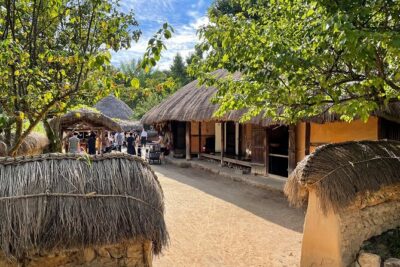
Hwaseong Fortress/Folk Village/Starfield Library Suwon
Read our review →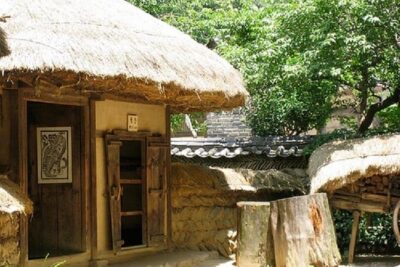
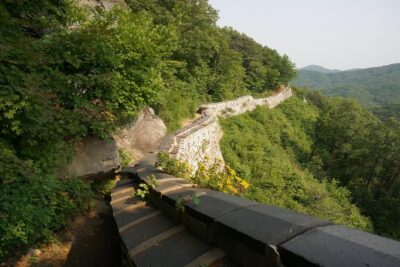
Namhansanseong UNESCO Historical Sites and Korean Folk Village-Private Tour
Read our review →
Private Day Trip to Korean Folk Village and Hwaseong Fortress
Read our review →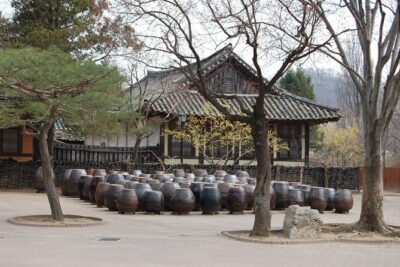
Private Korean Folk Village, Suwon Starfield Libarary&Hwaseong
Read our review →Browse the lists this tour appears in