
Reviewed · DMZ & JSA TOURS
Seoul: Half-Day DMZ Tour Led by a Retired Military Officer
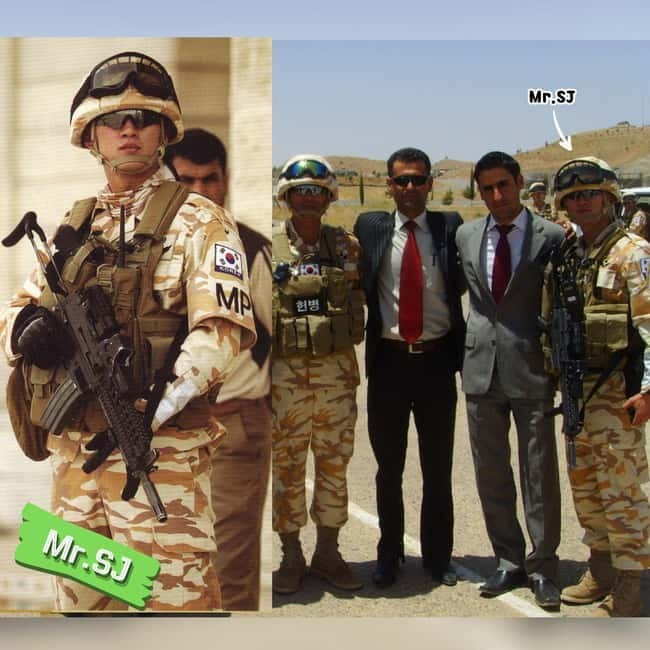
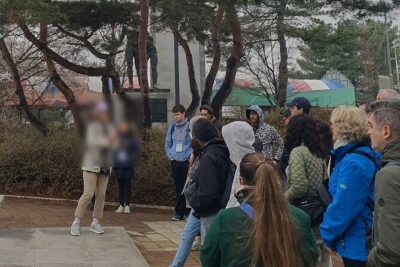
The most unusual part of this DMZ tour is the guide. You may be led by SJ, a former Special Forces major, Tiger, a former artillery commander, Eddie, an infiltration-tunnel specialist, or Jason, a retired intelligence officer. Their military experience gives the tour a personal edge that a standard sightseeing guide cannot easily provide.
I especially like the real-time choice of observatory, since weather and visibility matter when you are trying to see North Korea. I also like the chance to walk through the Third Infiltration Tunnel, where the physical effort helps you understand the scale of the threat. The drawback is simple: the tunnel is steep, cramped, and not suitable for anyone with mobility problems.
Key points to know before booking
- Former military guides: Ask SJ, Tiger, Eddie, or Jason about the Korean War, border duty, and life near the DMZ.
- Observatory choice can change: The tour checks conditions and uses either Odusan or Dora for the clearest possible view.
- The Third Tunnel is a workout: Expect steep walking and crouching through much of the tunnel.
- Imjingak puts the human story first: See the Freedom Bridge, Mangbaedan Altar, and a preserved steam locomotive.
- Good Seoul value: About $57 includes transport, admission fees, and the guide for roughly six hours.
- Bring your passport, not your suitcase: The DMZ is a military area, and large bags are not allowed.
Why a retired officer changes the DMZ visit

The Korean Demilitarized Zone is not just a line on a map. It is a working military area, and access can change with little warning. That makes a former service member particularly useful. Your guide can explain not only what happened here, but also how soldiers understood the border, the tunnels, surveillance, and the uneasy calm.
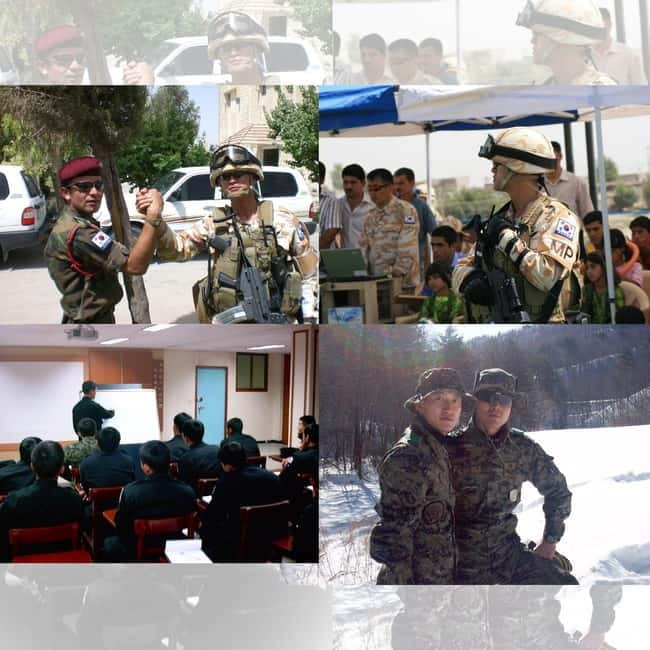
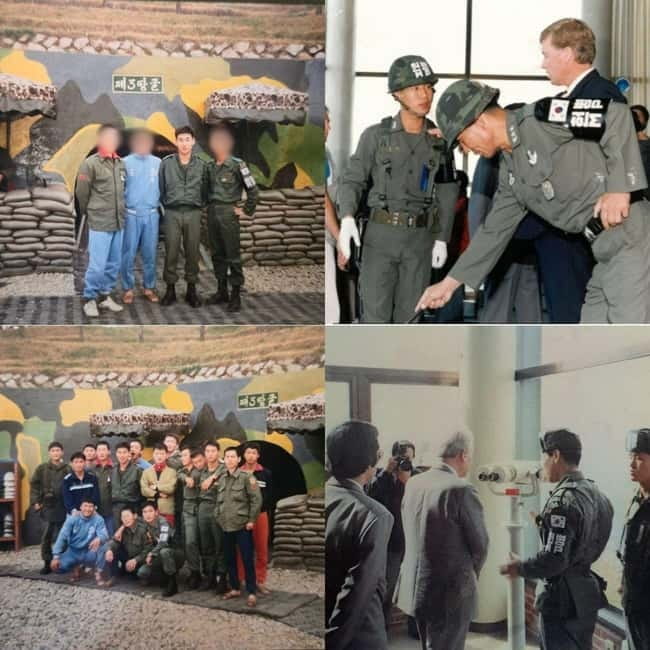
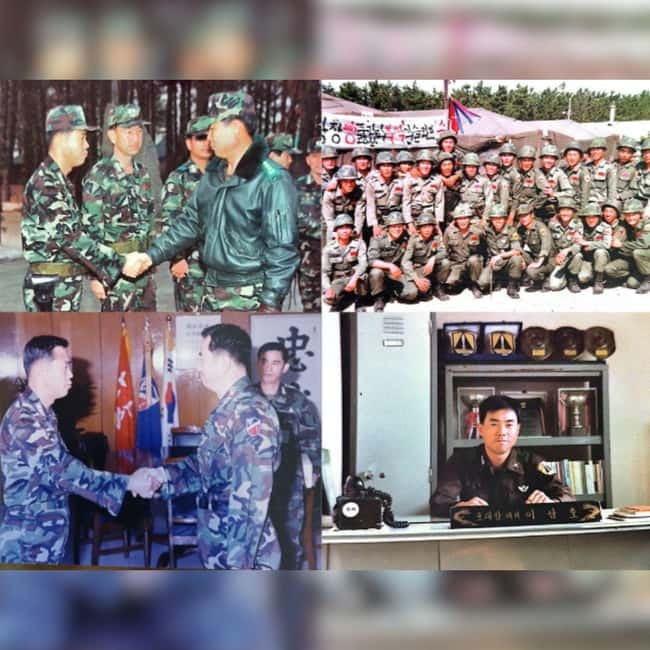
The guide roster gives this trip a different feel from a basic bus excursion. SJ served in the 707 Special Mission Battalion and later worked as a Special Forces major. Tiger spent 20 years on the front line and commanded an artillery battalion. Eddie is described as an infiltration-tunnel specialist who briefed senior Korean and American officials. Jason served 31 years in South Korean intelligence and retired as a lieutenant colonel.
You may not get to choose among them, but the tour has a clear strength: the guides are prepared to answer direct questions. Eddie, in particular, is known for drawing people into the conversation, while SJ mixes military experience with stories, jokes, and careful explanations. Tiger’s strength is broad historical context, and Jason is praised for a calm, personal approach.
The tone is serious without being grim from start to finish. You will hear about the Korean War, separated families, border tension, and hopes for peace. You will also get practical instructions about where to stand, when to move, and what you can and cannot do inside a controlled military zone.
Other trips up to the border from Seoul:
- Best DMZ Tour Korea from Seoul (Red Suspension Bridge Optional)
★ 5.0 · 41,422 reviews - DMZ Tour: 3rd Tunnel, Option(Suspension Bridge, Boat) from Seoul
★ 5.0 · 21,373 reviews - DMZ tour south Korea from Seoul (NK experience hall, defector)
★ 5.0 · 20,599 reviews
The ride from Seoul and the early start
The tour begins at a designated Seoul meeting point, depending on the option you book. The bus ride toward the border takes about an hour. Some departures begin around 8 a.m., and a few schedules may bring you back to Seoul around 2 to 3 p.m. Actual timing can run closer to seven hours if traffic, weather, or military access slows the day.
That early start is part of the trade-off. You lose a little sleep, but you return with much of the afternoon free. This makes the tour easy to fit into a Seoul itinerary, especially if you want the DMZ experience without giving up a full evening in the city.
Transportation is included, and the bus is described as comfortable and warm, an important detail in winter. You will not have much use for a large day bag, however. Luggage and large bags are not allowed, so pack lightly and keep essentials close.
The ride is also where the guide begins building the story. Instead of waiting until the first monument, your guide may explain the war, the division of Korea, and the rules for entering the DMZ. This background makes the later stops easier to understand.
Choosing Odusan or Dora for the best view
A major feature of this tour is that the observatory may be selected on the day. The operator checks security-camera views and consults local observatory staff to decide whether Odusan or Dora offers the clearest view of North Korea.
That sounds like a small operational detail, but it matters. The view across the border depends heavily on haze, cloud, and visibility. A fixed itinerary might send you to an observatory with a poor view simply because it was printed on the schedule. This tour tries to respond to actual conditions.
Odusan and Dora are both presented as possible viewing points, but you should not assume you will visit both. The meeting instructions identify one designated observatory or another, and the selected site can change. If seeing North Korea clearly is your top priority, the flexible choice is a sensible advantage.
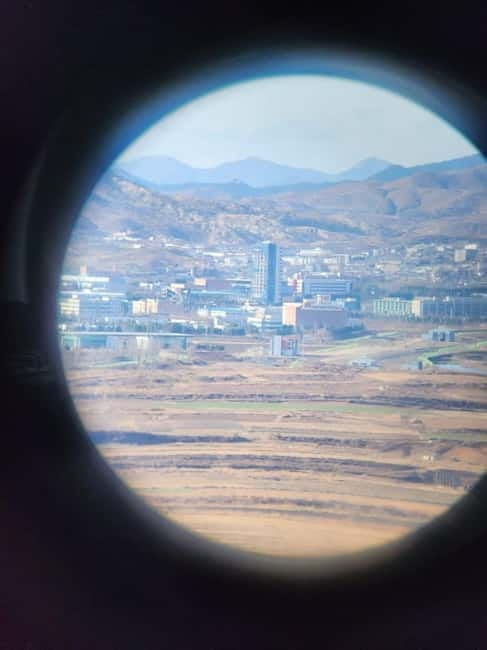
At the observatory, you may use binoculars to look toward North Korea. On a clear day, the view becomes the visual center of the trip. On a gray or hazy day, you may see less than expected. That is not a flaw in the tour, but it is worth remembering before you book. The border is real, but the best views are never guaranteed.
Your guide helps prevent the stop from becoming a simple photo break. You will learn what you are looking at, why the border was established, and how the visible countryside fits into the wider story of division. Allow some quiet time here. The experience is more powerful when you take a moment to look rather than hurry straight to the next stop.
Inside the Third Infiltration Tunnel

The Third Infiltration Tunnel is the physical heart of the tour. North Korean forces built it as part of an attempt to move troops into South Korea. It was not an escape tunnel, a point worth understanding before you begin the walk.
Entering the tunnel makes the military story tangible. You are no longer looking at a diagram or hearing about underground routes in a lecture. You are walking through a narrow passage cut into rock, with the long climb down followed by the return uphill.
This is where comfortable shoes are essential. The route includes steep sections, and much of the tunnel requires you to crouch. Several hours of sightseeing can feel easy until this portion begins. If steep hills, low ceilings, or extended walking are difficult for you, you should think carefully before booking.
The tunnel also has practical limits. You cannot bring large bags, and the tour specifically warns that it is not suitable for people with mobility impairments. This is not the place for sandals, slippery footwear, or a heavy backpack.
Eddie’s experience with tunnel security adds unusual context here. He can explain how the tunnel was understood and protected, rather than simply pointing out its dimensions. That personal connection is one reason this stop feels more substantial than a routine historical exhibit.
Same base, a different kind of day out:
- Seoul: DMZ Tour with Optional Suspension Bridge
★ 4.8 · 5,277 reviews - Signature DMZ Tour: Exclusive Defector Talk & Suspension Bridge
★ 5.0 · 4,459 reviews - Thrilling Korean DMZ 3rd Tunnel Tour from Seoul + Red Bridge Rush
★ 5.0 · 3,097 reviews - DMZ Past and Present: Korean Demilitarized Zone Tour from Seoul
★ 5.0 · 2,481 reviews
Imjingak, Mangbaedan, and the human cost of division
After the tunnel, the tour moves through the Imjingak area, where the history becomes more personal. Imjingak Park is tied to separated families and the hope of eventual reunification. The setting includes the Mangbaedan Altar, the Freedom Bridge, and a preserved steam locomotive.
Mangbaedan Altar is connected to families who cannot return to their ancestral homes in the North. The site gives the political division a human face. Instead of thinking only about armies and borders, you are reminded of parents, children, and relatives who have spent decades apart.
The Freedom Bridge carries its own weight. It is associated with the return of prisoners and divided families, and its name reflects both hope and limitation. It suggests movement toward reunion, yet the wider border remains closed and heavily controlled.
The steam locomotive is another striking reminder of the war. Its damaged body is a physical record of violence and interruption. You do not need a long speech to understand why it is displayed here, though your guide’s explanation helps place it within the larger Korean story.
These stops are not as physically demanding as the tunnel, but they can be emotionally heavier. Give yourself time to look at the memorials and listen. The military guide’s personal stories can make this section more affecting, especially if you have family connections to Korea or to wartime separation.
What the $57 price really includes
At about $57 per person, this is a strong value if you want the major DMZ sights in a half-day format. The fee includes round-trip transport from Seoul, a live English-speaking guide, DMZ admission, and the walking visit inside the Third Tunnel.
The guide is the most important part of that value. Transport to the border is easy enough to arrange in other ways, but entering a military-controlled area involves rules, timing, and access limits. You are paying for someone who can explain the sites and keep the group moving through a demanding schedule.
The price does not include lunch or travel insurance. The schedule includes time for restrooms and snacks, but you should bring or buy food as needed. This is not a leisurely food-focused outing, so plan to eat before departure or carry a small permitted snack.
For groups of 10 or more, free hotel pickup is included in the Seoul area. Smaller groups meet at a designated point, and the exact location depends on the option selected. Check that detail carefully before booking, since the pickup arrangement can affect your morning plans.
A private option is available. It also adds the War Memorial of Korea in Yongsan in the afternoon, which makes sense if you want more military history and prefer a slower, more personal schedule. The standard half-day option is better for value and efficiency.
Timing, rules, and sudden changes
The DMZ is an active military zone, not a normal museum district. Access may be stopped suddenly because of weather, maintenance, military permission, or other security concerns. If the DMZ closes, an alternative tour is provided, but the stated policy does not offer a refund for that change.
That rule may feel strict, but it reflects the nature of the destination. The tour operator cannot control military access. You should book this experience with some flexibility and avoid placing an important timed activity immediately afterward.
Bring your valid passport. Every person needs one to enter the DMZ, and forgetting it can affect the entire bus. Wear comfortable shoes and clothing suited to the weather, especially if you are visiting in winter. The observatory can be cold, and the tunnel is physically demanding.
The drop-off is generally near the original pickup area, with listed Seoul drop-offs around Hongik University Station and Myeongdong. Expected times are approximate, not guaranteed. Traffic, weather, and military access can all change the return schedule.
Free cancellation is available up to 24 hours before departure, and you can reserve now and pay later. Those policies help if your Seoul plans are still shifting, but they do not remove the risk of a same-day military closure.
Who will enjoy this tour most
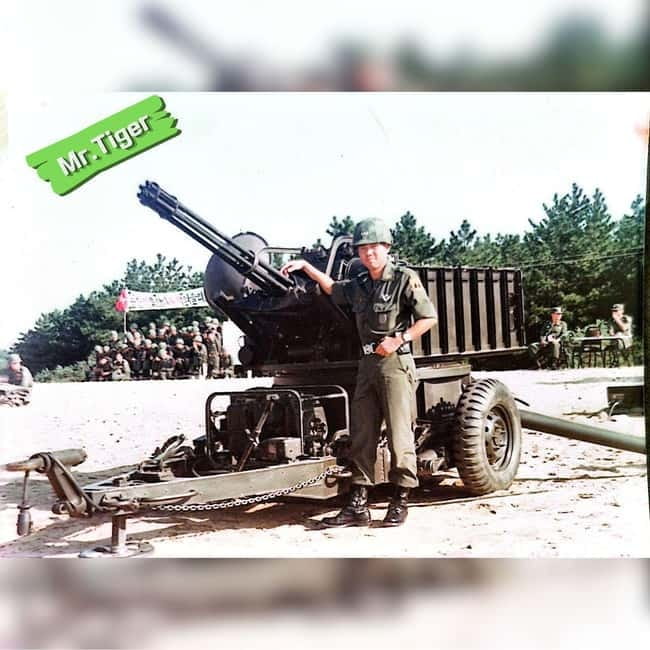
I would choose this tour if you want history explained by someone who has actually served in the South Korean military. It suits first-time visitors to Seoul who want a clear introduction to the Korean War, the border, and the continuing division of the peninsula.
Families can also do well here. Older children and teenagers may find the tunnel and military stories more engaging than a conventional museum visit. One practical warning: the tunnel is hard work, so family members should be comfortable with steep walking and crouching.
This is less suitable if you want a relaxed morning, a guaranteed view of North Korea, or a luxury private excursion. The pace is efficient, and the schedule is shaped by military access. You will see a lot in six hours, but you will not linger everywhere.
It is also not the right choice for anyone with significant mobility limitations. The tunnel alone can rule out the experience, and the full day includes repeated walking and boarding the bus.
Should you book the retired-officer DMZ tour?
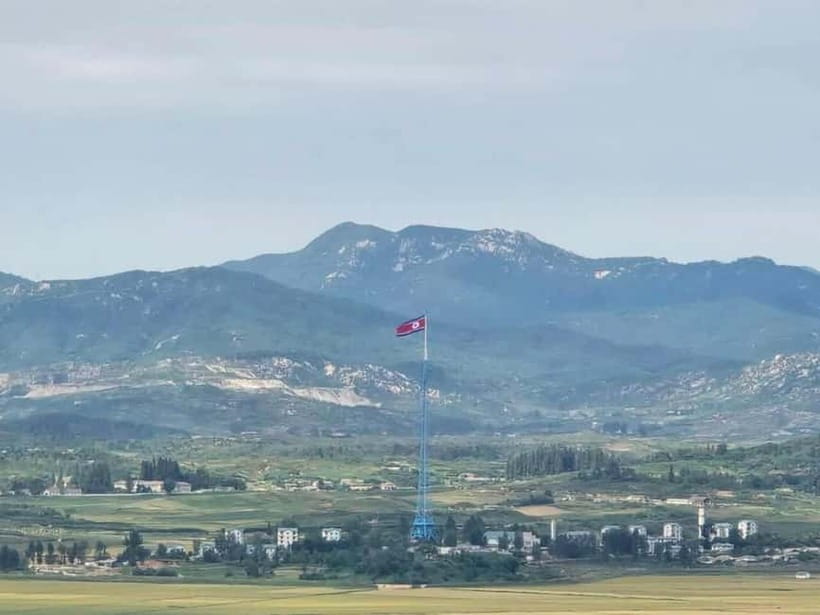
Book it if you want the most personal version of a standard half-day DMZ visit, especially if the Third Tunnel matters to you. The combination of a former military guide, a flexible observatory choice, Imjingak’s memorial sites, and included Seoul transport gives the tour solid value at $57.
Go with realistic expectations. You may have poor visibility, a changed schedule, or a longer day than planned. The tunnel is not easy, and access to the DMZ is never fully guaranteed.
Still, this is a practical choice for a first visit. Ask questions, wear proper shoes, carry your passport, and listen closely when your guide connects the monuments to real people. If that sounds like the kind of history you want to understand, this tour is worth booking.
FAQ
How long does the DMZ tour last?
The listed duration is six hours, though the day can run longer because of traffic, weather, and military permission times. Some schedules return to Seoul around 2 to 3 p.m.
Which observatory will I visit?
The tour may use Odusan or Dora Observatory. The choice is made according to current visibility, using security-camera information and advice from local observatory staff.
Will I visit both Odusan and Dora?
You should not assume so. The tour selects the observatory expected to provide the clearest view of North Korea.
Is the Third Infiltration Tunnel difficult to walk through?
Yes. The route includes steep sections, and you must crouch through much of the tunnel. Comfortable shoes are required, and the experience is not suitable for people with mobility impairments.
Do I need my passport?
Yes. Every person must bring a valid passport to access the DMZ.
Are lunch and travel insurance included?
No. Lunch and traveler’s insurance are not included in the tour price.
What happens if the DMZ closes on the day of my tour?
The tour operator provides an alternative tour if the DMZ closes because of military, weather, or site conditions. The stated policy does not provide a refund for a sudden closure.
Just added in Seoul
- Suwon: Baseball Game with Fortress and Local Food Tour★ 5.0 · 3 reviews
- Seoul: War Memorial of Korea Private Guided Museum Tour★ 4.9 · 29 reviews
- Seoul: Wine & Korean BBQ, Perfect Pairing Dinner in Sinchon★ 5.0 · 6 reviews
- Seoul : Your Personal Photographer in Gyeongbokung★ 5.0 · 7 reviews
- Seoul : Efoil Experience in Han River★ 5.0 · 5 reviews
- Seoul: Vivaldi Park Winter Ski with Eobi Ice Valley Day Tour★ 4.6 · 16 reviews
- Seoul: Vivaldi Park Winter Ski with Nami Island Day Tour★ 5.0 · 4 reviews
- Seoul: SnowyLand in Vivaldi Park with Nami or Alpaca★ 4.8 · 11 reviews
DMZ & JSA Tours, compared.
Best DMZ Tour Korea from Seoul (Red Suspension Bridge Optional)
Read our review →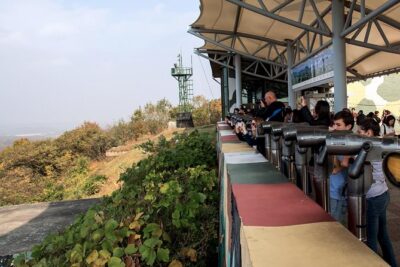
DMZ Tour: 3rd Tunnel, Option(Suspension Bridge, Boat) from Seoul
Read our review →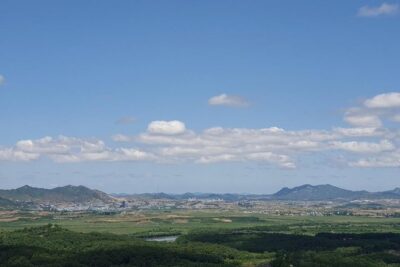
DMZ tour south Korea from Seoul (NK experience hall, defector)
Read our review →
DMZ Insider Tour: 3rd Tunnel, NK Defector Meet & Red Bridge
Read our review →
Signature DMZ Tour: Exclusive Defector Talk & Suspension Bridge
Read our review →
Thrilling Korean DMZ 3rd Tunnel Tour from Seoul + Red Bridge Rush
Read our review →
DMZ Past and Present: Korean Demilitarized Zone Tour from Seoul
Read our review →Browse the lists this tour appears in