Reviewed · TOURS
Korean Green Tea Tour – from Boseong to Gangjin (Private)
Boseong’s rolling tea fields are only half the story. This private day trip also takes you to Gangjin, a quieter tea region with more than 1,000 years of tea culture, a Joseon-era garden, and a 200-year-old rice cake tea tradition. You get scenery and substance, not just a quick photo stop.
I like the three styles of Korean tea you try along the way: leaf tea, powdered tea, and rice cake tea. I also like having private transport for a long day with several stops, especially when the roads from Gwangju to Boseong and Gangjin would be awkward to manage alone. The main drawback is the pace: nine to ten hours includes several long drives, and lunch is not included.
Key points to know before booking
- Three tea regions and formats: See major tea fields in Boseong and Gangjin, then taste leaf tea, powdered tea, and traditional rice cake tea.
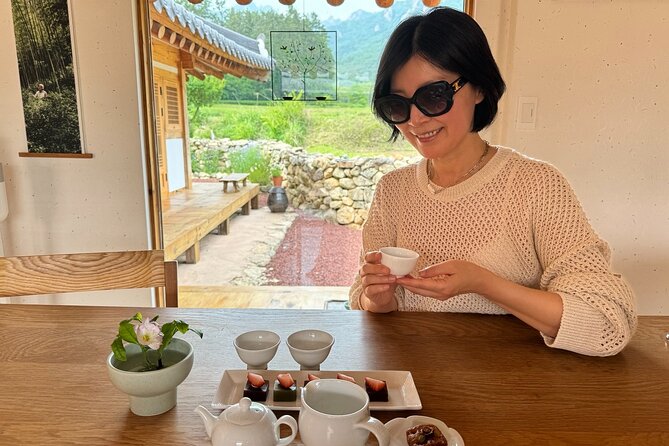
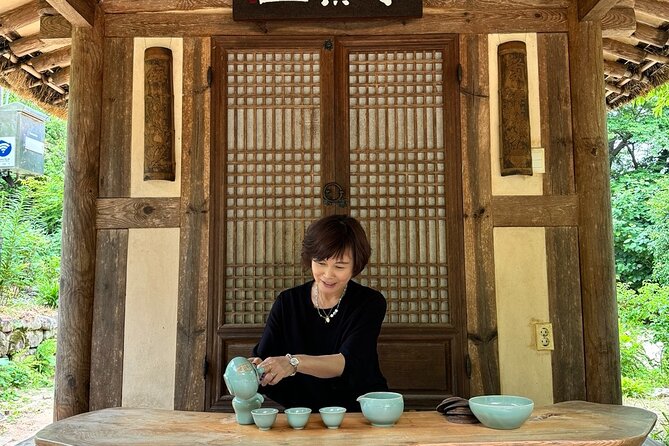
- A hands-on tea ceremony: The Boseong stop includes a Korean tea ceremony class, not just a museum visit.
- Two very different tea areas: Boseong is famous for broad, scenic hills, while Gangjin offers quieter places tied to older tea traditions.
- Private transport from Gwangju: Your group travels alone, with roughly 70 minutes from Gwangju to Boseong, 50 minutes to Gangjin, and 70 minutes back.
- Food is flexible but extra: Lunch takes about an hour in Boseong-eup, and you choose and pay for your own meal.
- Strong guide element: Guides including Veronica and Vicky are praised for tea knowledge, local food suggestions, and help with practical transport questions.
Why this tea tour is more than a photo stop
If you only visit Boseong’s best-known tea field, you see a beautiful place but miss much of the story. This tour links Boseong with Gangjin, giving you a fuller picture of how tea is grown, prepared, served, and remembered in southern Korea.
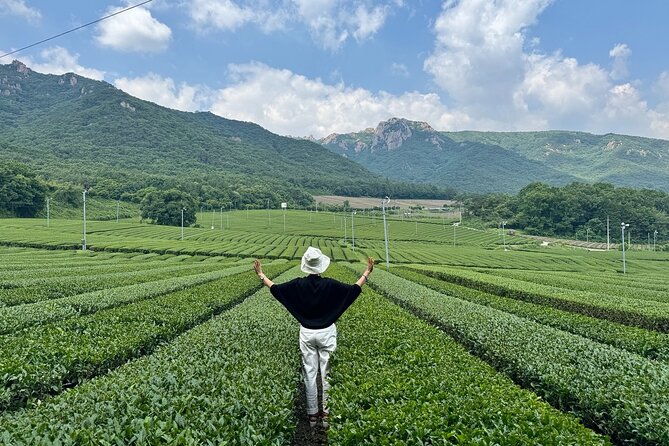
Boseong supplies the classic image: orderly rows of tea covering rounded hills in South Jeolla Province. Gangjin changes the mood. Its tea fields and old sites connect tea with scholarship, gardens, local brands, and the work of preserving traditions that might otherwise fade.
That mix gives the day a clear shape. You begin with farms and views, move into production and tea culture, then finish with older sites and distinctive tasting experiences. I like that progression because it helps you understand what you are looking at instead of simply walking through green rows.
The day begins at 9:30 am in Gwangju Metropolitan City. With private transportation, only your group takes part. That matters here, since the route covers several sites spread across two counties and includes about three hours of total driving.
A few more things to do in South Korea worth a look
- Busan Private Tour with licensed tour guide + private vehicle
★ 5.0 · 1,143 reviews - Private DMZ Tour (No Shopping): 3rd Tunnel & Suspension Bridge
★ 5.0 · 607 reviews - Jeju Island English Private & Flexible Tour any number anywhere
★ 5.0 · 561 reviews
Boseong Green Tea Field Daehan Dawon
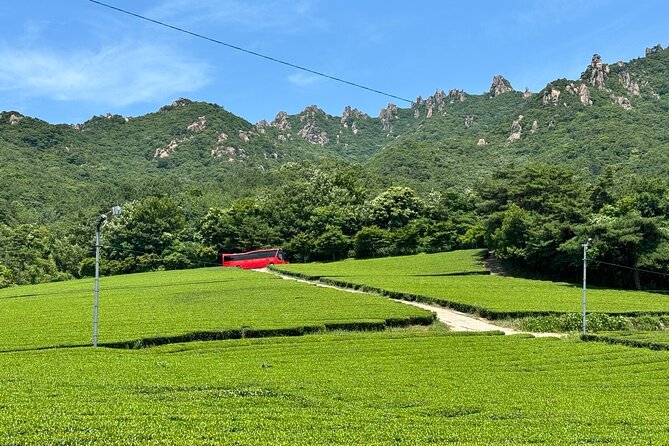
The first major stop is Daehan Dawon, Boseong’s famous green tea field. You have about 90 minutes here, with admission included.
Boseong’s climate and soil are well suited to tea, and the farms in the area are described as organic. The main appeal is visual. Tea plants cover the slopes in long, curved rows, creating one of the most recognizable rural views in South Korea.
Bring shoes you can walk in comfortably. This is a farm on hilly ground, not a flat urban park. You may spend time following paths, looking across the rows, and taking photographs, but the real value comes from having a guide explain how the fields fit into Korea’s tea industry.
This is also the most likely stop to feel busy or familiar. Boseong draws visitors from around the world, so it is the scenic centerpiece rather than the quietest part of the day. If your main goal is a classic tea-field photograph, this stop delivers. If you prefer secluded places, Gangjin later in the day may leave the stronger impression.
Lunch in Boseong-eup
After the first field, you have about an hour for lunch in Boseong-eup. The meal is not included, so you choose your dish and pay at the restaurant.
Suggested local choices include stir-fried octopus and other popular town dishes. The benefit of this arrangement is flexibility. You are not locked into one set menu, and your guide can help point you toward local food that fits your taste.
The tradeoff is that the final cost varies. At $195 per person, you should remember that lunch sits outside the tour price. Alcoholic drinks are also not included.
An hour is enough for a normal meal, but this is not a long food tour. Think of lunch as a useful break between the tea fields and museum, with a chance to try a regional dish rather than a separate culinary experience.
Korea Tea Museum and the six forms of tea
The Korea Tea Museum gives you about an hour to place the day’s tastings in context. Admission is included.
The museum explains the tea plant and the six types of tea that can be made from it. It also covers Korean tea culture and the production of green tea. This stop is particularly useful if you are new to Korean tea, since it gives names and structure to things you may otherwise experience only through taste.
The tour’s three tea styles are a practical theme to keep in mind:
- Leaf tea gives you the familiar brewed form.
- Powdered tea, or malcha, is finely ground and used in the included matcha affogato.
- Rice cake tea offers a traditional Gangjin preparation with a different texture and story.
I like the museum because it keeps the trip from becoming a series of pretty views. You learn why processing changes tea, how the plant can produce different styles, and why tea has mattered in Korean culture.
Still, museum time may feel slow if you only want outdoor scenery. The best approach is to treat it as preparation for the later tastings, not as a quick filler stop.
Same base, a different kind of day out:
- Best DMZ Tour Korea from Seoul (Red Suspension Bridge Optional)
★ 5.0 · 41,422 reviews - DMZ Tour: 3rd Tunnel, Option(Suspension Bridge, Boat) from Seoul
★ 5.0 · 21,373 reviews - DMZ tour south Korea from Seoul (NK experience hall, defector)
★ 5.0 · 20,599 reviews - DMZ Insider Tour: 3rd Tunnel, NK Defector Meet & Red Bridge
★ 4.9 · 15,214 reviews
Nokcha-ro and the Choroknip viewpoint
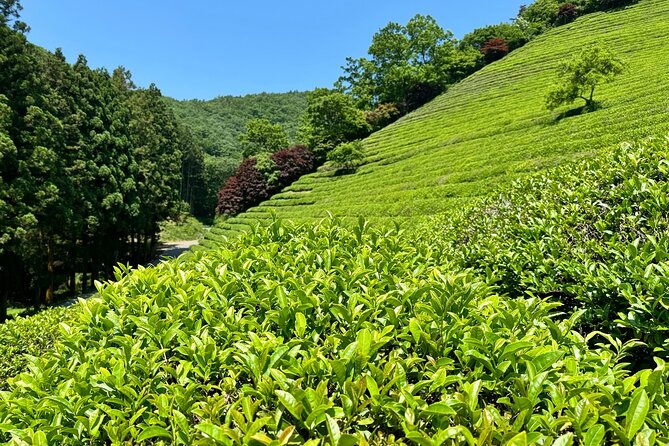
At Nokcha-ro, you spend around 40 minutes at the Choroknip tea farm, operated by Boseong Jeda. The farm is known for one of Boseong’s finest viewpoints, with a tea house terrace looking over the rolling fields.
This is a shorter stop than Daehan Dawon, but it serves a different purpose. Daehan Dawon gives you the experience of walking among the tea rows. Choroknip gives you time to sit back and take in the full pattern of the hills.
The terrace is a good place to slow down. You can compare the broad view from above with the close-up detail of the plants you saw earlier. The included matcha affogato adds a small but memorable treat: powdered green tea paired with green tea ice cream.
Do not expect a full meal or an extended tea tasting here. The stop is brief, and its strength is the view plus the dessert. For many people, this will be one of the easiest moments of the day, with little walking and a clear visual payoff.
Gangjin Dawon at the foot of Mount Wolchulsan
The drive from Boseong to Gangjin takes about 50 minutes. That road time is one reason private transport is valuable. You can rest between stops rather than work out buses or taxis across rural South Korea.
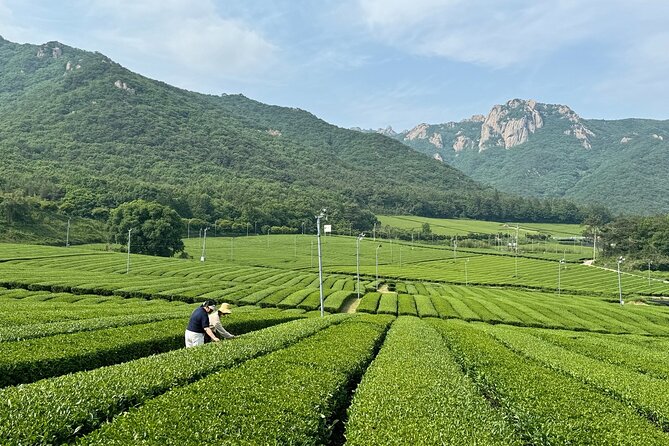
Gangjin Dawon sits at the foot of Mount Wolchulsan. The field has been cultivated for green tea production since 1980 by Osulloc, one of Korea’s leading tea producers. The site is newer than Gangjin’s tea traditions, which reach back more than 1,000 years.
You have about 30 minutes here, so this is an overview stop rather than a long farm walk. The point is to see Gangjin’s tea-growing setting and understand that its importance is not limited to modern production.
This contrast with Boseong is useful. Boseong is the polished, famous tea destination with large scenic fields. Gangjin feels more connected to the older cultural side of tea. If you want a day devoted only to major commercial tea farms, this may seem like a detour. If you want to understand why Gangjin matters, it is essential.
Baegundong Hermitage Garden
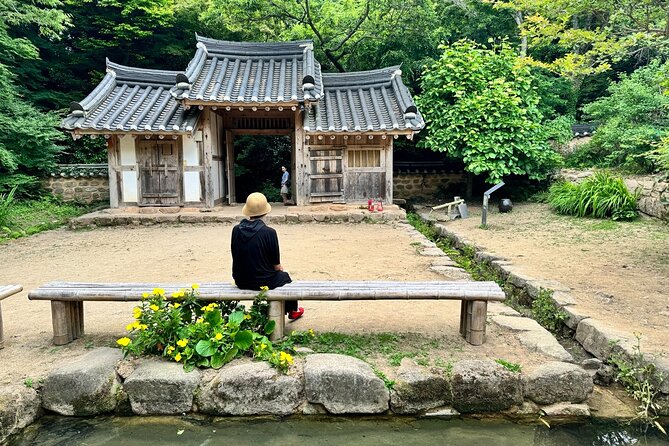
The Baegundong Hermitage Garden was built in the late 17th century during the Joseon Dynasty. You have about 40 minutes to explore it.
The garden was carefully placed to work with its natural setting. That design idea helps explain the connection between tea and the wider Korean tradition of gardens, learning, and quiet retreat. This is not simply another field. It gives the afternoon a change of pace and a sense of place.
The word hermitage can sound grander than the actual visit. You should expect a historic private garden rather than a large palace complex. The appeal is its scale, setting, and connection to tea culture.
This is one of the strongest reasons to choose the private tour instead of arranging a tea-field visit alone. A garden such as this is easier to appreciate when someone explains why it was built where it was and how it fits into Gangjin’s tea story.
Baegun Tea House and rice cake tea
The final stop is Seongjeon-myeon, home to Baegun Tea House. You have around 40 minutes here.
The tea house honors Baegun Okpan Tea, described as Korea’s first tea brand. It was created in the 1920s by Lee Han-young, a descendant of one of Jeong Yak-yong’s disciples. Jeong Yak-yong was a major Joseon scholar who spent time in exile in Gangjin, so this stop ties tea to the area’s intellectual and cultural past.
Here you try historical rice cake tea, a Gangjin tradition with around 200 years of practice. This is the most unusual tasting on the route. It is not just another cup of green tea, and it gives the tour a distinctive finish.
The day’s tastings are included, which improves the value of the $195 price. You are not paying extra at every stop for the main tea experiences. The main out-of-pocket item is lunch, along with any alcoholic drinks or personal purchases.
What the $195 price really covers
At $195 per person, this is not a low-cost day trip. The value depends on how you would otherwise reach Boseong and Gangjin.
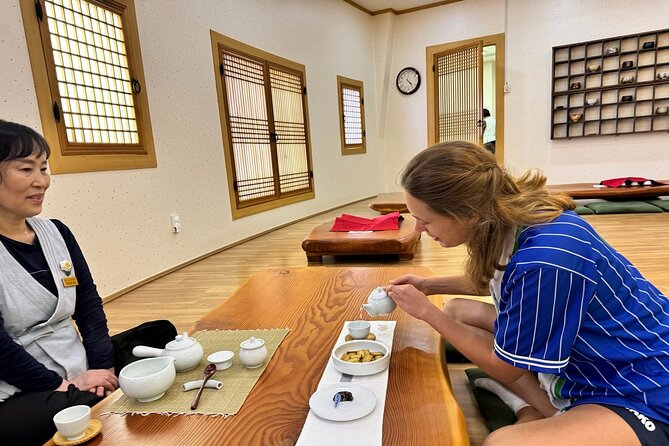
The price includes private transportation, admission fees, the Boseong tea ceremony, matcha affogato, and Gangjin’s rice cake tea. You also get a full day with a guide who can connect the places and help with food choices. For a group, private transport can make the cost easier to justify because you are not paying for a large coach experience with many strangers.
The route would be harder to handle independently. Gwangju to Boseong takes around 70 minutes, Boseong to Gangjin about 50 minutes, and Gangjin to Gwangju another 70 minutes. Rural connections, several short stops, and the need to stay on schedule could turn a simple tea day into a transport puzzle.
The price is less attractive if you only want to see one tea field and buy tea. It becomes stronger value if you want the ceremony, museum, garden, several tea formats, and a local guide in one day.
The guide can shape the day
This experience depends heavily on the guide. Veronica and Vicky are specifically associated with the tour, and the available feedback highlights clear explanations of tea production, tasting, and the Gwangju area.
You can expect more than directions from a good guide here. The best moments are likely to come when someone explains the difference between malcha and brewed tea, connects Baegun Okpan Tea to local history, or recommends a suitable lunch in Boseong-eup.
The private format also gives your group more room to ask questions and adjust the rhythm. The tour follows a planned route, but a private guide can respond to your interests more easily than a large group leader. One useful point from the experience feedback is that the guide may also help with wider transportation problems during a South Korea trip. That extra practical help can matter if Gwangju is only one stop on a longer itinerary.
Who should book this day?
I would choose this tour if you:
- Love tea, gardens, farms, or rural scenery.
- Want to visit Boseong without giving up Gangjin.
- Prefer a private vehicle to public transport on a long rural route.
- Enjoy learning how food and drink connect to local history.
- Want a guide who can explain the meaning behind what you see.
- Have one full day available from Gwangju.
I would hesitate if you want a slow, unstructured day. Nine to ten hours is a full outing, and the schedule includes seven stops plus travel. You should also be comfortable with outdoor walking at the tea fields and with paying separately for lunch.
The tour requires good weather. If conditions force a cancellation, you are offered another date or a full refund. You can cancel for a full refund up to 24 hours before the 9:30 am start time, but changes made inside that window are not accepted.
Final call: a strong choice for tea lovers based in Gwangju
Book this tour if you want the famous Boseong views but also care about the older, less obvious side of Korean tea. The ceremony, museum, garden, and rice cake tea give the day real variety, while private transport removes much of the strain of reaching two rural tea areas.
Skip it if your interest in tea is casual and your main goal is a quick photograph. You will pay for a full day, a guide, and several cultural stops when a shorter Boseong visit might be enough.
For the right person, the best part is the range: tea rows on hills, a museum lesson, matcha dessert, a Joseon garden, and an unusual Gangjin tea tradition. That is a lot more useful than simply being told that Boseong is beautiful.
FAQ
Where does the Korean Green Tea Tour begin?
The tour begins in Gwangju Metropolitan City at 9:30 am.
How long does the tour last?
The experience lasts approximately 9 to 10 hours.
Is this a private tour?
Yes. Only your group participates, and private transportation is included.
How long is the drive from Gwangju to Boseong?
The drive from Gwangju to Boseong takes around 70 minutes.
Is lunch included?
No. Lunch is not included. You choose your meal in Boseong-eup and pay the restaurant directly.
What tea experiences are included?
The tour includes a Korean tea ceremony in Boseong, matcha affogato made with powdered green tea and green tea ice cream, and historical rice cake tea in Gangjin.
Is admission included?
Admission fees are included for the stops where an entrance fee applies, including Daehan Dawon and the Korea Tea Museum.
What happens if the weather is poor?
The experience requires good weather. If it is canceled because of poor conditions, you can choose another date or receive a full refund.
Just added in South Korea
- Your Personal Seoul Photographer!★ 4.1 · 15 reviews
- You’re Invited to Our Home in Seoul: The Only Cooking Class!★ 5.0 · 8 reviews
- From Seoul: Yongpyong Ski Day Tour with Transportation★ 4.9 · 40 reviews
- Seoul: Korean & English Language Exchange Global Party★ 5.0 · 28 reviews
- Yeosu: Private Taxi Car Private Charter Tour★ 4.7 · 3 reviews
- Jeju UNESCO Natural Heritage Private Tour by Certified Guide★ 5.0 · 5 reviews
- From Seoul: Hwacheon Ice Fishing and Lighting Festival Tour★ 4.5 · 4 reviews
- EVERLAND “From Hotel to Hotel” [Premium Private Tour: Only One Group for You]★ 4.0 · 7 reviews
Tours, compared.
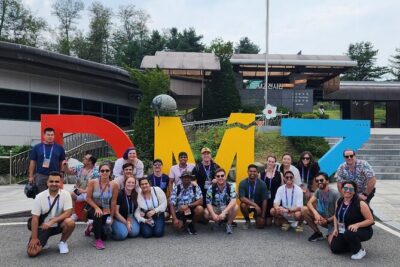
Best DMZ Tour Korea from Seoul (Red Suspension Bridge Optional)
Read our review →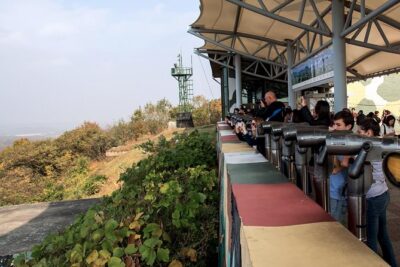
DMZ Tour: 3rd Tunnel, Option(Suspension Bridge, Boat) from Seoul
Read our review →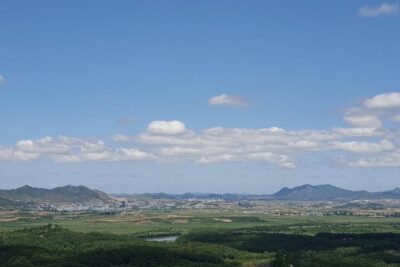
DMZ tour south Korea from Seoul (NK experience hall, defector)
Read our review →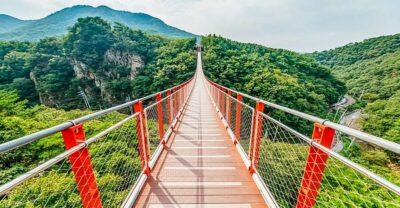
DMZ Insider Tour: 3rd Tunnel, NK Defector Meet & Red Bridge
Read our review →
Signature DMZ Tour: Exclusive Defector Talk & Suspension Bridge
Read our review →
Thrilling Korean DMZ 3rd Tunnel Tour from Seoul + Red Bridge Rush
Read our review →