
Reviewed · DMZ & JSA TOURS
Seoul: Closest DMZ Observatory with North Korea View (1.4km)
The unusual hook here is simple: you can buy a ticket to enter the Starbucks closest to North Korea, then look across the river toward North Korean land from the nearby observatory. At Aegibong Peace Eco Park, that odd bit of modern life sits beside a serious border story, an ecological trail, and a telescope aimed across the water.
I like the easy transport from Seoul and the chance to see North Korea with your own eyes without relying on a full standard DMZ program. I also like the human touch from guides such as Katie, Erica, and Kim, who explain the setting in clear, approachable ways. The main drawback is the seven-hour commitment, plus the fact that the view depends on conditions on the day.
Key points at a glance
- Only 1.4 kilometers from North Korea: Jogang Observatory gives you a direct view across the border area.
- A Starbucks with an extraordinary setting: The café is part of Aegibong Peace Eco Park, near the observatory and open views.
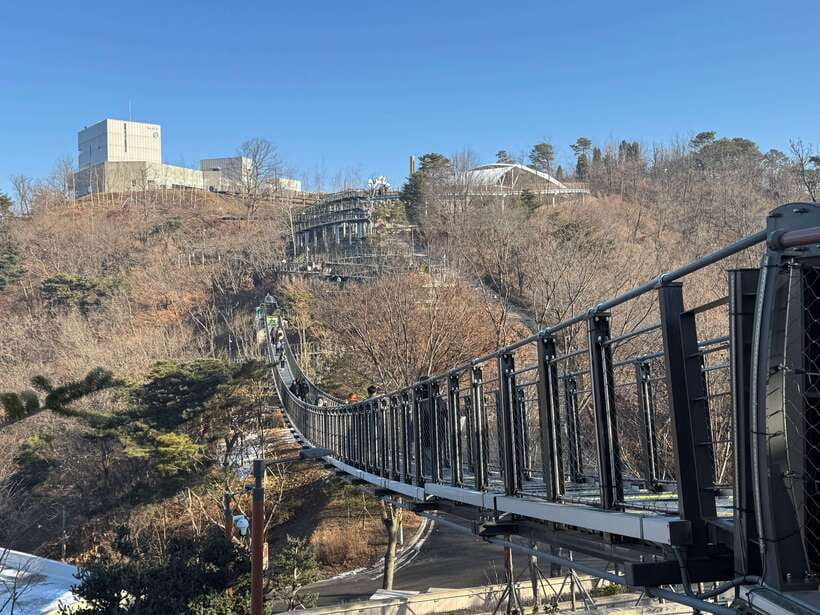
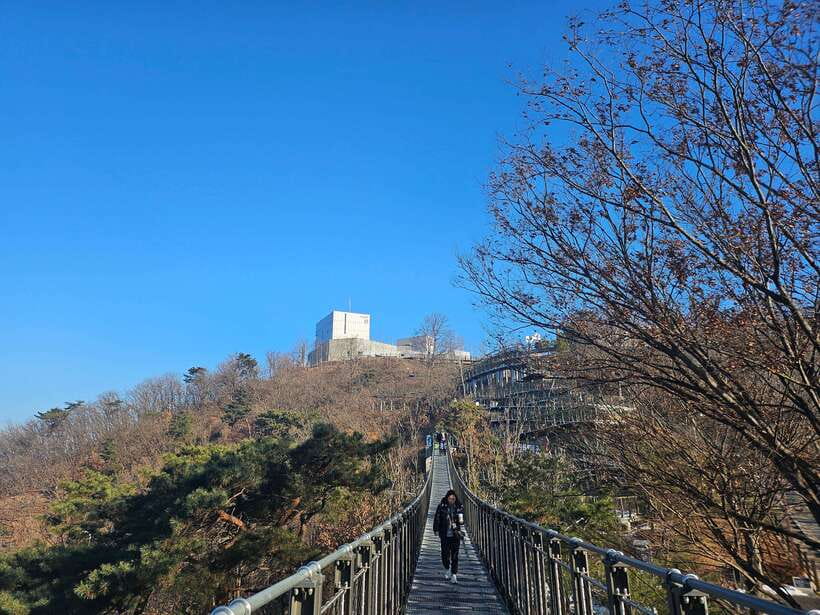
- A suspension bridge adds a memorable approach: You cross it on the way toward the Starbucks and observatory.
- More than a lookout: The park includes the Peace Eco Exhibition Hall, an ecological trail, and renovated observatory facilities.
- Central Seoul pickup options: Meet at Hongik Univ. Station Exit 3, Hotel Skypark Myeongdong 3, or THE PLAZA Seoul.
- A useful alternative when DMZ access changes: One tour booking showed that this area could still be visited on a day the DMZ was closed.
Why this border view feels different
Many border tours are built around military checkpoints, identification rules, and carefully controlled viewing areas. Aegibong offers a different mood. You still get the weight of the division between North and South Korea, but you reach the viewing point through a public ecological park with trees, walking paths, an exhibition hall, and a café.
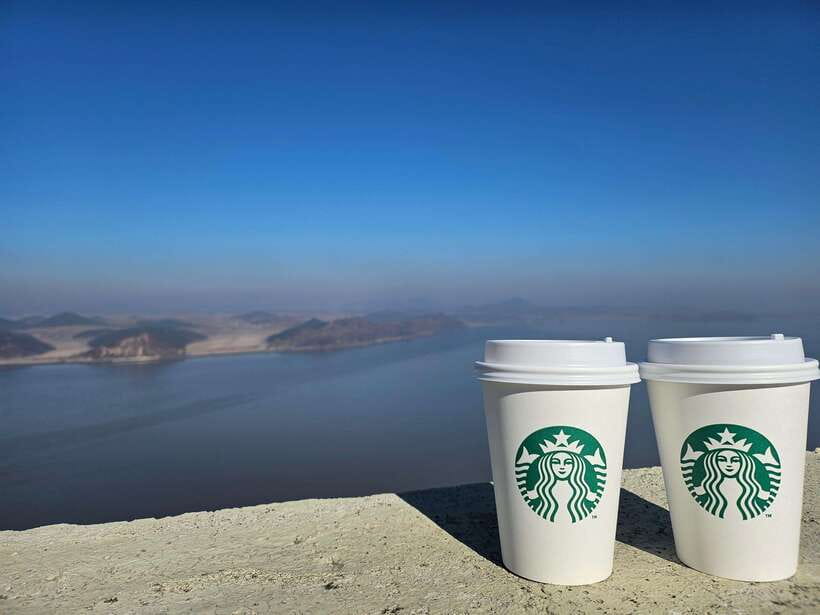
That contrast is the heart of the experience. You might be standing with a coffee in hand, looking at the open sky and the river, while a telescope lets you inspect the distant North Korean side. The scene is calm, yet the location carries real political and personal meaning.
The distance is striking. North Korea is only 1.4 kilometers away, close enough for the boundary to feel like a physical place rather than a line on a map. The view will not give you a full picture of daily life across the border, and visibility can change, but it offers a direct visual connection that many Seoul day trips cannot provide.
The park also gives the visit some breathing room. You are not rushed from one military display to another. Instead, you move through an exhibition space, a bridge, an observatory, and an ecological setting. That makes this a good choice if you want border context without spending the whole day in a highly formal DMZ setting.
Other trips up to the border from South Korea:
- Best DMZ Tour Korea from Seoul (Red Suspension Bridge Optional)
★ 5.0 · 41,422 reviews - DMZ Tour: 3rd Tunnel, Option(Suspension Bridge, Boat) from Seoul
★ 5.0 · 21,373 reviews - DMZ tour south Korea from Seoul (NK experience hall, defector)
★ 5.0 · 20,599 reviews
Leaving Seoul for Gyeonggi Province
You begin at one of three central Seoul meeting points: Hongik Univ. Station Exit 3, Hotel Skypark Myeongdong 3, or THE PLAZA Seoul, Autograph Collection. Check the exact option you book, since the pickup point depends on your selection.
The first coach ride takes about 1.5 hours. That is a useful detail when planning your day. This is not a quick city attraction that fits neatly between palace visits. You are giving up most of a day, so it works best when you want a focused border and history outing rather than a packed Seoul sightseeing schedule.
The included transport makes the price easier to assess. At $47 per person, you are paying for the coach, a live guide, and admission fees, not just access to a viewpoint. You also avoid the work of arranging transport into Gyeonggi Province yourself. Food, drinks, and personal purchases are extra, so plan to handle those separately.
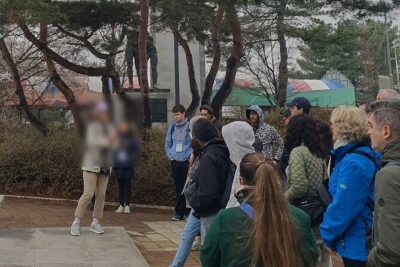
The coach ride is also where a guide can set the scene. The history of the Korean border can be hard to understand from signs alone, especially if you are new to the subject. Guides have used personal stories, historical explanation, and humor to keep the subject clear without making light of it. Katie has been singled out for balancing warmth and respect, while Kim’s explanations in Japanese were praised for being easy to follow and useful for understanding the historical background.
Aegibong Peace Eco Park and its exhibition hall
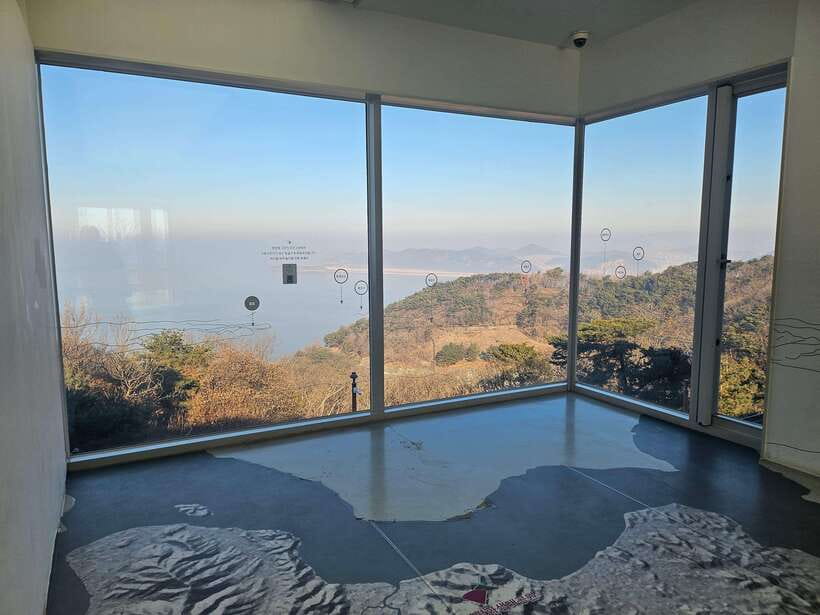
The main stop is Aegibong Peace Eco Park, where you spend about 1.5 hours on a guided visit. The park was created by renovating an older observatory area and adding ecological features. Its design brings together the Peace Eco Exhibition Hall, the observatory, and an ecological trail.
The exhibition hall is important because the view alone can be hard to interpret. Across the river, you may see land and buildings, but without context you could miss why Aegibong matters. The indoor displays give the guide a place to explain the division of Korea and the significance of this particular border area.
You should expect a mix of indoor and outdoor time. That makes the stop easier to handle than a day spent only in exposed viewing areas, though you will still want sensible clothing and shoes for walking. The supplied information does not promise a particular amount of trail walking, so think of the ecological path as part of the park visit rather than a long hiking route.
The park’s setting is one of its strongest features. Architecture, open sky, river views, and planted areas are arranged together, giving you more than a single platform with a telescope. I like that this creates a gentler pace. You have time to look, listen, and connect the displays with the view outside.
Crossing the suspension bridge to the Starbucks
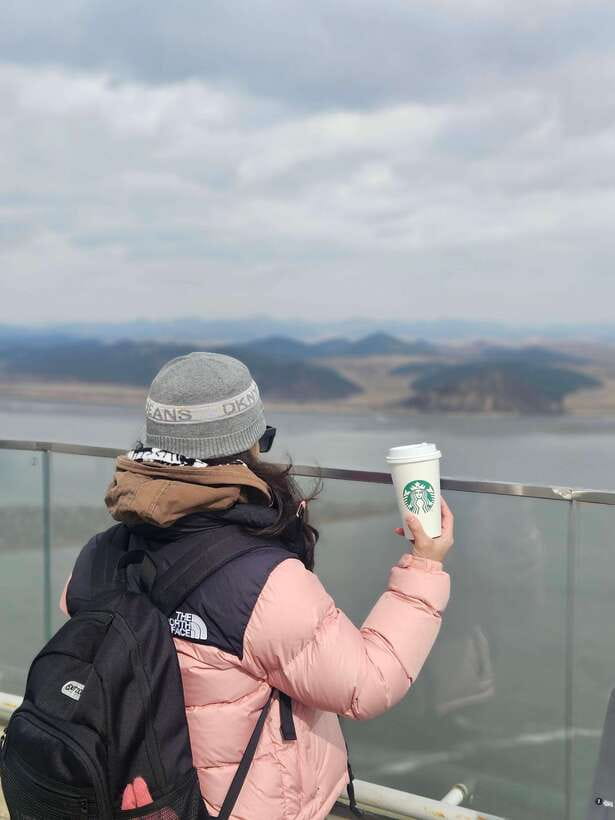
On the way toward the observatory, you cross a suspension bridge. It is a small part of the outing, but it gives the visit a clear sense of movement. You are not simply getting off a bus beside a building. The bridge becomes a memorable link between the park’s ecological side and the viewing area.
After crossing, you reach the Starbucks described as the closest to North Korea. The unusual detail is that entering this café involves a ticket as part of the park experience. You can look out at the open sky, the river, and the North Korean side while taking a break.
Keep your expectations sensible. This is not presented as a full café tour or a long food stop. Food and drinks are not included in the $47 price, and personal purchases are your responsibility. The value is the setting, not a complimentary beverage or a special menu.
That setting does give the stop a memorable edge. A familiar global café brand is placed beside a sensitive international border. You can enjoy the novelty, then walk a short distance to a viewing point where the political reality becomes much more apparent.
Same base, a different kind of day out:
- DMZ Insider Tour: 3rd Tunnel, NK Defector Meet & Red Bridge
★ 4.9 · 15,214 reviews - Seoul: DMZ Tour with Optional Suspension Bridge
★ 4.8 · 5,277 reviews - Signature DMZ Tour: Exclusive Defector Talk & Suspension Bridge
★ 5.0 · 4,459 reviews - Thrilling Korean DMZ 3rd Tunnel Tour from Seoul + Red Bridge Rush
★ 5.0 · 3,097 reviews
Jogang Observatory and the 1.4-kilometer view
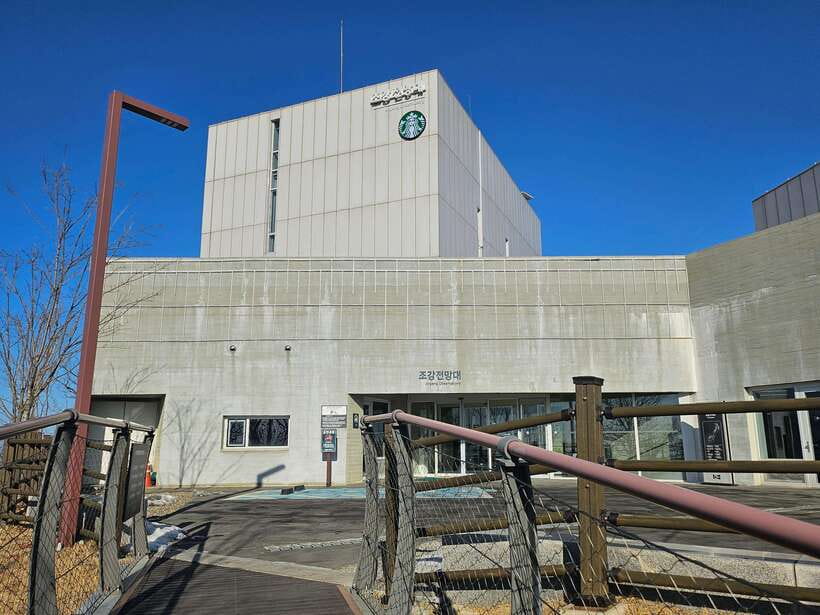
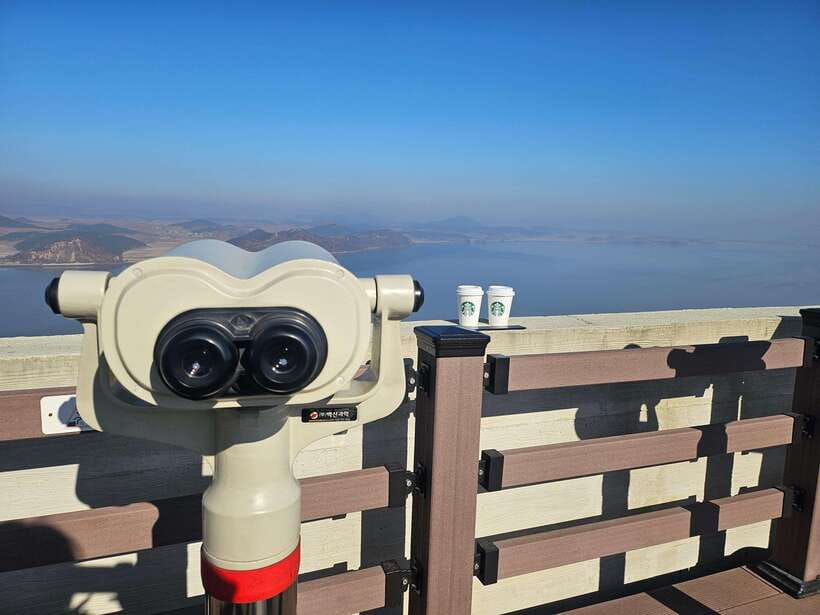
The central part of the tour is the guided visit to Jogang Observatory, also described as the Starbucks Observatory. You spend about one hour here. In front of Starbucks, the observatory provides a clear place to view North Korea, and a telescope is available for free.
This is where the tour earns its name. You are not just hearing that North Korea is nearby. You can look across the river and identify the land on the other side. The telescope may help you examine distant features, though the exact clarity depends on the weather and visibility that day.
A good guide matters here. The view needs explanation, but it also needs restraint. You are seeing a real border area, not a theme-park attraction. The strongest guiding approach is to point out what you can see, explain why the place matters, and leave room for you to take in the scene yourself.
The observatory is also a practical photo stop. One guide, Katie, made a point of helping people get good photos, which is useful because visitors often focus so hard on the distant view that they forget to frame themselves in the setting. Bring your own phone or camera, but remember that clear conditions are never guaranteed.
You should also allow for the emotional side of the stop. The sight may feel peaceful, but the closeness of North Korea gives it a serious edge. That mix of ordinary park life and international tension is what makes the observatory more affecting than a distant viewpoint.
The return route and Seoul finish
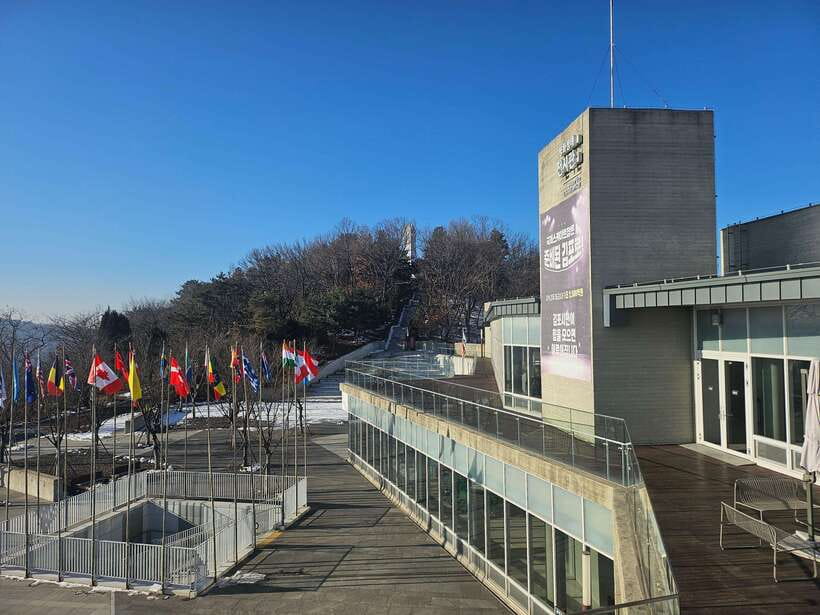
After the park and observatory, the coach ride back takes about one hour. The stated finish is Seoul City Hall, written in the booking details as 서울특별시청. This is helpful if you want to continue with dinner, shopping, or an evening walk in central Seoul.
The complete outing lasts seven hours. The listed travel and guided sections account for much of the day, with the remaining time covering boarding, transitions, and the movement between park areas. Do not schedule a tight activity immediately after the tour. Traffic and the pace of the group can affect your exact return time.
The finish at City Hall also makes this tour easier to combine with central Seoul plans than one ending far outside the city. Still, I would treat the tour as your main daytime activity. Its strength comes from giving the border area enough time, not from rushing through it.
How the $47 price measures up
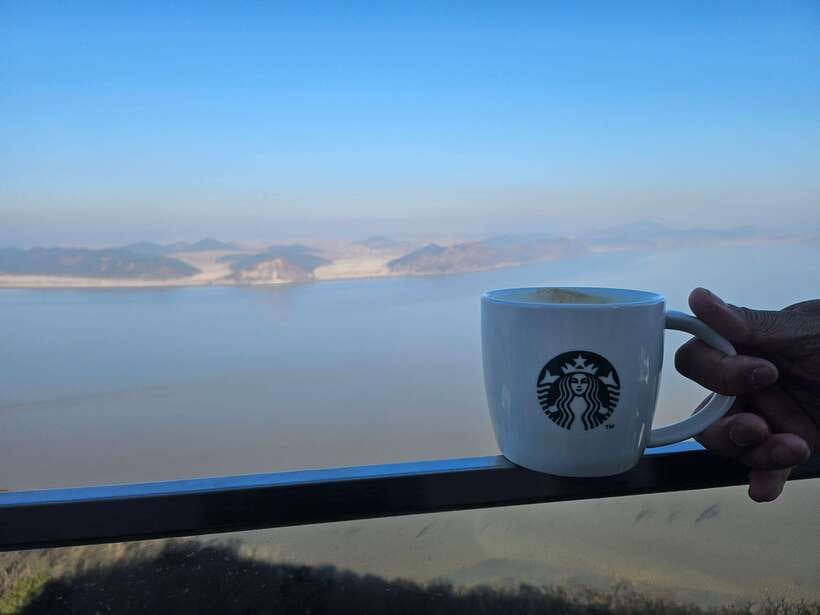
At $47, this is a reasonable half-day-to-full-day outing if you value organized transport and a guide. Admission, coach travel, and guiding are included, so the price covers the main practical costs. You will still pay for any food or drink, including anything you buy at Starbucks.
The price makes less sense if you only want a quick photograph from a lookout. You are paying for roughly seven hours and a structured visit that includes the exhibition hall, ecological park, bridge, café setting, and observatory. If that sounds like too much time for one view, a shorter city activity may suit you better.
I see the strongest value in the combination of access and explanation. Getting to a point only 1.4 kilometers from North Korea on your own may require extra planning, while this package gives you transport, admission, and a live guide in one booking. The tour can also be useful when a conventional DMZ visit is unavailable. One booking experience showed that the group could still see North Korea on a day the DMZ was closed to visitors.
You can cancel up to 24 hours in advance for a full refund, and the reserve-now, pay-later option keeps the booking flexible. Those terms are useful when your Seoul schedule is still changing.
Which guide language and tour style suit you

Live guiding is available in English, Chinese, and Japanese. That matters because the history and border politics are easier to follow in a language you understand well. If you book an English tour, Katie and Erica are names associated with particularly warm and enjoyable guiding, while Kim has received praise for clear explanations in Japanese.
The guide is not a minor part of this experience. At the observatory, you need help understanding what you are looking at. In the exhibition hall, a clear explanation can turn a collection of displays into a coherent story. And on a serious subject, a guide who knows when to add light humor and when to be respectful makes the day more comfortable.
The tour suits you best if you like history, modern politics, unusual viewpoints, and guided day trips with a clear theme. It also works for anyone who wants to see North Korea directly but does not want to depend on a standard DMZ itinerary alone.
It may not suit you if you dislike coach rides, have little interest in Korean history, or want a flexible day with no fixed schedule. The Starbucks stop is novel, but it is not a substitute for a café crawl or a food-focused outing.
What to bring and what to remember
Bring your passport on the tour date. A copy is accepted according to the tour information, but do not leave this requirement to chance. You will need it for the outing.
Wear comfortable shoes for the park, exhibition hall, bridge, and observatory. The experience includes outdoor movement and an ecological trail, although the supplied details do not specify a long hike. Keep some room in your schedule for the coach rides and transitions.
Bring a phone or camera if you want photos, and take advantage of the free telescope at Jogang Observatory. Since the view is weather-dependent, the telescope and guide’s explanation may matter even more on a hazier day.
Should you book the Aegibong tour?
Book it if you want a practical, unusual way to see North Korea from close range, with transport and historical explanation handled for you. The 1.4-kilometer distance, suspension bridge, ecological park, and Starbucks viewpoint give the day a character that a standard city tour cannot match.
I would especially consider it if your DMZ plans are uncertain or if you want a less conventional border visit. Just remember that this is a seven-hour commitment, visibility can vary, and the café purchase is not included.
For a compact Seoul activity, skip it. For a thoughtful day outside the city that combines a real border view with a curious modern detail, the $47 price is fair and the experience is distinctive.
FAQ
How close is the observatory to North Korea?
Jogang Observatory is about 1.4 kilometers from North Korea.
What languages are available for the live guide?
Guiding is available in English, Chinese, and Japanese.
Where can I meet the tour?
The three stated meeting options are Hongik Univ. Station Exit 3, Hotel Skypark Myeongdong 3, and THE PLAZA Seoul, Autograph Collection. Your meeting point depends on the option you book.
What is included in the price?
Transportation, a live tour guide, and admission fees are included.
Do I need to bring a passport?
Yes. You must bring a passport on the tour date. A copy of your passport is accepted according to the tour information.
Where does the tour finish?
The tour finishes at Seoul City Hall, written in the booking details as 서울특별시청.
Just added in South Korea
- Seoul: Winter Day Tour in Pocheon (+Strawberry Picking)★ 4.1 · 5 reviews
- Suwon: Baseball Game with Fortress and Local Food Tour★ 5.0 · 3 reviews
- Seoul: War Memorial of Korea Private Guided Museum Tour★ 4.9 · 29 reviews
- Seoul: Private Tour to Nami Island, Garden, Petite France★ 5.0 · 4 reviews
- Seoul: Wine & Korean BBQ, Perfect Pairing Dinner in Sinchon★ 5.0 · 6 reviews
- Seoul : Your Personal Photographer in Gyeongbokung★ 5.0 · 7 reviews
- Seoul : Efoil Experience in Han River★ 5.0 · 5 reviews
- Seoul: Suwon Hwaseong & Waujeongsa & Starfield Heritage Tour★ 4.8 · 27 reviews
DMZ & JSA Tours, compared.
Best DMZ Tour Korea from Seoul (Red Suspension Bridge Optional)
Read our review →
DMZ Tour: 3rd Tunnel, Option(Suspension Bridge, Boat) from Seoul
Read our review →
DMZ tour south Korea from Seoul (NK experience hall, defector)
Read our review →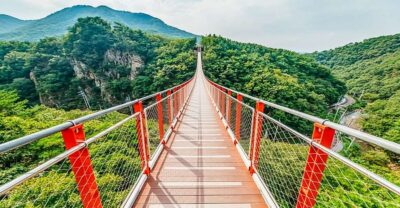
DMZ Insider Tour: 3rd Tunnel, NK Defector Meet & Red Bridge
Read our review →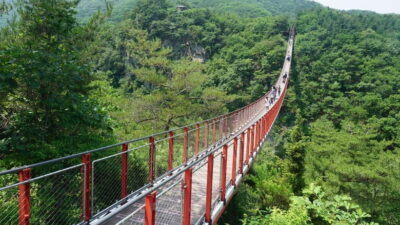
Signature DMZ Tour: Exclusive Defector Talk & Suspension Bridge
Read our review →
Thrilling Korean DMZ 3rd Tunnel Tour from Seoul + Red Bridge Rush
Read our review →
DMZ Past and Present: Korean Demilitarized Zone Tour from Seoul
Read our review →Browse the lists this tour appears in