
Reviewed · PALACE & GYEONGBOKGUNG TOURS
Seoul: Deoksugung Palace Night Tour
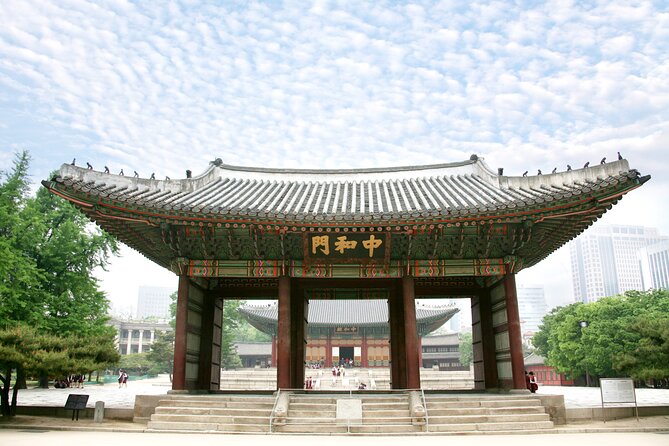
Deoksugung is the Seoul palace to visit when you want royal history with a modern edge. Under the evening lights, you move from the traditional throne hall to Seokjojeon, an unmistakably Western-style building, while a guide explains how Korea’s last royal era tried to adapt to a changing world. The mix of architecture is the real hook.
I like the quiet nighttime setting and the convenient City Hall meeting point. I also like that the guide explains the Korean Empire and the end of the Joseon dynasty instead of simply naming buildings. Guides Alan Han and Mr Lee have been singled out for clear storytelling, though the tour requires at least four participants and can be canceled if that number is not reached.
Key points to know before booking
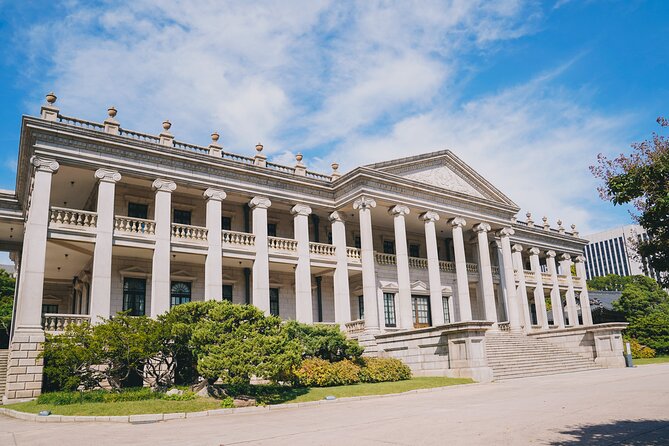
- See two architectural worlds together: Deoksugung combines traditional Korean palace buildings with the Western-style Seokjojeon.
- Night lighting changes the experience: The palace takes on a calmer, more atmospheric appearance after dusk.
- Meet by City Hall: The starting point is in front of Exit 1 of City Hall Station, served by Lines 1 and 2.
- Expect a history-led walk: The focus is the Korean Empire, King Gojong, palace architecture, and the period of Japanese invasion.
- Ask questions as you go: The guide can answer questions in English or Chinese, depending on the tour arrangement.
- Check the minimum group rule: Fewer than four participants can result in cancellation, with notice sent by WhatsApp.
Why Deoksugung feels different at night
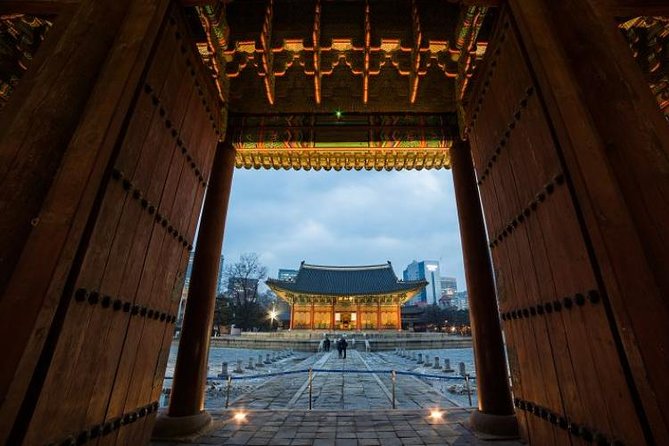
Seoul has several royal palaces, but Deoksugung offers a particular kind of historical tension. It was used as the main palace during the Korean Empire, roughly a century ago, when Korea was trying to modernize after centuries of Joseon rule. Its buildings preserve both older Korean forms and newer Western influence.
That combination gives the tour more to discuss than rooflines and throne rooms. You are looking at a royal compound shaped by political pressure, modernization, and foreign interference. The palace also carries the pain of Japan’s invasion, so the walk is not simply decorative sightseeing.
The evening timing matters. The palace buildings are lit as daylight fades, and the stone wall beside Deoksugung becomes part of the setting. The quieter mood helps you focus on the guide’s explanation, while the lighting brings out details that can be easy to miss during a daytime visit.
I would not choose this tour only for a fast checklist of famous sights. The value comes from hearing how each building fits into the story of Korea’s final royal period. If you prefer to move quickly and take photographs without stopping, a self-guided visit may suit you better.
More palace and old-quarter walks in Seoul:
- Seoul: Gyeongbok Palace, Bukchon Village, and Gwangjang Tour
★ 4.9 · 2,321 reviews - Best Seoul City Tour (Gyeongbokgung Palace,Insadong,Namsan Tower)
★ 5.0 · 1,647 reviews - Small-Group Royal Palace and Seoul City Tour (hotel pick-up)
★ 5.0 · 1,474 reviews
Meeting at City Hall Station at 6:20 pm
The tour begins near Exit 1 of City Hall Station, at 362-1 Taepyeongno 2-ga in Seoul’s Jung District. The meeting point is served by Seoul Subway Lines 1 and 2, so you can reach it without arranging a separate vehicle or crossing the city by taxi.
The listed start time is 6:30 pm, with the meeting instruction calling for arrival at 6:20 pm. Treat those ten minutes seriously. The tour operator does not allow late joining once the walk has begun, since waiting for one person would hold up the rest of the group.
You receive confirmation when booking, and the operator sends meeting details and timing by email or WhatsApp. You need to provide a name and a Korean-accessible contact number, or a messaging contact such as WeChat or Line. An incorrect number, or one that does not work in Korea, can leave you without important updates.
The tour allows a maximum of 20 people. That is large enough for a social group but not an enormous coach-style outing. The minimum is more important to note: if fewer than four people book, the tour can be canceled, with notice sent through WhatsApp.
Junghwajeon, the palace’s main throne hall
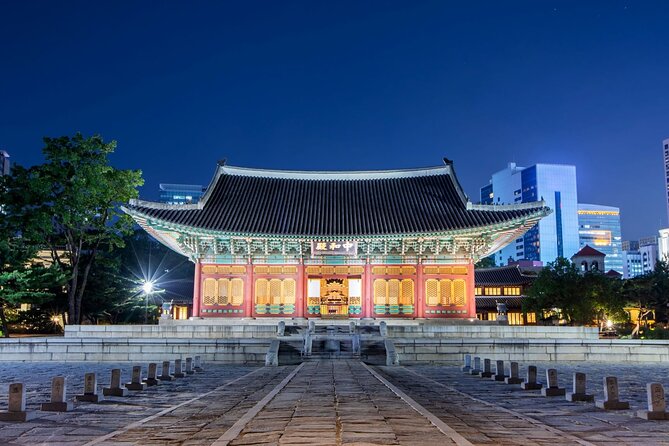
The first major stop is Junghwajeon, the main throne hall. This is where the guide can establish the palace’s political role and explain why Deoksugung became so important when Korea was called the Korean Empire.
A throne hall can look familiar if you have already seen Gyeongbokgung or another Korean palace. The guide’s context is what gives this stop its weight. You learn that Deoksugung served as the main palace instead of Gyeongbokgung during a key period of political change.
Listen for the connection between the building and King Gojong. The tour is not just about royal ceremony. It explains the pressures surrounding the court and the effort to modernize Korea. That makes Junghwajeon a useful starting point for understanding the buildings that follow.
At night, the lighting gives the hall a formal, almost theatrical presence. You should still keep your attention on the explanation, since the historical story is the main reason to take a guided walk rather than simply stroll through the grounds.
Seokjojeon and the Western face of the palace
Seokjojeon is the stop that most clearly sets Deoksugung apart. This Western-style building sits within a traditional Korean palace complex, making the palace a visible record of a country caught between older royal customs and modern international influence.
The contrast is easy to grasp in person. Rather than hearing a general statement about modernization, you see it in the architecture. The building also gives the guide a natural opening to explain why Western forms appeared at the Korean court and what that shift meant during the Korean Empire.
This is likely the most rewarding stop for anyone interested in architecture. You can compare the formal Western design with the traditional buildings around it, then ask the guide about the choices behind the mix. The tour specifically encourages questions, so prepare a few if architectural detail matters to you.
The drawback is that the tour description gives no promise of interior access to Seokjojeon. Expect the guide to discuss the building as part of the palace walk, but do not book on the assumption that you will see every interior room.
More after-dark views around Seoul:
- Seoul City Sightseeing Tour Including Gyeongbokgung Palace, N Seoul Tower, and Namsangol Hanok Village
★ 5.0 · 1,423 reviews - Seoul Highlights: Gyeongbok Palace, Insadong & N Seoul Tower
★ 4.7 · 726 reviews - Special City Night Tour
★ 5.0 · 162 reviews - Seoul Night Tour (Gwangjang Market, Royal Palace and Naksan Park)
★ 5.0 · 92 reviews
Seokeodang, a favorite of King Gojong
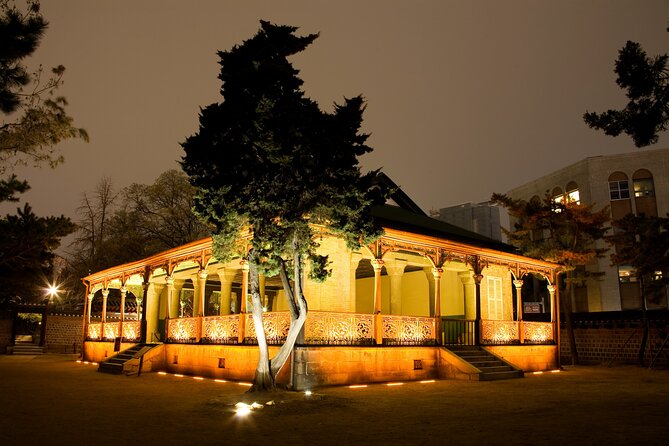
Seokeodang is described as the building most beloved by King Gojong. That detail adds a personal angle to the tour. After the broad political story at Junghwajeon and the architectural contrast at Seokjojeon, this stop brings attention back to the king’s own connection with the palace.
A good guide can make such a detail useful rather than sentimental. You can ask why this particular building mattered to Gojong and how it differed from the formal throne hall. The answer helps separate the palace’s public spaces from the places tied more closely to royal daily life.
Nighttime is well suited to this kind of stop. The setting is less crowded and less hurried, allowing the guide to spend time on stories that might be skipped during a quick group visit. Still, the exact amount of time at each building can vary, since the full walk lasts about two hours.
Hamnyeongjeon, the king’s bedchamber
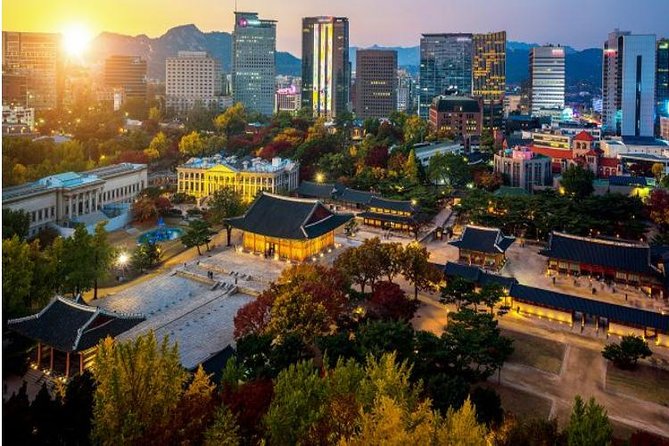
Hamnyeongjeon was the king’s bedchamber, giving you another view of royal life beyond ceremonies and state business. It is an important stop because palaces can otherwise feel like a series of grand public façades.
Here the guide can connect the private space to King Gojong and the final royal era. The tour’s wider theme is the Korean Empire, so this building helps show the human side of a period shaped by political conflict and foreign invasion.
Do not expect a long, museum-style visit at each building. This is a walking tour, not an extended indoor exhibition. You will see several important places and hear the story that connects them, with time for questions along the route.
Jungkwanhun, the closing stop
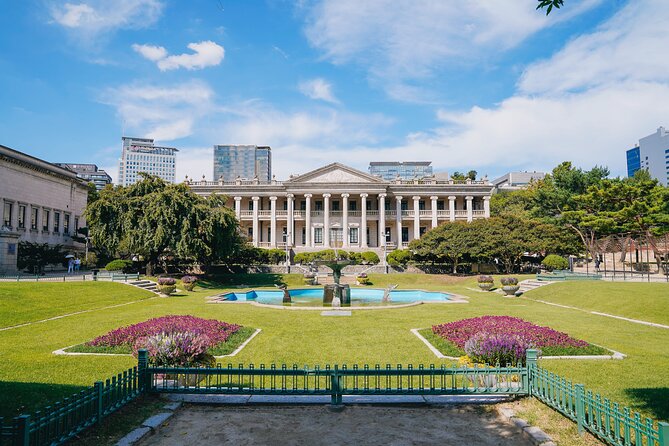
The tour ends at Jungkwanhun, also written as Jeonggwanheon in the meeting information. It was used as a cafeteria, and its role makes it an appealing final stop after the more formal royal buildings.
Ending here gives the walk a practical, everyday note. You have seen the throne hall, Western-style architecture, a favored royal building, and the king’s bedchamber. Jungkwanhun broadens the picture by showing a place connected with dining and leisure rather than ceremony alone.
The stated end point is at Jeonggwanheon, at 99 Sejong-daero. That makes the finish clear, but the information does not promise transport back to your hotel or a specific onward route. Since you end near central Seoul, you can plan your next stop around City Hall and nearby Gwanghwamun, using public transportation after the tour.
What the guide adds for $35
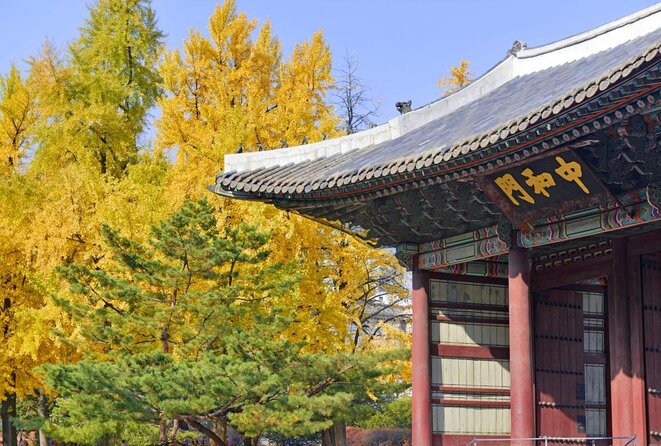
The price is $35 per person, and admission to the palace is listed as free within the activity details. That means you are mainly paying for the guided explanation, organization, and the evening walk rather than a costly entrance ticket.
For a visitor already comfortable reading Korean history, the value depends on how much you want interpretation. Deoksugung is manageable on your own, and you can see the buildings without paying for a guide. But a self-guided visit will not automatically explain why this palace replaced Gyeongbokgung as the main royal residence, how the Korean Empire fits between Joseon and modern South Korea, or why traditional and Western structures sit together.
That is where the fee can make sense. A strong guide turns separate buildings into one story. Alan Han has led a tour with detailed explanations of the end of the Joseon dynasty and the architecture, while Mr Lee has been praised for punctuality, preparation, and storytelling. Guides can change, so consider those names examples of the guide quality available, not a guarantee that one particular person will lead your date.
The group limit of 20 keeps the price below that of a private tour. If you want a private visit, the operator says to request an estimate by email. A private option may be better for a family or small group with very specific questions, but the shared tour offers a lower-cost way to get an expert explanation.
English, Chinese, and time for questions
The tour offers explanations in English and Chinese. You should confirm the language arrangement when you book, especially if language is the deciding factor for your group.
The guide is available for questions, which is one of the experience’s strongest practical features. You can ask about architecture, King Gojong, the Korean Empire, or the relationship between Deoksugung and the other Seoul palaces. That makes the walk more flexible than an audio guide, where you follow a fixed script.
The operator does not allow recording or filming. Bring your attention instead of planning to capture the entire talk on your phone. You can still enjoy the buildings and take in the setting, but the stated rule means you should not treat this as a video lecture.
The experience lasts about two hours. Wear shoes suitable for walking and allow yourself enough time to reach City Hall before the meeting time. The supplied details do not specify the walking distance, step count, or interior access, so anyone needing those facts should ask the operator before booking.
Who should book this palace walk
I would recommend this tour to you if you like history, architecture, or stories about how a country changes under pressure. It is especially useful if you have seen another Seoul palace and want a different angle, since Deoksugung combines traditional buildings with Western architecture and focuses on the Korean Empire.
It also suits first-time visitors who want a gentle introduction to Seoul’s royal history without spending half a day at a large palace complex. The central City Hall location keeps the logistics simple, and the evening schedule leaves the daytime free for markets, museums, or other parts of the city.
Families can participate because most travelers can join, but the two-hour history focus may appeal more to older children and adults than to very young children. Pets are not allowed, and there is no place to leave them during the tour.
The tour is less suitable if you need a guaranteed departure. The four-person minimum creates a real possibility of cancellation, especially on a quiet date. It is also not the best choice if you want a private pace, extensive photography time, or a full interior tour of every building.
Weather, Monday closures, and cancellation rules
Deoksugung is closed on Mondays. On that day, the operator says you can book a Gyeongbok Palace tour instead, so check the date before making plans around this experience.
The tour requires good weather. If poor weather causes cancellation, you are offered another date or a full refund. The same choice applies if the minimum number of participants is not met.
For your own cancellation, you can receive a full refund if you cancel at least 24 hours before the local start time. Cancellations or schedule changes made within 24 hours are not accepted for a refund. The same strict timing makes it wise to confirm your evening plans before booking.
Should you book the Deoksugung night tour?
Book it if you want the palace explained, not just photographed. The traditional and Western buildings give Deoksugung a clear identity, and the night setting adds calm without requiring a long trip from central Seoul. The chance to ask questions is another strong reason to choose the guided option.
Skip it if you prefer total independence, need a guaranteed outing for a very small group, or want extensive interior access. At $35, the fee is reasonable for a two-hour history walk, but its value depends on your interest in the Korean Empire and the quality of the guide on your date.
For most visitors with an evening free near City Hall, this is a focused, practical way to understand one of Seoul’s most unusual palaces.
FAQ
How long does the Deoksugung Palace night tour last?
The tour lasts approximately two hours.
Where does the tour meet?
You meet in front of Exit 1 of City Hall Station, which is served by Seoul Subway Lines 1 and 2. The listed address is 362-1 Taepyeongno 2-ga, Jung District, Seoul.
What time should I meet the guide?
The meeting instruction says 6:20 pm, and the listed tour start time is 6:30 pm. Arriving late is not allowed after the tour begins.
What language is the tour offered in?
The tour provides explanations in English and Chinese.
What buildings are included?
The route includes Junghwajeon, Seokjojeon, Seokeodang, Hamnyeongjeon, and Jungkwanhun, also shown as Jeonggwanheon in the end-point information.
Is Deoksugung Palace open on Mondays?
No. Deoksugung Palace is closed on Mondays. The operator says you can book a Gyeongbok Palace tour instead.
Can the tour be canceled because of group size?
Yes. If fewer than four people participate, the tour may be canceled. Notice is sent by WhatsApp, and you are offered another date, another experience, or a full refund.
What is the cancellation policy?
You can cancel at least 24 hours before the local start time for a full refund. Cancellations or changes made less than 24 hours before the start time are not accepted for a refund.
Just added in Seoul
- Your Personal Seoul Photographer!★ 4.1 · 15 reviews
- You’re Invited to Our Home in Seoul: The Only Cooking Class!★ 5.0 · 8 reviews
- From Seoul: Yongpyong Ski Day Tour with Transportation★ 4.9 · 40 reviews
- Seoul: Korean & English Language Exchange Global Party★ 5.0 · 28 reviews
- From Seoul: Hwacheon Ice Fishing and Lighting Festival Tour★ 4.5 · 4 reviews
- Unique Native Experience : Han River Picnic, Board game, BBQ★ 5.0 · 3 reviews
- Seoul: Gangneung BTS K-Pop & K-Drama Filming Locations Tour★ 4.6 · 14 reviews
- K-Pop Making Class with a Producer!★ 5.0 · 3 reviews
Palace & Gyeongbokgung Tours, compared.
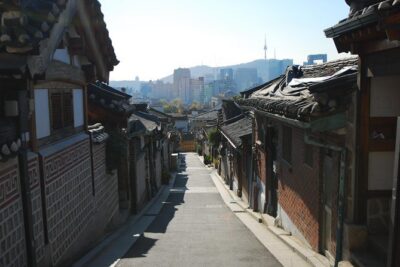
Gyeongbok Palace, Bukchon Village, and Gwangjang Tour
Read our review →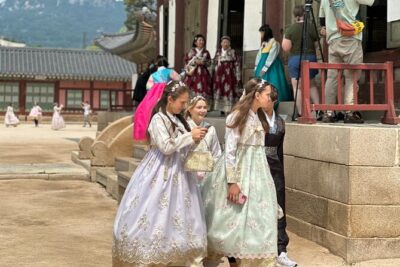
Best Seoul City Tour (Gyeongbokgung Palace,Insadong,Namsan Tower)
Read our review →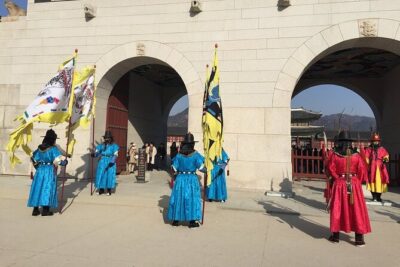
Small-Group Royal Palace and Seoul City Tour (hotel pick-up)
Read our review →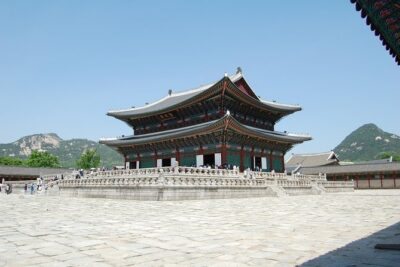
Seoul City Sightseeing Tour Including Gyeongbokgung Palace, N Seoul Tower, and Namsangol Hanok Village
Read our review →
Seoul Highlights: Gyeongbok Palace, Insadong & N Seoul Tower
Read our review →
Seoul City Half Day Tour-Gyeongbok Palace Guard Changing Ceremony
Read our review →
Browse the lists this tour appears in