
Reviewed · DMZ & JSA TOURS
Seoul: DMZ Tour with Japanese-Speaking Guide
The striking thing about this DMZ tour from Seoul is how quickly ordinary sightseeing gives way to a serious border story. In one day, you see the Bridge of Freedom, walk into a tunnel built beneath the border, and look toward North Korea from Dora Observatory.
I like the mix of history and physical experience. You are not only listening to a lecture from a bus seat. You walk into the Third Infiltration Tunnel and visit places tied to the division of Korea. I also like the clear Japanese-language guiding, with guides such as Hong Yusun, Park, and Yun praised for lively, easy-to-follow explanations.
The main drawback is that the DMZ is controlled by the military, so the route can change or be canceled without notice. The Third Tunnel also demands a steep 30 to 40 minute walk, and the day can run close to eight hours.
Key points to know before you book
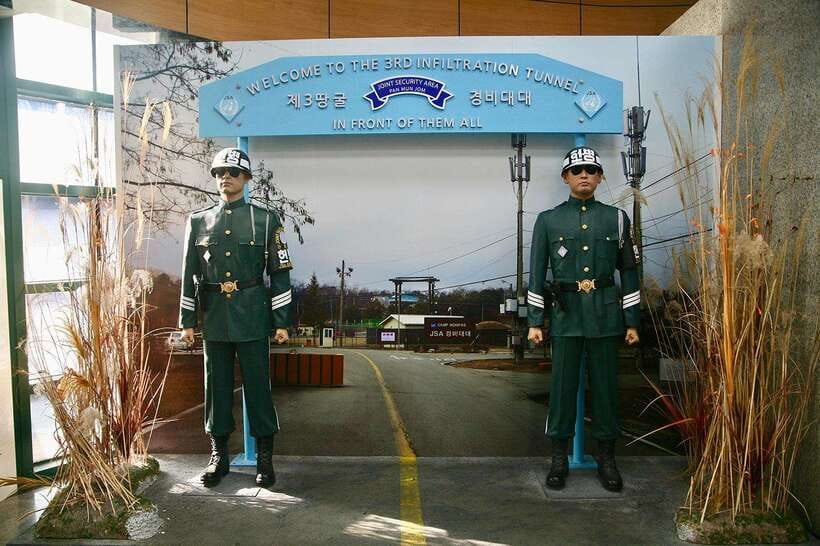
- The Third Infiltration Tunnel is a real walk, not a quick photo stop: Expect a steep slope and a round trip on foot lasting about 30 to 40 minutes.
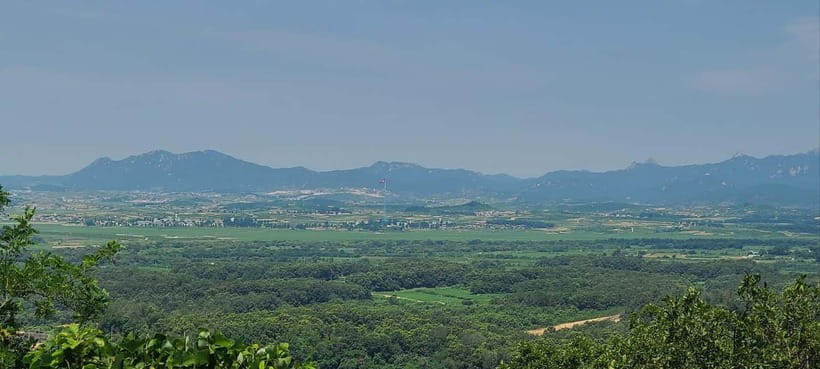
- Dora Observatory offers the clearest border view: In good weather, you may see North Korea without using the telescope.
- Japanese is used throughout the tour: Guides including Hong Yusun, Park, and Yun are noted for clear, engaging explanations.
- The $50 price covers the main costs: Entrance fees, shared transport, an air-conditioned bus or minivan, and a licensed guide are included.
- The DMZ schedule is never fully guaranteed: Military orders, weather, government rules, holidays, and crowd levels can alter the plan.
- This is not a Panmunjom tour: The Joint Security Area is not included.
Why the Seoul DMZ tour feels different from ordinary sightseeing
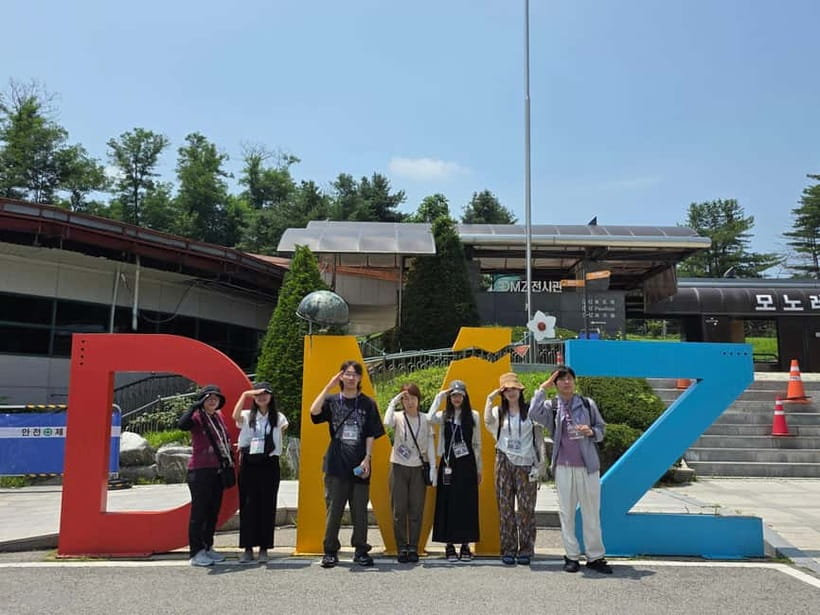
The Korean Demilitarized Zone is a 4-kilometer-wide strip that has divided North and South Korea since 1953. It is one of the few places where a major political conflict is not just explained in a museum. You can stand near the boundary, see military-controlled sites, and look across at North Korea.
That does not make the experience light entertainment. The most useful way to approach the day is with curiosity and respect. The sites connect military history, family separation, prisoner repatriation, and the continuing hope for reconciliation.
You travel from central Seoul by shared bus or minivan, with about an hour on the road in each direction. The ride gives the Japanese-speaking guide time to explain the background before you arrive. That matters because the sites themselves can feel stark without context.
Guide quality is a major part of this tour. Hong Yusun is praised for speaking clearly and keeping the explanations interesting. Park is noted for an entertaining style, while Yun is praised for both careful explanations and a positive manner. Since the tour runs in Japanese, you can follow the historical detail without constantly translating signs or listening to a second-language summary.
Other trips up to the border from Seoul:
- Best DMZ Tour Korea from Seoul (Red Suspension Bridge Optional)
★ 5.0 · 41,422 reviews - DMZ Tour: 3rd Tunnel, Option(Suspension Bridge, Boat) from Seoul
★ 5.0 · 21,373 reviews - DMZ tour south Korea from Seoul (NK experience hall, defector)
★ 5.0 · 20,599 reviews
Imjingak Park sets the tone
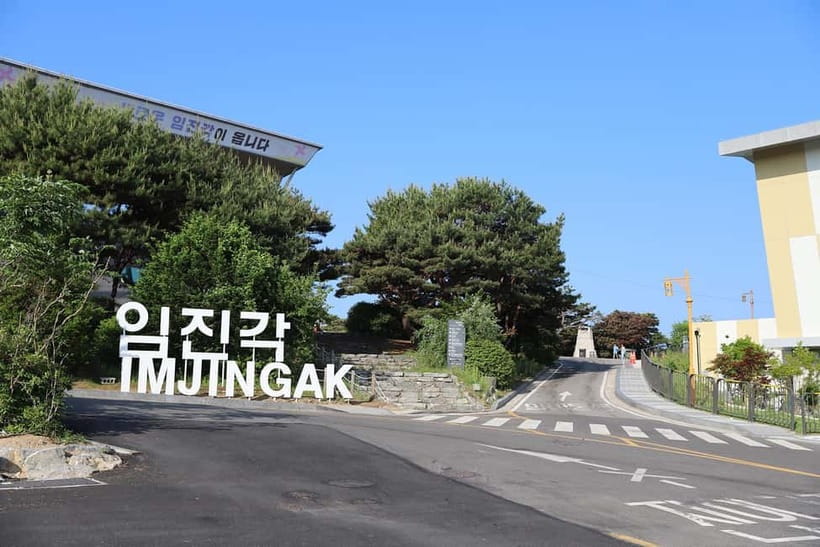
The first major stop is Imjingak, where you spend about an hour with the guide. This is a place connected with the division of Korea and the continuing wish for peace and reunification.
Imjingak gives you space to get your bearings before entering more restricted parts of the DMZ area. You can expect a guided visit rather than a quick stop for a single photograph. The guide helps connect what you see with the human cost of a divided peninsula.
This is also a practical place to take photographs and listen carefully before the schedule becomes more controlled. Keep your passport handy, since it is required for the tour. You should also use the restroom and buy any needed snacks when the opportunity comes, because the day has several fixed movements.
Freedom Bridge and the story of repatriation
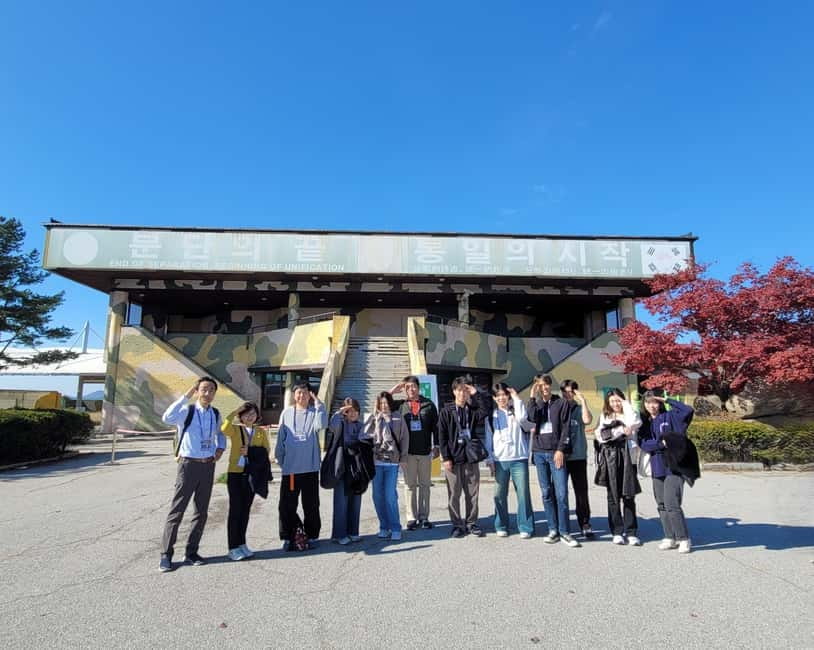
The Bridge of Freedom receives about 30 minutes. Its importance comes from its use by prisoners of war who were repatriated from North Korea. That detail gives the stop a human scale.
The bridge is not simply a structure to photograph. It represents people crossing from one side of a divided country to another, often after years of uncertainty. Your guide will explain the connection, and the short visit works best if you pay attention to the historical details instead of rushing straight to the camera.
The stop is relatively brief, so do not expect a long independent walk. You are moving as part of a group and following the timing set by the local authorities. Comfortable shoes help here, and they become even more important later.
Walking into the Third Infiltration Tunnel
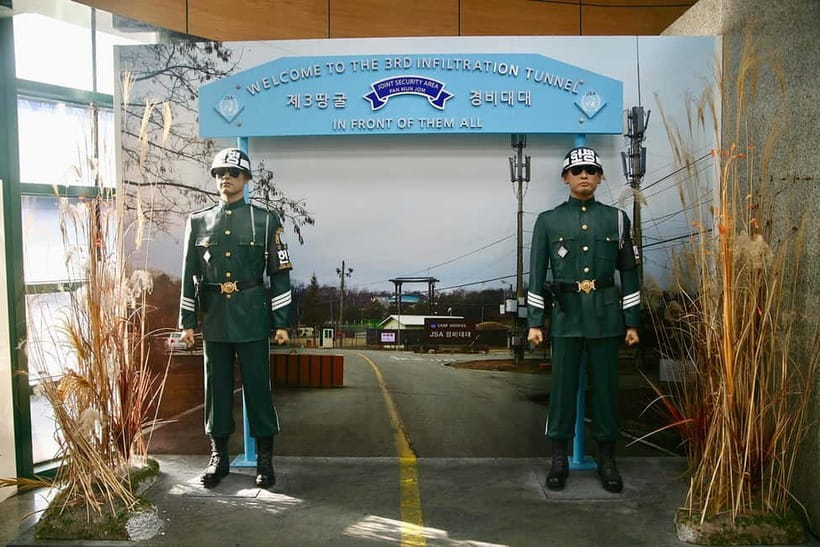
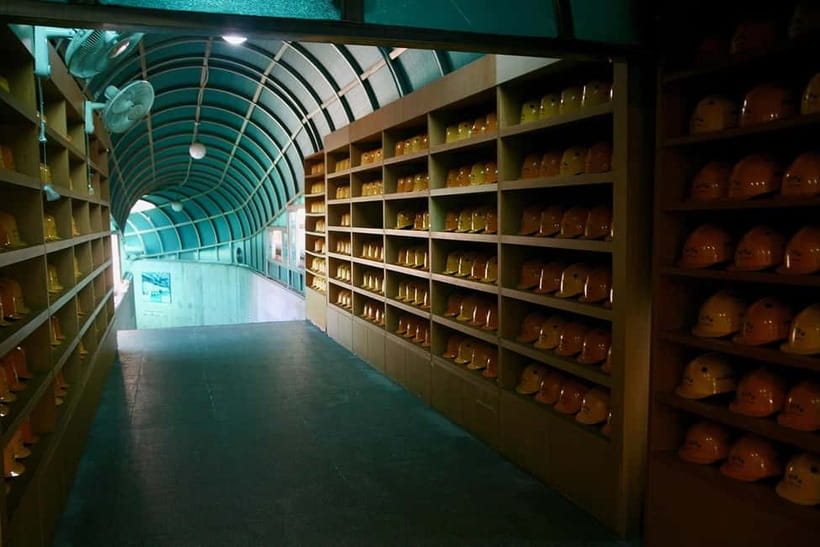
For many people, the Third Infiltration Tunnel is the most memorable part of the day. North Korea built the incomplete passage under the DMZ, and you walk inside it on foot.
The tour allows about 40 minutes for the guided visit, but the physical effort is worth taking seriously. The tunnel has a steep slope, and the round trip takes roughly 30 to 40 minutes. It can be difficult for children and older people. People who cannot manage the walk can wait near the entrance, according to the tour information.
Do not wear flip-flops, slippers, or shoes with heels. You need stable footwear for the incline. The tunnel may feel cooler than the August weather outside, but that does not remove the need for practical clothing and water.
Inside, the experience is direct and slightly claustrophobic. You are not standing behind glass and looking at a model. You are walking through an actual passage beneath the border. That physical connection gives the history more force, though anyone with heart problems should not book this activity. Wheelchair users are also not suited to the tour.
The tunnel visit is also where the schedule can become less predictable. Transfers to a DMZ shuttle bus are required if fewer than 30 people are in the vehicle, following government policy. At busy times, your guide may need to manage tickets and shuttle arrangements. A guide who stays calm and organized makes a real difference here.
A few more things to do in Seoul worth a look
- Seoul: Night Market Food Tour with Local Guide
★ 4.9 · 943 reviews - DMZ Guided Tour with Suspension Bridge / Gondola from Seoul
★ 5.0 · 876 reviews - Downtown Seoul Guided Food & Market Tour with 8+ Local Tastings
★ 5.0 · 580 reviews - Seoul: DMZ Guided Tour with Suspension Bridge and Gondola
★ 4.9 · 553 reviews
Dora Observatory and the view toward North Korea
After the tunnel, the group goes up the slopes of Mount Dora to Dora Observatory. The guided stop lasts about an hour and offers the day’s clearest visual connection with North Korea.
In good weather, you may be able to see across the border without using the observatory telescope. The view takes in the 4-kilometer DMZ and reaches toward North Korea. Weather and visibility matter, so you should not book this expecting a guaranteed clear panorama.
Dora Observatory can feel less dramatic than the tunnel if the air is hazy. Still, it is an important part of the visit because it lets you understand the scale of the separation. After hearing about the border and walking beneath it, you see the space itself.
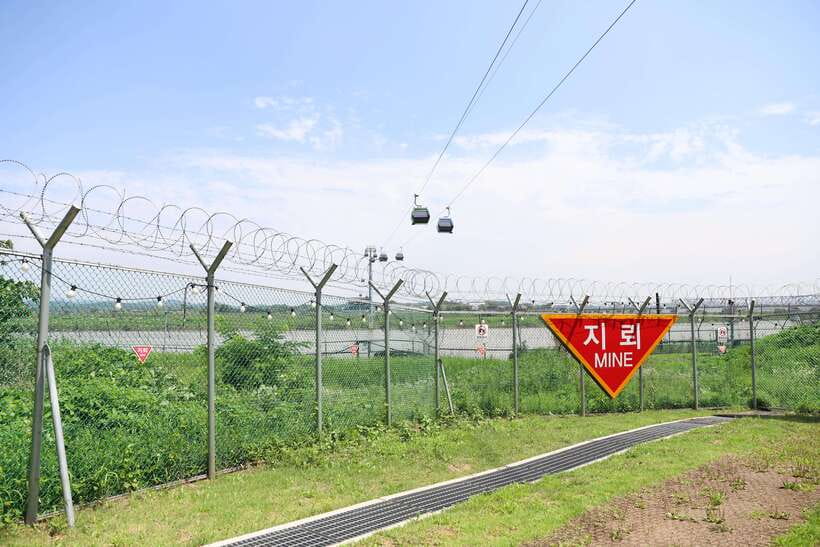
Follow the guide’s instructions about where you can stand and what you can photograph. Military rules govern the area, and the exact experience can change. This is not a viewpoint where you wander freely in every direction.
Unification Village adds a quieter final stop
The final stop before returning to Seoul is Unification Village, with about 30 minutes for a guided visit. The village has a peace and reconciliation theme, and you can browse souvenirs and snacks.
Some goods may come from North Korea, giving the stop a different feel from a standard Seoul shopping break. You might find peace-themed items and regional products that reflect the unusual setting. It is a useful place to buy a small reminder of the day, especially if you want something more connected to the DMZ than a generic souvenir.
The stop is short, so do not expect a long shopping session. Think of it as a final pause to reflect on what you have seen. Afterward, the bus returns toward Seoul, usually taking about an hour, though traffic and the size of the group can affect arrival time.
What the $50 price really covers
At $50 per person, this tour offers solid value if you want the main DMZ sights without arranging transport and entry details yourself. The price includes round-trip shared transport, entrance fees, an air-conditioned bus or minivan, and a licensed professional DMZ guide.
The value is strongest for first-time visitors. The DMZ is not an area where you can simply arrive and improvise your own route. Military access, shuttle transfers, identification checks, and changing regulations make a guided visit practical.
Food and drinks are not included, and there is no hotel pickup or drop-off. You meet at one of the designated central Seoul locations, with options including Myeongdong Station Exit 10, and finish at Myeongdong or City Hall Station depending on the booking option.
The tour does not include the Joint Security Area, also called Panmunjom. If standing inside the famous blue negotiation buildings is your main goal, this is the wrong product. This tour focuses on Imjingak, Freedom Bridge, the Third Tunnel, Dora Observatory, and Unification Village.
Japanese-language guiding is a major advantage
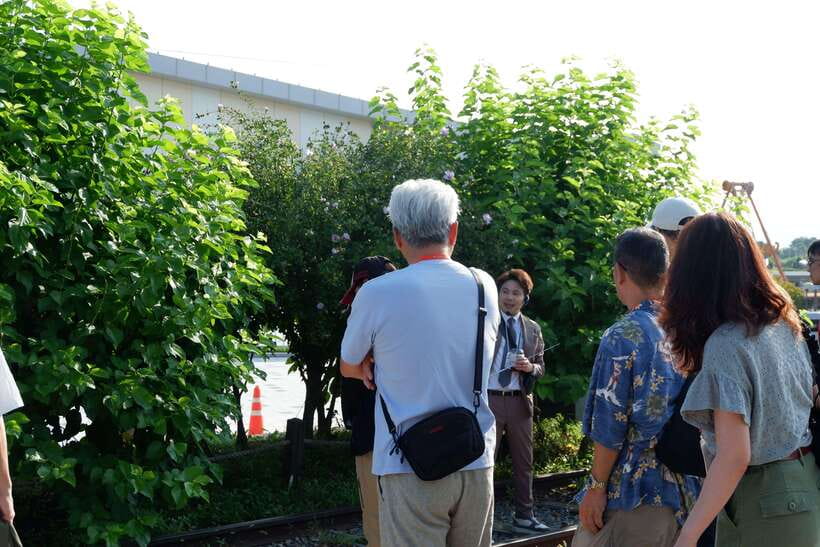
The tour is conducted in Japanese, which makes a real difference at a place full of political and historical detail. A good explanation helps you understand why a bridge matters, how the tunnel fits into the conflict, and what you are seeing across the border.
Hong Yusun receives particular praise for clear explanations and strong energy. One unusual strength is that the guide can sometimes adjust small personal touches. A Korean participant traveling with a Japanese partner noted that Hong occasionally spoke Korean to him during spare moments, helping him feel included without changing the Japanese-language format.
Park is described as funny and easy to understand. Yun is also praised for careful explanations and a friendly manner. Names and staffing can change, so you should not book on the assumption that one particular guide will lead your departure. The useful point is that the experience depends heavily on the individual guide, and the Japanese option has shown strong signs of careful presentation.
Some people may prefer a silent view and independent exploration. This is not that kind of day. You spend substantial time with the guide, and the tour works best if you want historical explanation rather than only photographs.
The schedule can change for reasons beyond your control
The DMZ is run by military authorities, so no company can promise that every stop will operate exactly as planned. Weather, military decisions, government regulations, holidays, and crowd levels can affect the route.
If the normal DMZ program is unavailable, the replacement may include Imjingak, Art Space BEAT 131, Odusan Unification Observatory, the War Memorial of Korea, City Hall, or Myeongdong. The provided conditions say that a refund will not be offered for these changes.
This policy is important enough to read before booking. The DMZ is unusual precisely because it is not an ordinary attraction. You are paying for access to a controlled border region, and access can be withdrawn.
Busy dates can also create extra waiting. One recent holiday period combined with a regular Monday closure and produced heavy crowds. The guide managed ticket purchases and helped the group reach the Third Tunnel shuttle, but the day became more complicated. Delays can sometimes create extra time for nearby sights, but you should not count on that. Keep your evening schedule flexible.
Check your email the day before departure for any pickup time change. Arrival back in Seoul depends on traffic and the number of people in the group.
Who should book this day trip
I would recommend this tour if you want a structured introduction to the DMZ, prefer Japanese guiding, and value transport and entrance fees being handled together. It suits visitors who want to understand the political setting while also seeing physical sites connected to the conflict.
It is especially useful for:
- Japanese-speaking visitors who want detailed explanations in Japanese
- First-time DMZ visitors who do not want to manage transfers alone
- People interested in modern Korean history and the continuing division of the peninsula
- Anyone comfortable with a full 7 to 8 hour day and a steep tunnel walk
- Visitors who want a view toward North Korea rather than only a museum visit
I would think twice if you have heart problems, use a wheelchair, dislike group schedules, or need a guaranteed return time. You should also skip it if your main goal is the Joint Security Area, since Panmunjom is not included.
Infants under 24 months can join free, but no seat is provided. Unaccompanied minors are not allowed. Intoxicated passengers will be refused without a refund, and smoking, alcohol, and drugs are not permitted on the vehicle.
Should you book the Seoul DMZ tour?
Book it if you want the DMZ explained in Japanese and are ready for a serious, structured day rather than a casual sightseeing trip. The strongest combination is the Third Tunnel, the view from Dora Observatory, and a guide who can give the history proper context.
The $50 cost is reasonable because it includes transport, entry, and guiding, all of which are useful in a military-controlled area. Just bring your passport, wear firm walking shoes, avoid heels and sandals, and accept that weather or government decisions may change the route.
For a first DMZ visit from Seoul, this is a practical choice. Go with realistic expectations, and the day can give you both a clear view of the border and a better understanding of why it still matters.
FAQ
How long does the Seoul DMZ tour take?
The tour lasts about 7 to 8 hours. The bus ride takes roughly one hour each way, but traffic and group size can affect the return time.
Is the tour conducted in Japanese?
Yes. The live tour guide language is Japanese. Guides may include Hong Yusun, Park, or Yun, depending on the departure.
Is the Joint Security Area included?
No. The visit to the JSA, also called Panmunjom, is not included.
Do I need to bring my passport?
Yes. A passport is required for the tour.
Is the Third Infiltration Tunnel difficult to walk through?
The tunnel has a steep slope, and the round trip takes about 30 to 40 minutes on foot. It can be challenging for children and older people, and you may wait near the entrance if you cannot complete the walk.
Can the tour be canceled or changed?
Yes. The DMZ is operated by the military, and weather, military decisions, and government regulations can change or cancel the planned route without prior notice. Replacement stops may include Imjingak, Art Space BEAT 131, Odusan Unification Observatory, the War Memorial of Korea, City Hall, or Myeongdong.
Just added in Seoul
- Suwon: Baseball Game with Fortress and Local Food Tour★ 5.0 · 3 reviews
- Seoul: War Memorial of Korea Private Guided Museum Tour★ 4.9 · 29 reviews
- Seoul: Wine & Korean BBQ, Perfect Pairing Dinner in Sinchon★ 5.0 · 6 reviews
- Seoul : Your Personal Photographer in Gyeongbokung★ 5.0 · 7 reviews
- Seoul : Efoil Experience in Han River★ 5.0 · 5 reviews
- Seoul: Vivaldi Park Winter Ski with Eobi Ice Valley Day Tour★ 4.6 · 16 reviews
- Seoul: Vivaldi Park Winter Ski with Nami Island Day Tour★ 5.0 · 4 reviews
- Seoul: SnowyLand in Vivaldi Park with Nami or Alpaca★ 4.8 · 11 reviews
DMZ & JSA Tours, compared.
Best DMZ Tour Korea from Seoul (Red Suspension Bridge Optional)
Read our review →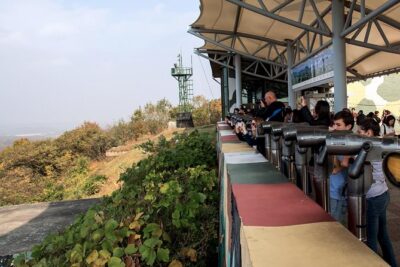
DMZ Tour: 3rd Tunnel, Option(Suspension Bridge, Boat) from Seoul
Read our review →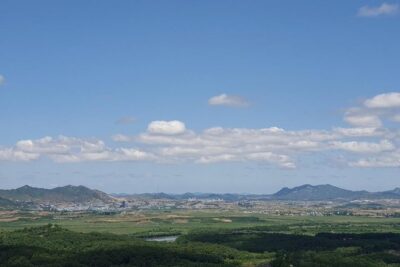
DMZ tour south Korea from Seoul (NK experience hall, defector)
Read our review →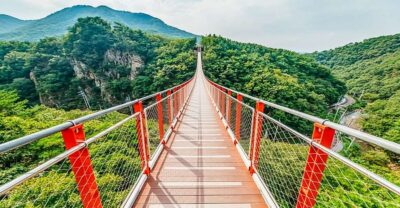
DMZ Insider Tour: 3rd Tunnel, NK Defector Meet & Red Bridge
Read our review →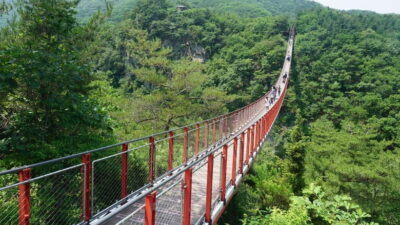
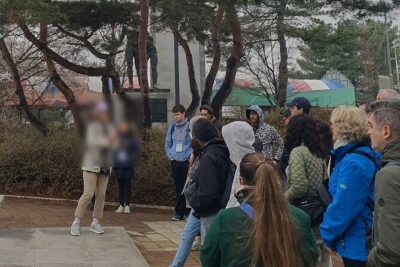
Signature DMZ Tour: Exclusive Defector Talk & Suspension Bridge
Read our review →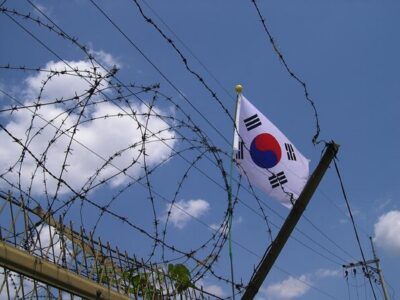
Thrilling Korean DMZ 3rd Tunnel Tour from Seoul + Red Bridge Rush
Read our review →
DMZ Past and Present: Korean Demilitarized Zone Tour from Seoul
Read our review →Browse the lists this tour appears in