
Reviewed · DMZ & JSA TOURS
Seoul: Paju DMZ Private Tour with Former US Military Base
The most striking part of this day is not simply looking toward North Korea. It is moving through the physical remains of division: old US military barracks at Camp Greaves, a cramped tunnel cut beneath the border, and an observatory where North Korean towns may appear through a telescope. The DMZ feels less like a distant idea after you have walked through these places.
I like two things especially. First, the route covers several sides of the story in one day, from Imjingak’s memorials to Camp Greaves and the Third Infiltration Tunnel. Second, the private group format and hotel pickup make a tightly controlled border visit far easier to manage. The main drawback is the price, $483 per person, and the day is long at 10 hours. You should also expect walking, stairs, a cramped tunnel, and possible changes for security, traffic, or weather.
Key points to know before booking
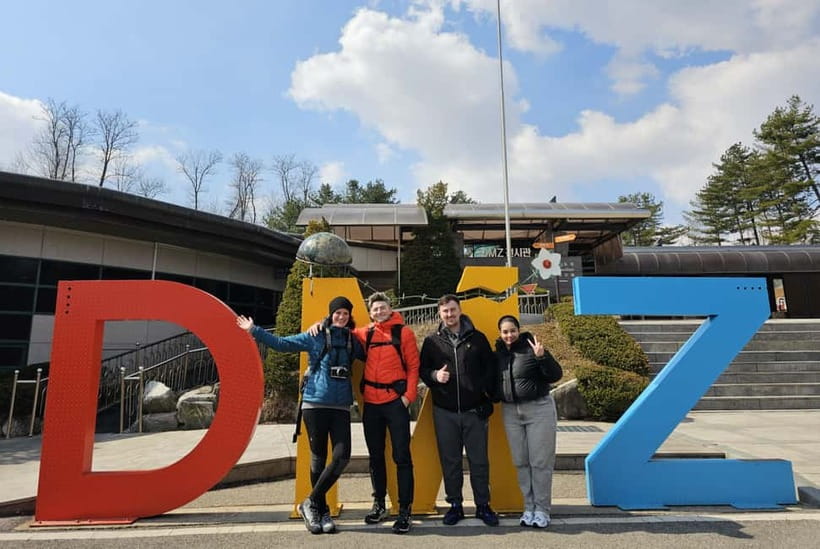
- Camp Greaves adds a rare Cold War setting: Walk among former barracks, military facilities, and ammunition storage areas at an old US base.
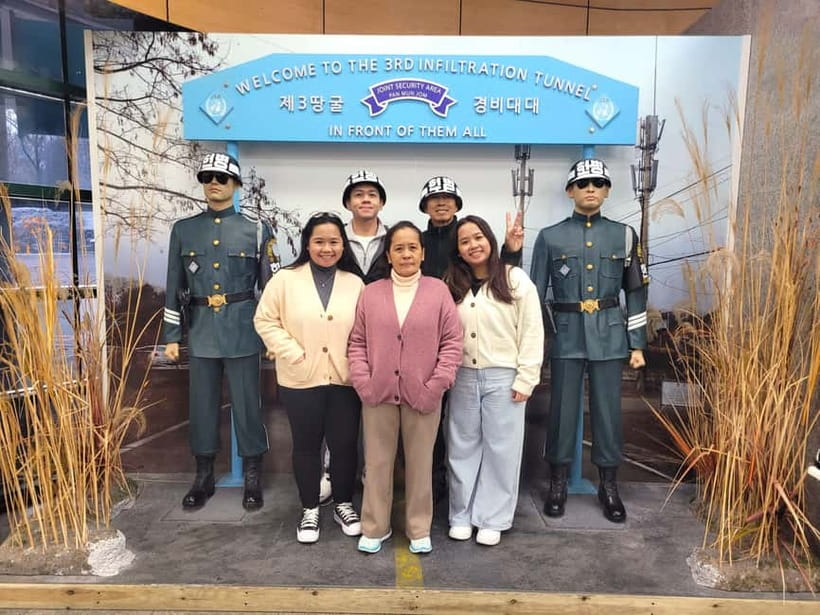
- The Third Tunnel is physical history: You wear a safety helmet and walk through a narrow passage for about two hours of the program.
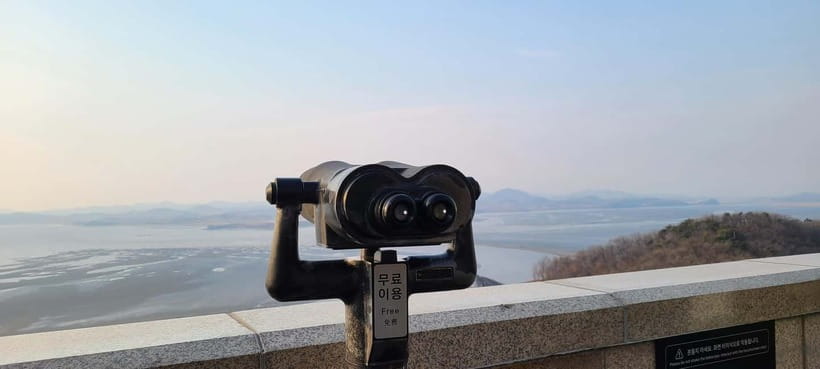
- Dora Observatory offers the clearest border view: Telescopes may reveal Kaesong, border towns, and statues of Kim Il-sung on clear days.
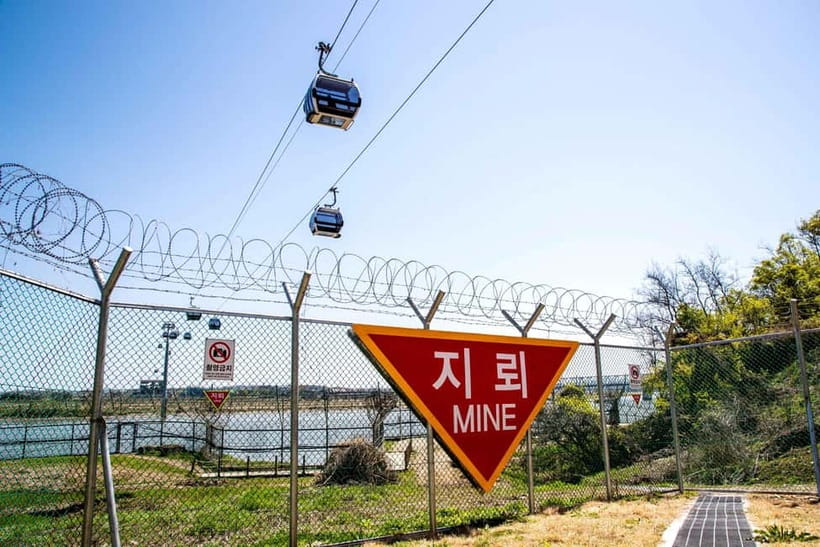
- The Peace Gondola costs extra: The 30-minute ride across the Imjin River is optional and is not part of the listed tour price.
- Guiding is a major strength: Past tour leaders include Julie, Jonathan, Jenny, John, Joo Lee, Stella, Chuck Park, and Nammin.
- Bring the exact passport used for booking: Every person, including children, needs valid identification with matching details.
Why this DMZ day has more substance than a quick border stop
The Korean War cease-fire of 1953 did not produce a peace treaty. The result is a border zone that remains heavily guarded, yet also serves as a place for remembrance and cautious contact. This tour gives you several ways to understand that tension.
At Imjingak, you begin with public memorials and views toward the Imjin River. At Camp Greaves, you see the military machinery that shaped the area. At the Third Infiltration Tunnel, the threat becomes more immediate and physical. At Dora Observatory, the divide becomes a view across open ground.
I like that progression. You are not rushed straight to a telescope, given a few dramatic facts, and sent back to Seoul. The stops give your guide room to explain how war, military planning, family separation, and the hope of reunification fit together.
The tour is conducted in English or Chinese. The guide names that appear most often in the feedback include Julie, Jonathan, Jenny, John, Joo Lee, Stella, Chuck Park, and Nammin. Their roles go beyond pointing out photo spots. Julie is praised for thorough explanations and answering questions. Chuck Park is noted for his command of the area and willingness to discuss the group’s questions. Nammin is remembered for mixing humor with clear teaching, which can help on a long and serious day.
Other trips up to the border from Seoul:
- Best DMZ Tour Korea from Seoul (Red Suspension Bridge Optional)
★ 5.0 · 41,422 reviews - DMZ Tour: 3rd Tunnel, Option(Suspension Bridge, Boat) from Seoul
★ 5.0 · 21,373 reviews - DMZ tour south Korea from Seoul (NK experience hall, defector)
★ 5.0 · 20,599 reviews
From Seoul to Imjingak, the first look at the border
The day begins with hotel pickup in central Seoul. You should be ready in the lobby at least 10 minutes before the scheduled pickup time. The drive toward the border takes about 50 minutes, although traffic can change that estimate.
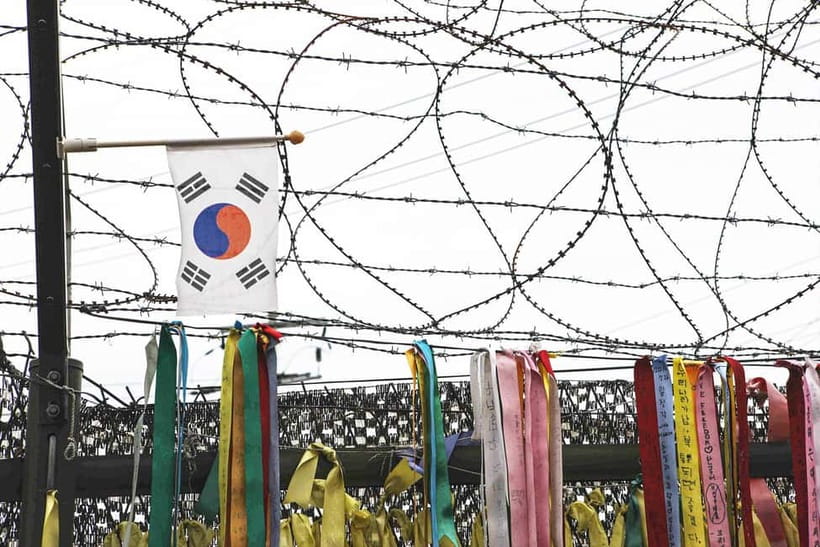
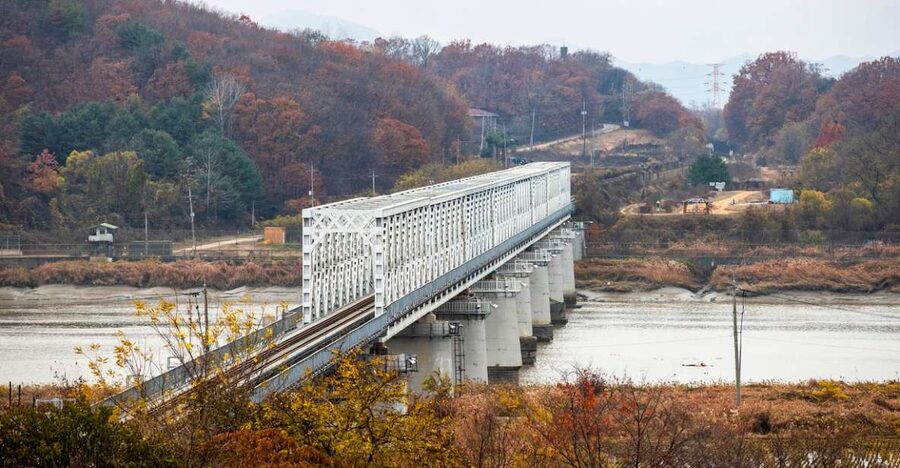
Imjingak receives about 40 minutes. This is a useful opening stop because it introduces the emotional side of the DMZ before you enter more controlled areas. You can look toward the Imjin River and see memorial spaces connected with the Korean War and the hope of eventual reunification.
Do not expect Imjingak to feel like a quiet rural viewpoint. It is a public place with several things to see, and your time is limited. Use it to get your bearings, ask your guide basic questions, and absorb the setting rather than trying to inspect every display.
You may also choose the Peace Gondola, a 30-minute ride across the Imjin River. It costs extra, so the total price rises if you add it. I see it as a good choice for people who want a slower view of the river and border area, but it is not essential to understanding the tunnel or observatory. If the day is already full, you may prefer to save the money and use your free time around Imjingak.
Camp Greaves and the remains of an American base
Camp Greaves is the most distinctive stop on this route. The former US military base was used during the Korean War and later retained reminders of the Cold War era. You can see old barracks, military facilities, ammunition depots, and other base remains.
The site has been turned into a peace and culture venue, so this is not simply a walk past abandoned buildings. Exhibits and interactive programs give the place a new purpose. The contrast is important: a location built for military readiness now helps explain the cost and meaning of conflict.
You have about 70 minutes here for a visit and photographs. That is enough time to take in the main areas, but it is not a full museum day. The base has also been used as a filming location for Korean dramas, an extra point of interest if you follow Korean television.
I would rank Camp Greaves as the strongest reason to choose this particular tour instead of a basic DMZ outing. Many border visits focus on the observatory and tunnel. Camp Greaves gives you the texture of military life: buildings, storage areas, and a sense of how a base functioned.
Lunch and free time in Paju
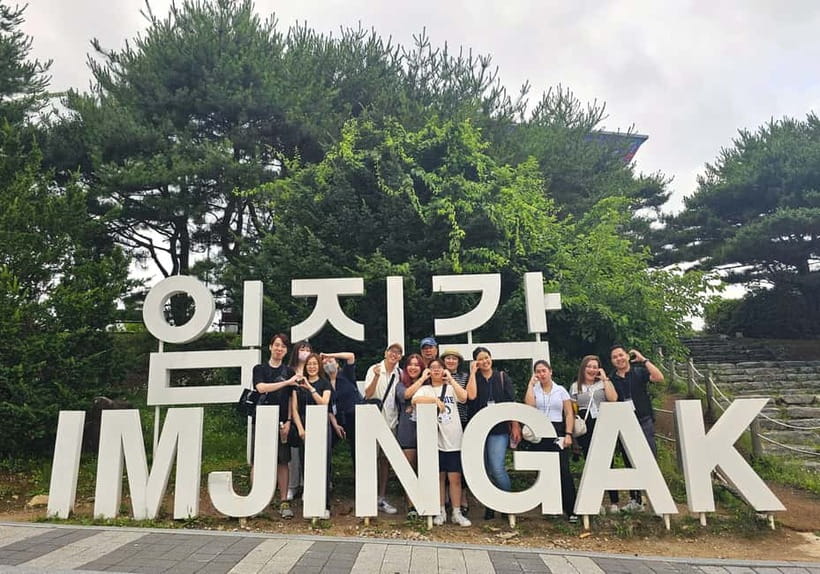
The schedule allows about 90 minutes for lunch and free time in Paju. Meals are not included, so you pay for your own food. The supplied information does not specify a fixed restaurant or menu, which gives the day some flexibility but also means you should not expect a set meal included in the $483 price.
This break matters. The tour moves from Seoul to the border and includes a physically demanding tunnel walk, so a proper pause keeps the second half manageable. Use the time to eat, ask your guide about the next stops, and prepare for the tunnel.
The price deserves an honest look here. At $483 per person, this is a premium day trip. You are paying for private-group handling, hotel pickup and drop-off, round-trip transport, guide service, admission fees, and the Camp Greaves experience. The price is easier to justify if you value personal attention, do not want to arrange transport yourself, and want Camp Greaves included.
It is harder to justify if you mainly want a quick photograph at Dora Observatory. A less expensive group option may suit you better, but this experience is designed for people who want a fuller program and a guide who can answer questions along the way.
A few more things to do in Seoul worth a look
- Private DMZ Tour (No Shopping): 3rd Tunnel & Suspension Bridge
★ 5.0 · 607 reviews - Seoul City Private Full-Day Tour Including Lunch
★ 5.0 · 469 reviews - Private DMZ the 3rd Tunnel Tour from Seoul (optional Red Bridge)
★ 5.0 · 429 reviews - Seoul Highlights & Hidden Gems Tours by Locals: Private + Custom
★ 5.0 · 359 reviews
Walking through the Third Infiltration Tunnel
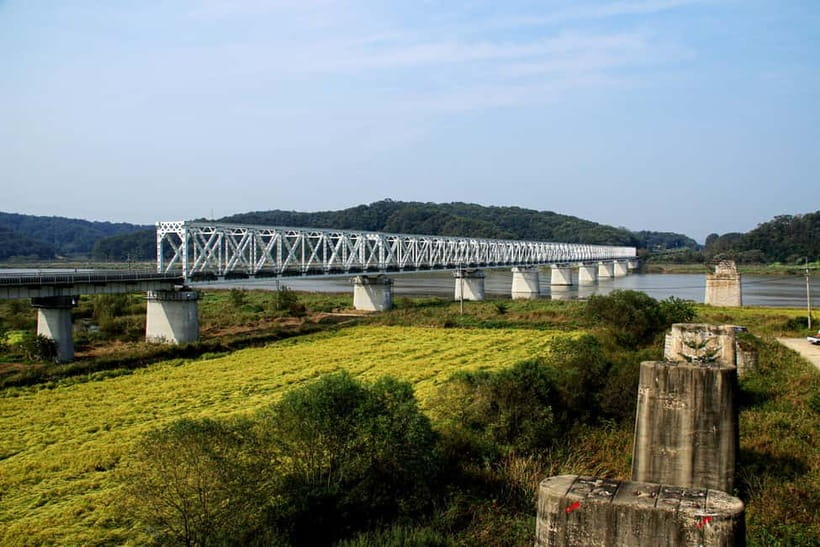
The Third Infiltration Tunnel is the most physical stop. North Korea dug the passage during the Cold War, and it was discovered in the 1970s. The tunnel extends for more than 1.6 kilometers, although the visitor route does not mean you walk its entire length.
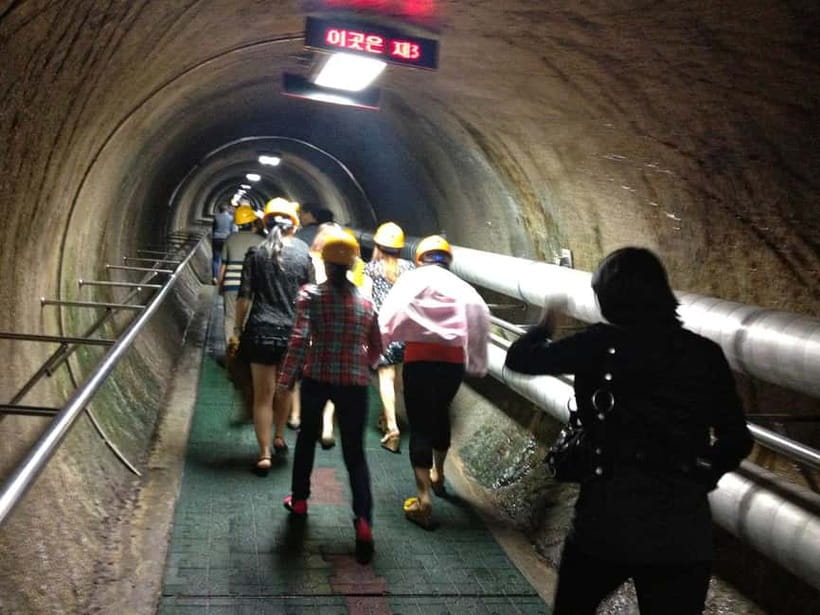
You put on a safety helmet and descend into a cramped, dim passage. The tunnel’s narrow proportions do much of the teaching. You do not just hear that military planners once considered a surprise attack route. You feel the confined conditions in your shoulders, knees, and footing.
The program allows about two hours for the tunnel visit and walking. This is not a stop for a quick glance. Wear practical shoes and expect stairs and uneven effort. The tour is not stroller or wheelchair accessible, and anyone who dislikes tight spaces should think carefully before booking.
The tunnel is often the emotional center of the day because it turns an abstract conflict into a physical encounter. You may find the space uncomfortable, but that discomfort is part of its value. It shows why the border remains a military concern rather than a simple line on a map.
Dora Observatory and the view into North Korea
Dora Observatory sits at the highest point of the northern line of the DMZ. You have about an hour here, with time to use telescopes and look toward North Korea.
On a clear day, the view may include Kaesong, North Korean border towns, and statues of Kim Il-sung. Visibility is not guaranteed, so treat the details as a bonus rather than a promise. Weather can soften or block the view, and the broader schedule can change because of security or traffic.
The observatory has a strange quality. The view may look calm, even ordinary, but the border is heavily guarded and politically charged. Your guide helps connect the distant rooftops and fields with the larger story of the Korean peninsula.
I recommend saving questions for this stop. You may want to ask what you are seeing, how the border is controlled, or how the DMZ affects daily life in South Korea. Guides such as Julie and Jenny are particularly praised for explaining both the historical events and the present-day setting in clear terms.
Transport, group size, and the pace of the day
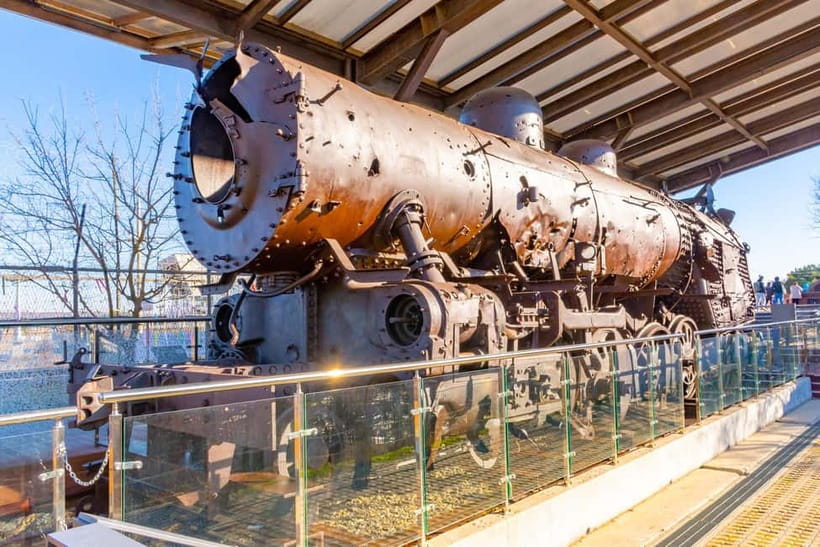
The tour lasts 10 hours, with hotel pickup and drop-off in central Seoul. Return drop-off options include Seoul, Dongdaemun History & Culture Park Station Exit 10, Hongik University Station Exit 3, and Lotte Department Store Main Store.
The private format is useful because border visits run on a firm schedule. You can ask for explanations, request a short rest when possible, and avoid the uncertainty of finding your own way through several controlled areas. One small-group outing had only six people in the English-speaking group, and another had four people, so the actual group may feel personal even when the booking is described as private.
The day can still involve shared transport or timed movement between sites. One practical warning is that the DMZ’s own bus schedule may limit how long you can spend at certain exhibits. A strong guide can help you use each stop well, but nobody can control every part of the border schedule.
The return drive is listed at about 90 minutes. Seoul traffic can make it longer. Do not book an evening activity that requires a precise arrival time unless you have plenty of room to spare.
What the $483 price includes, and what it does not
Included in the listed price are:
- Hotel pickup and drop-off
- Round-trip transportation
- An English or Chinese speaking guide
- DMZ admission fees
- Camp Greaves experience fees
Not included are lunch, travel insurance, personal expenses, and the Peace Gondola ticket.
For me, the value depends on your priorities. A private day with door-to-door transport and a guide is convenient, especially if this is your first visit to Korea. The inclusion of Camp Greaves also gives the tour a more unusual focus than a standard border outing.
The cost is significant for solo visitors and couples. It becomes easier to defend for a small private party that wants its own transport, a full day, and plenty of historical explanation. The perfect 5 rating from 37 recorded ratings also suggests reliable satisfaction, with repeated praise for guides who are friendly, clear, and willing to answer questions.
Who should book this DMZ experience
I would choose this tour if you want more than a distant border view. It suits first-time visitors who want the major DMZ stops handled in one day, families with older children who can manage the tunnel, and anyone with a serious interest in the Korean War and Cold War history.
It is also a good match if you prefer a guide-led day. The strongest comments focus on the human side of the service: Julie answering questions, Jonathan offering detailed context, Stella staying cheerful in hot weather, and Joo Lee taking time with the group.
I would hesitate if you need wheelchair or stroller access, dislike enclosed spaces, or want a relaxed day with long breaks. I would also compare prices carefully if Camp Greaves is not important to you. The Gondola is optional, so decide in advance if the added cost fits your budget.
Bring your passport, and make sure every name and passport detail is correct. All children are charged at the adult rate, and every person needs valid identification. Security rules can cancel or change the tour, and the schedule can shift with weather and traffic.
Should you book this tour?
Book it if you want the DMZ explained through places you can physically enter, especially Camp Greaves and the Third Infiltration Tunnel. The guide quality, hotel pickup, private format, and broad route make the high price more reasonable for a small group that values ease and context.
Skip it if you only want a quick photograph of North Korea, need accessible facilities, or are uncomfortable walking through a tight tunnel. For everyone else, this is a serious, well-filled day that gives you more than a border viewpoint and leaves you with a clearer sense of why Korea remains divided.
FAQ
How long does the tour last?
The tour lasts 10 hours, including transportation from Seoul to the DMZ area and the return journey.
Is hotel pickup included?
Yes. Hotel pickup and drop-off are included for hotels within central Seoul. You should wait in the lobby at least 10 minutes before the scheduled pickup time.
What languages are available?
The tour is available with a live guide speaking English or Chinese.
Is this a private tour?
Yes. The tour is described as a private-group experience.
Do I need to bring my passport?
Yes. Every person on the tour, including children, must bring valid identification. The information must match the passport details provided at booking.
Is the Peace Gondola included in the price?
No. The Peace Gondola is an optional activity and requires an additional ticket fee.
Are meals included?
No. Lunch is not included. The schedule provides about 90 minutes for lunch and free time in Paju.
Is the tour suitable for wheelchair or stroller users?
No. The activity is not wheelchair or stroller accessible.
Can the tour be canceled or changed?
Yes. The tour may be canceled for security reasons, and the schedule can change because of traffic or weather. The stated cancellation terms include full refunds when canceled in advance, but the supplied booking information gives both a 24-hour condition and a stricter three-day deadline, so check the exact terms shown when you reserve.
Just added in Seoul
- Suwon: Baseball Game with Fortress and Local Food Tour★ 5.0 · 3 reviews
- Seoul: War Memorial of Korea Private Guided Museum Tour★ 4.9 · 29 reviews
- Seoul : Your Personal Photographer in Gyeongbokung★ 5.0 · 7 reviews
- Seoul : Efoil Experience in Han River★ 5.0 · 5 reviews
- Seoul: Wine & Korean BBQ, Perfect Pairing Dinner in Sinchon★ 5.0 · 6 reviews
- Seoul: Vivaldi Park Winter Ski with Eobi Ice Valley Day Tour★ 4.6 · 16 reviews
- Seoul: Vivaldi Park Winter Ski with Nami Island Day Tour★ 5.0 · 4 reviews
- Seoul: SnowyLand in Vivaldi Park with Nami or Alpaca★ 4.8 · 11 reviews
DMZ & JSA Tours, compared.
Best DMZ Tour Korea from Seoul (Red Suspension Bridge Optional)
Read our review →
DMZ Tour: 3rd Tunnel, Option(Suspension Bridge, Boat) from Seoul
Read our review →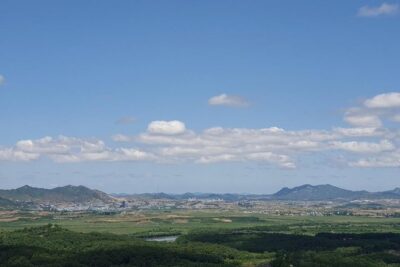
DMZ tour south Korea from Seoul (NK experience hall, defector)
Read our review →
DMZ Insider Tour: 3rd Tunnel, NK Defector Meet & Red Bridge
Read our review →
Signature DMZ Tour: Exclusive Defector Talk & Suspension Bridge
Read our review →
Thrilling Korean DMZ 3rd Tunnel Tour from Seoul + Red Bridge Rush
Read our review →
DMZ Past and Present: Korean Demilitarized Zone Tour from Seoul
Read our review →Browse the lists this tour appears in