
Reviewed · DMZ & JSA TOURS
Seoul: Small-Group DMZ Tour with North Korea Experience Hall
The most affecting part of this DMZ day trip is not simply looking toward North Korea. It is hearing how division has shaped ordinary Korean lives, then walking through the Third Tunnel and visiting the North Korea Experience Hall, where personal stories make a distant political issue feel close. The day combines serious history with mountain air, bridge views, and a well-managed small group.
I like the year-round schedule, since you can still go on Mondays and public holidays through the Special Course. I also like the guides, especially Sookhee, Mr Young, Brian Kim, and Junie, who are repeatedly praised for clear English, warmth, humor, and thoughtful explanations. The main drawback is the long day, plus a planned souvenir-shop stop that may feel more commercial than cultural.
Key points to know before you book
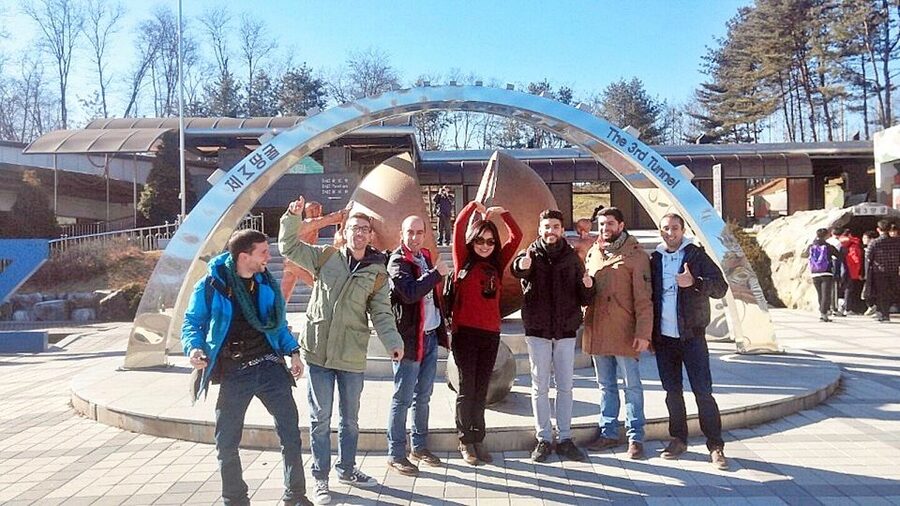
- The route changes by day: Tuesday through Sunday usually brings the Third Tunnel and Dora Observatory, while Mondays and closure days use the Peace Gondola and Gloster Hill Memorial Park.
- The North Korea Experience Hall adds human context: Defector testimony and guided storytelling give the tour more depth than a simple border lookout.
- The Third Tunnel requires walking: The route includes a descent and return climb, so comfortable shoes are essential.
- Gamaksan Suspension Bridge adds fresh air and scenery: It is a pleasant contrast to the security checkpoints and war history.
- Small groups make the day easier: You spend less time waiting and can hear the guide more clearly.
- Bring your passport: You cannot treat this like an ordinary sightseeing trip, and the guide’s instructions must be followed at all times.
Why this DMZ tour feels different from a simple border excursion
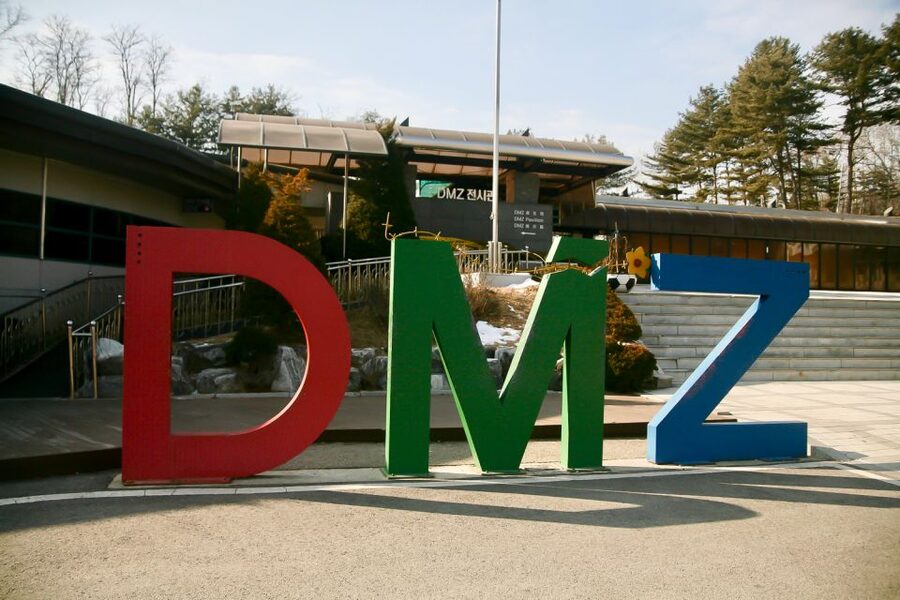
The Demilitarized Zone can sound like a collection of viewpoints, tunnels, and military terms. This tour works better when you treat it as a lesson in how Korea remains divided, not as a quick photo stop with a dramatic backdrop.
The North Korea Experience Hall is central to that approach. You receive background on North Korean life and hear a defector’s story, giving a personal scale to events that can otherwise feel abstract. The guide then connects that material to the sites around you, including the Korean War, the border, families separated by division, and the current relationship between North and South Korea.
The guides are a major part of the experience. Sookhee is noted for strong English, personal warmth, and the ability to explain politics and history without making the day feel like a lecture. Mr Young is praised for his humor, photos, and practical care. Brian Kim is known for keeping the schedule moving while still answering questions. Junie has a warm, energetic style that suits a full day of walking and site visits.
Your exact guide depends on the departure, so do not book on the assumption that one particular person will lead your group. Still, the repeated praise for several guides suggests that the operator has a strong guiding team.
Other trips up to the border from Seoul:
- Best DMZ Tour Korea from Seoul (Red Suspension Bridge Optional)
★ 5.0 · 41,422 reviews - DMZ Tour: 3rd Tunnel, Option(Suspension Bridge, Boat) from Seoul
★ 5.0 · 21,373 reviews - DMZ tour south Korea from Seoul (NK experience hall, defector)
★ 5.0 · 20,599 reviews
Starting in Seoul, with six pickup choices
Pickup is offered from six Seoul locations: Gangnam Station Exit 12, Hongik University Station Exit 3, Itaewon Station Exit 1, Hamilton Hotel, Myeongdong Station Exit 10, and City Hall Station.
That spread is useful because you can usually choose a subway stop near your hotel rather than crossing Seoul before dawn. The activity lasts eight to ten hours, with about an hour of coach travel at the start and another hour on the return.
One practical detail matters: the time shown on your voucher is not necessarily your actual pickup time. The provider sends the exact location and time by email one day before departure. Check your spam folder if it does not arrive, and contact the provider if necessary.
The vehicle is described as a clean, comfortable bus or coach, with transportation included in the $55 price. Small-group and private options are available. Since the day includes several security-related stops and timed access points, having organized transportation is worth paying for. Going independently would require much more planning and would not provide the same guided context.
Imjingak Park, Freedom Bridge, and Mangbaedan
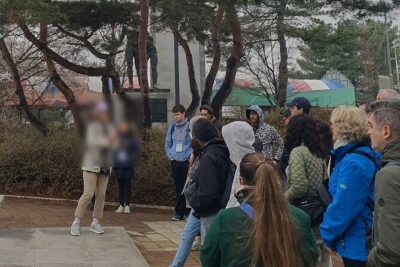
Imjingak Park is your first major stop and your introduction to Korea’s division. You have about an hour of free time here, so you can look around at your own pace while the guide explains the park’s meaning and points out views toward the North.
This is not just a scenic rest stop. Imjingak is connected with the families separated by the Korean War and the continuing hope for reunification. Mangbaedan, visited with the guide, is especially tied to remembrance. The site helps explain why the border remains an emotional issue for many Korean families, not merely a line on a map.
You also visit Freedom Bridge. Its name carries the memory of prisoners and people returning after the war, and the stop gives the day a clear human focus before you enter the more controlled DMZ area.
I would use the free time at Imjingak to ask your guide questions. The tour’s strongest feature is interpretation, and this is a good place to connect the memorials and viewpoints with the larger story.
The North Korea Experience Hall and the value of a personal story
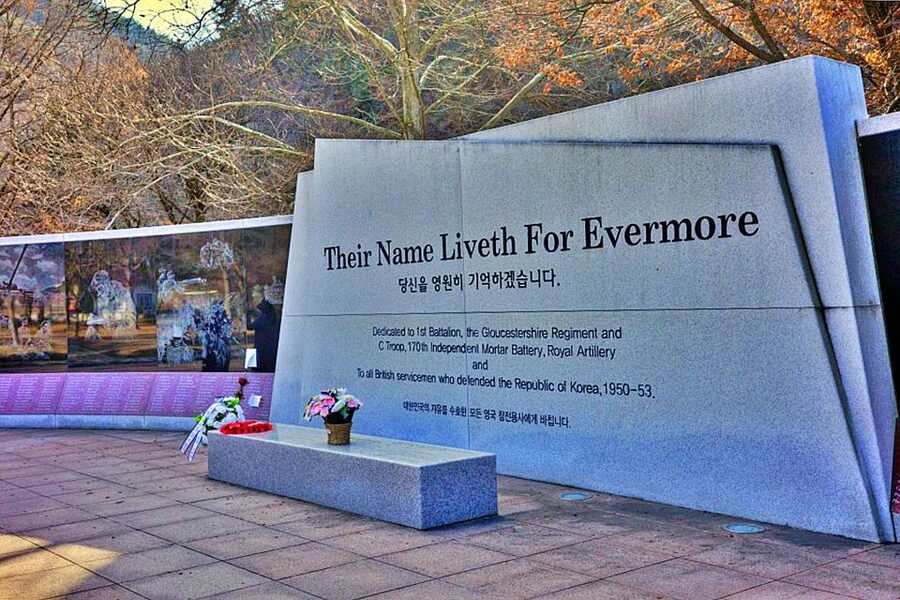
The North Korea Experience Hall gives this outing something many basic DMZ trips lack. Instead of only looking across the border, you receive insight into North Korea through guided explanation, visual material, and a defector’s account.
That testimony matters because the DMZ is easy to view as a spectacle. A personal story shifts the focus toward people who have lived with the effects of the political system and division. It also gives you a better basis for understanding why South Koreans may hold complex views of North Korea, combining concern, family ties, fear, frustration, and hope.
The supplied tour details do not specify exactly how long you spend in the hall, so expect it to fit into the wider DMZ schedule rather than function as a stand-alone museum visit. If you want the day to be mainly about military equipment or dramatic border photographs, this emphasis may feel slower. If you want context, it is one of the most worthwhile parts.
Same base, a different kind of day out:
- Seoul: DMZ Tour with Optional Suspension Bridge
★ 4.8 · 5,277 reviews - Signature DMZ Tour: Exclusive Defector Talk & Suspension Bridge
★ 5.0 · 4,459 reviews - Thrilling Korean DMZ 3rd Tunnel Tour from Seoul + Red Bridge Rush
★ 5.0 · 3,097 reviews - DMZ Past and Present: Korean Demilitarized Zone Tour from Seoul
★ 5.0 · 2,481 reviews
Entering the Third Tunnel of Aggression
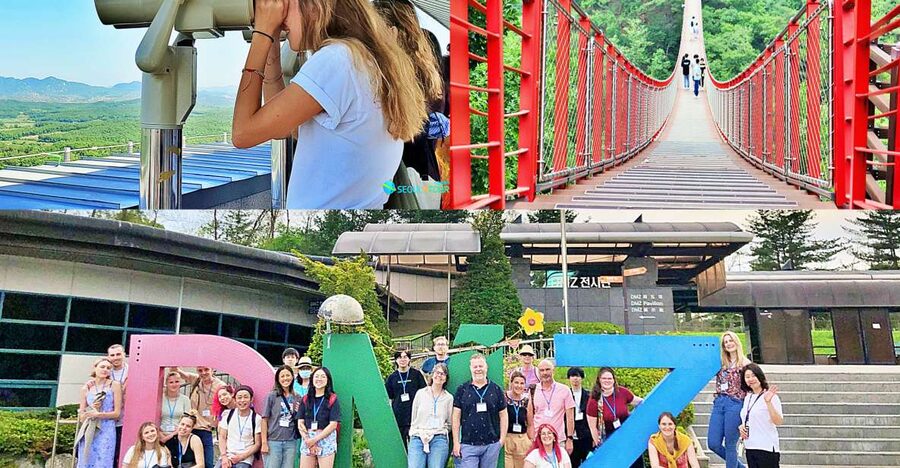
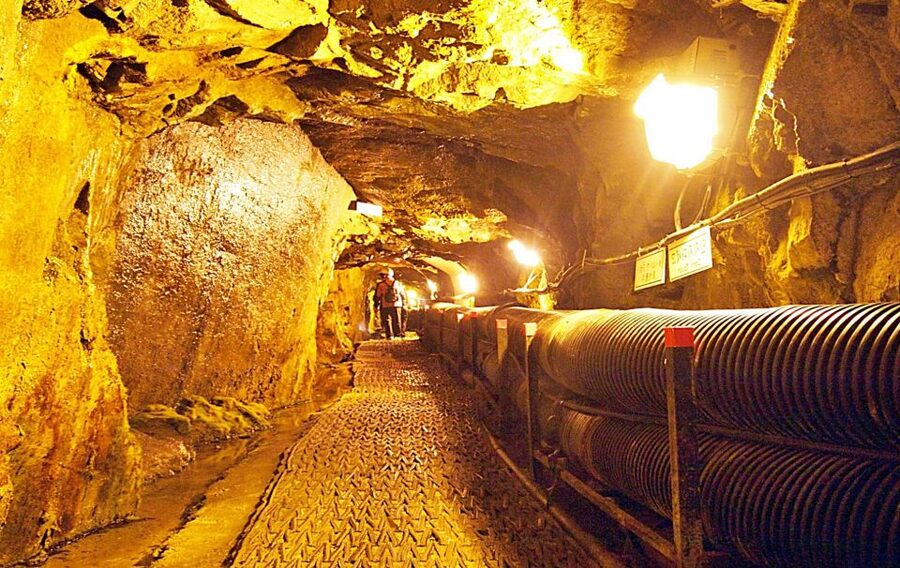
On the Signature Course, you visit the Third Tunnel of Aggression with a guide for about an hour. The tunnel is one of the day’s most physical stops, and you should take the warnings seriously.
You need comfortable walking shoes. High heels, sandals, and flip-flops are not allowed, and the activity is not suitable for people with claustrophobia, serious back problems, heart problems, respiratory issues, or certain other medical conditions. The tour is also not suitable for wheelchair users or people who use walkers.
The tunnel gives you a direct sense of the practical side of the border conflict. You are not only hearing about military planning from a viewing platform. You are walking into a confined underground space connected with the continuing tension between North and South.
This stop is not a good fit for everyone, especially if enclosed spaces make you uncomfortable. For others, it is the moment when the DMZ becomes physically real. Follow the guide’s instructions closely and do not treat the tunnel as a casual walk.
Dora Observatory and the view toward North Korea
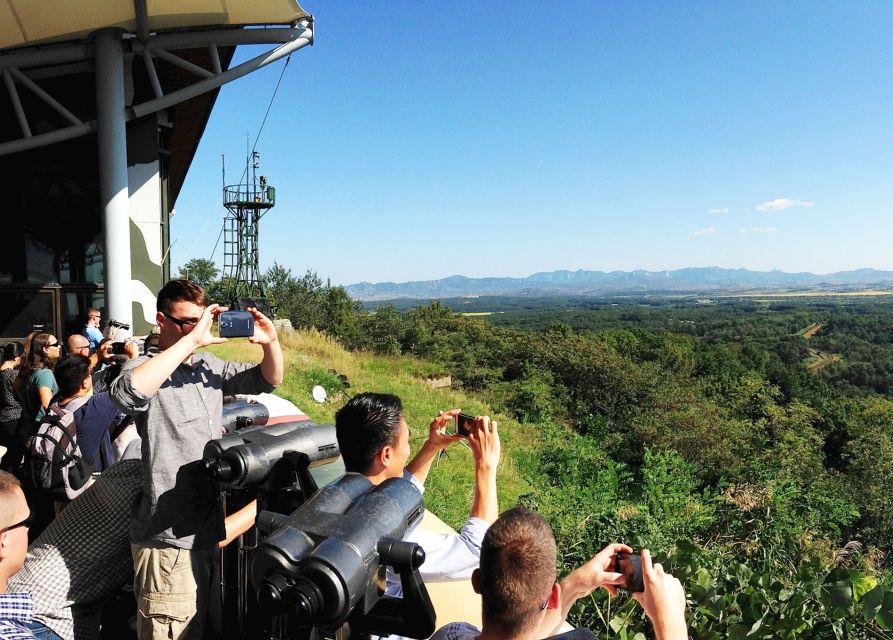
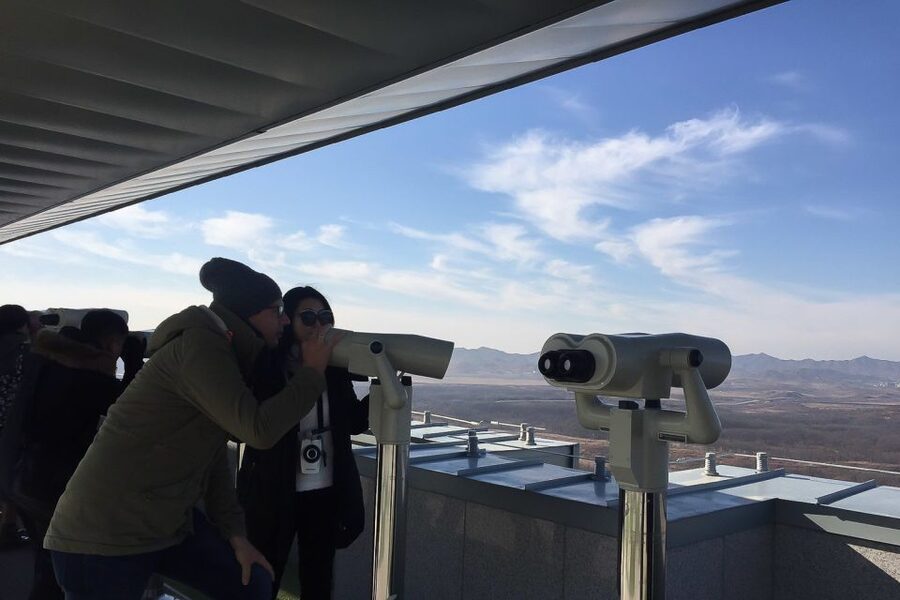
Dora Observatory is another Signature Course highlight, with about 40 minutes for a guided visit. From the viewing area, you may see across the border toward North Korea, though visibility depends on weather.
Clear conditions can make this one of the day’s most memorable stops. On misty, rainy, or snowy days, the view may be limited. One guide still sent photographs to help preserve the experience when rain blocked much of the view, but you should keep your expectations practical: no DMZ tour can guarantee a sharp view of North Korea.
The observatory is best understood as a place for perspective rather than a guaranteed photo opportunity. Your guide can explain what you are seeing and how the border functions, which is more useful than simply pointing a camera into the distance.
The military setting also means access can change. The Third Tunnel and Dora Observatory may be closed at times, which is why the provider switches to the Special Course when needed.
Unification Village and the DMZ zone
The itinerary includes a guided visit to Unification Village for about 30 minutes, along with roughly two hours in the wider DMZ zone. These stops help you see that the border is not an empty strip of land disconnected from daily life.
The DMZ is heavily controlled, and schedules can change. You must follow the guide’s directions at all times, including where you may walk and where you may take photographs. Military-style clothing is not allowed, and bringing your passport is essential.
The village stop adds another layer to the day. The DMZ is often presented through fences, guard posts, and tunnels, but communities and working lives exist near the boundary as well. The guide’s explanation is important here because the visual details may be subtle.
Do not expect a leisurely rural tour. This part of the route is shaped by security rules, limited time, and official access. That structure is part of what you are coming to see.
Gamaksan Suspension Bridge and Gloster Hill Memorial Park
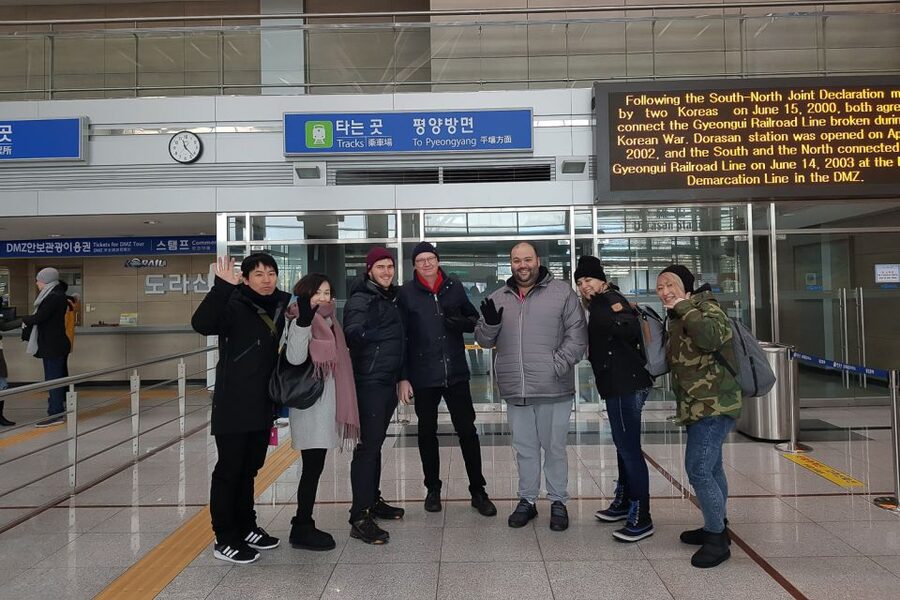
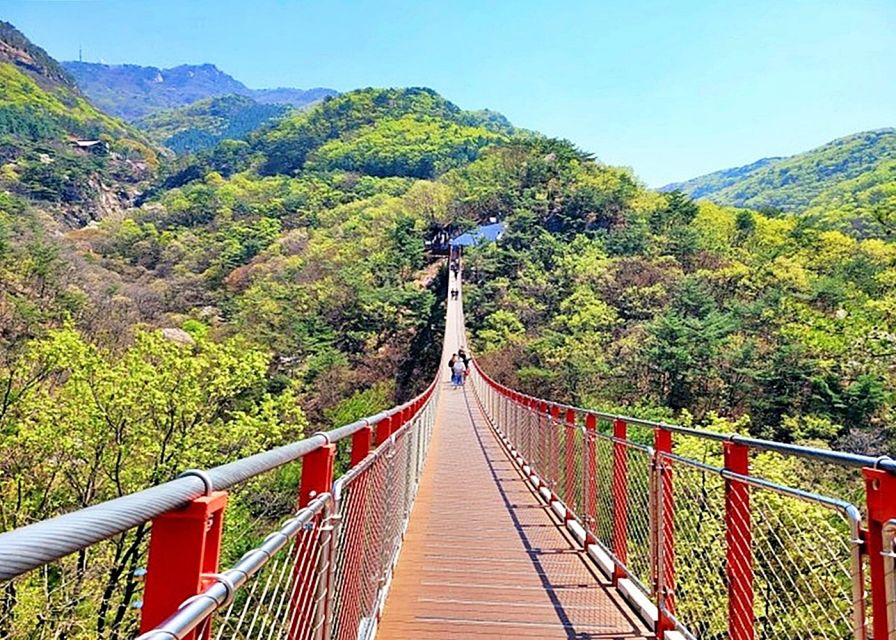
After the DMZ sites, the tour includes Gamaksan Suspension Bridge. You walk to the bridge and cross or visit it while taking in the mountain setting and fresh air.
This is a smart change of pace. After memorials, checkpoints, and an underground tunnel, the bridge gives you room to stretch your legs and enjoy the surrounding hills. It is also one of the more photogenic parts of the day, though people who fear heights may not enjoy it.
Weather matters here. Snow and rain can make the path and bridge slippery, so good shoes are more than a packing suggestion. The visit is still manageable for many people, but you should walk carefully in poor conditions.
On the Special Course, Gloster Hill Memorial Park replaces the Third Tunnel and Dora Observatory when those sites are closed or unavailable. The memorial connects the area with wartime sacrifice and provides a different kind of historical focus. The Peace Gondola is also included on this version of the route, giving you another way to view the DMZ area.
Because the alternative course is built around availability, do not book a Monday expecting the exact Tuesday to Sunday route. You will still receive a full DMZ-themed day, but the emphasis changes.
Is $55 good value for an eight to ten hour day?
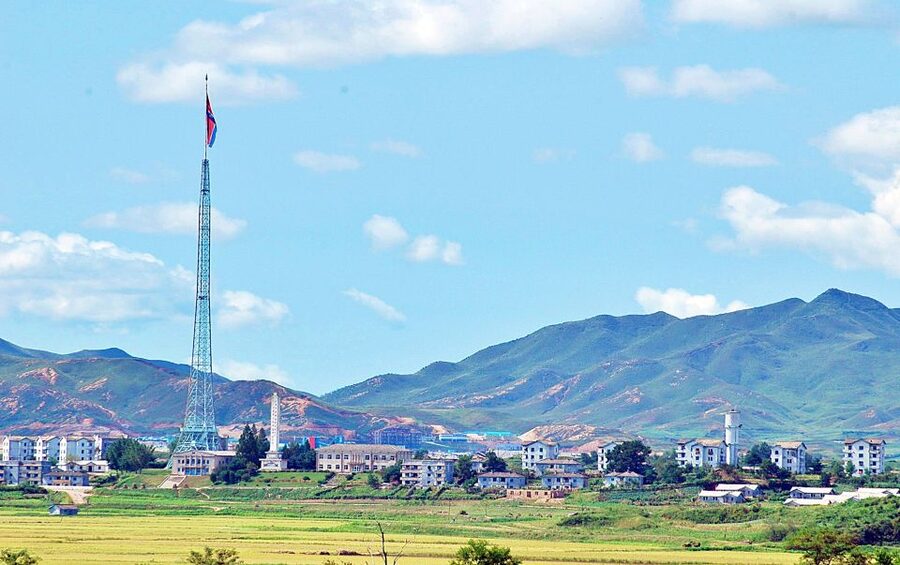
At $55 per person, this is a strong value if you want transportation, entrance fees, an English-speaking guide, and several major sites in one day. The price includes pickup from selected subway stations and hotels, transport, guiding, and admission.
Lunch is not included, so budget for your own meal. The day is long enough that you should bring water and a snack if appropriate, though the supplied details do not specify where or when lunch takes place.
The value comes from the combination of access and explanation. You are not paying only for a bus ride to a viewpoint. You receive a full route covering Imjingak, the North Korea Experience Hall, the DMZ zone, and either the Signature or Special Course attractions.
There are two costs beyond money: time and flexibility. You give up most of a day, and the schedule is organized around security procedures rather than your own pace. A souvenir-shop stop at the end may also feel like an unwanted sales pitch. One such stop is specifically reported, so factor it into your expectations.
Group size, walking, and who should book
The small-group format is a good middle ground. You get the efficiency of a group departure but usually have an easier time hearing the guide and moving between stops. The tour also offers private options if you want more control over the day.
You should be comfortable with a full day out, coach travel, walking, stairs, and changing outdoor conditions. Wear supportive shoes, avoid high heels and open sandals, and bring your passport.
This is not recommended for pregnant women, people over 75, people with high blood pressure, serious medical conditions, back or heart problems, respiratory issues, or a fear of heights. Babies can join free, but infant seats are not provided. Children must be accompanied by an adult.
The tour is not accessible for non-folding wheelchairs, walkers, walking frames, non-folding strollers, or walking sticks. If you have a medical concern, treat the restrictions seriously rather than hoping the day will be easy.
Cancellation is free up to 24 hours before departure, and you can reserve now and pay later. Those policies help if your Seoul plans are still shifting, but they do not remove the need to confirm the route and pickup details before you go.
Final recommendation: book it for history, not just a photo
I would book this tour if you want a structured introduction to the DMZ with strong historical explanation and a personal account from a North Korean defector. The combination of Imjingak, the North Korea Experience Hall, the Third Tunnel, Dora Observatory, and Gamaksan Suspension Bridge gives you both context and variety.
Choose it especially if you are in Seoul for a limited time, prefer an English-speaking guide, or want the practical ease of included transport and entrance fees. The 365-day setup is useful for Monday departures and public holidays, when many standard schedules are less flexible.
I would look elsewhere if you dislike long organized days, enclosed tunnels, suspension bridges, souvenir stops, or strict security rules. Check the date carefully: Tuesday through Sunday usually means the Signature Course, while Mondays and closure days bring the Special Course. For most visitors who want to understand the division of Korea rather than simply photograph a border, this is a well-priced and meaningful day trip.
FAQ
How long does the Seoul DMZ tour last?
The tour lasts approximately 8 to 10 hours, including coach travel between Seoul and the DMZ area.
Where can I be picked up?
Pickup is available from Gangnam Station Exit 12, Hongik University Station Exit 3, Itaewon Station Exit 1, Hamilton Hotel, Myeongdong Station Exit 10, and City Hall Station.
Is the exact pickup time shown on the voucher?
No. The time on the voucher is not the final pickup time. The exact time and location are sent by email one day before the tour.
What is included in the price?
Transportation, an English-speaking tour guide, entrance fees, and pickup from selected subway stations and hotels are included.
Is lunch included?
No. Lunch is not included in the tour price.
What happens if I book for a Monday?
The Special Course operates on Mondays, public holidays, and days when the Third Tunnel or Dora Observatory is closed. It includes the North Korea Experience Hall, Imjingak Park, the DMZ Peace Gondola, Gloster Hill Memorial Park, and the Suspension Bridge.
Do I need to bring my passport?
Yes. You must bring your passport for the DMZ visit.
Is the tour suitable for wheelchair users?
No. The tour is not available for wheelchair users or people using walkers. It is also not recommended for people with claustrophobia, serious medical conditions, back or heart problems, respiratory issues, or a fear of heights.
Just added in Seoul
- Suwon: Baseball Game with Fortress and Local Food Tour★ 5.0 · 3 reviews
- Seoul: War Memorial of Korea Private Guided Museum Tour★ 4.9 · 29 reviews
- Seoul: Wine & Korean BBQ, Perfect Pairing Dinner in Sinchon★ 5.0 · 6 reviews
- Seoul : Your Personal Photographer in Gyeongbokung★ 5.0 · 7 reviews
- Seoul : Efoil Experience in Han River★ 5.0 · 5 reviews
- Seoul: Vivaldi Park Winter Ski with Eobi Ice Valley Day Tour★ 4.6 · 16 reviews
- Seoul: Vivaldi Park Winter Ski with Nami Island Day Tour★ 5.0 · 4 reviews
- Seoul: Sokcho beach, market, hot spring and Seorak Cable Car★ 4.8 · 5 reviews
DMZ & JSA Tours, compared.
Best DMZ Tour Korea from Seoul (Red Suspension Bridge Optional)
Read our review →
DMZ Tour: 3rd Tunnel, Option(Suspension Bridge, Boat) from Seoul
Read our review →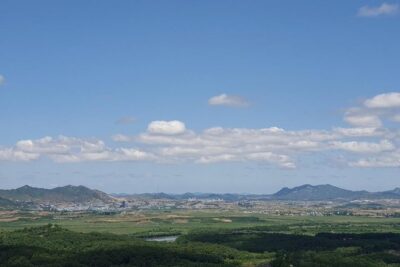
DMZ tour south Korea from Seoul (NK experience hall, defector)
Read our review →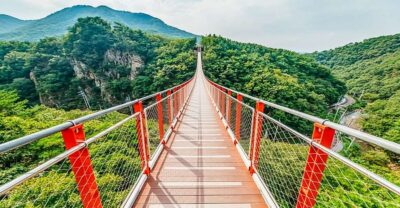
DMZ Insider Tour: 3rd Tunnel, NK Defector Meet & Red Bridge
Read our review →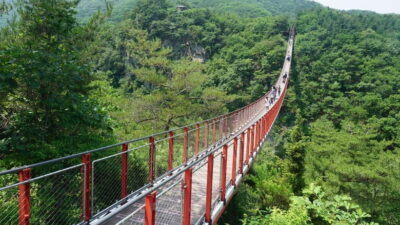
Signature DMZ Tour: Exclusive Defector Talk & Suspension Bridge
Read our review →
Thrilling Korean DMZ 3rd Tunnel Tour from Seoul + Red Bridge Rush
Read our review →
DMZ Past and Present: Korean Demilitarized Zone Tour from Seoul
Read our review →Browse the lists this tour appears in