
Reviewed · DMZ & JSA TOURS
South Korea Demilitarized Zone, DMZ Tour from Seoul
The most striking part of this Seoul day trip is the chance to look toward North Korea from Dora Observatory, then walk into the Third Tunnel, a passage built for a possible military invasion. The DMZ is not a theme park. It is a tense, living border shaped by war, politics, families, and decades of separation.
I like the early departure, which helps you reach the military-controlled sites before the worst crowds. I also like the guide-led history, especially when guides such as Winnie, Kenny, Grace, and Thomas turn a difficult subject into something clear and human. The main drawback is the early start, often around 6:00 or 6:30 a.m., plus the possibility that military rules can change the route without notice.
Key points to know before booking
- The Third Tunnel is physical: You walk downhill, then uphill on the return, often crouching beneath a low ceiling.
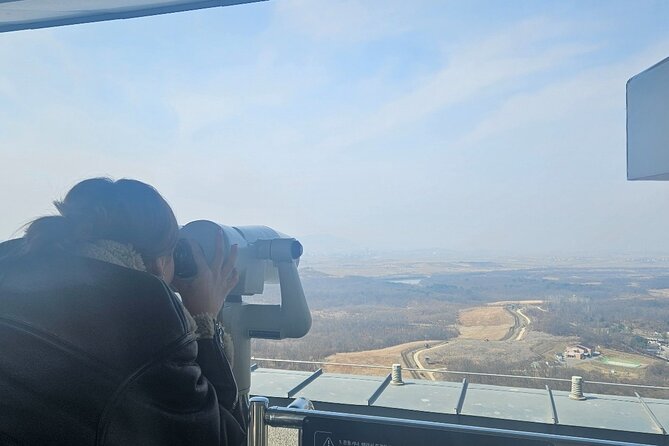
- Dora Observatory looks into North Korea: Views may include Gaeseong, Songaksan, the Kim Il-sung statue, and a cooperative farm, though weather and military rules can affect what you see.
- The tour is built around four major stops: Imjingak Park, the DMZ exhibition area, the Third Tunnel, and Dora Observatory.
- The early start has a purpose: It helps avoid the afternoon rush at popular DMZ sites.
- Guides make a major difference: Winnie, Kenny, Grace, Stella, and Thomas Bae are praised for clear English, humor, organization, and historical explanations.
- Military access is never guaranteed: The route may change because of weather, traffic, military training, government orders, or other restrictions.
Why this DMZ tour is worth your morning
At about $30 per person, this is a strong value if you want the main DMZ sights without arranging military-zone transport on your own. The price includes transportation, admission fees, and a professional guide, which matters here because the border area is not a place to explore casually or independently.
You are paying for access, timing, and explanation as much as for the vehicle. The drive from Seoul takes you away from the city and into an area where ordinary roads, military checkpoints, memorials, and signs of division begin to shape the day.
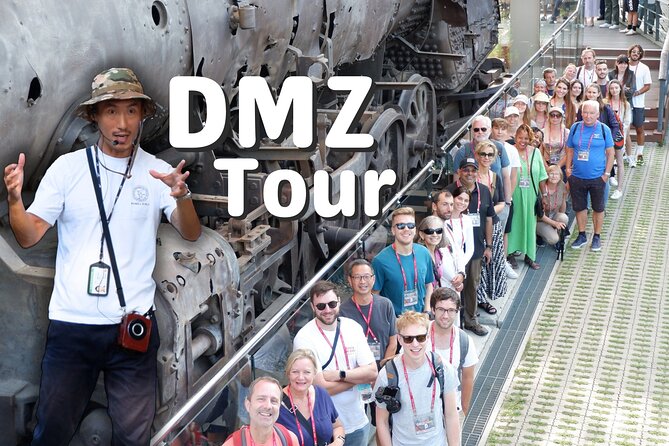
The tour lasts about seven and a half hours. That is a full morning and early afternoon, not a quick photo stop. Still, the schedule is packed in a sensible way. You see several important sites without an obligatory shopping stop, so your time stays focused on Korea’s modern history.
The group can be large, with a stated maximum of 500 people. That number is a maximum rather than a promise that every departure will reach it, but you should not expect a private or intimate outing. The guide’s organization matters. The most praised guides, including Winnie, Kenny, Grace, Stella, and Thomas Bae, are described as friendly, energetic, clear, and good at keeping people together.
Other trips up to the border from Seoul:
- Best DMZ Tour Korea from Seoul (Red Suspension Bridge Optional)
★ 5.0 · 41,422 reviews - DMZ Tour: 3rd Tunnel, Option(Suspension Bridge, Boat) from Seoul
★ 5.0 · 21,373 reviews - DMZ tour south Korea from Seoul (NK experience hall, defector)
★ 5.0 · 20,599 reviews
Starting at Imjingak Park and Pyeonghoa-Nuri
Imjingak Park is about 7 kilometers from the Military Demarcation Line. It was built in 1972, during a period when the hope of Korean reunification was very much part of public life. Today, it is one of the main places in the area for learning about the Korean War and the separation of the peninsula.
You get about an hour here, which gives you time to take in the memorials and the setting without rushing straight back onto the bus. The park is not the border itself, but it gives the day an emotional starting point. You begin with the human cost of division before moving closer to the military zone.
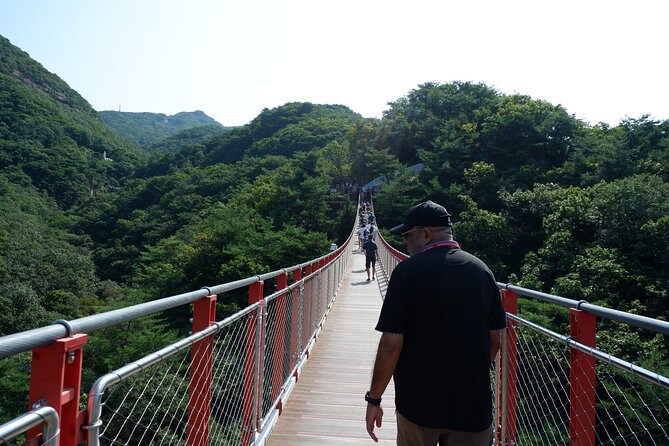
Pyeonghoa-Nuri, or Peace-Nuri, adds open space and a more reflective atmosphere. Depending on the day’s exact route and conditions, you may also encounter nearby attractions such as a suspension bridge or an optional gondola ride. These additions are not the core four-stop itinerary, so I would treat them as possible extras rather than a guarantee.
The useful thing about beginning here is that the guide can explain the difference between the Korean War, the armistice, the Military Demarcation Line, and the DMZ. Those terms are often mixed together, but they do not mean the same thing. A good guide gives you enough background to understand what you are seeing later.
Entering the controlled DMZ area
After Imjingak, the group goes through a passport check by soldiers before entering the controlled area. You must bring a current, valid passport. This is not optional paperwork, and a photo or copy should not be treated as a substitute unless the operator specifically confirms otherwise.
The DMZ exhibition area provides a short video and displays about the division of Korea and the conflict that shaped it. The scheduled visit lasts about 30 minutes, so do not expect a museum-length treatment. Think of it as an orientation stop that sets up the sites ahead.
This is also where the day’s uncertainty becomes real. Access is controlled by the military, and restrictions can change with little warning. Training exercises, visits by senior officials, government orders, severe weather, fog, heavy snow, traffic, roadworks, or other security concerns can alter the plan.
That uncertainty is frustrating if you have built your whole Seoul schedule around the DMZ. It is also part of the reality of visiting a working border. The operator may substitute places such as Imjingak Park, Art Space BEAT 131, Odusan Unification Observatory, the War Memorial of Korea, or a dismissal in the City Hall or Myeongdong area if the main route is closed.
The important point is that an alternative itinerary is possible, and a full refund is not guaranteed when the route changes for military reasons. Read that condition carefully before booking.
Walking into the Third Tunnel
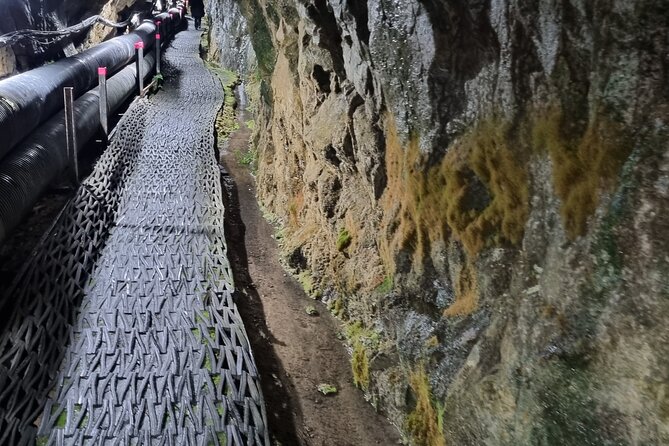
The Third Tunnel is the most physical part of the day. South Korea discovered it in 1978. The passage is about 1,635 meters long, roughly 2 meters wide, and roughly 2 meters high. It is located about 52 kilometers from Seoul.
The tunnel was built as an infiltration route from North Korea. Estimates suggest that about 30,000 soldiers could have moved through it in an hour. That statistic gives the site its military weight, but the experience itself is more direct: you put on a hard hat and walk into a low, sloping passage cut through rock.
You go downhill on the way in. The return is uphill, and the grade can feel demanding after several stops. Taller visitors may need to crouch for much of the route, particularly near the end. The tunnel’s narrow ceiling is why sensible footwear matters. Flip-flops, slippers, and high heels are poor choices here.
The scheduled visit is about 40 minutes. That includes getting to the entrance, making the walk, and returning, so the pace can feel brisk. If you have limited mobility or dislike steep inclines, ask yourself if this is the right tour. The supplied information calls for moderate physical fitness, and that description is worth taking seriously.
I like this stop because it moves the history out of the display case. You are no longer just looking at a map of the border. You are standing inside a military passage created for a conflict that technically remains unresolved.
There are limits, too. The tunnel is not spacious, and you should not expect a leisurely walk or a long chance to pause. It is also not the right place for loose sandals, delicate clothing, or a large bag.
Same base, a different kind of day out:
- Seoul: DMZ Tour with Optional Suspension Bridge
★ 4.8 · 5,277 reviews - Signature DMZ Tour: Exclusive Defector Talk & Suspension Bridge
★ 5.0 · 4,459 reviews - Thrilling Korean DMZ 3rd Tunnel Tour from Seoul + Red Bridge Rush
★ 5.0 · 3,097 reviews - DMZ Past and Present: Korean Demilitarized Zone Tour from Seoul
★ 5.0 · 2,481 reviews
Looking into North Korea at Dora Observatory
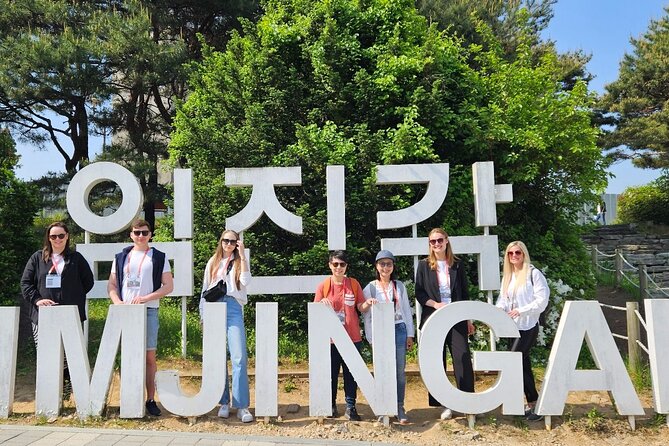
Dora Observatory gives you the day’s most recognizable view. From the platform, you may see across the border toward North Korean locations including Gaeseong, Songaksan, a Kim Il-sung statue, and the Geumamgol cooperative farm.
The observatory visit is scheduled for about 30 minutes. That is enough for a look, photographs when permitted, and a guide’s explanation, but it is not a long scenic stop. Visibility depends on weather, haze, and military rules.
Photography restrictions can change. You may be told not to photograph North Korea on a particular day, even if photography was allowed recently. One practical benefit of having a guide is that the guide can explain the current rule and point out what you can safely see.
Do not judge the stop only by the clarity of the view. On a clear day, the sightline can be powerful. On a hazy day, the observatory still helps you understand the geography and the strange closeness of the two Koreas.
This is also a place where a good guide earns the fee. Guides such as Kenny and Winnie are repeatedly praised for explaining the political and military background in plain English, with enough humor to keep the bus atmosphere relaxed without making light of the subject.
What the guides add to the experience
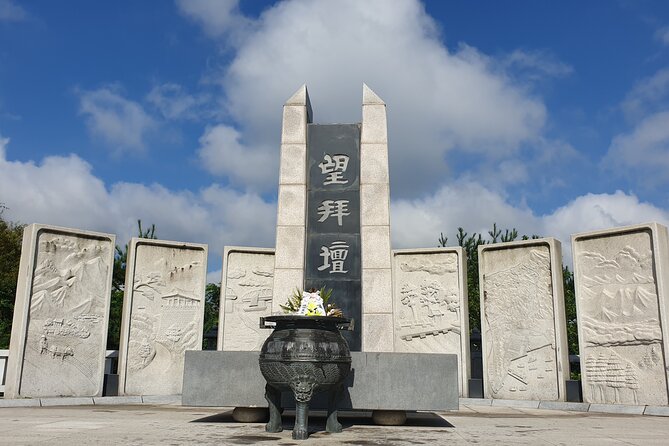
The route is important, but the guide may shape your memory of it even more. A bus ride through the DMZ can become a string of checkpoints and photo stops if nobody explains what the signs, fences, roads, and viewpoints mean.
Kenny is described as funny, friendly, and especially strong at explaining the division of North and South Korea. Winnie is praised for being organized, caring, entertaining, and clear in English. Grace is noted for her energy, historical explanations, and use of videos or facts on the bus. Stella is described as flexible and helpful when the planned DMZ access was restricted. Thomas Bae is praised for his enthusiasm, kindness, and ability to keep a fast schedule moving.
Guide assignments can change, so you should not book on the assumption that one particular person will lead your departure. Still, these names show what the operator’s best guides bring to the day: solid English, practical care, historical context, and a light touch when the subject becomes heavy.
The bus ride is useful teaching time. You can hear about the Korean War, the Cold War, the armistice, the division of families, and the current status of the border before reaching the sites. That makes each stop more meaningful than a quick visit made without context.
Timing, transport, and practical comfort
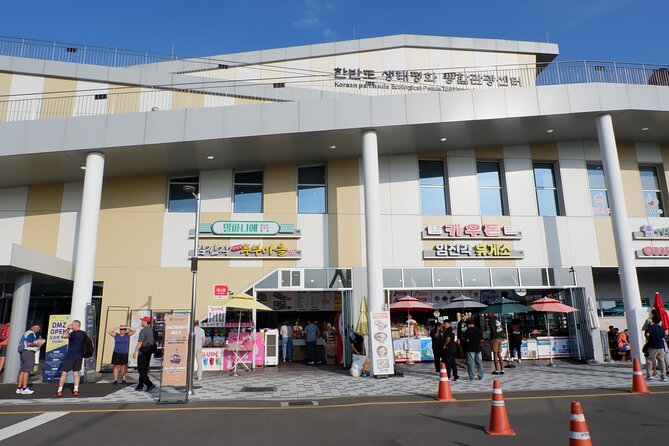
The tour uses an air-conditioned vehicle and includes transportation between the Seoul meeting point and the DMZ area. Hotel pickup and drop-off are not included, so you need to reach your selected meeting point on your own.
An early start is the price of a better visit. Some departures begin around 6:00 or 6:30 a.m., and one reported schedule ran roughly from 6:30 a.m. to 3:00 p.m. That means setting an alarm and planning your morning carefully, especially if your hotel is far from the meeting point.
The early departure helps reduce the afternoon rush. It can also give you a more orderly visit at sites where access and capacity are controlled. I consider this a good trade for a serious sightseeing day, but it is not ideal if you want a relaxed late breakfast or a slow first morning in Seoul.
Lunch is not included. You may find chances to buy drinks or refreshments at stops, but bringing a small snack and water is sensible. The schedule is busy enough that you should not count on a long meal break.
The tour does not include the Joint Security Area, or JSA. That distinction matters. A DMZ visit can still be worthwhile without the JSA, but you should not book this experience expecting the famous blue conference buildings or a walk directly across the military boundary.
Who should book this experience
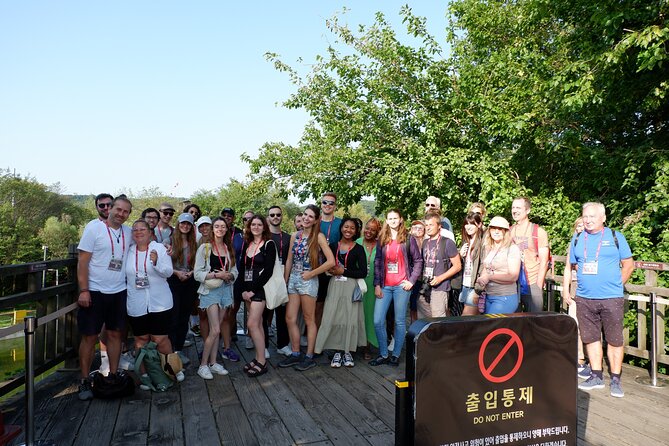
I would choose this tour if you have one free day in Seoul and want a structured introduction to the Korean peninsula’s division. It suits history fans, first-time visitors, and people who prefer having military access, transport, and explanations handled together.
It also works well for families with older children and mixed-age groups, provided everyone can manage the Third Tunnel. A family group ranging from age 8 to 70 was described as being accommodated well, but the physical demands still vary from person to person.
You may want another option if you need wheelchair-friendly access, dislike early mornings, want a private guide, or require a guaranteed itinerary. The tour can be altered or canceled for reasons outside the operator’s control, and military access is never something a commercial tour can promise.
Free cancellation is available up to 24 hours before the start time. After that, the amount paid is not refunded, and changes are not accepted. If poor weather or the minimum number of participants causes cancellation, you are offered another date, another experience, or a full refund under the stated policy.
Should you book this Seoul DMZ tour?
Book it if you want the main DMZ sights at a modest price and you are comfortable with an early start, a group format, and possible military changes. The strongest reasons are the Third Tunnel, the view from Dora Observatory, the useful background provided on the bus, and the absence of a forced shopping stop.
I would skip it if the JSA is essential to your plans, if you cannot manage the tunnel walk, or if a fixed schedule matters more to you than seeing a sensitive border area. For most visitors with a free day and a serious interest in modern Korean history, this is a practical, well-priced way to see the DMZ with the necessary context.
FAQ
How long does the DMZ tour from Seoul last?
The tour lasts approximately 7 hours and 30 minutes. Some schedules begin around 6:00 or 6:30 a.m. and finish in the afternoon.
What places are included in the itinerary?
The core itinerary includes Imjingak Park, a DMZ exhibition area, the Third Tunnel, and Dora Observatory.
Is the Joint Security Area included?
No. The visit to the Joint Security Area, or JSA, is not included.
Do I need to bring my passport?
Yes. A current, valid passport is required on the day of the tour because soldiers may check it before entry into the controlled area.
Is lunch included?
No. Lunch is not included in the tour price. You may find opportunities to purchase refreshments, and bringing your own snack and drink is advisable.
Can the itinerary change or be canceled?
Yes. Military orders, training, weather, road conditions, government restrictions, and other unforeseen events can change or cancel the route. If the minimum number of participants is not met, the tour may also be canceled or rescheduled.
Just added in Seoul
- Suwon: Baseball Game with Fortress and Local Food Tour★ 5.0 · 3 reviews
- Seoul: War Memorial of Korea Private Guided Museum Tour★ 4.9 · 29 reviews
- Seoul: Wine & Korean BBQ, Perfect Pairing Dinner in Sinchon★ 5.0 · 6 reviews
- Seoul : Your Personal Photographer in Gyeongbokung★ 5.0 · 7 reviews
- Seoul : Efoil Experience in Han River★ 5.0 · 5 reviews
- Seoul: Vivaldi Park Winter Ski with Eobi Ice Valley Day Tour★ 4.6 · 16 reviews
- Seoul: Vivaldi Park Winter Ski with Nami Island Day Tour★ 5.0 · 4 reviews
- Seoul: SnowyLand in Vivaldi Park with Nami or Alpaca★ 4.8 · 11 reviews
DMZ & JSA Tours, compared.
Best DMZ Tour Korea from Seoul (Red Suspension Bridge Optional)
Read our review →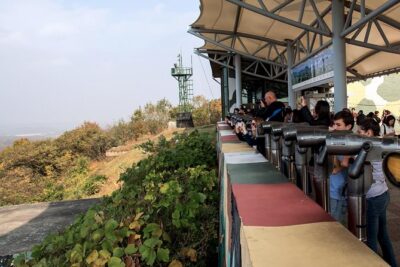
DMZ Tour: 3rd Tunnel, Option(Suspension Bridge, Boat) from Seoul
Read our review →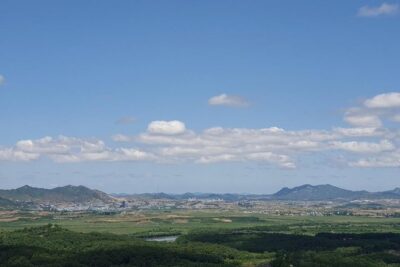
DMZ tour south Korea from Seoul (NK experience hall, defector)
Read our review →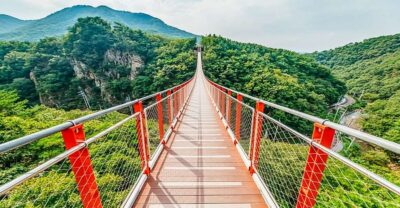
DMZ Insider Tour: 3rd Tunnel, NK Defector Meet & Red Bridge
Read our review →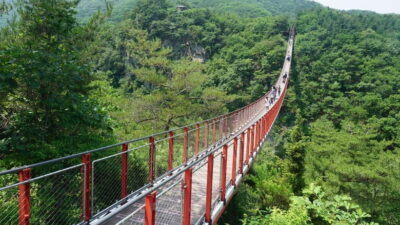
Signature DMZ Tour: Exclusive Defector Talk & Suspension Bridge
Read our review →
Thrilling Korean DMZ 3rd Tunnel Tour from Seoul + Red Bridge Rush
Read our review →
DMZ Past and Present: Korean Demilitarized Zone Tour from Seoul
Read our review →Browse the lists this tour appears in