
Reviewed · DMZ & JSA TOURS
From Seoul: Cheorwon DMZ and 2nd Tunnel Tour with Lunch
The most striking part of this tour is not a staged border photo. It is the Second Infiltration Tunnel, a cold, narrow wartime passage cut by North Korea and discovered in 1975. You also get close views toward a North Korean guard post, where the Korean conflict feels less like a chapter in a textbook and more like an unfinished fact.
I like the small-group feel and the lack of shopping stops. I also like the generous package: transport, guide, observatory monorail, breakfast snacks, and a substantial bibimbap lunch are covered. The tradeoff is the distance from Seoul, plus steep steps and low ceilings in the tunnel.
Key things to know before you book
- The Second Tunnel is the main event: Expect a cool, enclosed walk with steep sections, slippery footing in winter, and places where you must duck.
- Cheorwon feels less packaged than the better-known Paju route: You see working farmland, military activity, old ruins, and a quieter border area.
- Guides make the difference: Sam, Andrew, Mr Hong, Oliver, Thomas, and others are praised for clear English, personal stories, humor, and detailed explanations.
- Lunch is a real meal, not a snack: The premium bibimbap set comes with fresh vegetables, soup, and side dishes, and suits vegetarians.
- The Y-Bridge is a scenic bonus: The observation area is free, but crossing the suspension bridge requires an extra ticket.
- Plan for flexibility: The DMZ can close after sudden political events, and traffic can change the return time.
Why Cheorwon is a better fit than a quick DMZ stop
Most people first hear about the DMZ through the Paju area near Seoul. Cheorwon offers a different day. It is farther away, but the journey takes you into Gangwon Province, past rice fields, Korean homes, military roads, and the quieter countryside around a former North Korean-controlled town.
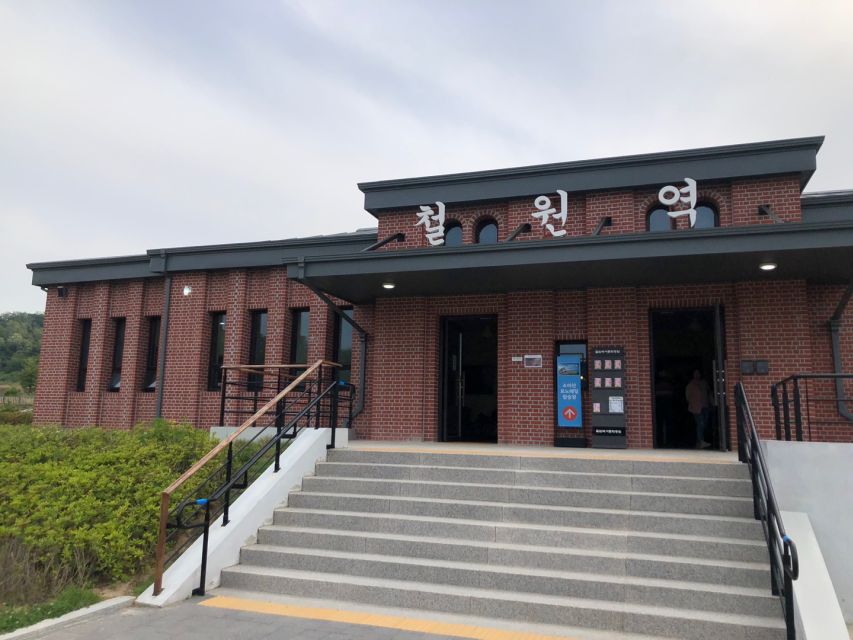
That extra distance matters. You spend more time in the vehicle, but you get a fuller sense of the region around the border. The route includes the Second Infiltration Tunnel, the Peace Observatory, the DMZ History Museum, the Korean Workers’ Party Headquarters ruins, and a dramatic river gorge at the end.
I especially like that the day avoids shopping stops. The focus stays on the Korean War, the division of the peninsula, and the strange present-day life of the DMZ. That makes this a better choice if you want context rather than a fast collection of photo stops.
The tour costs about $95 per person and lasts eight hours. That is solid value for a small-group experience with transport from Seoul, a licensed guide, entry fees, the observatory monorail, breakfast snacks, and lunch. A private option may cost more, but it gives you hotel pickup and drop-off. Check the exact option carefully, since meeting points and pickup arrangements vary.
Other trips up to the border from Seoul:
- Best DMZ Tour Korea from Seoul (Red Suspension Bridge Optional)
★ 5.0 · 41,422 reviews - DMZ Tour: 3rd Tunnel, Option(Suspension Bridge, Boat) from Seoul
★ 5.0 · 21,373 reviews - DMZ tour south Korea from Seoul (NK experience hall, defector)
★ 5.0 · 20,599 reviews
The early ride from Seoul and the breakfast stop
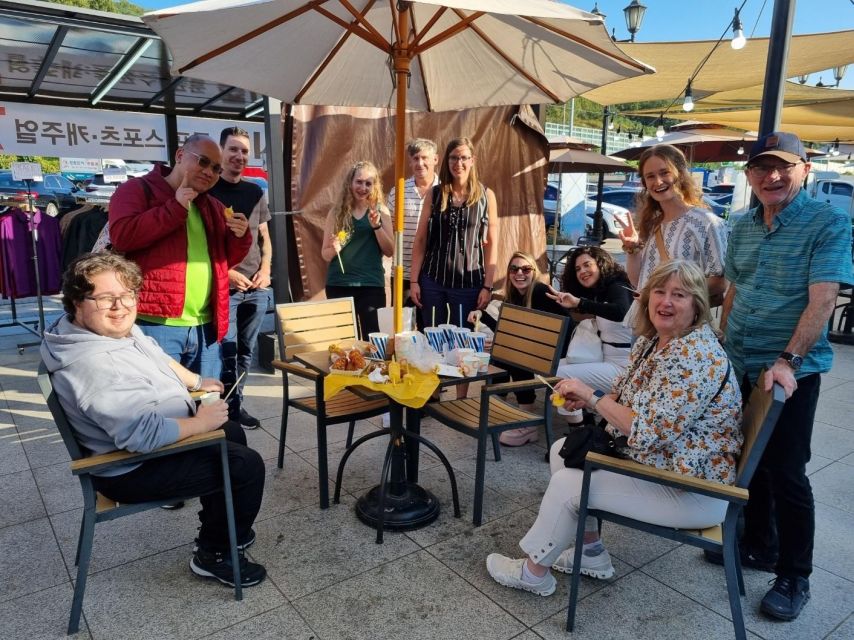
Your day begins with a drive of about an hour before a 20-minute break. This is billed as breakfast, though you should think of it as a practical rest stop with local snacks rather than a long sit-down meal.
Guides sometimes help the group choose snacks or provide extra context along the way. That small pause matters because the day involves a lot of walking later. It also breaks up the road journey before you reach the restricted border area.
Transportation has generally been one of the stronger parts of the experience. Small groups may travel in a clean minivan, and the compact vehicle makes it easier for the guide to speak with everyone. One past outing had a vehicle problem soon after departure, but the company offered a refund or a new booking, and the replacement trip went ahead with a reliable vehicle. It is a useful reminder to allow some flexibility on a tightly scheduled day.
The road from Seoul is part of the experience. You leave the city behind and see a more rural side of Korea, including rice-growing areas and older homes. The drive is not filler, but it does mean this tour is less suitable if you want a short half-day outing.
Reaching the DMZ near Cheorwon
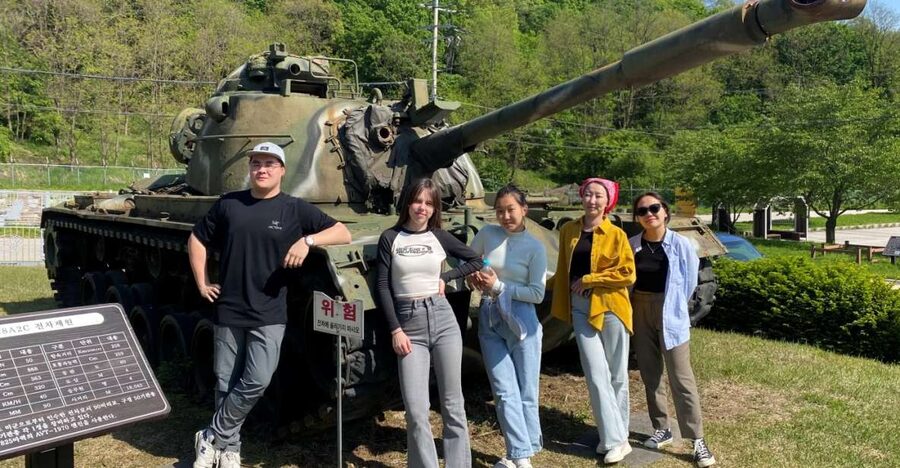
The first border-area stop is brief, around 30 minutes, but it sets the tone. You may see a North Korean guard post across the zone, along with military facilities and signs of the area’s continuing strategic role.
This is not a theme park border crossing. Access is controlled, instructions matter, and conditions can change. Bring your passport. Photography is restricted in sensitive areas, and the official information says photography inside the tunnel is not allowed. Follow your guide and the local rules rather than assuming that a good view means a permitted photograph.
The DMZ has also become an important refuge for wildlife because human access is limited. Cranes are associated with the area, and one route may include information connected with crane conservation. You will not be promised a wildlife sighting, but the environmental side adds an important layer to the military story.
Your guide will usually explain the Korean War and the division of the peninsula before or during these stops. Sam is particularly noted for making a serious subject understandable without turning the day into a lecture. Andrew, Mr Hong, Oliver, Thomas, and other guides are also praised for answering questions and sharing personal or family context.
Walking through the Second Infiltration Tunnel
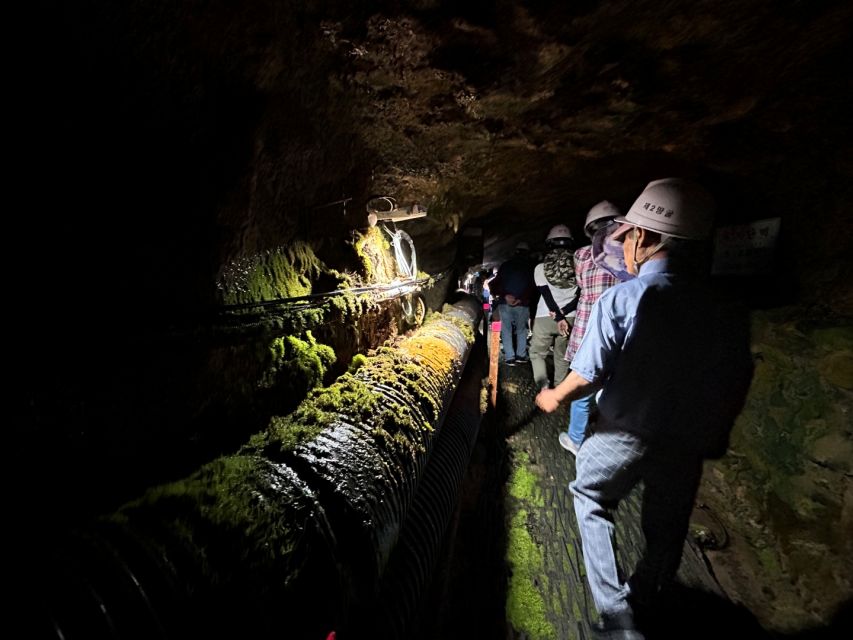
The Second Infiltration Tunnel is the reason to choose Cheorwon. Discovered in 1975, it was built as a covert route under the border. The tunnel is described as 3.5 kilometers long and is among the closest and widest known tunnels of its kind in Korea.
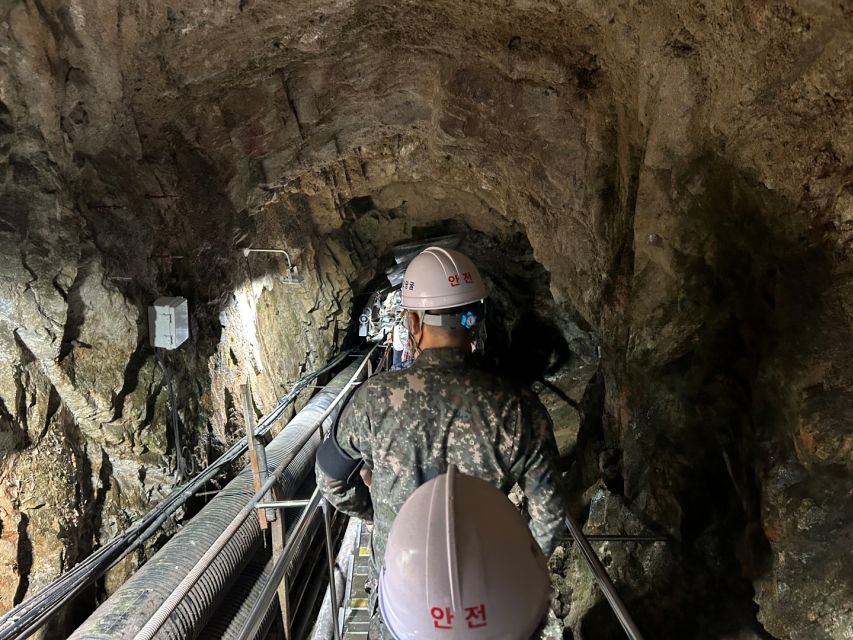
You walk into a section of the passage with a guide. Expect a cool, dark, enclosed space, uneven ground, steep descents, and low ceilings. The repeated advice is simple: wear proper walking shoes and watch your head. Winter can make the steps slippery, and the return climb takes effort.
The tunnel is more physically demanding than a museum visit, but that is also what gives it weight. You are not just looking at a diagram of an invasion route. You are moving through the kind of confined passage that required enormous labor and secrecy. The guide explains how it was discovered and what it says about the military thinking on both sides.
Photography inside is not permitted, so do not plan on documenting every part of the walk. Instead, listen closely. Guides have used the tunnel to explain the workers who constructed it and the soldiers involved in its discovery. The details give the site a human scale.
The tunnel is not ideal for anyone with mobility limits, balance problems, or a strong dislike of enclosed spaces. The information lists the activity as wheelchair accessible in one place, but it also says it is not suitable for wheelchair users. Because the tunnel includes steep and uneven sections, contact the operator before booking if accessibility matters to you.
A few more things to do in Seoul worth a look
- Seoul City Private Full-Day Tour Including Lunch
★ 5.0 · 469 reviews - Premium Private DMZ Tour & (Suspension Bridge or N-Tower) include lunch
★ 5.0 · 348 reviews - Private DMZ Tour with North Korean Defector + N Korean Lunch
★ 5.0 · 122 reviews - Full Day- Essential Seoul City Tour & Gourmet Tour(including Lunch and Dinner)
★ 5.0 · 73 reviews
Peace Observatory and the DMZ History Museum
After the tunnel, the tour continues to the Cheorwon Peace Observatory. The included monorail ticket saves you an extra payment and avoids a tiring uphill approach. From the observatory, you get a broader view toward the DMZ and North Korean territory.
The value of this stop depends heavily on the weather and your guide’s explanation. On a clear day, the view helps you understand the geography. On a hazy day, the visible details may be limited, but the guide can still explain the Military Demarcation Line, the buffer zone, and the distance between the two Koreas.
The DMZ History Museum adds the wider story. This is where the tunnel and guard post fit into the chronology of the Korean War and the continuing division. I find this pairing useful: the tunnel gives you a physical experience, while the museum helps put it into political and military context.
The day is not only about North and South Korea as abstract opponents. Good guides explain how the division affected ordinary communities, displaced residents, soldiers, and families. Sam has been praised for discussing everything from battlefield stories to defectors and the long-term human cost of separation. That sort of commentary is what makes a border tour worthwhile.
The Korean Workers’ Party Headquarters ruins
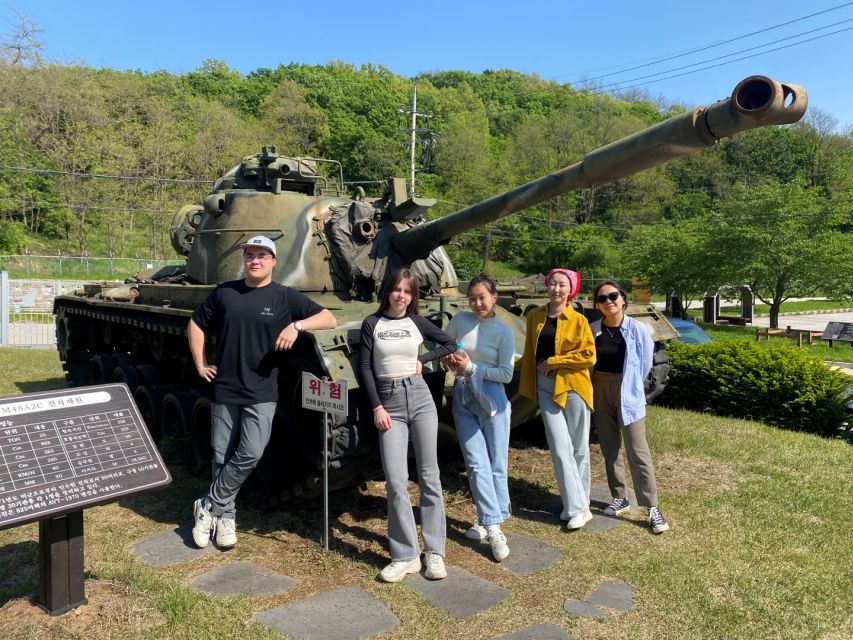
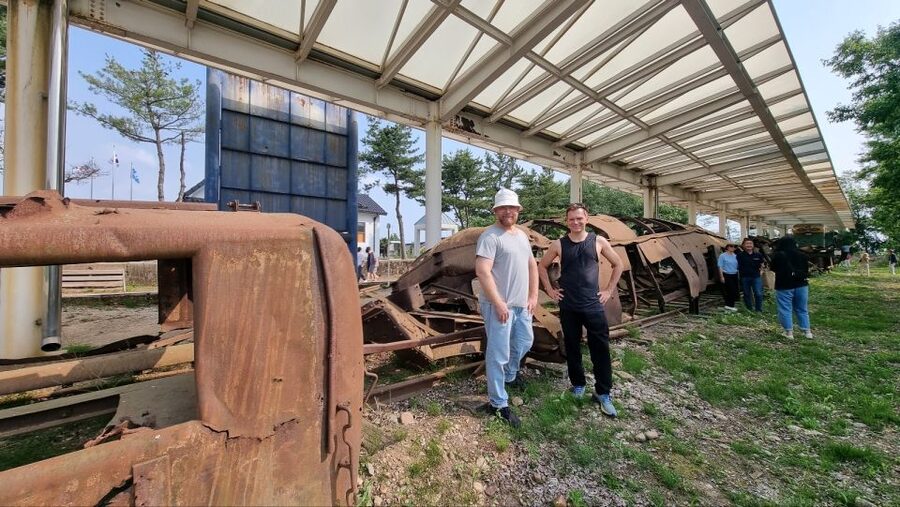
The ruined Korean Workers’ Party Headquarters is one of the more unusual stops in Cheorwon. The damaged building offers physical evidence that this area was once under North Korean control before the war changed the town.
Unlike a polished museum, the ruins ask you to read the structure itself. Walls, damage, and location help show that Cheorwon was once a functioning community caught on the front line. The stop is usually brief, but it gives the day a strong sense of place.
This is also one reason I would choose Cheorwon over a more crowded DMZ route. You are not only looking toward North Korea from an observatory. You are seeing remains connected with the area’s former administration and wartime destruction.
Bibimbap lunch in a local restaurant
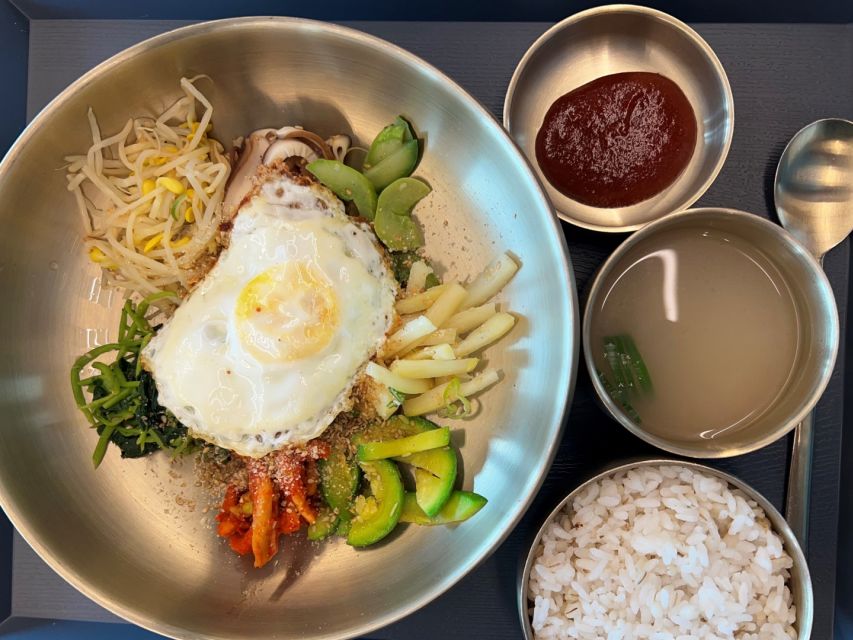
Lunch is a premium bibimbap set, usually served with vegetables, soup, and Korean side dishes. It is a proper meal after the tunnel walk, with fresh ingredients and a format that works well for vegetarians.
The food is one of the tour’s practical strengths. A meal is included rather than left to chance, and the restaurant setting gives you a break from military sites. Portions have been described as generous, and the fresh vegetables make the meal feel lighter than many heavy travel lunches.
Do not expect a long culinary tour or a menu chosen around individual preferences. The meal is designed for the group and fits into the schedule. Still, it is a much better arrangement than rushing through a convenience-store lunch after a demanding morning.
Hantangang Y-Bridge and the volcanic gorge
The final stop shifts from war history to scenery. At the Hantangang Y-Bridge Observatory, you can look over Korea’s longest Y-shaped suspension bridge, volcanic rock formations, and the river below.
The observation deck is free. If you want to cross the bridge, you buy a ticket on site, so bring a little extra money if that walk appeals to you. The bridge crossing is optional, which is useful because some people will be ready for a quiet view after the tunnel while others will want one last activity.
I see this as a pleasant ending rather than the core reason to book. The bridge and river cliffs provide visual variety, and the open air feels good after the enclosed tunnel. But if your main goal is the Korean War and the DMZ, the bridge is a bonus. One past visitor found it nice but not essential, and I agree with that assessment.
Guide quality and group size
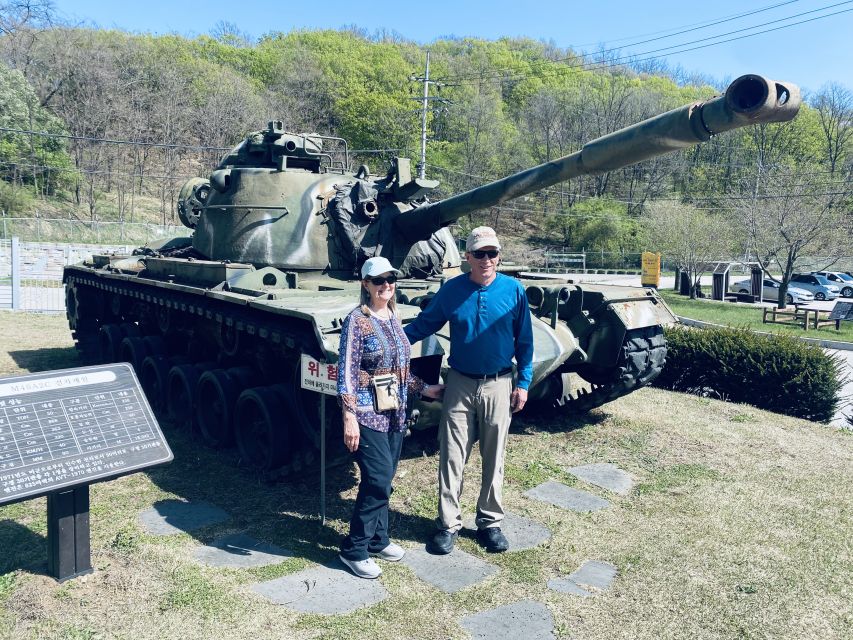
The guide can shape the whole day. The strongest names associated with this experience include Sam, Andrew, Mr Hong, Oliver, Thomas, Captain, and others. Their styles differ, but the useful pattern is clear: you want someone who can explain the history in plain English, answer questions, and keep the schedule moving.
Sam receives especially strong praise for his humor, warmth, and command of Korean history. Andrew is often described as friendly and attentive, while Mr Hong is noted for strong English and a safe, capable driver. Oliver is praised for stories about the war and the conflict, and Thomas has handled changes to the planned route when the tunnel was temporarily closed for landmine clearance.
Small groups make a real difference here. You can hear the guide, ask questions, and stay together at controlled sites. The tour is also available as a private experience, though the exact pickup and vehicle arrangement depends on what you book.
The day does not guarantee the same guide every time. That is worth remembering when reading any description of the guiding style. Still, the repeated emphasis on guide quality is justified because the sites need explanation. Without context, a guard post is just a distant building and a ruined headquarters is just a damaged wall.
What happens if the DMZ closes?
The DMZ is a military zone, so sudden political events can close access. If that happens, the tour changes to alternative destinations. You should accept this possibility before booking, especially if seeing the tunnel is your main goal.
The tour operates in rain or snow. Only weather severe enough to make the outing impossible should lead to separate contact. The end time can also change with traffic, so do not schedule a tight evening reservation in Seoul.
Cancellation is flexible up to 24 hours before departure for a full refund, and a reserve-now, pay-later option is available. These policies do not remove the chance of a changed route, but they make the booking less risky.
Who should book this Cheorwon DMZ tour?
Book it if you want a serious, well-explained day away from Seoul and you are willing to spend time on the road. It suits people interested in military history, modern Korean politics, rural scenery, and unusual places that are not simply photo backdrops.
It is also a good fit if you prefer a small group, dislike shopping stops, and want lunch and entry fees bundled into the price. Vegetarians should find the bibimbap meal convenient.
Think twice if you have trouble with steep stairs, slippery ground, low ceilings, or enclosed spaces. The tunnel is not a gentle stroll. Also think twice if you need to return to Seoul at a precise hour, since traffic and border procedures can shift the schedule.
Should you book it?
I would book this tour for the Second Infiltration Tunnel, the quieter Cheorwon setting, and the quality of the guiding. The lunch, monorail ticket, and included transport make $95 a fair price for an eight-hour day, especially compared with arranging this remote area yourself.
Choose another option if you want a quick DMZ visit, guaranteed tunnel access, or a major focus on the suspension bridge. For most history-minded visitors with sturdy shoes and a full day to spare, this is a thoughtful way to see a difficult, important part of Korea without turning it into a shopping excursion.
FAQ
How long does the Cheorwon DMZ tour last?
The tour lasts about eight hours, including transport from Seoul, the stops in Cheorwon, lunch, and the return journey.
What is included in the price?
The package includes a licensed guide, entry fees, the Peace Observatory monorail ticket, premium bibimbap lunch, and transportation according to the option booked. Private tours include pickup and drop-off.
Is hotel pickup available in Seoul?
Pickup can be available from hotels in Seoul, but arrangements depend on the option you select. The meeting point may vary, so check the booking details carefully.
Do I need to bring my passport?
Yes. Bring your passport because you are entering a controlled military area.
Can I take photographs inside the Second Infiltration Tunnel?
No. Photography inside is not allowed. Follow the guide’s instructions at all restricted locations.
Is the Second Infiltration Tunnel difficult to walk through?
The tunnel includes steep sections, uneven ground, and low ceilings. Wear good walking shoes, take care on slippery surfaces, and be prepared to duck.
Is lunch suitable for vegetarians?
Yes. The bibimbap set is made with fresh vegetables and is described as suitable for vegetarians. Soup and Korean side dishes are also included.
Do I have to pay to cross the Hantangang Y-Bridge?
The observation deck is free. Crossing the Y-shaped suspension bridge requires an admission ticket purchased on site.
What happens if the DMZ closes?
The tour may visit alternative destinations if the DMZ closes because of sudden political events. The tour normally operates in rain or snow, but the schedule and route can change when access is restricted.
Just added in Seoul
- Suwon: Baseball Game with Fortress and Local Food Tour★ 5.0 · 3 reviews
- Seoul: War Memorial of Korea Private Guided Museum Tour★ 4.9 · 29 reviews
- Seoul: Wine & Korean BBQ, Perfect Pairing Dinner in Sinchon★ 5.0 · 6 reviews
- Seoul : Your Personal Photographer in Gyeongbokung★ 5.0 · 7 reviews
- Seoul : Efoil Experience in Han River★ 5.0 · 5 reviews
- Seoul: Vivaldi Park Winter Ski with Eobi Ice Valley Day Tour★ 4.6 · 16 reviews
- Seoul: Vivaldi Park Winter Ski with Nami Island Day Tour★ 5.0 · 4 reviews
- Seoul: SnowyLand in Vivaldi Park with Nami or Alpaca★ 4.8 · 11 reviews
DMZ & JSA Tours, compared.
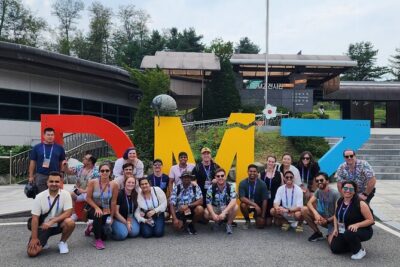
Best DMZ Tour Korea from Seoul (Red Suspension Bridge Optional)
Read our review →
DMZ Tour: 3rd Tunnel, Option(Suspension Bridge, Boat) from Seoul
Read our review →
DMZ tour south Korea from Seoul (NK experience hall, defector)
Read our review →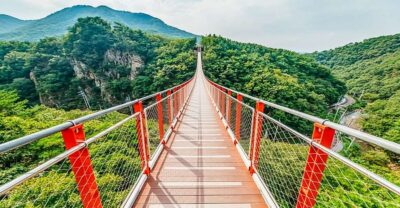
DMZ Insider Tour: 3rd Tunnel, NK Defector Meet & Red Bridge
Read our review →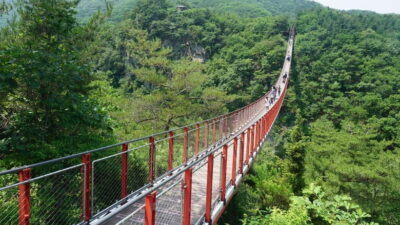
Signature DMZ Tour: Exclusive Defector Talk & Suspension Bridge
Read our review →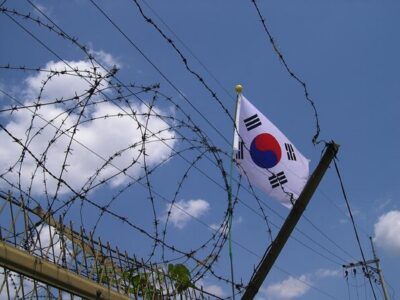
Thrilling Korean DMZ 3rd Tunnel Tour from Seoul + Red Bridge Rush
Read our review →
DMZ Past and Present: Korean Demilitarized Zone Tour from Seoul
Read our review →Browse the lists this tour appears in