Reviewed · TOURS IN SEOUL
Discover Eastern Korea in 4days: All-Inclusive Experience
Eastern Korea packs a remarkable amount into four days: Busan’s seafood coast, Gyeongju’s golden Silla treasures, Andong’s old village life, and Seoraksan’s mountain trails. This is a no-shopping, all-inclusive-style tour built for seeing a lot without constantly opening your wallet.
I like the wide mix of experiences, especially the traditional dessert class and the four included lunches. I also like the hotel standard and the fact that admission fees, breakfasts, two dinners, and an air-conditioned vehicle are covered. The catch is the pace, plus some uncertainty about the first-day transfer to Busan, so read the transport details closely before booking.
Key Points
- Busan begins with seafood and sea views: Visit Jagalchi Market, then cross the coast by Songdo Cable Car.
- Gyeongju gets a full cultural day: See Bulguksa Temple, royal tombs, the National Museum, and Cheomseongdae.
- Andong adds living tradition: Make Korean desserts and walk through UNESCO-listed Hahoe Folk Village.
- The tour avoids shopping stops: Your time is directed toward food, history, scenery, and local culture.
- Meals and hotels reduce daily planning: Three breakfasts, four lunches, two dinners, and three nights of lodging are included.
- The schedule is active: Expect long transfers and a moderate fitness requirement, with up to 35 people in the group.
Four Days From Seoul to Eastern Korea

This tour is best understood as a moving journey rather than a single-city holiday. You start at Seoul Station at 8:00 a.m., then travel toward Busan and continue east and north through some of Korea’s most important cultural sites.
The route covers a lot of ground: Busan, Gyeongju, Andong, Pyeongchang, and Seoraksan National Park. That reach is the main reason to consider it. In four days, you get coastal views, royal tombs, Buddhist architecture, traditional food, village life, and mountain scenery.
The trade-off is simple. You will see more than you could manage alone in the same time, but you will not have long, lazy afternoons in each place. If you prefer to settle into one town and explore at your own speed, this itinerary may feel hurried. If you want a carefully arranged introduction to several parts of Korea, it makes good use of limited holiday time.
The tour costs $1,200 per person. That is a serious price, but it covers three nights in twin or double rooms, an English-speaking guide or driver-guide, an air-conditioned vehicle, all listed entrance fees, four lunches, three breakfasts, and two dinners. You are also paying for route planning across a wide area, not simply for admission to a few attractions.
You still need to budget for drinks, tips, laundry, phone charges, pay TV, travel insurance, and other personal costs. Hotel pickup on the first day and drop-off on the last day are not included either.
A few more things to do in Seoul worth a look
- Discover Western Korea in 4days: All-Inclusive Experience
★ 5.0 · 6 reviews - Jeonju & Yeosu: 4-Day Foodie & Artist Journey
★ 5.0 · 3 reviews
Busan Begins at Jagalchi Market and Songdo
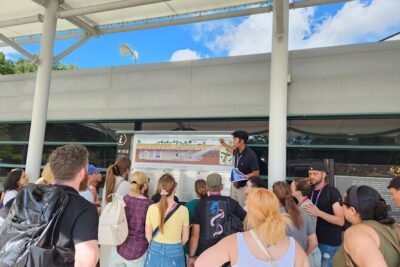
The first sightseeing day starts with Jagalchi Market, one of Busan’s best-known food markets. The market gives the tour an immediate sense of place. Rows of seafood stalls show you the city’s close relationship with the sea, and lunch is arranged as part of the day.
You should expect the market visit to last about an hour. That is enough for an introduction and a meal, but not enough for a slow, detailed market exploration. Keep your expectations in check: this is a guided stop within a packed route, not a full morning devoted to food culture.
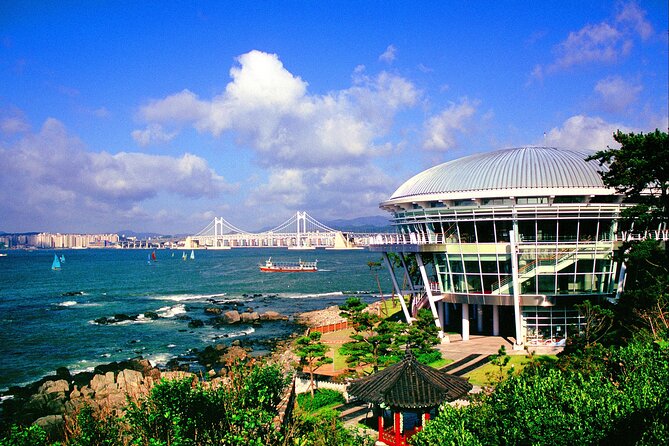
The next stop is Songdo Cable Car, with about two hours set aside for the experience. The line runs roughly 1.6 kilometers between Songdo Beach Station and Songdo Sky Park, carrying you over the coastline for broad views of the shore and water.
This is one of the tour’s easiest scenic pleasures. You do not need to hike for the views, and the ride gives you a clear visual sense of Busan’s coastal setting. The cable car ticket is included, which matters because popular sightseeing rides can quickly add to the cost of an otherwise busy day.
The early part of the trip does require careful attention to the meeting instructions. The official meeting point is Seoul Station, but the first sightseeing stop is in Busan, and the day’s description refers to meeting a guide at Busan Station. One past arrangement involved a small group receiving KTX train tickets and making its own way to Busan while another larger group traveled on a day-tour schedule.
That does not automatically mean your group will follow the same plan. It does mean you should confirm exactly how your Seoul to Busan transfer works before departure. A train ride can be easy, but unclear instructions on the first morning can create needless stress.
Gyeongju Connects Temples, Tombs, and Silla Gold
Day two carries you from Busan to Gyeongju, Korea’s ancient capital for roughly a thousand years. This is the most history-heavy day, and it rewards anyone who wants more than modern city views.
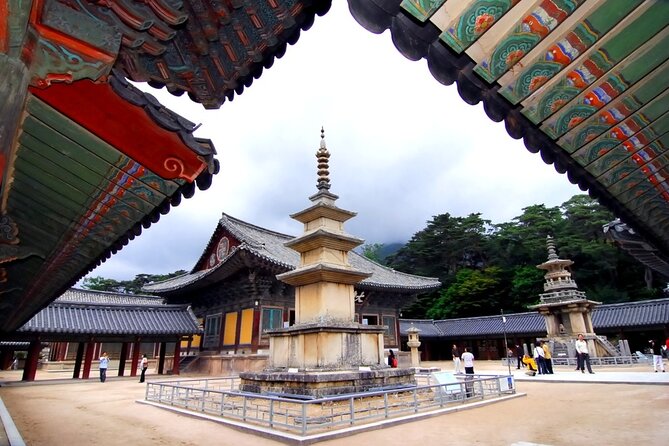
Bulguksa Temple is the first major stop. The visit lasts about 90 minutes, giving you time to see the temple grounds and appreciate its Buddhist architecture. The site is a UNESCO World Heritage property and one of Korea’s key cultural landmarks.
A guide adds value here because temple layouts, stone pagodas, and religious symbols are easier to appreciate when someone explains what you are seeing. Still, 90 minutes is a compact visit. You will get the main experience, but you should not expect every corner of the complex at a relaxed pace.
At Daereungwon Tomb Complex, the mood changes. Large rounded burial mounds mark the resting places of Silla royalty and elites. The one-hour stop helps you picture the power of a kingdom that left behind not only earth-covered tombs but also finely worked gold crowns and other precious objects.
The Gyeongju National Museum follows, with about 90 minutes inside. This is a useful companion to the tombs because the museum displays the objects and craftsmanship connected with Silla society. Gold crowns are among the best-known pieces, but the wider collection helps you see how much technical skill and wealth existed in Korea more than a thousand years ago.
You may find the museum portion slightly short if you enjoy archaeology. It is long enough for the major displays, though, and the admission fee is included. A museum shop is also present, but the tour is not organized around shopping stops.
The final Gyeongju stop is Cheomseongdae Observatory, one of the city’s most recognizable ancient structures. Only 20 minutes are scheduled here, so think of it as a brief outdoor photo and explanation stop rather than a full archaeological visit.
The day has a strong rhythm: temple, tombs, museum, and observatory. It is also a long day of looking, walking, and moving between sites. Wear shoes you can comfortably use on uneven paths, and keep a little energy in reserve for the later stops.
Korean Desserts and Hahoe Village in Andong
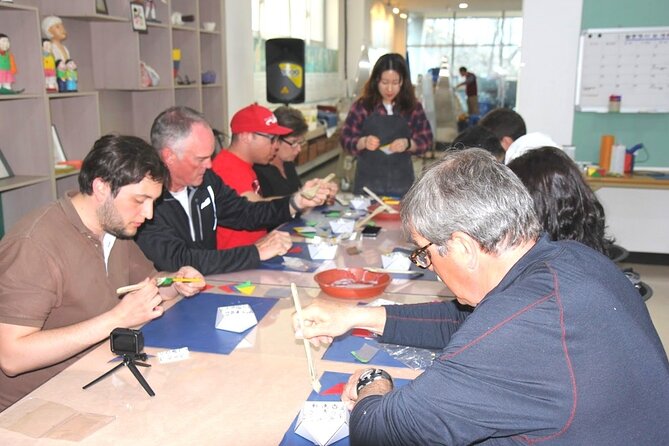
Day three begins with a traditional dessert-making session at a Korean Traditional Culture Center in Momyeongjae. The class lasts about 90 minutes and gives you something to do with your hands, not just something to look at.
Expert instructors guide the activity, and you make Korean traditional sweets yourself. This is a particularly good inclusion because it offers a direct connection with food culture. You are not only served a meal. You get a small lesson in preparation and presentation, then a clearer idea of how traditional treats fit into Korean hospitality.
The class also breaks up the sightseeing pattern. After two days of markets, temples, museums, and monuments, practical participation can make the day feel more personal. The exact dessert is not specified, so do not book expecting a particular recipe.
Next comes Andong Hahoe Folk Village, a UNESCO World Heritage site with more than 600 years of history. The village remains a living traditional settlement rather than a simple museum display. Its older homes, village structure, and cultural setting give you a better sense of how community life once worked.
Two hours are scheduled here. That is enough for a meaningful walk and an overview, though the size of the village and the pace of the group will affect how much you see. This is a place to slow down mentally, even if the overall tour schedule continues moving.
Hahoe is one of the strongest stops for people interested in everyday culture. Gyeongju shows you royal power and religious achievement. Andong shows you a village tradition that has continued through generations. Put together, the two destinations give the tour more depth than a simple list of famous monuments.
You should also expect walking on village paths. The tour asks for moderate physical fitness, and that standard applies more to the total four-day program than to one difficult attraction. No single listed stop sounds extreme, but the repeated walking and transfers can add up.
Same base, a different kind of day out:
- Best DMZ Tour Korea from Seoul (Red Suspension Bridge Optional)
★ 5.0 · 41,422 reviews - DMZ Tour: 3rd Tunnel, Option(Suspension Bridge, Boat) from Seoul
★ 5.0 · 21,373 reviews - DMZ tour south Korea from Seoul (NK experience hall, defector)
★ 5.0 · 20,599 reviews - Seoul: DMZ Tour with Optional Suspension Bridge
★ 4.8 · 5,277 reviews
Seoraksan Closes the Tour With Mountain Scenery
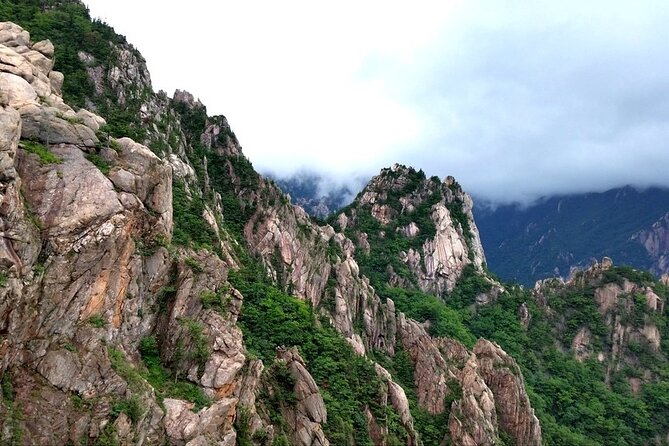
The final day takes you from Pyeongchang to Jujeongol Valley in Seoraksan National Park. The park is known for dramatic rock formations, high peaks, and clear streams, offering a strong contrast to the temples and city sights earlier in the trip.
About two hours are allocated to the park. That is enough for a taste of the valley and its natural setting, but not enough for a major full-day hike. The itinerary does not specify a detailed trail distance or difficulty, so you should not assume a strenuous mountain trek or a particular route.
This final stop is valuable because the tour does not limit Eastern Korea to buildings and museums. You get a short outdoor experience in one of the country’s best-known mountain areas. The weather matters here, and the experience requires good conditions. If poor weather cancels the tour, you are offered another date or a full refund.
The last day also highlights one of the tour’s practical weaknesses: four days is simply not much time for such a broad route. Seoraksan is a fitting finale, but you will likely wish you had more time if hiking and mountain scenery are your main interests.
What the Included Meals and Hotels Really Add
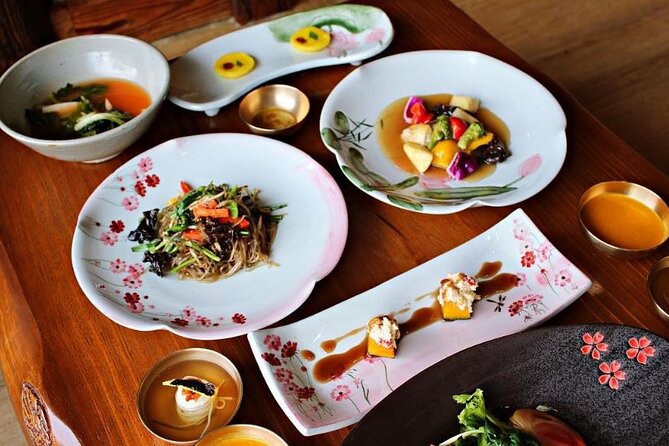
The meal plan is one of the tour’s strongest practical features. Four lunches, three breakfasts, and two dinners are included, with Korean food presented as part of the experience rather than treated as an afterthought.
That matters on a route where you are often moving between destinations. You do not have to spend each evening searching for a restaurant or worrying about where the group will eat. The food also helps connect the stops: seafood in Busan, traditional dishes along the route, and different regional flavors as you move through Eastern Korea.
The plan is not fully all-inclusive in the strict resort sense. Drinks, tips, insurance, laundry, phone use, pay TV, and personal purchases remain your responsibility. Still, the main costs of sightseeing, transport during the tour, lodging, and scheduled meals are covered.
Three nights of twin or double accommodation are included. The hotels are described as high quality, and past service has been praised, including comments about excellent hotels. Room assignments and specific properties are not given, so you should confirm the final hotel details if room type or location is important to you.
Group Size, Guides, and the Pace of the Road
The maximum group size is 35 people. That is large enough to keep the price below a private-tour level, but small enough to be manageable with a capable guide. Your vehicle will vary by group size, and the tour uses an air-conditioned vehicle for the arranged sightseeing.
Guide quality can shape a fast-moving trip. Jay received especially warm praise for keeping people informed, handling needs, and managing expectations with a good sense of humor. Mark was also described as professional, with strong support from the driver team. Those names come from individual tour experiences, so they should not be treated as a guarantee that either guide will lead your departure.
The guide or driver-guide may be central to making the transfers feel easy. You will want clear instructions about meeting times, meals, luggage, and the Seoul to Busan connection. The one caution here is that the tour structure may vary for smaller groups, so ask for the exact first-day plan before you pay.
The program is listed as suitable for ages one to 80 and older, but the moderate fitness requirement is more useful than the broad age range. You need to manage walking, stairs or uneven surfaces where present, and long days on the road. The tour is not designed for complete inactivity.
Who Should Book This Eastern Korea Tour?
I would recommend it to you if you have only a few days and want a broad introduction to Korea outside Seoul. It is particularly useful for first-time visitors who want major cultural sites without working out trains, hotels, entrance tickets, restaurant plans, and regional transfers on their own.
It also suits you if shopping stops annoy you. The route focuses on food, heritage, nature, and cultural activities, with no shopping requirement built into the program. That leaves more time for places that explain Korea rather than simply selling it.
Families and older adults may appreciate the organized transport and included meals, provided everyone can handle the pace. Couples and solo visitors can also benefit from the group format, especially if they prefer a ready-made route over independent planning.
I would hesitate if you want long hikes, late mornings, nightlife, or deep exploration of one region. The itinerary gives you an introduction to each place, not a slow local stay. I would also hesitate until the Seoul to Busan transfer is clearly confirmed.
At 4.6 out of 5 from 16 ratings, the overall record is strong, but the smaller number of ratings means you should focus more on the actual program details than on the score alone. The most consistent strengths are the varied route, good hotels, included Korean meals, and attentive guiding. The main caution is communication around transport and the packed schedule.
Should You Book It?
Book this tour if you want a structured four-day sweep through Eastern Korea and value included hotels, meals, admission fees, and a guide more than independent flexibility. Busan, Gyeongju, Andong, and Seoraksan make a strong combination, and the dessert class adds a welcome hands-on moment.
Before booking, ask how you will travel from Seoul Station to Busan, which hotel properties are planned, and how much walking is expected at Seoraksan. If those answers suit you, the $1,200 price can be reasonable for the amount of ground covered. If you prefer a slower trip, build your own itinerary and spend more time in Gyeongju or the mountains.
FAQ
Where does the tour start?
The listed meeting point is Seoul Station at 43-203 Dongja-dong in Yongsan District, Seoul. The start time is 8:00 a.m.
Where does the tour end?
The listed end point is AMID Hotel Seoul at 38 Insadong 5-gil in Jongno District, Seoul.
Is hotel pickup included?
No. Hotel pickup on the first day and drop-off on the last day are not included.
What accommodation is included?
Three nights of accommodation in twin or double rooms are included.
Which meals are included?
The tour includes four lunches, three breakfasts, and two dinners.
Are entrance fees included?
Yes. All entrance fees during the tour are included.
How large can the group be?
The tour can have a maximum of 35 travelers.
What happens if bad weather cancels the tour?
Because the experience requires good weather, you will be offered another date or a full refund if poor weather causes cancellation.
Just added in Seoul
- Your Personal Seoul Photographer!★ 4.1 · 15 reviews
- You’re Invited to Our Home in Seoul: The Only Cooking Class!★ 5.0 · 8 reviews
- From Seoul: Yongpyong Ski Day Tour with Transportation★ 4.9 · 40 reviews
- Seoul: Korean & English Language Exchange Global Party★ 5.0 · 28 reviews
- From Seoul: Hwacheon Ice Fishing and Lighting Festival Tour★ 4.5 · 4 reviews
- Unique Native Experience : Han River Picnic, Board game, BBQ★ 5.0 · 3 reviews
- Seoul: Gangneung BTS K-Pop & K-Drama Filming Locations Tour★ 4.6 · 14 reviews
- K-Pop Making Class with a Producer!★ 5.0 · 3 reviews
Tours in Seoul, compared.
Best DMZ Tour Korea from Seoul (Red Suspension Bridge Optional)
Read our review →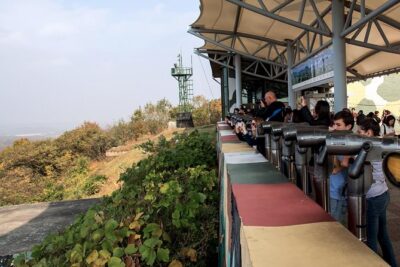
DMZ Tour: 3rd Tunnel, Option(Suspension Bridge, Boat) from Seoul
Read our review →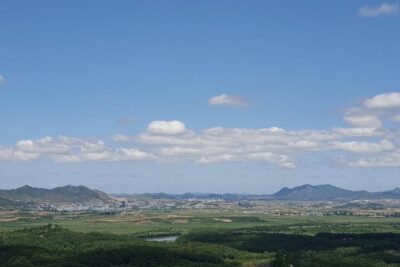
DMZ tour south Korea from Seoul (NK experience hall, defector)
Read our review →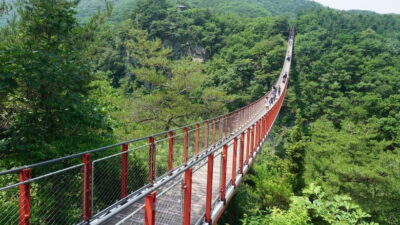
Signature DMZ Tour: Exclusive Defector Talk & Suspension Bridge
Read our review →
Thrilling Korean DMZ 3rd Tunnel Tour from Seoul + Red Bridge Rush
Read our review →
DMZ Past and Present: Korean Demilitarized Zone Tour from Seoul
Read our review →