
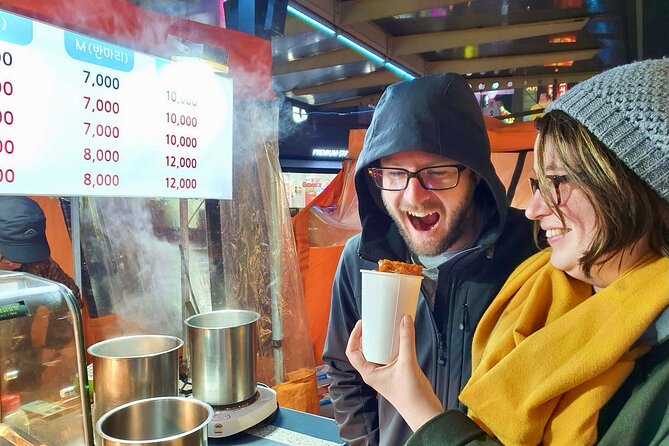
Reviewed · TOURS IN SEOUL
Seoul Food Tours, Eat Like a Local : 100% Personalized & Private
A good Seoul food tour should do more than point you toward barbecue. This private three-hour experience builds a food crawl around your tastes, with possible stops for mandu at Yago Mandoo, Korean BBQ, noodle soup, garlic chicken stew, rice cakes, pancakes, and tea. You may also wander through Ikseondong’s hanok cafe lanes or Gwangjang Market.
I like the private format, since your host can adjust the pace and food choices instead of following a fixed group route. I also like the six to eight tastings, which gives you a useful sample of Korean cooking without asking you to commit to full meals at every stop. The main drawback is price: at $221.45 per person, the tour costs a lot for three hours, especially because transport and extra food are not included.
Key points at a glance
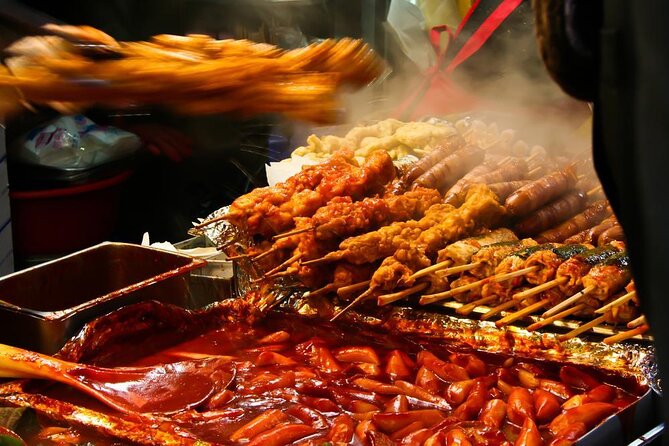
- A food route built around you: Your host can shape the stops around requests such as galbijjim, kalguksu, dumplings, Korean BBQ, or street food.
- Six to eight Korean tastings: Two soft drinks per person are also included, giving you a broad sample in a short time.
- Neighborhoods with character: Possible areas include Ikseondong, Gwangjang Market, and traditional local dining streets away from the main tourist routes.
- Private guidance: Only your group participates, so you can ask questions, change pace, or avoid foods you do not want.
- A useful first-day orientation: Guides such as Andrew have paired food with local history and culture, making this a good introduction to Seoul.
- Three hours on foot: Hotel meet-up may be available in a central area, but public transport or taxis cost extra if needed.
Why the private format matters in Seoul
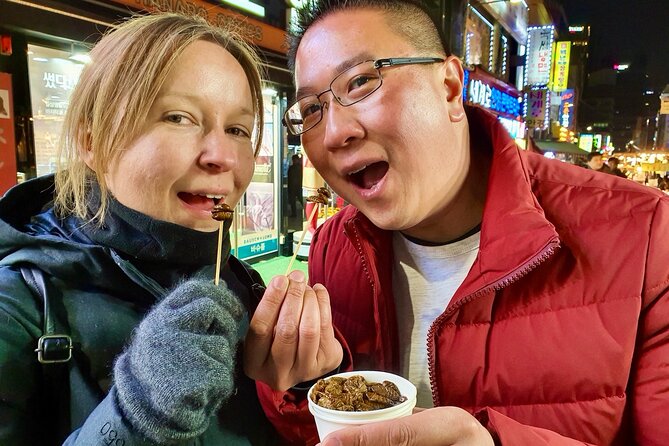
Seoul can be easy to eat in, but the sheer number of choices can also slow you down. Menus may be full of unfamiliar names, restaurants may specialize in one dish, and a market stall can look obvious to a local but confusing to a first-time visitor. A private host gives you someone to guide those choices.
You are not joining a large group with one fixed menu. The route is personalized, and the exact places can change. That matters if you already know you want Korean barbecue, or if you would rather try dumplings and noodle soup than raw seafood or very spicy food.
The host can also explain how each place fits into everyday Korean food culture. A small sikdang, or local eatery, is often a better setting for a familiar Korean dish than a polished restaurant aimed at international visitors. The experience points toward places such as Pumpkin Korean BBQ and Yago Mandoo, but these are examples rather than guaranteed stops.
The private setup is especially useful for families, couples, and small groups with different appetites. You can spend more time on a dish you like, ask for a translation, or skip something that does not appeal to you. The tradeoff is clear: you pay for personal attention, not just for the food.
A few more things to do in Seoul worth a look
- Seoul Street Food Market Tour
★ 5.0 · 1,226 reviews - Seoul: Night Market Food Tour with Local Guide
★ 4.9 · 943 reviews - Downtown Seoul Guided Food & Market Tour with 8+ Local Tastings
★ 5.0 · 580 reviews
Starting near Anguk and Jongno
The published meeting point is Starbucks Anguk at 5-1 Bukchon-ro in Jongno District. This places you near some of central Seoul’s most attractive old neighborhoods, including Bukchon and the lanes around Ikseondong. The tour ends back at the meeting point.
A central starting point makes sense for a walking food tour. Jongno has traditional streets, small restaurants, market food, and cafe lanes packed into a relatively compact part of the city. Still, you should confirm the meeting details before setting out, especially if you are staying outside central Seoul.
A hotel meet-up may be available if your hotel is in a central location. That is a useful option, but it is not presented as a universal pickup service. If your hotel is farther away, plan to reach Anguk yourself.
The tour lasts about three hours. That sounds short for a meal crawl, but it is long enough for several small tastings and a neighborhood walk. You should arrive ready to eat, but not after a large meal. Six to eight tastings can add up quickly, even when portions are modest.
Mandu, noodle soup, and the appeal of small eateries
One possible focus is traditional comfort food. Mandu, or Korean dumplings, is an approachable first taste, and Yago Mandoo is named as one possible stop. You may also try noodle soup and garlic chicken stew, two dishes that show a warmer, more everyday side of Korean cooking.
I like this part of the plan because it moves past the narrow idea that Korean food means only barbecue. Dumplings, soup, and stew let you compare different textures and cooking methods. They also give your host a chance to explain how dishes are ordered and eaten.
A local sikdang can be less polished than a restaurant aimed at tourists. That is part of the point. You may need to rely on your host to explain the menu, table customs, or sauces. For a first visit, that support can save time and remove much of the guesswork.
The exact food depends on your requests and the route chosen that day. If you have a short list of dishes you want to try, give those preferences when booking or during the initial planning. One past route was shaped around galbijjim and kalguksu, with the guide taking the diner to a traditional neighborhood away from tourist areas.
That example shows the value of the private setup, but it also sets the right expectation: you are paying for a guide who can help find suitable places, not for a guaranteed list of named restaurants.
Korean BBQ without making it the whole meal
Korean BBQ is one of Seoul’s best-known food experiences, but it can be awkward to handle for a first-time diner. Meat, grills, side dishes, sauces, and cooking times all arrive at once. A host can show you what to do and help you focus on the food instead of the mechanics.
Pumpkin Korean BBQ is one possible stop. The experience describes such small local eateries as places where you can get a more authentic taste of Seoul. That does not mean every stop will be rustic or completely unknown to visitors. It means the focus is on ordinary local dining rather than a show built only for tourists.
A BBQ stop can also affect the pacing. If meat is cooked at the table, the meal may take longer than a quick market snack. Since the whole experience lasts around three hours, your host will need to balance larger dishes with smaller samples.
If you want a full, substantial BBQ meal, tell the host. The included tastings are designed as a crawl, not necessarily as a single large dinner. Food and drinks beyond the specified tastings and two soft drinks cost extra.
Same base, a different kind of day out:
- Best DMZ Tour Korea from Seoul (Red Suspension Bridge Optional)
★ 5.0 · 41,422 reviews - DMZ Tour: 3rd Tunnel, Option(Suspension Bridge, Boat) from Seoul
★ 5.0 · 21,373 reviews - DMZ tour south Korea from Seoul (NK experience hall, defector)
★ 5.0 · 20,599 reviews - Seoul: DMZ Tour with Optional Suspension Bridge
★ 4.8 · 5,277 reviews
Ikseondong’s hanok cafes
Ikseondong is another possible part of the route. This neighborhood is known for cafes set in renovated hanok-style buildings, with narrow lanes and traditional Korean architectural details. A stop here changes the mood from savory food to sweets, tea, or a quiet drink.
A tea-house dessert was part of one particularly well-liked evening, and it made a natural finish after several savory tastings. I can see why this works. Seoul food culture is not only about eating quickly at a market stall. Cafes and tea houses provide a slower pause and a chance to talk about Korean customs.
Ikseondong is also useful for visitors who want photos and atmosphere along with food. The lanes are compact, but they can feel busy, and the traditional architecture is mixed with modern cafes and shops. Your host can help you see the area as more than a backdrop.
Do not assume the tour includes a long cafe visit or a specific tea house. The route is personalized, and places may change. If dessert or tea matters to you, make it part of your request.
Gwangjang Market and Seoul’s street food
Gwangjang Market is a possible stop for street food. The experience may include a rice cake or pancake picked up along the way, giving you a taste of the casual food culture that makes Seoul such an easy city to snack through.
Market food is valuable because it shows a different side of dining from a sit-down restaurant. Portions can be small, service is quick, and you can sample something without ordering a full plate. A host also helps you choose confidently when stalls offer unfamiliar dishes.
The market can be lively and crowded, so it may not suit anyone who dislikes noise or close quarters. You will also want comfortable shoes, since the tour is primarily a walking experience. The route can include public transport or a taxi if your host recommends it, but those costs are not included.
The market is not guaranteed. It is one of several possible areas, and the host may choose different places based on your preferences, timing, or the best fit for your group.
What the guides add beyond the food
The strongest part of this experience is likely to be the host. Food is the structure, but conversation and local explanation are what turn a series of tastings into a useful introduction to Seoul.
Andrew has been especially praised for bringing the city to life with historical insights. He has also been described as cheerful and willing to introduce more unusual food choices. Ben has guided a route focused on galbijjim and kalguksu, while helping explain Korean culture and traditional family life. Van has led a food-focused evening with street vendors and Korean specialties.
These names do not guarantee who you will meet. Guide assignments can change, and the experience is sold by City Unscripted rather than as a tour with one fixed host. Still, the feedback gives you a sense of the best-case experience: a friendly local who can explain not only what you are eating, but why it matters.
Past experiences have included historic context, discussions of Korean family dynamics, medicinal tea, and food stops in neighborhoods away from the main tourist areas. That is more useful than a guide who simply points at a dish and names it.
The quality of a private tour can depend heavily on the person leading it. If you have food restrictions, strong dislikes, or dishes you want to prioritize, communicate clearly. The more your host knows, the more useful the three hours can be.
Is $221.45 per person a fair price?
The price is $221.45 per person. That is a high charge for a three-hour experience, especially if you compare it with the cost of eating independently in Seoul. You are not buying a large quantity of food. You are paying for private guiding, route planning, translations, local context, and the convenience of having someone make the choices with you.
For a couple or small group, the price may be easier to justify if you value personal attention and want to use the tour as your first introduction to Seoul food. It can save you from ordering badly, missing a local specialty, or spending your first evening wandering without a plan.
The value is weaker if your main goal is simply to eat as much as possible. Food beyond the six to eight included tastings and two soft drinks is extra. Tickets to attractions, transportation, and gratuities are also not included.
One past experience found the cost hard to justify compared with another private tour that lasted twice as long and included a dedicated car for a similar price. That is a fair warning. This tour is best judged as a private guide service with food included, not as an all-inclusive feast.
Group discounts may be available, which could improve the per-person cost for a larger private party. Check the final price for your group before booking.
Who will get the most from this food crawl?
I would consider this tour for a first visit to Seoul, particularly if you want help getting your bearings through food. A guide-led introduction can give you a foundation for later meals, markets, and neighborhoods.
It also suits people who enjoy trying several dishes but do not want to plan every stop themselves. The private setup works well for couples, families, and friends who want to move at their own pace.
You may want another option if you are seeking a long evening out, a dedicated vehicle, or a large full-course meal. Three hours passes quickly, and the experience is mainly on foot. It is also not the best fit if you prefer to eat independently and already feel confident ordering Korean food.
The tour is suitable for most participants, and service animals are allowed. It is near public transportation, but you should remember that transport costs are separate.
Booking, cancellation, and practical details
Confirmation is provided at booking. Free cancellation is available up to 24 hours before the start time for a full refund. Changes or cancellations made inside that 24-hour window are not accepted for a refund, and cut-off times use Seoul local time.
The activity is private, so only your group participates. The standard meeting point is Starbucks Anguk, and the experience returns there. A hotel meet-up may be arranged for a central hotel.
Wear comfortable shoes and keep some room in your appetite. Ask about your preferred dishes before the walk begins, especially if you want galbijjim, kalguksu, BBQ, mandu, tea, or street food. You should also plan for extra spending if you want additional dishes, drinks, a taxi, or public transport.
Should you book Seoul Food Tours, Eat Like a Local?
Book it if you want a personal introduction to Seoul’s food culture, prefer a flexible route, and value a host who can explain unfamiliar dishes and local customs. The strongest reasons are the private format, the range of six to eight tastings, and the chance to explore places such as Ikseondong or Gwangjang Market without having to plan every detail.
Think twice if $221.45 feels high for three hours, or if you want transportation, a longer tour, or a full dinner included. For the best value, use it early in your Seoul stay, arrive hungry, and send the host a short list of foods you want to try. That is when the personalized format can do the most work for you.
FAQ
How long does the Seoul food tour last?
The experience lasts approximately three hours.
How many food tastings are included?
You receive six to eight tastings of Korean specialties per person.
Are drinks included?
Two soft drinks per person are included. Other food and drinks cost extra.
Is this a private tour?
Yes. Only your group participates in the activity.
Where does the tour start?
The listed meeting point is Starbucks Anguk at 5-1 Bukchon-ro in Seoul’s Jongno District.
Where does the tour end?
The activity ends back at the meeting point.
Can the tour include a hotel meet-up?
A hotel meet-up is available on request for hotels in a central location.
Are transportation costs included?
No. The experience is primarily a walking tour. Public transport or taxi options may be suggested, but those costs are not included.
Can the food route be personalized?
Yes. The experience includes a bespoke itinerary built around your interests and tastes. The places visited may differ from the examples provided.
Can I cancel for a full refund?
Yes, if you cancel at least 24 hours before the experience start time. Cancellations made less than 24 hours in advance are not refunded.
Just added in Seoul
- Your Personal Seoul Photographer!★ 4.1 · 15 reviews
- You’re Invited to Our Home in Seoul: The Only Cooking Class!★ 5.0 · 8 reviews
- From Seoul: Yongpyong Ski Day Tour with Transportation★ 4.9 · 40 reviews
- Seoul: Korean & English Language Exchange Global Party★ 5.0 · 28 reviews
- From Seoul: Hwacheon Ice Fishing and Lighting Festival Tour★ 4.5 · 4 reviews
- Unique Native Experience : Han River Picnic, Board game, BBQ★ 5.0 · 3 reviews
- Seoul: Gangneung BTS K-Pop & K-Drama Filming Locations Tour★ 4.6 · 14 reviews
- K-Pop Making Class with a Producer!★ 5.0 · 3 reviews
Tours in Seoul, compared.
Best DMZ Tour Korea from Seoul (Red Suspension Bridge Optional)
Read our review →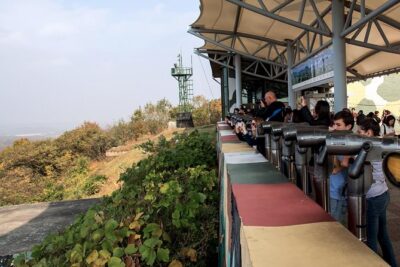
DMZ Tour: 3rd Tunnel, Option(Suspension Bridge, Boat) from Seoul
Read our review →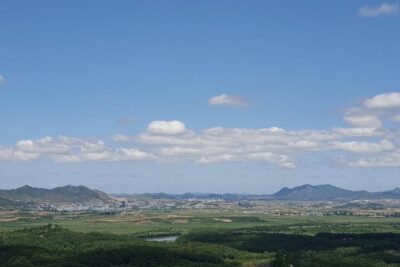
DMZ tour south Korea from Seoul (NK experience hall, defector)
Read our review →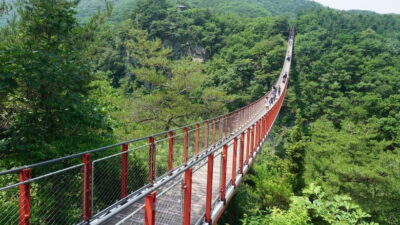
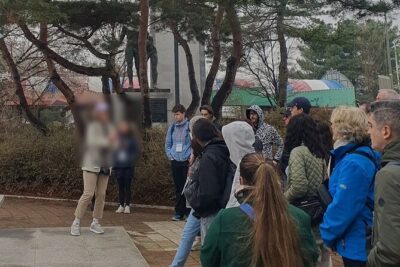
Signature DMZ Tour: Exclusive Defector Talk & Suspension Bridge
Read our review →
Thrilling Korean DMZ 3rd Tunnel Tour from Seoul + Red Bridge Rush
Read our review →
DMZ Past and Present: Korean Demilitarized Zone Tour from Seoul
Read our review →
Ultimate Korea DMZ Tour from Seoul (Gondola & Suspension Bridge)
Read our review →Browse the lists this tour appears in