
Reviewed · DMZ & JSA TOURS
Thrilling Korean DMZ 3rd Tunnel Tour from Seoul + Red Bridge Rush
The most striking part of this Seoul day trip is the chance to walk through the Third Tunnel, a cramped passage built for a possible North Korean invasion. You also reach Dora Observatory, where binoculars help you look across the border toward North Korea. Guides such as Crystal, Henry, Judy, and K have been praised for clear explanations and strong command of Korean history.
I like the simple transport plan and the number of major sights packed into one day. You get the DMZ, Imjingak Park, the Freedom Bridge, the observatory, and an optional red suspension bridge without wrestling with public transport. The catch is physical: the tunnel is a steep walk, and the Red Bridge add-on can involve a sharp uphill hike on a tight schedule.
Key points to know before booking
- The Third Tunnel is the physical heart of the day: Expect a steep 250-meter walk down, a low passage roughly 1,635 meters long, and the same climb back out.
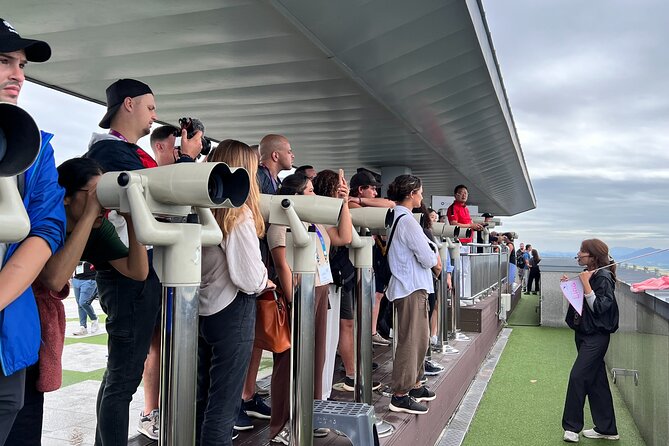
- Dora Observatory gives you a distant view: North Korea is not close, so bring binoculars if you have them.
- The Gamaksan Red Bridge is optional but demanding: The bridge itself is 150 meters long, but reaching it may involve a steep hillside walk.
- The tour covers several major DMZ sights: Imjingak Park, the Freedom Bridge, Mangbaedan, the Peace Bell, Tongilchon Village, and the Third Tunnel are all part of the route.
- Your guide matters: Names assigned on different departures have included Crystal, Henry, Judy, K, Lina, Sunny, and Nancy.
- Plan for a long day without lunch: Food is not included, and the schedule can move quickly, so carry snacks and water.
What this DMZ day trip is really about
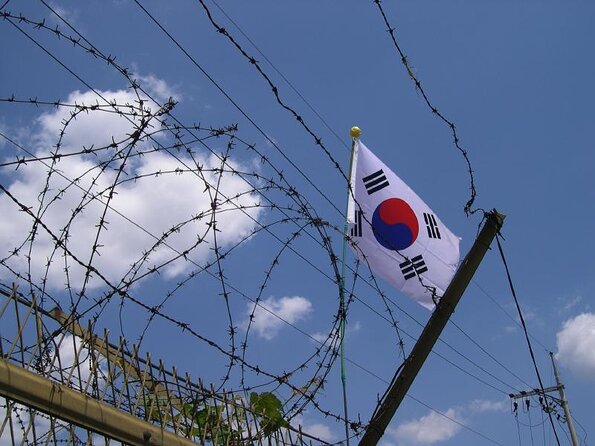
The Korean Demilitarized Zone is not a normal sightseeing district. It is a controlled border area created after the 1953 armistice, roughly four kilometers wide and only about 52 kilometers from Seoul. You are not crossing into North Korea, and you are not visiting the Joint Security Area on this excursion. Instead, you see the places that explain how the division affects Korea today.
That distinction matters. Some people arrive expecting dramatic military action or a close view of the border. The actual experience is quieter. You see guarded roads, memorials, a tunnel, rural views, and a distant northern horizon. The value comes from the stories connecting these places.
I like that the day combines explanation with time to look around on your own. The guide provides context at the main sights, then you get short periods to take photographs, walk through memorial grounds, or inspect exhibits. The schedule is full, though, and the group may be large, with up to 150 people.
The tour costs $35 per person. For that price, transportation, a professional English or Chinese-speaking guide, taxes, and admissions are included. That is good value for a controlled border excursion that would be difficult to arrange independently. The low price also means you should not expect a private experience or a leisurely pace at every stop.
Other trips up to the border from Seoul:
- Best DMZ Tour Korea from Seoul (Red Suspension Bridge Optional)
★ 5.0 · 41,422 reviews - DMZ Tour: 3rd Tunnel, Option(Suspension Bridge, Boat) from Seoul
★ 5.0 · 21,373 reviews - DMZ tour south Korea from Seoul (NK experience hall, defector)
★ 5.0 · 20,599 reviews
Getting out of Seoul and into the border zone
Pickup is offered in central Seoul, with the exact arrangement depending on your location. The listed central meeting points are Myeongdong Subway Station Exit 9, Seoul City Hall Subway Station Exit 6, and Hongdae Subway Station Exit 3. Downtown hotel pickup may also be available, but you should confirm the location and meeting time carefully.
The morning can involve some waiting and coordination as passengers join the bus. A few departures have had confusion about the vehicle or meeting point, so arrive early, watch for updated instructions, and keep your booking details handy. The operator may adjust the time because of military matters or events inside the DMZ.
Once underway, the bus gives you a practical break from Seoul’s crowded subway system. You also get a look at the countryside on the way north. The ride is part of the experience because the city gradually gives way to a more open setting before the controlled access points.
Bring your passport. Military identification cards and locally issued ARC cards are also accepted. Without the required identification, access to the DMZ may not be possible.
Imjingak Park sets the emotional tone
The first substantial stop is Imjingak Pyeonghwa-Nuri Park, often simply called Imjingak Park. It was created in 1972 for people separated from family members in North Korea. This is where the day moves from military curiosity to human loss.
You can see the Freedom Train, a damaged relic associated with the Korean War, along with memorials and open grounds used for remembrance. The park is not only a photo stop. It helps explain why reunification remains an emotional subject in South Korea.
The Bridge of Freedom is another short but meaningful stop. In 1953, 12,773 prisoners of war crossed the Imjin River toward South Korea. The current wooden bridge is temporary in origin, which adds to its plain, solemn character.
Do not expect a long private visit here. The stop at the bridge is listed at about 10 minutes, so listen closely when the guide explains what you are seeing and keep an eye on the departure time.
The Peace Gondola adds a different view
The Paju Imjingak Peace Gondola is an optional part of the route and takes about an hour. Opened in 2020, it crosses the Imjin River toward the Civilian Control Zone. From above, you get a broader view of the river and the restricted area.
This is a useful choice if you want less walking than the Red Bridge option, though the exact schedule can depend on the day’s operations and military access. The gondola is included in the stated attraction admissions, but it is marked optional, so confirm with your guide how it fits into your departure.
Nearby, Mangbaedan Memorial Altar recalls families separated from relatives in North Korea. During major Korean holidays, people have gathered there to honor absent family members. The Peace Bell, a 21-ton bronze bell created in 2002, adds another symbol of hoped-for reunification.
These stops can feel brief, but they build the historical frame for the later sights. I find them more useful after hearing the guide explain how ordinary families have been affected by the division.
Same base, a different kind of day out:
- Seoul: DMZ Tour with Optional Suspension Bridge
★ 4.8 · 5,277 reviews - Signature DMZ Tour: Exclusive Defector Talk & Suspension Bridge
★ 5.0 · 4,459 reviews - DMZ Past and Present: Korean Demilitarized Zone Tour from Seoul
★ 5.0 · 2,481 reviews - Ultimate Korea DMZ Tour from Seoul (Gondola & Suspension Bridge)
★ 5.0 · 2,396 reviews
The Third Tunnel is the day’s hardest stop
The Third Tunnel of Aggression was discovered in 1978. It is one of four tunnels associated with North Korean attempts to create routes southward. The passage is about 1,635 meters long and reaches roughly 52 kilometers from Seoul.
This is not a gentle underground attraction. You walk down a paved slope for about 250 meters, enter a tunnel that is around five feet high in sections, continue through the passage, and then return the same way. The descent is easier than the climb back, but both directions require effort.
Inside, you cannot take photographs. That rule is frustrating if you want a record of the passage, but it reflects the controlled nature of the site. You see a narrow, dim corridor rather than a large cavern or museum display.
The tunnel is manageable for many people, but it is not suitable for everyone. Several visitors found the incline and low ceiling challenging, including a fit woman in her early sixties who described it as a serious effort. If you have mobility concerns, dislike steep walks, or are not comfortable bending for a sustained period, ask your guide what alternatives are available before committing.
Wear shoes with a good grip. Keep your pace steady rather than rushing down at the beginning. The tour schedule gives you limited time, and the tunnel is one place where trying to hurry can make the return climb harder.
Dora Observatory offers a distant northern view
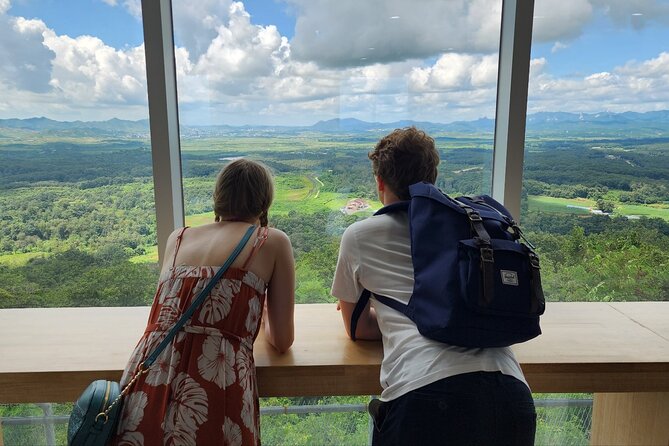
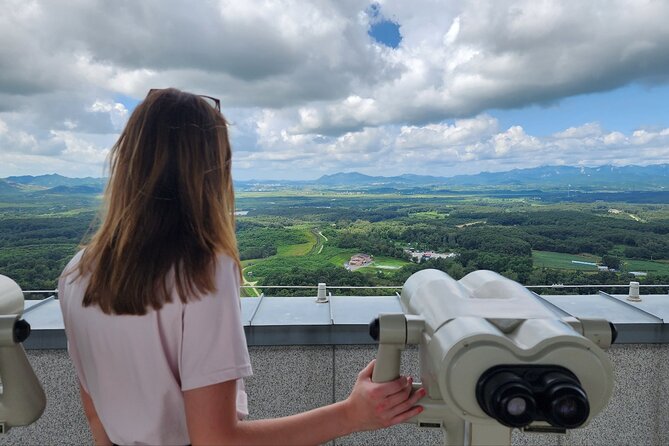
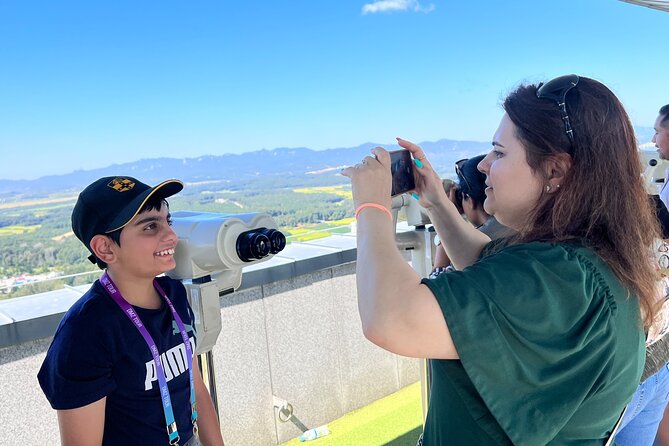
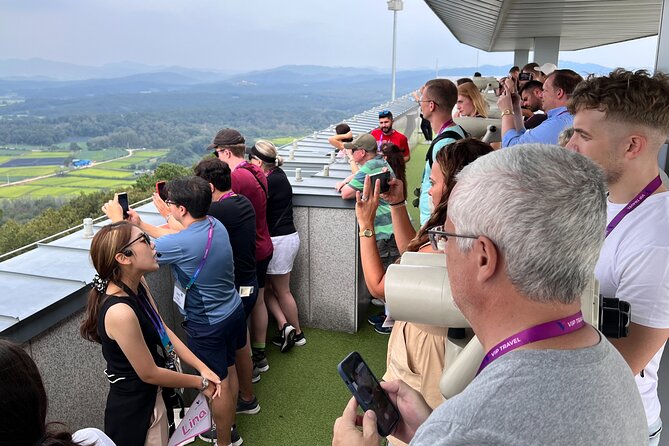
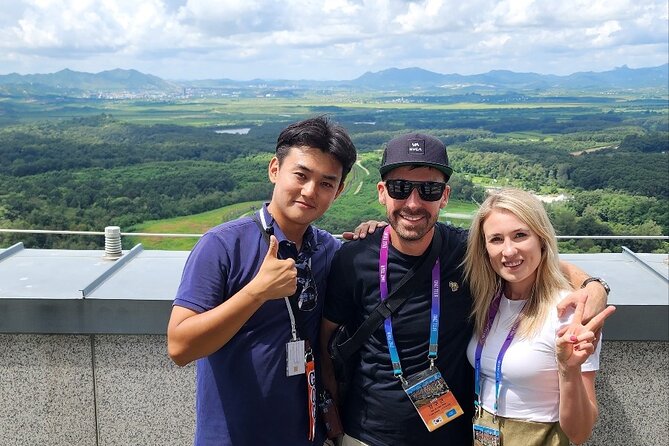
At Dora Observatory, you reach one of South Korea’s closest public viewpoints toward North Korea. The observatory was established in 1986 and rebuilt in 2018. On a clear day, you can look across the border area toward North Korean territory.
The view is distant. It is not a close-up encounter, and photography may be restricted from the viewing area. Bring binoculars if you own a pair. They can make the difference between seeing a faint outline and simply looking across a wide stretch of land.
Weather matters here. Rain, snow, haze, or low cloud can reduce what you see. One snowy departure had to change its route, and bad weather has also made the observatory less rewarding on other days. Military conditions can alter the plan as well, so treat the observatory as a possibility rather than a guaranteed panorama.
The guide’s explanation is the main value. Well-prepared guides such as Judy, Henry, K, and Lina have been praised for explaining the border and Korean history in a clear, engaging way. If you are near the back of a large bus, move forward when possible so you can hear the introduction at each stop.
Tongilchon Village brings in the commercial side
The visit to Tongilchon Jangdankong Maeul, or Tongilchon Village, is listed as a 30-minute stop. The village lies beyond the Civilian Control Line, where local agriculture benefits from the area’s relatively limited development. Jangdan soybeans are a local specialty.
This stop may include time to browse or buy local products. That detail is worth knowing because the tour is sometimes described as having no shopping, while the village visit can function partly as a sales stop. Some people appreciate the chance to see regional goods and support a local community. Others feel the time would be better spent at a historical site.
I would treat this as a modest commercial pause, not a core reason to book the tour. Keep your expectations realistic and use the time for a snack or a quick look around if you are not interested in purchasing anything.
The Red Bridge requires speed and stamina
The Gamaksan Suspension Bridge is also optional. It is 150 meters long and about 1.5 meters wide, and it was built in 2018 in memory of Korean War sacrifices. It is also known as the Gloucester Heroes Bridge.
The bridge itself is the easy part for most people. The problem is reaching it. The route may include a steep uphill hike, and the stop is limited to about an hour. If the group is large, you may need to keep moving to reach the bridge, cross it, and return on time.
This is where the tour title can create the wrong expectation. You are not simply stepping off the bus beside a red bridge for a relaxed photo. You may be walking hard on a hillside, and the schedule does not leave much room for slow exploration.
Choose the Red Bridge if you enjoy hills, want an active finish, and are comfortable with a brisk pace. Choose the gondola or spend more time at the main DMZ sights if you prefer a gentler day. The guide may need to adjust this part because of weather or local conditions.
How the schedule feels over 7.5 hours
The advertised duration is about seven hours and 30 minutes. That includes transport from Seoul, border formalities, explanations, walking, and several short stops. You should expect a full day rather than a relaxed half-day outing.
The pace is generally efficient. The group moves from Imjingak to the tunnel and observatory without long stretches of idle time. That is good if you want to see many sights, but it can feel rushed if you prefer to read every sign or take extended photographs.
There is no included lunch. Carry snacks and water from Seoul. Food may be available at some stops, but the schedule can be too quick for a proper meal. This is especially important if you plan to attempt both the tunnel and the Red Bridge.
At the end, the bus drops you in central Seoul rather than at your hotel. The listed drop-off points are Hongdae, City Hall, and Myeongdong. Each is useful for continuing your evening, but you will need to make your own way from there.
Guide quality can shape the whole day
The guide is central to this experience because the physical sights are often simple. A tunnel is only a tunnel until you understand why it was built. A memorial becomes more meaningful when you know what families used it for.
Guide names associated with different departures include Crystal, Henry, Judy, K, Lina, Sunny, Nancy, Jenny, Hana, Ray, Kelly, and Yu Jin. Crystal has been praised for humor and patience, while Henry has been noted for keeping the group together and even teaching basic Korean words. K, Judy, Lina, Sunny, and Kelly have also been singled out for clear historical explanations.
The exact guide is not guaranteed, so book this as a guided history outing rather than a chance to request a particular person. Communication quality can vary by guide and group position. If English is not your first language, pay attention to the listed language option and move closer to the guide during explanations.
Practical details that affect your choice
The tour is mobile-ticket based, and confirmation is provided at booking. Free cancellation is available up to 24 hours before the start time. After that point, cancellations and changes are not accepted.
Most people can participate, but the tunnel and Red Bridge make fitness an important factor. Children and older adults may manage the day, but the low tunnel, steep return, and quick transitions can be tiring. The experience is not built around wheelchairs or slow walking.
The group size can reach 150 people. That keeps the price low, but it also means less personal attention and possible crowding at the most popular stops. Arrive early, stay aware of your guide, and do not wander far during free time.
Military rules can change the schedule. Weather can also force substitutions, as happened when snow prevented the usual DMZ or JSA route and the group was offered the gondola and Korean War Museum instead. That uncertainty is part of visiting a live border zone, not simply a historical park.
Should you book this Seoul DMZ tour?
Book it if you want a low-cost, efficient introduction to the Korean DMZ and you are comfortable with a large group, limited free time, and significant walking. The combination of Imjingak Park, the Third Tunnel, Dora Observatory, and the optional Red Bridge gives you a broad look at the border in one day.
I would especially recommend it to first-time visitors who want historical context without arranging separate transport. The guides can add the human stories and political background that make the memorials and military sites easier to understand.
Think twice if you want a quiet, private experience, a guaranteed close view of North Korea, or a gentle walking day. The Third Tunnel is genuinely strenuous, the northern view can be faint, lunch is not included, and the Tongilchon stop may feel like shopping time.
At $35, the package offers strong value if the full route operates. Bring your passport, snacks, water, sturdy shoes, and binoculars. Most of all, book with the right expectations: this is a tightly scheduled introduction to a divided peninsula, not a dramatic border crossing.
FAQ
How long does the DMZ tour from Seoul last?
The tour lasts approximately seven hours and 30 minutes, including transportation, guided visits, walking, and stops at the DMZ area.
What attractions are included?
The route includes Imjingak Park, the Freedom Bridge, Mangbaedan, the Peace Bell, the Third Tunnel, Dora Observatory, and Tongilchon Village. The Peace Gondola and Gamaksan Red Bridge are listed as optional stops.
Is the Third Tunnel difficult to walk through?
Yes. You walk down a steep route for about 250 meters, continue through a low tunnel, and return along the same route. The tunnel section can be physically demanding.
Can I take photographs inside the Third Tunnel?
No. Photography is not allowed inside the Third Tunnel.
Can I see North Korea from Dora Observatory?
You can look toward North Korea from Dora Observatory, but it is a distant view. Binoculars may help, and visibility depends on weather and local conditions.
Is lunch included?
No. Lunch is not included. You should bring snacks and water because the schedule can move quickly.
Do I need my passport?
Yes. You need your passport on the tour day. A military ID card or locally issued ARC card is also accepted.
Where does the tour finish?
Hotel drop-off is not included. You can get off at Hongdae, Seoul City Hall, or Myeongdong in central Seoul.
Can the itinerary change?
Yes. The tour time or itinerary can change because of military issues, events inside the DMZ, or weather. One listed alternative in poor conditions is the Peace Gondola and Korean War Museum.
Just added in Seoul
- Suwon: Baseball Game with Fortress and Local Food Tour★ 5.0 · 3 reviews
- Seoul: War Memorial of Korea Private Guided Museum Tour★ 4.9 · 29 reviews
- Seoul: Wine & Korean BBQ, Perfect Pairing Dinner in Sinchon★ 5.0 · 6 reviews
- Seoul : Your Personal Photographer in Gyeongbokung★ 5.0 · 7 reviews
- Seoul : Efoil Experience in Han River★ 5.0 · 5 reviews
- Seoul: Vivaldi Park Winter Ski with Eobi Ice Valley Day Tour★ 4.6 · 16 reviews
- Seoul: Vivaldi Park Winter Ski with Nami Island Day Tour★ 5.0 · 4 reviews
- Seoul: SnowyLand in Vivaldi Park with Nami or Alpaca★ 4.8 · 11 reviews
DMZ & JSA Tours, compared.
Best DMZ Tour Korea from Seoul (Red Suspension Bridge Optional)
Read our review →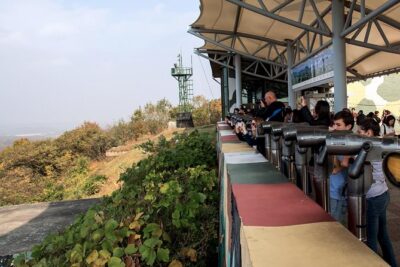
DMZ Tour: 3rd Tunnel, Option(Suspension Bridge, Boat) from Seoul
Read our review →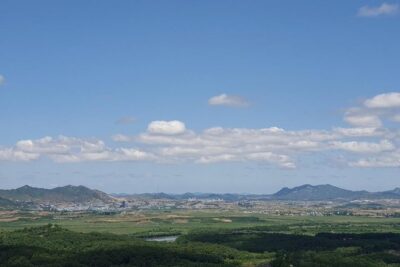
DMZ tour south Korea from Seoul (NK experience hall, defector)
Read our review →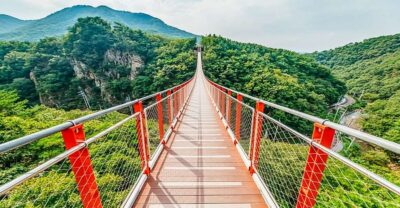
DMZ Insider Tour: 3rd Tunnel, NK Defector Meet & Red Bridge
Read our review →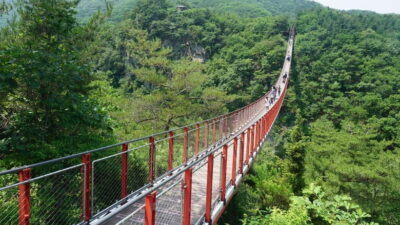
Signature DMZ Tour: Exclusive Defector Talk & Suspension Bridge
Read our review →
DMZ Past and Present: Korean Demilitarized Zone Tour from Seoul
Read our review →
Ultimate Korea DMZ Tour from Seoul (Gondola & Suspension Bridge)
Read our review →Browse the lists this tour appears in