Reviewed · TOURS IN SEOUL
Traditional Gourmet
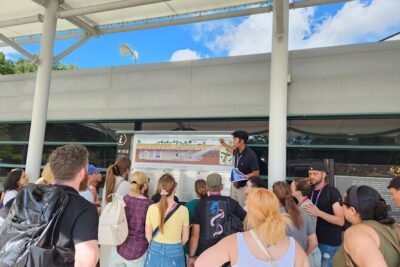
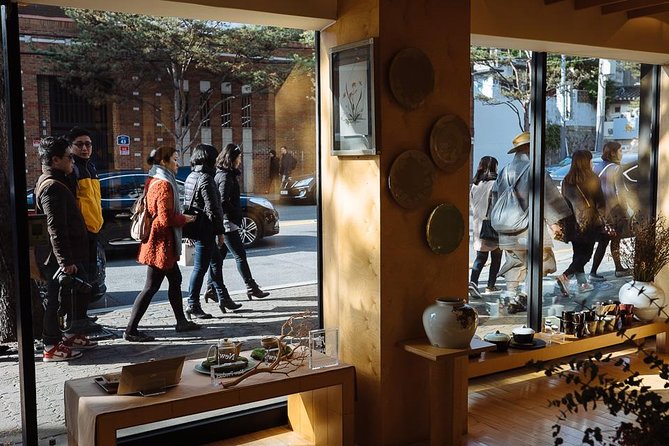
Seoul’s best food lesson here comes with a side of old neighborhoods. You’ll walk through Bukchon Hanok Village, eat a multi-course Korean lunch in a traditional Hanok setting, and finish with tea and possibly a freshly made street dessert. I especially like the mix of food and history and the practical advice on finding good Korean products after the tour. The main drawback is that this is a walking tour with a fair amount of time on foot, not a sit-down tasting route from start to finish.
The three-hour outing costs $120 per person, so the value depends on how much help you want with Korean food and customs. Guide Veronica receives repeated praise for explaining eating etiquette, fermentation, history, and local dishes clearly. The group can reach 12 people, which keeps the price below a private tour but may make it harder to hear every explanation.
Key points at a glance
- Multi-course Hanok lunch: Expect traditional Korean food served in a setting that is part of the experience.
- Bukchon on foot: Allow about 90 minutes for Seoul’s famous Hanok neighborhood, with shops and workshops along the way.
- Guide Veronica: She brings food culture, etiquette, history, and practical shopping advice into the walk.
- Historic homes: House of Baek Inje and the Yun Bo-seon residence add social history to the meal.
- Tea and street dessert: The food program continues after lunch, with a tea stop and a freshly prepared sweet noted in the experience.
- Small-group limits: Bookings allow up to 12 people, while at least two people are required.
Why this food walk works in Bukchon
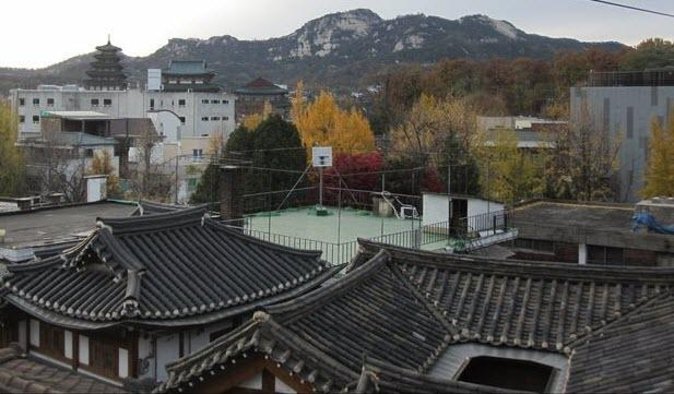
Many Seoul food tours focus on a single market or a string of quick tastings. This one takes a slower route through the Anguk and Bukchon area, where food, architecture, and daily life sit close together. You are not only being shown what to eat. You are given some context for how traditional Korean meals fit into the culture.
The tour starts at 1:00 pm at 164-6 Anguk-dong in Jongno District. From there, you spend much of the afternoon walking. That timing works well if you want lunch rather than an early breakfast outing, but you should not plan a large meal immediately beforehand.
I like that the route does not treat Bukchon as a backdrop for food photos. The Hanok homes and old residences are part of the lesson. You get a better sense of why this part of Seoul matters, then sit down to eat in a traditional Korean house instead of treating lunch as a rushed break between sights.
The tour is also useful if Korean menus feel intimidating. A guide can explain what is being served, how to eat it, and what ingredients or products are worth seeking out later. That help is hard to get from a translation app alone.
Other trips people book in Seoul:
- Best DMZ Tour Korea from Seoul (Red Suspension Bridge Optional)
★ 5.0 · 41,422 reviews - DMZ Tour: 3rd Tunnel, Option(Suspension Bridge, Boat) from Seoul
★ 5.0 · 21,373 reviews - DMZ tour south Korea from Seoul (NK experience hall, defector)
★ 5.0 · 20,599 reviews
Walking Bukchon Hanok Village for 90 minutes
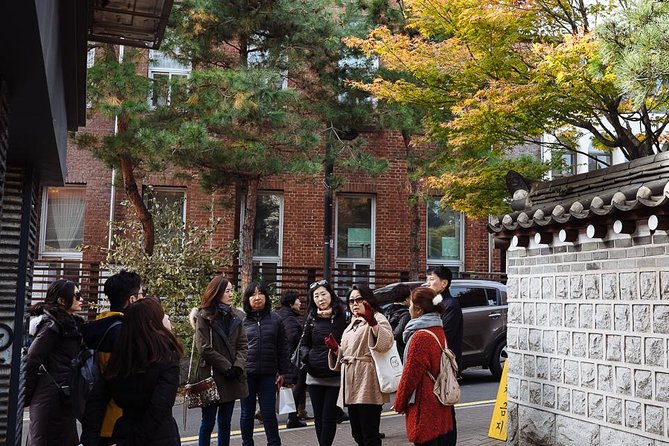
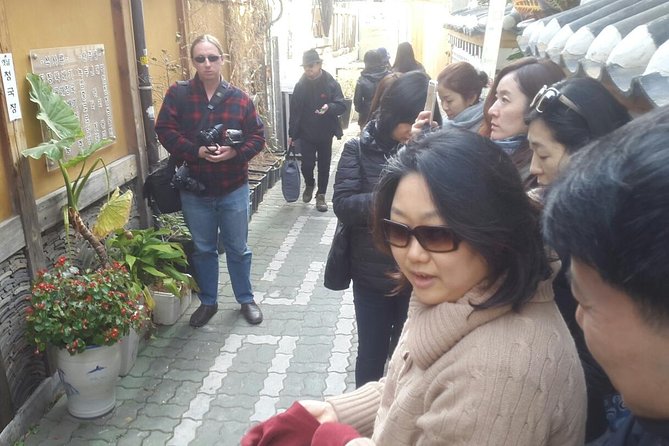
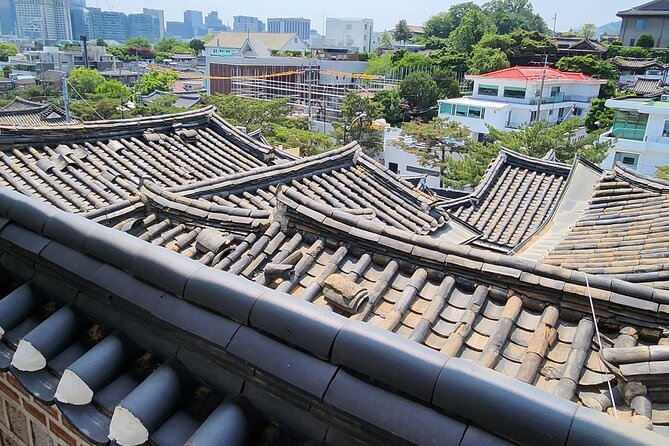
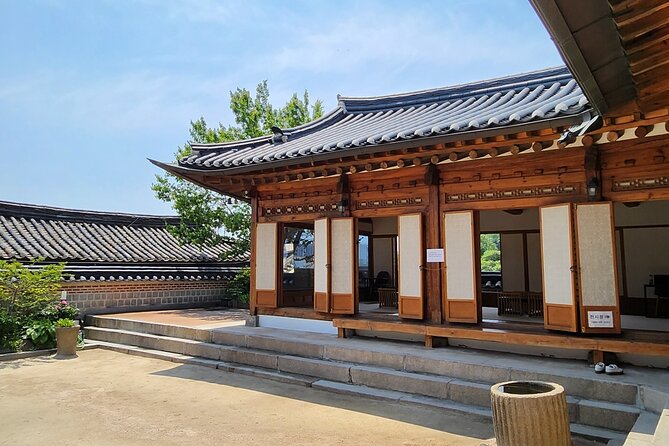
Bukchon Hanok Village is the longest stop, at about one hour and 30 minutes. Its narrow streets are lined with traditional Korean houses, workshops, and small shops. You will see a residential area with an old architectural character, not a purpose-built museum district.
The appeal is the close view of Hanok design and the chance to connect food with the setting in which older Korean households lived. Your guide can point out details that are easy to miss when you walk alone, while also helping you understand how the neighborhood fits into Seoul today.
This is a walking stop, so comfortable shoes matter. The tour requires a moderate level of fitness, and it runs in all weather. Dress for the forecast, since the activity does not simply move from one indoor venue to another.
Bukchon can also be busy, and the streets may feel less relaxed when many people gather in the same small area. Keep your attention on the group and listen for the guide’s explanations. One useful caution comes from the group format: if you fall behind, you may miss part of a comment. Staying close is especially important if the guide is explaining something to several people at once.
You should also treat Bukchon as a lived-in neighborhood. The attraction is its homes, workshops, and streets, but that means ordinary residents are nearby. Keep your voice low and follow any signs about photography or access.
House of Baek Inje and Seoul’s old elite homes
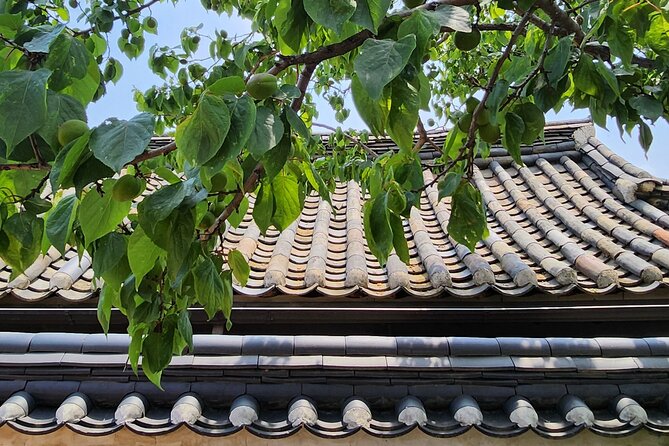
The next listed stop is House of Baek Inje, with about 30 minutes set aside. Built around 1900, it is a Hanok associated with a powerful family and valued for its period construction. The property is managed by the Seoul Metropolitan Government.
This stop gives the architecture more social meaning. Instead of seeing traditional homes only as pretty buildings, you can consider who had the money, status, and skilled labor needed to build and maintain them. That makes the visit a useful counterpoint to the food portion, since both reflect older patterns of household life and class.
A further stop is the large Hanok mansion connected with Yun Bo-seon, Korea’s second president. It is noted as his birthplace and as an unusually well-built and sizable traditional residence in Seoul. His granddaughter-in-law currently lives there, and the property is maintained.
The supplied schedule does not give this stop a fixed duration, so the exact balance between the homes, walking, and food may vary. You should think of these visits as cultural context rather than a long museum tour. Their value comes from the guide’s explanation and from seeing traditional domestic architecture in the middle of modern Seoul.
A traditional Korean lunch, not just a snack crawl
Lunch is the heart of the experience. You receive an authentic traditional Korean meal prepared in a Hanok, with multiple dishes rather than one simple plate. The exact menu is not specified, so you should expect the food to reflect the restaurant and season rather than a fixed tasting list.
The meal has received the strongest praise in the available feedback. One account describes the restaurant as Michelin-listed, with a good location and a sit-down meal. Another describes an impressive array of traditional dishes at a small restaurant. These details suggest that lunch is intended as a proper meal, not a token sample between sightseeing stops.
That matters at $120. You are paying for more than food quantity. The guide helps you understand what you are eating, how dishes relate to Korean food culture, and which customs shape the meal. The food is paired with the walk and the homes, so the experience has a clear theme instead of feeling like three unrelated stops.
You should also expect a meal that may be different from familiar Korean restaurant formats. The food may include several dishes served together, and the guide can explain eating etiquette and ingredients. If you want a tour that spends all three hours moving from bite to bite, this is not the right match. The sit-down meal takes time, and that is part of its appeal.
Vegetarian food is available, but you need to request it when booking. The data does not specify vegan arrangements, allergies, or substitutions, so raise those concerns before paying rather than assuming the standard meal can be changed on the day.
Same base, a different kind of day out:
- Seoul: DMZ Tour with Optional Suspension Bridge
★ 4.8 · 5,277 reviews - Signature DMZ Tour: Exclusive Defector Talk & Suspension Bridge
★ 5.0 · 4,459 reviews - Thrilling Korean DMZ 3rd Tunnel Tour from Seoul + Red Bridge Rush
★ 5.0 · 3,097 reviews - DMZ Past and Present: Korean Demilitarized Zone Tour from Seoul
★ 5.0 · 2,481 reviews
Tea, street dessert, and the slower end of the afternoon
The included coffee and/or tea gives the tour a calm finish. A tea stop in a lovely tea house is part of the reported experience, and one outing also included a freshly made street-food dessert after lunch. The order or exact dessert is not guaranteed, but the pattern is clear: the food program extends beyond the main meal.
That final stop helps the tour feel less like a checklist. Korean food culture includes sweets, tea, conversation, and the way a meal stretches into the afternoon. You get a chance to ask follow-up questions, compare what you tasted, and gather ideas for the rest of your time in Seoul.
It can also be filling. One report specifically describes the meal and tea stop as substantial. If you plan to eat Korean barbecue or visit a food market that evening, leave some room.
A particularly useful feature is the guide’s practical advice. Veronica has offered suggestions about buying quality Korean food products and discussed fermentation recipes. You should not count on receiving written recipes or a specific shopping list, but the tour can give you better direction for later food purchases.
Veronica and the value of a food guide
Veronica is the guide name most closely associated with this experience. She is described as easy to understand, friendly, and highly experienced in Korean food culture. Her role is important because the tour’s value rests less on the number of stops than on the explanation connecting them.
She can discuss Korean history, food, customs, fermentation, and eating etiquette. That range suits a first visit, especially if you want more than a list of restaurant names. You can ask about what you have eaten and about food to try during the rest of your stay.
The guide may be multilingual, but the specific language available is not stated. If language support is important, confirm it before booking.
The group limit is 12 people. That is small enough for a social walk and large enough that you may meet other people, but it is not a private experience. One useful criticism concerns group positioning: if you are at the back, you may miss some explanations. Stay near the guide, particularly in the narrow streets of Bukchon.
A two-person minimum applies. Solo visitors should contact the provider directly, since a single-person booking is not assured. The activity can be canceled after confirmation if the minimum is not met, in which case an alternative or full refund is offered.
Is $120 a fair price?
At first glance, $120 is a serious price for three hours. The tour does not include hotel pickup, transport to or from attractions, alcohol, or extra food and drinks. You also meet at the starting point and return there, so you need to arrange your own way to Anguk-dong.
The price makes more sense if you value several services at once:
- A professional guide for roughly three hours
- A substantial traditional Korean lunch
- Coffee or tea
- A guided walk through Bukchon
- Visits connected with historic Hanok homes
- Help with language, ordering, etiquette, and food choices
The included lunch and tea are the main financial anchors. If the meal is served in a Michelin restaurant, as described in one account, the cost may compare favorably with paying separately for a quality meal plus a private cultural guide. Still, the exact restaurant and menu should be confirmed if that distinction matters to you.
You will get better value if you are new to Seoul, serious about Korean food, or uncomfortable ordering on your own. If you already know Korean cuisine well and prefer to explore independently, you may find the price harder to justify.
Who should book this Seoul food tour?
I would point this experience toward first-time visitors who want a gentle introduction to Korean food and the Jongno area. It suits people who like history but do not want a full museum afternoon, and food-minded visitors who want explanations rather than random samples.
It is also a good fit for anyone who wants personal suggestions for the rest of a Seoul stay. The language barrier can make it difficult to judge restaurants and food shops. A guide who explains products and customs gives you a better starting point for eating on your own.
Families and older visitors should consider the walking requirement and the moderate fitness level. The tour is not presented as accessible or step-free, and no detailed mobility information is provided. Ask the operator before booking if stairs, slopes, or prolonged walking are concerns.
You should skip it if you want a private tour, a nightlife food crawl, alcohol tastings, or a tightly fixed menu. The group can reach 12 people, the menu is not listed in detail, and the route operates in all weather.
Free cancellation is available up to 24 hours before the 1:00 pm start time. Cancellations or changes made inside that window are not refunded or accepted, so check the local Seoul time before making changes.
Should you book Traditional Gourmet?
Book it if you want Korean food explained in its cultural setting. The strongest parts are the traditional Hanok lunch, Bukchon walk, tea stop, and Veronica’s practical guidance on etiquette and food shopping. The 4.9 rating from 19 ratings, with 100 percent recommending it, fits the experience’s clear strengths.
My main caution is to keep expectations realistic. This is not a private culinary masterclass, and it is not a simple restaurant meal. You will walk, share the guide, and manage your own transport. For a first Seoul visit, though, the combination of food, homes, history, and useful eating advice makes the $120 price defensible.
FAQ
How long does the Traditional Gourmet tour last?
The experience lasts approximately three hours.
Where does the tour begin?
It begins at 164-6 Anguk-dong in Seoul’s Jongno District.
What time does the tour start?
The scheduled start time is 1:00 pm.
Where does the tour end?
The activity ends back at the meeting point.
Is lunch included?
Yes. Lunch is included, with traditional Korean dishes prepared in a traditional Korean Hanok house.
Is a vegetarian meal available?
Yes. A vegetarian option is available, but you need to request it when booking.
How many people can join the tour?
A booking can include up to 12 people. At least two people are required, and solo visitors should contact the provider directly.
Is transportation included?
No. Transportation to and from attractions, as well as hotel pickup and drop-off, is not included.
What happens if I need to cancel?
You can cancel at least 24 hours before the local start time for a full refund. Cancellations and changes made less than 24 hours before the experience are not accepted for a refund.
Just added in Seoul
- Your Personal Seoul Photographer!★ 4.1 · 15 reviews
- You’re Invited to Our Home in Seoul: The Only Cooking Class!★ 5.0 · 8 reviews
- From Seoul: Yongpyong Ski Day Tour with Transportation★ 4.9 · 40 reviews
- Seoul: Korean & English Language Exchange Global Party★ 5.0 · 28 reviews
- From Seoul: Hwacheon Ice Fishing and Lighting Festival Tour★ 4.5 · 4 reviews
- Seoul: Gangneung BTS K-Pop & K-Drama Filming Locations Tour★ 4.6 · 14 reviews
- Unique Native Experience : Han River Picnic, Board game, BBQ★ 5.0 · 3 reviews
- K-Pop Making Class with a Producer!★ 5.0 · 3 reviews
Tours in Seoul, compared.
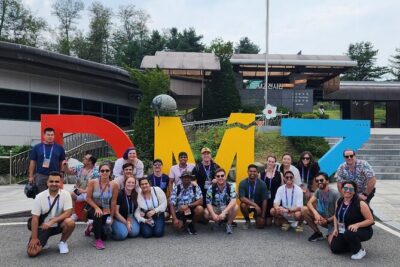
Best DMZ Tour Korea from Seoul (Red Suspension Bridge Optional)
Read our review →
DMZ Tour: 3rd Tunnel, Option(Suspension Bridge, Boat) from Seoul
Read our review →
DMZ tour south Korea from Seoul (NK experience hall, defector)
Read our review →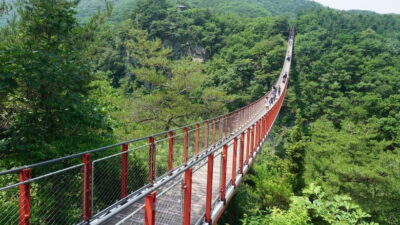
Signature DMZ Tour: Exclusive Defector Talk & Suspension Bridge
Read our review →
Thrilling Korean DMZ 3rd Tunnel Tour from Seoul + Red Bridge Rush
Read our review →
DMZ Past and Present: Korean Demilitarized Zone Tour from Seoul
Read our review →