
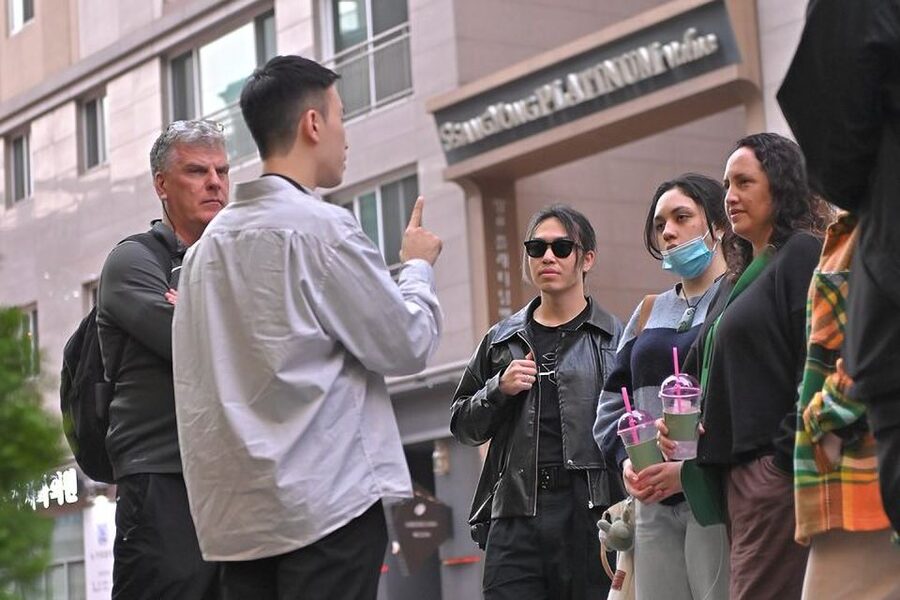
Reviewed · TOURS IN SEOUL
Seoul: Gangnam Tour on Youth and Society in South Korea
Gangnam is more than glossy towers, designer shops, and the occasional K-pop reference. This 150-minute walk uses the district’s clinics, advertisements, offices, and streets to explain why Korea’s success can also create fierce pressure. You’ll look at education, beauty, work, housing, dating, marriage, and mental health through the eyes of an English-speaking local historian.
I like two things right away: the tour connects big social issues to things you can actually see, and it gives you room to ask questions rather than delivering a dry lecture. Guides Jessica and June are often praised for clear English, humor, and personal insight. The main drawback is the subject matter. Suicide, low birth rates, appearance pressure, and academic competition are serious topics, so this is not a light sightseeing stroll.
Key points to know before you book
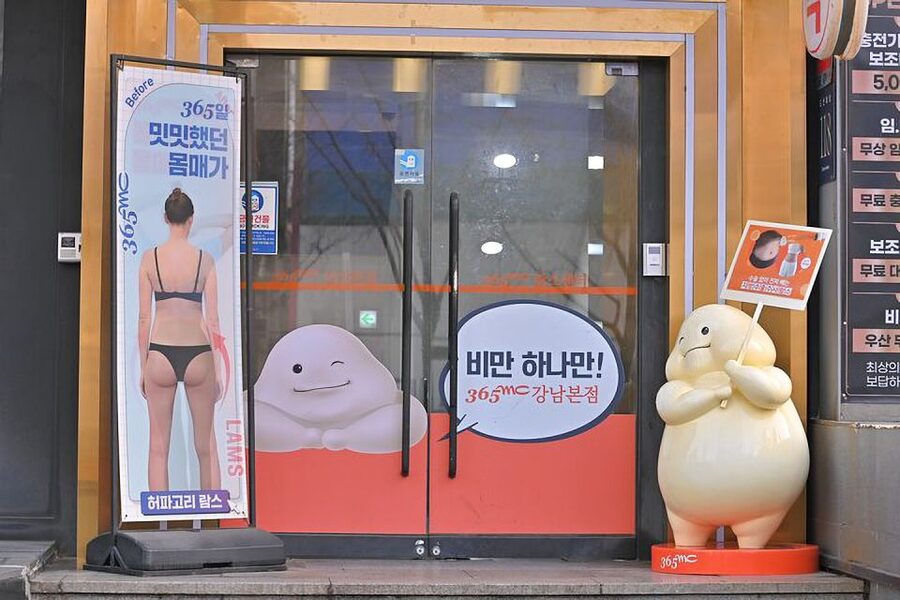
- Gangnam becomes a classroom: Beauty clinics, luxury signs, subway exits, and high-rise streets help explain how Korean society works.
- Jessica and June bring different viewpoints: Both are described as engaging English-speaking guides, with Jessica offering an especially useful local and overseas perspective.
- The walk covers modern pressure: Expect discussion of school, jobs, housing, dating, marriage, plastic surgery, family life, and mental health.
- It ends near the Han River: The final setting gives you a chance to consider why people remain in, return to, or leave South Korea.
- Plan for about two and a half hours: The route is mostly on flat ground, though it includes subway steps and a seated discussion.
- Bring cash and water: A 2,000 KRW transportation fee is not included, and summer heat can be intense.
Gangnam beyond the glossy surface

Many Seoul tours show you palaces, markets, food streets, or shopping districts. This one asks a different question: what does daily life feel like inside one of Asia’s most successful economies?
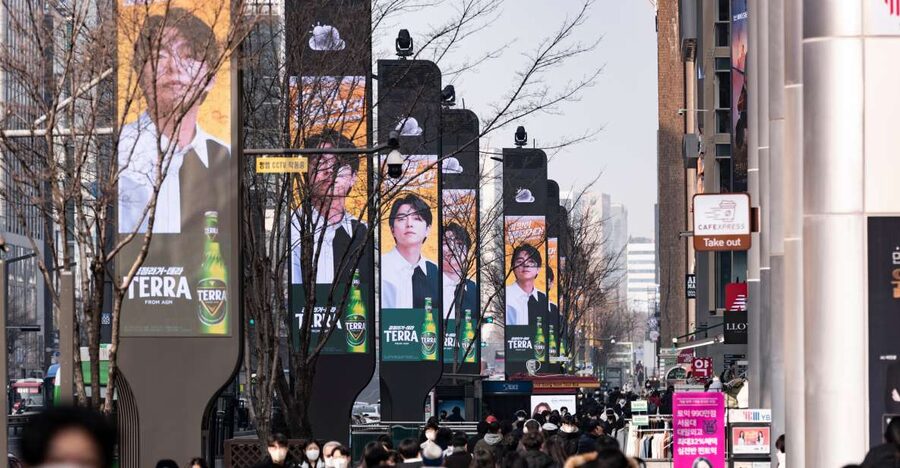
You meet at Gangnam Station Exit 11, right in the middle of one of Seoul’s busiest commercial areas. From there, the guide leads you through streets framed by tall buildings and packed with signs for cosmetics, luxury goods, offices, and plastic surgery clinics.
The route matters because Gangnam is not just a backdrop. It shows you the rewards of Korea’s economic rise, but also the standards people are expected to meet. A clinic advertisement can lead to a discussion about appearance. A private education sign can open up the subject of school competition. A luxury brand can prompt questions about status, income, and the pressure to look successful.
I like this approach because it does not treat culture as a list of unusual customs. You are encouraged to connect what you see with how people live. The walk turns ordinary street details into clues.
The tour also avoids presenting South Korea as either a perfect modern success story or a bleak place with no hope. The guide discusses the pressures linked to the country’s economic achievements, while also explaining why people continue to live in Korea, return after time abroad, and value many parts of life there.
Other trips people book in Seoul:
- Best DMZ Tour Korea from Seoul (Red Suspension Bridge Optional)
★ 5.0 · 41,422 reviews - DMZ Tour: 3rd Tunnel, Option(Suspension Bridge, Boat) from Seoul
★ 5.0 · 21,373 reviews - DMZ tour south Korea from Seoul (NK experience hall, defector)
★ 5.0 · 20,599 reviews
Why Korean history belongs on a Gangnam walk
The tour begins with historical context before moving into present-day social issues. That is important. Without it, Korea’s focus on education, group expectations, family duty, and rapid progress can seem like a collection of disconnected facts.
You learn how Korea’s past helped shape its culture and social rules. The guide then links those earlier forces to present concerns, including competition for good schools and jobs, expectations around family life, and the desire to keep pace with a fast-changing society.
I find this historical layer useful for first-time visitors. Seoul can appear intensely modern, but its modern identity did not arrive all at once. The city’s high-rise districts, global brands, and pop culture success sit alongside older ideas about status, duty, success, and belonging.
The guide’s role is especially important here. Jessica is described as having lived abroad before returning to Seoul, giving her both an insider’s familiarity and an outsider’s comparison point. June is also praised for explaining Korean culture clearly and using personal stories to make social topics easier to follow.
That does not mean every question has a simple answer. Korean society is changing, and the guide presents tensions rather than pretending that one explanation fits everyone. You may hear different views on how younger people respond to older expectations, or how much traditional rules still shape modern relationships.
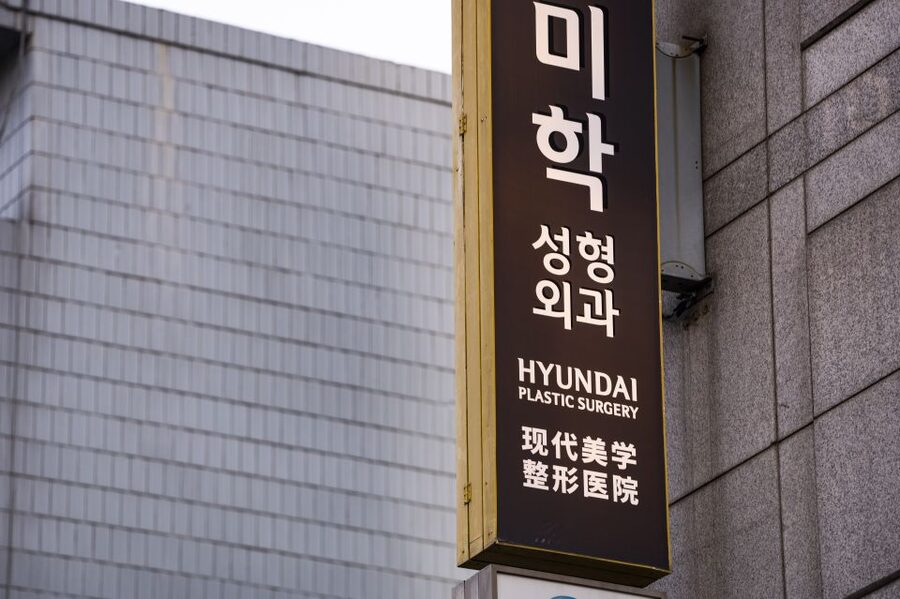
Reading the plastic surgery signs in Gangnam
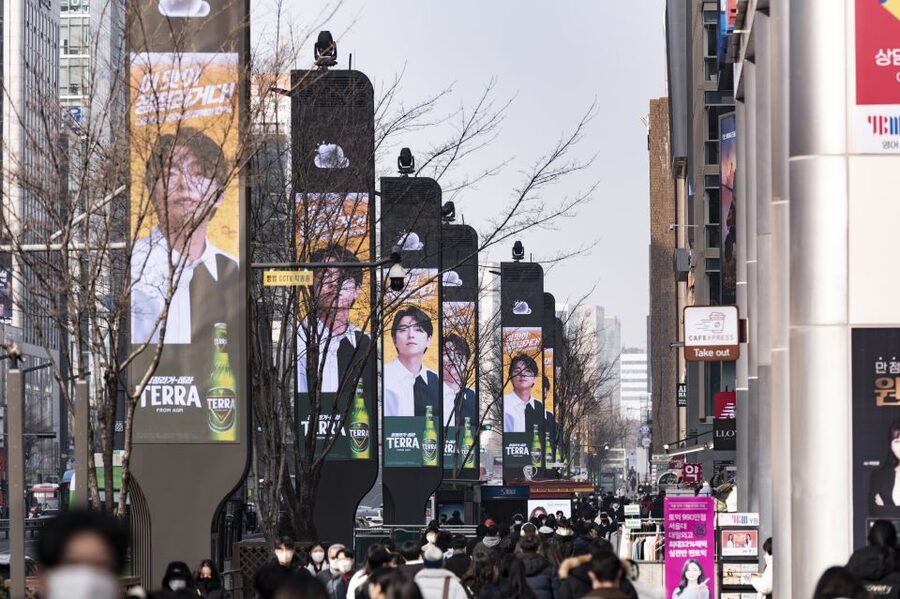
One of the clearest parts of the route is the look at Korea’s beauty industry. Gangnam is filled with advertisements for skin treatments, cosmetic procedures, clinics, and appearance-related services. You cannot miss them.
The guide uses these signs to discuss Korean beauty standards and the pressure to look polished. The point is not simply that plastic surgery is common or that Korean people care about appearance. The more useful question is why appearance can affect confidence, dating, work, and social judgment.
This section may change how you read the streets. A row of clinic signs can begin to look less like a shopping offer and more like evidence of a wider social system. The guide explains how ideas about perfection, youth, and presentation can shape daily routines and personal choices.
I appreciate that the subject is handled as part of society rather than as a joke. The discussion can be disillusioning, but it helps explain a side of Korea that is easy to miss when you focus only on skincare shops and K-pop style.
You should also expect a balanced conversation. The tour is not designed to mock people who choose cosmetic procedures, nor does it claim that every Korean person feels the same pressure. Instead, it asks you to consider how advertising, social expectations, and competition can influence decisions.
Education, work, and the pressure to succeed
Education is another major theme. The tour explains the intense weight placed on school performance and how that pressure affects children, parents, and family life.
You may come away with a clearer idea of why education can feel like more than a personal goal. It can influence a child’s future options, a parent’s daily schedule, household spending, and family expectations. The guide also connects academic competition with wider concerns about jobs, housing, and status.
This part is especially useful if you have noticed study academies, school-related advertising, or young people moving quickly through Seoul with a serious focus. The walk gives those observations social context.
Work is discussed in the same connected way. Success in Korea has created opportunity and global influence, but it has also produced demanding standards around careers and achievement. The guide considers how young adults cope with these expectations and how work affects relationships, marriage, and plans for children.
The tour’s strength here is its range. It does not isolate education from the rest of life. School pressure can affect mental health. Career pressure can affect dating and marriage. Housing costs can affect decisions about having children. Each topic leads naturally to another.
Same base, a different kind of day out:
- Seoul: DMZ Tour with Optional Suspension Bridge
★ 4.8 · 5,277 reviews - Signature DMZ Tour: Exclusive Defector Talk & Suspension Bridge
★ 5.0 · 4,459 reviews - Thrilling Korean DMZ 3rd Tunnel Tour from Seoul + Red Bridge Rush
★ 5.0 · 3,097 reviews - DMZ Past and Present: Korean Demilitarized Zone Tour from Seoul
★ 5.0 · 2,481 reviews
Dating, marriage, and Korea’s low birth rate
The route also examines relationships and family life. You learn about dating customs, how friends may help introduce people, and the expectations that surround marriage.
This is not presented as a simple contrast between old and new Korea. Younger people may want more freedom, yet still face pressure from family, work, housing costs, and social standards. The guide explains how these forces can make relationships and parenthood feel difficult to manage.
The low birth rate is treated as part of this larger picture. Rather than blaming individuals, the discussion asks what conditions make people hesitate to have children. Education costs, career demands, housing, and the expectations placed on parents all matter.
I like that the tour links these issues to the streets around you. Gangnam’s wealth can make Seoul look effortless, but expensive neighborhoods also reveal the cost of meeting social expectations. The area helps you understand why a country can be wealthy and globally admired while many people still feel uncertain about the future.
This is one of the tour’s more serious sections, and it may be uncomfortable. That is also its value. If you want only cheerful sightseeing, choose another walk. If you want to understand why social rules and economic pressure affect personal decisions, this part is central.
The difficult conversation about mental health
The tour openly addresses South Korea’s high suicide rate and asks why a rich country can also have serious unhappiness. Those are heavy subjects, but they help explain the gap between outward success and private strain.
The guide approaches this through the pressures already discussed: school, employment, appearance, family expectations, and the demand to keep progressing. You are encouraged to think about how people cope when success is highly visible but failure can feel deeply personal.
The conversation is not meant to reduce Korea to its problems. The guide also discusses the benefits of living in the country and why many people stay or return. That balance matters. It keeps the tour from becoming a one-sided critique of Korean society.
I would choose this experience early in a Seoul visit if you want a better frame for everything else you see. It may change how you interpret a cosmetics ad, a cram-school sign, or a crowded office district. It can also make later conversations about Korean culture more thoughtful.
A walking route with a seated pause
The experience lasts 150 minutes, though some tours can run closer to three hours depending on questions and discussion. You should expect a steady walk through Gangnam, with time to stop and listen at selected points.
The route is described as physically manageable, mostly on flat ground. There are subway steps, and transportation costs 2,000 KRW extra. A seated discussion lasting about 30 minutes may be part of the experience, which gives your feet a break and allows more time for questions.
The tour ends at the Han River. This creates a useful change of mood after the dense streets of Gangnam. The river setting gives you room to think about the contrast between Seoul’s polished public image and the private strain discussed during the walk.
Summer conditions deserve attention. Seoul can be hot and humid, so bring water and wear comfortable shoes. A portable handsfree fan is provided in summer, while hot packs are available in winter. These small touches matter because weather can affect your concentration during a long outdoor explanation.
The activity is not suitable for people with mobility impairments, and the stated age guidance excludes people over 70. One detailed account described the flat walking and seated section as manageable for 70-year-olds, but the official guidance is the safer standard to follow when deciding.
Guide style: Jessica, June, and the value of good storytelling
This tour depends heavily on the guide. The topics are serious, and a flat delivery could make two and a half hours feel long. Jessica and June are repeatedly praised for clear English, humor, personal examples, and the ability to answer questions.
Jessica’s background living abroad is particularly useful. She can compare Korean and Western perspectives without presenting either side as automatically correct. Her storytelling also helps connect broad social questions to everyday situations.
June is described as a historian with strong English and a relaxed, engaging style. He is also praised for giving detailed explanations of youth culture and modern Korean life. Different guides may shape the tone, but both names appear frequently in the experience’s recent schedule and feedback.
The strongest feature is the question time. You are not limited to memorizing facts about Korean society. You can ask about dating, foreigners, education, work, housing, marriage, beauty standards, or anything else that comes up during the walk.
Do not expect a conventional sightseeing guide who simply points out famous buildings. The guide functions more like a lecturer who happens to use Gangnam as the classroom. That will suit curious adults and older teenagers, but it may not hold the interest of children looking for visual attractions.
Is $33 good value?
At $33 per person, this is a good value if you want social context rather than a long list of photo stops. You are paying for two and a half hours with an English-speaking local historian, a planned Gangnam route, seasonal comfort items, and access to explanations you would be unlikely to get from walking alone.
The value increases if you take it early in your trip. The tour can help you understand later experiences in Seoul, from shopping and beauty culture to public behavior, work patterns, and family expectations. Several people wish they had booked it sooner for exactly that reason.
The 2,000 KRW transportation cost is extra, and you should bring cash. There is also an optional Korean food session that is not included, so check the booking details if that interests you.
The price is less compelling if you want architecture, shopping time, or a food-focused outing. Gangnam appears throughout the tour, but the main attraction is the explanation of society, not a collection of landmark interiors.
Who should take this Gangnam tour?
I would recommend it to first-time visitors who want to understand Seoul beyond K-pop, palaces, and shopping. It also suits anyone interested in education, urban life, beauty culture, work, family change, or the social effects of rapid economic growth.
Teenagers and young adults may find the subjects especially relevant, though the discussion of suicide and social pressure is direct. Families should decide in advance whether those topics fit the age and temperament of everyone attending.
This is a good choice for people who enjoy asking questions. It is less suitable if you dislike group discussion, walking in city streets, or serious social subjects.
Because the tour is in English, you should be comfortable following a detailed explanation for 150 minutes. The reviews describe the guides as clear English speakers, with humor helping to keep the pace lively.
Should you book the Gangnam Youth and Society Tour?
Book it if you want a frank explanation of the forces behind modern Korean life. The best parts are the links between visible Gangnam details and harder questions about education, beauty, work, relationships, housing, and mental health.
Skip it if your ideal Gangnam visit is shopping, cafés, or celebrity-related sightseeing. This is a serious walking conversation with some sightseeing around the edges.
For most culturally curious visitors, I would place it near the start of a Seoul stay. At $33, it offers useful context for the rest of your time in Korea, and the combination of local history, personal insight, humor, and honest discussion gives you more than a polished look at Seoul’s wealth.
FAQ
Where does the Gangnam tour meet?
Meet the guide at Gangnam Station, Exit 11. The English address is 820-10, Yeoksam-dong, Gangnam-gu, Seoul. The Korean address is 강남역 11번 출구.
How long does the experience last?
The stated duration is 150 minutes, or two and a half hours. Some tours may run longer when the group has many questions.
What language is the tour in?
The tour is conducted in English by a live English-speaking guide. Guides associated with the experience include Jessica and June.
What subjects does the tour cover?
The discussion includes Korean history, youth culture, education, work, housing, dating, marriage, beauty standards, plastic surgery, mental health, suicide rates, and the low birth rate.
Is transportation included?
No. A transportation fee of 2,000 KRW is not included. Bring cash.
What should I bring?
Bring cash, comfortable walking shoes, and water, especially in summer. A portable handsfree fan is provided in summer, and hot packs are provided in winter.
Is the tour suitable for people with mobility limitations?
The experience is not suitable for people with mobility impairments. The route is mainly on flat ground but includes subway steps, and a seated discussion may last about 30 minutes. The stated guidance also says it is not suitable for people over 70.
Just added in Seoul
- Suwon: Baseball Game with Fortress and Local Food Tour★ 5.0 · 3 reviews
- Seoul: War Memorial of Korea Private Guided Museum Tour★ 4.9 · 29 reviews
- Seoul: Wine & Korean BBQ, Perfect Pairing Dinner in Sinchon★ 5.0 · 6 reviews
- Seoul : Your Personal Photographer in Gyeongbokung★ 5.0 · 7 reviews
- Seoul : Efoil Experience in Han River★ 5.0 · 5 reviews
- Seoul: Vivaldi Park Winter Ski with Eobi Ice Valley Day Tour★ 4.6 · 16 reviews
- Seoul: Vivaldi Park Winter Ski with Nami Island Day Tour★ 5.0 · 4 reviews
- Seoul: Sokcho beach, market, hot spring and Seorak Cable Car★ 4.8 · 5 reviews
Tours in Seoul, compared.
Best DMZ Tour Korea from Seoul (Red Suspension Bridge Optional)
Read our review →
DMZ Tour: 3rd Tunnel, Option(Suspension Bridge, Boat) from Seoul
Read our review →
DMZ tour south Korea from Seoul (NK experience hall, defector)
Read our review →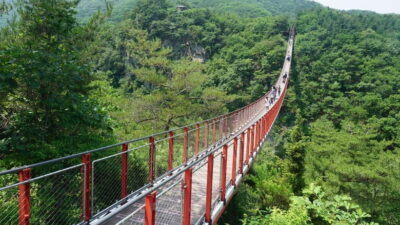
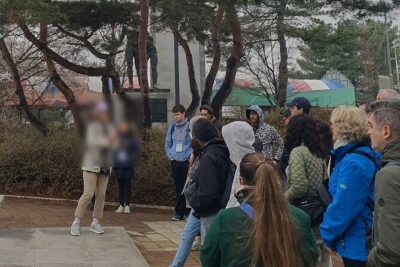
Signature DMZ Tour: Exclusive Defector Talk & Suspension Bridge
Read our review →
Thrilling Korean DMZ 3rd Tunnel Tour from Seoul + Red Bridge Rush
Read our review →
DMZ Past and Present: Korean Demilitarized Zone Tour from Seoul
Read our review →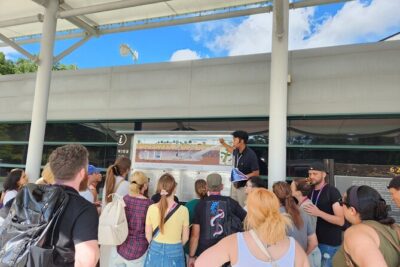
Ultimate Korea DMZ Tour from Seoul (Gondola & Suspension Bridge)
Read our review →Browse the lists this tour appears in