
Reviewed · UNESCO WORLD HERITAGE TOURS
Andong: UNESCO Sites, Mask Dance, and Secret Garden & Bridge
Andong’s best sights are spread across the countryside, and this private tour links them without making you wrestle with regional buses. You’ll move from the quiet wooden halls of Bongjeongsa Temple to a Joseon-era academy, a river viewpoint, Hahoe Village, and Wolyeonggyo Bridge.
I like the range: you get Buddhist, Confucian, folk, and modern local culture in one day. I also like the private format and the care built into the day. Guide Greg has been praised for clear explanations, good organization, bottled water, and even snacks. The main drawback is the pace. Eight hours includes plenty of walking, and the famous evening events may require overtime and an extra fee.
Key points to know before booking
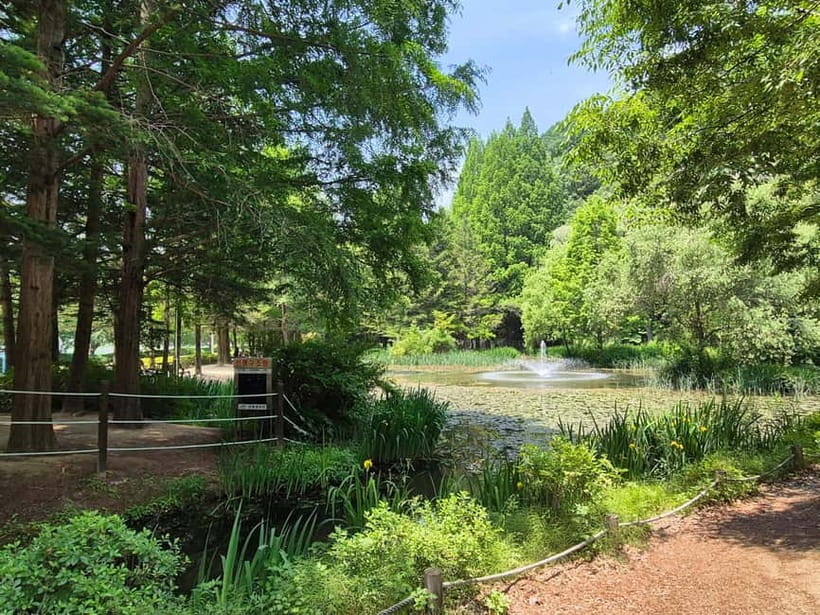
- Bongjeongsa Temple opens the day quietly, with old wooden buildings, mountain air, and a calm Buddhist setting.
- Byeongsan Seowon shows the Joseon intellectual tradition, not just royal palaces and fortress walls.
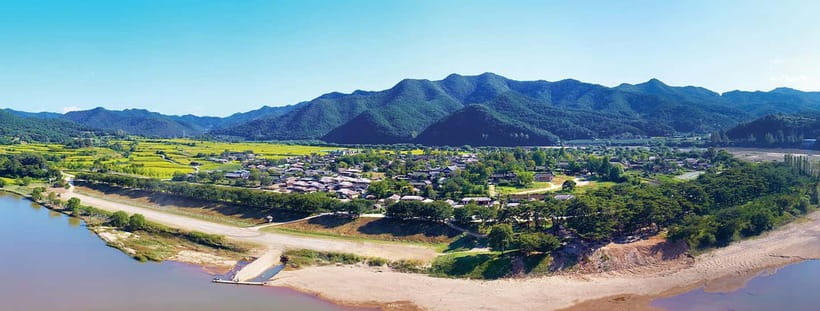
- Buyongdae gives you the big river view, but reaching the viewpoint adds walking to an already active day.
- The Hahoe mask dance is a must-plan event, since performances do not take place on Mondays.
- Wolyeonggyo Bridge is best near sunset or after dark, yet staying late requires an advance overtime reservation.
- The $401 price covers up to five people, making the value strongest for a full private group.
Why Andong works best with a private van
Andong is not a one-stop town attraction. Its major cultural sites sit apart from one another, and the day includes temple grounds, an academy, a viewpoint, a village, and a riverside bridge. The private van saves you from piecing together local transport and lets you keep the schedule focused.
Pickup is available at Gyeongdong-ro, Andong train station, the bus terminal, and nearby hotel lobbies. You’ll identify the guide by a yellow hand-shaped sign, and WhatsApp can help you connect before meeting. That small detail matters when you arrive by train or bus and do not know the area.
The tour is private, with English or Korean guiding. That gives you room to ask about the buildings, local customs, and the meaning of the mask dance instead of following a large group on someone else’s timetable.
At $401 per group of up to five, the arithmetic changes depending on your party. Five people pay about $80 each before any extra costs. Two people pay about $200 each, so the experience makes the most financial sense for families or friends who want their own vehicle and guide. The flexibility is the real value, especially in a rural area where transport connections can eat up time.
More palace and old-quarter walks in South Korea:
- Seoul: Gyeongbok Palace, Bukchon Village, and Gwangjang Tour
★ 4.9 · 2,321 reviews - Best Seoul City Tour (Gyeongbokgung Palace,Insadong,Namsan Tower)
★ 5.0 · 1,647 reviews - Small-Group Royal Palace and Seoul City Tour (hotel pick-up)
★ 5.0 · 1,474 reviews
Bongjeongsa Temple and Andong’s Buddhist calm
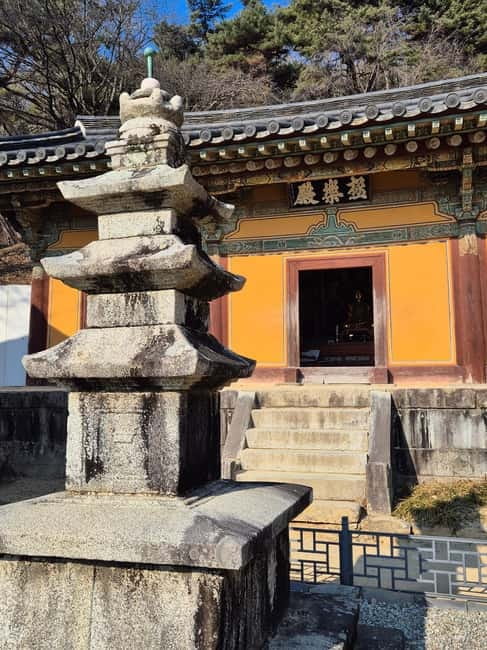
The day begins at Bongjeongsa Temple, one of Korea’s oldest wooden temple sites. You’ll have about 80 minutes here, including the drive from the pickup point and a guided visit through the temple grounds.
This is a good first stop because it sets a quiet tone. Rather than starting with a crowded urban sight, you begin among traditional buildings and wooded surroundings. The temple is still used by devotees, so this is a working religious place as well as a historic attraction. Walk respectfully, keep voices low, and ask before photographing people engaged in worship.
The appeal is architectural and atmospheric. Korean Buddhist temples are designed as groups of buildings rather than one grand structure, and the surrounding setting is part of the experience. Your guide can help you notice the details that are easy to miss when you only take photographs.
The stop is not difficult in concept, but the day involves repeated walking on outdoor paths. Comfortable shoes are important from the start. Sunscreen, water, and clothing suited to the forecast will make the temple visit much more pleasant in warm or rainy weather.
Byeongsan Seowon and the Joseon search for good government
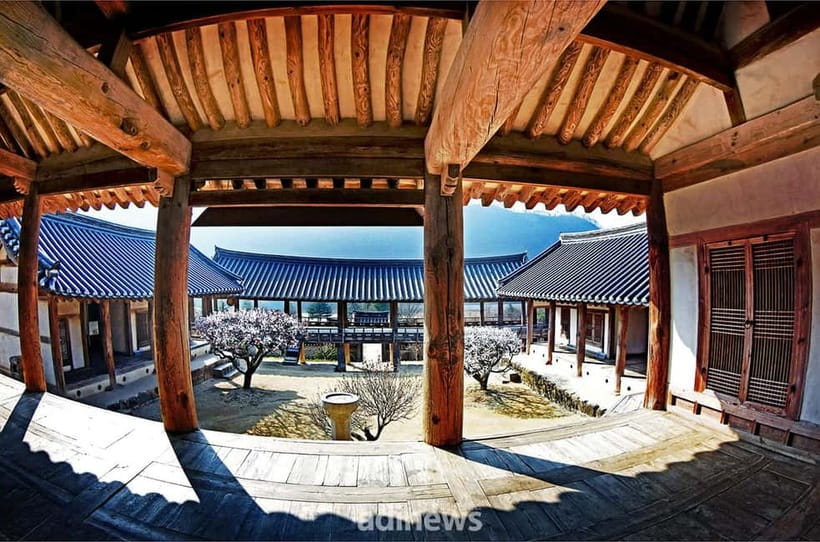
After another van ride, you reach Byeongsan Seowon Confucian Academy for about 70 minutes. This academy dates from the Joseon Dynasty, when institutions such as this one trained scholars in Confucian learning, conduct, and public responsibility.
The setting helps explain why the site was chosen. The academy sits in a peaceful natural area rather than a busy city center. Its buildings, courtyards, and monuments were arranged for study and ceremony, and the surrounding views gave students a place for quiet thought.
I like this stop because it broadens the story of Korean heritage. Bongjeongsa introduces Buddhist practice. Byeongsan Seowon shows the Confucian system that shaped education and official life for centuries. You are not simply seeing another set of old buildings. You are seeing two different traditions that influenced Korean society.
Expect time for photographs, a guided walk, and some free time. Wildlife viewing is also listed as part of the stop, though the exact sightings will depend on the day. The academy is best enjoyed slowly, so resist the urge to rush through the courtyards just to collect another photo.
Buyongdae for the Nakdong River view
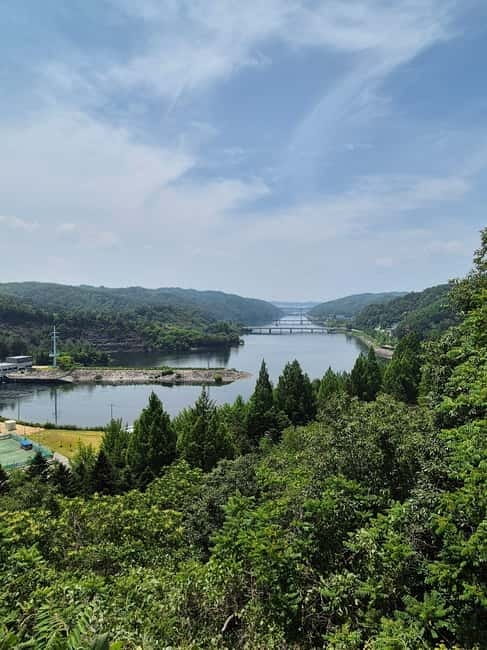
Buyongdae Observatory is reached after a short van ride from the academy, followed by about an hour at the viewpoint. From here, you look across the Nakdong River and toward the surrounding mountains and traditional countryside.
This is the day’s broadest scenic pause. The temple and academy ask you to look closely at buildings and ideas. Buyongdae asks you to step back and see how the river, village, fields, and hills fit together.
The viewpoint also helps you understand Hahoe Village, which comes later. Seeing the area from above gives the village a clearer geographic setting instead of leaving it as an isolated collection of old houses.
There is a practical catch. This is another outdoor stop with walking, and conditions can be sunny, windy, or wet. Bring water and a camera, but do not forget sensible shoes. If mobility is limited, this tour may not be suitable, since the full day combines several walking sites and a viewpoint.
Other listed sites within reach of South Korea:
- From Busan: Gyeongju UNESCO World Heritage Guided Day Tour
★ 4.8 · 1,250 reviews - Jeju: Eastern Jeju UNESCO Spots Day Tour
★ 4.9 · 1,148 reviews - Gyeongju UNESCO World Heritage Guided Day Tour from Busan
★ 5.0 · 660 reviews - Jeju: Southern Top UNESCO Spots Bus Tour
★ 4.9 · 648 reviews
Lunch and the Hahoe mask dance
The schedule includes a traditional Korean lunch before the mask dance performance. The provided details do not specify the exact menu or state that the meal is included in the price, so confirm the food arrangements when booking. That is especially useful if you have allergies or dietary restrictions.
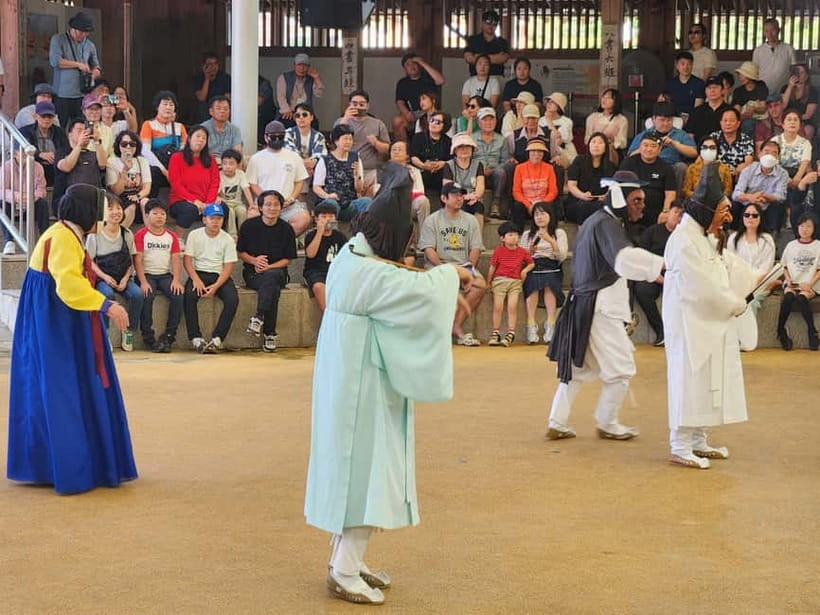
The main performance is Hahoe Byeolsin Gut Talnori, a mask dance connected with the shamanistic beliefs of Hahoe Village. Dancers use carved masks, traditional music, movement, and humor to tell stories rooted in village life and spiritual custom.
This is more than a stage show placed between sightseeing stops. It gives you a way to see how ordinary people expressed social criticism, belief, and local identity through performance. The masks make the characters immediately readable, while the music and gestures carry the action even when you do not understand every word.
The crucial scheduling fact is simple: there is no mask dance performance on Mondays. The performance runs on the other days, but you should still check availability for your date. If the dance is one of your main reasons for visiting Andong, do not treat the day of the week as a minor detail.
Hahoe also has another cultural event, Seonyu Jullbul, a fire-and-string play associated with the local noble class. Starting in 2025, it is scheduled every other Saturday from summer through fall because of its popularity. It takes place late in the evening and costs extra, so you must reserve it ahead of time. The standard eight-hour schedule does not automatically keep you there for it.
Hahoe Folk Village, from historic homes to mask collections
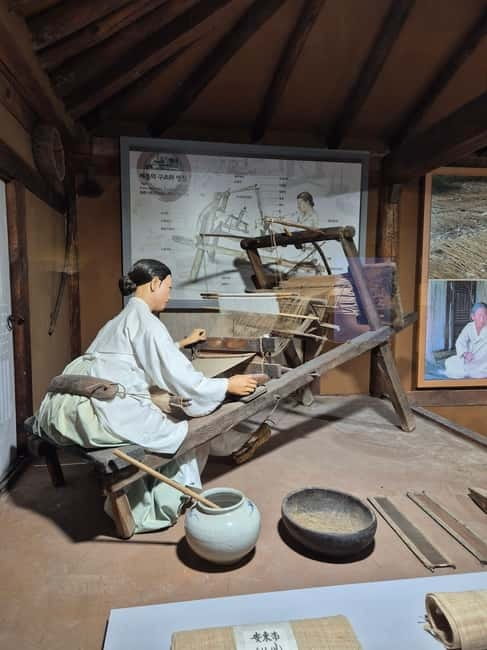
You’ll spend about two hours in Andong Hahoe Folk Village after the performance and lunch. This is enough time for a guided introduction, photographs, a walk through the village, local snacks, shopping, and a look at arts and crafts.
Hahoe is valuable because it remains a place with a strong connection to traditional village life, rather than being only a museum display. The historic setting includes important houses and sites such as Yangjindang, Chungyodang, and Mansongjeong. Your guide can explain how different families and social groups shaped the village.
The World Mask Museum adds another layer. After seeing Hahoe’s own performance, you can look at masks from other cultures and compare how communities use costume and face coverings to tell stories, represent characters, or mark ceremonies.
The schedule also includes Hwachun Seowon and Okyeonjeongsa. Okyeonjeongsa is especially important in literary history because the famous Jingbirok was written there. These smaller sites can be easy to overlook on a self-guided visit, which is one reason a guide adds value.
Two hours will pass quickly. If you want extensive shopping, a long museum visit, and careful photography of every historic building, you may feel rushed. The tour works better if you accept that it is an overview of Hahoe’s main cultural points, not a full-day study of one village.
Wolyeonggyo Bridge and the question of staying after dark
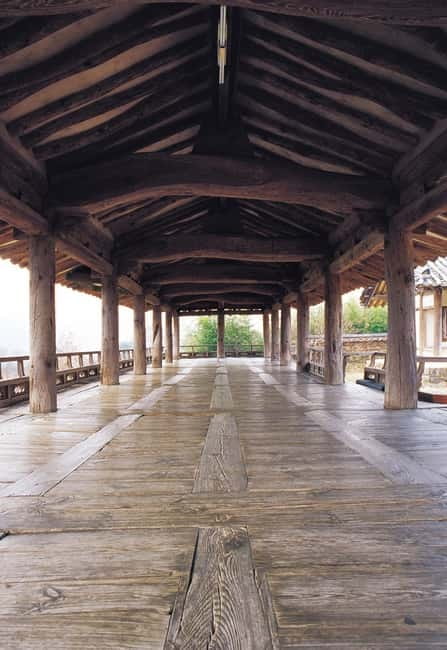
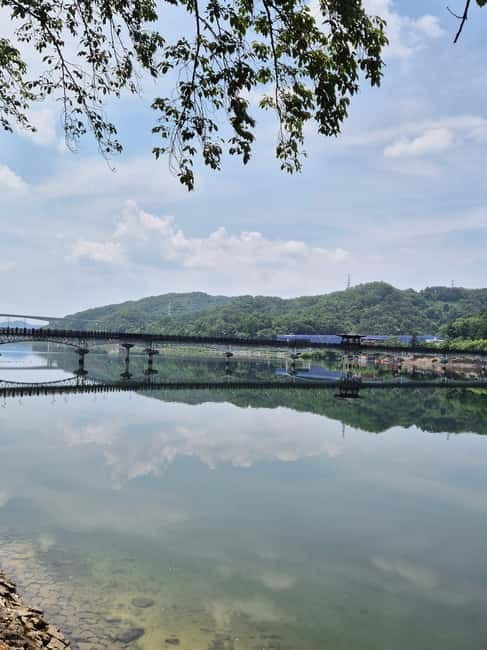
The final major stop is Wolyeonggyo Bridge, reached after a short van ride from Hahoe. The scheduled visit lasts about 90 minutes and includes free time, local food, a possible dinner stop, sunset views, and photographs.
Wolyeonggyo is known for its night views and for the story behind its construction. The bridge commemorates the love of Woni’s mother, giving the visit an emotional meaning beyond its architecture. You can walk across, take in the riverside setting, and watch the light change as the day ends.
This is one of the tour’s most appealing finishes, but the timing needs attention. The standard tour cannot stay late into the evening, so the bridge may not be fully lit when you visit. If the night view is essential, reserve overtime in advance and expect an additional fee.
The itinerary mentions dinner and regional food, but the included list does not clearly state that dinner is covered. Budget separately for food unless the provider confirms otherwise. A little planning here prevents an unpleasant surprise at the end of a long day.
Nakgangmulgil Park is also described as an important part of the post-heritage visit. Together, the park and bridge give you a gentler final hour after the more structured cultural stops.
Walking, weather, and who should book
You should expect a physically active day. The tour involves walking at a temple, academy, viewpoint, village, and bridge, with outdoor time at nearly every stop. It is not suitable for children under five or people with mobility impairments.
Bring comfortable shoes, sunscreen, water, and a camera. Dress for the forecast, since the itinerary does not offer much shelter from heat or rain. Photography is allowed, but religious sites and village residents deserve respectful treatment.
This tour is a strong match for you if:
- You want Andong’s major cultural sights in one organized day.
- You are traveling with up to five people and can share the private-group cost.
- You prefer a guide who can explain the difference between Buddhist, Confucian, and folk traditions.
- You want help reaching rural sites that would be awkward without your own vehicle.
- You care more about cultural context than spending hours at one single attraction.
It is less suitable if you want a slow, unstructured day, dislike walking, or mainly want a late-night bridge view. The evening extension must be arranged ahead of time, and Monday visitors miss the mask dance.
Should you book this Andong tour?
Book it if you want a well-connected introduction to Andong and value a private vehicle, personal guiding, and a broad mix of sites. Greg is the named guide, and the day is designed with practical touches such as bottled water and snacks, which can matter during a long rural outing.
The best value comes with three to five people. Before paying, confirm three points: the exact lunch arrangements, the availability of the mask dance on your date, and the overtime cost if you want Wolyeonggyo Bridge after dark or the Seonyu Jullbul event.
For a first visit to Andong, this is a useful choice. It gives you temple calm, Confucian learning, village traditions, a major performance, and a scenic river finish without forcing you to solve the transport puzzle yourself.
FAQ
How long is the Andong tour?
The tour lasts eight hours, including transport between the sites and return to Gyeongdong-ro.
What is the price?
The price is $401 per private group of up to five people.
Is pickup included?
Yes. Pickup is available at Gyeongdong-ro, Andong train station, the bus terminal, and nearby hotel lobbies. The guide uses a yellow hand-shaped sign, and WhatsApp can be used to connect before meeting.
Does the mask dance run every day?
The Hahoe Byeolsin Gut mask dance runs daily except Mondays. Check availability for your chosen date.
Can I see the Seonyu Jullbul play?
The Seonyu Jullbul play is held every other Saturday from summer through fall starting in 2025. It runs late in the evening, requires advance reservation, and costs an additional fee.
Is Wolyeonggyo Bridge visited at night?
The tour visits Wolyeonggyo Bridge, if possible, and includes sunset and scenic viewing. The standard schedule cannot stay late into the evening, so reserve overtime in advance if you want the full night view.
Is the tour suitable for people with limited mobility?
No. The tour involves substantial walking and is not suitable for people with mobility impairments. Children under five are also not permitted.
Just added in South Korea
- Seoul: Winter Day Tour in Pocheon (+Strawberry Picking)★ 4.1 · 5 reviews
- Suwon: Baseball Game with Fortress and Local Food Tour★ 5.0 · 3 reviews
- Seoul: Private Tour to Nami Island, Garden, Petite France★ 5.0 · 4 reviews
- Seoul: War Memorial of Korea Private Guided Museum Tour★ 4.9 · 29 reviews
- Seoul: Wine & Korean BBQ, Perfect Pairing Dinner in Sinchon★ 5.0 · 6 reviews
- Seoul : Your Personal Photographer in Gyeongbokung★ 5.0 · 7 reviews
- Seoul : Efoil Experience in Han River★ 5.0 · 5 reviews
- Seoul: Suwon Hwaseong & Waujeongsa & Starfield Heritage Tour★ 4.8 · 27 reviews
UNESCO World Heritage Tours, compared.
Gyeongju UNESCO World Heritage Guided Day Tour
Read our review →
Jeju Southern UNESCO Full Day Tour with Mt.Halla
Read our review →
Private Gyeongju Tour – Explore Gyeongju UNESCO Sites
Read our review →
Jeju island Southern UNESCO Day Tour With Hallasan MT
Read our review →
Gyeongju UNESCO Legacy Tour with National Museum
Read our review →Browse the lists this tour appears in