
Reviewed · TOURS IN SEOUL
Essence Korea 3days Ptivate Tour(West/East)
Gongju’s ancient Baekje capital, Jeonju’s tiled hanok lanes, Gyeongju’s royal tombs, and Busan’s hillside village make this a serious countryside sampler, not a quick Seoul add-on. I like the private vehicle and personal guide, which let you cover places that are awkward to link by public transport. I also like the focus on local food and smaller cities, rather than only Korea’s famous urban stops.
The catch is the pace. Three days is enough to see a great deal, but not enough to linger everywhere, especially if you combine the western and eastern routes. You also pay $800 per person while arranging your own accommodation, so the value depends on your group size and how much you value door-to-door transport.
Key points to know before booking
- Gongju opens the trip with Baekje history, including Gongsanseong Fortress, the national museum, and King Muryeong’s tomb.
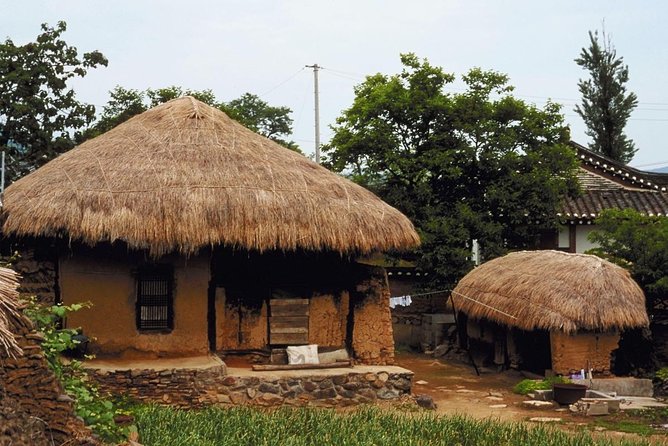
- Jeonju gives you Korea’s traditional side, with a hanok village and plenty of street food.
- Gyeongju packs a thousand years of Silla-era sights into royal tombs, museum collections, and historic city views.
- The tour can follow a western or eastern course, or combine both, but the combined plan is especially demanding.
- Lunch is included for all three days, while accommodation, drinks, and other unlisted costs are not.
- Guide quality is a major part of the experience, with Johnny, Jun, and George praised for prompt service, local food advice, explanations, and flexible planning.
What this three-day Korea tour is really designed to do
This is a road tour for seeing Korea beyond Seoul. You move between historic cities, oceanfront stops, food towns, and cultural sites in a private vehicle. The appeal is not a single blockbuster sight. It is the range: Baekje remains on one day, Jeonju food and traditional houses, Silla monuments in Gyeongju, and Busan’s colorful hillside streets.
The experience is offered as a western route, an eastern route, or a combination. That choice matters. The western side includes Gongju, Jeonju, Yeosu, Odongdo, and Mokpo. The eastern side includes Andong, Gyeongju, Haedong Yonggungsa, APEC Naru Park, and Busan’s Gamcheon Culture Village.
The supplied schedule includes sights from both regions, so confirm the exact route before paying. A combined journey gives you the broadest view of Korea, but it also means more time in the vehicle and less time at each stop.
This is a private activity, meaning only your group participates. That gives you more room to ask questions, adjust the day within reason, and travel at a pace suited to your party. Guides named in the feedback include Johnny, Jun, and George. Johnny is noted for being on time, cheerful, and attentive. Jun is praised for explaining the importance of each place. George is described as flexible with the route and helpful with local food choices.
A few more things to do in Seoul worth a look
- 3-Day Korea Western course by K-shuttle Tour from Seoul to Busan
★ 4.5 · 4 reviews - Jeju English Private Taxi Tour(1day, 2days, 3days & 1 to 12pax)
★ 5.0 · 118 reviews - 3 days Private Taxi Tour in Jeju Island
★ 5.0 · 6 reviews
Day one: Baekje ruins and Jeonju hanok streets
The western route starts in Gongju, once the capital of the Baekje dynasty around 1,400 years ago. This is a strong opening because you begin with Korea’s ancient past before moving into the more familiar food and architecture of Jeonju.
The wider Gongju visit takes about three hours. The main historic stops are Gongsanseong Fortress, Gongju National Museum, and the Tomb of King Muryeong. Each gives you a different view of Baekje life.
Gongsanseong Fortress sits above the city, offering a high view over Gongju. The stop lasts about 40 minutes and admission is included. You may also have the chance to try archery, a small hands-on touch that breaks up the usual walk through old walls and gates.
At the Gongju National Museum, allow about 40 minutes. The museum helps explain royal life during the Baekje period, which makes the fortress and tomb easier to understand. Without this context, ancient stones can blur together. Here, you get a clearer picture of the people and court connected to the sites.
The Tomb of King Muryeong takes about an hour. It is a royal tomb site with a small museum devoted to the king. Admission is included. This stop is useful for anyone who wants more than pretty views, since it connects the dynasty to a specific ruler and burial tradition.
After Gongju, the route moves to Jeonju, one of Korea’s best-known traditional towns. You stay overnight in Jeonju, but the accommodation itself is not included in the $800 price. Arrange that carefully before departure.
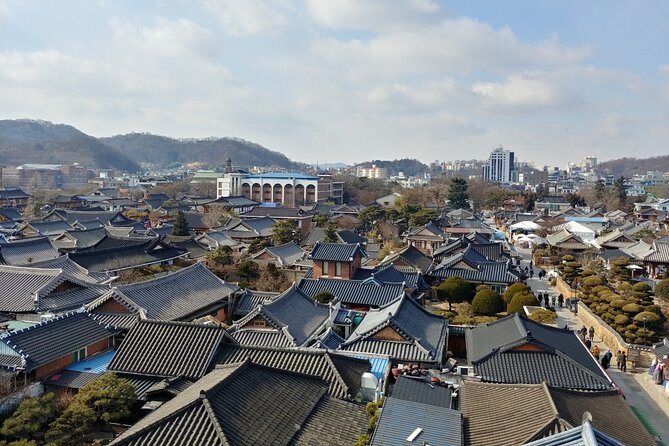
Jeonju’s appeal is its hanok village, where traditional Korean houses line pedestrian streets filled with food stalls and small shops. The village developed during the Japanese occupation period as a way to protect Korean society and identity. Today, it is also a popular place to try street food.
You get about an hour at the hanok village in the listed schedule, while the wider Jeonju visit is shown as three hours. Ask your guide how that time is divided. If food is a priority, you may want to protect enough time for eating rather than rushing from one lane to the next.
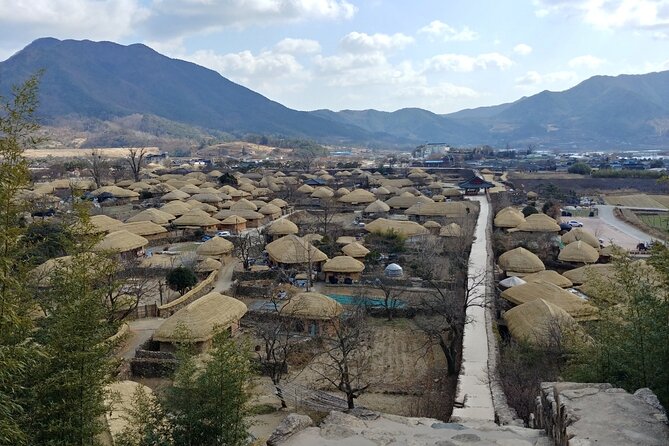
The day also includes Andong Hahoe Folk Village on the eastern route. Andong is presented as one of the most authentic cities in Korea, and Queen Elizabeth II visited in 1999 for a birthday celebration. The folk village stop lasts about 90 minutes and admission is included.
This creates one of the trip’s biggest planning questions. Gongju, Jeonju, and Andong are not a light combination for one day. If all three appear in your confirmed plan, expect a long day with limited free time. The sights are worthwhile, but the schedule favors coverage over a slow village walk.
Day two: Yeosu’s coast or Gyeongju’s ancient capital
Day two brings another split between west and east. On the western route, Yeosu provides ocean views and fresh seafood. You have about three hours in the city, followed by an hour at Odongdo.
Yeosu is a good fit if you want a coastal contrast to the inland historic towns. The city is known for views over the western and southern seas, as well as seafood. Since lunch is included, this is a natural place to ask your guide about a local meal.
Odongdo is a walking stop with a trail and camellia flowers. Admission is included, and the visit lasts about an hour. This is one of the few parts of the route built around a walk rather than a museum, fortress, or urban viewpoint. Bring comfortable shoes.
The eastern route spends the day in Gyeongju, the former capital of the Silla dynasty for about 1,000 years. The city itself is designated as a World Cultural Heritage site, so the attraction is spread across the city rather than confined to one building.
Daereungwon Tomb Complex is a memorable first stop. The large grounds contain royal tombs from the Silla period, and the visit lasts about 40 minutes with admission included. The rounded tomb mounds are easy to recognize, but their scale and number make the site more striking than a single burial monument.
Gyeongju National Museum takes about an hour and admission is free. It is the national museum for Silla history, with objects spanning 1,000 years. I would pay close attention here, because the museum gives meaning to the tombs and other remains you see around town.
The schedule also allows about three hours in Gyeongju itself. That sounds generous, but it may include transfers between the main sights. If you want time for photos, food, and a quiet walk, tell the guide early in the day.
The final eastern stop is Haedong Yonggungsa, a temple beside the East Sea. You get about 50 minutes, and admission is free. Its setting by the water is the main draw, giving you a coastal temple view quite different from inland Gyeongju.
The eastern day has a clear rhythm: royal tombs, museum displays, an old capital, then a sea-facing temple. It is one of the strongest sections for first-time visitors who want history without giving up scenery.
Day three: Mokpo, Busan, and the long return
The western plan begins in Mokpo, at the western end of Korea. You spend about two hours there, with time for local food, city views, and coastal scenery. The description leaves the exact sights open, so this is a good moment to ask your guide what will be included on your date.
The eastern plan heads toward Busan and the surrounding coast. APEC Naru Park marks the site of the 2005 APEC meeting and is known for its scenic setting. The visit lasts about an hour and admission is free.
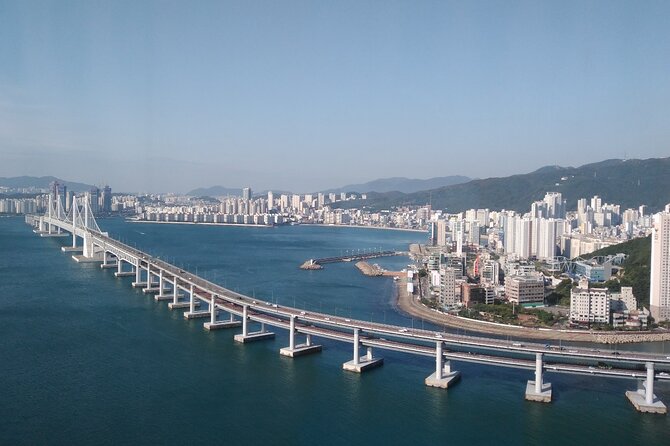
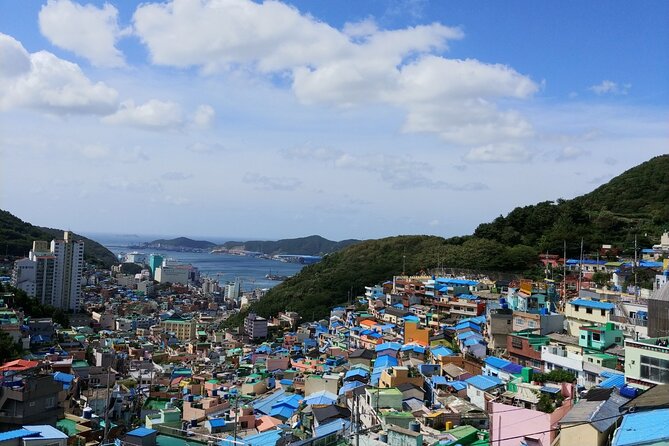
Busan’s Gamcheon Culture Village is a short stop of about 40 minutes. The village was created to house refugees from across Korea and later became known for its distinctive culture and setting. The limited time is the main issue here. Hillside lanes are best enjoyed slowly, but 40 minutes gives you a taste rather than a full visit.
One practical point deserves attention: the eastern schedule can make the final day feel like a transfer day, particularly if the vehicle must cover a long return to Busan. A four-star assessment of the experience specifically noted the hectic pace and suggested that a six-day version would allow more breathing room, with the last day otherwise heavily occupied by travel.
That is useful advice. If you have only three days, you will see more with this tour than by trying to arrange the same route alone. If you have six or more days, splitting the west and east sides would let you spend longer in Jeonju, Gyeongju, Yeosu, Andong, and Busan.
Same base, a different kind of day out:
- Best DMZ Tour Korea from Seoul (Red Suspension Bridge Optional)
★ 5.0 · 41,422 reviews - DMZ Tour: 3rd Tunnel, Option(Suspension Bridge, Boat) from Seoul
★ 5.0 · 21,373 reviews - DMZ tour south Korea from Seoul (NK experience hall, defector)
★ 5.0 · 20,599 reviews - Seoul: DMZ Tour with Optional Suspension Bridge
★ 4.8 · 5,277 reviews
What the $800 price includes, and what it does not
The price is $800 per person. Included are fuel surcharges, parking fees, admission, and three lunches. A private vehicle and guide are also central to the experience, even though the price details should be confirmed for your group when booking.
Accommodation is not included. You need to budget for your night in Jeonju and any other overnight stays required by the final route. Drinks, extra meals, and personal purchases are also not listed as included.
The value is strongest for a small group that would otherwise need to coordinate long-distance transport, parking, admissions, and meals across several cities. A private driver also saves you from handling unfamiliar roads and makes it possible to connect places that are hard to combine by public transport.
For a solo visitor, $800 is a substantial outlay. For a group sharing a private vehicle, the convenience may make more sense, especially if you want a guide who can explain the sites and point you toward local food. Ask for the exact vehicle, route, accommodation plan, and group pricing before booking.
Pace, comfort, and the role of your guide
A private tour does not automatically mean a relaxed tour. This route covers a lot of ground, and the combined west and east version can be hectic. You should expect early starts or long drives, though exact departure times are not provided.
The vehicle has been described as luxurious and comfortable, and the drivers are praised for promptness and a helpful manner. Those details matter on a road trip of this length. A comfortable vehicle will not shorten the distances, but it makes long transfers easier.
The guide can make or break the historical stops. Jun is associated with clear explanations of the places visited. George is noted for customizing the journey, finding local food, and fitting many cities into three days. Johnny is described as prompt, cheerful, and eager to make the trip work well.
Ask your guide at the start of each day what is fixed and what can move. If you care more about food than museums, or more about photography than shopping, say so early. The private format gives you a better chance of shaping the day than a large coach tour would.
Who should book this experience
I would choose this tour if you want a broad look at Korea outside Seoul and have limited time. It suits couples, families, and small groups who prefer a private vehicle, want meals arranged, and do not want to solve every transport connection themselves.
It is also a good match if your interests are mixed. You can see ancient capitals, royal tombs, museums, traditional houses, seafood cities, temples, walking trails, and Busan’s unusual hillside streets in one trip.
I would be more cautious if you dislike long drives or need unhurried visits. The combined route is not designed for slow travel. It is a sampler, and some stops will feel brief.
For the best experience, choose only the west or east route if possible. Choose the combined option when variety matters more than depth and your schedule is tight.
FAQ
How long is the tour?
The tour lasts approximately three days.
Where does the tour take place?
The tour is based in Seoul, South Korea, and visits destinations on the western and eastern sides of the country.
Can I choose a western or eastern course?
Yes. You can choose a west course, an east course, or combine both.
Is this a private tour?
Yes. Only your group participates in the activity.
Is hotel accommodation included?
No. Accommodation is not included in the price.
Are meals included?
Three lunches are included, one for each day.
Are admission fees included?
Yes. Admission is included where specified, including Gongsanseong Fortress, King Muryeong’s tomb, Andong Hahoe Folk Village, Odongdo, and Daereungwon Tomb Complex.
Is pickup available?
Yes. Pickup is offered.
Can most people participate?
Yes. The activity information states that most travelers can participate and that it is near public transportation.
Can I cancel for a full refund?
Yes, if you cancel at least 24 hours before the experience start time. Cancellations made less than 24 hours in advance are not refunded. If poor weather causes the tour to be canceled, you are offered another date or a full refund.
Should you book it?
Book this tour if your priority is seeing a wide slice of Korea in three days with a private driver and guide. The strongest reasons are the Baekje sites in Gongju, Jeonju’s traditional food and houses, Gyeongju’s Silla monuments, and the chance to reach coastal and Busan sights without managing the route yourself.
Before booking, confirm whether your plan covers only the west, only the east, or both. Also confirm the overnight arrangements, since accommodation is separate. If you accept a busy schedule and want breadth, this is a useful and well-supported way to reach Korea’s historic cities and coast. If you want slow mornings and long museum visits, give yourself more than three days.
Just added in Seoul
- Your Personal Seoul Photographer!★ 4.1 · 15 reviews
- You’re Invited to Our Home in Seoul: The Only Cooking Class!★ 5.0 · 8 reviews
- From Seoul: Yongpyong Ski Day Tour with Transportation★ 4.9 · 40 reviews
- Seoul: Korean & English Language Exchange Global Party★ 5.0 · 28 reviews
- From Seoul: Hwacheon Ice Fishing and Lighting Festival Tour★ 4.5 · 4 reviews
- Unique Native Experience : Han River Picnic, Board game, BBQ★ 5.0 · 3 reviews
- Seoul: Gangneung BTS K-Pop & K-Drama Filming Locations Tour★ 4.6 · 14 reviews
- K-Pop Making Class with a Producer!★ 5.0 · 3 reviews
Tours in Seoul, compared.
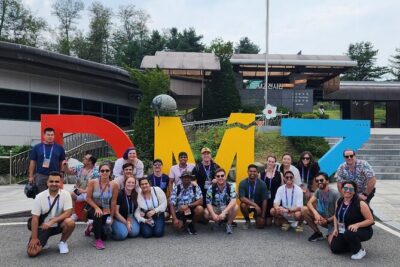
Best DMZ Tour Korea from Seoul (Red Suspension Bridge Optional)
Read our review →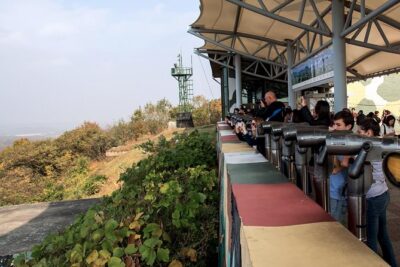
DMZ Tour: 3rd Tunnel, Option(Suspension Bridge, Boat) from Seoul
Read our review →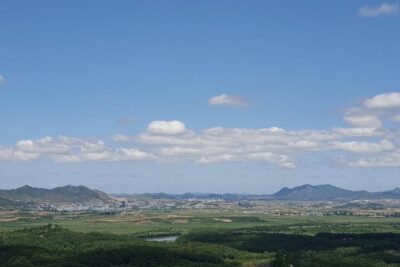
DMZ tour south Korea from Seoul (NK experience hall, defector)
Read our review →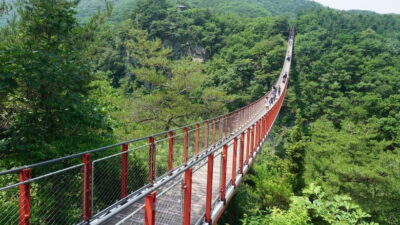
Signature DMZ Tour: Exclusive Defector Talk & Suspension Bridge
Read our review →
Thrilling Korean DMZ 3rd Tunnel Tour from Seoul + Red Bridge Rush
Read our review →
DMZ Past and Present: Korean Demilitarized Zone Tour from Seoul
Read our review →
Ultimate Korea DMZ Tour from Seoul (Gondola & Suspension Bridge)
Read our review →Browse the lists this tour appears in