
Reviewed · UNESCO WORLD HERITAGE TOURS
From Seoul: 5-Day Tour of Korea with UNESCO Sites
Korea’s finest historic stops are spread far beyond Seoul, and this five-day route connects them in one ambitious sweep. You’ll see royal tombs, old fortresses, Buddhist temples, a preserved Joseon village, seafood markets, and mountain scenery without arranging several separate trips.
I like the mix of UNESCO cultural sites and everyday Korea, especially the contrast between Andong Hahoe Village and Busan’s Jagalchi Fish Market. I also like that the price includes four hotel nights, breakfasts, transport, a guide, and selected admission fees. The tradeoff is time: this is a fast route, and some stops may feel short.
Key points at a glance
- Gongju’s royal tomb and fortress: Begin with two UNESCO-listed sites tied to the Baekje period.
- Jeonju Hanok Village: Stay close to one of Korea’s best-known traditional neighborhoods.
- Gwangju and Yeosu: Visit the May 18th National Cemetery and follow a historic path linked to Admiral Yi Sun-sin.
- Busan in one afternoon: See Jagalchi Fish Market, Haeundae Beach, and Dongbaek Park.
- Gyeongju and Andong: Visit Bulguksa Temple, Seokguram Grotto, and a preserved Joseon-era village.
- Mt. Seorak: Finish with mountain valleys, a possible cable-car ride, and a return to Seoul around 5 p.m.
What $999 buys you over five days
At $999 per person, this tour is best understood as a transport-and-sightseeing package rather than a leisurely private holiday. The fee covers four nights in twin or triple rooms, hotel breakfasts, an English-speaking guide, selected entry tickets, and air-conditioned transportation.
That bundle matters in Korea. The route covers a large part of the country, from the central west to the southern coast, then north toward Pyeongchang and Mt. Seorak. Organizing all those transfers alone would take time, and the tour removes much of that work.
Lunch and dinner are not included, so you need spending money for meals. You should also prepare enough Korean won before departure. Currency exchange may be difficult during the trip, and the schedule leaves little room for hunting down an exchange counter.
Hotels include the Jeonju Ramada, Ramada Plaza by Wyndham Yeosu, Gyeongju Commodore, and Ramada Hotel PyeongChang, or similar properties. One useful warning: room views may vary. A lower room category can face a road or parking area, so ask about the room arrangement if that detail matters to you.
Other listed sites within reach of Seoul:
- Day Trip to UNESCO: Suwon Fortress Adventure from Seoul
★ 5.0 · 56 reviews - DMZ Tour, 2nd Tunnel & UNESCO Suspension Bridge Tour from Seoul
★ 5.0 · 48 reviews - Seoul: Ganghwa Island UNESCO World Heritage Private Tour
★ 5.0 · 8 reviews
Day one: Baekje treasures in Gongju and old Korea in Jeonju
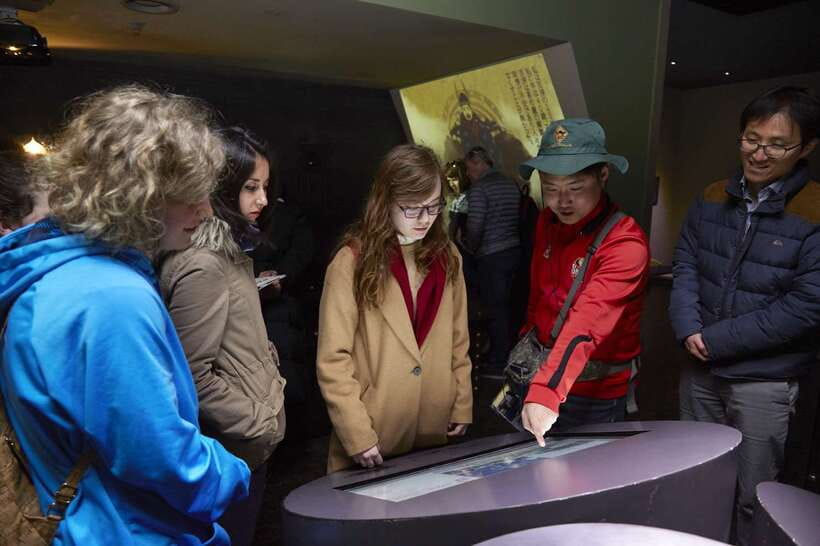
Meet at the Donghwa Duty Free Shop Building by Gwanghwamun Intersection. The nearest subway access is Exit 6 of Gwanghwamun Station. Look for the K-shuttle sign board, and do not confuse this with hotel pickup, which is not provided.
The first major stop is the Tomb of King Muryeong in Gongju. This royal burial site belongs to the Baekje Historic Areas, a UNESCO World Heritage listing. It offers an early lesson in Korea’s layered past, before the tour turns to Gongsanseong Fortress.
Gongsanseong is a hilltop fortress with broad views over the surrounding area. You’ll walk through defensive walls and historic grounds, so comfortable shoes are important. The two Gongju stops work well together: one shows royal burial customs, while the other shows how a capital was protected.
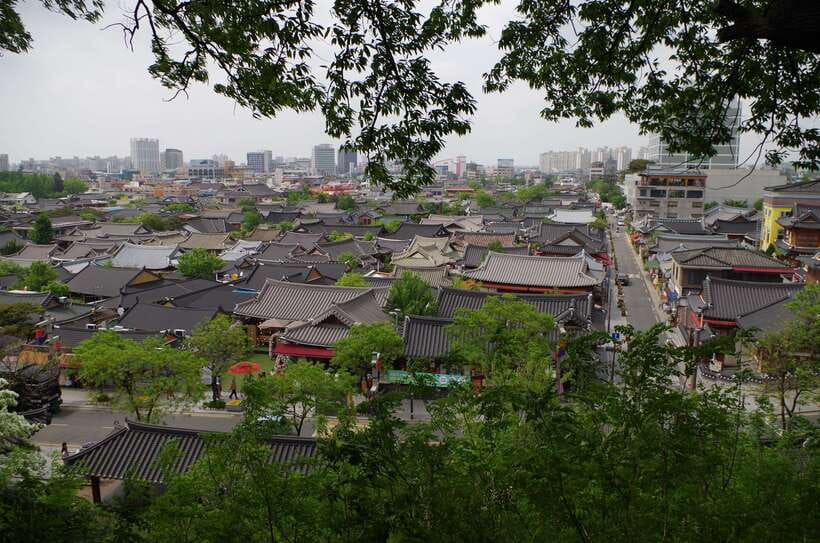
After Gongju, the coach continues to Jeonju. Your hotel is close to Jeonju Hanok Village, which is a real advantage. You can use your free time to walk among traditional Korean houses rather than spending extra time getting across town.
The pace is already brisk. You’ll cover two major sites and a long transfer on the first day, so treat Jeonju as a pleasant evening base, not as a full guided exploration of the city.
Day two: Gwangju’s memory and Yeosu’s naval past
The second morning begins with a transfer to Gwangju, a city closely tied to Korea’s modern democratic movement. The May 18th National Cemetery is a serious, reflective stop. It gives the itinerary political and human weight, rather than presenting Korea only through palaces, temples, and scenic views.
This visit may not suit anyone seeking a light sightseeing day, but it is valuable context. You’ll see how recent national events still shape public memory and civic identity.
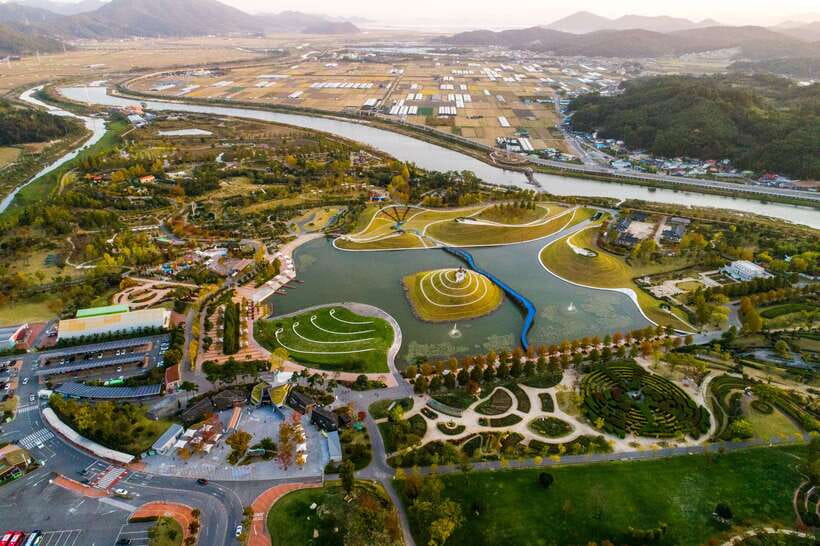
The route then continues to Suncheon Bay Garden. This is one of the more scenic stops, but it comes with an important scheduling risk. The garden can close on its monthly day off, and that closure may not always be obvious before departure. Check the operating date when you book, especially if this garden is high on your list.
From Suncheon, you continue to Yeosu. The city’s coastal setting adds a change of mood after the cemetery and garden. The historic path connected with Admiral Yi Sun-sin recalls the naval defense of Korea during the Japanese invasion of 1592.
You’ll spend the night at the Ramada Plaza by Wyndham Yeosu or a similar hotel. The day combines modern political history, public gardens, and naval memory, but the sequence also means limited free time. If you prefer lingering over a single place, this schedule may feel too tight.
Day three: Jinju, Busan seafood, and a night in Gyeongju
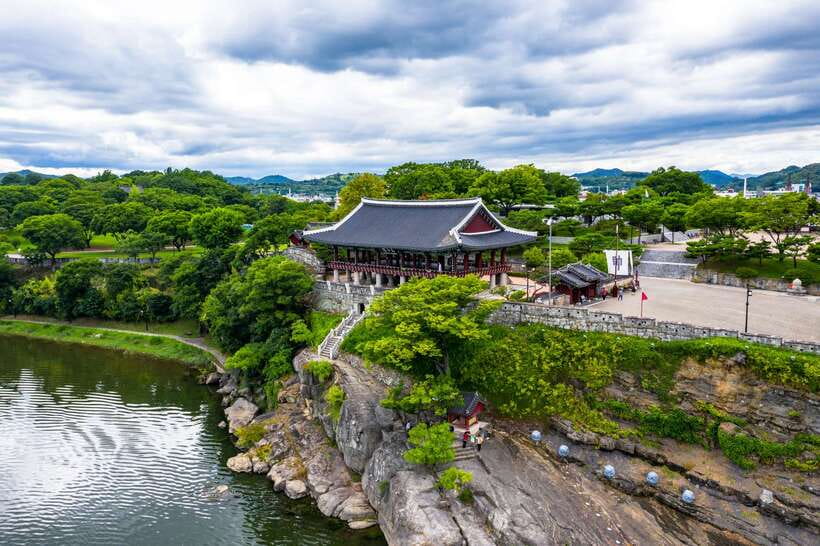
The morning stop is Jinjuseong Fortress, including the Chokseoknu pavilion. The fortress is linked to the Japanese invasion of 1592, a period that appears again in the Yeosu portion of the tour. Seeing both locations helps connect separate regional stories into one national picture.
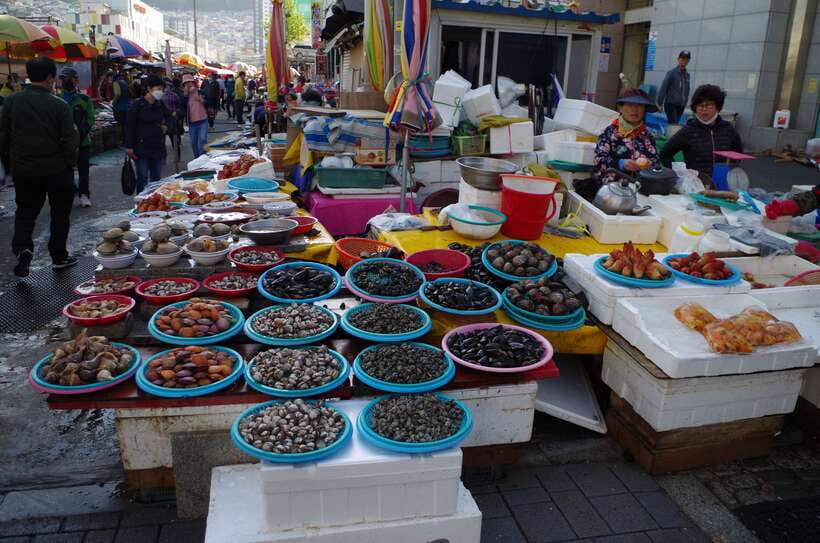
The route then turns toward Busan. Jagalchi Fish Market is a practical choice for a short visit because it shows the city through food and trade, not only through famous viewpoints. Lunch is not included, so this is a natural place to buy or order a meal, though the exact dining arrangement is not specified.
You’ll also visit Haeundae Beach and Dongbaek Park. Haeundae gives you Busan’s open coastal side, while Dongbaek Park offers a greener walk and sea views. Together, they make a useful contrast with the market’s commercial energy.
Do not expect a full Busan city tour in this time. The itinerary gives you three recognizable experiences, then moves on to Gyeongju for the night. That is enough for a first look, but not enough for every neighborhood or attraction.
The evening hotel is the Gyeongju Commodore or a similar property. This overnight stop is well placed for the next day’s temple and grotto visits. I would save your energy here, since day four includes some of the tour’s most important cultural sites.
Same base, a different kind of day out:
- Best DMZ Tour Korea from Seoul (Red Suspension Bridge Optional)
★ 5.0 · 41,422 reviews - DMZ Tour: 3rd Tunnel, Option(Suspension Bridge, Boat) from Seoul
★ 5.0 · 21,373 reviews - DMZ tour south Korea from Seoul (NK experience hall, defector)
★ 5.0 · 20,599 reviews - Seoul: DMZ Tour with Optional Suspension Bridge
★ 4.8 · 5,277 reviews
Day four: Buddhist art, Bulguksa, and Andong Hahoe
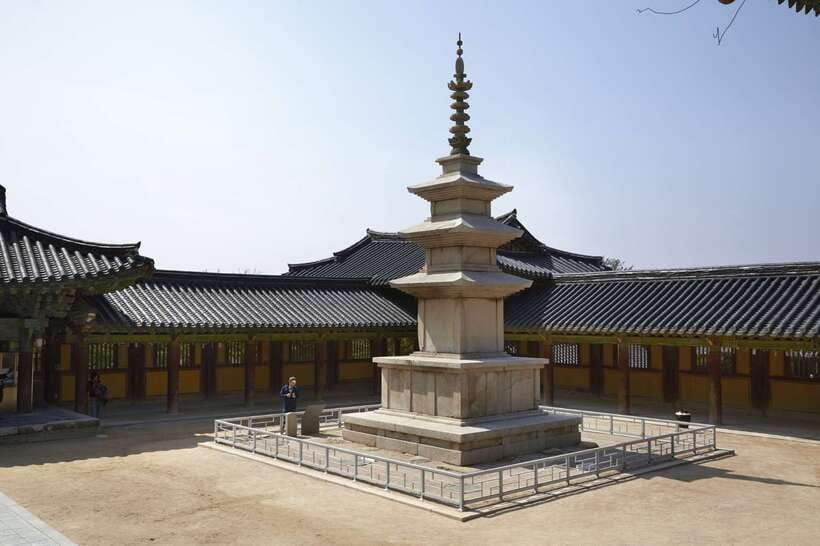
The morning begins at Seokguram Grotto, a UNESCO World Heritage site associated with Buddhist art and architecture. The grotto is known for its carved Buddha, and the setting in the mountains makes the visit feel distinct from the larger temple complexes.
Next comes Bulguksa Temple, also UNESCO-listed. Its courtyards, stone structures, and religious setting give you a fuller sense of Silla-era Korea. These two stops are the cultural heart of the Gyeongju section, though the schedule may not leave room for an unhurried study of every detail.
The coach then heads to Andong Hahoe Folk Village. This is a living historic settlement, not simply a collection of relocated buildings. Its preserved Joseon-era houses and village form show how traditional Korean architecture worked as part of daily life.
The village is also known for a visit by Queen Elizabeth II, a detail that helps explain its international profile. Still, the best reason to visit is the architecture and the sense of a community shaped over generations.
After Andong, the route continues to Pyeongchang for the night. This is a long day with several major stops, and it is the clearest example of the tour’s strength and weakness. You see places that would be difficult to combine independently, but you give up spare time at each one.
The hotel is the Ramada Hotel PyeongChang or a similar property. Evening leisure time is available after check-in, though the amount will depend on the day’s traffic and site timings.
Day five: Mt. Seorak and the final return to Seoul
The last morning heads to Mt. Seorak National Park, described as a UNESCO Biosphere Preservation District. The scenery is the tour’s strongest natural counterpoint to its temples and historic towns, with mountain peaks and clear water running through the valleys.
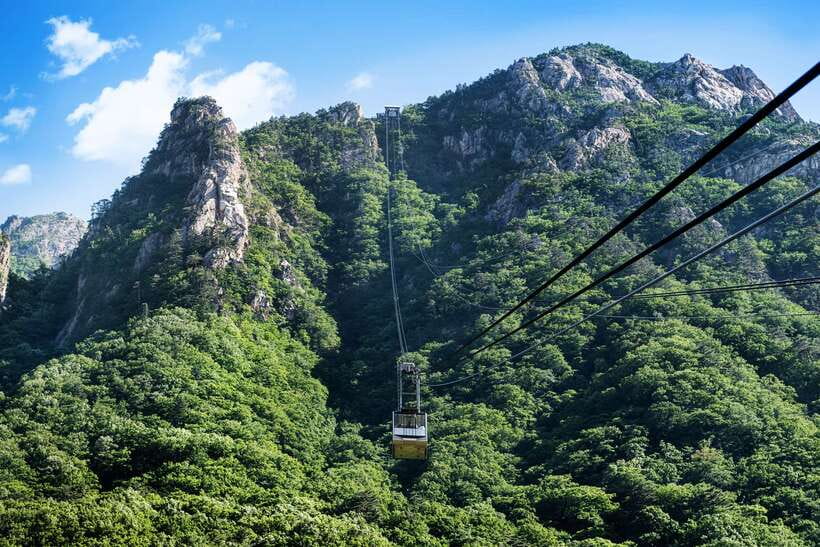
A cable car to Gwongeumseong Fortress is optional. If operating and available, it can provide a higher view without requiring the same amount of uphill walking. The itinerary also notes Shinheungsa Temple as an alternative focus, so ask the guide how the options fit the day’s conditions.
October needs special attention. Bus access into the park may be restricted, and you may have to walk 3.6 kilometers from the parking area to the entrance. The visit can also be skipped in October, so do not book this tour assuming the national park portion is guaranteed.
The tour returns to Gwanghwamun at about 5 p.m. That planned arrival is useful if you have a later Seoul commitment, but allow extra flexibility for traffic and weather. The day includes a substantial transfer, so Mt. Seorak is best viewed as a final scenic chapter rather than a full mountain excursion.
How the pace feels on the road
This is a point-to-point coach tour with a changing vehicle size based on the number of people booked. You’ll spend plenty of time on the road, but air conditioning and a guide make the long transfers easier than arranging them alone.
The route is carefully packed. In five days, you reach Gongju, Jeonju, Gwangju, Suncheon, Yeosu, Jinju, Busan, Gyeongju, Andong, Pyeongchang, and Mt. Seorak. That is a remarkable amount of ground, but the cost is measured in free time.
The strongest guide feedback names Justin and Mr. Kim. Their role matters here because the tour crosses several regions and historical periods. Good timing, clear meeting instructions, and help with transitions can make the difference between a smooth day and a stressful one.
You should bring comfortable walking shoes. Fortresses, temple grounds, village lanes, parks, and the national park all involve time on foot. A small day bag is also practical, since you will regularly leave the coach for site visits.
Who will get the most from this tour
I would choose this trip if you want a broad first look at Korea beyond Seoul and do not want to manage intercity transport. It suits you if UNESCO sites, national history, traditional architecture, coastal scenery, and local food markets all appeal to you.
It also works well for a first visit when your time is limited. You’ll see a wide range of places in five days, and the hotels and breakfasts simplify the routine.
I would hesitate if your priority is slow travel. You may want more time in Jeonju Hanok Village, Busan, Gyeongju, or Suncheon than this schedule allows. One extra day would make the program more relaxed, especially for people who prefer longer walks, independent meals, or detailed museum visits.
The emotional tone also changes sharply. The May 18th National Cemetery is solemn, while Jagalchi is food-focused and Mt. Seorak is scenic. That variety is a strength, but you should be comfortable moving between serious memorial sites and lighter sightseeing.
Practical details before you book
Cancellation is free up to three days in advance for a full refund. The tour is offered with English and Korean language support, and the English-speaking guide accompanies the group.
Seoul hotel pickup and drop-off are not included. You must reach the Gwanghwamun meeting point yourself and return there at the end.
Breakfast is included each morning, but lunch and dinner are your responsibility. Bring enough Korean won for food and other personal spending, since exchanging money during the route may be difficult.
Room sharing is twin or triple occupancy. If you care about a particular view or room category, ask before departure. Some rooms may face a road or parking area.
Should you book this five-day Korea tour?
Book it if you want maximum coverage with minimum planning. For $999, the combination of hotels, breakfasts, transport, guide service, and selected admissions gives you a practical way to reach distant UNESCO sites and major regional sights from Seoul.
Skip it if you want a slow, flexible holiday or if Mt. Seorak in October is essential to your plans. The route is fast, and some stops may be shortened by traffic, closures, or seasonal restrictions.
For most first-time visitors who value variety, this is a strong five-day introduction to Korea outside Seoul. Go in with realistic expectations: you are collecting a wide set of meaningful places, not settling into each one for hours.
FAQ
Where does the tour meet in Seoul?
Meet at the Donghwa Duty Free Shop Building at Gwanghwamun Intersection. The meeting point is near Exit 6 of Gwanghwamun Station, and the guide will hold a K-shuttle sign board.
Is hotel pickup included?
No. Hotel pickup and drop-off in Seoul are not included, so you need to reach the Gwanghwamun meeting point yourself.
Which meals are included?
Breakfast at the hotels is included. Lunch and dinner are not included.
What type of accommodation is provided?
The package includes four hotel nights in twin or triple sharing rooms. Listed examples include Jeonju Ramada, Ramada Plaza by Wyndham Yeosu, Gyeongju Commodore, and Ramada Hotel PyeongChang, or similar hotels.
Is the tour available in English?
Yes. The tour provides an English-speaking guide, and the listed languages are English and Korean.
Can I visit Mt. Seorak in October?
Mt. Seorak may be skipped in October. Bus access can be restricted, and you may need to walk 3.6 kilometers from the parking lot to the entrance.
What should I bring?
Bring comfortable shoes. You should also prepare enough Korean won before departure because currency exchange may be difficult during the trip.
Just added in Seoul
- Suwon: Baseball Game with Fortress and Local Food Tour★ 5.0 · 3 reviews
- Seoul: War Memorial of Korea Private Guided Museum Tour★ 4.9 · 29 reviews
- Seoul: Wine & Korean BBQ, Perfect Pairing Dinner in Sinchon★ 5.0 · 6 reviews
- Seoul : Your Personal Photographer in Gyeongbokung★ 5.0 · 7 reviews
- Seoul : Efoil Experience in Han River★ 5.0 · 5 reviews
- Seoul: Vivaldi Park Winter Ski with Eobi Ice Valley Day Tour★ 4.6 · 16 reviews
- Seoul: Vivaldi Park Winter Ski with Nami Island Day Tour★ 5.0 · 4 reviews
- Seoul: SnowyLand in Vivaldi Park with Nami or Alpaca★ 4.8 · 11 reviews
UNESCO World Heritage Tours, compared.
Gyeongju UNESCO World Heritage Guided Day Tour
Read our review →
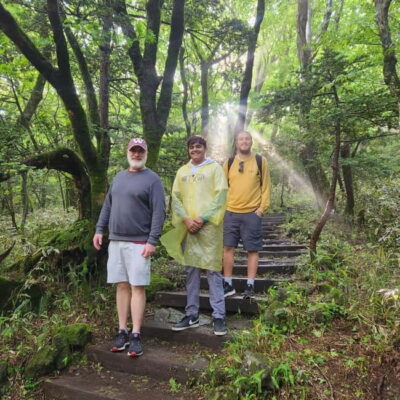
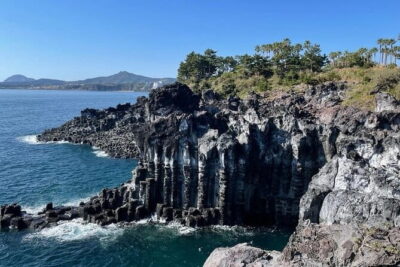
Jeju Southern UNESCO Full Day Tour with Mt.Halla
Read our review →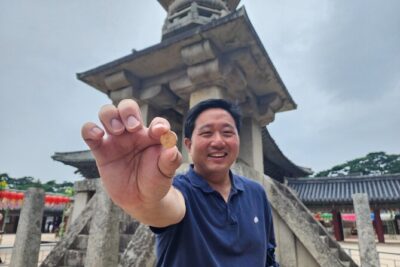
Private Gyeongju Tour – Explore Gyeongju UNESCO Sites
Read our review →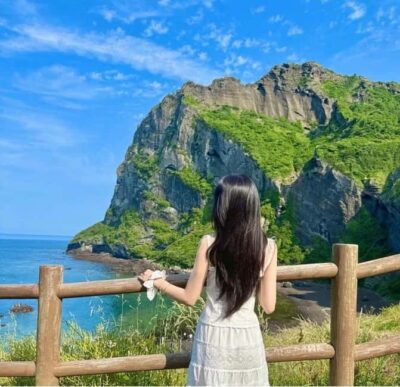
Jeju island Southern UNESCO Day Tour With Hallasan MT
Read our review →
Gyeongju UNESCO Legacy Tour with National Museum
Read our review →Browse the lists this tour appears in