Reviewed · TOURS IN SEOUL
Ganghwa Island – Full day private tour
Ganghwa Island puts Korea’s border history, rural life, and old religious sites into one long day. At the Peace Observatory, binoculars point across a narrow stretch of water toward North Korea, while nearby forts recall battles with France and the United States.
I like the private minivan, which saves you from piecing together island transport, and I like the way the day mixes fortresses, temples, markets, and farmland rather than repeating the same sort of sight. The guides, including Mr. Lee and Miae, are also a major part of the experience, especially if you want history explained in clear terms.
The main drawback is cost: at $220 per person, with at least two people required, this is a serious outlay. Lunch is not included, the luge ride costs extra, and some walking is involved, so you should want a full history day rather than a light sightseeing outing.
Key points to know before booking
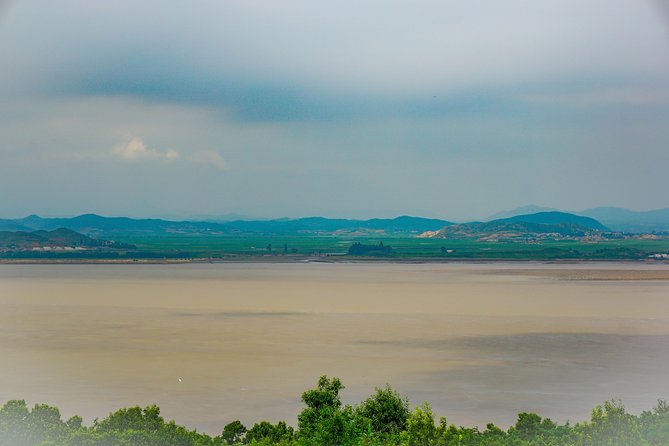
- North Korea is only about 2 km away at the Ganghwa Peace Observatory, with binoculars available for viewing.
- Gwangseongbo Fortress and Jeondeungsa Temple connect the island to battles with the United States and France.
- Hotel pickup and drop-off in Seoul make the long island day much easier to manage.
- Your guide and vehicle are private, so the pace and conversation belong to your group.
- The Ganghwa seaside resort is optional, and the luge ride is not included in the price.
- Lunch is your responsibility, so plan to ask your guide about a suitable stop.
Why Ganghwa Island makes a worthwhile day out from Seoul
Seoul can fill several days with palaces, shopping streets, museums, and cafés. Ganghwa Island gives you a different view of South Korea: fields, old defensive sites, a local market, and a border outlook where the distance between two countries feels startlingly small.
The island’s location explains much of its importance. It served as an entry point toward Seoul, so foreign forces and Christian missionaries reached it before many other parts of the country. The forts also show that Ganghwa was not simply a quiet rural corner. It was a defensive position tied to conflicts involving Joseon Korea, France, and the United States.
That mix gives the tour more substance than a simple countryside drive. You are not just looking at old walls or temple roofs. You are seeing why this island mattered, then moving on to places that show how people live and worship there today.
The private format is especially useful here. Ganghwa Island has several scattered sights, and public transport would make a full circuit slower and less direct. With a driver-guide, you can spend your energy looking out the window and listening rather than working out the next connection.
A few more things to do in Seoul worth a look
- Full Day Tour In The Soop BTS Ver in PyeongChang Filming Location
★ 5.0 · 1,709 reviews - Seoul City Private Full-Day Tour Including Lunch
★ 5.0 · 469 reviews - Full-day Customizable Private Seoul Highlight Tour
★ 5.0 · 301 reviews
Gwangseongbo Fortress and the 1871 American battle
Your first major stop is Gwangseongbo Fortress, where you spend about 30 minutes. The site was a battlefield during the 1871 conflict with the United States, a detail that gives the stone defenses more weight than a quick photo stop would.
This is also where the guide can explain Ganghwa’s role during the Joseon dynasty. The island’s defenses were tied to the protection of the route toward Seoul, and its position made it a natural place to resist outside forces.
Thirty minutes is enough for an introduction, but not enough for a long, unhurried walk through every corner. If you enjoy military history, use this time well by asking how the fortress fit into the wider defense system and what happened during the American attack.
The stop is included, so there is no extra admission charge to consider. You should still expect some walking and uneven ground around a historic fortress. A moderate level of fitness is advised for the day as a whole.
Jeondeungsa Temple inside Samrangseong Fortress
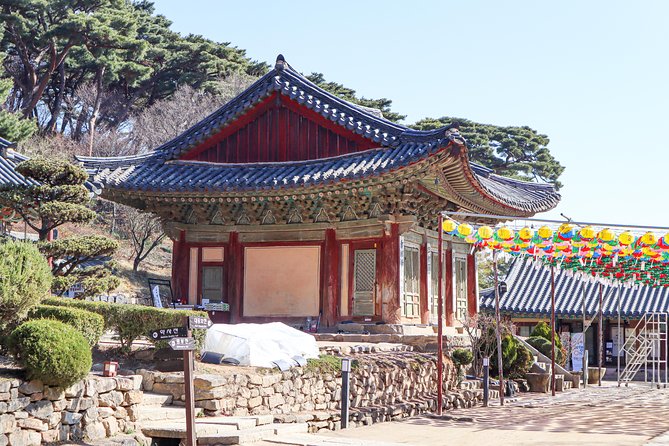
Jeondeungsa Temple gives the day a welcome change of mood. The visit lasts about 40 minutes and takes you into a Buddhist setting within Samrangseong Fortress, another place connected to conflict, including the 1866 battle with France.
I like this stop because it joins religion and defense in one setting. You see Korean Buddhist culture, but you also learn that the surrounding fortress was part of the island’s military story. The temple is more than a decorative pause between forts.
Forty minutes should let you see the main areas and hear an explanation of the temple’s place in Korean Buddhism. It is not enough for a slow retreat-style visit, so set your expectations accordingly. This is a guided introduction, not a full afternoon of quiet temple time.
The stop also helps break up the historical material. After hearing about foreign conflicts at Gwangseongbo, you get a more cultural view of Korea, with the guide connecting architecture and religious practice to the island’s past.
Ganghwa Seaside Resort and the optional luge ride
The Ganghwa seaside resort is scheduled for about 50 minutes, but this stop is optional. Its main extra attraction is a luge ride down the hill, and the ride is not included in the tour price.
This is the most flexible part of the day. If you want a playful break from forts and historical explanations, the luge may suit you. If you would rather spend more time at cultural sites or avoid another paid activity, you can ask about skipping it.
The supplied details do not give the luge price, so you should treat it as an additional expense rather than assume it is covered. It also changes the feel of the day. A group interested in local history may find the resort less essential, while families or anyone wanting an active break may enjoy the change.
Because the tour is private, this optional stop should be easier to handle than it would be in a large group. You can discuss your interests with the guide instead of being required to follow a fixed group schedule.
Same base, a different kind of day out:
- Best DMZ Tour Korea from Seoul (Red Suspension Bridge Optional)
★ 5.0 · 41,422 reviews - DMZ Tour: 3rd Tunnel, Option(Suspension Bridge, Boat) from Seoul
★ 5.0 · 21,373 reviews - DMZ tour south Korea from Seoul (NK experience hall, defector)
★ 5.0 · 20,599 reviews - Seoul: DMZ Tour with Optional Suspension Bridge
★ 4.8 · 5,277 reviews
Ganghwa Pungmul Market and island food
The Ganghwa Pungmul Market offers about 30 minutes to see the island’s local products. This is one of the better stops for understanding daily life, since the market shows what the island produces and sells beyond Seoul’s polished shopping districts.
You should not expect a long food tour in half an hour. Think of it as a quick look around, with time to browse and ask about special Ganghwa products. The market is free to enter, but anything you buy is your own expense.
Food can become an important part of this day. Lunch is not included, and one tour experience included fish barbecue, food, and coffee. Those details suggest that your guide may help you find a meal, but the tour information does not promise a specific restaurant or menu.
Ask early about lunch. That simple question can make the middle of the day more comfortable, especially if you prefer a proper meal rather than a quick snack. Since the tour runs for about eight hours, you should not assume food is automatically built into the schedule.
Looking across the border at the Peace Observatory
The Peace Observatory is the day’s most unusual stop. You spend about 40 minutes here, looking through binoculars toward North Korea. The country is described as only about 2 km from the island, which makes the border feel close in a way that photographs rarely convey.
The point is not simply to say that you saw North Korea. The binoculars let you look toward ordinary life on the other side and consider how close the communities are geographically, despite the political divide.
Your guide can add context to what you are seeing, which matters here. Without explanation, the view may be difficult to interpret. With a guide, the stop becomes a lesson in the Korean peninsula’s division, not just a lookout with a dramatic label.
Keep expectations realistic. This is a border observation, not a promise of a clear, detailed view of every building or person. Weather and visibility will affect what you can see. Still, the combination of distance, history, and the quiet setting makes this one of the tour’s strongest moments.
If your main reason for booking is the chance to look toward North Korea, check the schedule carefully and listen to your guide’s explanation. The observatory is a meaningful part of the day, but it is one stop within a wider tour of Ganghwa.
Yeonmijeong Pavilion and the island views
Yeonmijeong Pavilion takes about 30 minutes and offers another view toward the island and North Korea. After the formal observatory, this stop provides a different way to understand the geography.
I like the pairing. At the Peace Observatory, the binoculars focus your attention across the border. At Yeonmijeong Pavilion, the broader view helps you see the island’s position and its surrounding water. The two stops reinforce the same idea without being identical.
This is a short stop, so you will not have unlimited time for wandering. Use it for the view, photographs, and a final question or two about the island’s location. The stop is free, which also helps keep the day’s included sightseeing from becoming a string of added charges.
The pavilion adds a calmer pause late in the tour. By then, you will have covered military history, religion, food, and modern division. A scenic overlook is a sensible way to let those themes settle before the final cultural stop.
Ganghwa Anglican Cathedral and foreign influence
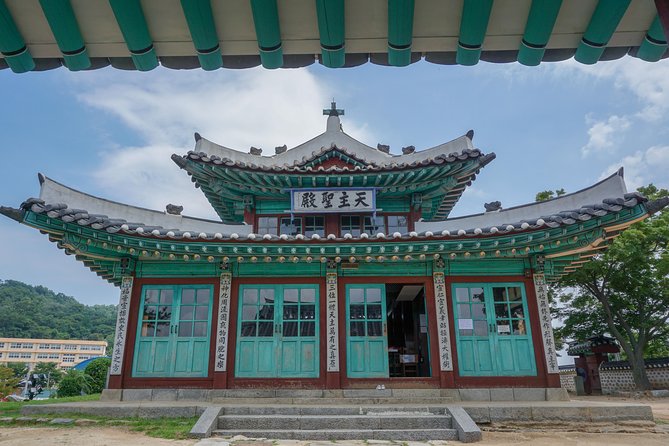
The Ganghwa Anglican Cathedral takes about 30 minutes and is free to visit. Its importance comes from Ganghwa’s role as an entry point toward Seoul and from the arrival of Westerners on the island.
The cathedral gives you another way to read the island’s past. The fortresses show resistance and defense. The temple shows Korean Buddhist tradition. The cathedral points to contact with Western religious and political forces.
Do not expect a long cathedral tour at this pace. The value lies in the explanation and the contrast with Jeondeungsa Temple. Seeing both religious sites in one day makes the island’s cultural changes easier to follow.
This final stop also keeps the tour from being only about the border. If your interest is limited to North Korea views, you may find some of the older sites less urgent. If you want a fuller picture of Ganghwa, the cathedral earns its place.
What the private format is really worth
The price is $220 per person, and the tour requires at least two people. For a couple, that means a starting total of $440 before lunch and any optional luge ride.
That is not a budget day trip. The value comes from having a private air-conditioned minivan, Seoul hotel pickup and drop-off, a driver-guide, bottled water, and the listed admission fees. You are also paying for a route that would be difficult to manage efficiently on your own in one day.
The price makes more sense if you value time and explanation. You do not need to navigate between distant sights, arrange a rental car, or work out how to reach the border observatory. A good guide can also put the battles and religious sites into context for someone who does not already know Korean history.
Guide quality matters greatly here. Mr. Lee is described as enthusiastic and full of facts, while Miae is remembered for being personable and for combining the fortress, temple, observatory, market, food, and coffee into a well-paced day. The strongest reason to choose this tour is not just the vehicle. It is the chance to have a guide make unfamiliar history understandable, particularly for visitors from outside Korea.
You should compare the price with your priorities. A solo visitor cannot book this tour alone under the stated minimum of two people. A couple or small family that wants comfort, flexibility, and a private conversation may find the cost reasonable. A larger group can benefit from the private setup and group discounts, though the exact discount is not specified.
Timing, walking, and practical details
The tour starts at 8:30 am and lasts about eight hours. Hotel pickup and drop-off are offered for hotels located in Seoul, and transport is by air-conditioned minivan.
The schedule includes seven stops, so this is an active day. Most individual visits last 30 to 50 minutes, with driving time between them. You should expect a steady rhythm rather than long periods at one site.
A moderate level of physical fitness is recommended. The information does not specify exact distances or terrain, but fortresses, temples, pavilions, and viewpoints commonly involve walking. Comfortable shoes will make the day easier, especially if the ground is uneven.
Bring patience for the long day and curiosity for the explanations. The tour works best when you ask questions. The private setting gives you a chance to ask about the 1871 American battle, the 1866 French conflict, Korean Buddhism, the border, or rural products without waiting for a large group to move on.
Free cancellation is available if you cancel at least 24 hours before the start time. Changes or cancellations made later are not accepted for a refund, so keep that deadline in mind when your Seoul plans are still shifting.
Who should book this Ganghwa day trip?
You should consider this tour if you want to get beyond central Seoul without giving up comfort. It suits couples, families, and small groups who prefer a private guide to a fixed large-group coach.
It is especially strong for people interested in Korean military history, the division of the peninsula, Buddhist culture, and rural life. The Peace Observatory is the headline attraction, but the day works because it surrounds that visit with places that explain why Ganghwa mattered.
You may want another option if you prefer a slow, single-site visit, dislike organized schedules, or are trying to keep costs low. The optional luge ride, market, and several short stops also mean the tour covers a lot of ground rather than lingering deeply at one place.
Should you book it?
Book this Ganghwa Island tour if you want a well-filled day with private transport, clear historical context, and a close look toward North Korea. The strongest parts are the Peace Observatory, the linked fortress history, and the guides who can connect the sights into one story.
Skip it if $220 per person feels too high for a day trip, or if you mainly want a quiet countryside outing with no fixed schedule. For the right budget and interests, Ganghwa offers a useful change from Seoul, with enough variety to make the eight-hour commitment worthwhile.
FAQ
How long is the Ganghwa Island private tour?
The tour lasts approximately eight hours.
What time does the tour start?
The scheduled start time is 8:30 am.
Is hotel pickup included?
Yes. Pickup and drop-off are included for hotels located in Seoul.
Is this a private tour?
Yes. Only your group participates, with a private vehicle and driver-guide.
Is lunch included?
No. Lunch is not included in the tour price.
Can I ride the luge at Ganghwa Seaside Resort?
The luge ride is available if you are interested, but the resort stop is optional and the admission cost is not included.
How close is North Korea from the Peace Observatory?
North Korea is described as approximately 2 km from Ganghwa Island at the Peace Observatory. Binoculars are available for viewing.
Just added in Seoul
- Your Personal Seoul Photographer!★ 4.1 · 15 reviews
- You’re Invited to Our Home in Seoul: The Only Cooking Class!★ 5.0 · 8 reviews
- From Seoul: Yongpyong Ski Day Tour with Transportation★ 4.9 · 40 reviews
- Seoul: Korean & English Language Exchange Global Party★ 5.0 · 28 reviews
- From Seoul: Hwacheon Ice Fishing and Lighting Festival Tour★ 4.5 · 4 reviews
- Unique Native Experience : Han River Picnic, Board game, BBQ★ 5.0 · 3 reviews
- Seoul: Gangneung BTS K-Pop & K-Drama Filming Locations Tour★ 4.6 · 14 reviews
- K-Pop Making Class with a Producer!★ 5.0 · 3 reviews
Tours in Seoul, compared.
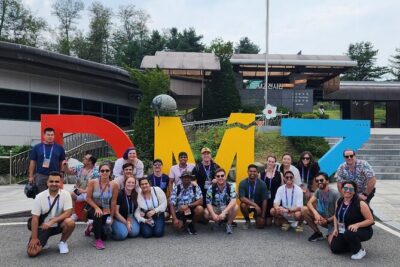
Best DMZ Tour Korea from Seoul (Red Suspension Bridge Optional)
Read our review →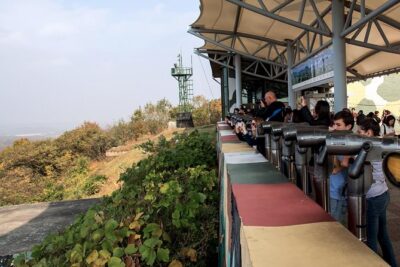
DMZ Tour: 3rd Tunnel, Option(Suspension Bridge, Boat) from Seoul
Read our review →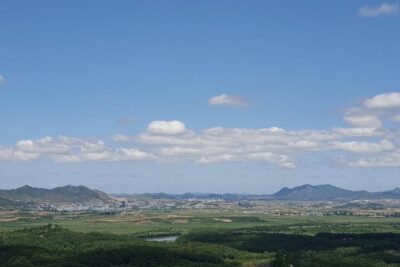
DMZ tour south Korea from Seoul (NK experience hall, defector)
Read our review →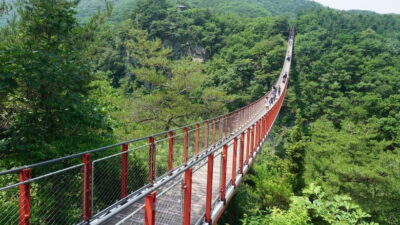
Signature DMZ Tour: Exclusive Defector Talk & Suspension Bridge
Read our review →
Thrilling Korean DMZ 3rd Tunnel Tour from Seoul + Red Bridge Rush
Read our review →
DMZ Past and Present: Korean Demilitarized Zone Tour from Seoul
Read our review →