
Reviewed · PRIVATE TAXI & CAR CHARTER TOURS
Guided Car Tour in Geyongju with a Local Guide
Gyeongju’s great advantage is that its historic sights are spread across the city and surrounding hills. This four-hour private car tour links the major places without making you piece together buses, taxis, and timing on your own. The electric car is air-conditioned, quiet, and especially useful for reaching Bulguksa and Seokguram.
I like the small group, limited to three people, and the guide’s local connection. Guides such as Sang Jong and Mr. Lee are not simply drivers. They share Silla-era facts, personal stories, food tips, photo help, and sometimes a useful list of places to visit after the tour.
The main consideration is communication. The guide may not speak English, so conversation and explanations often rely on Google Translate or Papago. It works better than you might expect, but a walking tour with long spoken explanations this is not.
Key points to know before booking
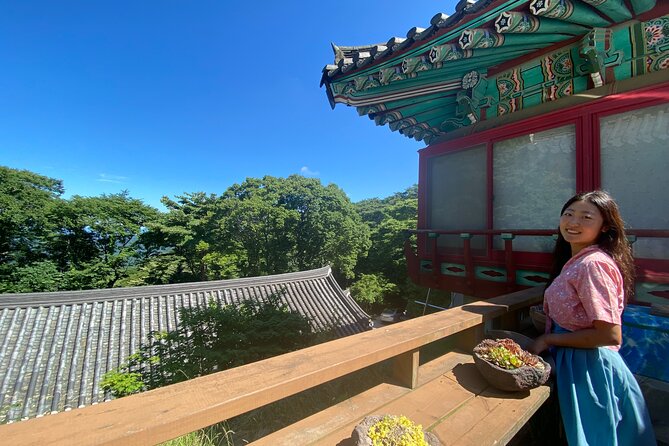
- A compact route through five major sights: You visit Bulguksa Temple, Seokguram, Bomun Lake, Woljeonggyo Bridge, and Gyeongju National Museum in about four hours.
- A very small group: The car holds a maximum of three participants, giving you room to adjust the pace and ask for small itinerary changes.
- Local help beyond the scheduled stops: Your guide can suggest Korean food, nearby sights, and places you can visit on foot after the drive.
- Translation apps are part of the tour: The guide may use Google Translate or another translation app to explain the sites and chat with you.
- Convenient access to spread-out sights: Pickup is offered, and the car makes the hillside temple area much easier to reach.
- Good value for a short visit: At $70.70 per person, the price pays for a private-style car outing rather than a large bus excursion.
Why a car makes sense in Gyeongju
Gyeongju was the capital of the Silla Kingdom from 57 BC to AD 935, and its important places are not gathered in one tidy pedestrian district. Bulguksa and Seokguram are near one another but sit away from the central city. Bomun Lake is in another part of town, while Woljeonggyo Bridge and the museum bring you back toward the central historic area.
That geography gives this tour its practical value. You can spend your limited time looking at temples, bridges, and museum pieces instead of working out transfers. Pickup begins in Noseo-dong, though the end point can be arranged anywhere in Gyeongju, which is useful if you want to finish at your hotel, the train station, or another part of the city.
The car is electric and air-conditioned. That matters in warm weather, after walking around temple grounds, and during a four-hour schedule that moves between several sites. The small vehicle also gives the outing a more personal feel than a large group bus.
You should think of this as a guided introduction, not an exhaustive study of Gyeongju. Each stop receives roughly 30 minutes to one hour, so you will see the major sights but may want a second day for slower visits.
More trips with a driver from Gyeongju:
- Gyeongju: Private Car Tour with a Licensed Tour Guide
★ 5.0 · 85 reviews - Gyeongju: Private Car Charter Taxi Tour
★ 5.0 · 37 reviews - Private World Heritage Gyeongju Taxi Tour
★ 5.0 · 12 reviews
Bulguksa Temple, Gyeongju’s grand opening scene
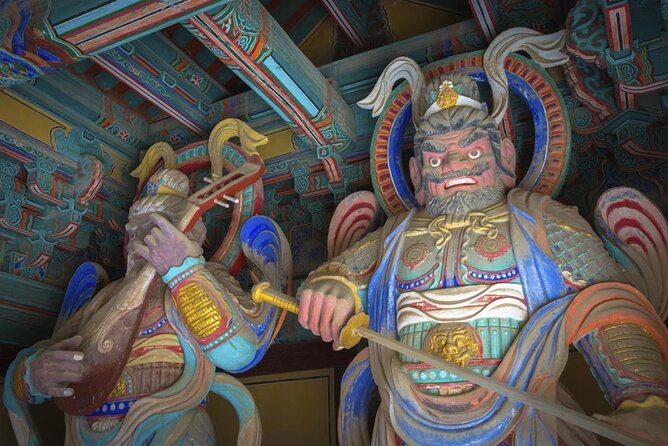
Bulguksa is the strongest first stop because it quickly shows why Gyeongju matters. This major Buddhist temple is known for its historic importance and architecture, and it is designated as a UNESCO World Heritage Site.
Plan on about one hour here. You can walk through the temple area, take photographs, and look closely at the buildings and stone details while your guide explains the site’s place in Silla culture. The setting gives you a clear sense of how religion, royal power, and skilled construction came together in ancient Korea.
The guide’s local perspective adds something a signboard cannot. You may hear personal stories about Gyeongju, seasonal details, or suggestions for what else to see. One local visitor described the temple as especially beautiful during decorations for Buddha’s birthday, so the appearance of the grounds can change with the calendar.
The pace is flexible, but one hour goes quickly. If temple architecture is your main interest, tell the guide early that you would rather study Bulguksa in detail than rush through every later stop. The itinerary can be adjusted in small ways, though the tour is designed to cover all five locations.
Admission is listed as free, which improves the value of the $70.70 price.
Seokguram and the quiet Buddha
Seokguram is paired naturally with Bulguksa. This ancient Buddhist cave temple is another UNESCO World Heritage Site and dates from the eighth century. It is one of the most important stops on the route, especially if you want to see a major Buddhist work rather than only traditional buildings.
You have about one hour here. The experience is different from Bulguksa: the focus is the cave temple and its Buddha image, along with the surrounding mountain setting. The route to this site is one of the reasons a car is useful, since it is situated near Bulguksa but not in the central city.
Several visitors singled out Seokguram as the highlight of the outing. I can see why. It offers a concentrated, memorable encounter with Silla Buddhist art, while Bulguksa gives you a broader temple complex to explore.
Keep your expectations realistic about the schedule. One hour lets you visit and listen to an explanation, but it does not leave much spare time if you move slowly, stop often for pictures, or encounter congestion. Traffic can become a problem during major Korean holiday periods such as Chuseok, and bad weather can also affect the day.
Bomun Lake, a change of pace
After two major religious sites, Bomun Lake gives the tour a useful visual pause. This artificial lake, also called the Bomun Tourist Complex, covers more than 2.6 square kilometers and is used as a recreation area in Gyeongju.
The planned stop lasts about 30 minutes. That is enough for a short walk, photographs, and a change of scenery, but not enough for a full circuit of the lake. If you are staying at Bomun Lake, you may prefer to replace this stop with another place. The guide has accepted that kind of adjustment, so it is worth asking in advance.
Bomun Lake is not the reason to book this tour, but it keeps the half-day from becoming a continuous sequence of temple and museum interiors. You get a little open air and a chance to rest in the car before the next historic stop.
The value here depends on your interests. If you want only ancient sites, you might prefer to spend more time at Bulguksa, Seokguram, or the museum. If you like a mixed route and want to see one of Gyeongju’s best-known resort areas, the short stop fits well.
A few more things to do in Gyeongju worth a look
- Gyeongju UNESCO sites Private tour with licensed tour guide
★ 5.0 · 275 reviews - Busan: Gyeongju Guided Day Trip to Three Kingdoms Capital
★ 4.8 · 1,925 reviews - From Busan: Gyeongju UNESCO World Heritage Guided Day Tour
★ 4.8 · 1,250 reviews - Busan Private Tour with licensed tour guide + private vehicle
★ 5.0 · 1,143 reviews
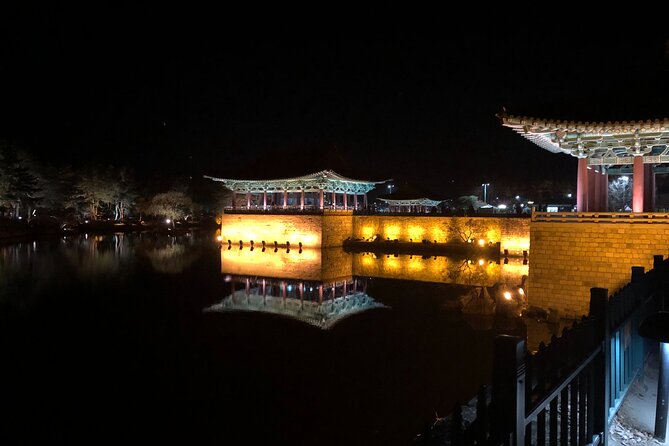
Woljeonggyo Bridge after dark or in daylight
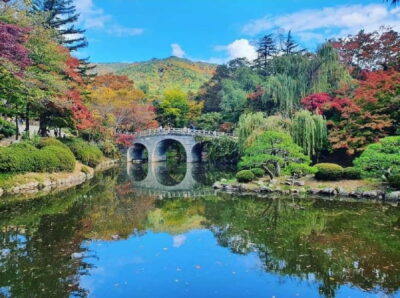
Woljeonggyo, also called Woljeong Bridge, is a historic stone bridge with major cultural and architectural importance. It is one of the oldest surviving bridges in Korea and makes a nice contrast to the temples.
The visit lasts about 30 minutes. You can walk around the bridge area, take pictures, and hear how it fits into Gyeongju’s past. The short stop is enough for an introduction, though visitors who want extensive photography may wish for additional time.
This is another place where flexibility matters. One person staying at Bomun Lake asked to exchange the lake visit for Woljeonggyo, and the change was accepted. That does not guarantee every request, but it shows why a three-person private car can be more useful than a fixed coach itinerary.
Ask about the best timing if you have a strong preference for daylight or evening views. The information provided does not promise a night visit, so you should not book expecting an evening light display.
Gyeongju National Museum, a useful final chapter
The Gyeongju National Museum gives the tour its clearest overview of the Silla period. Its collection includes more than 160,000 artifacts, and the museum helps connect the buildings, sculpture, and religious sites you have already seen.
You have about one hour here. That is enough to get a solid introduction, but not enough to examine a collection of this size in full. If you are deeply interested in archaeology or Korean art, you will probably want to return for a longer visit.
I like having the museum near the end because it helps organize the day. After seeing Bulguksa, Seokguram, and Woljeonggyo, the objects and displays can give you a clearer picture of the people and beliefs behind those places.
The museum also gives you a more sheltered stop if the weather turns unpleasant. Still, the tour requires good weather overall, and a poor-weather cancellation may lead to a different date or a full refund.
What the guide adds, and where translation fits
The guide is from Gyeongju and has hosted international visitors. That local connection is one of the strongest reasons to choose this experience over arranging a standard taxi route. You can ask about local food, request photo help, and get suggestions for places to visit after the scheduled tour.
Guides identified in the supplied information include Sang Jong and Mr. Lee. Names and guide assignments can vary, so you should not assume a particular person will lead your booking unless the provider confirms it.
The language issue deserves a clear warning. Several people found that the guide did not speak English, but Google Translate made conversation possible. One person specifically recommended downloading Papago before the tour. Bringing your own translation app gives you a backup and makes it easier to ask questions, explain food preferences, or request a change in pace.
This arrangement can work well if you are patient and comfortable with short translated exchanges. It may disappoint you if you expect a polished, continuous English lecture. The tradeoff is a more personal local encounter, with explanations shaped around your questions rather than a memorized script.
The guide’s care is also part of the experience. One guide brought rice porridge and abalone to a sick husband who could not join the outing. That is an unusually thoughtful gesture, though you should view it as an example of personal attention, not a promised service.
Timing, flexibility, and the $70.70 price
The tour begins at 10:00 am and lasts about four hours. With five stops, the schedule is active but not frantic. Bulguksa, Seokguram, and the museum receive about an hour each. Bomun Lake and Woljeonggyo receive about 30 minutes each.
At $70.70 per person, the value is strongest for two or three people who want private transport and local help. You are paying for a small-group car, pickup, air conditioning, and a route that reaches sites less convenient by public transportation. If you are alone, the price is higher on a per-person basis, but you still receive a private-style experience.
The tour also saves planning time. You do not need to compare bus routes between Bulguksa and Seokguram or decide how to connect the museum with the bridge. For a first day in Gyeongju, that convenience can be worth more than squeezing out the lowest possible transport cost.
The schedule is less valuable if you already have several full days in town and enjoy moving slowly. In that case, you may prefer public transportation, longer museum visits, and separate visits to each temple. This outing is designed for an efficient first look.
Who should book this half-day outing
I would choose this tour if you have only one day, are staying outside the central historic area, or want to reach the temple sites without handling transport yourself. It is also a good fit for couples, families, or a small group that values a flexible pace.
It suits people who enjoy personal stories and practical help more than formal guiding. You can ask about food, request photographs, and receive suggestions for walking sights after the drive. One guide even left a list of additional places to see, which is useful if you have another afternoon free.
You should pause before booking if fluent English guiding is essential. Translation apps can handle the basics and even lead to lively conversation, but there may be delays or small misunderstandings. Downloading Papago or Google Translate before arrival is a sensible step.
The tour is also not ideal for someone who wants a slow, detailed examination of every site. Four hours is enough for a strong introduction, not a complete study of Gyeongju’s ancient capital.
Most people can participate, service animals are allowed, and the tour operates near public transportation. The group maximum is three. Cancellation is free up to 24 hours before the start time, while later cancellations and changes are not refunded or accepted. The experience also depends on good weather and a minimum number of participants.
Should you book it?
Book this tour if you want to cover Gyeongju’s major sights in half a day, value door-to-door transport, and are happy to communicate with help from a translation app. The electric car, three-person limit, local food advice, and flexible attitude give it an advantage over a fixed group excursion.
Skip it if you want long museum visits, a guaranteed English-speaking guide, or a slow schedule with no time pressure. For most first-time visitors with limited time, though, $70.70 buys a useful introduction to Bulguksa, Seokguram, Bomun Lake, Woljeonggyo, and the museum, with a local person helping you make sense of the route.
FAQ
How long does the guided car tour last?
The tour lasts approximately four hours.
What time does the tour begin?
The listed start time is 10:00 am.
How many people can join the tour?
The tour has a maximum of three participants.
Is pickup available?
Yes. Pickup is offered, and the stated starting point is in Noseo-dong, Gyeongju. The end point can be arranged anywhere in Gyeongju.
Which places are included?
The route includes Bulguksa Temple, Seokguram, Bomun Lake, Woljeonggyo Bridge, and Gyeongju National Museum.
Are admission tickets included?
Each listed stop shows an admission ticket cost of free.
Does the guide speak English?
The guide may use Google Translate or another translation app, as some guides do not speak English. Downloading Papago before the tour is suggested in the supplied information.
What happens if the weather is poor?
The experience requires good weather. If it is canceled because of poor weather, you will be offered another date or a full refund.
What is the cancellation policy?
You can cancel at least 24 hours before the start time for a full refund. Cancellations or changes made less than 24 hours before the start time are not accepted for a refund.
Just added in Gyeongju
- Gyeongju UNESCO sites Private tour with licensed tour guide★ 5.0 · 275 reviews
- Private World Heritage Gyeongju Taxi Tour★ 5.0 · 12 reviews
- Gyeongju: Private Car Charter Taxi Tour★ 5.0 · 37 reviews
- From Busan: Gyeongju Small Group Photo Tour & Hotel Pick-up★ 5.0 · 3 reviews
- From Daegu: Gyeongju UNESCO Tour 7 Highlights with Bulguksa★ 4.6 · 5 reviews
- From Busan: Busan & Gyeongju One Day Tour★ 5.0 · 5 reviews
- Busan: 7 Highlights Gyeongju City One Day Tour★ 4.9 · 10 reviews
- Full day Private Gyeongju UNESCO Heritage Tour : a glimpse into Silla★ 5.0 · 60 reviews
Private Taxi & Car Charter Tours, compared.
Jeju Island Popular Sightseeing Private Car Charter Tour 5/9hours
Read our review →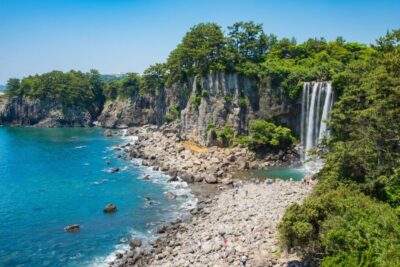
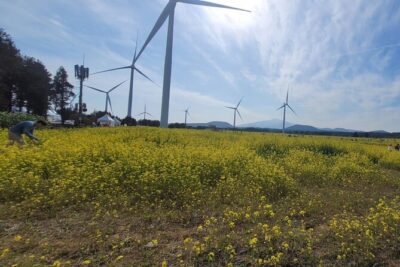
Jeju English Private Taxi Tour(1day, 2days, 3days & 1 to 12pax)
Read our review →
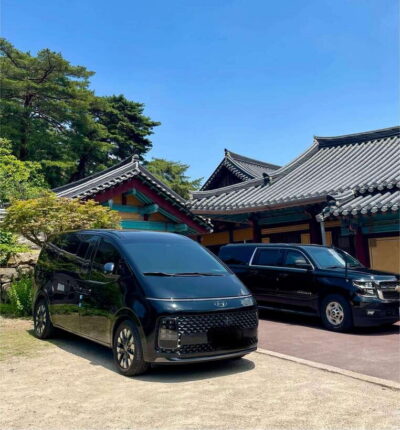
Jeju Customize Private VAN Tour of East or West or South (~8pax)
Read our review →Browse the lists this tour appears in