
Reviewed · GYEONGJU UNESCO DAY TOURS
Busan: Gyeongju Guided Day Trip to Three Kingdoms Capital
Gyeongju is South Korea’s open-air history book, and this long day trip turns a difficult do-it-yourself route into one tidy sweep. You’ll see Bulguksa Temple, royal tombs, old villages, and the softly lit waters of Wolji Pond, all with an English-speaking guide to connect the stones and stories.
I like the $52 price, which covers transport, a guide, and several admission fees. I also like the way the day mixes major sights with time to wander, shop, and take photos. The catch is simple: this is a very full 11 to 12 hours, with plenty of walking, hills, steps, and fixed departure times.
Key points to know before you book
- Bulguksa and Wolji Pond give you two very different views of Silla-era Korea, one religious and one royal.
- The selected package matters. Gyochon Village and Woljeonggyo Bridge belong to the Three Kingdoms package, while Seokguram Grotto, Cheomseongdae, and Yangdong Folk Village vary by option.
- Guides make the difference. Kayla Kim, Bada, Katrina, Hyony, Yuna, Jack, Allan, Ethan, Jieun, and Jiseulhee are among the guides used on this experience.
- The day runs rain or shine, so comfortable shoes and weather protection are essential.
- Pickup is from a subway station, not your hotel. Choose Busan Station, Seomyeon, or Haeundae before departure.
- This suits active sightseers, but it is not suitable for wheelchair users or people with mobility impairments.
Why Gyeongju makes a worthwhile day from Busan
Gyeongju was the capital of the Silla Kingdom for centuries and later became an important center during Unified Silla. Its historic sites are spread across a broad area, so a taxi-heavy day or a patchwork of local buses can quickly become tiring.
This tour handles the long connections by coach or van. You can look out the window, rest your feet, and hear about Korea’s Three Kingdoms period before arriving at the next stop. That is the main value here. You are not simply being driven between monuments. A guide gives each site a place in the larger story.
You should still set your expectations correctly. This is not a slow, private cultural tour. It is a packed group day designed to show you as much of Gyeongju as possible from Busan. At several stops, the guide explains the setting first, then gives you time to explore on your own.
That arrangement works well for first-time visitors. You get structure without being held in a tight formation all day. Guides such as Kayla Kim and Bada are noted for keeping the mood light, answering questions, helping with photos, and sharing personal tips about Korean culture and food. The exact guide depends on the departure.
More Silla-era sites from Busan:
- From Busan: Gyeongju UNESCO World Heritage Guided Day Tour
★ 4.8 · 1,250 reviews - Gyeongju UNESCO World Heritage Guided Day Tour from Busan
★ 5.0 · 660 reviews - Old Korea Thousand History Tour of Gyeongju from Busan
★ 5.0 · 518 reviews
Pickup from Busan and the long ride north
You meet at one of three subway stations:
- Busan Station Exit 2
- Seomyeon Station Exit 12
- Haeundae Station Exit 7
The listed Haeundae meeting time is 9:50 to 10:00 AM, though the start time can vary by date and selected option. Arrive at least 10 minutes early. Look for the guide holding a white flag with a green LECIRT logo.
This detail matters more than it sounds. The meeting points are subway exits, not KTX entrances or shopping mall doors. Pick your station in advance and follow the exact instructions. If you choose the wrong point or arrive late, you can miss the vehicle and lose the fare.
The ride to the Gyeongju area takes about 1.5 hours at the start, with shorter road sections between sites later in the day. Transport has been praised for being clean and comfortable, and the driver’s work matters on the narrow, hilly roads near the temples and villages.
Use the ride to settle in. The day moves quickly once you arrive. A full breakfast is sensible because lunch comes later, and food and drinks are not included in the $52 price.
Bulguksa Temple and the Buddhist side of Silla
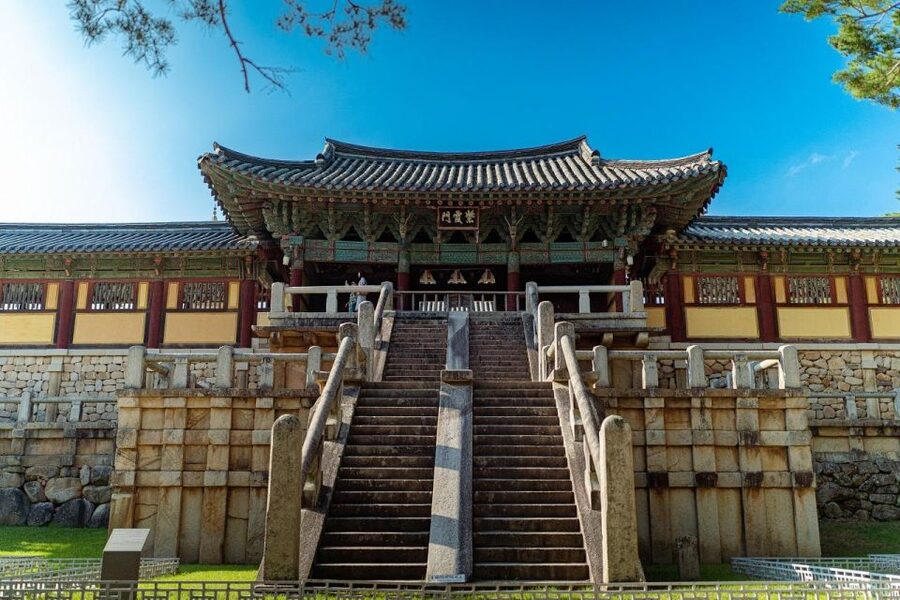
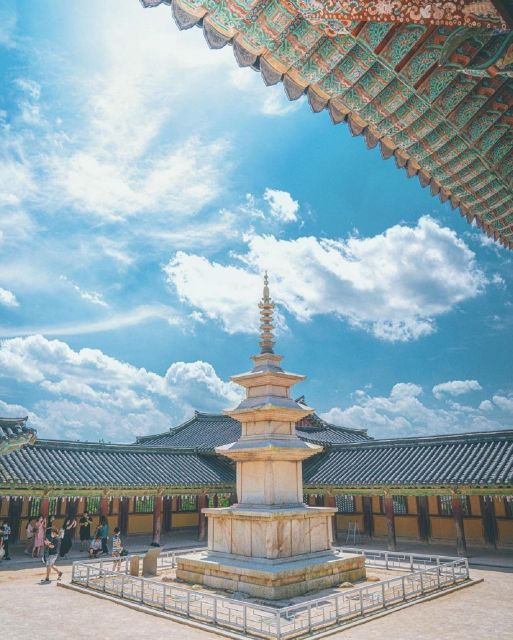
Bulguksa is one of the day’s essential stops. This UNESCO-listed temple is known for its careful balance with the surrounding setting, stone stairways, gates, halls, and pagodas. You have about 80 minutes here, including guided explanation and free time.
The guide helps you notice details that are easy to miss when you simply walk through. Buddhist ideas, temple design, and the role of the site during Silla rule all come into the conversation. Bada, in particular, has been praised for explaining religious subjects in a clear and engaging way rather than turning the visit into a lecture.
You will walk on uneven surfaces and climb steps. Take your time, especially if the stone is wet. The temple is beautiful in every season, but the pace of a group means you will not examine every building at length.
For me, Bulguksa is where the day begins to feel more than a checklist. The architecture, setting, and religious meaning work together. If you want quiet contemplation at every hall, visit independently and spend longer. If you want a strong introduction with useful context, the guided stop is effective.
Lunch and the practical break in the middle
Lunch takes about one hour at a local restaurant. Food is not included, so budget separately and expect to choose and pay for your own meal.
The restaurant stop is not presented as a cooking class or a special tasting. Its value is practical: you get a proper pause before the afternoon’s walking. Guides may offer food suggestions, and the stop gives you a chance to ask about Korean dishes you have seen elsewhere in Busan.
Use the break wisely. Refill water, check the weather, and wear your most comfortable shoes for the second half. The schedule becomes especially full once you begin visiting the central historic area.
A few more things to do in Busan worth a look
- Busan: Winter Healing Park and (Gyeongju/Daegu) One Day Tour
★ 5.0 · 5 reviews - Busan: Naejangsan National Park Autumn Foliage One Day Tour
★ 4.8 · 4 reviews - Mt. Seorak+Nami Island+Garden of Morning Calm Day Trip from Seoul
★ 5.0 · 959 reviews - Seoul: Gangwon-do Day Trip with Alpaca World & Nami Island
★ 4.7 · 581 reviews
Choosing between the three package options
The tour is sold in three versions, and the included stops are not identical. Four main sights are shared across the packages: Bulguksa Temple, Daereungwon Tomb Complex, Hwangridan-gil, and Donggung Palace and Wolji Pond.
The additional stops depend on your choice:
Gyeongju Three Kingdoms Trip: This version includes Gyochon Traditional Village and Woljeonggyo Bridge. It is the most appealing choice if you want traditional houses, a historic bridge, and an evening photo stop.
Seokguram Grotto Tour: This version includes Seokguram Grotto and Cheomseongdae Observatory. Choose it if Buddhist art and ancient science interest you more than village streets.
Gyeongju UNESCO Tour 2025 APEC: This version includes Yangdong Folk Village and Cheomseongdae Observatory. It gives you a wider view of Korean traditional architecture and Confucian culture.
The supplied schedule displays all of these places, but the package descriptions make clear that some are exclusive to selected options. Check the exact version before paying. You should not assume that one departure includes every additional stop listed on the general page.
Gyochon Village and Woljeonggyo Bridge
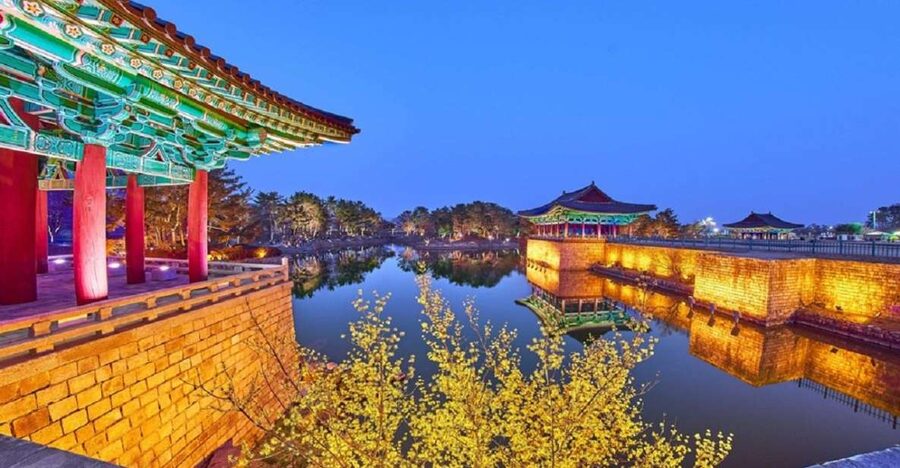
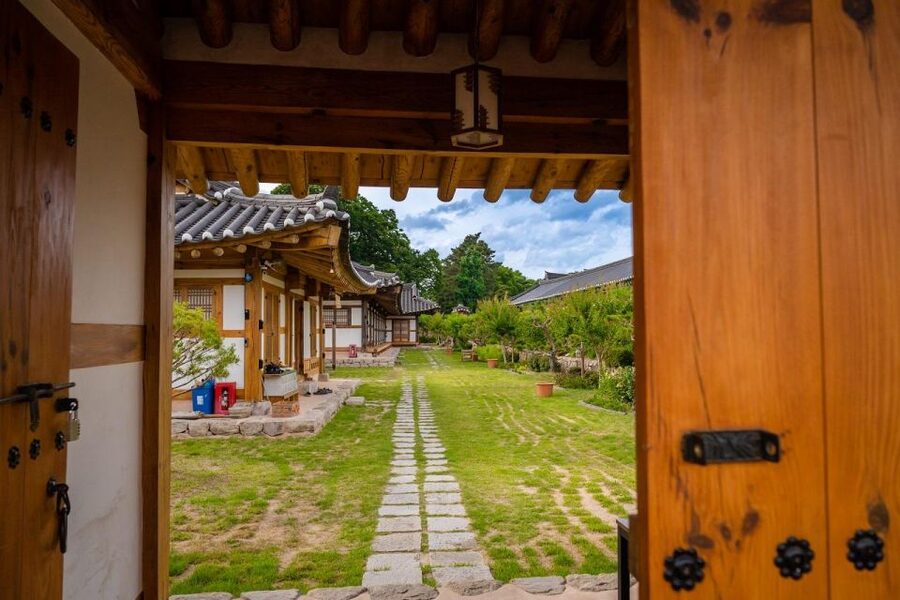
On the Three Kingdoms option, Gyochon Traditional Village offers a calmer change of pace after the temple. You walk past hanok houses, Gyeongju Hyanggyo, and the elegant Woljeonggyo Bridge.
The village connects Gyeongju’s older royal story with later Confucian traditions. It feels less monumental than Bulguksa and less grand than a palace, which is part of its appeal. You can look at the rooflines, courtyards, and streets without needing to rush from one giant viewpoint to the next.
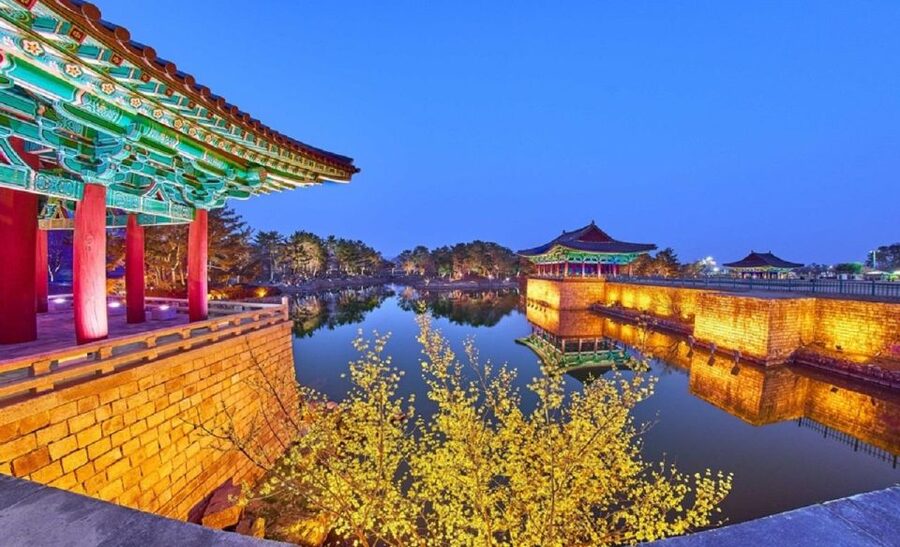
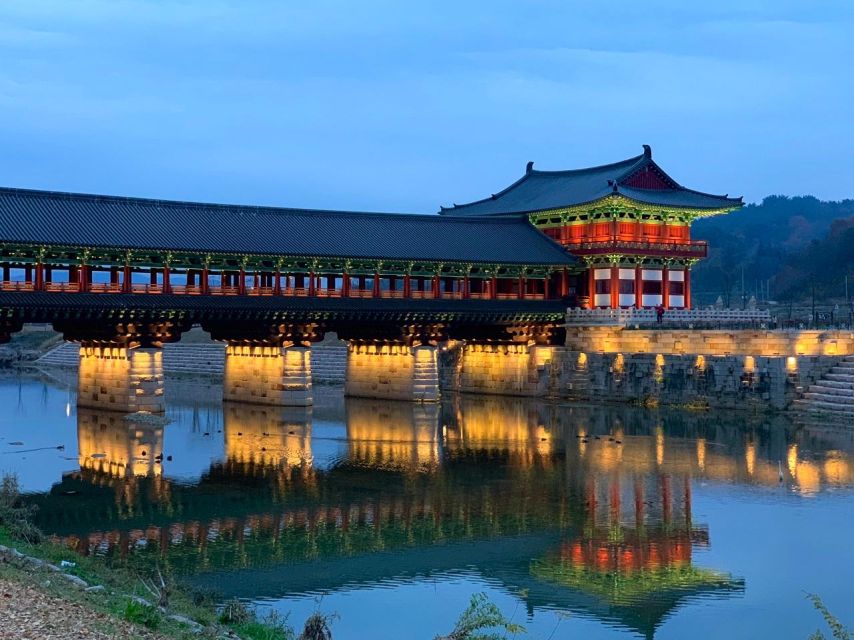
Woljeonggyo Bridge is especially effective later in the day, when its lights reflect in the water. The scheduled visit lasts about 30 minutes. That is enough for photos and a short walk, but not enough for a long, unhurried visit.
If evening photography is important to you, this package deserves serious consideration. The bridge is one of the tour’s most atmospheric stops, particularly after a day spent looking at tombs and temple buildings.
Seokguram Grotto and Cheomseongdae
The Seokguram option adds Seokguram Grotto, a UNESCO World Heritage site where Buddhist sculpture and spiritual space come together. The visit lasts about an hour and includes walking and a guided explanation.
This is a worthwhile choice if the religious side of Gyeongju interests you most. It also changes the physical demands of the day. You should expect walking, slopes, and steps, so the stop is not a good match for anyone with serious mobility limits.
Cheomseongdae Observatory is included with the Seokguram and APEC options. It is recognized as Korea’s oldest astronomical observatory, a compact structure with an outsized place in the country’s scientific story.
The observatory does not require a huge amount of time, but the explanation makes the stop more meaningful. Without context, it can look like a small stone tower in a broad field. With a guide, you begin to see it as evidence of careful observation and engineering in ancient Korea.
Yangdong Folk Village and the APEC package
Yangdong Folk Village is the extra stop on the UNESCO Tour 2025 APEC version. It is described as Korea’s largest UNESCO-listed traditional village, with hanok houses and Confucian heritage tied to the Joseon period.
This is the right choice if you want to see traditional Korean domestic architecture rather than focusing mainly on Silla royal sites. The village offers a different time period and a more residential feel.
The cost of that variety is time. Yangdong is not simply another central Gyeongju stop, so the day involves more road travel and the overall schedule remains demanding. You will want to decide if the extra cultural range matters more to you than the bridge and night view offered by the Three Kingdoms option.
Daereungwon Tomb Complex and the Silla royal story
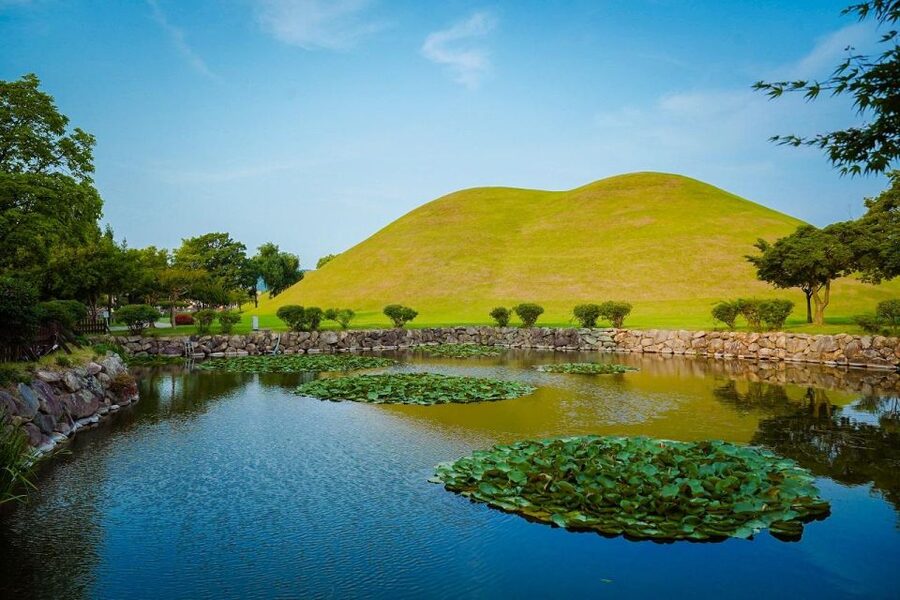
Daereungwon brings you face to face with the rounded burial mounds of Silla’s royal and aristocratic families. You have about an hour to walk among the grassy tombs and learn how they were built.
This stop is one of the clearest ways to understand Gyeongju’s unusual character. Ancient burial mounds sit close to modern streets, cafés, and shops. The setting makes the past feel present without putting it behind glass.
The paths are manageable for many active walkers, but the full day still adds up. If you have already spent the morning climbing around Bulguksa, use the open grounds here to slow down. The tombs are not a quick photo backdrop. Their scale and placement are what make them memorable.
Hwangridan-gil brings old streets into the present
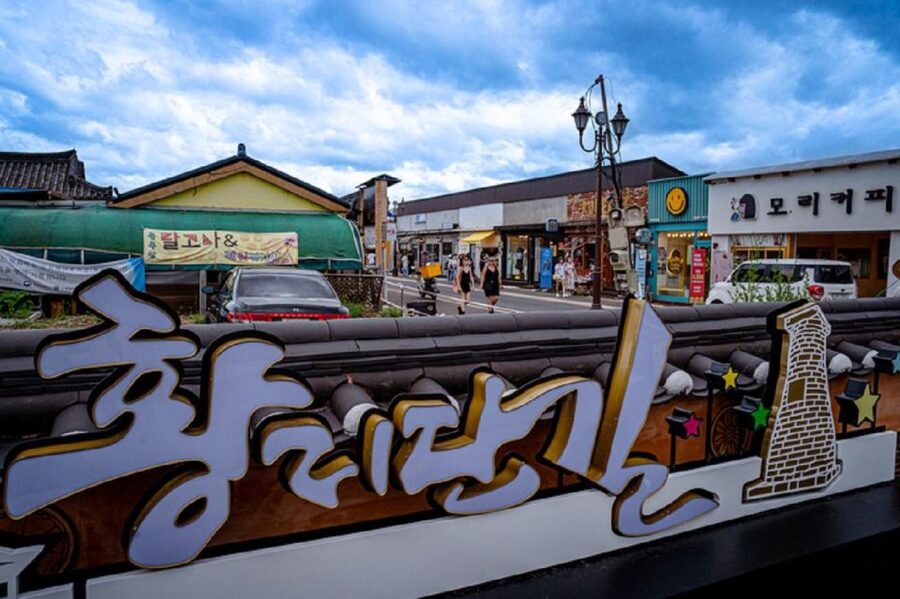
Hwangridan-gil offers about 30 minutes of free time for shopping and self-guided wandering. The street is lined with preserved 1960s-era architecture and modern cafés and shops.
This is a short stop, so treat it as a taste rather than a full shopping visit. You can grab a small snack, look at local design goods, or take photos of the old façades. It also gives you a glimpse of how Gyeongju’s heritage has been folded into everyday city life.
I like this stop because it keeps the day from becoming a procession of monuments. The drawback is the clock. If you find something worth browsing, you may wish you had another half hour.
Donggung Palace and Wolji Pond after sunset
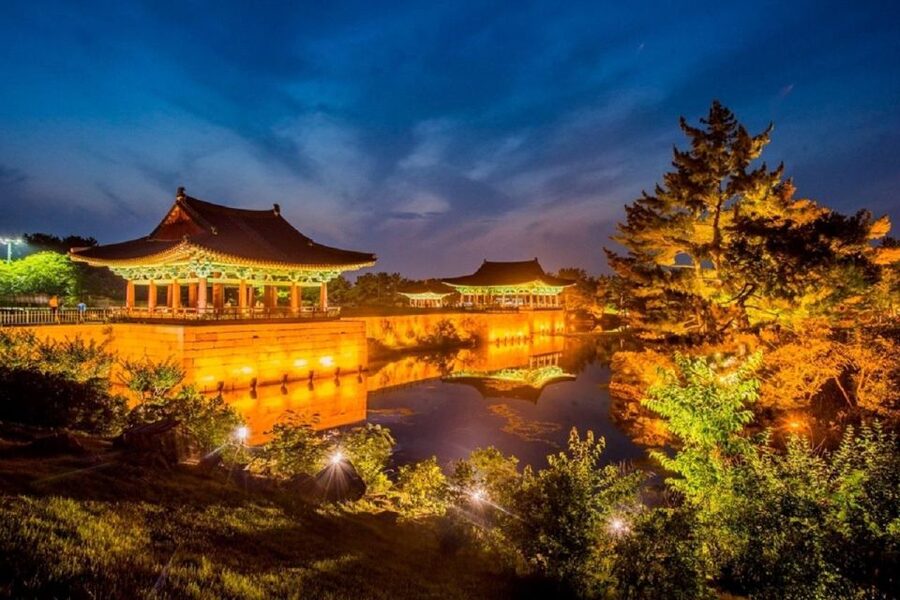
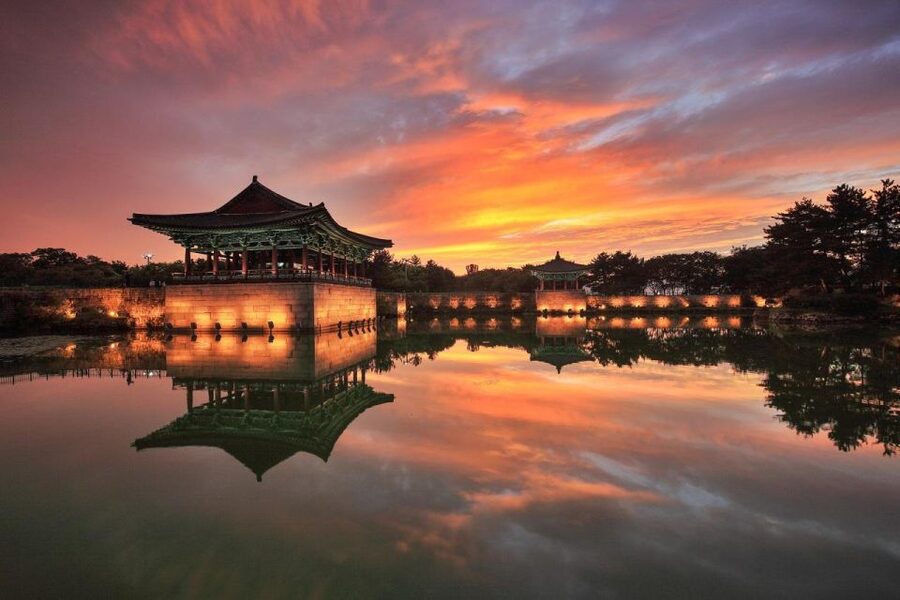
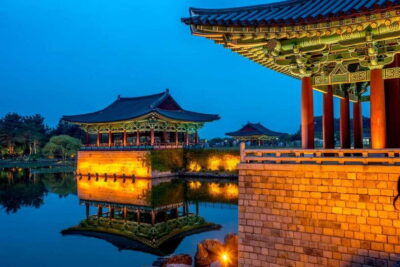
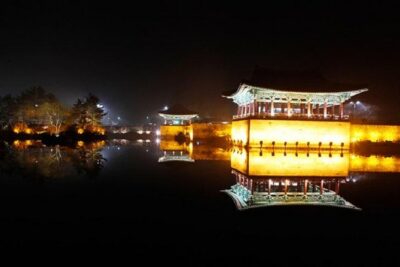
Donggung Palace and Wolji Pond is the emotional high point for many people. The pond reflects the palace buildings and lights, creating a scene that changes as daylight fades.
This was part of the royal complex during Unified Silla, and its design was meant for royal gatherings and entertainment. The setting now feels quiet and graceful, especially when the water is still.
You have about an hour here, with guided explanation and time to walk independently. Save energy for this stop. It often comes late in the day, when everyone is tired, but the evening view rewards you for staying focused.
The admission fee to Donggung Palace and Wolji Pond is included in all three versions. That is useful because it is one of the tour’s most important sights, not an optional extra you need to decide on at the gate.
How much value do you get for $52?
At $52 per person, the price is strong for a full-day excursion from Busan. You receive round-trip transport, an English-speaking guide, and admission to the main evening palace and pond. Some package versions also include admission to Yangdong Folk Village.
The real saving is time. Reaching all these scattered sites by public transport would require careful planning, several connections, and close attention to return times. A private taxi would offer more freedom but would cost far more, especially for one person or a couple.
The trade-off is flexibility. You cannot linger at Bulguksa until the light is perfect or spend half a day shopping on Hwangridan-gil. This is a value-focused group tour, not a custom private outing.
Cancellation is free up to 24 hours before departure, and you can reserve now and pay later. Late arrivals and no-shows are not refundable, so the flexible booking terms do not remove the need for strict punctuality.
Who should book this Gyeongju day trip?
I would choose this tour if you are staying in Busan, have one spare day, and want a guided introduction to Gyeongju without arranging several transfers. It is particularly useful for first-time visitors who want historical context along with the major views.
It also suits solo visitors. The coach, fixed meeting point, and guide remove much of the stress of navigating an unfamiliar region alone. The guides are often praised for humor, patience, clear meeting instructions, and taking photos, qualities that matter on a long group day.
You should think twice if you dislike early starts, fixed schedules, or long vehicle rides. You should also skip it if hills, stairs, and extended walking are difficult. The tour is not suitable for wheelchair users or people with mobility impairments.
Bring comfortable walking shoes, water, a phone charger, and protection from rain or sun. The tour operates in all weather, and the evening by Wolji Pond can feel cooler than the afternoon.
Should you book it?
Book this trip if you want to see Gyeongju’s main cultural sights in one efficient day and you are willing to trade some freedom for convenience. The combination of Bulguksa, royal tombs, Hwangridan-gil, and Wolji Pond gives you a strong first look at the city.
Choose the package carefully. Pick the Three Kingdoms version for Gyochon Village and Woljeonggyo Bridge, the Seokguram version for Buddhist art and Cheomseongdae, or the APEC version for Yangdong Folk Village and traditional Joseon culture.
I would not book it for a slow, intimate visit. I would book it for a well-organized introduction, especially at $52, with a guide who can turn a very long day into a clear and enjoyable story about Korea’s ancient capital.
FAQ
How long does the Gyeongju tour from Busan last?
The experience lasts about 11 to 12 hours, including transport between Busan and Gyeongju and visits to the listed cultural sites.
Where can I meet the tour?
You can meet at Busan Subway Station Exit 2, Seomyeon Subway Station Exit 12, or Haeundae Subway Station Exit 7. The Haeundae meeting time is listed as 9:50 to 10:00 AM. Choose your pickup point before departure.
Is hotel pickup included?
No. Pickup and drop-off are provided at one of three designated subway stations, not at hotels.
Is lunch included in the price?
No. Lunch takes place at a local restaurant, but food and drinks are not included.
Which language is the tour conducted in?
The tour includes a live English-speaking guide.
Can I cancel for a refund?
Yes. You can cancel up to 24 hours in advance for a full refund. Late arrivals and no-shows are not refundable.
Is the tour suitable for wheelchair users?
No. The tour is not suitable for wheelchair users or people with mobility impairments.
Just added in Busan
- From Busan: Gyeongju Historical Day Tour with Sky Capsule★ 4.7 · 17 reviews
- From Busan: Gyeongju Full-Day Historical Tour★ 4.1 · 6 reviews
- Busan: Winter Healing Park and (Gyeongju/Daegu) One Day Tour★ 5.0 · 5 reviews
- Busan’s Best: Sea Temples, Yacht Tour & Sky Capsule Day Tour★ 4.8 · 24 reviews
- Busan: Sky Capsule+ Huinnyeoul+ Gamcheon+ Songdo+ Night View★ 4.9 · 10 reviews
- Busan: Private Chartered Car Tour★ 4.1 · 7 reviews
- Busan: Jagalchi Market & Gamcheon village Walking Tour★ 5.0 · 7 reviews
- Busan: Night Small Group Photo Tour (Max 7)★ 5.0 · 33 reviews
Gyeongju UNESCO Day Tours, compared.
Gyeongju UNESCO World Heritage Guided Day Tour
Read our review →
Old Korea Thousand History Tour of Gyeongju from Busan
Read our review →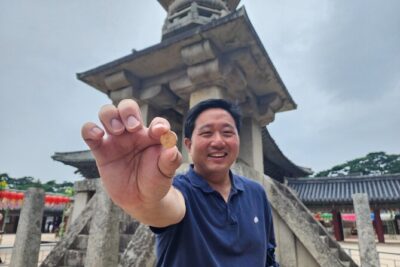
Private Gyeongju Tour – Explore Gyeongju UNESCO Sites
Read our review →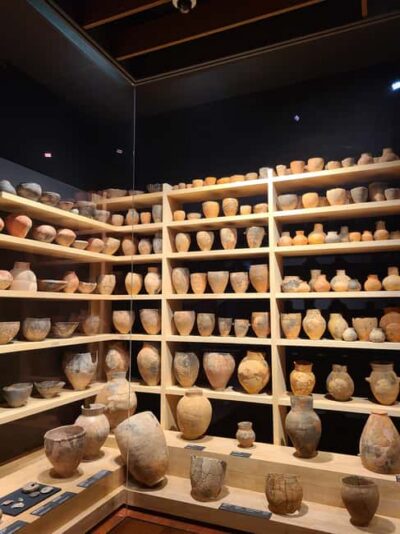
Gyeongju UNESCO Legacy Tour with National Museum
Read our review →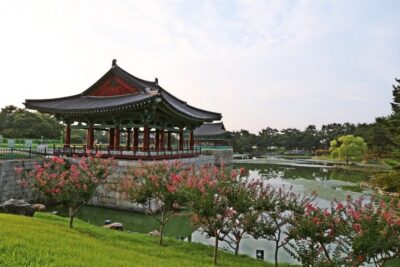
UNESCO Heritage Tour Including Bulguksa Temple
Read our review →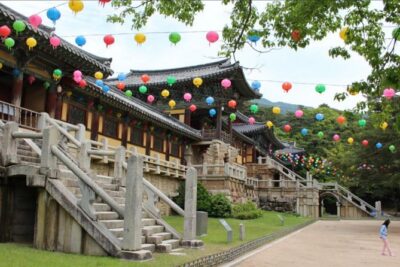
Gyeongju UNESCO World Heritage Sites and History Full-Day Tour with Lunch
Read our review →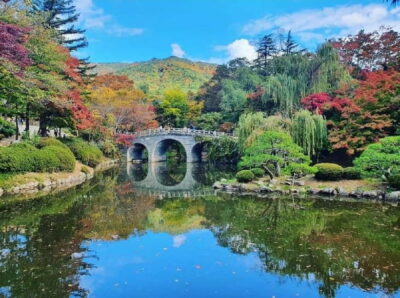
Full day Private Gyeongju UNESCO Heritage Tour : a glimpse into Silla
Read our review →Browse the lists this tour appears in