
Reviewed · GYEONGJU UNESCO DAY TOURS
Busan: 7 Highlights Gyeongju City One Day Tour
Gyeongju is the kind of place where a city street can lead to a royal tomb, an old observatory, or a wooden bridge rebuilt from a Silla-era design. This day trip brings those contrasts together, starting and ending in Busan while covering major sights that would be difficult to connect by public transport in one day.
I especially like the time-saving route from Busan and the mix of major monuments, local food, and modern street life. Hwangnidan-gil gives you snacks and shops, while Bulguksa, Daereungwon, and Cheomseongdae explain why Gyeongju is often called a roofless museum.
The main drawback is the pace. You visit many places in one day, and the itinerary may change with traffic and weather. Daereungwon admission is also not included, and the tour is not suitable for wheelchair users or people with heart problems.
Key Points to Know Before You Book
- Seven major Gyeongju stops: See Bulguksa, Hwangnidan-gil, Daereungwon, Cheomseongdae, Gyochon Traditional Village, Woljeonggyo, and, from September 15, 2025, Daewangam Suspension Bridge.
- A strong Busan day trip: Round transportation keeps you from arranging separate buses or trains between widely scattered sights.
- A useful food break: Hwangnidan-gil is the place to try Gyeongju’s famous 10 won bread and browse its shops and restaurants.
- Excellent photo variety: You get temple stonework, grassy burial mounds, hanok houses, sea views, and a large wooden bridge.
- Guide quality matters here: English-speaking guides explain the Silla and Joseon periods, and Leo has been especially praised for clear commentary and help with photographs.
Why Gyeongju Works So Well as a Day Trip from Busan
Gyeongju sits in North Gyeongsang Province, on South Korea’s southeastern side. It was the center of the Silla kingdom and later retained important Joseon-era traditions, so its sights are spread through the modern city rather than packed into one old quarter.
That spread is the reason this tour makes practical sense. You meet at one of three Busan meeting points in the morning, ride between destinations, and return to Busan at the end. The available return points include Haeundae Station and Seomyeon Station.
This is not a slow, single-site cultural visit. You are moving through several parts of Gyeongju, with time for photos, short walks, food, and explanations. I would choose it if you have only one free day and want a guided overview rather than spending your time planning connections.
The vehicle may be a car, van, or coach, depending on the number of participants. Hotel pickup and drop-off are not included, so you need to reach your chosen meeting point on time. Arrive 5 to 10 minutes early. Late arrival or a missed departure cannot be refunded.
More Silla-era sites from South Korea:
- Busan: Gyeongju Guided Day Trip to Three Kingdoms Capital
★ 4.8 · 1,925 reviews - From Busan: Gyeongju UNESCO World Heritage Guided Day Tour
★ 4.8 · 1,250 reviews - Gyeongju UNESCO World Heritage Guided Day Tour from Busan
★ 5.0 · 660 reviews
Daewangam Suspension Bridge and the Route Change
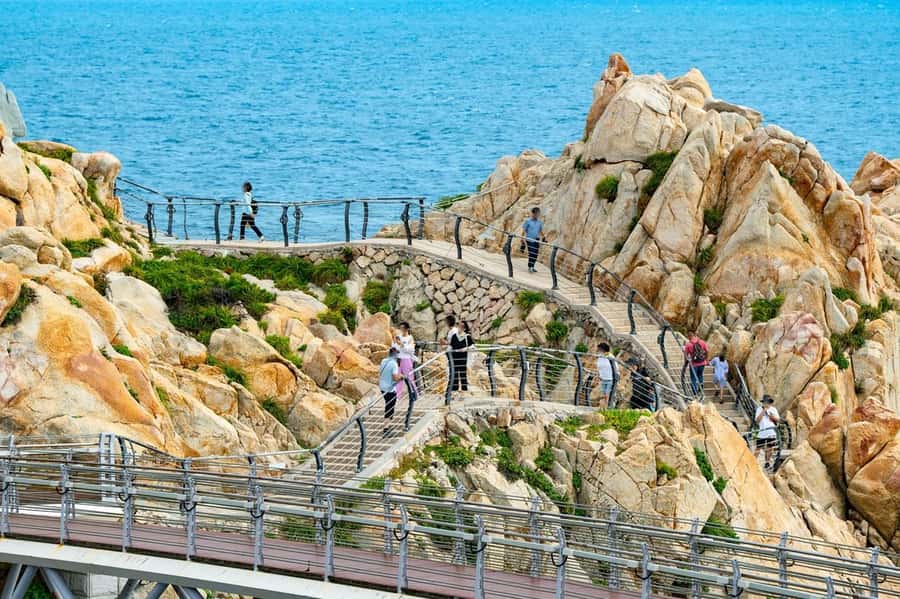
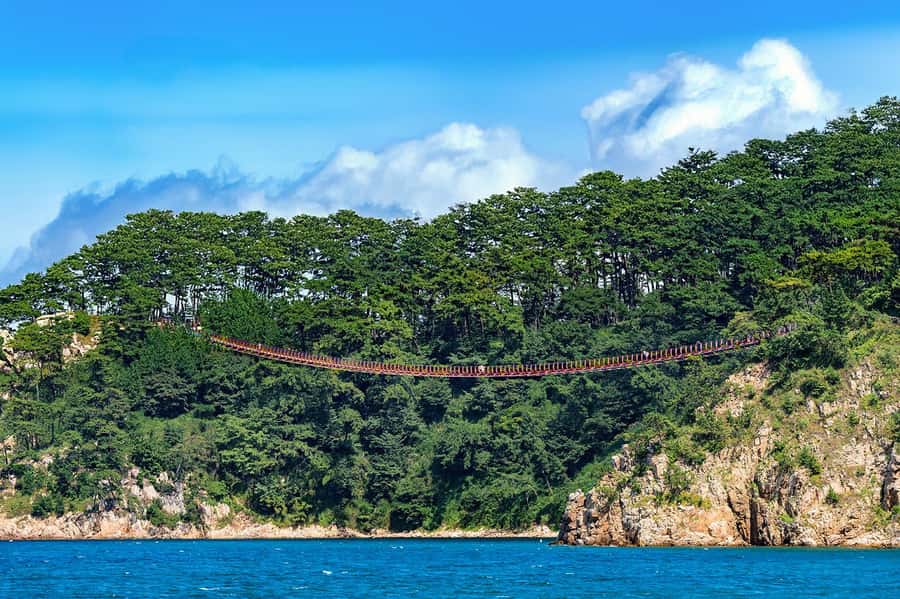
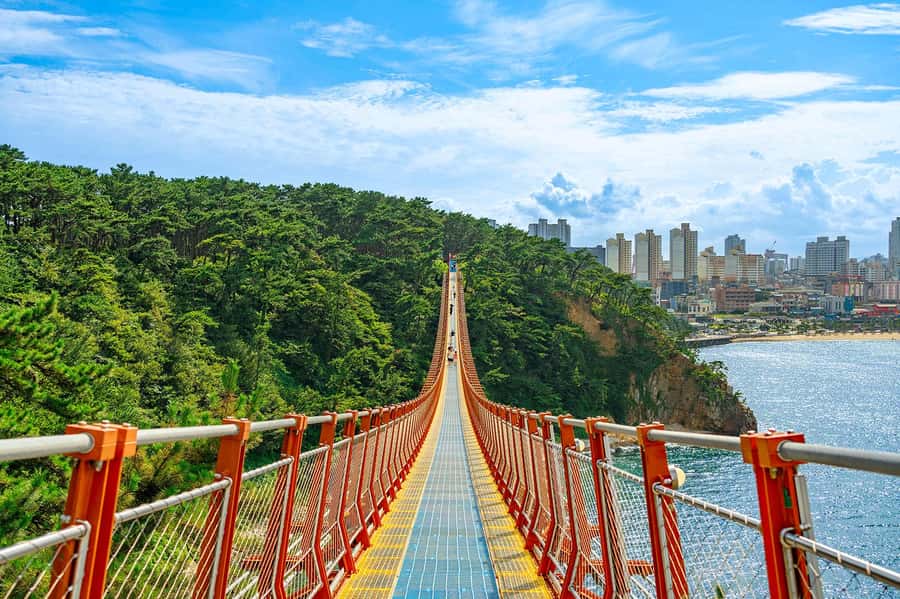
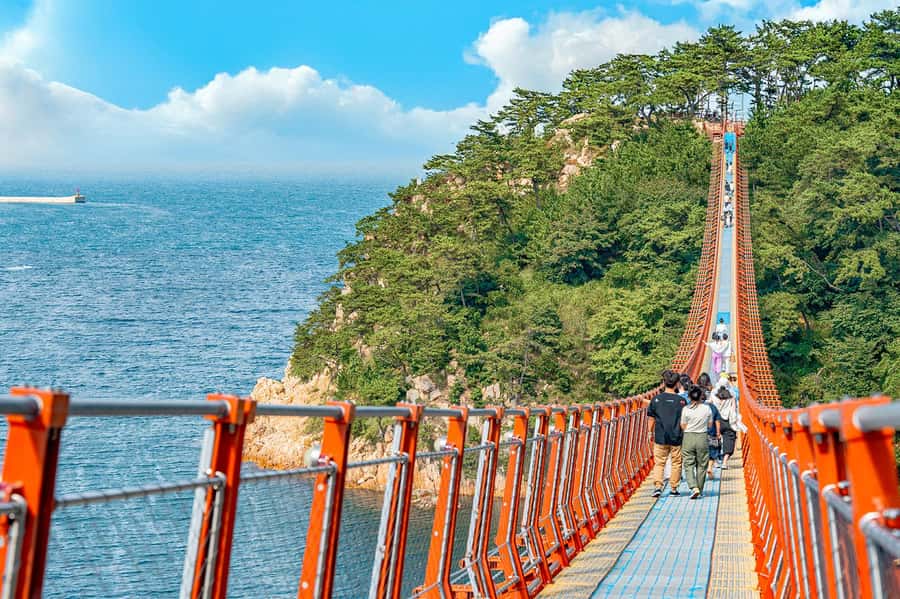
From September 15, 2025, the first sightseeing stop is Ulsan Daewangam Suspension Bridge instead of Seokguram Grotto. The bridge offers a different type of experience: you cross above rocks and sea, with a more open and physically active start to the day.
This change matters if you have your heart set on Seokguram. Check the date and the exact option before booking, since the two stops offer very different experiences. Daewangam is better suited to scenery and photographs, while Seokguram is tied more closely to Buddhist art and the mountain setting around Bulguksa.
The bridge may also be a consideration for anyone uncomfortable with heights or uneven walking. The tour information specifically says it is not suitable for people with heart problems, so take that seriously rather than treating it as a routine sightseeing stop.
Bulguksa Temple and the Silla Stone Pagodas
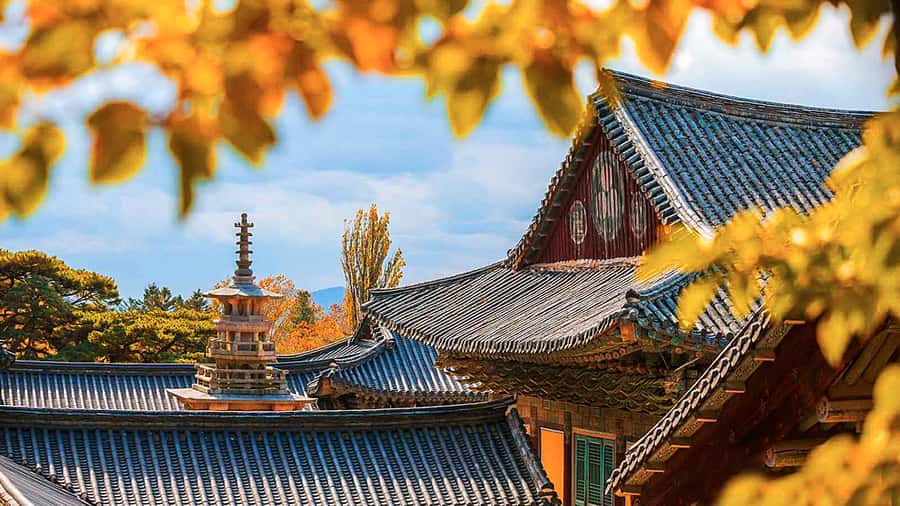
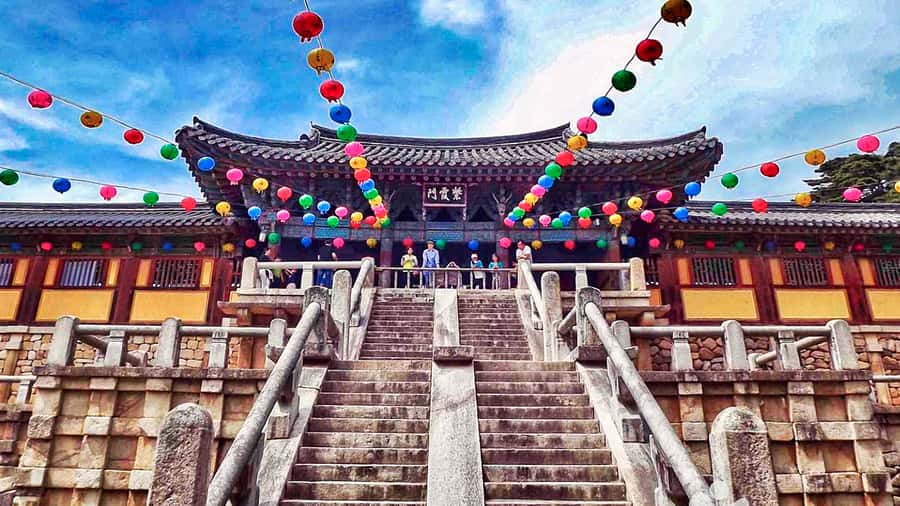
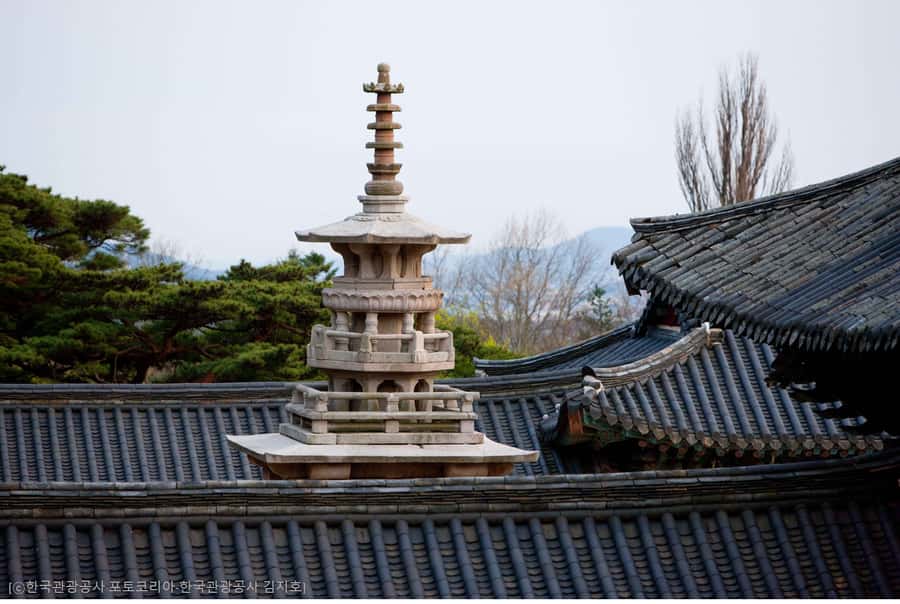
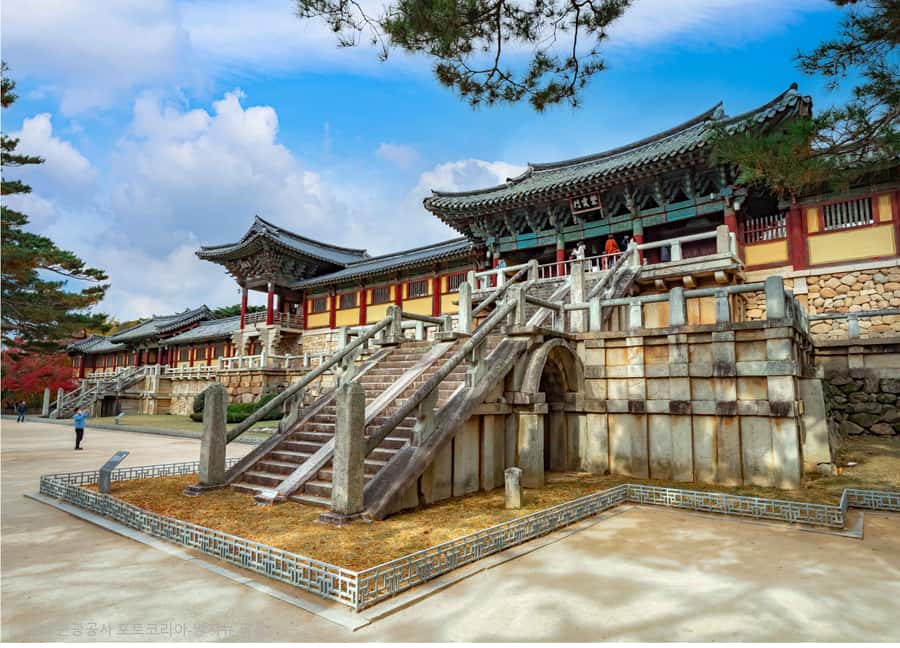
Bulguksa sits on Tohamsan and provides the day’s clearest introduction to Silla Buddhist art. The temple contains six National Treasures, including the Dabotap and Seokgatap stone pagodas.
Dabotap is especially easy to remember because its design appears on the South Korean 10 won coin. Seeing the real pagoda after handling the coin gives you a small but satisfying connection between daily Korean life and an ancient monument.
The value of having a guide here is not just transportation. The buildings, stairs, stone platforms, and pagodas make more sense when you know what belongs to the temple’s religious design and what reflects Silla craftsmanship. Guides explain the setting in English, and previous guests have singled out the clear, friendly style of the commentary.
Allow yourself time to look closely at the stonework instead of treating Bulguksa as a quick photo stop. At the same time, remember that this is one section of a full day. You will not have the unhurried pace of a private temple visit.
Hwangnidan-gil: Gyeongju’s Food and Street Life
After the temple, the mood changes at Hwangnidan-gil. This pedestrian-only street is lined with trendy shops, restaurants, and snack stalls, making it a useful place to see how Gyeongju combines old architecture with current Korean food culture.
The signature snack is 10 won bread, known locally as sibeonppang. It is a popular stop and an easy way to use your own meal budget without committing to a full restaurant meal. Other local foods are available, but the tour price does not include meals or drinks, so plan to pay directly for anything you eat.
I like this part because it prevents the day from becoming a string of monuments. You can browse, take street photographs, and experience a more social side of Gyeongju. It also gives you a chance to choose your own food instead of being locked into a set menu.
The tradeoff is limited time. Hwangnidan-gil has enough shops and cafés to fill much longer than one stop, so treat it as a focused taste of the district rather than a full shopping visit.
A few more things to do in South Korea worth a look
- Mt. Seorak+Nami Island+Garden of Morning Calm Day Trip from Seoul
★ 5.0 · 959 reviews - Seoul: Gangwon-do Day Trip with Alpaca World & Nami Island
★ 4.7 · 581 reviews - Day Trip to Nami Island with Rail bike and The Garden of Morning Calm
★ 4.5 · 459 reviews - Day Trip to Nami Island with The Garden of Morning Calm
★ 4.5 · 215 reviews
Daereungwon and the Silla Burial Mounds
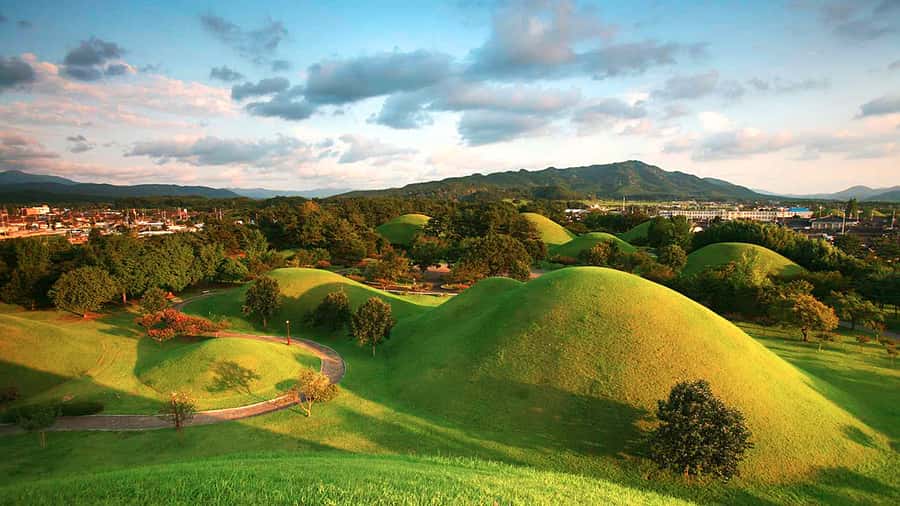
Next door, Daereungwon offers a sharp contrast to Hwangnidan-gil. The complex contains 23 Silla-era tombs belonging to kings, queens, and nobles. Their large grassy mounds are not ruins in the usual sense. The shape and scale of the tombs are the main sight.
The tomb construction made them difficult for looters to enter, helping preserve many objects inside. Some of the recovered relics are designated National Treasures. That detail gives the rounded mounds greater weight: they are not simply scenic hills, but protected burial places connected to Silla royal life.
Admission to the Daereungwon Tomb Complex is not included, so budget for the entrance separately. This is one of the practical details that can affect the advertised price. The tour includes admission to attractions generally, but Daereungwon is specifically excluded.
Give yourself time to appreciate the relationship between the tombs and the surrounding city. You can move from a modern street to a royal burial ground in a few steps, which is one of Gyeongju’s most unusual features.
Cheomseongdae and Gyochon Traditional Village
Cheomseongdae is described as the oldest astronomical observatory in Asia. Its compact stone form is easy to photograph, but the important point is what it says about Silla society. The kingdom invested in observing the sky, marking time, and organizing agriculture and ritual life.
This is another stop where a guide can turn a simple structure into a meaningful one. Ask questions if you want more context, since guides such as Leo have been praised for explaining historical details clearly and helping visitors find good photo angles.
Gyochon Traditional Village then shifts the story from Silla to the Joseon Dynasty. The village contains old hanok houses associated with the Gyeongju Choi clan, a wealthy family known as the Rich Choi Family. The family remained the area’s leading landowners for about twelve generations, or roughly 400 years.
The village also produces and sells Gyeongju Gyo-dong Beopju, a traditional Korean rice wine. Even if you do not buy it, the drink adds a useful local detail to the visit. You are seeing a living food tradition alongside preserved homes, not just looking at old buildings from behind a barrier.
Woljeonggyo Bridge and the Best Photo Stop
Woljeonggyo is adjacent to Gyochon Traditional Village, so the two stops fit naturally together. The bridge was first built during the Unified Silla period, from AD 676 to 935, then burned during the Joseon Dynasty and rebuilt in 2018.
It is now described as Korea’s largest wooden bridge. Its long roofline and timber structure make it one of the easiest places to photograph, especially when viewed from a little distance. The setting also provides a quieter finish after the busier street and temple stops.
One point needs checking before you go: the exact time at Woljeonggyo can vary with traffic and weather, and the supplied experiences describe it with lights on, while the stated itinerary does not promise a nighttime visit. Do not book this day trip solely for a guaranteed evening bridge scene unless the operator confirms the timing for your date.
The bridge is still worthwhile in daylight. Its design ties together several themes from the tour: Silla origins, Joseon-era loss, and modern restoration.
What the $47 Price Really Buys You
At $47 per person, the main value is not simply admission. You are paying for a full day of transport from Busan, an English-speaking guide and driver, round transfers between stops, and access to the listed attractions.
That is a reasonable setup for anyone who wants to see Gyeongju without arranging several local connections. The route includes places that are spread across the city and nearby areas, so independent planning would require more attention to departure times and transfers.
You still need money for meals, drinks, personal purchases, and Daereungwon admission. The price is less attractive if you want a long, relaxed lunch or extensive shopping time, since the schedule has several stops to fit in.
The tour earns its price best when you measure it against convenience. If you are comfortable using public transport, prefer one or two sites per day, and want to set your own pace, an independent visit may suit you better. If this is your only chance to see Gyeongju from Busan, the transport and guide support are useful.
Guides, Group Comfort, and Physical Demands
The tour uses an English-speaking guide and driver. The guide’s role is important because the itinerary crosses Silla and Joseon history, Buddhist art, architecture, food, and modern restoration in a short time.
Leo is one guide specifically praised for giving detailed explanations, taking an interest in the group, and helping with photographs. Other feedback also describes guides who can speak English, Chinese, and Korean, though you should confirm the language arrangement for your booking.
The group vehicle may be a car, van, or coach. A smaller group can feel easier for quick stops, while a coach may provide more space but require more coordination. The exact vehicle depends on participation numbers.
Expect walking around temple grounds, streets, villages, tombs, and a bridge. Wheelchair users should not book this activity because it is listed as unsuitable. Baby seats are not available, and infants aged 0 to 2 ride free only when sitting on an adult’s lap.
The schedule can change slightly with traffic and weather. Drop-off time is not fixed, so avoid booking a tight evening connection or a nonrefundable dinner reservation immediately after the expected return.
Who Should Choose This Gyeongju Tour
I would recommend this trip to you if you are staying in Busan and want one efficient day devoted to Korean history and local culture. It works especially well for first-time visitors who want a guide to explain why the sites matter rather than simply collect photographs.
It also suits people who like variety. In one day, you can see sea scenery, a Buddhist temple, royal tombs, a pedestrian food street, hanok houses, an astronomical observatory, and a large wooden bridge.
You may want another option if you need wheelchair access, dislike group schedules, have heart problems, or want to spend most of the day at Bulguksa and Seokguram. The post-September 15 route uses Daewangam instead of Seokguram, so check that change carefully.
Cancellation is available for a full refund up to 24 hours before departure, and you can reserve now and pay later. Those terms help if your Busan plans are still shifting, but they do not protect you from arriving late at the meeting point.
Should You Book It?
Book this tour if you want the easiest way to connect Gyeongju’s main sights from Busan in one day. The mix is strong: Bulguksa supplies major Buddhist art, Daereungwon and Cheomseongdae cover Silla society, Hwangnidan-gil adds food and current street life, and Gyochon with Woljeonggyo brings in Joseon traditions and restored architecture.
The $47 cost is fair for the transport, guide, and admissions included. Just budget for food and Daereungwon, confirm whether your date includes Daewangam or another stop, and expect a full schedule rather than a leisurely wander.
If you value clear historical explanations and practical photo help, this is a good match. If you want complete freedom or a slow temple day, plan Gyeongju independently instead.
FAQ
Where does the tour start and finish?
The tour begins at a meeting point in Busan, with the exact location depending on the option booked. It returns to Busan and ends at the meeting point, including Haeundae Station or Seomyeon Station options.
Is hotel pickup and drop-off included?
No. Hotel pickup and drop-off are not included. You must reach the assigned Busan meeting point yourself.
What attractions are included?
The route includes Bulguksa, Hwangnidan-gil, Daereungwon, Cheomseongdae, Gyochon Traditional Village, and Woljeonggyo. From September 15, 2025, Ulsan Daewangam Suspension Bridge replaces Seokguram Grotto.
Is admission to Daereungwon included?
No. Admission to the Daereungwon Tomb Complex is not included in the tour price.
Are meals and drinks included?
No. Meals and beverages are not included. You pay separately for food, drinks, and other personal purchases.
What happens if I arrive late?
You should arrive at least 5 to 10 minutes before departure. Latecomers and no-shows cannot receive a refund.
Is the tour suitable for infants or wheelchair users?
Infants aged 0 to 2 can join free when sitting on an adult’s lap, but baby seats are not available. The tour is not suitable for wheelchair users or people with heart problems.
Just added in South Korea
- Seoul: Winter Day Tour in Pocheon (+Strawberry Picking)★ 4.1 · 5 reviews
- Suwon: Baseball Game with Fortress and Local Food Tour★ 5.0 · 3 reviews
- Seoul: War Memorial of Korea Private Guided Museum Tour★ 4.9 · 29 reviews
- Seoul: Private Tour to Nami Island, Garden, Petite France★ 5.0 · 4 reviews
- Seoul: Wine & Korean BBQ, Perfect Pairing Dinner in Sinchon★ 5.0 · 6 reviews
- Seoul : Your Personal Photographer in Gyeongbokung★ 5.0 · 7 reviews
- Seoul : Efoil Experience in Han River★ 5.0 · 5 reviews
- Seoul: Suwon Hwaseong & Waujeongsa & Starfield Heritage Tour★ 4.8 · 27 reviews
Gyeongju UNESCO Day Tours, compared.
Gyeongju Guided Day Trip to Three Kingdoms Capital
Read our review →
Gyeongju UNESCO World Heritage Guided Day Tour
Read our review →
Old Korea Thousand History Tour of Gyeongju from Busan
Read our review →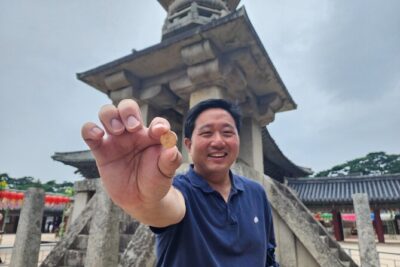
Private Gyeongju Tour – Explore Gyeongju UNESCO Sites
Read our review →
Gyeongju UNESCO Legacy Tour with National Museum
Read our review →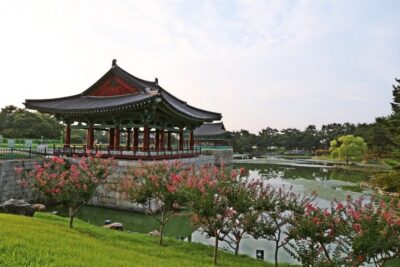
UNESCO Heritage Tour Including Bulguksa Temple
Read our review →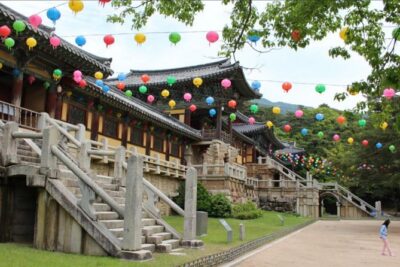
Gyeongju UNESCO World Heritage Sites and History Full-Day Tour with Lunch
Read our review →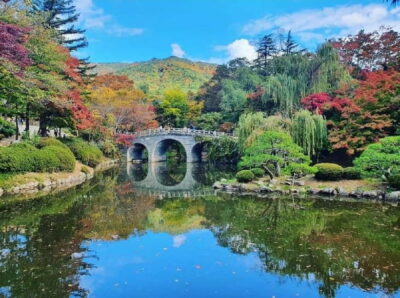
Browse the lists this tour appears in