Reviewed · TOURS IN SEOUL
Gwanghwamun Tour l 120 minutes to Understand Local Korean Society
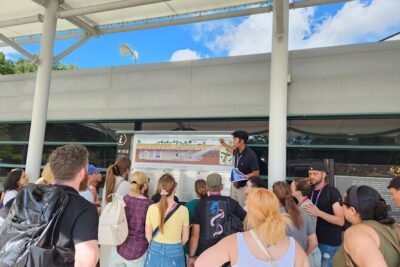
Seoul’s main sights can show you royal gates and old houses. This walk goes a step further by asking why modern Korean society looks the way it does. Starting at Gwanghwamun Square, guide June links Joseon-era ideas, postwar capitalism, foreign influence, North Korea, and daily customs in a clear two-hour route.
I like the way the tour joins history with ordinary life, including age hierarchy, work culture, coffee habits, and Korean spa culture. I also like the mix of grand civic spaces and small streets, from the US Embassy area to Samcheongdong and Bukchon. The tradeoff is that two hours moves quickly, and a few uphill stretches may feel harder on a warm day.
Key points at a glance
- June connects big events to daily habits: Expect history and politics explained through customs such as age-based social roles and workplace behavior.
- The route covers five contrasting places: Gwanghwamun Square, the US Embassy area, Samcheongdong-gil, Bukchon Hanok Village, and the University of North Korean Studies.
- You finish near the Blue House: The walk ends outside South Korea’s former presidential residence, giving you a useful place to continue sightseeing.
- The walk is short but idea-packed: The route takes about 120 minutes, with roughly 15 to 25 minutes at each main stop.
- The group can reach 20 people: That is small enough for a focused walking tour, though a full group may limit personal questions.
- The price is modest for a guided history lesson: At $14.10 per person, the value comes from interpretation rather than admission tickets.
Why this Gwanghwamun walk is different
Many Seoul walks focus on palaces, royal families, and pretty lanes. This one uses those places as evidence in a larger discussion about Korean society. June, a history major, explains how Joseon-era Confucian principles and rapid post-Korean War development still affect the way people work, speak, socialize, and think about the country.
That focus makes the walk useful early in your stay. You may see people using formal titles, notice different age groups behaving in careful ways, or wonder why coffee shops are such a large part of city life. June’s approach gives you a framework for those observations instead of leaving them as disconnected facts.
The political side is also direct. The route raises questions about Korean views of North Korea, Japan, and the United States. It does not present Seoul as a city frozen in old traditions. Instead, it shows a society shaped by occupation, war, division, modernization, outside powers, and intense economic growth.
June’s teaching style is another strong point. The available feedback describes his explanations as clear, structured, fluent, and occasionally funny. One useful detail is that he gives personal suggestions at the end based on your interests, so the final conversation can help shape the rest of your time in Seoul.
Other trips people book in Seoul:
- Best DMZ Tour Korea from Seoul (Red Suspension Bridge Optional)
★ 5.0 · 41,422 reviews - DMZ Tour: 3rd Tunnel, Option(Suspension Bridge, Boat) from Seoul
★ 5.0 · 21,373 reviews - DMZ tour south Korea from Seoul (NK experience hall, defector)
★ 5.0 · 20,599 reviews
Gwanghwamun Square and 600 years of power
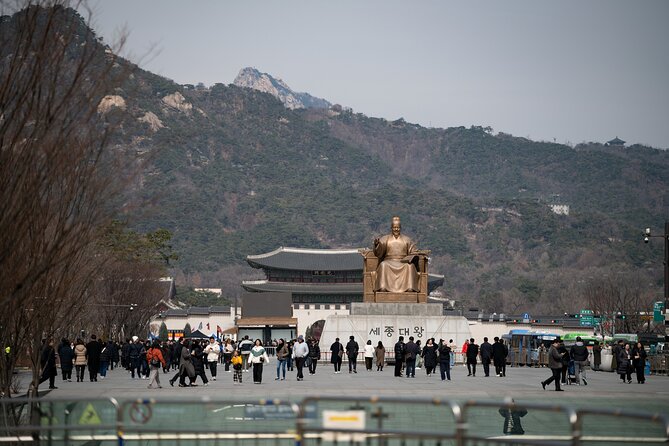
The walk begins at Gwanghwamun Square on Sejong-daero. This is the natural place to discuss Seoul’s long role as Korea’s political center. You get the setting first, then the context needed to understand the rest of the route.
The opening stop lasts about 15 minutes and has no admission fee. June uses the square to introduce the Joseon kingdom and the social ideas that grew from it. The point is not simply to memorize dates. You begin to see how a royal capital became the center of a modern state, and how old ideas continued after the monarchy ended.
This opening also helps you read the city around you. Gwanghwamun is not an isolated historic site. It is a working civic area where government, public memory, national identity, and modern Seoul meet. If you have already visited a palace, this stop can help connect that visit to present-day Korea.
Do not expect a long museum-style explanation here. The time is brief, and the tour is designed to keep moving. You will get a useful foundation rather than a full account of Joseon history.
The US Embassy and Korea’s outside influences
The next stop takes about 15 minutes near the US Embassy and Consulate in the Republic of Korea. This is a short stop, but it adds an important layer to the story. June explains how the United States influenced Korea from the country’s establishment to the present day, then connects that influence to Korean attitudes toward America.
This is especially useful because visitors often see the US-Korea relationship only through military or political headlines. The tour places it within the wider story of Korea’s postwar development and changing identity. You can ask questions and hear how national history affects public opinion.
The stop is viewed from the outside, and admission is free. It is not a building tour. Its value comes from the discussion and location, so you should choose this experience for interpretation rather than access to interiors.
For anyone interested in current affairs, this may be one of the most useful sections. It adds balance to the older royal material and shows why modern Korean identity cannot be understood through palaces alone.
Samcheongdong-gil and the cost of fast development
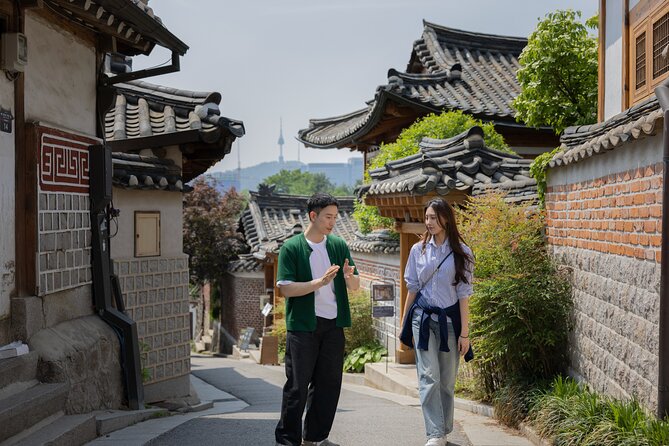
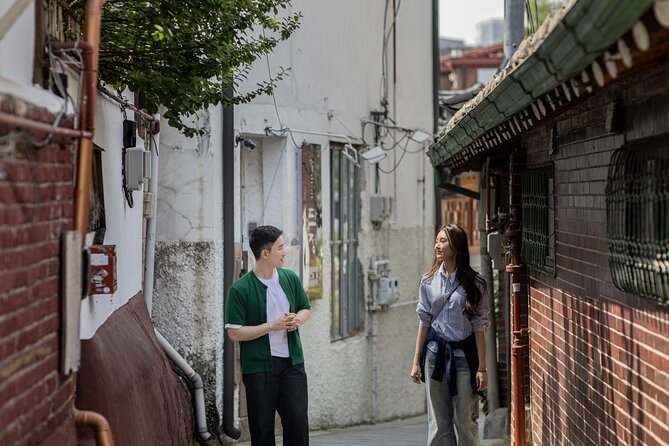
Samcheongdong-gil brings you into a different kind of Seoul. The area is known for its retro-style shops and restaurants, and the route uses its streets to discuss modern development and its side effects.
The stop lasts about 15 minutes. That is enough to look at the area and hear how Korea’s working culture was shaped by rapid change. You will not spend the whole afternoon browsing shops, but the setting gives the talk a practical edge. The streets show how older urban character can become part of a modern commercial district.
This is where the tour’s link between economic growth and social habits becomes clearer. Korea’s development brought major gains, but it also created pressure around work, competition, and the pace of city life. June uses Samcheongdong to show that modernization is not just a success story. It changes neighborhoods, jobs, expectations, and the way people spend free time.
I like this stop because it avoids treating old and new Seoul as separate worlds. You see a stylish street, then hear about the forces that shaped it. The drawback is that the area can be busy, and the short visit may leave you wanting more time to explore its shops and restaurants on your own.
Same base, a different kind of day out:
- Seoul: DMZ Tour with Optional Suspension Bridge
★ 4.8 · 5,277 reviews - Signature DMZ Tour: Exclusive Defector Talk & Suspension Bridge
★ 5.0 · 4,459 reviews - Thrilling Korean DMZ 3rd Tunnel Tour from Seoul + Red Bridge Rush
★ 5.0 · 3,097 reviews - DMZ Past and Present: Korean Demilitarized Zone Tour from Seoul
★ 5.0 · 2,481 reviews
Bukchon Hanok Village and the preservation debate
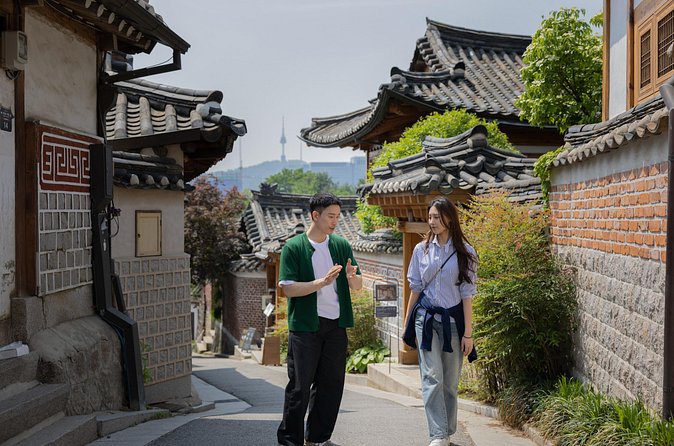
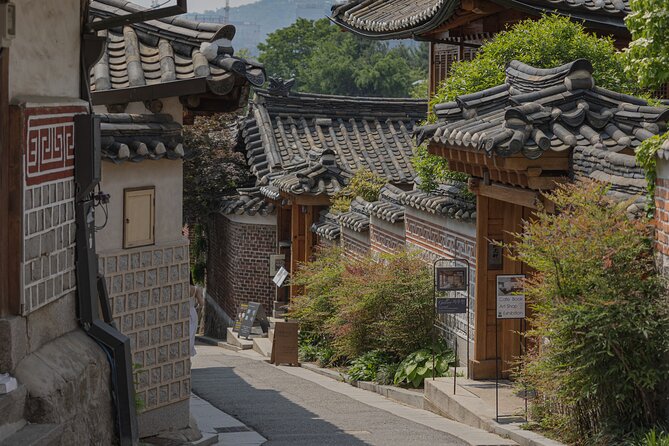
Bukchon Hanok Village is the longest stop, at about 25 minutes. Its traditional homes make it one of Seoul’s most recognizable areas, but the important subject here is not only architecture. June explains the tension between preserving old houses and allowing a living neighborhood to develop.
That tension matters. A hanok village is not simply an outdoor museum. It is also part of a modern city, with residents, businesses, visitors, and pressure for change. The route uses Bukchon to show how Korea decides what to protect, what to adapt, and what to rebuild.
You will walk through traditional lanes and hear how preservation affects everyday life. This is a good place to ask questions about the difference between cultural protection and turning a residential area into a sightseeing district.
The route is described as easy overall, but it includes some uphill walking. Bukchon’s sloping streets can be tiring, especially in hot or wet conditions. Wear shoes with good grip and keep the pace comfortable. The tour does not include admission tickets because the stops are public areas, so you can return later if you want more time with the village.
The University of North Korean Studies
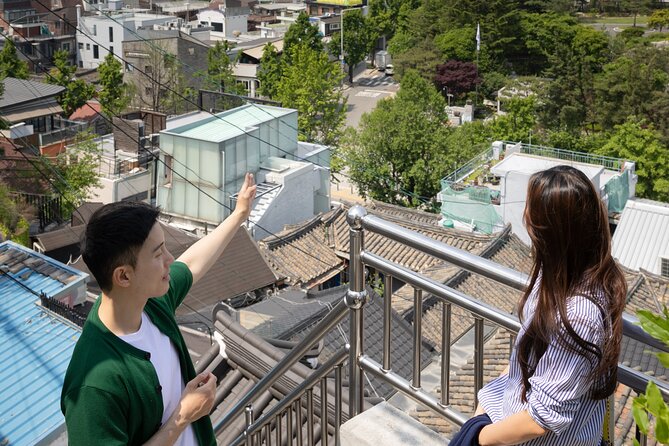
The final main stop is the University of North Korean Studies, described as the only college specializing solely in North Korea. The visit takes about 20 minutes and turns the discussion toward the divided peninsula and South Korean views of the North.
This subject can be hard to explain in a quick city tour. June’s approach places it beside the earlier conversations about war, foreign influence, national identity, and modernization. You are not simply told that North and South Korea are divided. You are encouraged to consider how that division affects the way people think about security, family, politics, and the future.
The location also gives the tour a distinctive finish. Most Seoul sightseeing routes do not include a place devoted to North Korean studies, so this stop adds something you are unlikely to receive from a standard palace walk.
Again, this is an exterior viewing stop rather than a classroom visit or a formal university program. The value is in the explanation. If modern Korean politics interests you, this section may be the part you remember longest.
From national history to Korean daily life
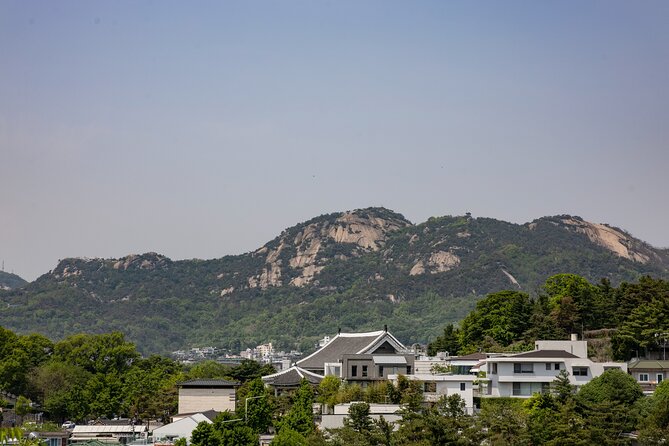
The tour’s best quality is the way it moves from public history to small social habits. June connects Confucian ideas to age hierarchy, then links postwar growth to working culture and the pressure to succeed. He also discusses coffee culture and Korean spa culture, two everyday subjects that make the larger history easier to understand.
These details help you avoid a common travel mistake: treating customs as odd little rules with no background. Korean age hierarchy, for example, makes more sense when you understand the long influence of Confucian social order. Workplace habits become easier to read when you know how quickly the country developed after the Korean War.
The same applies to leisure. Coffee shops and spas are not just convenient places to sit or relax. They fit into the rhythms of urban life and the ways people handle social time, work, and rest. The tour does not promise a food tasting, shopping session, or spa visit, but it gives you context for experiences you may have elsewhere.
The explanations are presented as an easy-to-follow lecture while walking. That is a strength if you enjoy organized information. If you prefer a loose stroll with little commentary, the amount of history and politics may feel like a lot for two hours.
Timing, walking, and group size
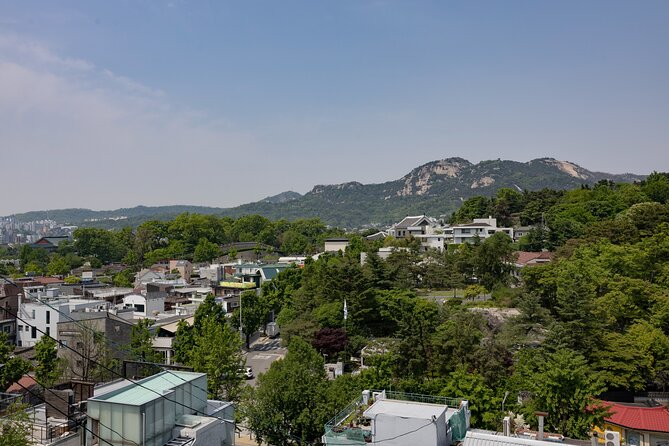
The tour starts at 10:30 a.m. at Gwanghwamun Square and ends about two hours later in front of the Blue House, also called Cheong Wa Dae. The endpoint is useful because you can continue exploring Jongno from there, though the tour itself does not include entry to the Blue House.
The route is near public transportation, and most people can participate. It is an easy walk overall, with a few uphill portions around the older neighborhoods. Plan for outdoor conditions, and allow enough time before the start to reach Gwanghwamun Square.
The maximum group size is 20 people. That is not a private tour, but it is more manageable than a large bus group. June’s clear speaking style matters here, especially at busy streets where you may need to stay close to hear the explanation.
The stop times add up to about 90 minutes, leaving the rest for walking between locations and discussion. That pacing keeps the experience active. It also means you should not expect long photo breaks or extended visits inside attractions.
Is $14.10 good value?
At $14.10 per person, this is inexpensive for a two-hour guided walk in central Seoul. The public locations are free, so you are paying for June’s knowledge, route planning, explanations, and answers to questions rather than entry tickets.
That is good value if your goal is to understand the country beyond its sights. A standard walk may show you Bukchon’s houses. This experience asks why the village is protected, how development changed the city, and what those choices say about Korean society.
The value is less clear if you mainly want photographs or unhurried sightseeing. You will pass through attractive areas, but the tour keeps its attention on ideas. You may want to return to Samcheongdong or Bukchon later when you can set your own pace.
Free cancellation is available until 24 hours before the start time. The experience depends on good weather and a minimum number of participants. If poor weather or insufficient enrollment cancels it, you are offered another date or a full refund.
Who should book this walk?
I would choose this tour if you want a quick but serious introduction to Korean society. It suits first-time visitors who want context before exploring more of Seoul, as well as returning visitors who have already seen the palaces and want a stronger understanding of modern Korea.
It is a particularly good match for anyone interested in history, politics, social customs, international relations, or urban change. Solo visitors can also fit in easily, and the short length leaves the rest of the day open.
I would think twice if you need a fully accessible route with no slopes, or if you dislike lecture-style guiding. The walk is described as easy, but it is not entirely flat. It also covers a lot of material in a short time.
For $14.10, the choice is simple: book it if you want Seoul explained, not just displayed. Skip it if your priority is shopping, food, long photo stops, or interior access to major attractions.
FAQ
How long does the Gwanghwamun tour last?
The tour lasts approximately two hours, or 120 minutes.
What time does the tour begin?
The start time is 10:30 a.m.
Where does the tour start?
The meeting point is Gwanghwamun Square at 172 Sejong-daero in Jongno District, Seoul.
Where does the tour finish?
The walk ends in front of the Blue House, also known as Cheong Wa Dae, at 1 Cheongwadae-ro.
Who guides the tour?
The guide is June, a history major and local guide who explains Korean history, politics, and society.
What places are included on the route?
The route includes Gwanghwamun Square, the US Embassy and Consulate area, Samcheongdong-gil Road, Bukchon Hanok Village, and the University of North Korean Studies.
Is the walking route difficult?
The walk is described as easy, but some sections go uphill. Most people can participate, though you should be prepared for outdoor walking.
How many people can join the tour?
The maximum group size is 20 people.
Can I cancel for a full refund?
Yes. You can cancel up to 24 hours before the experience starts for a full refund. Cancellations or changes made less than 24 hours before the start time are not accepted for a refund.
Just added in Seoul
- Your Personal Seoul Photographer!★ 4.1 · 15 reviews
- You’re Invited to Our Home in Seoul: The Only Cooking Class!★ 5.0 · 8 reviews
- From Seoul: Yongpyong Ski Day Tour with Transportation★ 4.9 · 40 reviews
- Seoul: Korean & English Language Exchange Global Party★ 5.0 · 28 reviews
- From Seoul: Hwacheon Ice Fishing and Lighting Festival Tour★ 4.5 · 4 reviews
- Unique Native Experience : Han River Picnic, Board game, BBQ★ 5.0 · 3 reviews
- Seoul: Gangneung BTS K-Pop & K-Drama Filming Locations Tour★ 4.6 · 14 reviews
- K-Pop Making Class with a Producer!★ 5.0 · 3 reviews
Tours in Seoul, compared.
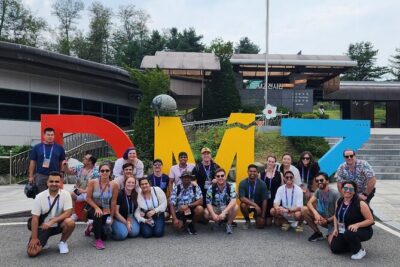
Best DMZ Tour Korea from Seoul (Red Suspension Bridge Optional)
Read our review →
DMZ Tour: 3rd Tunnel, Option(Suspension Bridge, Boat) from Seoul
Read our review →
DMZ tour south Korea from Seoul (NK experience hall, defector)
Read our review →
Signature DMZ Tour: Exclusive Defector Talk & Suspension Bridge
Read our review →
Thrilling Korean DMZ 3rd Tunnel Tour from Seoul + Red Bridge Rush
Read our review →
DMZ Past and Present: Korean Demilitarized Zone Tour from Seoul
Read our review →