
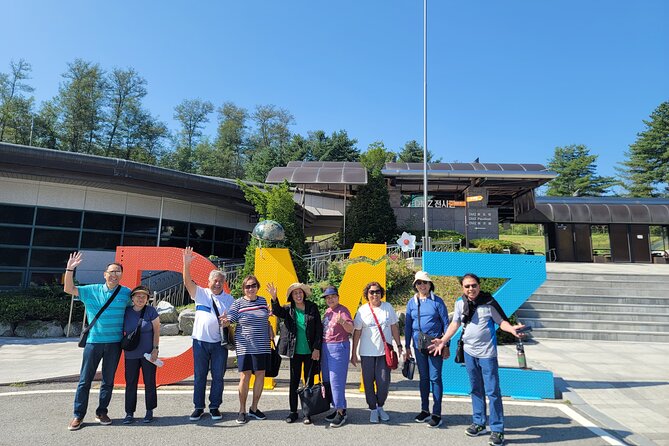
Reviewed · DMZ & JSA TOURS
Insightful DMZ Tour by Expert opt. Suspension Bridge with Pickup
The most striking part of this tour is that it takes you into a controlled border zone where you can walk through the Third Tunnel, an underground route built by North Korea after the Korean War. This is not a museum display. It is a physical place tied to a still-unresolved conflict, and you need an authorized guide to visit it.
I like the mix of serious history and real-world views. You can look toward North Korea from Dora Observatory with supplied binoculars, then hear about divided families at Mangbaedan and the prisoner exchange at Freedom Bridge. I also like the practical setup: round-trip transport from Seoul, guide-led access, and several central drop-off points.
The main caution is simple: this is a physically demanding day. The tunnel requires a steep walk down and back up, and parts of it are low enough that you may need to bend or squat. The optional Gamaksan Suspension Bridge adds another uphill walk, so comfortable shoes are essential.
Key points to know before booking
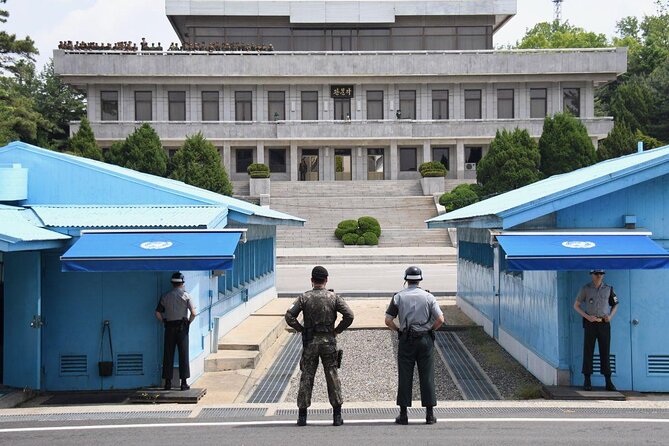
- Walk through the Third Tunnel: Expect a steep route, low ceilings, and a demanding climb back to the surface.
- See toward North Korea: Dora Observatory provides binoculars or monoculars for views of North Korean territory, including Gaeseong when conditions allow.
- Learn from strong English-speaking guides: Guides including Joo-Ee, Vincent, Jung, Jones, Jake, and Yujin are praised for clear explanations and careful timing.
- Add Gamaksan Suspension Bridge: The optional stop brings forest scenery and a scenic bridge, but it requires more walking and can be canceled in poor weather.
- Finish in central Seoul: Drop-off options include Hongdae, Myeongdong, Gwangjang Market, and Dongdaemun.
- Bring your passport: A current valid passport is required on the day of the tour.
Why the DMZ feels different from an ordinary day trip
The Demilitarized Zone is not simply a tourist attraction. It is a military-controlled area shaped by the Korean War, the division of families, and the continuing political separation between North and South Korea. You visit with an authorized tour and follow the rules set for the zone.
That gives the day a different tone from a typical Seoul excursion. There are viewing areas, memorials, and places for photographs, but the subject is serious. Your guide explains what you are seeing and why access, timing, and photography can be restricted.
The tour lasts roughly six to ten hours, depending on the schedule, traffic, military access, and whether you add the suspension bridge. Some departures start early, with one group leaving Seoul at about 6:30 a.m. and returning around 3 p.m. An early start helps you make the most of the limited time allowed inside the controlled area.
Group size can reach 40 people, though some departures have been much smaller. A group of 12 or 17 makes it easier to hear the guide and reach a good viewing position. You should not assume every departure will be small, but the operator does provide audio equipment on some tours and guides work to keep the group moving together.
Other trips up to the border from Seoul:
- Best DMZ Tour Korea from Seoul (Red Suspension Bridge Optional)
★ 5.0 · 41,422 reviews - DMZ Tour: 3rd Tunnel, Option(Suspension Bridge, Boat) from Seoul
★ 5.0 · 21,373 reviews - DMZ tour south Korea from Seoul (NK experience hall, defector)
★ 5.0 · 20,599 reviews
Imjingak Peace Park sets the tone
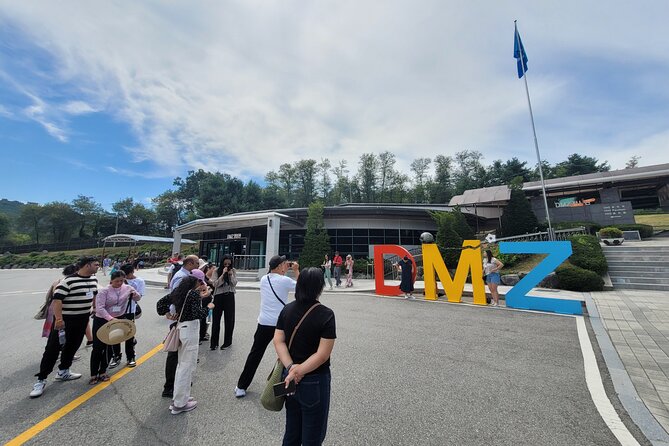
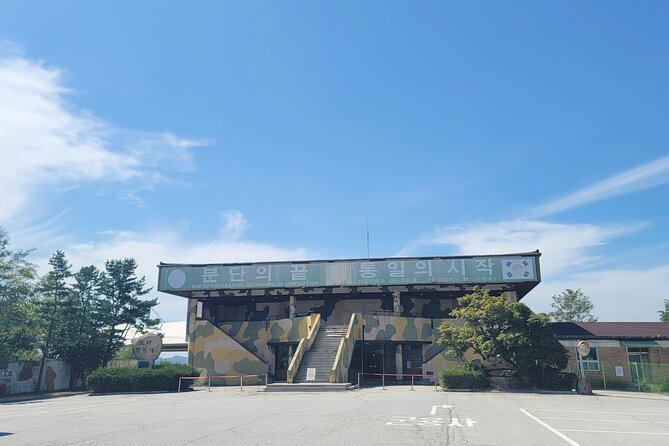
Your first major stop is Imjingak Tourist Information Center and the surrounding peace park. This is where the practical side of the visit begins, including ticket arrangements before you enter the DMZ area.
Imjingak also carries much of the emotional weight of the morning. You can see the derailed locomotive connected with the Korean War, visit Freedom Bridge, and learn about the Bridge of No Return, where prisoners were exchanged after the war. These are not isolated sights. Together, they show how the war separated people and turned ordinary transport routes into symbols of captivity and hope.
Mangbaedan is especially moving. Families separated by the war come here to remember relatives and hometowns now in North Korea. Your guide explains why the peace park was created and how the division remains personal for many Korean families.
You have only a short time at some of these places, including about five minutes at Freedom Bridge and ten minutes at Mangbaedan. That can feel brief, but the guide-led format helps you understand each stop without spending half the day trying to work out the background yourself.
The Third Tunnel is the hardest and most memorable stop
The Third Tunnel is the physical center of the tour. North Korea dug it after the Korean War as an infiltration route, and South Korea later opened part of it to visitors. You walk down into the tunnel and continue toward the restricted section.
Expect a serious workout. The route down is a long incline, and the return climb is harder. Once inside, the tunnel height is around five feet in places, so taller visitors may need to walk bent over or squat. The surface and slope add to the effort.
This is not a good fit if you have difficulty with steep walking, low ceilings, or sustained physical exertion. The tour requires moderate physical fitness, and the guide may remind you not to push beyond what feels safe. Rain can make the day more tiring, even when the transport and organization remain smooth.
For most people who can manage the route, the tunnel gives the DMZ a physical reality that an observation deck cannot. You are not merely hearing that the border was fortified. You are standing inside a wartime passage built beneath it.
Wear supportive shoes, carry water, and do not save all your energy for later. The tunnel visit takes about an hour, but the walking is concentrated and the return climb comes when you are already warm and tired.
Dora Observatory brings North Korea into view
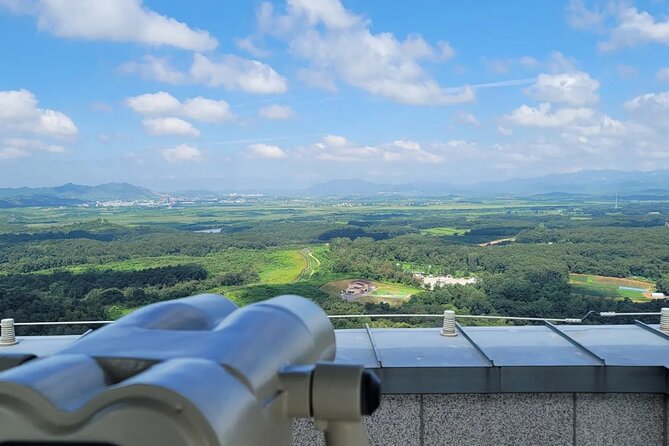
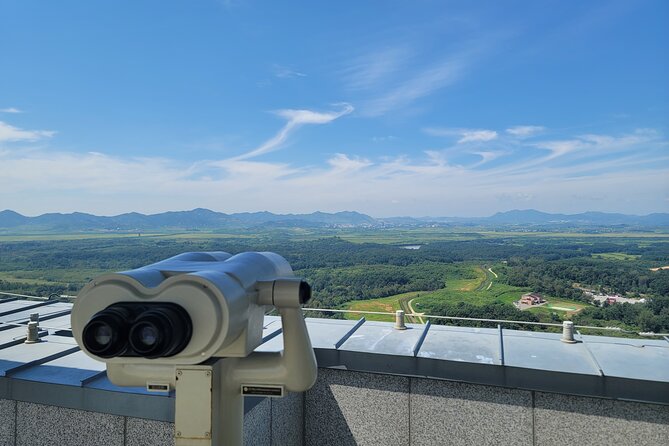
At Dora Observatory, the experience changes from underground exertion to open sightlines. You can use the supplied binoculars or monoculars to look toward North Korea. On a clear day, you may see Gaeseong, one of North Korea’s larger cities, along with parts of the surrounding area.
The viewing experience depends heavily on weather. Cloud, rain, and haze can reduce what you see. The tour may still be worthwhile in poor weather because the guide’s explanation and the political setting remain, but you should not book this expecting a guaranteed sharp view across the border.
The provided viewing equipment is a useful touch. You do not need to arrange your own binoculars, and guides such as Vincent have carried them up the hill and helped the group find a good position. Some departures provide individual binoculars, while the included information confirms free rental of monoculars or binoculars.
Photography rules can also affect the stop. Certain areas may restrict photographs, and one visitor noted having to rely on memory after being unable to take pictures. Listen carefully to the guide and military instructions rather than treating the observatory like an ordinary scenic lookout.
Other walks with a drop below them near Seoul:
- Seoul: DMZ Tour with Optional Suspension Bridge
★ 4.8 · 5,277 reviews - Signature DMZ Tour: Exclusive Defector Talk & Suspension Bridge
★ 5.0 · 4,459 reviews - Ultimate Korea DMZ Tour from Seoul (Gondola & Suspension Bridge)
★ 5.0 · 2,396 reviews - DMZ; NK Defector, 3rd Tunnel, Suspension Bridge,Hotel pickup
★ 4.9 · 2,055 reviews
Tongilchon and the Civilian Control Zone
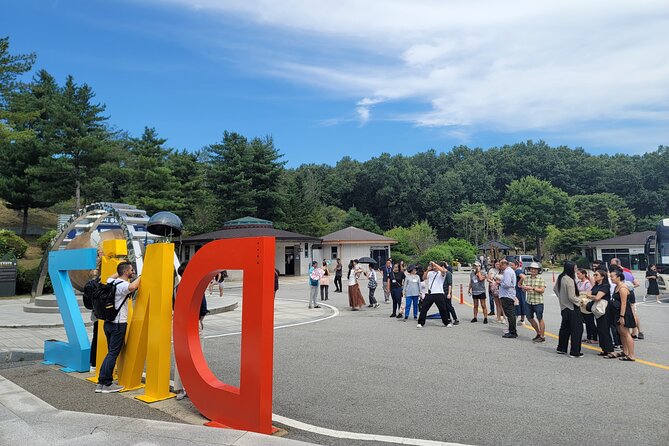
Tongilchon-gil is a brief stop in an actual village inside the Civilian Control Zone. Local people live there, and the stop works as a rest break before you return toward Imjingak by government-run coach.
You may have a chance to buy souvenirs or local products. The stop is short, about 15 minutes, so it is not a full village visit. Its value is in showing that the controlled zone is not only a line on a map or a collection of military installations. People live and work within the wider area under special restrictions.
Your guide may also point out Korean film or television locations during the day. This adds a lighter cultural note, but it should not distract from the central subject: the DMZ is a living border shaped by military rules and divided communities.
Gamaksan Suspension Bridge is worth adding for the right reason
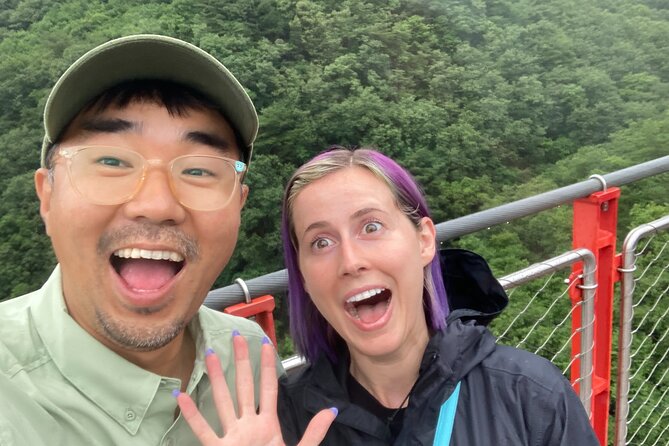
The Gamaksan Chulleong Bridge option takes you away from the main DMZ sights and into a forested area around Mt. Gamaksan. The mountain was the scene of fierce fighting during the Korean War, so the stop connects natural scenery with the same conflict discussed earlier in the day.
The bridge itself is scenic and gives you a change of pace after the tunnel and observation posts. Several guides have helped groups find good photo spots, and the forest setting can make this feel like a more active outdoor outing than a history tour.
Do not mistake the bridge for an easy add-on. The walk to it includes an incline, and the route can feel strenuous after the Third Tunnel. One description compares the climb to needing steady footing like a mountain goat. That is colorful advice, but useful advice too.
Weather matters here. Rain can prevent the suspension bridge visit, and the operator may substitute another stop, such as Odusan Unification Observatory, to provide another view toward North Korea. The tour terms state that bad weather can lead to a different date or a full refund when the experience itself is canceled. If only an optional stop is missed, compensation is not guaranteed, so check the conditions before booking if the bridge is your main goal.
Transport and drop-off choices add real value
At $53 per person, the tour is priced sensibly for a long guided outing that includes DMZ admission, air-conditioned transport, and a guide. The biggest value is not just the entrance fee. It is avoiding the difficulty of arranging transport to a restricted military area and handling the required access process yourself.
Hotel pickup is available, but hotel drop-off is not included. At the end of the day, you can be dropped at Hongdae, Myeongdong, Gwangjang Market, Dongdaemun, or other stated central locations. This works well if you want to turn the return into an evening of food and shopping.
Gwangjang Market is a particularly useful finish for anyone hungry after the early start. It is known for a large selection of Korean street food, with more than 120 choices described for the market. Myeongdong offers shopping and street food, while Hongdae gives you access to youth-oriented shops, karaoke rooms, food, and performances. Dongdaemun is handy for the market, the old city wall, and Dongdaemun Design Plaza.
Because drop-off is not at your hotel, plan your final route before the bus arrives. The central stops are convenient, but you may still need to use Seoul’s public transport or arrange your own ride.
The guides shape the whole day
The strongest part of this experience is the guide’s role. A DMZ visit can otherwise become a sequence of checkpoints with little meaning. Guides such as Joo-Ee, Vincent, Jung, Jones, Jake, and Yujin are praised for clear English, historical context, humor, and careful timing.
Joo-Ee is described as using pictures and visual material to explain North and South Korean history. Vincent is noted for sending reminders about passports, coordinating meeting times, and keeping the group on schedule. Jung is praised for explaining the Korean War and the wider history of Korea in a way that makes the border easier to understand.
This matters because the DMZ can be confusing. You are moving between a peace park, a military-controlled zone, an underground tunnel, an observation deck, and a village. The guide connects these places and explains why each one matters.
The experience is not a private tour. With up to 40 people, there can be waiting and regrouping. Still, smaller departures do happen, and the included audio equipment can help when the group is larger or the surroundings are noisy.
What to bring and how to prepare
Bring your current passport. It is required on the day, and forgetting it could prevent you from entering the controlled area.
Wear comfortable walking shoes with good grip. You will deal with slopes at the Third Tunnel, additional walking near the bridge, and possible wet conditions. The tour is not suitable for treating the day as a relaxed bus sightseeing loop.
Bring a small snack or buy food before departure. One useful detail from the day’s organization is that there are breaks, but meal timing is not presented as a full restaurant lunch. Convenient-store food can help, especially with an early start.
Pack according to the forecast. Rain can make the bridge visit impossible and can reduce visibility at Dora Observatory. The experience requires good weather, and poor conditions may lead to a change of date, an alternative experience, or a refund if the tour is canceled.
Book with some flexibility in your day. The stated duration is six to ten hours, and military access, traffic, weather, and optional stops can affect the schedule.
Who should book this DMZ tour
I would choose this tour if you want the main DMZ sights without renting a car or trying to arrange access on your own. It suits history-minded visitors, first-time visitors to Seoul, and anyone curious about the political situation on the Korean Peninsula.
It is also a good choice if you want more than a viewing platform. The Third Tunnel gives you a physical sense of the conflict, while Mangbaedan and Freedom Bridge add the human side of divided Korea.
I would hesitate if you have limited mobility, dislike low tunnels, or want a slow, flexible day. The tunnel and bridge option both require effort, and the military setting means you cannot wander freely or guarantee every planned stop.
Should you book it?
Book it if you can handle a steep tunnel walk and want a guided explanation of Korea’s division rather than a quick photo stop. At $53, transport, entry, equipment, and guide support make the price good value for a full day outside Seoul.
Choose the suspension bridge option only if you are comfortable adding another walk and can accept that weather may change the plan. Bring your passport, wear proper shoes, and keep your schedule flexible. Done with those expectations, this is a serious, memorable way to understand the DMZ and the people connected to it.
FAQ
How long does the DMZ tour take?
The tour lasts approximately six to ten hours. The exact length can vary with traffic, military access, weather, and the optional suspension bridge stop.
Is hotel pickup available?
Yes. Optional hotel pickup is offered from Seoul. Hotel drop-off is not included, but central drop-off points are available.
Which sights are included in the DMZ visit?
The itinerary includes Imjingak Peace Park, the Third Tunnel, Dora Observatory, Mangbaedan, Freedom Bridge, and Tongilchon-gil. The Gamaksan Suspension Bridge is an optional addition.
Do I need my passport?
Yes. You must bring a current valid passport on the day of the tour.
Is the Third Tunnel physically difficult?
Yes. You walk down a steep route and then climb back up. Parts of the tunnel are around five feet high, so you may need to bend or squat.
Are binoculars provided?
Yes. Free rental of monoculars or binoculars is included for viewing toward North Korea.
Can I take photographs everywhere?
No. Photography restrictions may apply in parts of the DMZ. Follow the guide’s instructions and the rules at each military-controlled site.
What happens if the weather is poor?
The experience requires good weather. If the tour is canceled because of poor weather, you can be offered another date or a full refund. The suspension bridge may also be replaced or skipped if conditions are unsafe.
Just added in Seoul
- Suwon: Baseball Game with Fortress and Local Food Tour★ 5.0 · 3 reviews
- Seoul: War Memorial of Korea Private Guided Museum Tour★ 4.9 · 29 reviews
- Seoul: Wine & Korean BBQ, Perfect Pairing Dinner in Sinchon★ 5.0 · 6 reviews
- Seoul : Your Personal Photographer in Gyeongbokung★ 5.0 · 7 reviews
- Seoul : Efoil Experience in Han River★ 5.0 · 5 reviews
- Seoul: Vivaldi Park Winter Ski with Eobi Ice Valley Day Tour★ 4.6 · 16 reviews
- Seoul: Vivaldi Park Winter Ski with Nami Island Day Tour★ 5.0 · 4 reviews
- Seoul: SnowyLand in Vivaldi Park with Nami or Alpaca★ 4.8 · 11 reviews
DMZ & JSA Tours, compared.
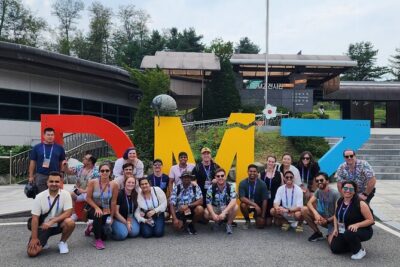
Best DMZ Tour Korea from Seoul (Red Suspension Bridge Optional)
Read our review →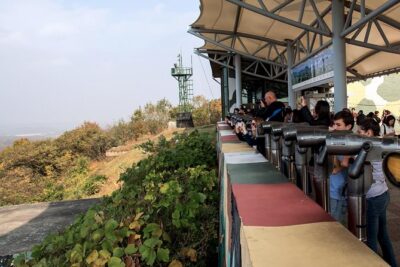
DMZ Tour: 3rd Tunnel, Option(Suspension Bridge, Boat) from Seoul
Read our review →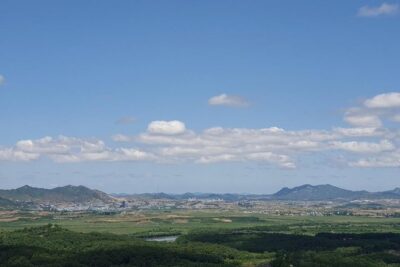
DMZ tour south Korea from Seoul (NK experience hall, defector)
Read our review →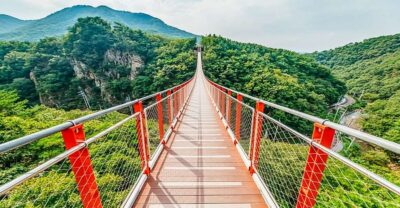
DMZ Insider Tour: 3rd Tunnel, NK Defector Meet & Red Bridge
Read our review →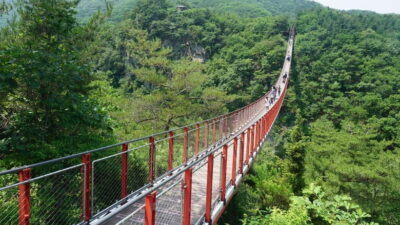
Signature DMZ Tour: Exclusive Defector Talk & Suspension Bridge
Read our review →
Thrilling Korean DMZ 3rd Tunnel Tour from Seoul + Red Bridge Rush
Read our review →
DMZ Past and Present: Korean Demilitarized Zone Tour from Seoul
Read our review →Browse the lists this tour appears in