
Reviewed · GAMCHEON CULTURE VILLAGE & BUSAN LANDMARKS
Korean cooking class in Haeundae, Busan
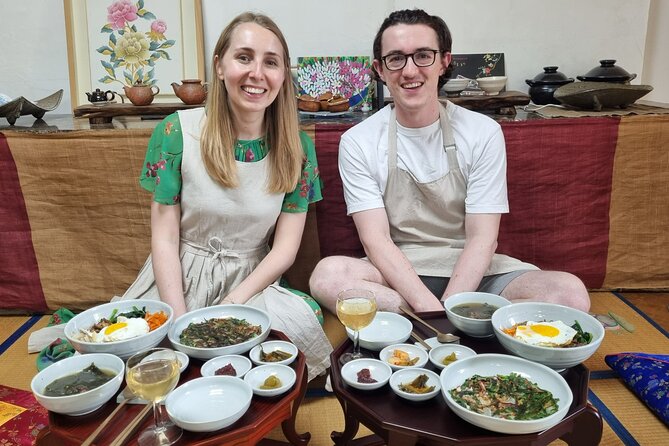
Korean cooking becomes much easier to understand when you make the food yourself. At Bapsang in Haeundae, Min leads a small class through sauces, ingredients, cooking methods, and the cultural meaning behind the meal, then helps you sit down to your own bibimbap, seaweed soup, and Korean pancake.
I like the personal cooking stations, which give you real work to do instead of leaving you watching a demonstration. I also like the warm, cultural touch: you wear a traditional Korean apron, learn about Joseon-era food customs, and finish with tea, dessert, and a participation certificate.
The main consideration is the $100 price, which is more than a casual meal in Busan. The value depends on how much you want hands-on instruction, cultural context, and a small-group setting. The menu may change, and the class requires good weather.
Key points at a glance

- Cook at your own station: You prepare each dish yourself with close guidance from Min.
- Small class size: The stated limit varies between seven and eight people, keeping the lesson personal.
- Three Korean dishes: The usual menu includes bibimbap, seaweed soup, and a Korean pancake, though dishes can change.
- Traditional meal setting: You eat at a Korean bapsang table on the floor, with a chair and table available if needed.
- More than a recipe lesson: You learn about Korean sauces, Joseon cooking traditions, aprons, language, and dining customs.
- A useful Haeundae base: The meeting point is in Marine City, near Dongbaekseom, Haeundae Beach, The Bay 101, and Nurimaru APAC House.
What the three-hour Bapsang class is really like
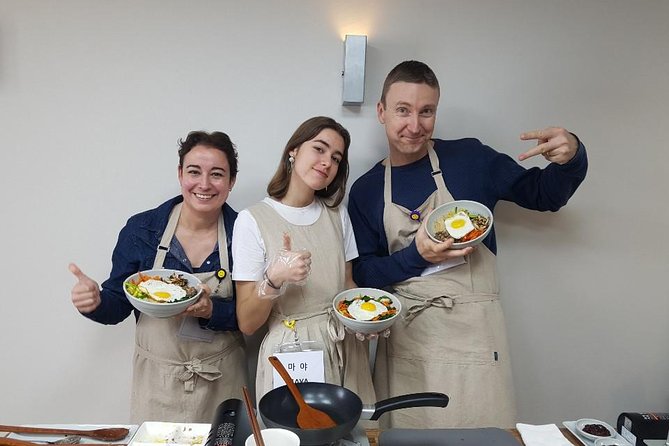
This is not a quick cooking demonstration followed by a snack. You spend about three hours moving through a full Korean meal, from welcome drink to dessert. Min provides the instruction, but you do the cutting, mixing, seasoning, and cooking at your own station.
That format matters. You can ask for help at the exact moment you need it, rather than trying to remember a recipe while watching someone else work. The class is designed for beginners, and the teaching is clear enough for people who do not cook often.
The group is intentionally small. The details give a maximum of seven people in one place and eight in another, so I would treat the practical expectation as a class of no more than eight. That is still a good size for personal attention and conversation without making the lesson feel private or costly.
English-language support is reflected in the feedback about reading Korean menus, learning food vocabulary, and discussing Korean culture and language. Still, specific language arrangements are not given, so contact the provider if language access is important to you.
Other landmark stops around Busan:
- Busan’s Cultural Wonders with Beach Train & Gamcheon Village etc
★ 4.5 · 663 reviews - Busan: Gamcheon Village and Haeundae Blueline Park Tour
★ 4.8 · 374 reviews - Busan Coastal Charm & Culture: Gamcheon Village & opt Sky Capsule
★ 5.0 · 255 reviews
Putting on a palace-style Korean apron
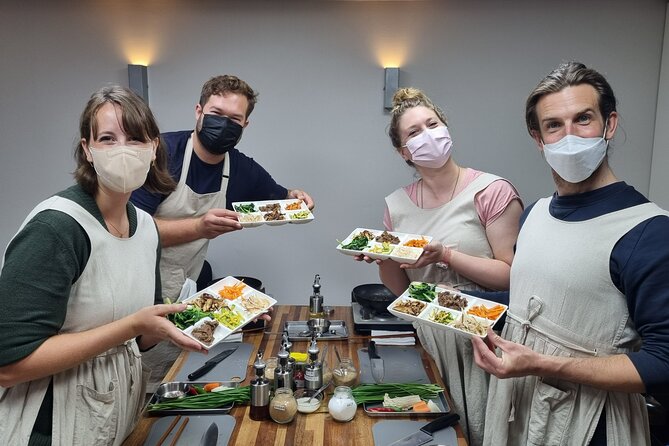
The class begins with a welcome drink and a change into a traditional Korean apron associated with cooks in the royal palace. This is a small detail, but it gives the lesson a sense of occasion and connects the cooking to Korea’s court-food traditions.
You also taste the main Korean sauces before cooking. That is one of the most useful parts for a first visit to Korea, since many dishes depend on the balance between fermented, salty, sweet, spicy, and savory flavors. Sampling the sauces first helps you understand what is going into your food instead of treating each ingredient as a mystery.
The class places these flavors in a Joseon dynasty setting. You are not simply copying a modern restaurant recipe. You are learning how Korean cooking traditions relate to older dining customs, ingredients, and presentation.
The historical material is not presented as a separate lecture. It is woven into the apron, sauces, dishes, and meal. That keeps the cultural information connected to something you can taste and repeat at home.
Cooking bibimbap, seaweed soup, and Korean pancakes
The standard cooking sequence includes bibimbap, seaweed soup, and a Korean pancake, often described in the class material as a chive pancake. These dishes make a sensible trio because they show different parts of Korean cooking.
Bibimbap teaches you how separate ingredients come together in one bowl. The dish is especially useful for home cooks because it offers a flexible way to use vegetables, rice, sauces, and toppings. The instruction focuses on preparation and the sauce, so you leave with more than the name of the dish.
Seaweed soup gives you a look at a familiar Korean soup tradition. Korean seaweed soup is also tied to birthdays and other personal customs, making it a good dish for connecting everyday food with culture. The class explains the dishes as you prepare them, rather than treating food as decoration around a history talk.
The pancake adds a different texture and cooking method. The chive version receives particular praise in the supplied comments, and it is a good introduction to the savory pancakes served in Korea. You cook it yourself, so you can see how batter, vegetables, and heat work together.
The menu can vary by date. Special cooking dates and temple-food dates are listed as not scheduled for 2025, so do not book expecting a palace-special or vegan temple-food menu unless the provider confirms a new date. Ask ahead if you have a specific dish in mind.
Eating at a Korean bapsang table
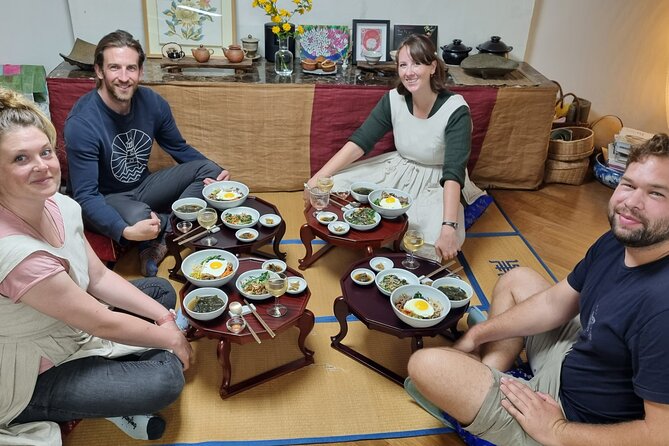
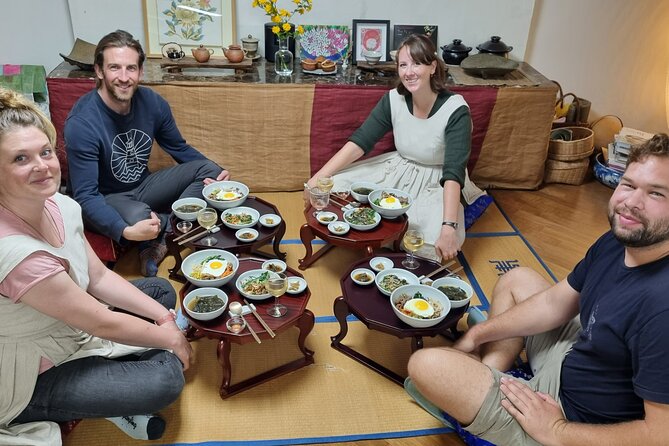
Once the food is ready, you eat what you made at a traditional Korean bapsang table. The floor seating adds a clear cultural element, though it will not suit everyone after a morning of cooking.
If sitting on the floor is difficult, the class provides a regular table and chair. That practical option is important for older visitors, anyone with limited mobility, or simply anyone who prefers not to kneel or sit low for a full meal.
The meal is followed by Korean tea and a simple dessert. The dessert is complimentary and gives the class a gentle finish rather than ending as soon as the last pan is washed.
The shared meal also helps the class feel social. You may be cooking alongside people from different countries, and the format leaves room for conversation. Several comments describe the class as especially enjoyable for families, including parents cooking with teenagers and adult children.
Other classes where you cook in Busan:
- Busan Tailored Korean cooking class (Vegan OK)with market tour
★ 5.0 · 66 reviews - Busan: Small-Group Traditional Korean Food Cooking Class
★ 4.9 · 58 reviews - Busan Local Food Cooking Class with Market Tour
★ 5.0 · 53 reviews - Local Home Korean Cooking Class & Market Adventure in Seoul
★ 5.0 · 1,024 reviews
Why Min’s teaching makes the difference
The instructor, Min, is the center of the experience. Her teaching style is repeatedly described as warm, attentive, funny, and encouraging. That matters in a cooking class because people arrive with different skills, confidence levels, and dietary needs.
You do not need previous culinary experience. The instruction is step by step, and the class can adjust to beginners. At the same time, people who cook regularly should still find enough cultural context and Korean technique to make the lesson worthwhile.
Min has also helped with dietary requests. Specific examples include gluten-free food for one participant and a vegetarian option for another. This is encouraging, but you should still state your needs when booking or before the class. The available information does not promise every dietary adaptation.
A particularly useful extra is help with Korean menus and local recommendations. The class includes counseling near the area, and the practical guidance can help you make better choices during the rest of your Busan stay. This is not a sightseeing tour with a guide who happens to cook. It is a cooking lesson with a local host who can also help you understand the city.
Marine City, Haeundae Beach, and the listed area stops
The class begins and ends at 37 Marine city 3-ro in Haeundae. Marine City is a convenient base for the Haeundae side of Busan, and the experience is listed near public transportation.
The activity information also names Dongbaekseom, Haeundae Beach, The Bay 101 Yacht Club, and Nurimaru APAC House. These are useful reference points when planning your day:
- Dongbaekseom is the wooded coastal area at the western end of Haeundae Beach.
- Haeundae Beach is Busan’s best-known urban beach and an easy place to add a walk before or after class.
- The Bay 101 Yacht Club is a popular waterfront spot with city views and evening appeal.
- Nurimaru APAC House is a modern meeting venue on Dongbaekseom with a strong connection to international diplomacy.
The cooking class information does not spell out a guided sightseeing schedule at each stop, so I would not book this expecting a separate four-stop city tour. Think of these places as the surrounding Haeundae and Marine City setting, and plan extra time if you want to visit them independently.
The 10:00 a.m. start works well. You can cook in the morning, eat lunch at the end, and still have the afternoon for Haeundae, Dongbaekseom, or another Busan neighborhood. Since the class lasts about three hours, avoid scheduling a tightly timed attraction immediately afterward.
Is $100 per person a fair price?
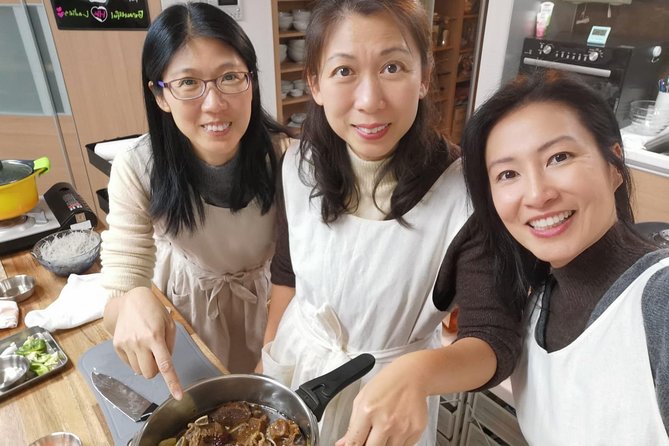
At $100, this is a premium cooking class by ordinary Busan meal standards. You could eat bibimbap, soup, and pancakes for far less. The price makes more sense when you count the personal station, ingredients, instruction, welcome drink, full meal, tea, dessert, cultural explanation, small group, and certificate.
The strongest value comes from the teaching. If you only want to taste Korean food, spend the money on a good restaurant or market visit. If you want to understand the sauces, prepare the dishes yourself, and repeat them at home, the class offers more lasting value.
The group cap also helps justify the price. A class of up to eight allows Min to correct technique, answer questions, and adjust the pace. You are not paying for a large demonstration where the instructor works at the front while you watch.
The certificate is a pleasant souvenir rather than a professional qualification. It marks your participation and gives the class a nice ending, especially for children, families, or anyone collecting memorable travel experiences.
Who should book this Korean cooking class?
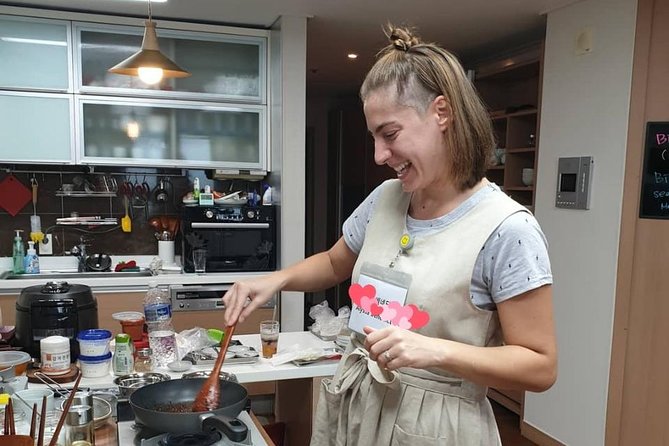
I would recommend it most strongly to first-time visitors who want a practical introduction to Korean food. You will learn enough to recognize sauces, understand several familiar dishes, and approach Korean menus with more confidence.
It also suits:
- Families with older children or teenagers
- Couples looking for a shared morning activity
- Solo visitors who enjoy meeting a small international group
- People who cook at home and want recipes they can repeat
- Visitors with gluten-free or vegetarian needs who can arrange them in advance
- Anyone staying near Haeundae or Marine City
The class is also a good choice for people who do not cook much. You do not need to arrive with knife skills or restaurant experience. The guided format is forgiving, and the meal gives you a clear reward at the end.
I would think twice if you dislike hands-on activities, have trouble sitting on the floor, or want a strictly fixed menu. The chair option solves the seating issue, but the class still requires active participation. Menu changes are part of the experience.
Practical details before you book
Confirmation is provided at booking, and the experience uses a mobile ticket. The starting point is 37 Marine city 3-ro, Haeundae, Busan, and the class returns there at the end.
Service animals are allowed, and the meeting point is near public transportation. The group size is small, with the supplied information giving a maximum between seven and eight people.
Free cancellation is available up to 24 hours before the 10:00 a.m. start time for a full refund. Changes or cancellations inside that window are not accepted, and the cut-off uses local Busan time.
The experience requires good weather. If poor weather causes cancellation, you are offered another date or a full refund. Since much of the activity is indoors, this policy may relate to the broader activity arrangements, but the provider controls the final decision.
Final call: book it for the meal, stay for the culture
Book this class if you want to do more than order Korean food. Min’s teaching, the personal stations, the sauce tasting, and the traditional bapsang meal give you a clear way into Korean food culture without requiring cooking experience.
The price is not the cheapest way to eat lunch in Busan, and the menu may change. Still, the combination of hands-on work, small-group attention, local advice, dessert, and a certificate makes it a strong choice for a meaningful morning in Haeundae. If your schedule allows three hours and you enjoy learning by doing, this is one of the better food-focused activities to add to a Busan visit.
FAQ
Where does the Korean cooking class begin?
The class begins at 37 Marine city 3-ro in Haeundae, Busan, South Korea.
What time does the class start?
The stated start time is 10:00 a.m.
How long does the experience last?
The cooking class lasts approximately three hours and ends back at the meeting point.
What dishes will I cook?
The usual dishes are bibimbap, seaweed soup, and a Korean pancake. The menu may vary by date.
Do I need cooking experience?
No. Previous culinary experience is not necessary, and the instructor provides guidance and one-on-one attention.
How many people can join the class?
The experience is advertised as a small class. The information gives a maximum of seven people in one description and eight travelers in another.
Can I sit at a table instead of on the floor?
Yes. The meal is normally served at a traditional Korean floor table, but a regular table and chair are available if floor seating is difficult.
Is cancellation free?
You can cancel at least 24 hours before the local start time for a full refund. Cancellations or changes made less than 24 hours before the start are not accepted, and poor-weather cancellations offer another date or a full refund.
More Workshops & Classes in Busan
- Seoul: Korean Cooking Class at a Local Home and Market Tour
★ 5.0 · 348 reviews - Yongpyong Ski Resort from Seoul with Optional Lesson and Packages
★ 5.0 · 217 reviews - Korean Cooking Class with Grocery Shopping at Seoul Local Market
★ 5.0 · 107 reviews - Royal Seoul Cooking Class in a 100-Year-Old Hanok
★ 5.0 · 81 reviews
Just added in Busan
- From Busan: Gyeongju Historical Day Tour with Sky Capsule★ 4.7 · 17 reviews
- From Busan: Gyeongju Full-Day Historical Tour★ 4.1 · 6 reviews
- Busan: Winter Healing Park and (Gyeongju/Daegu) One Day Tour★ 5.0 · 5 reviews
- Busan: Private Chartered Car Tour★ 4.1 · 7 reviews
- Busan’s Best: Sea Temples, Yacht Tour & Sky Capsule Day Tour★ 4.8 · 24 reviews
- Busan: Sky Capsule+ Huinnyeoul+ Gamcheon+ Songdo+ Night View★ 4.9 · 10 reviews
- Busan: Jagalchi Market & Gamcheon village Walking Tour★ 5.0 · 7 reviews
- Busan: Night Small Group Photo Tour (Max 7)★ 5.0 · 33 reviews
Gamcheon Culture Village & Busan Landmarks, compared.
Busan’s Cultural Wonders with Beach Train & Gamcheon Village etc
Read our review →
Gamcheon Village and Haeundae Blueline Park Tour
Read our review →
Busan Coastal Charm & Culture: Gamcheon Village & opt Sky Capsule
Read our review →
Busan Tour: Gamcheon Village & Haedong Yonggungsa Temple + Lunch
Read our review →
Gamcheon Culture Village, Jagalchi fish market story telling Tour
Read our review →
Private Busan tour with gamcheon culture village and the temple (Customizable)
Read our review →
Small Group With Hotel Pickup, Sky Capsule, Local Guide
Read our review →
Browse the lists this tour appears in