
Reviewed · COOKING CLASSES
Busan: Small-Group Traditional Korean Food Cooking Class
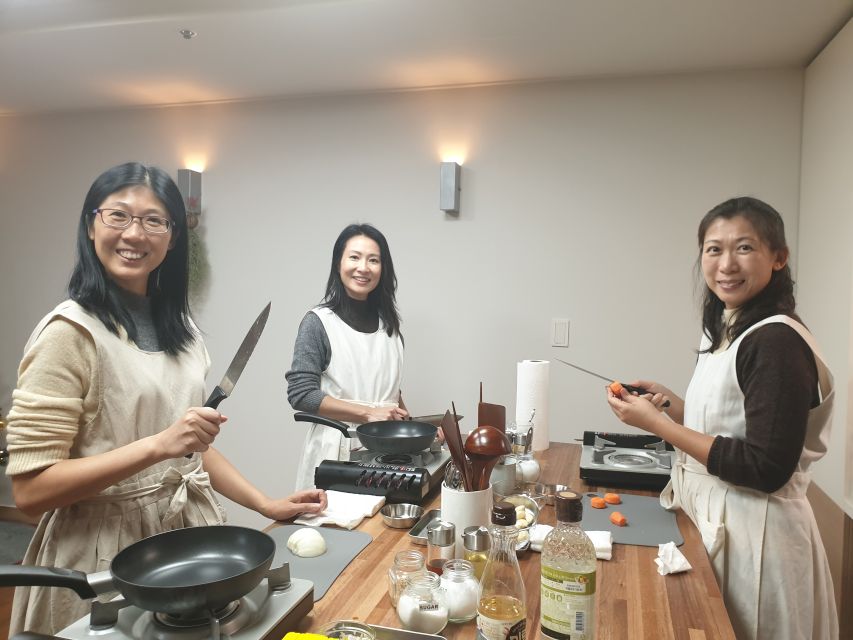
Korean food makes the most sense when you prepare it yourself. In this three-hour class near Haeundae Beach, you taste sauces, cook bibimbap and other home-style dishes, then sit down to eat from your own bapsang, a traditional personal dining table. Instructor Min is often praised for clear English and warm teaching, while some sessions are led by Kim.
I like the small group of up to 10, since you get real time at the counter instead of watching from the back. I also like the way the class adds culture to the recipes, with Korean tea, dessert, and explanations of how the food fits into everyday meals.
The main drawback is simple: this is a cooking activity, not a sightseeing tour. You must make your own way to an apartment building in Marine City, and the menu can vary with the season and the class. If you want a relaxed local food lesson, the $98 price is reasonable. If you only want a quick meal, it is more time and money than necessary.
Key points at a glance
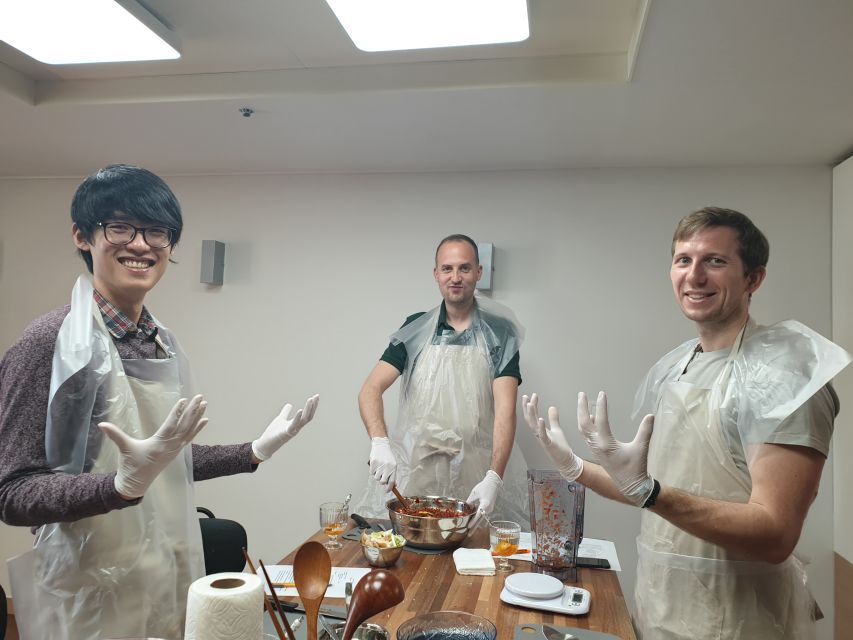
- Cook more than bibimbap: Past classes have included miyeok guk, a seaweed and beef soup, and buchu jeon, a Korean vegetable pancake.
- Learn by tasting first: You sample Korean sauces and ingredients before using them, which makes the final dishes easier to understand.
- Eat at a bapsang: Your finished food is served on a traditional small dining table rather than treated as a rushed cooking-school lunch.
- Meet a warm local instructor: Min is often the teacher, with Kim also leading classes, and both English and Korean are offered.
- Finish with tea and dessert: The experience includes a Korean tea and dessert tasting, plus recipes, a certificate, and a surprise gift.
- Plan your route: Dongbaek subway station is about a 10-minute walk away, and pickup is not included.
Why this class works near Haeundae Beach
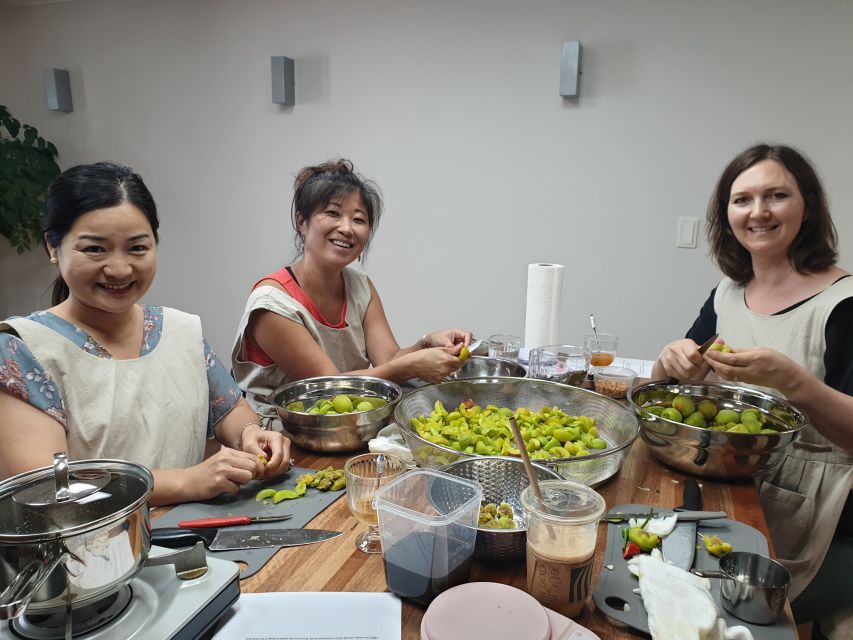
The setting gives you a useful break from Busan’s major sights. You meet at Flat 2406, Hoabin Busan Haeundae, at 37 Marine City 3-ro. This is in Marine City, close to the Haeundae area, so you can pair the class with time around the beach before or after.
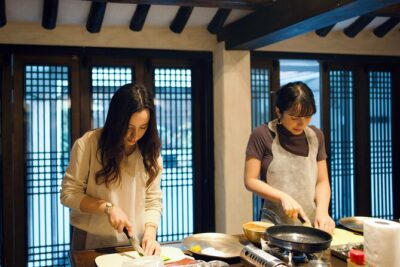
I like this kind of location for a food class. You are not being ushered through a large restaurant kitchen or a tourist-market demonstration. You enter a smaller teaching space where the focus is on handling ingredients, following instructions, and sitting down to eat what you made.
The address is inside a building, so allow time to find the correct entrance and apartment number. There is no hotel pickup or drop-off. From Dongbaek Station on Busan Metro Line 2, use Exit 1 and expect about a 10-minute walk. The Daewoo Marina Apartment bus stop is about seven minutes away on foot, served by buses 139, 307, and 1003. Dongbaek bus stop is farther, about 15 minutes away, with several routes including 31, 38, 39, 40, 63, 100, 100-1, 115-1, 141, 181, and 200.
Other classes where you cook in Busan:
- Korean cooking class in Haeundae, Busan
★ 5.0 · 92 reviews - Busan Tailored Korean cooking class (Vegan OK)with market tour
★ 5.0 · 66 reviews - Busan Local Food Cooking Class with Market Tour
★ 5.0 · 53 reviews
The welcome drink and first taste of Korean flavor
The class begins with a welcome drink, then the instructor introduces the ingredients. This early tasting is one of the best parts for a first visit to Korea because it gives you a reference point before you start cooking.
Korean food often gets reduced to a few familiar labels, such as spicy, fermented, or savory. Here, you get to test sauces directly and notice how different ingredients change the balance. The teacher explains what you are tasting and how those flavors will work in the dishes.
Min receives especially strong praise for clear explanations and easy-to-follow instruction. You can expect a teaching style aimed at beginners, not a chef’s examination. The class is also designed for international visitors, with instruction in English and Korean.
The group is capped at 10 participants. That is small enough for questions and practical help, though it is not a private lesson. If the class fills, you will still be sharing the cooking area and teacher’s attention with other people.
Cooking bibimbap and seasonal Korean dishes
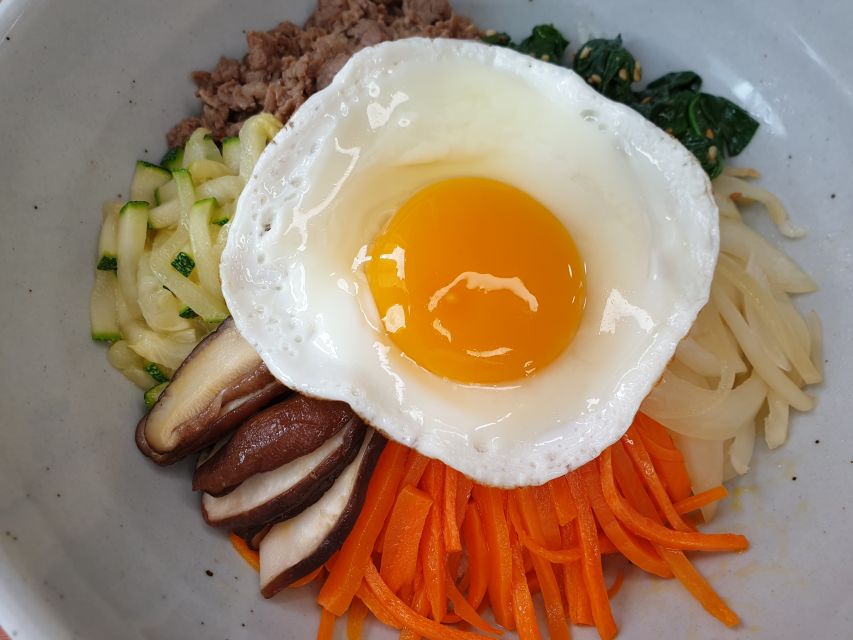
Bibimbap is the central dish named for the class, and it is a smart choice for teaching Korean food. The bowl brings together rice, vegetables, meat, and sauce, so you learn several basic ideas at once: preparing ingredients, balancing textures, and mixing flavors at the table.
The point is not just to copy a bowl. You learn how separate ingredients become a complete meal. Fresh local seasonal produce is used, so the exact selection may change. That is useful knowledge if you want to cook the dish again at home, since Korean home cooking depends on what is available rather than one fixed restaurant formula.
The class has also included miyeok guk, a seaweed and beef soup, and buchu jeon, a vegetable fritter. These dishes give you a wider look at Korean meals than bibimbap alone. Soup brings a warm, savory element, while the pancake adds a crisp, pan-cooked contrast.
Past participants have described the instructions as step by step, with the teacher explaining each stage before you move on. That matters if you have little cooking experience or if you are working with unfamiliar ingredients. You are not expected to know Korean techniques before arriving.
The exact menu should be treated as flexible. The advertised experience centers on bibimbap, while the other dishes can reflect the day’s class plan and seasonal ingredients. If one particular dish matters to you, ask before booking rather than assuming every session follows exactly the same menu.
Sitting down at your own bapsang
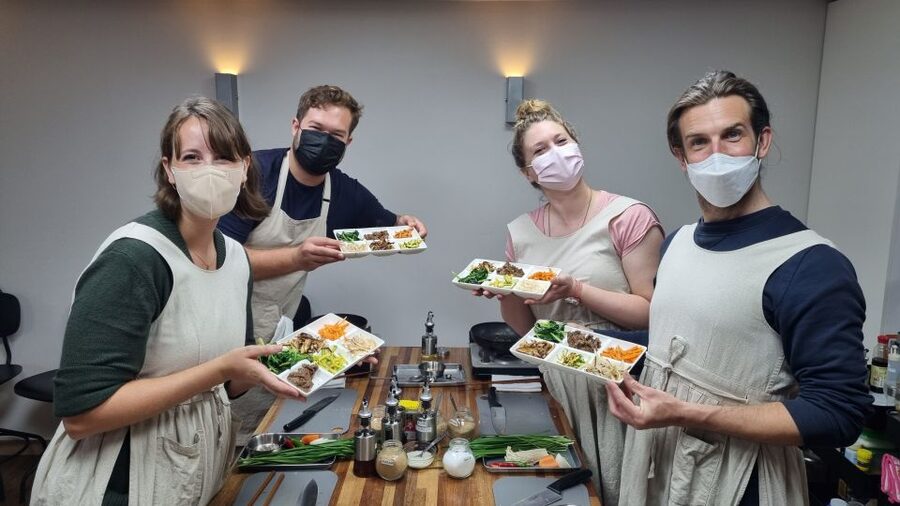
After cooking, you place the food on a bapsang, a small traditional Korean dining table. This changes the rhythm of the activity. Instead of eating while standing around a counter, you get a proper moment to look at the meal and enjoy it as a Korean home-style spread.
That table setting also helps explain how the dishes fit together. Bibimbap, soup, vegetables, sauces, and side elements are not isolated recipes. They are parts of a meal with different temperatures, textures, and flavors.
The meal is included in the price, along with water and dessert. You are eating food you helped prepare, so the meal feels like the result of the class rather than an added restaurant stop. I would not book this expecting a large banquet, but you should leave with a full sense of what you cooked and how it is served.
The social side is another reason to choose a small group. You cook alongside people from different places, then share the same table. It is a natural setting for conversation without needing a separate group tour or formal cultural program.
A few more things to do in Busan worth a look
- 4-Hours Hiking and Tasting Rice Wine in the Mountain of Busan
★ 5.0 · 79 reviews - Busan: Hiking and Tasting Rice Wine in the Hidden Village
★ 4.9 · 74 reviews - Busan history and market food tour with local chef
★ 5.0 · 58 reviews - Seoul Street Food Market Tour
★ 5.0 · 1,226 reviews
Korean tea and dessert to finish
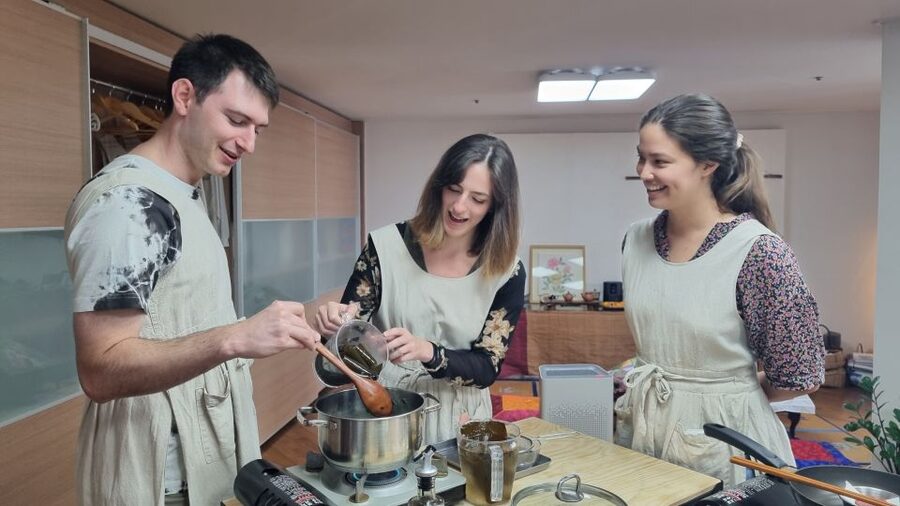
The final tasting includes traditional Korean tea and dessert. This is a small detail, but it gives the three-hour class a better ending than simply washing up and leaving.
Tea offers a calmer finish after the hands-on cooking. Dessert adds another taste of Korean food culture without asking you to prepare another full recipe. The specific dessert is not listed, so you should not book based on expecting a particular sweet.
You also receive the recipes to take home. That is important value for a cooking class. Without written instructions, the experience can fade into a pleasant memory. With the recipes, you have a chance to recreate the dishes and remember which sauces and techniques you used.
A certificate and surprise gift are included as keepsakes. They are not the main reason to pay for the class, but they add a nice closing touch, especially if you are booking this as a family activity or a special holiday experience.
What the $98 price really covers
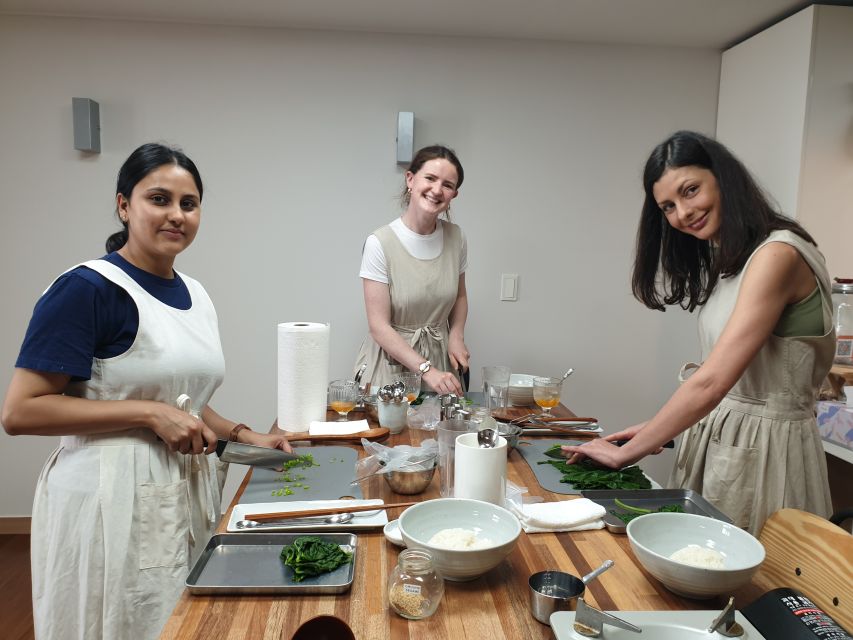
At $98 per person, this is not a cheap way to get lunch in Busan. It is a three-hour lesson, meal, cultural introduction, and take-home recipe session in one. The fee covers ingredients, utensils, an apron, water, dessert, and the prepared meal.
The value is strongest if you care about learning. You are paying for instruction, access to a small group, food preparation, and the chance to ask questions. A basic restaurant meal would cost less, but it would not show you how to make the sauces, handle the ingredients, or repeat the dishes at home.
I think the price works best for visitors who want one substantial food activity during their time in Busan. It also makes sense for families with older children. A 12-year-old has taken part successfully, and the step-by-step format suits children who can follow kitchen instructions.
The value is weaker if you have no interest in cooking or if you are trying to fit many sights into a tight schedule. Three hours is a real portion of your day, and the class does not include transportation or sightseeing. You should choose it for the food lesson itself.
Who should book this experience
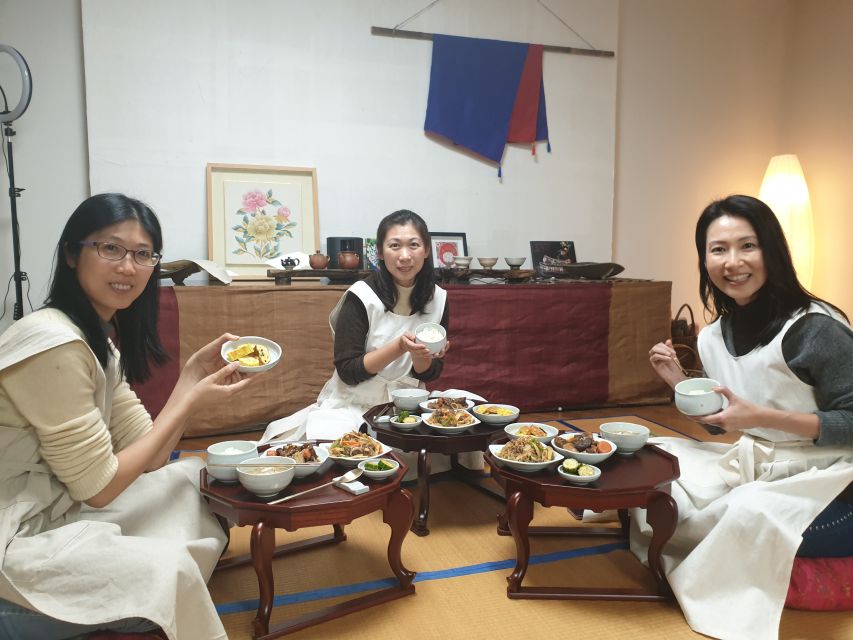
I would recommend this class to you if you want to understand Korean food beyond ordering familiar dishes. It suits first-time visitors, home cooks, curious eaters, and anyone who likes bringing practical skills home from a trip.
It is also a good family choice. The structure gives children something active to do, and the finished meal creates a clear reward at the end. Parents should still decide if their child can manage kitchen work safely and follow the teacher’s instructions.
You do not need advanced cooking skills. The teaching is aimed at making each stage clear, and Min is noted for explaining Korean cooking in accessible English. Kim also leads some sessions, so the exact instructor may depend on the date you choose.
This is less suitable if you want a private class, a fixed menu guaranteed in advance, or a tour that includes hotel transportation. The group may reach 10 people, and seasonal ingredients can affect what you prepare.
If you are vegan, tell the provider when booking or at least 24 hours ahead. Proper ingredients can be prepared, but you should not wait until you arrive to make the request.
Practical timing and booking advice
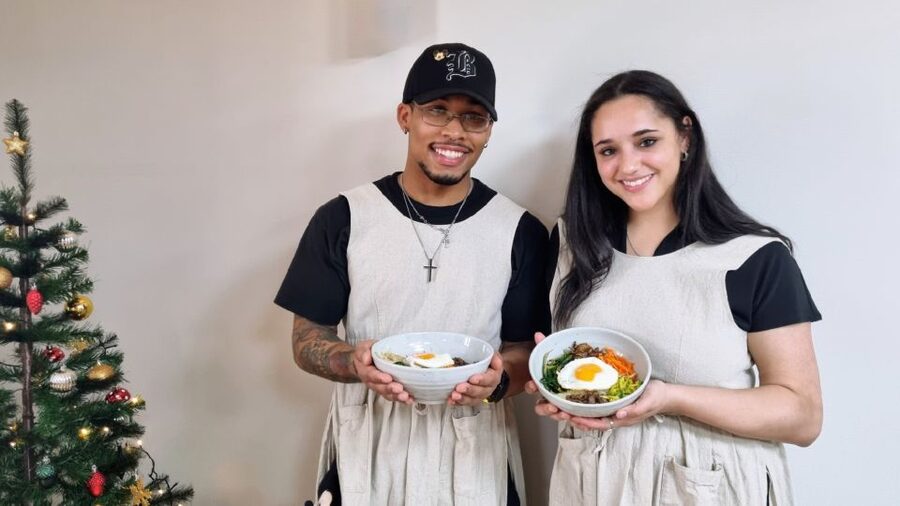
The activity lasts three hours, with starting times depending on availability. I would schedule it when you are not rushing toward another reservation. Cooking takes longer when you are learning, tasting, asking questions, and sitting down for the meal.
Give yourself extra time to reach the building. The meeting point is in Marine City, and the subway walk from Dongbaek Station is about 10 minutes. Since there is no pickup, check your route before leaving your hotel.
The class is wheelchair accessible. English and Korean are available, and cancellation is free up to 24 hours before the start for a full refund. You can also reserve now and pay later, which helps if your Busan plans are still changing.
My call: book it for the lesson, not just the meal
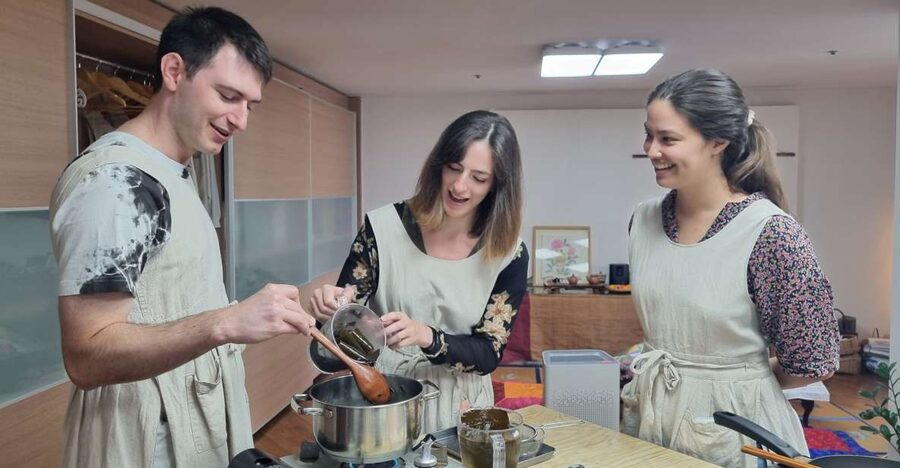
I would book this class if you want a friendly, hands-on introduction to Korean home cooking near Haeundae. The strongest reasons are the small group, clear instruction, traditional bapsang meal, and useful recipes you can take home.
The biggest caution is the price and time. At $98, you should want the teaching as much as the food. If you do, the class gives you more than a bibimbap lunch: you taste sauces, learn several dishes, hear about Korean food culture, and finish with tea and dessert.
Book it especially if you enjoy meeting people, cooking with seasonal ingredients, and learning from a local instructor such as Min or Kim. Skip it if your schedule is packed or you only want a fast, inexpensive meal.
FAQ
How long does the Korean cooking class last?
The class lasts three hours. Starting times vary, so check availability for the date you want.
What food will I cook?
Bibimbap is included, made with rice, vegetables, meat, and other ingredients. Past classes have also included miyeok guk, a seaweed and beef soup, and buchu jeon, a Korean vegetable pancake. The menu may vary with the class and seasonal ingredients.
Is the meal included?
Yes. Your prepared meal, dessert, water, and a Korean tea tasting are included.
Can I request a vegan meal?
Yes. Request a vegan meal when booking or contact the provider at least 24 hours in advance so suitable ingredients can be prepared.
Where is the meeting point?
The class meets at Flat 2406, Hoabin Busan Haeundae, 37 Marine City 3-ro, U 1(il)-dong, Haeundae, Busan, South Korea.
How do I reach the class by public transportation?
Dongbaek Station on Line 2 is about a 10-minute walk away from Exit 1. Daewoo Marina Apartment bus stop is about seven minutes away, and Dongbaek bus stop is about 15 minutes away.
Is the class taught in English?
Yes. The instructors teach in English and Korean. Min often leads the class, and Kim also teaches some sessions.
More Workshops & Classes in Busan
- Local Home Korean Cooking Class & Market Adventure in Seoul
★ 5.0 · 1,024 reviews - Seoul: Korean Cooking Class at a Local Home and Market Tour
★ 5.0 · 348 reviews - Yongpyong Ski Resort from Seoul with Optional Lesson and Packages
★ 5.0 · 217 reviews - Korean Cooking Class with Grocery Shopping at Seoul Local Market
★ 5.0 · 107 reviews
Just added in Busan
- From Busan: Gyeongju Historical Day Tour with Sky Capsule★ 4.7 · 17 reviews
- From Busan: Gyeongju Full-Day Historical Tour★ 4.1 · 6 reviews
- Busan: Winter Healing Park and (Gyeongju/Daegu) One Day Tour★ 5.0 · 5 reviews
- Busan: Private Chartered Car Tour★ 4.1 · 7 reviews
- Busan’s Best: Sea Temples, Yacht Tour & Sky Capsule Day Tour★ 4.8 · 24 reviews
- Busan: Sky Capsule+ Huinnyeoul+ Gamcheon+ Songdo+ Night View★ 4.9 · 10 reviews
- Busan: Jagalchi Market & Gamcheon village Walking Tour★ 5.0 · 7 reviews
- Busan: Night Small Group Photo Tour (Max 7)★ 5.0 · 33 reviews
Cooking Classes, compared.
Local Home Korean Cooking Class & Market Adventure in Seoul
Read our review →
Master Korean traditional cooking with a Kimchi chef
Read our review →
Korean Cooking Class at a Local Home and Market Tour
Read our review →
Korean Cooking Class with Grocery Shopping at Seoul Local Market
Read our review →
Korean Kimchi Making Day Experience with a Local Market Tour
Read our review →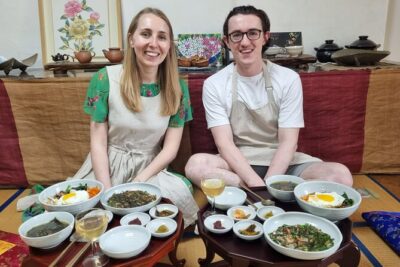
Royal Seoul Cooking Class in a 100-Year-Old Hanok
Read our review →Browse the lists this tour appears in