
Reviewed · COOKING CLASSES
Busan Tailored Korean cooking class (Vegan OK)with market tour
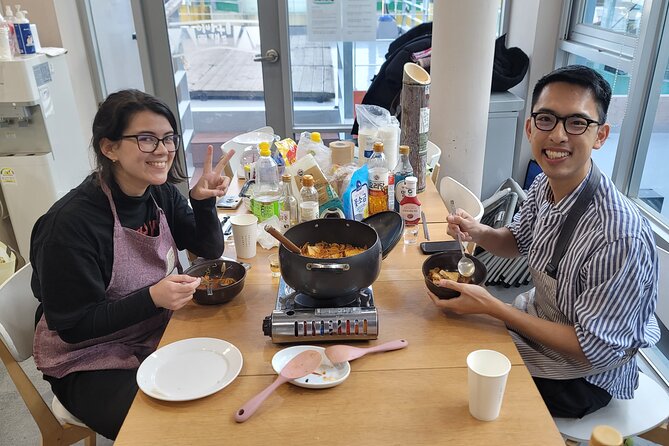
Bujeon Market is the real star here. You walk its food aisles with local host Suyang Chang, learn what unfamiliar vegetables and seafood are, buy ingredients, then take them to his kitchen and turn them into lunch. This is not a class where the hard work is done before you arrive.
I like the choice of three dishes, since you can skip the usual tourist menu and learn recipes such as braised tofu, dried pollack, japchae, or black beans in soy sauce. I also like the personal attention, especially for vegan and vegetarian cooking. The main caution is that the menu must be chosen in advance, and if several groups join, the first booking gets first pick.
Key points to know before you book
- Bujeon Market comes first: Shop for ingredients with Suyang and learn about Korean produce, fish, sauces, and snacks.
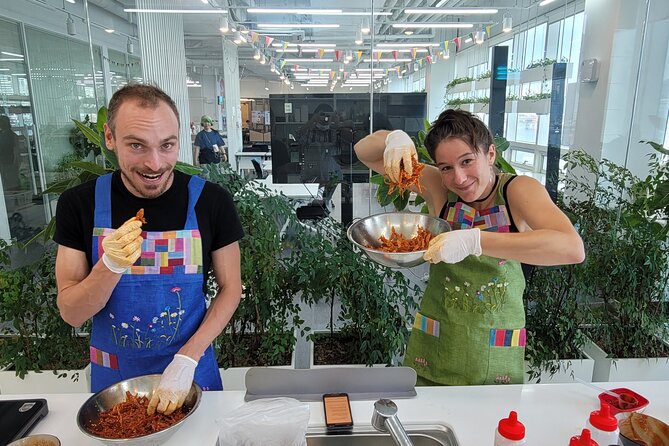
- Three dishes are included: Choose two banchan, or side dishes, plus one stew or soup from a long menu.
- Vegan cooking is possible: Vegetarian and vegan menus can be arranged, with dietary requests discussed before class.
- You do the actual cooking: This is a hands-on lesson, not just a demonstration or assembly session.
- Recipes travel home with you: The host provides recipes designed to be practical outside Korea.
- Plan around five hours: The market, shopping, cooking, and meal make this a half-day commitment at $95 per person.
Why this Busan cooking class feels different
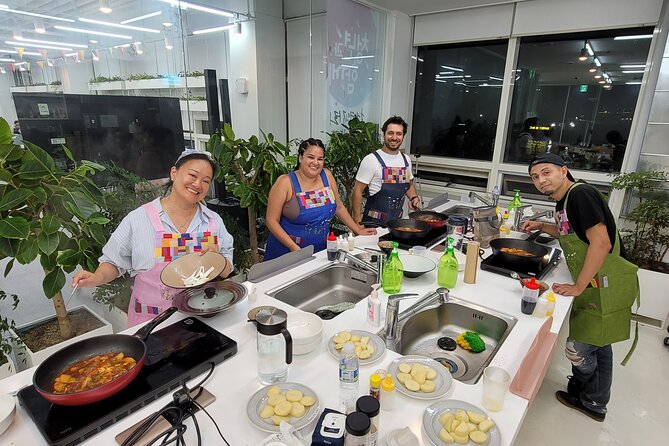
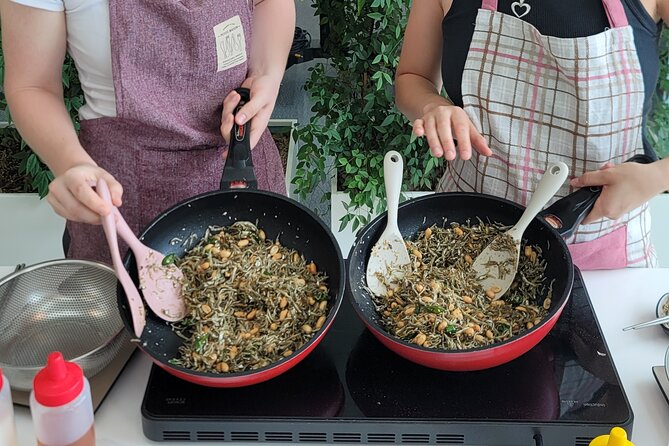
Many Korean food classes center on familiar dishes such as bibimbap, bulgogi, or kimchi pancakes. This one takes a wider view. Depending on your choices, you might prepare seasoned spinach, stir-fried anchovies, braised tofu, japchae, pollack soup, or black beans cooked in soy sauce.
That matters because Korean home cooking is built around variety. A meal is rarely just one large plate. It is a bowl of rice, a soup or stew, and several small dishes with different textures and flavors. This class gives you a useful look at that pattern.
The host, Suyang Chang, also goes by the nickname Busan oppa. His role goes beyond measuring ingredients. He explains Korean food and culture, answers questions about language, and offers suggestions for restaurants and other things to do in Busan. You get a cooking lesson, but you also get a local point of view.
The group limit is 15 people, though the experience can feel more personal when fewer people book. If you care about a particular menu, reserve early. The first group to book has the right to choose the dishes when several groups are taking part.
Other classes where you cook in Busan:
- Korean cooking class in Haeundae, Busan
★ 5.0 · 92 reviews - Busan: Small-Group Traditional Korean Food Cooking Class
★ 4.9 · 58 reviews - Busan Local Food Cooking Class with Market Tour
★ 5.0 · 53 reviews
Starting at Seomyeon and entering Bujeon Market
The meeting point is outside KB Kookmin Bank on Seomyeon Joongang 2 Saessak-ro in Busanjin District. The area is near public transportation, which makes it a practical starting point for a half-day outing.
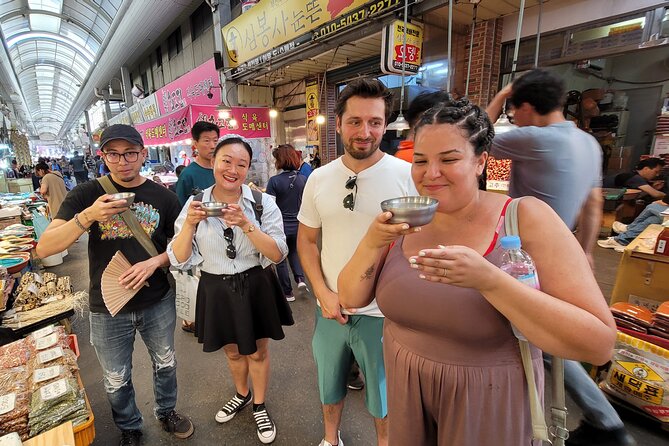
From there, you head to Bujeon Market. This is not a staged food stop designed only for photographs. It is a working market where your host helps you understand the ingredients you will use. You might see vegetables, dried seafood, fish, herbs, tofu, noodles, and sauces that are difficult to identify when you are on your own.
I especially like this part for first-time visitors to Korea. A Korean supermarket can be confusing, and a market stall can be even harder to read. Suyang can explain what you are seeing and help select the right ingredients for the meal.
The market also gives the class a sense of place. You are not cooking with ingredients pulled from a hidden prep area. You see the shopping process, make decisions with the host, and understand how the meal begins.
Some groups have also stopped for a small market snack, including tteokbokki and fried fish cakes, or eaten at a simple market restaurant. That is not listed as a guaranteed part of every class, so treat it as a possible extra rather than part of the fixed program.
One practical point: wear comfortable shoes. The market visit and cooking session together last about five hours, and you will spend part of that time standing.
Choosing the menu: two banchan and one main pot
You choose three menus from the available options: two banchan and one stew or soup. This format is smart. It lets you learn a few different techniques without turning the class into a marathon of complicated recipes.
The side-dish list is long. Options include:
- Stir-fried anchovies
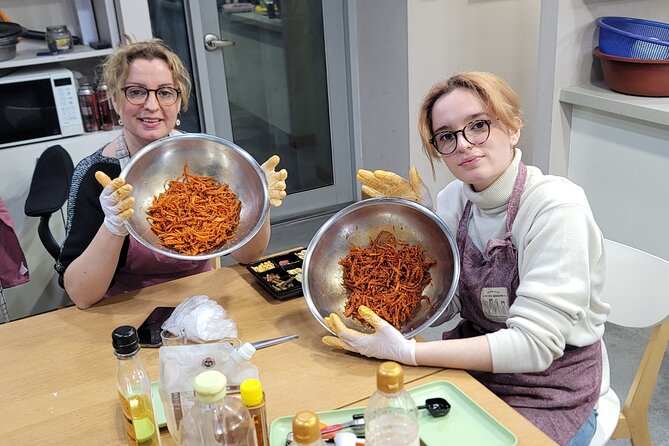
- Seasoned dried pollack with spicy sauce
- Black beans with soy sauce
- Eggs with soy sauce
- Kimchi pancake
- Seafood pancake
- Beef pancake
- Bracken salad
- Bean sprout soup or salad
- Braised radish
- Spicy braised tofu
- Steamed tofu and egg
- Pickled radish and perilla leaves
- Cucumber kimchi
- Seasoned eggplant
- Pan-fried shrimp and seaweed
For the stew or soup, you might choose kimchi stew with pork, soybean paste stew, seaweed soup with clams or dried pollack, Alaska pollack soup, spicy chicken, soy sauce chicken, braised pollack, or braised flat fish.
This range is one of the best reasons to take the class. You can build a menu around what you actually want to eat. One pair chose dishes such as japchae, braised tofu, and mini kimbap. Another group learned seasoned dried pollack, spinach, japchae, and pollack soup. These examples show how different the class can be from one booking to the next.
There is one important detail about special choices. A braised beef short rib option may replace the standard three-dish format, with no side dishes included. Ask exactly what comes with any premium or alternative menu before confirming your selection. That avoids confusion on the day.
Vegan and vegetarian cooking in a Korean kitchen
The experience is marked vegan OK, and the menu can be adapted for vegetarian cooking. This is not a vague promise to remove meat after the food is prepared. The host has provided fully vegetarian menus, including spinach soybean paste soup, braised black beans, and braised tofu with spicy sauce.
You should state your dietary needs before the class. The same applies to gluten concerns. One class used gluten-free soybean paste at a participant’s request, showing that substitutions can be arranged when discussed ahead of time.
Korean cooking can hide animal ingredients in places you may not expect. Fish sauce, dried seafood, anchovy stock, and meat-based broths appear often in traditional recipes. A local host can help you avoid those ingredients, but you should be precise about whether you are vegetarian, vegan, pescatarian, gluten-free, or avoiding specific foods.
For a vegan or vegetarian visitor, the class can be more useful than simply ordering plant-based dishes in restaurants. You learn which ingredients provide salt, heat, sweetness, and depth without relying on meat or seafood. You also get recipes you can adapt at home.
Same base, a different kind of day out:
- Busan: Gyeongju Guided Day Trip to Three Kingdoms Capital
★ 4.8 · 1,925 reviews - Small Group Full Day Busan Tour (Max 6 Pax)
★ 5.0 · 1,464 reviews - From Busan: Gyeongju UNESCO World Heritage Guided Day Tour
★ 4.8 · 1,250 reviews - Busan Private Tour with licensed tour guide + private vehicle
★ 5.0 · 1,143 reviews
Cooking from scratch, not just watching
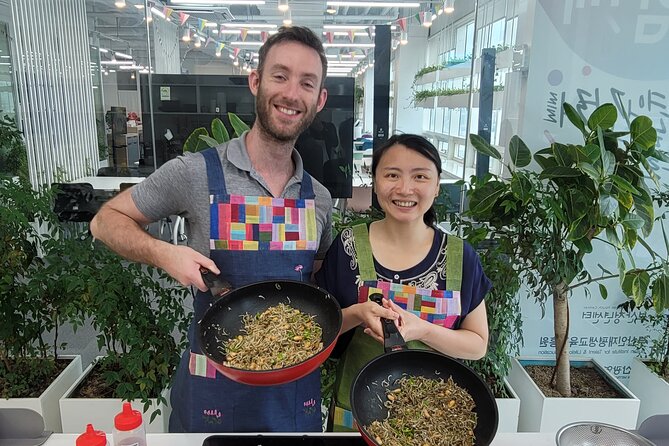
After the market, you move to the host’s kitchen and prepare the meal together. The class is built around actual participation. You may chop, season, stir, pan-fry, simmer, or assemble the dishes, depending on the menu.
That hands-on approach matters. Some cooking activities ask you to watch a chef do the difficult steps, then assemble a finished plate. Here, the stated aim is to teach techniques you can repeat. The recipes are intended to be manageable for home cooks outside Korea, using steps that can be followed after the holiday ends.
You should expect guidance rather than a formal culinary-school lesson. Suyang explains the stages, demonstrates key points, and helps you adjust the food as you cook. The pace can be adapted to the group, which is useful if your cooking skills are basic or if you want more cultural explanation.
The menu also affects the workload. Pancakes and simple side dishes may move faster than soup, braised fish, or short ribs. If you want a more relaxed class, choose dishes that match your interest and energy level. If your priority is learning a special dish, accept that the cooking may take longer.
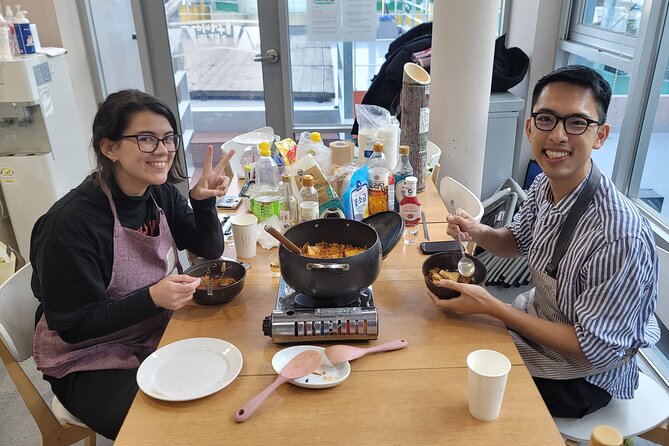
When the food is ready, you eat what you made for lunch. Bottled water, barley tea, corn tea, and instant coffee are included. Alcohol is not included, so do not expect a wine or beer pairing.
Portions can be generous. One pair reported having enough food for more people than were in the class. That is useful if you arrive hungry, but it may also mean there is more food than two people can comfortably finish.
The value of $95 for a five-hour experience
At $95 per person, this is not the cheapest way to eat in Busan. A market meal costs far less, and a restaurant can serve you Korean food without requiring half a day.
The value comes from the combination of activities. You receive a guided market visit, ingredient shopping, a private or small-group cooking lesson, the meal you prepare, drinks, and recipes for later use. You also get the chance to ask questions about Korean food and Busan during the session.
I think the price makes the most sense for people who value practical learning. If you want a quick food tasting, this is too long. If you want to understand how Korean dishes are built and take the recipes home, the price is easier to justify.
Group discounts are available, which may help families or friends booking together. The maximum group size is 15. Confirm the discount and the final menu before booking, since group arrangements can affect how personal the class feels.
The average booking lead time is about 45 days. That is a useful planning signal, especially if you want a particular menu or are visiting Busan during a busy period. Confirmation arrives within 48 hours, subject to availability.
A good choice for cruise passengers and food-focused days
The meeting point is in the Seomyeon area, and the activity ends back at the meeting point. That makes it easier to plan around public transportation, but cruise passengers should allow time for the transfer from the port.
The host has also arranged custom plans for cruise passengers, including meeting at the cruise terminal, visiting a market, cooking, and returning near a shuttle stop. Do not assume that arrangement is automatic. Contact the provider before booking if your ship schedule is tight.
For a day based in central Busan, this class works well after a morning of sightseeing. It is a poor fit if you need a quick activity between fixed appointments. The market and cooking segments are connected, so leaving early would cut into the main experience.
Families can also make good use of the format. One group of eight cooked together, and the host adjusted the session so people of different ages could take part. Still, children should be comfortable with a long food-focused activity and basic kitchen participation.
What I would clarify before paying
The biggest question is the exact menu. The class is flexible, but the available dishes and format can vary. Ask which three dishes you will prepare, whether a special dish replaces the normal two-banchan-and-one-stew arrangement, and what ingredients are used.
I would also confirm the meeting details if you are arriving by taxi, coming from a cruise ship, or booking for a large group. The standard start is at the bank in Seomyeon, and the activity returns there, but custom arrangements have been made for some groups.
For dietary needs, send a clear message before the class. Say exactly what you cannot eat and whether you need vegan, vegetarian, or gluten-free cooking. The host has accommodated these requests, but Korean sauces and broths can contain unexpected ingredients.
Finally, remember the cancellation rule. This experience is non-refundable and cannot be changed for any reason, so book only when your plans are firm.
Should you book this Busan cooking class?
Book it if you want more than a restaurant meal and like the idea of learning dishes you can make again. The best parts are the local market shopping, the freedom to choose less familiar Korean dishes, and the chance to cook from the beginning rather than simply watch.
It is especially well suited to food-focused visitors, vegetarians and vegans who arrange their needs early, families, small groups, and cruise passengers with enough time. The five-hour length and strict cancellation policy make it less suitable for a rushed schedule.
At $95, you are paying for instruction, context, ingredients, food, and a personal connection to Busan, not just lunch. If that sounds like the kind of souvenir you can use at home, this is a strong choice. If you only want to taste Korean specialties quickly, spend the money at Bujeon Market instead and keep your afternoon free.
FAQ
How long does the Busan Korean cooking class last?
The activity lasts about five hours, including the Bujeon Market visit, ingredient shopping, cooking, and eating the meal you prepare.
Where does the experience start and end?
It starts at KB Kookmin Bank on Seomyeon Joongang 2 Saessak-ro in Busanjin District, Busan. The activity ends back at the meeting point.
How many dishes do I choose?
The standard format lets you choose three dishes: two banchan, or side dishes, and one stew or soup. A special option may use a different format, so confirm the details when selecting your menu.
Can vegans and vegetarians join?
Yes. Vegetarian and vegan menus can be provided. You should communicate your dietary requirements before the class so the ingredients and recipes can be arranged properly.
What is included in the price?
The price includes the food you prepare for lunch, bottled water, and barley tea, corn tea, or instant coffee. Alcohol, personal expenses, and travel insurance are not included.
How large can the group be?
The activity has a maximum of 15 participants. Group discounts are available, and the first group to book has menu-selection priority if multiple groups join the class.
More Shopping Tours in Busan
- Seoul Street Food Market Tour
★ 5.0 · 1,226 reviews - Local Home Korean Cooking Class & Market Adventure in Seoul
★ 5.0 · 1,024 reviews - Seoul: Night Market Food Tour with Local Guide
★ 4.9 · 943 reviews - Seoul: Mt.Seorak, Nami Island & Korean Garden, No Shopping
★ 4.8 · 614 reviews
More Market Tours in Busan
- Busan Seafood Tour : Jagalchi market Seafood Tour & Dinner
★ 5.0 · 74 reviews - Gamcheon Culture Village, Jagalchi fish market story telling Tour
★ 4.5 · 63 reviews - Busan history and market food tour with local chef
★ 5.0 · 58 reviews - Busan: Jagalchi Market & Gamcheon village Walking Tour
★ 5.0 · 7 reviews
Just added in Busan
- From Busan: Gyeongju Historical Day Tour with Sky Capsule★ 4.7 · 17 reviews
- From Busan: Gyeongju Full-Day Historical Tour★ 4.1 · 6 reviews
- Busan: Winter Healing Park and (Gyeongju/Daegu) One Day Tour★ 5.0 · 5 reviews
- Busan’s Best: Sea Temples, Yacht Tour & Sky Capsule Day Tour★ 4.8 · 24 reviews
- Busan: Sky Capsule+ Huinnyeoul+ Gamcheon+ Songdo+ Night View★ 4.9 · 10 reviews
- Busan: Private Chartered Car Tour★ 4.1 · 7 reviews
- Busan: Jagalchi Market & Gamcheon village Walking Tour★ 5.0 · 7 reviews
- Busan: Night Small Group Photo Tour (Max 7)★ 5.0 · 33 reviews
Cooking Classes, compared.
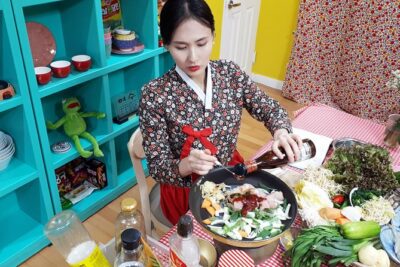
Local Home Korean Cooking Class & Market Adventure in Seoul
Read our review →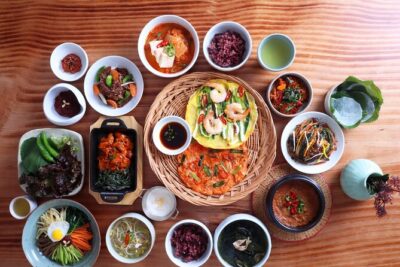
Master Korean traditional cooking with a Kimchi chef
Read our review →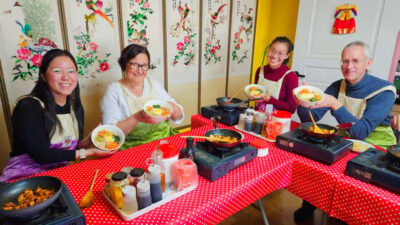
Korean Cooking Class at a Local Home and Market Tour
Read our review →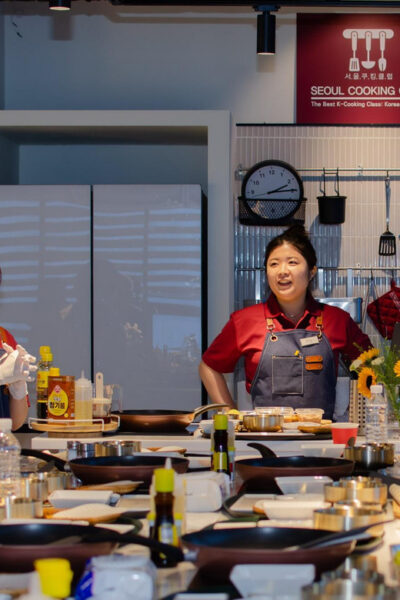
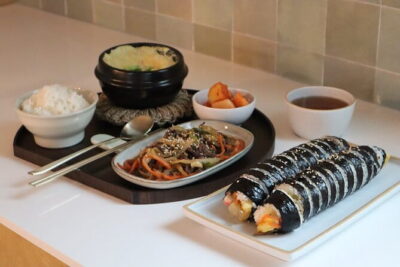
Korean Cooking Class with Grocery Shopping at Seoul Local Market
Read our review →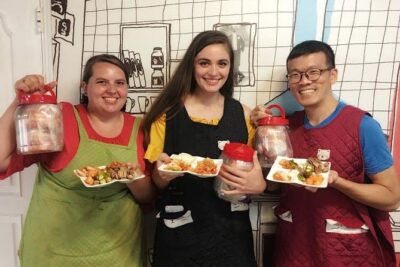
Korean Kimchi Making Day Experience with a Local Market Tour
Read our review →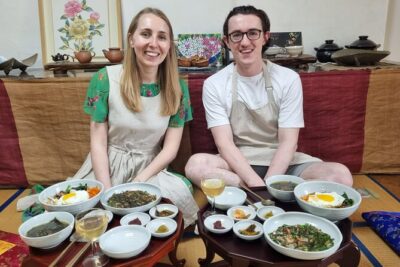
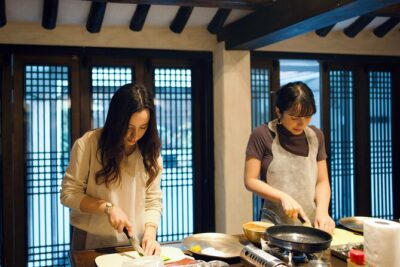
Royal Seoul Cooking Class in a 100-Year-Old Hanok
Read our review →Browse the lists this tour appears in