Reviewed · TOURS IN SEOUL
Korean War Memorial Private Guided Tour
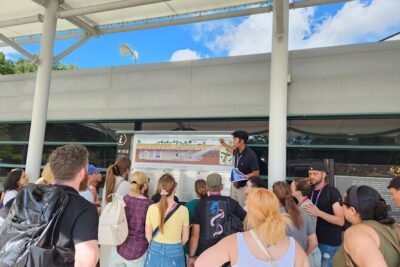
The Korean War Memorial makes far more sense when someone connects its displays to the political split that created two Koreas. This private tour follows that story from liberation through the war, armistice, and birth of the DMZ, with attention to civilian suffering as well as battlefield events.
I like the one-group format, which lets you ask direct questions instead of following a fixed crowd. I also like the focus on propaganda, competing accounts, and peace, topics that a museum visit alone may not explain clearly. The drawback is that two hours is a short time for such a large subject, so this is a focused introduction, not a full study of modern Korean history.
Key points to know before booking
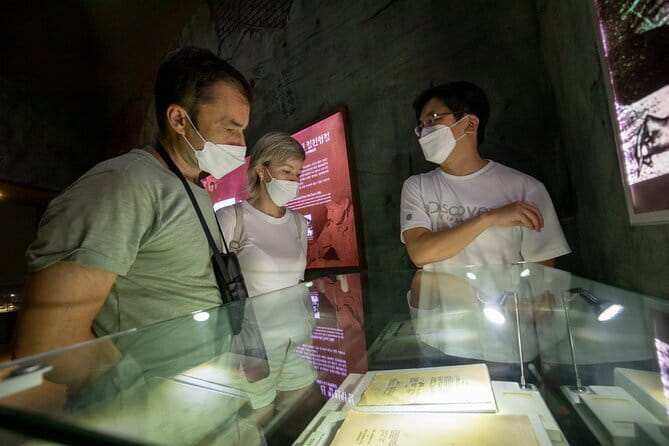
- Two hours in Korean War Rooms I to III: The tour concentrates on the War Memorial’s main Korean War galleries.
- Private group of up to five: You receive the guide’s full attention and can shape the discussion around your questions.
- Guide Kichan Lee: English-language tours can include clear explanations of war, politics, peace studies, and the DMZ.
- History beyond military hardware: Expect discussion of Korea’s division, social cost, propaganda, and the armistice.
- Useful printed and visual material: Images and copies of documents are provided as supporting material.
- $100 per group: For five people, the cost works out to $20 per person, before any tip.
Why this museum visit needs a guide
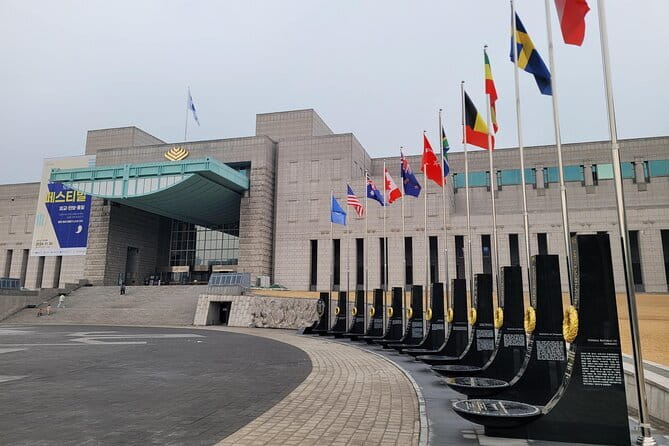
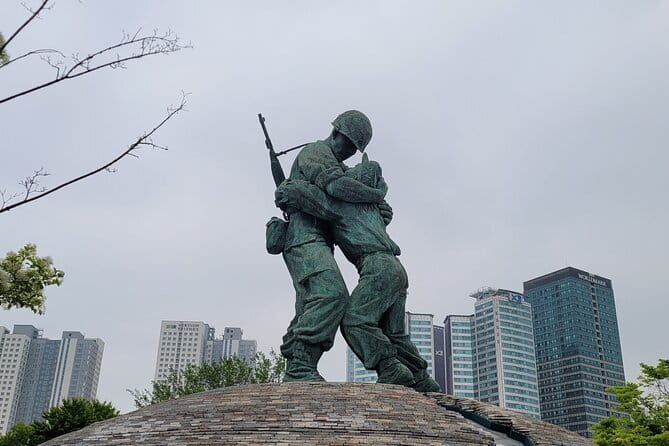
The War Memorial of Korea is a serious, sizeable museum, but a wall of dates and military displays cannot explain the Korean War by itself. You need the events before 1950, the political forces behind the division, and the human cost that followed.
That is where this tour earns its place. Your guide begins with Korea’s liberation and explains how the country moved toward separate governments in the South and North. From there, the discussion follows the origins of the war and the changing situation across its four main stages.
You are not simply shown weapons and uniforms. You are asked to consider how the conflict became both a civil war between Koreans and an international war involving outside powers. That distinction matters. It helps explain why the war remains tied to Korean identity, global politics, and the unresolved border today.
The tour also gives you a way to question the official story. Guide Kichan Lee is described as having a strong command of Korean history, World War II, politics, and peace studies. His approach includes separating propaganda from evidence and explaining difficult political issues in clear English.
That makes this a better choice than a quick self-guided walk if you want to understand cause and effect. You can stop at a display and ask why it matters, how two sides interpret it, or what is missing from the official presentation.
A few more things to do in Seoul worth a look
- Private DMZ Tour (No Shopping): 3rd Tunnel & Suspension Bridge
★ 5.0 · 607 reviews - Seoul City Private Full-Day Tour Including Lunch
★ 5.0 · 469 reviews - Private DMZ the 3rd Tunnel Tour from Seoul (optional Red Bridge)
★ 5.0 · 429 reviews
Starting at the War Memorial of Korea
The meeting point is at the War Memorial of Korea in Seoul’s Yongsan District. The listed starting address is 8-66 Yongsan-dong 1(il)-ga, while the tour ends in the museum lobby at 29 Itaewon-ro.
The exact meeting instructions deserve your attention. One person arrived very late and had trouble finding the group, though the guide kept sending updates and the tour continued once the group met inside the exhibition room. If you are running behind, contact the guide as soon as possible and check the exhibition area carefully.
The museum is near public transportation, which makes it practical to fit into a Seoul sightseeing day. You receive a mobile ticket, and admission to the museum area used for this tour is free. The important purchase is the guiding service, not an entrance fee.
Give yourself enough time to arrive calmly. The topic is demanding, and you will get more from it if you are not trying to catch up while the first explanation is already under way.
Following Korea from liberation to division
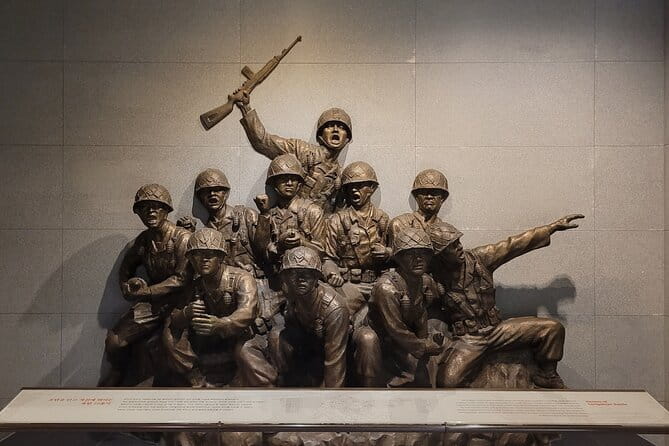
The first part of the story looks at Korea after liberation. The tour explains the background to the birth of South Korea and North Korea, rather than treating the Korean War as an isolated event that suddenly began in 1950.
This context is valuable because the division was tied to the end of Japanese rule, competing political systems, and the growing influence of larger international powers. Without that groundwork, later events can seem like a simple invasion followed by a military response. The wider story is more complicated.
Expect your guide to put the museum’s displays into a political and social frame. The emphasis is not only on who moved where, but on what the division meant for ordinary Koreans. Families, communities, and political loyalties were split by a border that became increasingly difficult to cross.
This part will suit you if you want to understand the roots of the conflict before looking at maps and battlefield displays. It may feel slow if your only goal is to see military equipment, but that background is the reason the rest of the tour holds together.
The four stages of a war that kept changing
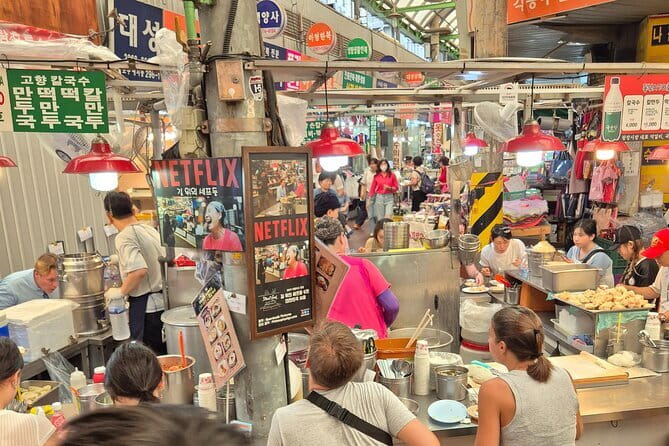
The tour organizes the conflict through four stages of the war situation. That structure is helpful. Korean War displays can otherwise blur into a long sequence of offensives, retreats, international interventions, and negotiations.
A guided explanation gives you a clearer sense of movement and changing objectives. The war was not one fixed event with one simple outcome. Conditions shifted, armies moved, outside forces became involved, and the political meaning of the conflict changed as the fighting continued.
Your guide can also connect battlefield developments to larger questions about power and legitimacy. The war was fought on Korean soil, but it was shaped by international interests. Seeing both sides of that equation helps you understand why the conflict had such lasting effects.
The museum itself supplies the setting and physical evidence. The guide supplies sequence and interpretation. In a two-hour visit, that combination is more useful than trying to read every panel from start to finish.
Same base, a different kind of day out:
- Best DMZ Tour Korea from Seoul (Red Suspension Bridge Optional)
★ 5.0 · 41,422 reviews - DMZ Tour: 3rd Tunnel, Option(Suspension Bridge, Boat) from Seoul
★ 5.0 · 21,373 reviews - DMZ tour south Korea from Seoul (NK experience hall, defector)
★ 5.0 · 20,599 reviews - Seoul: DMZ Tour with Optional Suspension Bridge
★ 4.8 · 5,277 reviews
Looking beyond weapons and battle maps
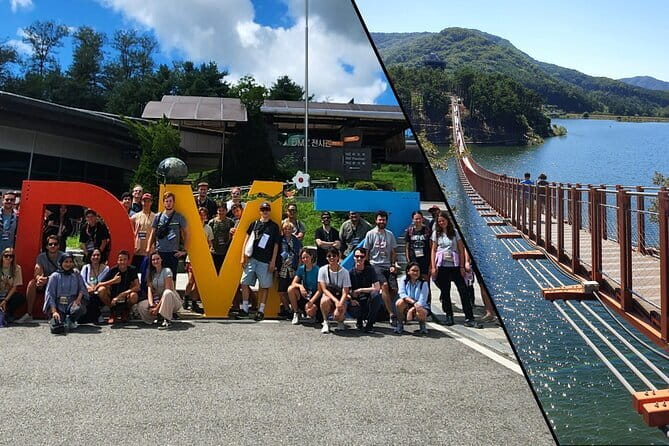
Military displays often attract the eye first, but this tour gives more weight to the human consequences of war. The guide discusses the terrible social cost of the Korean conflict, not just the equipment used in it.
That may include questions about displacement, divided families, political fear, and the long shadow cast by the fighting. The supplied material emphasizes the perspective of peace, so you are encouraged to see the war as a disaster for Korean society, not only as a chapter in military history.
This approach is one of the tour’s strongest features. It gives you a fuller picture without pretending that the politics are easy or neutral. You can ask direct questions, and the private format makes room for discussion instead of forcing every group member through the same quick script.
The subject can be emotionally heavy. If you prefer a light sightseeing stop, this may not be the best use of your morning. If you want to understand Korea beyond palaces, food, and shopping streets, the difficult subject is exactly why the visit matters.
Propaganda, evidence, and competing accounts
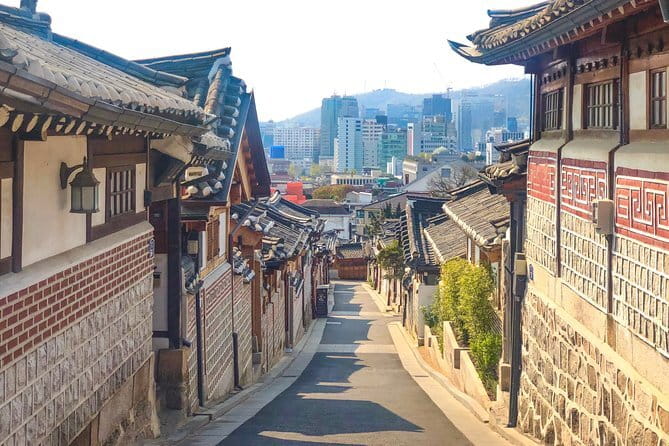
One especially useful feature is the attention to propaganda. Your guide explains how to distinguish official claims from the evidence and context behind them.
That does not mean you will receive a tidy answer to every dispute. It means you can look at the museum’s presentation with better questions. Who created this account? What purpose did it serve? Which voices are present, and which are missing?
The guide’s background in history, peace activism, and DMZ tours supports this kind of discussion. Kichan Lee is also described as able to handle questions about Korean politics in clear English. That matters when a simple answer risks hiding an important complication.
You will get the most from this section if you arrive ready to ask questions. A private tour is valuable here because you can pause over a point that interests you, rather than waiting for a public group to move along.
The armistice and the birth of the DMZ
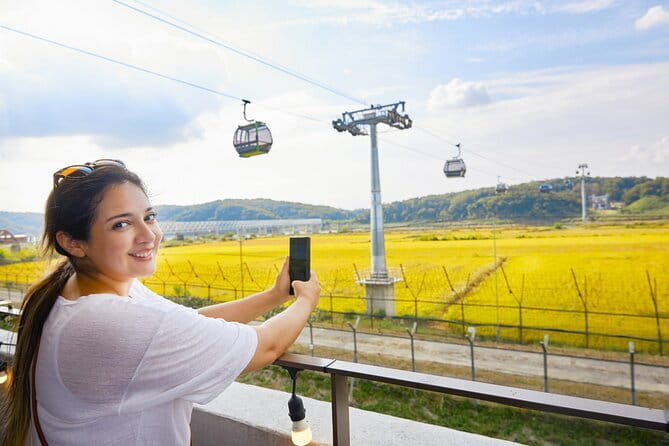
The tour ends its main historical arc with the armistice and the creation of the Demilitarized Zone. This is an important distinction: an armistice stopped much of the fighting, but it did not create a formal peace treaty ending the conflict.
The DMZ is often presented as a famous modern border, but its origins make more sense once you understand the war and the negotiations that followed. The tour links the ceasefire to the political division that remains visible on the Korean Peninsula.
This section can also help you decide if you want a separate DMZ excursion. One person enjoyed the War Memorial tour so much that they booked a private tour to Cheorwon the next day. The provider, Gangwon Peace Tours, also operates in Gangwon Province near the North Korean border.
The Seoul tour does not replace a field visit to the DMZ. It gives you the background needed to interpret one. If you plan to visit the border later, taking this tour first could make that experience more meaningful.
What the private format adds
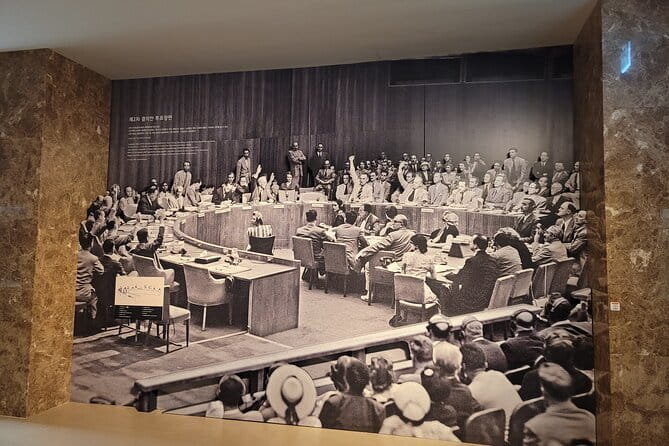
The group limit is five people. That is small enough for a genuine conversation and large enough to share the $100 price among friends or family.
At the full group size, the cost is $20 per person. Even with fewer people, the price can make sense if you value two hours of specialist attention and the chance to ask questions freely. It is not the cheapest way to enter a museum, since museum admission is free, but it offers more than admission.
You also receive complementary pictures and copies of documents. These materials can help you remember the sequence of events after the tour, especially because the subject covers a lot in a short time.
The private setup is particularly useful for couples, families, students, and small groups with different levels of background knowledge. A guide can explain a basic point without embarrassment, then move into more detailed political discussion if you are ready for it.
Tips are not included. They are optional, but you may wish to budget for one if the guide’s time and preparation add real value to your visit.
Timing, comfort, and practical limits
The tour lasts about two hours. That is long enough for a serious introduction, but not long enough to cover every Korean War gallery or every major event in Korean modern history.
You should expect a moderate amount of walking and standing inside the museum. The stated physical requirement is moderate fitness, and service animals are allowed. The experience is near public transportation, which makes access easier, but no special transport service is included.
Wear comfortable shoes and keep your schedule flexible enough to allow for arriving at the museum, locating the lobby, and settling into the first gallery. A late arrival may be manageable, but it can cost you part of a short tour.
The timing works well as one focused activity in a Yongsan sightseeing day. You can then continue elsewhere in Seoul, or use the discussion as preparation for a later DMZ visit.
Who will get the most from this tour
I would choose this tour if you want the political and human story behind the Korean War, not just a museum checklist. It is a strong fit for anyone who finds modern Korean history confusing or wants to understand why the DMZ remains so important.
It also suits you if English is your preferred language for serious historical discussion. The guides are professional English speakers, and Kichan Lee is particularly praised for explaining complex subjects clearly and answering questions directly.
Families with older children may find the private format useful, since the guide can adjust the pace. Students and history-minded visitors will benefit from the documents, questions about propaganda, and attention to peace studies.
I would hesitate if your Seoul schedule is packed or if you only want a short look at military objects. Two hours requires concentration, and the subject is weighty. The tour is not designed as a casual photo stop.
Cancellation and booking details
You can cancel free of charge up to 24 hours before the local start time for a full refund. Changes or cancellations made less than 24 hours before the start are not accepted for a refund.
The experience requires a minimum number of participants. If the provider cancels because that minimum is not met, you are offered another date or experience, or a full refund. Confirmation is provided at booking.
The activity is usually booked well in advance, with an average booking lead time of about 32 days. If your Seoul dates are fixed, reserving early is sensible, especially because the private format has limited capacity.
Should you book the Korean War Memorial tour?
Book it if you want a clear, thoughtful explanation of how Korea was divided, how the war developed, and why the armistice and DMZ still matter. The strongest reasons are the private group, the guide’s command of politics and peace studies, and the attention to civilian suffering and propaganda.
Skip it if you want only a fast museum visit or have no interest in modern Korean history. The museum admission is free, so you can explore on your own. But if the displays leave you asking how the pieces fit together, this two-hour guide is a good value, particularly when shared by five people.
FAQ
How long does the Korean War Memorial tour last?
The tour lasts approximately two hours.
Where does the tour take place?
It takes place at the War Memorial of Korea in Seoul’s Yongsan District, focusing on Korean War Rooms I, II, and III.
How many people can join the private tour?
The private tour is for one group of up to five people.
Is the tour conducted in English?
Yes. A professional English-speaking guide is included.
Is admission to the War Memorial included?
Admission to the museum area is free. The tour price includes all listed fees and taxes and the professional guide.
Who is the guide?
The tour is led by professional guides with backgrounds in Korean history, peace activism, and DMZ tours. Kichan Lee is the guide named in the tour information and associated feedback.
What does the tour cover?
It covers the birth of South Korea and North Korea after liberation, the origins of the Korean War, four stages of the conflict, the armistice, and the creation of the DMZ.
Can I cancel for a full refund?
Yes. You can cancel at least 24 hours before the experience start time for a full refund. Cancellations or changes made less than 24 hours before the start are not refunded.
Just added in Seoul
- Your Personal Seoul Photographer!★ 4.1 · 15 reviews
- You’re Invited to Our Home in Seoul: The Only Cooking Class!★ 5.0 · 8 reviews
- From Seoul: Yongpyong Ski Day Tour with Transportation★ 4.9 · 40 reviews
- Seoul: Korean & English Language Exchange Global Party★ 5.0 · 28 reviews
- From Seoul: Hwacheon Ice Fishing and Lighting Festival Tour★ 4.5 · 4 reviews
- Unique Native Experience : Han River Picnic, Board game, BBQ★ 5.0 · 3 reviews
- Seoul: Gangneung BTS K-Pop & K-Drama Filming Locations Tour★ 4.6 · 14 reviews
- K-Pop Making Class with a Producer!★ 5.0 · 3 reviews
Tours in Seoul, compared.
Best DMZ Tour Korea from Seoul (Red Suspension Bridge Optional)
Read our review →
DMZ Tour: 3rd Tunnel, Option(Suspension Bridge, Boat) from Seoul
Read our review →
DMZ tour south Korea from Seoul (NK experience hall, defector)
Read our review →
Signature DMZ Tour: Exclusive Defector Talk & Suspension Bridge
Read our review →
Thrilling Korean DMZ 3rd Tunnel Tour from Seoul + Red Bridge Rush
Read our review →
DMZ Past and Present: Korean Demilitarized Zone Tour from Seoul
Read our review →