Reviewed · TOURS IN SEOUL
Savoring Authentic Korean Liquor and Cuisine
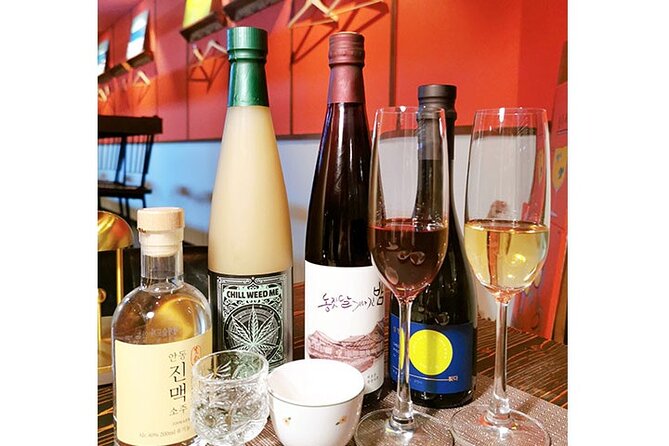
Korean drinking culture makes far more sense once you move past the familiar green soju bottle. At Lodge Magok, chef Hyesun serves three traditional styles, including takju, cheongju, and distilled liquor, with Korean anju, the food served alongside drinks. The bottles come from small breweries across Korea, not the usual factory brands.
I like two things here: the local variety and the food pairings. You get to compare different bodies and flavors in one sitting, then see how vegetable pancakes, meat pancakes, and kimchi bibim noodles change the taste of each drink. The small group, capped at six, should also leave room for questions and conversation.
The main caution is the short format. Ninety minutes gives you a useful introduction, but not a full evening of Korean drinking culture. It is also an alcohol-focused activity, so it suits adults who want to taste several drinks rather than anyone looking for a broad Seoul food tour.
Key points at a glance
- Three distinct liquor styles: Taste takju, cheongju, and distilled liquor rather than only standard green-bottle soju.
- Chef-led setting: Chef Hyesun explains Korean traditional liquor while serving the food herself.
- Small-batch bottles: The lineup comes from local breweries around Korea and may not be sold in ordinary shops or restaurants.
- Anju pairings: Expect Korean drinking foods such as vegetable pancakes, meat pancakes, and kimchi bibim noodles, depending on ingredient supply.
- Small group size: The experience accepts no more than six people, making it easier to ask questions.
- Convenient booking details: The session lasts about 1 hour and 30 minutes, costs $59 per person, and ends where it begins in Magok.
Why Korean liquor is more than green-bottle soju
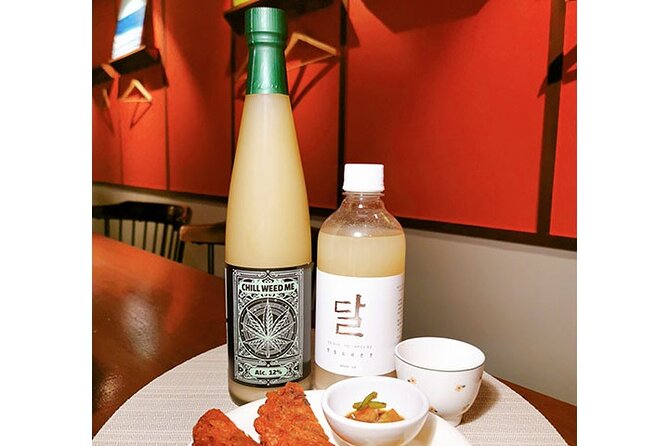
Many first-time visitors know soju as the inexpensive, clear drink sold in a green bottle. That is only one narrow part of Korea’s drinking culture. This experience focuses on traditional liquor made in smaller batches, using three basic ingredients: Korean rice, mineral water from a mountain, and naturally fermented yeast.
That simple list does not mean the drinks all taste alike. The method, rice, water, fermentation, and distillation create different results. Some bottles may feel cloudy and soft, while others can be clearer, stronger, or more refined. The point of the tasting is comparison, not simply alcohol consumption.
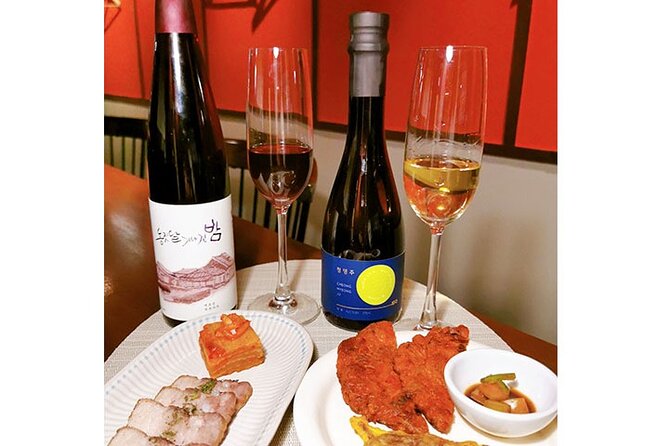
Chef Hyesun presents three broad categories: takju, cheongju, and distilled liquor. Takju is the less-filtered style, while cheongju is a clearer rice wine. Distilled liquor is the stronger category. The exact bottles come from different local breweries, so the selection offers a look at regional variation rather than one fixed commercial brand.
I like this approach because it gives you a useful framework. Instead of trying to remember several unfamiliar labels, you can first understand the three styles, then notice how each bottle handles sweetness, weight, aroma, and strength.
Other trips people book in Seoul:
- Best DMZ Tour Korea from Seoul (Red Suspension Bridge Optional)
★ 5.0 · 41,422 reviews - DMZ Tour: 3rd Tunnel, Option(Suspension Bridge, Boat) from Seoul
★ 5.0 · 21,373 reviews - DMZ tour south Korea from Seoul (NK experience hall, defector)
★ 5.0 · 20,599 reviews
Meeting Chef Hyesun at Lodge Magok
The experience takes place at Lodge Magok, at 171 Jungang-ro in Magok-dong, Gangseo-gu, Seoul. The listed room is 207 in Naru Station Private Tower II. It is near public transportation, but you should allow time to locate the building and room, especially if you are unfamiliar with Seoul’s large mixed-use properties.
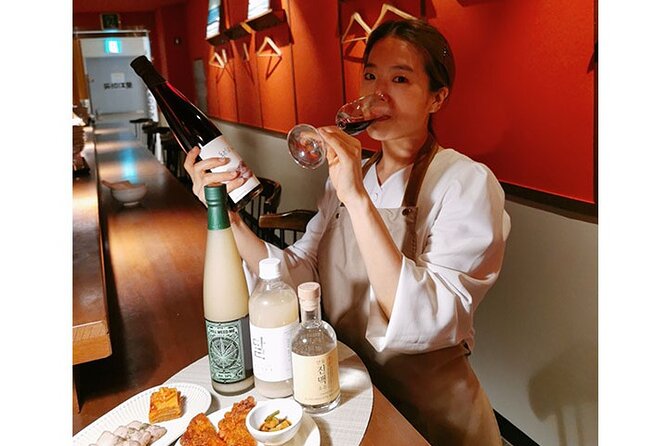
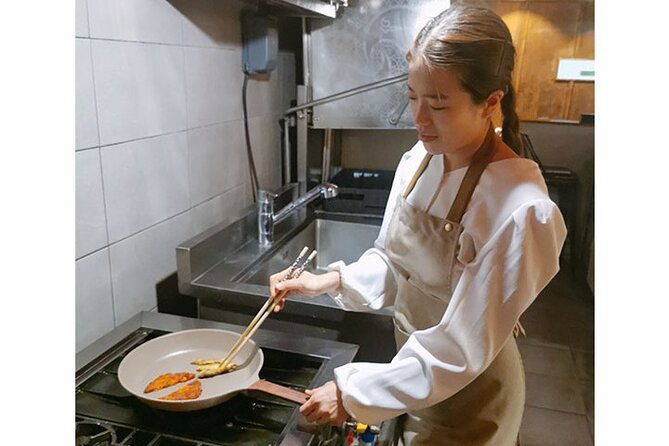
Chef Hyesun is both the host and owner-chef. Her background as a world traveler shapes the social side of the gathering. You are encouraged to share your own travel stories, ask about Korean drinking customs, and treat the session as a conversation rather than a formal lecture.
The group limit is six people. That matters in a tasting. With a larger crowd, a short session can become a procession of pours with little explanation. Here, the smaller size should make it easier to ask why one liquor is cloudy, how a drink was made, or which food works best with it.
The activity ends back at Lodge Magok. There is no separate return transfer, so plan your evening from this same Seoul neighborhood.
The three-part tasting: takju, cheongju, and distilled liquor
The central part of the session is a tasting of three traditional liquor styles. The provided schedule does not assign a fixed order or list exact labels, so you should expect the selection to depend on what Chef Hyesun has chosen from local breweries at the time.
Takju gives you a starting point for understanding less-filtered Korean rice liquor. Its texture and appearance can differ from the clear commercial drinks many people associate with soju. If you have only tried factory-made alcohol in Korea, this is likely to be the most immediate change in style.
Cheongju offers a clearer expression. It helps you compare a filtered rice drink with takju and notice how clarity affects the drinking experience. The exact flavor will depend on the brewery and batch, so think of this as a category lesson rather than a promise of one particular taste.
The distilled liquor completes the trio with a different level of concentration and strength. You will want to pace yourself, especially since the tasting also includes several food courses or samples. This is not a place to race through the pours. Small sips make the contrasts easier to notice and leave room for the food.
The selection is one of the strongest reasons to book. Chef Hyesun uses bottles from local producers across Korea, and the lineup is described as something you may not find in ordinary shops or restaurants. That gives the session a more personal angle than ordering a standard bottle at a barbecue restaurant.
Anju turns the tasting into a meal
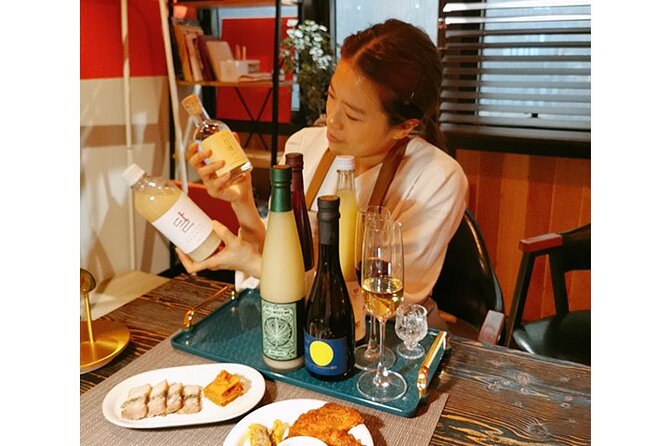
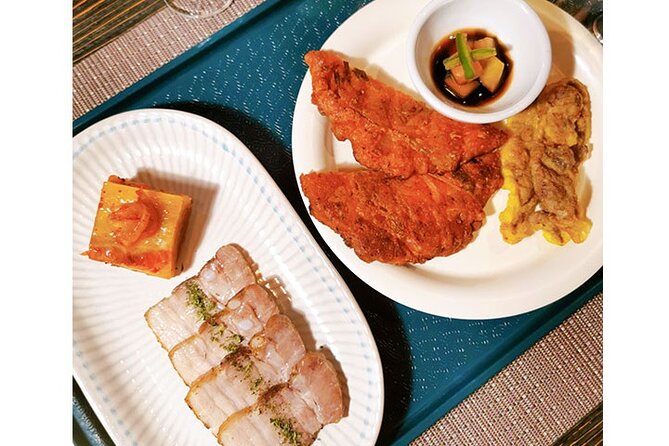
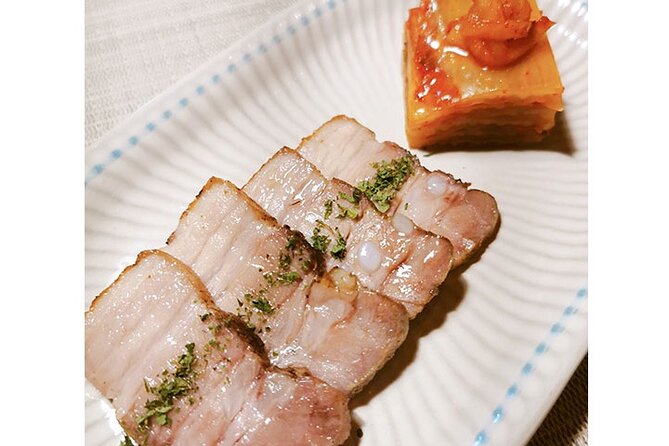
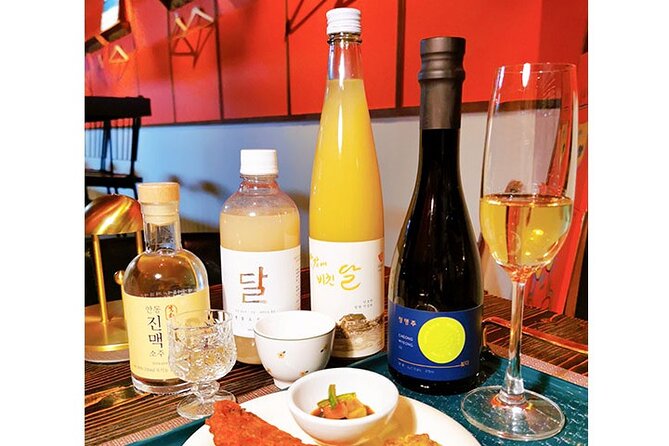
Korean liquor is traditionally enjoyed with anju, food made to accompany drinking. Here, the food is not an afterthought. Chef Hyesun pairs the drinks with Korean dishes such as vegetable pancakes, meat pancakes, and kimchi bibim noodles.
The exact dishes may change with ingredient supply and demand. That flexibility is worth keeping in mind if you need a guaranteed menu. It also means the plate can reflect what is available rather than follow a rigid printed list.
Vegetable and meat pancakes give you two useful points of comparison. The crisp, savory character of a pancake can make a softer rice liquor feel brighter, while the richer meat version may call for a drink with more strength or body. Kimchi bibim noodles bring spice and acidity into the picture, showing how a food’s seasoning can alter the way alcohol tastes.
I like that the food is presented as anju, not simply as a snack spread. You get to see a real Korean habit in action: the drink and the food are meant to support each other. For anyone interested in Korean cuisine, this is more informative than tasting liquor by itself.
Food allergies should be discussed before arrival. After your booking is automatically confirmed, you are asked to contact Chef Hyesun through WhatsApp at +82 10 2661 7832 to double-check the schedule and discuss allergies or other details.
Same base, a different kind of day out:
- Seoul: DMZ Tour with Optional Suspension Bridge
★ 4.8 · 5,277 reviews - Signature DMZ Tour: Exclusive Defector Talk & Suspension Bridge
★ 5.0 · 4,459 reviews - Thrilling Korean DMZ 3rd Tunnel Tour from Seoul + Red Bridge Rush
★ 5.0 · 3,097 reviews - DMZ Past and Present: Korean Demilitarized Zone Tour from Seoul
★ 5.0 · 2,481 reviews
What the 90-minute schedule can realistically cover
An hour and a half is enough for a focused introduction. You should have time for an explanation of traditional liquor, three styles of tasting, and several anju pairings. The compact schedule also works well if you are fitting this into a day of sightseeing in Seoul.
Still, you should set your expectations carefully. This is not a long dinner, a brewery visit, or a trip into the countryside to see production firsthand. The value comes from the guided comparison and the conversation with Chef Hyesun.
The session may feel quick if you want extended discussion about every regional brewery or a large meal. It is better suited to someone who wants a clear first look at Korean traditional drinks without giving up an entire evening.
I would plan to arrive ready to listen and taste rather than hungry for a full restaurant dinner. The included anju adds substance, but the experience is built around liquor education and pairing.
A $59 tasting: where the value lies
At $59 per person, this is priced above a casual order of soju and food at a neighborhood restaurant. That comparison misses the main benefit. You are paying for access to a selected lineup, a chef-led explanation, multiple categories of liquor, and food made to match the drinks.
The value is strongest if you would otherwise struggle to find traditional bottles on your own. Korea has more than 1,400 small traditional liquor breweries, according to the experience information. That is an enormous field to explore, and a short session with a host can save you from guessing at unfamiliar labels.
The limited group size also supports the price. With no more than six people, the session has a private-tasting feel without being advertised as a fully private event. You should have more personal attention than at a crowded food hall or large group class.
The value is weaker if you do not drink alcohol, dislike rice-based drinks, or want a full meal. Alcoholic drinks are offered only to people aged 18 and older. Anyone under that age would not receive the liquor portion, so this is not a good choice for a mixed-age family outing.
Who will enjoy this Seoul experience most
This tasting fits adults who are curious about Korean culture and want something more specific than a standard food crawl. It is especially useful if you have already tried common soju and want to understand what traditional Korean liquor can be.
Food-focused visitors should also find plenty to like. The anju gives you a practical way to think about Korean flavor combinations, particularly savory pancakes and spicy kimchi noodles. You are not just tasting drinks in isolation.
The format should suit solo visitors and couples who enjoy small-group conversation. Chef Hyesun’s invitation to share travel stories adds a social element, but the group is small enough that you should be prepared to talk with the other people at the table.
I would be less likely to recommend it to someone who wants sightseeing, a visit to a distillery, or a long restaurant meal. The setting is in Seoul’s Magok area, and the experience stays at the meeting point. Its focus is tasting and explanation, not touring.
Practical details before you reserve
The activity costs $59 per person and lasts about 90 minutes. It uses a mobile ticket, and confirmation is received at booking.
The meeting point is Lodge Magok in Magok-dong, Gangseo-gu. The experience ends at the same location. Since the address includes a building and room number, save the complete meeting details before leaving your hotel.
After the booking confirms automatically, send Chef Hyesun a message through WhatsApp at +82 10 2661 7832. Use this message to confirm the schedule and disclose food allergies. This extra step is important because the menu can depend on available ingredients.
The activity is near public transportation. Service animals are allowed. Alcohol is available only to people aged 18 and older, and the maximum group size is six.
Free cancellation is available if you cancel at least 24 hours before the local start time. Cancellations or changes made less than 24 hours before the start are not accepted for a refund. Keep that deadline in mind before you confirm your plans.
Should you book the Korean liquor tasting?
Book it if you want a compact, personal introduction to Korean traditional alcohol and enjoy learning through food. The best reasons are the unusual bottle selection, the three-style tasting, and Chef Hyesun’s anju pairings. A current 5 out of 5 rating from three published ratings is encouraging, though the sample is still small.
Skip it if you want a broad Seoul food tour, a substantial dinner, or a production-site visit. The 90-minute format is focused, and the alcohol content is central rather than optional.
For the right person, $59 is a fair price for a guided look at a side of Korea that many visitors miss. You leave with more than a few pours. You gain a simple way to understand the difference between takju, cheongju, distilled liquor, and the everyday green-bottle soju found across the country.
FAQ
Where does the Korean liquor tasting take place?
It takes place at Lodge Magok in Seoul’s Gangseo-gu, Magok-dong area. The listed address is 171 Jungang-ro, Naru Station Private Tower II, room 207.
How long does the experience last?
The tasting lasts approximately 1 hour and 30 minutes.
How much does the activity cost?
The listed price is $59 per person.
What types of liquor will be served?
You will taste three traditional categories: takju, cheongju, and distilled liquor.
What food is included?
The tasting includes Korean anju, which may include vegetable pancakes, meat pancakes, and kimchi bibim noodles. The dishes can change depending on ingredient supply and demand.
How many people can join?
The activity has a maximum of six people.
Is the activity suitable for anyone under 18?
No. Alcoholic beverages are offered only to people aged 18 and older.
How do I discuss allergies or confirm the schedule?
After automatic booking confirmation, send a WhatsApp message to Chef Hyesun at +82 10 2661 7832. You can use that message to double-check the schedule and discuss food allergies or other details.
Can I cancel for a refund?
Yes, if you cancel at least 24 hours before the experience start time. Cancellations and changes made less than 24 hours before the local start time are not accepted for a refund.
Just added in Seoul
- Your Personal Seoul Photographer!★ 4.1 · 15 reviews
- You’re Invited to Our Home in Seoul: The Only Cooking Class!★ 5.0 · 8 reviews
- From Seoul: Yongpyong Ski Day Tour with Transportation★ 4.9 · 40 reviews
- Seoul: Korean & English Language Exchange Global Party★ 5.0 · 28 reviews
- From Seoul: Hwacheon Ice Fishing and Lighting Festival Tour★ 4.5 · 4 reviews
- Unique Native Experience : Han River Picnic, Board game, BBQ★ 5.0 · 3 reviews
- Seoul: Gangneung BTS K-Pop & K-Drama Filming Locations Tour★ 4.6 · 14 reviews
- K-Pop Making Class with a Producer!★ 5.0 · 3 reviews
Tours in Seoul, compared.
Best DMZ Tour Korea from Seoul (Red Suspension Bridge Optional)
Read our review →
DMZ Tour: 3rd Tunnel, Option(Suspension Bridge, Boat) from Seoul
Read our review →
DMZ tour south Korea from Seoul (NK experience hall, defector)
Read our review →
Signature DMZ Tour: Exclusive Defector Talk & Suspension Bridge
Read our review →
Thrilling Korean DMZ 3rd Tunnel Tour from Seoul + Red Bridge Rush
Read our review →
DMZ Past and Present: Korean Demilitarized Zone Tour from Seoul
Read our review →