
Reviewed · DMZ & JSA TOURS
Seoul: DMZ, Gyeongbokgung Palace & City Tour
The DMZ is not a museum display. It is a working border shaped by war, politics, soldiers, and decades of uneasy peace. This tour gives you a rare look at that reality, then brings you back into Seoul’s royal past at Gyeongbokgung Palace, where the court operated with officials, advisers, and thousands of residents.
I like the efficient pairing of the DMZ and palace, two places that explain Korea from very different angles. I also like having a military tourism guide and authorized shuttle transportation for the restricted areas. The main drawback is the long day: ten hours, fixed photo times, plenty of walking, and no guarantee that every DMZ stop will operate if military activity closes the area.
Key points to know before you book
- The Third Tunnel requires walking: Wear sneakers, not sandals or slippers, and expect a more active visit than a simple coach sightseeing stop.
- The North Korea view depends on conditions: The observatory offers the chance to see North Korean territory and residents, but visibility is not guaranteed.
- Guide quality matters here: Guides including Molly, Ron Han, and SP are praised for clear explanations, warm service, photography help, and strong answers to questions.
- Gyeongbokgung is a useful counterpoint: The palace shows how Korea was governed before the division, with a large royal administration rather than only royal family rooms.
- The schedule is controlled: You must use the authorized bus and follow the official photo-time rules inside the DMZ.
- Lunch is extra: The $110 price covers transportation, the guide, and DMZ entry, but not personal expenses or lunch.
Why this day explains more than the DMZ alone
A visit to the DMZ can leave you with a collection of dramatic photographs and military terms. Adding Gyeongbokgung Palace gives the day a wider frame. You first examine the division of modern Korea, then see the royal system that governed the country before the modern state existed.
That contrast is the tour’s strongest idea. At the DMZ, the focus is separation, security, and the uncertain relationship between North and South Korea. At the palace, the focus shifts to kings, court workers, advisers, and the machinery of government. I like that you are not asked to view Korea only through war.
The tour lasts about ten hours, so it works best when you want one substantial day rather than several short outings. You spend much of the day in a coach or authorized shuttle, which gives your feet a break between stops. Still, this is not a relaxed hop-on, hop-off outing. The schedule is set by military access, and you need to move when your group is called.
Other trips up to the border from Seoul:
- Best DMZ Tour Korea from Seoul (Red Suspension Bridge Optional)
★ 5.0 · 41,422 reviews - DMZ Tour: 3rd Tunnel, Option(Suspension Bridge, Boat) from Seoul
★ 5.0 · 21,373 reviews - DMZ tour south Korea from Seoul (NK experience hall, defector)
★ 5.0 · 20,599 reviews
Starting at City Hall and heading north
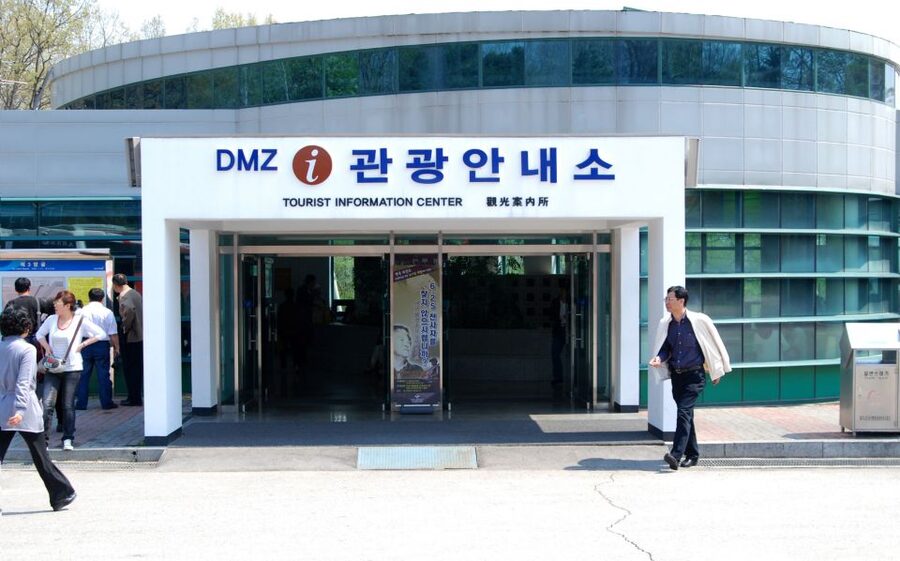
The standard meeting point is Exit 7 of City Hall Station at 7:30 in the morning. Hotel pickup in Seoul is also available as an optional arrangement, so check the exact pickup details when booking rather than assuming your hotel is automatically covered.
An early start matters because the DMZ is not an ordinary sightseeing district. Access depends on authorized vehicles, security procedures, and official operating conditions. A coach also keeps the group together and avoids the complications of trying to reach restricted areas independently.
Your guide provides the historical and political background as you go. The listed languages are English and Korean. Guides such as Molly, Ron Han, and SP have been especially effective at explaining the Korean War, the dynasties, and current North and South Korean relations in plain language. The guide also serves a practical role, helping with timing, photos, and instructions at controlled sites.
Bring your current passport. It is required on the day of travel, not simply at booking. Children must be accompanied by an adult, and unaccompanied minors are not allowed.
The Third Tunnel, where history turns physical
The Third Tunnel is one of the most memorable stops because it is not just something you view from behind glass. It was built as a route for an invasion of South Korea, with tanks in mind, and the visit gives the military story a physical setting.
You should expect walking here. The operator requires sneakers and does not allow sandals or slippers. The tour is not wheelchair accessible, and the Third Tunnel is one reason this outing is unsuitable for wheelchair users.
The tunnel stop helps you understand the practical side of the border. A lecture about a military plan can feel distant. Walking through a space designed for movement toward the South makes the issue more immediate. At the same time, you should keep your expectations sensible. This is a controlled tourist visit, not a free exploration of the border zone, and the group must follow the official route and schedule.
Comfortable footwear is the simplest way to improve this part of the day. One past participant specifically advised good shoes because of the amount of walking, and that is sound advice for the entire tour.
Seeing toward North Korea from the observatory
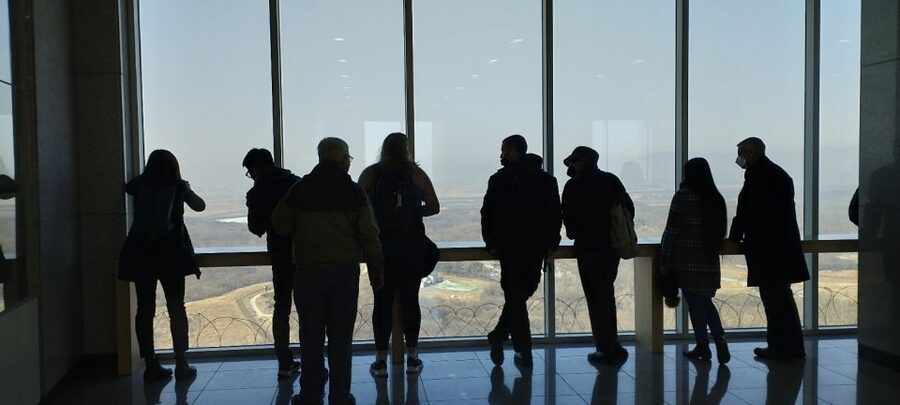
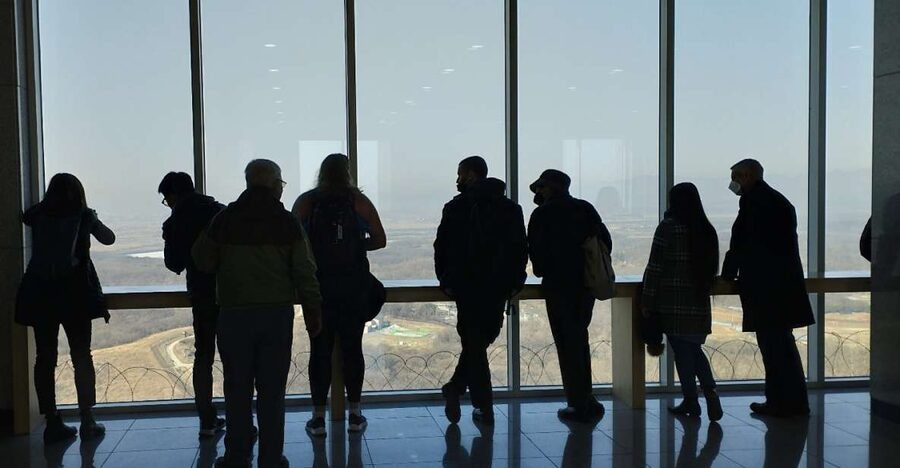
The observatory offers the possibility of looking into North Korea, including views of its territory and, when conditions allow, residents. This is the point where the division becomes visible rather than only explained by your guide.
The view can be powerful, but it is also dependent on visibility and official rules. Do not treat it as a guaranteed close-up portrait of daily life in North Korea. Weather, distance, and security restrictions all affect what you can see.
Photo rules are part of the experience. You must follow the posted or guide-given timing for photographs and use the authorized bus for movement between the DMZ sights. These rules can feel strict if you are used to independent sightseeing, but they reflect the fact that this remains a military-controlled area.
I like this stop because it encourages careful observation. The DMZ is often presented as a dramatic symbol, but the observatory gives you time to consider the ordinary people living on the other side of the line. Your guide can then connect what you see with the broader relationship between North and South Korea.
More palace and old-quarter walks in Seoul:
- Seoul: Gyeongbok Palace, Bukchon Village, and Gwangjang Tour
★ 4.9 · 2,321 reviews - Best Seoul City Tour (Gyeongbokgung Palace,Insadong,Namsan Tower)
★ 5.0 · 1,647 reviews - Small-Group Royal Palace and Seoul City Tour (hotel pick-up)
★ 5.0 · 1,474 reviews - Seoul City Sightseeing Tour Including Gyeongbokgung Palace, N Seoul Tower, and Namsangol Hanok Village
★ 5.0 · 1,423 reviews
Imjingak and the War History Pavilion
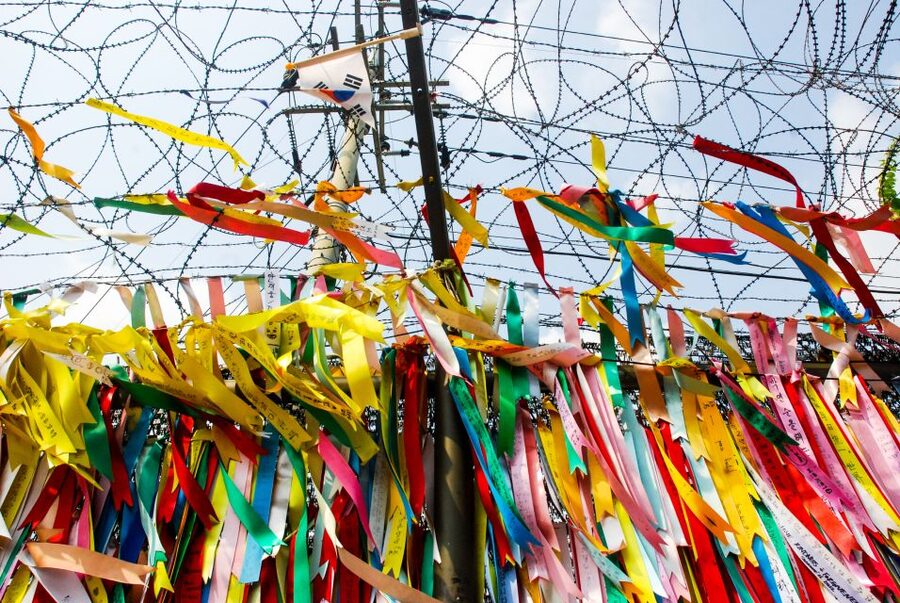
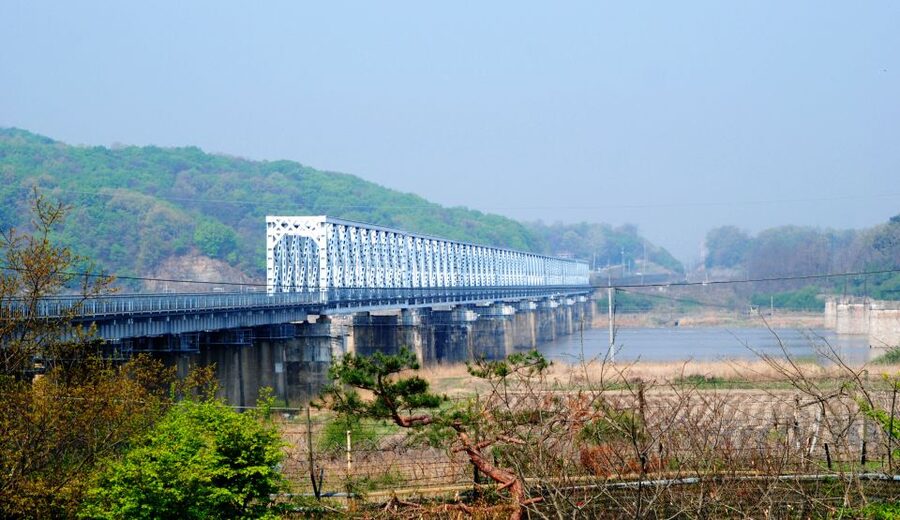
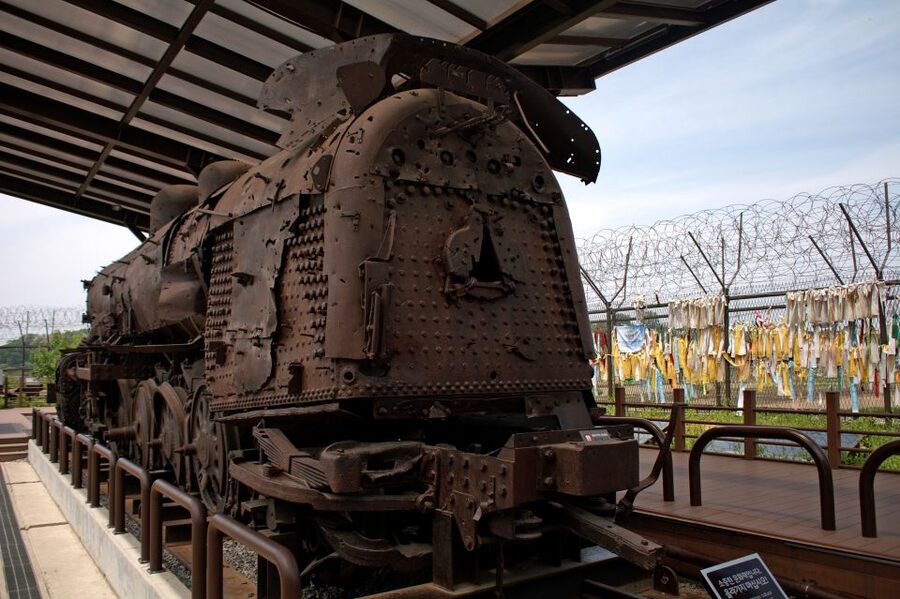
Imjingak adds another layer to the DMZ visit. It is tied to the division of Korea and the human cost of families and communities separated by the border. The War History Pavilion helps place the conflict in a larger historical sequence.
This is where a good guide earns the price of the tour. Names, dates, and military events can blur together. Guides including Ron Han and SP have been singled out for making the subject understandable, answering questions fully, and treating the topic with respect. That matters because the DMZ is not only a photo stop. It is a place connected to a war that formally remains unresolved.
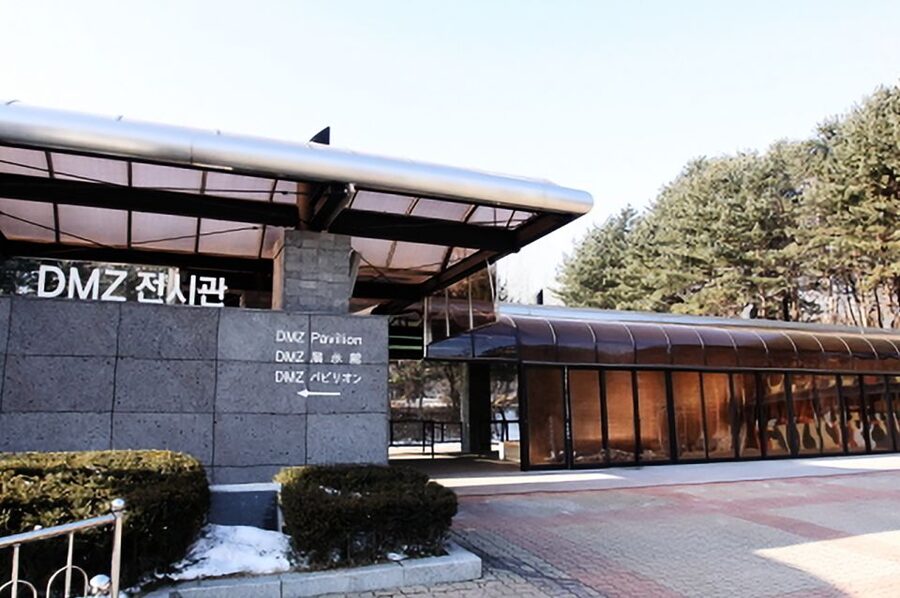
The exhibition center also helps connect Korea’s past, present, and future. Rather than seeing the country only as a fast-growing modern economy, you get a clearer sense of the events and political choices that shaped it. The combination of exhibition material, military sites, and commentary makes the day more useful than simply visiting a lookout.
Gyeongbokgung Palace and the machinery of royal rule
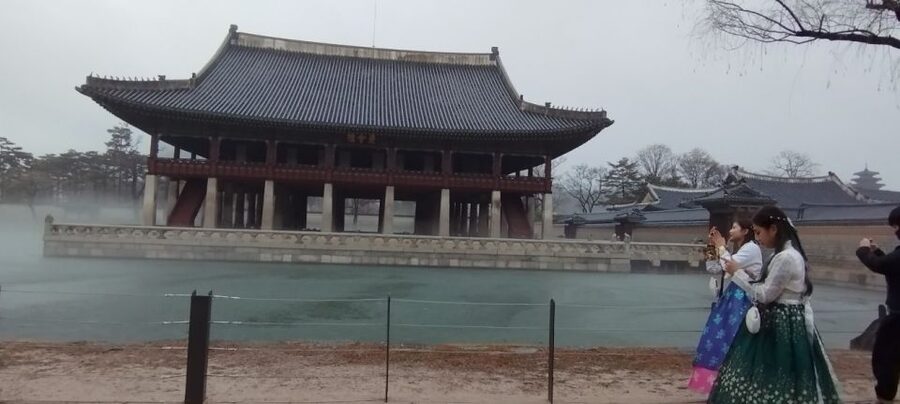
After the DMZ, Gyeongbokgung Palace changes the mood completely. It was the main residence of the king, his family, and a large court community. The palace is not best understood as a single royal house. It functioned more like a working government complex, with employees, advisers, and systems for running the nation.
That detail is especially valuable. Many visitors picture a palace as a collection of grand rooms reserved for a monarch. Here, the guide can show you how administration and royal life fit together. The stop gives you a better sense of Korea before the twentieth-century division.
Your palace experience may depend on group size. One recent departure had only two people booked for the palace, allowing SP to provide what was effectively a private explanation and answer questions at length. A smaller group can make this part feel personal, while a larger group may keep the pace more fixed.
The palace also provides a visual contrast to the DMZ. At the border, the emphasis is concrete barriers, military control, and separation. At Gyeongbokgung, you are looking at the structure of an older Korean state. I find that contrast more useful than treating the palace as a separate postcard stop.
Gyeongbokgung is closed on Tuesdays. When that happens, the itinerary substitutes Deoksu Palace. If seeing Gyeongbokgung itself is important to you, check the date before reserving.
Guides who shape the experience
The guide is central to this tour because the sites need explanation. A military tourism guide leads the DMZ portion, while the broader tour commentary covers the war, Korean dynasties, and relations between North and South.
Molly has been praised for combining history, war stories, dynasty information, and personal attention, including taking photographs. Ron Han, known to one group as Han Solo, has been appreciated for his kindness and clear explanations. SP has handled both the DMZ and a small-group palace visit, answering questions about a wide range of subjects.
You should not book this expecting a silent ride to famous places. The value comes from the narration and the chance to ask questions. If you want every minute to be unhurried or prefer to explore alone, the controlled schedule may frustrate you. If you want context without having to research the Korean War and royal government yourself, the guide is a major advantage.
A private group option is available. That may suit families or friends who want more control over questions and pacing, though the supplied price of $110 per person should not be assumed to apply unchanged to a private arrangement.
What the $110 price covers
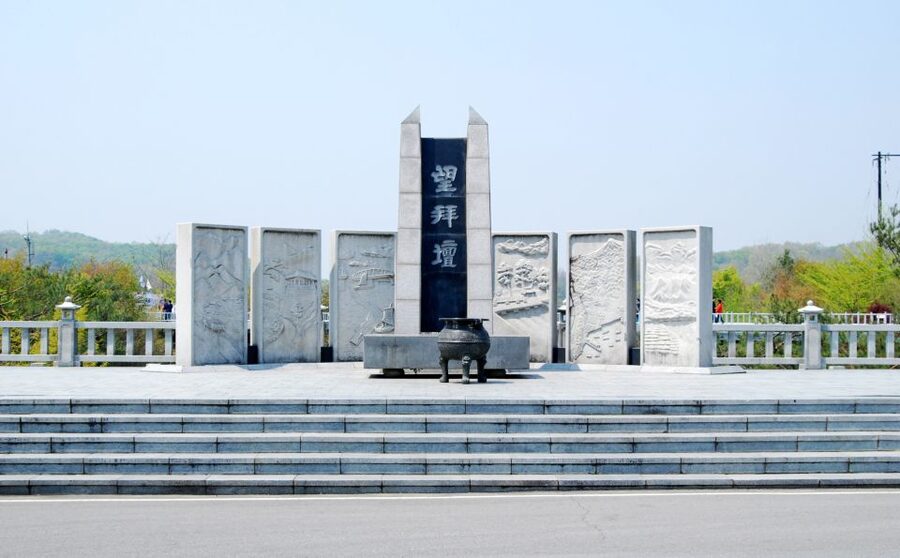
At $110 per person, this is not the cheapest way to see a palace or travel north of Seoul. It is a reasonable package if you value transport, a professional English-speaking guide, DMZ access, and the practical handling of a restricted itinerary.
The price includes hotel pickup and drop-off service, according to the stated inclusions, though the meeting point is also listed as City Hall Station and hotel pickup is described as optional. Confirm the pickup arrangement for your hotel before the day of travel.
Transportation matters here. The DMZ requires an authorized bus, and the tour handles that rather than leaving you to arrange several connections. Entry to the DMZ and the relevant venue is included, as is the guide.
Lunch and personal expenses are not included. Budget separately for food, and do not assume that the price covers drinks, souvenirs, or other purchases. The long duration makes lunch planning important, even if the exact meal arrangement depends on the day’s schedule.
Free cancellation is available up to 24 hours before departure, and you can reserve now and pay later. Those policies are useful if your Seoul plans are still shifting, but the passport and military access requirements remain firm.
When the DMZ schedule changes
A DMZ tour can be affected by an unannounced military training exercise or an official event. If that happens, the operator replaces the route with Tomorrow’s Whistle, Bunker Beat 131, Odusan Unification Tower, and the War Memorial of Korea.
This is an important condition, not a minor footnote. You are booking access to a sensitive military area, so the advertised stops cannot be treated as guaranteed in every circumstance. The substitute route still focuses on Korean division and war, but it is not the same experience as entering the DMZ or looking toward North Korea.
I would keep the tour if you want a broader Korea history day and can accept some uncertainty. I would reconsider if the Third Tunnel or the observatory is the sole reason you are booking. The tour’s strength is its combination of sites and interpretation, not a promise of one particular photograph.
Who should book this day?
I recommend it for a first visit to Seoul if you want to understand the country beyond food, shopping, and royal architecture. It suits adults, families with accompanied children, and anyone curious about the Korean War and the continuing division of the peninsula.
It is also a good fit if you prefer having transport and security procedures handled for you. The coach removes much of the planning burden, and the guide gives you a framework for places that can be difficult to understand alone.
I would be cautious if you have mobility limitations, dislike early starts, or want a slow palace visit. The tour is not wheelchair accessible, requires a passport, includes walking at the Third Tunnel, and follows fixed military timing. Wear sneakers, keep your passport secure, and prepare for a full ten-hour day.
Should you book the Seoul DMZ and palace tour?
Book it if you want one well-organized day linking Korea’s divided present with its royal past. The strongest reasons are the authorized DMZ access, the guide-led explanations, the chance to look toward North Korea, and the unusual pairing with Gyeongbokgung Palace.
Skip it if you need complete control over your schedule or if you cannot manage walking and fixed photo times. For most visitors who want context rather than a quick border photo, the $110 cost is fair, provided you remember that lunch is extra and military conditions can change the route.
FAQ
How long does the tour last?
The experience lasts about 10 hours.
Where is the standard meeting point?
Meet at Exit 7 of City Hall Station at 7:30 AM.
Is hotel pickup available?
Yes. Hotel pickup and drop-off service are included in the stated services, and pickup is described as optional. Confirm the exact arrangement when booking.
What languages does the guide speak?
The tour is available with a live guide in English or Korean.
Do I need my passport?
Yes. Every participant must bring a current valid passport on the day of travel.
Is lunch included?
No. Lunch and personal expenses are not included in the stated price.
Can children join the tour?
Yes, but children must be accompanied by an adult. Unaccompanied minors are not allowed.
Is the tour wheelchair accessible?
No. The experience is not wheelchair accessible and is not suitable for wheelchair users.
What happens if the DMZ closes?
If unannounced military training or an official event prevents access, the tour is replaced with visits to Tomorrow’s Whistle, Bunker Beat 131, Odusan Unification Tower, and the War Memorial of Korea. Gyeongbokgung Palace is also replaced by Deoksu Palace when Gyeongbokgung is closed on Tuesdays.
Just added in Seoul
- Suwon: Baseball Game with Fortress and Local Food Tour★ 5.0 · 3 reviews
- Seoul: War Memorial of Korea Private Guided Museum Tour★ 4.9 · 29 reviews
- Seoul: Wine & Korean BBQ, Perfect Pairing Dinner in Sinchon★ 5.0 · 6 reviews
- Seoul : Your Personal Photographer in Gyeongbokung★ 5.0 · 7 reviews
- Seoul : Efoil Experience in Han River★ 5.0 · 5 reviews
- Seoul: Vivaldi Park Winter Ski with Eobi Ice Valley Day Tour★ 4.6 · 16 reviews
- Seoul: Vivaldi Park Winter Ski with Nami Island Day Tour★ 5.0 · 4 reviews
- Seoul: Sokcho beach, market, hot spring and Seorak Cable Car★ 4.8 · 5 reviews
DMZ & JSA Tours, compared.
Best DMZ Tour Korea from Seoul (Red Suspension Bridge Optional)
Read our review →
DMZ Tour: 3rd Tunnel, Option(Suspension Bridge, Boat) from Seoul
Read our review →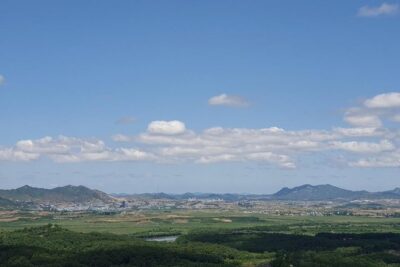
DMZ tour south Korea from Seoul (NK experience hall, defector)
Read our review →
DMZ Insider Tour: 3rd Tunnel, NK Defector Meet & Red Bridge
Read our review →
Signature DMZ Tour: Exclusive Defector Talk & Suspension Bridge
Read our review →
Thrilling Korean DMZ 3rd Tunnel Tour from Seoul + Red Bridge Rush
Read our review →
DMZ Past and Present: Korean Demilitarized Zone Tour from Seoul
Read our review →Browse the lists this tour appears in