
Reviewed · DMZ & JSA TOURS
Seoul DMZ Tour with 3rd Tunnel and Red Suspension Bridge
The most striking part of this day is the Third Tunnel, a narrow passage built for a possible North Korean attack and discovered by South Korea in 1978. You walk down into the cool, dim tunnel, wearing a safety helmet, then stoop beneath the low ceiling before making the hard climb back out. It feels far more physical than a normal sightseeing stop.
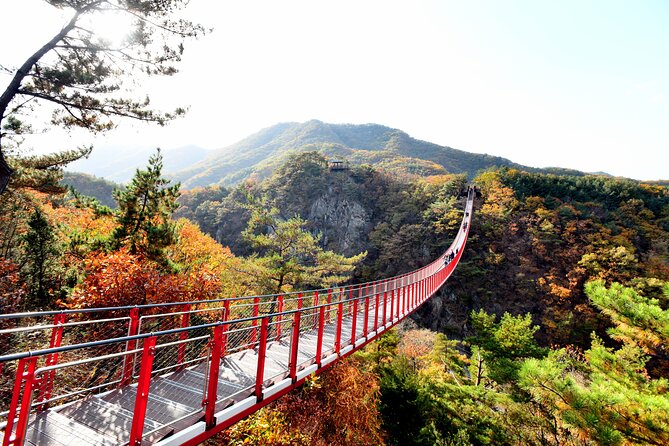
I like two things especially. First, the tour links military sites with personal stories at Imjingak and Mangbaedan, so the Korean War does not feel like a distant textbook subject. Second, the Gamaksan Chulleong Bridge adds a completely different setting, with forested hills, a 150-meter suspension bridge, and the memory of British soldiers who fought at Solma-ri in 1951.
The main drawback is the exertion. The tunnel includes a steep descent and climb, while the bridge requires a serious uphill walk with many steps. There is also no formal lunch break, so bring snacks and water. Guides such as Winnie, Thomas, Kenny, Grace, Leo, and Stella have been praised for clear explanations, humor, patience, and help with photos, but the physical demands remain the same.
Key points to know before booking
- The Third Tunnel is a real workout: Expect a steep route, low ceilings, safety helmets, and several minutes of hunched walking.
- Dora Observatory gives you a view toward North Korea: Visibility depends on weather, and distant sights may be hazy.
- The red suspension bridge adds history and scenery: Gamaksan Chulleong Bridge recalls the Battle of Solma-ri, also called the Battle of Gloucester Hill.
- The day is packed with stops: You visit Imjingak, Mangbaedan, the Third Tunnel, Dora Observatory, and Gamaksan in about eight hours.
- The guide makes a major difference: Winnie, Thomas, Kenny, Grace, Leo, and Stella are all noted for lively, clear presentations.
- Bring your passport and proper shoes: Military access rules apply, and flip-flops, slippers, and heels are a poor choice.
Why this DMZ day is worth your time
At about $45 per person, this tour offers a lot for a full day outside Seoul. You get air-conditioned transportation, admission to the paid sites, and a guide who explains what you are seeing. The route covers both the political story of the Demilitarized Zone and the human cost of the Korean War.
You are not simply driven to a fence, given ten minutes for a photo, and rushed back to the city. Imjingak introduces the emotional side of division. The Third Tunnel shows the military threat in a physical way. Dora Observatory gives you a controlled view toward North Korea. Gamaksan then shifts the mood to a wooded mountain setting tied to a major 1951 battle.
The value is strongest if you want context. A self-guided visit to one border site would likely leave you with plenty of questions. Here, the guide fills in the gaps during the drive and at each stop. Past guides have used photos, videos, personal stories, and humor to make the subject easier to follow.
The tradeoff is that this is a group excursion, not a private tour. The vehicle may carry a large group, with a stated maximum of 500 people. That means you should expect organized movement and fixed departure times rather than a slow, flexible day.
Other trips up to the border from Seoul:
- Best DMZ Tour Korea from Seoul (Red Suspension Bridge Optional)
★ 5.0 · 41,422 reviews - DMZ Tour: 3rd Tunnel, Option(Suspension Bridge, Boat) from Seoul
★ 5.0 · 21,373 reviews - DMZ tour south Korea from Seoul (NK experience hall, defector)
★ 5.0 · 20,599 reviews
Starting in Myeong-dong and heading north
The meeting point is near Myeong-dong subway station in central Seoul. Hotel pickup and drop-off are not included, so you need to reach the selected meeting point yourself. The tour returns you to the Myeong-dong area, though the exact drop-off point may not always be identical to the morning meeting place.
The ride north is useful preparation. Your guide explains the Korean War, the division of the peninsula, and the role of the DMZ before you reach the main sites. That background matters because the stops are easier to understand when you know what happened in 1950, how the fighting ended, and why the border remains heavily controlled.
The day lasts about eight hours. One common schedule runs from roughly 9 a.m. until late afternoon, which is less punishing than some very early DMZ departures. You should still plan for a full day, with limited time for sitting and no scheduled meal stop.
Imjingak Pyeonghoa-Nuri Park and the emotional side of division
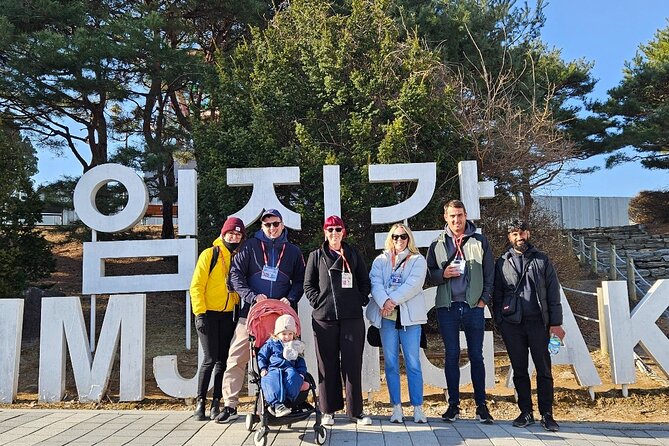
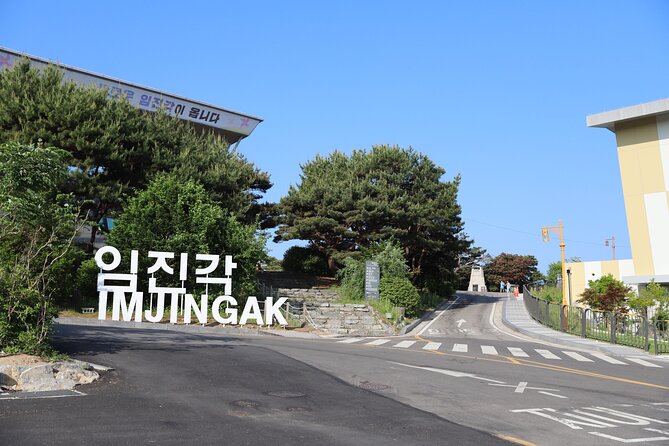
Imjingak sits about seven kilometers from the Military Demarcation Line. It was built in 1972 with the hope that the two Koreas might one day reunite. The site is filled with monuments and reminders of families separated by the border.
You begin with about 30 minutes here. It is a useful first stop because it gives you room to look around, use the facilities, and possibly buy a snack or drink before the more strenuous visits. The surrounding park also helps you adjust to the fact that this is not just a military sightseeing trip.
Mangbaedan is one of the most affecting places in the complex. Families who left relatives in North Korea visit here on Lunar New Year and other important occasions. You may not spend long at the site, but its meaning is clear: the division is still personal for many Korean families.
The Bridge of Freedom and Dokgae Bridge add more physical reminders of the conflict. Dokgae Bridge was destroyed during the Korean War and later rebuilt. These structures help connect the large political story to ordinary movement, escape, return, and separation.
Walking into the Third Tunnel
The Third Tunnel is the tour’s most unusual stop. South Korea discovered it in 1978, and it is one of several passages associated with North Korean attempts to create routes south. The tunnel measures about 1,635 meters in total, is roughly two meters wide, and reaches about two meters in height in its larger sections.
The route open to visitors is not a flat stroll. You walk down a steep section, continue through a lower passage, and then return the same way. The tunnel becomes low enough that you must bend forward for several minutes. Even a person of average height may tap a helmet against the ceiling.
You receive a safety helmet, but sturdy footwear still matters. The floor can feel demanding underfoot, and the climb out is harder than the descent. A moderate fitness level is the minimum sensible expectation. If you are sedentary, have knee trouble, or dislike confined spaces, this may be the stop that determines whether the tour suits you.
The tunnel is valuable because it changes your understanding of the DMZ. From a viewing platform, the border can seem abstract and distant. Inside the tunnel, the military purpose becomes immediate. You can picture the scale of the construction and imagine how difficult it would have been to detect such a passage.
Allow yourself time and do not race the group. The day moves on a schedule, but rushing the tunnel only makes the climb less comfortable. Wear walking shoes, avoid heels and open slippers, and bring water.
Other walks with a drop below them near Seoul:
- Seoul: DMZ Tour with Optional Suspension Bridge
★ 4.8 · 5,277 reviews - Signature DMZ Tour: Exclusive Defector Talk & Suspension Bridge
★ 5.0 · 4,459 reviews - Ultimate Korea DMZ Tour from Seoul (Gondola & Suspension Bridge)
★ 5.0 · 2,396 reviews - DMZ; NK Defector, 3rd Tunnel, Suspension Bridge,Hotel pickup
★ 4.9 · 2,055 reviews
Dora Observatory and the view toward North Korea
At Dora Observatory, you look north across the DMZ toward areas including Gaeseong, Songaksan, the Kim Il-sung statue, and the Geumamgol Cooperation Farm. The stop lasts about 30 minutes.
This is a weather-dependent experience. On a clear day, you may see buildings, fields, hills, and signs of life on the other side. On a hazy day, the view can be faint. The tour cannot control the visibility, so it is best to treat the observatory as a chance to look across the border, not a guaranteed close-up view.
The guide adds much of the value here. Without an explanation, the distant sights can blend together. With photographs and commentary, you can understand what you are looking at and why the observatory occupies such an important place.
The short visit also means you should listen for instructions about timing. This is a controlled military area, and access can change without prior notice. The entire trip may be canceled because of military operations, even after you have made plans.
Gamaksan Chulleong Bridge and the Battle of Solma-ri
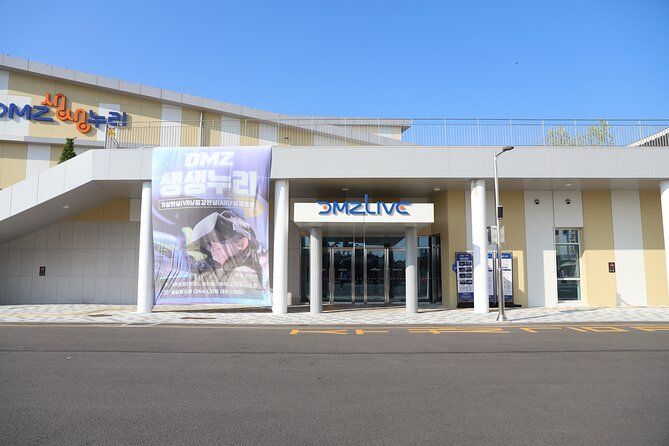
The final major stop takes you into a different setting. Gamaksan Chulleong Bridge is a 150-meter suspension bridge, only about 1.5 meters wide, located in Solma-ri. The Battle of Solma-ri, also called the Battle of Gloucester Hill, took place here in 1951.
The bridge itself is scenic, but the setting is also sobering. British troops fought and died in the battle, helping hold back North Korean forces during the Korean War. The walk combines mountain air and views with a strong reminder that this was once an active battlefield.
Getting to the bridge takes effort. The route from the road includes a steep climb and, according to the walking experience described for this tour, roughly 400 steps. The total walking can add up quickly. One full day on this route may leave you with more than 20,000 steps, much of it uphill or downhill.
That makes the bridge a poor match for anyone expecting a gentle photo stop. For people who can manage the climb, it is one of the most memorable parts of the day. You get scenery, a clear physical sense of the terrain, and a chance to think about the battle beyond the usual monuments.
Food, timing, and what to pack
There is no formal meal included. The schedule gives you chances to buy snacks and coffee, particularly around Imjingak, but you should not count on a sit-down lunch. Pack something portable and bring a drink.
Your passport is required on the day of travel. The DMZ is under military control, so access rules are not as flexible as they are at an ordinary attraction. Bring the current passport you used for booking or identification, and keep it easy to reach.
Your clothing should be practical:
- Walking shoes with a firm sole
- Comfortable trousers or shorts that allow you to bend
- Water and a few snacks
- A light layer for the tunnel, which can feel cool
- Your passport
- A phone or camera, if you want photos at the permitted stops
Avoid flip-flops, slippers, and high heels. They are unsafe for the tunnel and the steep approach to the suspension bridge.
Guides, group size, and the pace of the day
The guide is central to this experience. Winnie, sometimes called Mama Winnie, is noted for being funny, patient, and attentive to photos. Thomas is praised for making history lively and keeping the group on time. Kenny is known for a friendly, entertaining approach, while Grace is noted for clear English, a warm manner, and helping people take pictures.
Leo and Stella are also described as engaging and well prepared. The common thread is useful rather than flashy: the strongest guides explain the background, answer questions, keep people moving, and help the day feel purposeful.
Because the tour may include a very large group, you should be comfortable with meeting-point instructions and fixed time limits. The air-conditioned vehicle makes the longer road sections easier, but you will not have unlimited time at each location.
The pace is best described as full but organized. There is little wasted time, which helps you see several important sites in one day. The cost is good for the amount of transport, guiding, and admission included, but the bargain comes with a busy schedule.
Who should book this tour?
I would choose this tour if you have one day in Seoul and want to understand the division of Korea beyond a museum display. It suits first-time visitors, solo travelers who prefer organized transport, families with active teenagers, and anyone interested in military history and current affairs.
It is also a good fit if you prefer a later morning departure. Some DMZ tours begin around 6:30 a.m.; this experience is commonly scheduled closer to 9 a.m., giving you a more manageable start.
I would hesitate if you have limited mobility or dislike steep paths, low ceilings, and long walks. The tunnel and bridge are not optional side details. They are the physical center of the day.
Should you book the Seoul DMZ tour?
Book it if you want a broad, well-priced day that combines Korean War history, border views, and a real physical challenge. The Third Tunnel and Gamaksan Bridge give the tour more substance than a quick observatory visit, while Imjingak and Mangbaedan add the human side of separation.
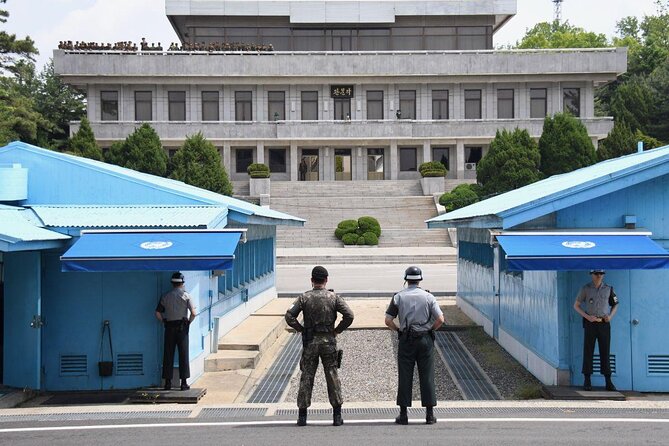
Skip it if you want a relaxed outing, a guaranteed view of North Korea, a formal lunch, or a visit to the Joint Security Area. The JSA is not included, and military restrictions can change the schedule.
For most reasonably fit visitors, this is a strong use of one Seoul day. Pack food, wear proper shoes, carry your passport, and expect to work for the views.
FAQ
How much does the Seoul DMZ tour cost?
The listed price is $45 per person. Air-conditioned transportation, admission tickets, and a professional tour guide are included.
How long does the tour last?
The experience lasts approximately eight hours. A commonly reported schedule runs from around 9 a.m. until about 6 p.m.
Where does the tour start and finish?
The meeting area is in Myeong-dong, Jung District, Seoul, near Myeong-dong subway station. The tour also returns to the Myeong-dong area. Hotel pickup and drop-off are not included.
Is a passport required?
Yes. You must bring a current, valid passport on the day of the tour.
Does the tour visit the Joint Security Area?
No. A visit to the Joint Security Area, or JSA, is not included.
What sites are included?
The route includes Imjingak Pyeonghoa-Nuri Park, Mangbaedan, the Third Tunnel, Dora Observatory, and Gamaksan Chulleong Bridge.
Is the tour physically difficult?
Yes. The Third Tunnel has a steep descent and climb, a low ceiling, and several minutes of stooped walking. The route to Gamaksan Chulleong Bridge also includes a steep uphill walk and many steps. A moderate fitness level is recommended.
Are meals included?
No. Meals and beverages are not included, and there is no formal lunch break. Bring snacks and drinks, with opportunities to purchase refreshments along the way.
Can the tour be canceled because of military conditions?
Yes. Since the DMZ is operated by the military, the tour may be canceled without prior notice. You can cancel for a full refund if you do so at least 24 hours before the start time.
Just added in Seoul
- Suwon: Baseball Game with Fortress and Local Food Tour★ 5.0 · 3 reviews
- Seoul: War Memorial of Korea Private Guided Museum Tour★ 4.9 · 29 reviews
- Seoul: Wine & Korean BBQ, Perfect Pairing Dinner in Sinchon★ 5.0 · 6 reviews
- Seoul : Your Personal Photographer in Gyeongbokung★ 5.0 · 7 reviews
- Seoul : Efoil Experience in Han River★ 5.0 · 5 reviews
- Seoul: Vivaldi Park Winter Ski with Eobi Ice Valley Day Tour★ 4.6 · 16 reviews
- Seoul: Vivaldi Park Winter Ski with Nami Island Day Tour★ 5.0 · 4 reviews
- Seoul: SnowyLand in Vivaldi Park with Nami or Alpaca★ 4.8 · 11 reviews
DMZ & JSA Tours, compared.
Best DMZ Tour Korea from Seoul (Red Suspension Bridge Optional)
Read our review →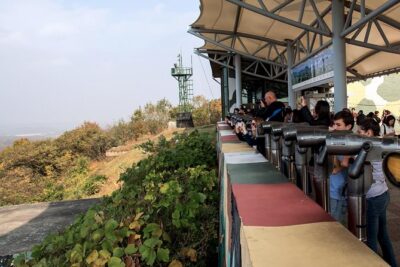
DMZ Tour: 3rd Tunnel, Option(Suspension Bridge, Boat) from Seoul
Read our review →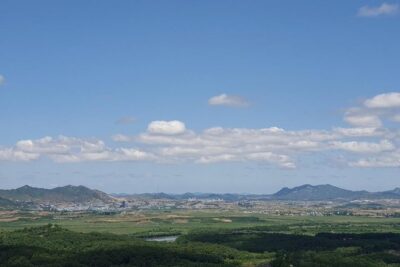
DMZ tour south Korea from Seoul (NK experience hall, defector)
Read our review →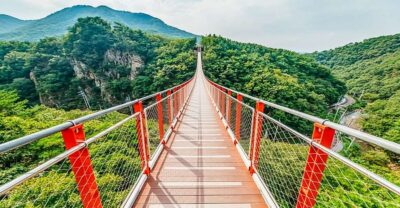
DMZ Insider Tour: 3rd Tunnel, NK Defector Meet & Red Bridge
Read our review →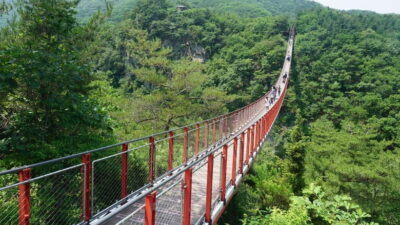
Signature DMZ Tour: Exclusive Defector Talk & Suspension Bridge
Read our review →
Thrilling Korean DMZ 3rd Tunnel Tour from Seoul + Red Bridge Rush
Read our review →
DMZ Past and Present: Korean Demilitarized Zone Tour from Seoul
Read our review →Browse the lists this tour appears in