
Reviewed · KOREAN FOOD & STREET FOOD TOURS
Seoul Fun Food Tour: 12 different food tastings
Gwangjang Market is the star here. In about three hours, you move from old market stalls to sit-down Korean dishes, a make-your-own ramen shop, a city stream, and the hanok lanes of Ikseon-dong. The advertised total is 12 tastings, though the food can feel closer to several small meals.
I like the personal scale, especially with guides such as Suha, who explains the food, Korean customs, and useful words as you go. I also like the range: market food, restaurant dishes, instant ramen, and cafe fare give you a broad first look at eating in Seoul.
The main catch is that this is not a light snack walk. Come hungry, but do not plan a large meal afterward. Weather can also change the walking portion, and public transportation costs about ₩2,000 extra.
Key points at a glance
- Gwangjang Market first: Spend an hour sampling traditional Korean food in one of Seoul’s oldest and largest markets.
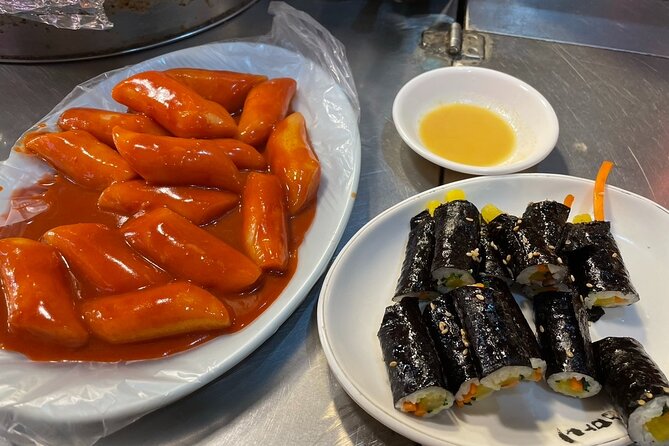
- More than a quick street-food stop: Tastings may include tteokbokki, mung bean pancakes, soups, bulgogi, banchan, fish cakes, egg dishes, and other local favorites.
- Make your own ramen: Choose from a large selection of ramen at a 24-hour Jongno convenience store and prepare it yourself.
- A useful Seoul neighborhood mix: Connect the market with Cheonggyecheon Stream and the restored hanok lanes of Ikseon-dong.
- Small group format: The tour is advertised for up to eight people, with a maximum of 10, making it easier to ask questions and stay together.
- Bring an appetite: Many people finish full enough to skip their next meal.
Why this food walk works as a first taste of Seoul
Seoul food can be confusing at first. Menus may have limited English, market stalls move quickly, and a long list of unfamiliar dishes does not tell you what is worth ordering. This tour solves that first-day problem by giving you a local guide, a set route, and a chance to try many foods without ordering full portions on your own.
The setting also matters. You are not simply sitting in one restaurant for three hours. You begin in Gwangjang Market, walk beside Cheonggyecheon Stream, stop at a distinctly Korean convenience-store ramen shop, and finish in Ikseon-dong, where old hanok homes now hold cafes and restaurants.
That combination gives you a useful sense of Seoul’s food culture. You see traditional market eating, modern convenience-store habits, casual restaurant dishes, and the city’s cafe scene in one compact outing.
The guide is a major part of the experience. Suha is praised for being friendly, patient, energetic, and fluent in English. Other departures have been led by guides named June, Sue, Sunha, or Suhan. Names and spellings may vary by departure, but the important point is that the tour depends on an English-speaking local who can explain what you are eating and help you move through places that may feel hard to navigate alone.
More eating your way around Seoul:
- Seoul: Gyeongbok Palace, Bukchon Village, and Gwangjang Tour
★ 4.9 · 2,321 reviews - Seoul Street Food Market Tour
★ 5.0 · 1,226 reviews - Seoul: Gyeongbok Palace, Bukchon Village, and Gwangjang Tour
★ 5.0 · 1,044 reviews
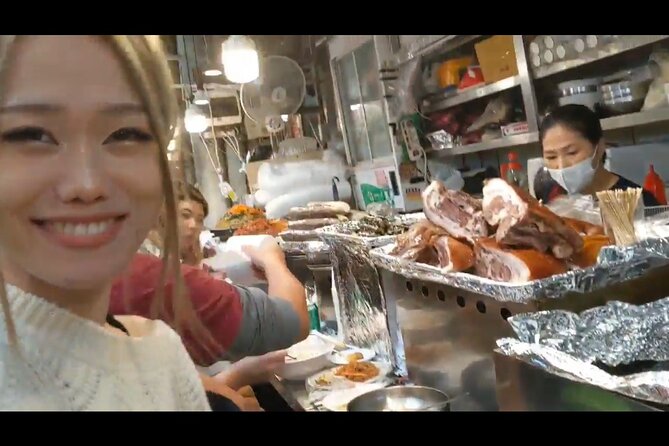
Starting with one hour at Gwangjang Market
The tour begins at Jinju Yukhoe 3rd Branch in the Jongno District, at 403 Dongho-ro. From there, you head into Gwangjang Market for roughly an hour of eating and explanation.
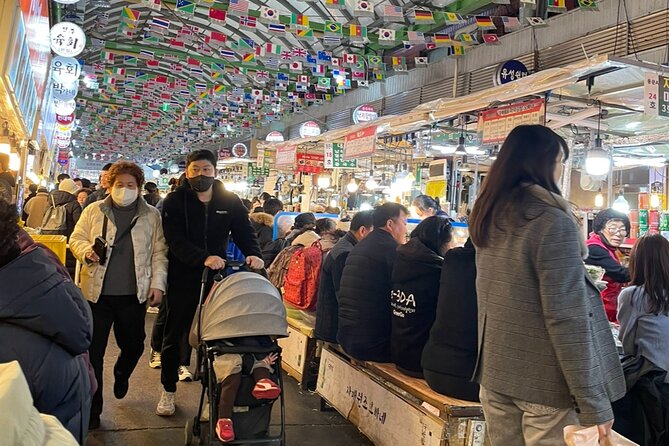
This is the strongest part of the route for anyone who wants classic Seoul food in a real working market. The stalls are close together, the choices can be unfamiliar, and the atmosphere is part of the meal. A guide helps turn a wall of Korean signs and trays of food into something approachable.
The advertised plan includes several tastings rather than one large dish. Examples from the food selection can include tteokbokki, mung bean pancakes, fish cakes, beef or vegetable soup, bulgogi, banchan, and fluffy steamed egg. The exact mix can change with the season and the stops available that day.
Some tastings are served in restaurants rather than eaten while standing at a stall. That is a real advantage. Sitting down gives the group time to share dishes, ask questions, and hear the background behind the food. It also makes the meal less rushed, though it means the tour is more of a series of small meals than a fast street-food crawl.
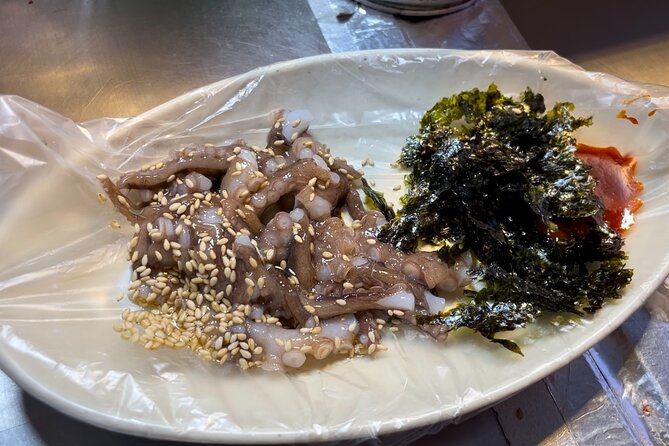
You may also encounter more adventurous Korean specialties. Octopus with moving tentacles has been offered to those who wanted to try it. That is optional, and you can ask questions before sampling unfamiliar foods. If you are cautious with seafood, spicy food, or unusual textures, tell the guide early.
Gwangjang Market is not a quiet museum. You will be moving through active food lanes and busy dining areas. Keep your belongings close, stay near the guide, and expect some standing and walking. The small group helps, but the market itself can still feel crowded.
What the Korean food explanations add
A good food tour should do more than pass you a plate. Here, the guide explains the name of each dish, how it is eaten, and its place in Korean food culture. Several guides also teach Korean words and pronunciation along the way.
That small language lesson is useful beyond the tour. Learning the Korean name for a dish helps you recognize it on later menus, and hearing the correct pronunciation is more useful than reading a romanized spelling. You also get a better sense of how side dishes, soups, grilled foods, pancakes, and spicy sauces fit together in a Korean meal.
The tour is especially helpful if you have never eaten Korean food before. You can try a range of flavors without committing to a full serving of something you may not enjoy. If you already know Korean food, the value shifts toward local context, market access, and dishes you might not think to order by yourself.
The guide also acts as a bridge between you and restaurant staff. That matters when the place is busy or when a dish needs explanation. A small group of around eight makes these conversations easier than they would be on a large bus-style outing.
A short walk beside Cheonggyecheon Stream
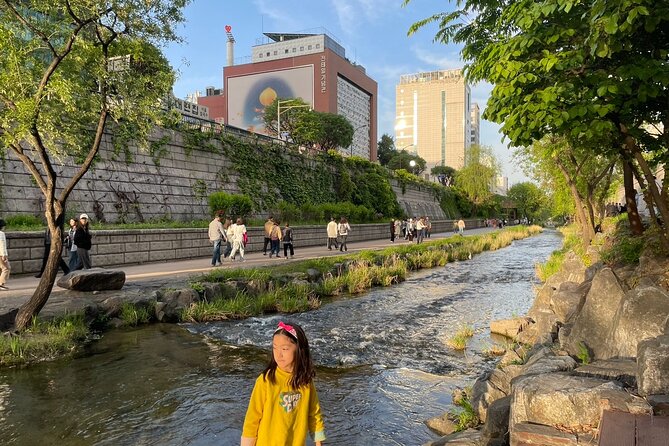
After the market, the route includes about 20 minutes at Cheonggyecheon Stream. This section is free and mainly adds breathing room between food stops.
The stream gives you a different view of central Seoul. After the tight market lanes and restaurant tables, the open water and walking path create a calmer change of pace. There are also photo opportunities, including places where you can cross by stepping stones.
This is not a long sightseeing visit, so do not book the tour expecting a detailed stream tour. It is a pleasant connector between neighborhoods, with enough time to walk, take pictures, and hear more about the city.
Weather can alter this part of the route during winter, and rain may affect how long you spend outdoors. One useful detail is that guides can move the group from shelter to shelter in poor weather, but you should still wear shoes suited to wet pavement and bring rain protection when the forecast looks uncertain.
The walk is modest, but it helps the tour feel like a Seoul outing rather than a chain of restaurant visits. You are eating, walking, and seeing how different parts of the city fit together.
A few more things to do in Seoul worth a look
- Seoul: Night Market Food Tour with Local Guide
★ 4.9 · 943 reviews - Downtown Seoul Guided Food & Market Tour with 8+ Local Tastings
★ 5.0 · 580 reviews - Seoul Night Palace & Market Food Tour with Vehicle
★ 5.0 · 275 reviews - Soju Tasting at Distillery – story of 3 pigs
★ 5.0 · 166 reviews
Choosing ramen at the Jongno convenience store
The next stop is a 24-hour ramen convenience store in Jongno. The stop lasts about 40 minutes and gives you a hands-on break from prepared tastings.
Here, you choose a ramen flavor and cook it yourself. The selection can include more than 70 varieties, so the guide’s help is useful if you do not read Korean packaging. This is a fun look at a very ordinary part of life in South Korea, where convenience stores are not just places to buy snacks but also quick places to eat.
The ramen stop is different from Gwangjang Market in an important way. At the market, the guide introduces dishes tied to traditional food culture. At the convenience store, you see a more modern, everyday side of Korean eating.
Do not expect this to be a full cooking class. You are preparing instant ramen, not making noodles from scratch. The appeal is the choice, the setting, and the chance to select something that fits your taste. If you already feel full from the market, this may be the point where you appreciate the small serving size.
Wandering through Ikseon-dong’s hanok lanes
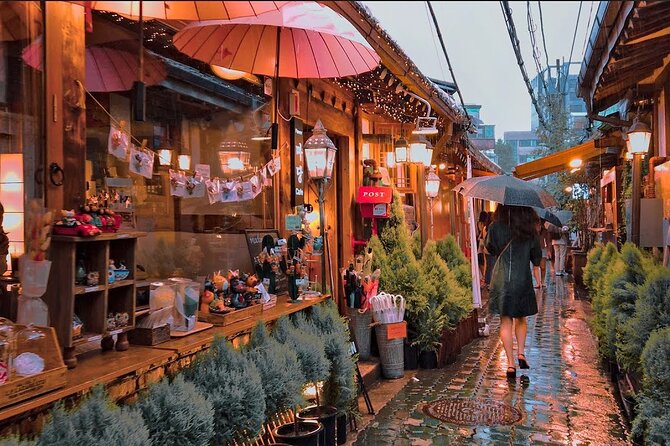
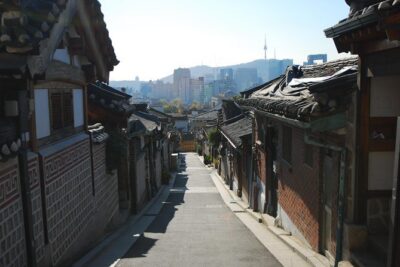
The final neighborhood is Ikseon-dong, reached after the food stops and stream walk. The area is known for traditional hanok buildings that now hold cafes, restaurants, and shops.
This is a smart finish because it shifts the mood again. Gwangjang Market feels practical and food-focused. The ramen shop is modern and casual. Ikseon-dong is slower, more polished, and suited to a final drink and a little wandering.
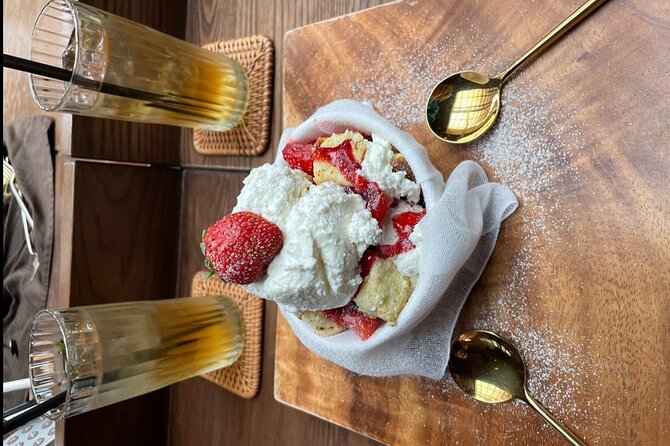
The itinerary includes tea or coffee at a cafe. Some food selections have also included sweet dishes such as shaved ice with fruit, red beans, or ice cream, though the exact dessert should not be treated as guaranteed. The cafe stop gives you a chance to sit down, cool off, and ask final questions.
Ikseon-dong can appeal to photographers and anyone interested in the way Seoul reuses older buildings. Keep in mind that the neighborhood is popular, and its lanes are narrow. You are visiting for roughly an hour, not taking an in-depth architectural tour.
The endpoint is near Jongno 3-ga Station. That is convenient for continuing your evening, especially if you want to explore central Seoul after the tour.
Is $88 a fair price?
At $88 per person, this is not the cheapest way to eat in Seoul. You could buy individual market dishes for much less. The value comes from the amount of food, the guide, the planning, the language help, and the variety of stops.
You are paying for a three-hour route that includes 12 advertised tastings, snacks, bottled water, and a cafe drink. Food portions can be generous enough to replace a meal, and some departures have included more than 12 items. That makes the price easier to justify if you want one organized introduction rather than several meals chosen at random.
The small group also matters. A maximum of 10 people, often closer to eight, allows the guide to keep the group together and make sure everyone gets a chance to taste each dish. It is a better fit for you if you value explanation and company over finding the absolute lowest food price.
The price is less attractive if you already know Seoul well, speak Korean, and feel comfortable ordering at markets. In that case, you may prefer to spend $88 across several independent meals. For a first visit, though, the variety and guidance give the tour solid value.
Who should book this tour?
I would choose this tour for a first or second visit to Seoul, especially if you want help understanding Korean food without spending days researching restaurants. It also suits solo visitors and couples who like meeting a small group while eating.
Families may appreciate the short route and the mix of familiar and unusual foods. The activity information says most people can participate, and service animals are allowed. Still, the food itself can include spicy flavors, seafood, unfamiliar textures, and shared dishes, so tell the guide about concerns as soon as you meet.
This is also a good pick for anyone who wants a lively introduction but does not want a huge group. The strongest praise is directed at guides such as Suha for making people feel included, explaining every dish, and adjusting the pace so the group stays together.
You may want a different tour if you dislike group dining, cannot eat a broad range of foods, or prefer a quiet, single-restaurant meal. It is also not ideal if you need a completely fixed outdoor plan, since rain and winter weather can change the walking section.
Free cancellation is available when you cancel at least 24 hours before the start time. The tour may also be rescheduled or refunded if poor weather or low enrollment forces cancellation.
Practical details before you go
The meeting point is Jinju Yukhoe 3rd Branch, 403 Dongho-ro, in Seoul’s Jongno District. The tour ends near Jongno 3-ga Station, so plan your day around that area rather than expecting to return to the starting point.
The listed duration is about three hours. Allow extra time before the start to reach the meeting point and avoid arriving hungry but rushed. You will be walking between stops, standing in the market, and sitting for several tastings.
Public transportation is not included and costs about ₩2,000 per person. Bring a mobile ticket, comfortable shoes, and a way to handle light rain. You do not need to plan dinner afterward unless you have an unusually large appetite.
My verdict: book it if you want food and context
I recommend this tour if your goal is to taste widely and understand what you are eating. The mix of Gwangjang Market, sit-down dishes, ramen, Cheonggyecheon Stream, and Ikseon-dong gives you more than a standard market snack walk.
The best reason to book is the guide. Suha and the other named guides bring the food to life with explanations, Korean words, personal stories, and steady help in crowded places. The main warning is simple: 12 tastings can become a very large meal.
Book it early if you want a compact, social introduction to Korean food. Skip it if you would rather choose every dish yourself or need a highly controlled diet. For most first-time visitors who arrive hungry and curious, the $88 price buys a useful and delicious start in Seoul.
FAQ
How long does the Seoul food tour last?
The tour lasts approximately three hours.
How many foods are included?
The tour includes 12 different food tastings. The amount may sometimes be greater depending on the day’s selection.
Where does the tour start?
It starts at Jinju Yukhoe 3rd Branch, South Korea, Seoul, Jongno District, Dongho-ro, 403, first floor.
Where does the tour end?
The tour ends near Jongno 3-ga Station in Jongno District, Seoul.
What places are visited?
The route includes Gwangjang Market, Cheonggyecheon Stream, a 24-hour Jongno ramen convenience store, and Ikseon-dong.
Is transportation included?
Public transportation is not included. The listed cost is ₩2,000 per person.
How large is the group?
The tour is described as a small-group activity for up to eight people, with a maximum of 10 participants.
Can I cancel for a refund?
You can cancel for a full refund at least 24 hours before the experience start time. Changes or cancellations made less than 24 hours before the start are not accepted for a refund.
Just added in Seoul
- Suwon: Baseball Game with Fortress and Local Food Tour★ 5.0 · 3 reviews
- Seoul: War Memorial of Korea Private Guided Museum Tour★ 4.9 · 29 reviews
- Seoul: Wine & Korean BBQ, Perfect Pairing Dinner in Sinchon★ 5.0 · 6 reviews
- Seoul : Your Personal Photographer in Gyeongbokung★ 5.0 · 7 reviews
- Seoul : Efoil Experience in Han River★ 5.0 · 5 reviews
- Seoul: Vivaldi Park Winter Ski with Eobi Ice Valley Day Tour★ 4.6 · 16 reviews
- Seoul: Vivaldi Park Winter Ski with Nami Island Day Tour★ 5.0 · 4 reviews
- Seoul: SnowyLand in Vivaldi Park with Nami or Alpaca★ 4.8 · 11 reviews
Korean Food & Street Food Tours, compared.
Gyeongbok Palace, Bukchon Village, and Gwangjang Tour
Read our review →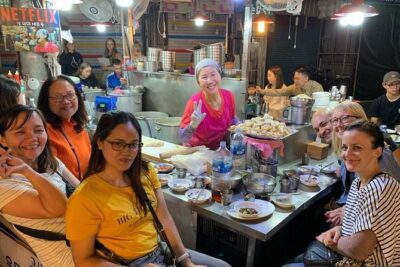
Seoul Night Palace & Market Food Tour with Vehicle
Read our review →
The Award-Winning PRIVATE Food Tour of Seoul: The 10 Tastings
Read our review →
Seoul Night Tour (Gwangjang Market, Royal Palace and Naksan Park)
Read our review →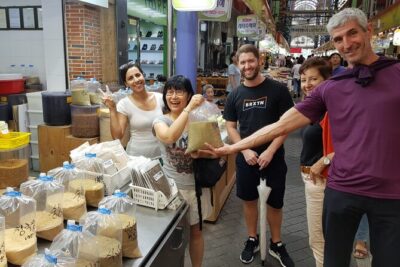
Busan history and market food tour with local chef
Read our review →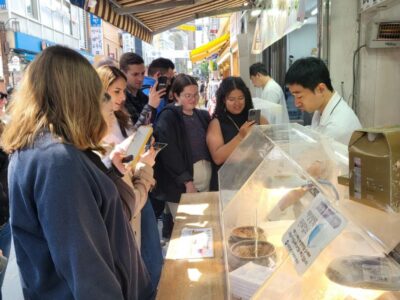
Browse the lists this tour appears in