
Reviewed · TOURS IN SEOUL
Soju Tasting at Distillery – story of 3 pigs
The most interesting thing here is the chance to taste traditional distilled soju, not the mild green-bottle drink found in Korean convenience stores. At Samhae Soju in Mapo-gu, you visit a working distillery and learn how rice, fermentation, and careful distillation create a much stronger and more complex spirit.
I like the mix of history and hands-on tasting, especially the story of Samhae soju and its connection to Joseon-era noble households. I also like Sam Lee’s relaxed hosting style, which turns the session into an easy conversation rather than a stiff lecture. The main consideration is the alcohol level: with at least seven samples and several spirits at 45% ABV or higher, you should eat first and pace yourself.
Key points
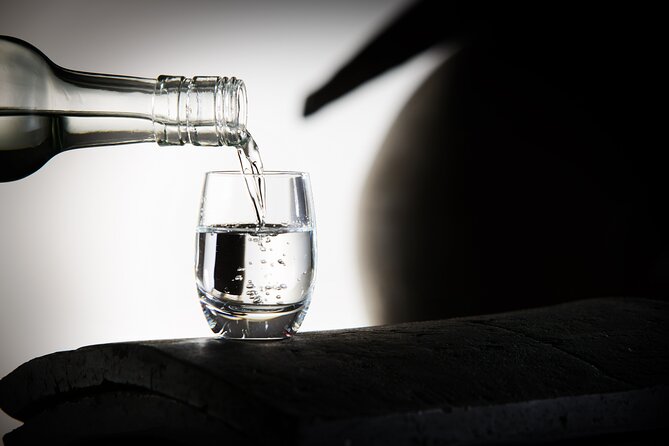
- Seven or more Korean alcohols: Taste traditional soju along with other Korean rice-based drinks.
- A working distillery: Enter a production space that is not normally open to the public.
- Premium-strength spirits: Some soju reaches 45% ABV or more, far stronger than standard commercial soju.
- Sam Lee as your host: Expect clear explanations, humor, cultural context, and practical Seoul tips.
- Small groups: The maximum is 10 people, with some sessions forming an even smaller group.
- A 90-minute format: Enough time for a broad tasting, though some people may wish the session lasted longer.
Why this is not ordinary green-bottle soju
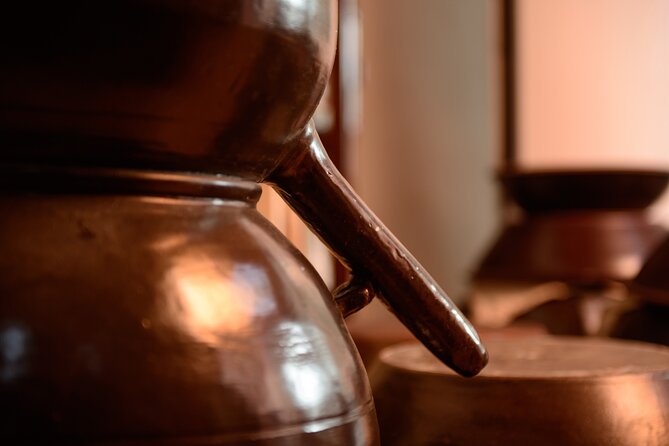
Most visitors first meet soju in a Korean restaurant or convenience store. The familiar green bottle is inexpensive, easy to drink, and usually much lower in alcohol than traditional distilled soju. It is also commonly diluted and sweetened, which makes it a very different drink from the spirit produced at Samhae Soju.
This tasting gives you a useful correction to that first impression. You get to compare several kinds of Korean alcohol and understand why the word soju covers more ground than one mass-market product.
Korean alcohol is broadly divided into three groups:
- Takju: Unfiltered rice wine, usually cloudy.
- Cheongju: Filtered clear rice wine.
- Soju: Distilled spirit.
The tasting focuses on soju, but you can also sample examples from the other categories. That comparison matters. It helps you notice how fermentation, filtering, distillation, strength, and added aromas affect the final drink.
I like this approach because it gives you a framework instead of simply handing you a row of glasses. By the end, you can understand why one drink feels creamy or grainy, why another tastes clean and sharp, and why a high-proof soju should be sipped rather than treated like a standard shot.
A few more things to do in Seoul worth a look
- Seoul Street Food Market Tour
★ 5.0 · 1,226 reviews - Seoul: Night Market Food Tour with Local Guide
★ 4.9 · 943 reviews - Downtown Seoul Guided Food & Market Tour with 8+ Local Tastings
★ 5.0 · 580 reviews
Entering Samhae Soju in Mapo-gu
The meeting point is Samhae Soju at World Cup buk-ro 109, basement level unit 1, in Seoul’s Mapo-gu district. The site is near public transportation, though the provided information does not specify a particular subway exit or walking time. Check the exact meeting instructions before setting out, especially if you are unfamiliar with basement addresses in Seoul.
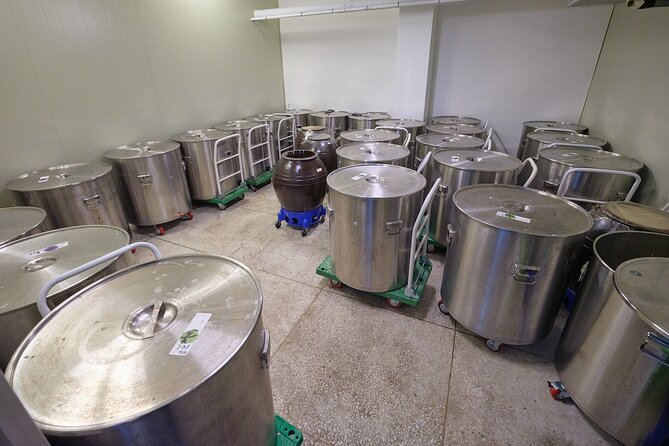
The setting is part of the appeal. You are not sitting in a polished cocktail bar with a decorative display of bottles. You are inside a real distillery, a place where fermentation and production are underway. You may see the process in progress, including fermented material before it becomes the finished spirit.
That working setting gives the tasting a practical edge. You can connect the explanation to the equipment and production space around you. It also means the atmosphere may feel more functional than theatrical. If you want a glossy, design-led drinks experience, this may seem plain. If you want to see where the alcohol is actually made, the simplicity works in its favor.
The group limit is 10 people. Some sessions may be smaller, which makes it easier to ask questions and talk with Sam. The social side is important here, since much of the experience takes place through conversation around the tasting table.
Sam Lee’s relaxed way of teaching
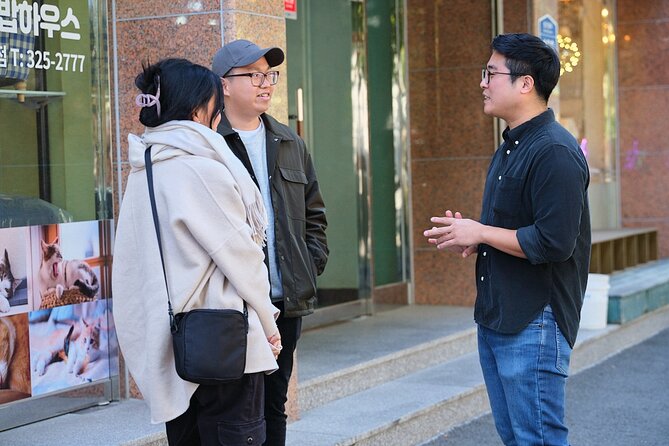
Sam Lee leads the experience, and his role goes beyond pouring drinks. He explains the production process, places Korean alcohol in its cultural setting, and answers questions as they come up.
You can expect a friendly and informal tone. Sam is described as funny, patient, and easy to talk with, and the format allows conversation to flow between the formal explanations. That can be especially helpful if you know little about Korean alcohol. You do not need to arrive with a vocabulary of fermentation terms or a serious interest in spirits.
The cultural details add real value. Sam explains Korean drinking manners and traditions, not just the technical steps of distillation. He also shares practical suggestions for restaurants and places to visit in Seoul. Those recommendations are not the main product, but they can make the session feel connected to the rest of your trip.
The small-group structure helps. With no more than 10 people, you have a reasonable chance to ask about a particular flavor, production method, or drinking custom. The one drawback is social rather than logistical. If you come alone and the group does not mix well, you may find the conversation less rewarding. One person described feeling left out during a session, so solo visitors should know that the group dynamic can affect the evening.
The story of Samhae soju and the three pigs
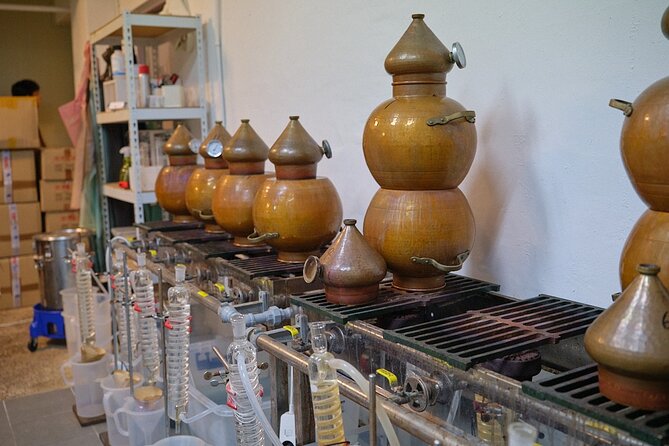
The name of this experience refers to the story of three pigs, but the supplied details focus most strongly on the history of Samhae soju and the people who preserved its method.
Samhae soju was associated with the noble class during the Joseon dynasty, which lasted from 1392 to 1894. It was a luxurious drink because its production required a large amount of rice. During times of famine, making it had to stop because using so much rice for alcohol was not practical.
That detail helps explain why this is not simply another tasting of a popular Korean drink. Traditional soju carries a history of scarcity, status, and craftsmanship. It was not always an everyday pour. The recipe survived through family practice and careful teaching.
The current master, Hyeonjong Kim, trained for more than 10 years under master Taeksang Kim, who had inherited and preserved the family recipe. Taeksang Kim died in 2021, making this tasting a chance to encounter a method that has passed through several generations of distillers.
You do not need to be a history enthusiast to appreciate the story. It gives the samples a sense of place. The drink in your glass is tied to Korean food culture, agricultural resources, and changing ideas about what should be produced during difficult times.
Same base, a different kind of day out:
- Best DMZ Tour Korea from Seoul (Red Suspension Bridge Optional)
★ 5.0 · 41,422 reviews - DMZ Tour: 3rd Tunnel, Option(Suspension Bridge, Boat) from Seoul
★ 5.0 · 21,373 reviews - DMZ tour south Korea from Seoul (NK experience hall, defector)
★ 5.0 · 20,599 reviews - Seoul: DMZ Tour with Optional Suspension Bridge
★ 4.8 · 5,277 reviews
What you taste during the 90-minute session
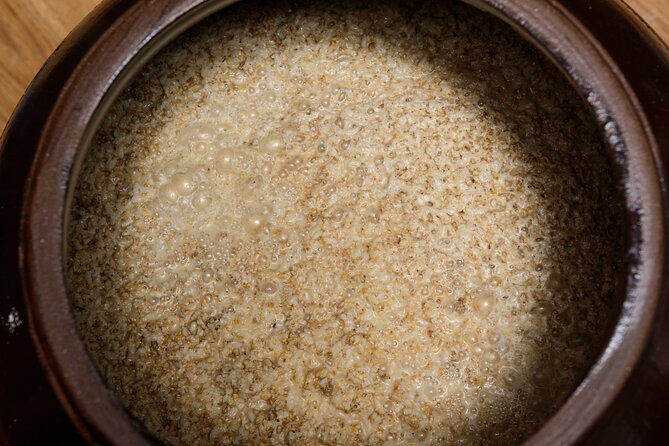
The tasting includes at least seven different Korean alcohols made by a master distiller. The exact sequence and selection can vary, but you can expect the focus to remain on traditional soju, with other styles included for comparison.
Some samples include special aromas, giving you a chance to notice how flavor changes from one bottle to the next. The tasting is not limited to one uniform style. You may move between different strengths, textures, and aromatic profiles.
The key difference is proof. Premium soju served here reaches 45% alcohol by volume or more, which is about 90 proof or higher. That is far stronger than the familiar commercial green-bottle versions. The high proof is not just a number for spirit enthusiasts. It changes how you should approach the tasting.
I recommend taking small sips and giving yourself time between samples. Eat beforehand, as one practical tip from the experience is particularly important: there will be a lot of alcohol. A proper meal before the session is sensible, and you should not plan to drive afterward.
The order of tasting matters too. Lighter or less intense drinks are easier to assess before stronger pours. Sam guides the group through the samples, explaining how each one connects to the production process and Korean drinking culture.
You may finish the session feeling pleasantly tipsy. That is part of the evening for many people, but it can also be the main drawback. A 90-minute tasting with seven or more drinks is not a casual sip of one cocktail. If you rarely drink spirits, take the tasting slowly and use the food and pacing advice seriously.
Seeing fermentation before the final pour
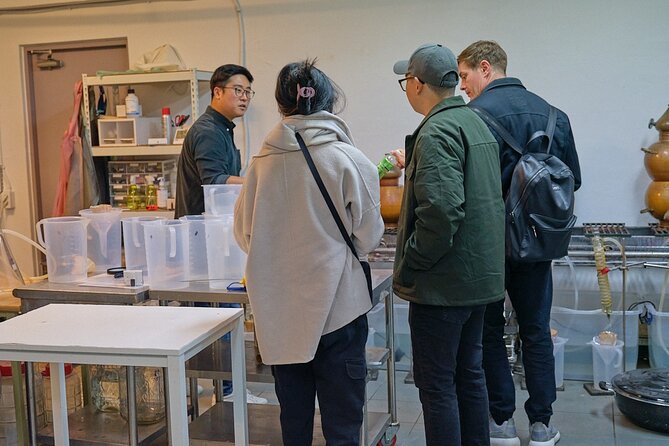
One valuable part of the visit is the chance to see alcohol at different stages of production. You can learn how takju and cheongju relate to soju before the spirit reaches its final form.
Fermentation comes first. Rice and other ingredients are transformed into an alcoholic base. From there, filtering can create a clearer rice wine, while distillation produces a stronger spirit. Seeing or discussing these stages helps you understand that soju is not simply a flavored version of rice wine. It is the result of a different process.
The distillery visit also gives you a reason to ask better questions. You can connect the equipment and production space to what is in the glass. Why is one drink cloudy? Why is another clear? What creates the higher strength? How does a flavoring change the experience? The setting gives those questions a physical context.
Do not expect a long factory tour. The experience lasts about an hour and a half, and the focus is tasting and conversation. The distillery visit is best understood as an intimate look behind the scenes, not a full production-site tour with many separate rooms and demonstrations.
How the value compares with the $43.83 price
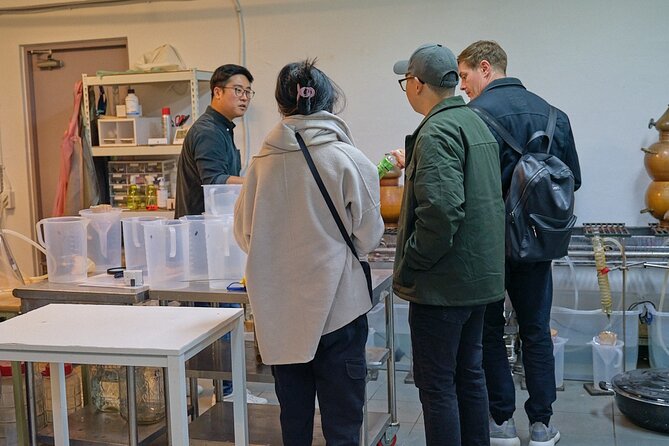
At $43.83 per person, this is not the cheapest way to drink soju in Seoul. If your only goal is to sample a few inexpensive bottles, a restaurant or convenience store will cost much less.
The price makes more sense when you consider what is included. You receive at least seven tastings, access to a distillery normally closed to the public, an explanation of Korean alcohol categories, and a guided look at a traditional recipe. You are paying for context and access as much as for the liquid itself.
For someone who already enjoys spirits, the value is strong. The chance to taste soju at 45% ABV or above, compare different aromas, and learn from a working distiller gives you something you cannot easily recreate during an ordinary night out.
For a casual drinker, the calculation is different. You may not care about the production method, and the high proof could make the session feel like too much. The experience is best for someone who wants to understand what makes traditional soju different, not someone looking for a light social drink.
The small group also helps justify the price. A maximum of 10 people allows more personal attention than a large commercial tasting. Still, the atmosphere is informal and the distillery is a working space, so do not pay expecting luxury surroundings or elaborate food pairings.
Who should book this experience
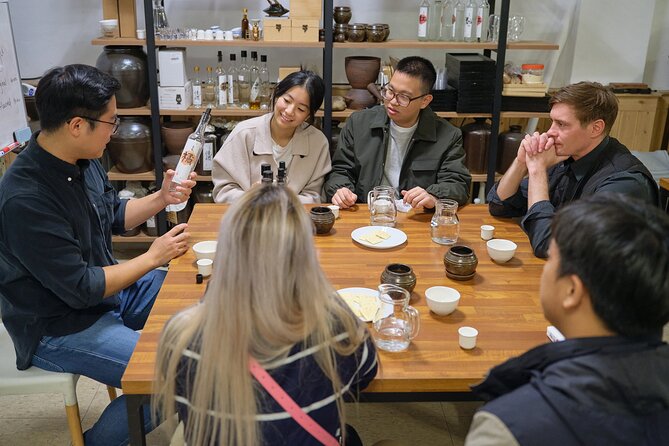
I would point this tasting toward several types of Seoul visitors:
- You enjoy whisky, brandy, vodka, rice wine, or other spirits and want to compare Korean traditions.
- You have tried green-bottle soju and want to understand what traditional soju tastes like.
- You like food and drink experiences with cultural background.
- You prefer a small group and conversation over a large sightseeing tour.
- You want an activity that can fit into an evening in Mapo-gu.
- You appreciate meeting a host who can also offer Seoul food and sightseeing suggestions.
Families can attend if all participants are comfortable with an alcohol-focused activity, but the supplied details do not provide a minimum age or child policy. The tasting is clearly designed for adults who can legally drink.
This may not suit you if you dislike strong spirits, want a nonalcoholic activity, or prefer a polished bar setting. It may also disappoint if you expect a long tour of every stage of production. The central experience is a guided tasting with cultural explanation inside the distillery.
Practical details before you go
The activity lasts approximately 1 hour and 30 minutes and returns to the meeting point. A mobile ticket is provided, and confirmation is received when you book.
Wear something comfortable for an informal distillery setting. The available details do not specify a dress code, accessibility arrangements, or a particular subway route, so check the meeting instructions carefully before leaving.
The experience requires good weather. If poor weather causes cancellation, you are offered another date or a full refund. Your own booking is otherwise non-refundable and cannot be changed for any reason, so choose your date carefully.
I would schedule this when you have no important plans immediately afterward. The combination of several samples and high-proof soju can leave you tipsy, and you will get more from Sam’s explanations if you are not watching the clock or rushing to another appointment.
Final verdict: should you book it?
I think this is a strong choice if you want to discover the difference between commercial soju and traditional distilled soju. The best parts are the working distillery, the seven or more samples, the story of Samhae soju, and Sam Lee’s warm, conversational approach.
The main cautions are equally clear: the spirits are strong, the venue is functional rather than fancy, and a solo visitor may depend on the group atmosphere for part of the fun. Eat first, pace yourself, and arrive ready to talk.
Book it if you want a cultural drink experience with real local context. Skip it if you simply want a cheap night of green-bottle soju or prefer a nonalcoholic Seoul activity.
FAQ
Where does the soju tasting take place?
The meeting point is Samhae Soju, at World Cup buk-ro 109, basement level unit 1, in Mapo-gu, Seoul. The location is near public transportation.
How long does the experience last?
The tasting lasts approximately 1 hour and 30 minutes. It ends back at the meeting point.
How many types of alcohol will I taste?
You will taste at least seven different Korean alcohols made by a master distiller. The selection can include several soju varieties and other Korean alcohol styles.
Is the soju stronger than ordinary green-bottle soju?
Yes. The premium soju served during the experience is 45% alcohol by volume or higher, which is about 90 proof or above.
How large is the group?
The activity has a maximum of 10 participants. Some sessions may be smaller.
Who leads the tasting?
Sam Lee leads the experience. He explains Korean alcohol, the production process, cultural customs, and the history of Samhae soju.
What happens if bad weather cancels the experience?
If the activity is canceled because of poor weather, you will be offered a different date or a full refund. Personal cancellations or amendments are otherwise non-refundable.
Just added in Seoul
- Suwon: Baseball Game with Fortress and Local Food Tour★ 5.0 · 3 reviews
- Seoul: War Memorial of Korea Private Guided Museum Tour★ 4.9 · 29 reviews
- Seoul: Wine & Korean BBQ, Perfect Pairing Dinner in Sinchon★ 5.0 · 6 reviews
- Seoul : Your Personal Photographer in Gyeongbokung★ 5.0 · 7 reviews
- Seoul : Efoil Experience in Han River★ 5.0 · 5 reviews
- Seoul: Vivaldi Park Winter Ski with Eobi Ice Valley Day Tour★ 4.6 · 16 reviews
- Seoul: Vivaldi Park Winter Ski with Nami Island Day Tour★ 5.0 · 4 reviews
- Seoul: SnowyLand in Vivaldi Park with Nami or Alpaca★ 4.8 · 11 reviews
Tours in Seoul, compared.
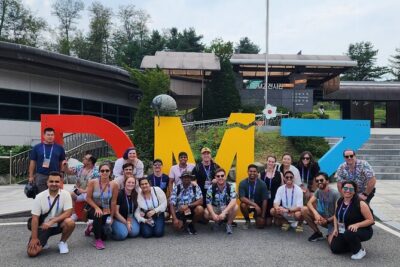
Best DMZ Tour Korea from Seoul (Red Suspension Bridge Optional)
Read our review →
DMZ Tour: 3rd Tunnel, Option(Suspension Bridge, Boat) from Seoul
Read our review →
DMZ tour south Korea from Seoul (NK experience hall, defector)
Read our review →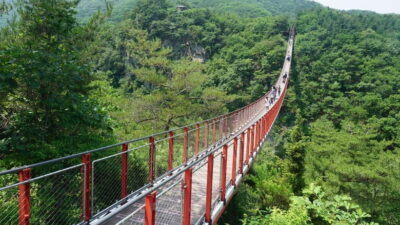
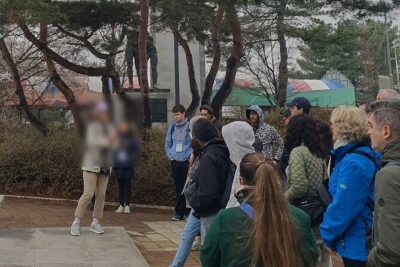
Signature DMZ Tour: Exclusive Defector Talk & Suspension Bridge
Read our review →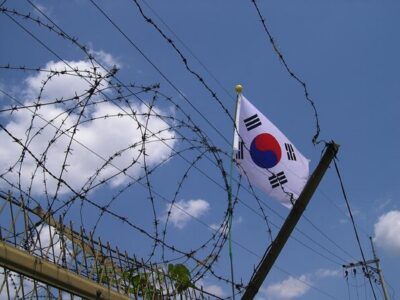
Thrilling Korean DMZ 3rd Tunnel Tour from Seoul + Red Bridge Rush
Read our review →
DMZ Past and Present: Korean Demilitarized Zone Tour from Seoul
Read our review →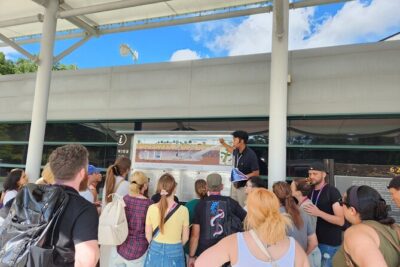
Ultimate Korea DMZ Tour from Seoul (Gondola & Suspension Bridge)
Read our review →Browse the lists this tour appears in